Lizzie Lasater ~ Love Your Lower Back

Lizzie Lasater is a prominent yoga educator and content creator known for her expertise in restorative yoga. With a rich background in architecture, Lizzie applies her design thinking to her yoga teachings. She collaborates with her mother, Judith Hanson Lasater, a pioneer in the field, and Mary Richards, a renowned yoga therapist, to produce courses that delve into the intersection of yoga, anatomy, and well-being. Based in Salzburg, Austria, Lizzie blends her professional expertise with her life experiences as a mother to offer a unique perspective on yoga and mindfulness.

Visit Lizzie on her website here: https://www.lizzielasater.com/
Visit Lizzie’s newsletter here: https://lizzielasater.substack.com/
Sign up for Love Your Lower Back here: https://www.lasater.yoga/courses/love-your-lower-back

Key Takeaways:

  • Lizzie Lasater emphasizes the importance of slowing down and allowing comfort in yoga practices to promote relaxation and nervous system regulation.
  • Her experience growing up in a yoga household without pressure offers insights into fostering a positive relationship with yoga for children.
  • Lizzie advocates for adapting traditional yoga cues to align with modern anatomical and personal needs, moving towards a more inclusive yoga practice.

Embracing Rest: How Lizzie Lasater Redefines Yoga for Modern Life

Key Takeaways

  • Personal Journey in Yoga: Lizzie Lasater transitioned from a vigorous ashtanga practice to promoting restorative yoga, emphasizing personal experience and intuition.
  • Teaching and Parenting Insights: Her upbringing in a yoga household informs her parenting and teaching, focusing on exposure rather than imposition of the practice.
  • Navigating Modern Challenges: Lizzie addresses today’s overstimulation and digital dependency, advocating for slower, more mindful living.

Lizzie Lasater’s Yoga Evolution: From High-Powered Practice to Restorative Bliss

Lizzie Lasater’s journey within yoga is nothing short of fascinating. Initially delving into the worlds of ashtanga and vinyasa yoga, she has intricately redefined her practice to focus on the gentler, introspective aspects. Her inspiration emanates from her personal battles and observations, notably her experiences with anxiety and the profound realization that yoga can serve as a tool for deep relaxation and presence. “Yoga is in the laboratory of my body,” Lizzie articulates, underscoring her philosophy of using personal experience as a guiding star—something that resonates deeply through her teachings and writings.

Her transition to restorative yoga is not just a personal antidote but a public act of inclusion, making the practices accessible and inviting for those who might find traditional yoga intimidating. “What stays with us through the life cycle are those practices,” she wisely notes, suggesting that nurturing quieter practices remains beneficial throughout life’s stages.

This shift is also reflected in her collaboration with her mother, Judith Hanson Lasater, a pioneering voice in restorative yoga, and Mary Richards, a yoga therapist. Their courses, like the upcoming “Love Your Lower Back,” emphasize the importance of functional, anatomy-based practices over rigid adherence to outdated methodologies. Predictably, Lizzie’s approach challenges the norm, asking deep and relevant questions: “At what point does it cease to be yoga?” Her inquiry into authenticity within practice brings a refreshing honesty that both reassures and provokes introspection.

Fostering Mindful Practices Within Modern Parenting

The cultivation of presence and mindfulness is not solely for her students; Lizzie artfully integrates these values into her parenting. Raised in a yoga-infused household, Lizzie carries forward her mother’s approach of ambient exposure rather than enforcement. This method advocates for a natural curiosity in her children about yoga, ultimately serving as a gateway to personal exploration without pressure.

Her parenting outlook comes full circle as she grapples with balancing her twin sons’ divergent personalities. “Yoga was just always around,” Lizzie recalls, explaining how these subtle cues from her upbringing influence her parenting techniques. She creates an atmosphere where silence and comfort with stillness are gifts, offering her children the space to embrace quiet moments rather than a constant succession of activities.

Interestingly, Lizzie extends this gentle philosophy to counter the modern trend of kids’ yoga, labeling it a trend and questioning its necessity. Instead, she emphasizes creating a sensory experience around yoga that her sons can unconsciously absorb, a comforting familiarity they might draw upon in the future.

Tackling Modern-Day Challenges: Digital Detox and Mindful Living

The omnipresence of digital technology can leave many feeling tethered and depleted—a truth not lost on Lizzie. She unveils her personal tussle with digital over-dependence, ones that resonate universally, as she describes the phone’s allure as akin to “a pack of cigarettes.” Her candid self-awareness and decision to embark on a digital detox illuminate a significant concern, echoing her questions such as, “What am I doing with all my time?”

By undertaking two weeks offline, she uncovered a remarkable crispness in thought and decisiveness regained, painting a compelling picture of the potential benefits lying in digital abstinence. This experience accentuates Lizzie’s advocacy for restorative yoga, which she expands upon as an accessible entry point to meditation and mindfulness without the barriers of tradition: “It’s almost like cheating. You don’t have to know how to do it.”

Through these personal revelations, Lizzie encourages a rebellion against constant stimulation, urging a retreat into silence and a return to authenticity. Her insights tap into the core of technology’s role in fracturing attention, highlighting restorative yoga as a formidable antidote. This practice becomes not merely about physical respite but a profound statement on valuing one’s mental and emotional bandwidth.

The wisdom Lizzie imparts is not just a method but a movement toward reclaiming one’s agency over time and attention. Her transparency breeds relatability, inciting individuals to explore how they might gently—and powerfully—restore their own lives.

Lizzie Lasater’s approach to yoga, parenting, and modern life firmly places her as a thought leader navigating the contemporary yoga landscape. Her teachings offer an invitation: to pause, question, and embrace the art of doing nothing. In intertwining yoga as a practice not of form but of presence and rest, she redefines its role in a society tethered to fast-paced living and technological noise. The lessons Lizzie shares remind us that in a world where speed and volume prevail, perhaps the most radical act is to simply slow down and savor silence.

Thanks for listening to this episode. Check out: 👇
Free Grow Your Yoga Live Webinar – Every Thursday at 12pm EST
➡️ Click here to receive link

New Student FREE Livestream Yoga Special ~ Try 2 Weeks of Free Unlimited Livestream Yoga Classes  at Native Yoga Center. info.nativeyogacenter.com/livestream Sign into the classes you would like to take and you will receive an email 30 minutes prior to join on Zoom. The class is recorded and uploaded to nativeyogaonline.com  ➡️  Click Here to Join. 

Subscribe to Native Yoga Center and view this podcast on Youtube.

Thank you Bryce Allyn for the show tunes. Check out Bryce’s website: bryceallynband.comand sign up on his newsletter to stay in touch. Listen here to his original music from his bands Boxelder, B-Liminal and Bryce Allyn Band on Spotify.

Please email special requests and feedback to info@nativeyogacenter.com

Enjoy new Native Yoga Center classes uploaded everyday on our online learning hub. Use code FIRSTMONTHFREE at checkout. https://nativeyogacenter.teachable.com/p/today-s-community-class

Support the show

Native Yoga website: here
YouTube: here
Instagram: @nativeyoga 
Twitter: @nativeyoga 
Facebook: @nativeyogacenter 
LinkedIn: Todd McLaughlin
Tawanya Norwood ~ Achieving Greatness: Balancing Motherhood, Military, and Mindfulness

Listen to Toddcast with Tawanya for FREE Here

Tawanya Norwood is a U.S. Marine and a passionate advocate for yoga, blending her military discipline with the mindfulness of yoga practice. Originally from Miami Dade County, Tawanya has served in the military for seven years, currently stationed at the Pentagon. She has an academic background in sociology, graduating from the University of Florida, and works on the social media team for the Marine Corps, leveraging her skills developed from her yoga journey. Tawanya is also a dedicated mother and an inspiration figure aiming to bridge the gap between military service and holistic wellness.

Follow Tawanya on Instagram: https://www.instagram.com/th33besticanbe/?hl=en

Key Takeaways:

  • The Intersection of Yoga and Military Life: Tawanya uniquely blends the discipline of the Marines with the mindfulness of yoga, demonstrating resilience and self-awareness.
  • Inspirational Roots: Motivation drawn from early life challenges and influential figures like Eric Thomas continues to drive her success.
  • Power of Affirmations: Emphasizing the role of positive self-talk and visualization in achieving excellence, as observed in Olympic athletes.
  • Evolving Military Practices: The integration of yoga and stretching in military training highlights a progressive approach to soldier wellness.

The Intersection of Yoga and Military Life

Finding Balance Through Yoga in the Military

In the high-stakes environment of the military, stress management and physical fitness are paramount. For Tawanya Norwood, a dedicated Marine, yoga has been an essential tool in maintaining her mental and physical well-being. When asked about her initial foray into yoga, Tawanya recalls discovering it in high school as a means to enhance her flexibility and recovery from track workouts. This early exposure blossomed into a deeper practice after college, where she attended free sessions at a public library:

“My first experience was actually at a public library… I liked the environment, and in particular, I liked the respect that they put on the stretching.”

This notion of respect for one’s body through yoga parallels the discipline instilled in military training. Despite the initial surprise of her fellow recruits during boot camp, Tawanya integrated her practice seamlessly into her routine, even receiving support from her superiors who recognized the benefits of yoga for mental resilience and physical flexibility.

“Surprisingly, we actually practice yoga as a group, like, they brought someone in who could teach it to us… the Marine Corps is evolving as the people within it are evolving.”

For Tawanya, practicing yoga in the military wasn’t just about the poses; it was about creating a balance between the rigorous demands of the military and the holistic benefits of yoga. Yoga provided an avenue for stress relief and mental clarity, fostering a deeper connection with her fellow marines and contributing to a culture of wellness within the military framework.

Self-Discovery and Overcoming Societal Barriers

Tawanya’s journey from Miami Dade County to the halls of the Pentagon is a testament to overcoming societal barriers and personal challenges. Growing up in the rough neighborhood of Liberty City, she was exposed to significant adversity, including violence and economic instability. These experiences ignited a determination to break the cycle of poverty and provide a better future for her family.

“I didn’t want that to continue. So when I thought about what could do that, for some reason the military popped up.”

Joining the Marines at the age of 28, Tawanya leveraged her education in sociology to understand the psychological and communal aspects of her training. This maturity allowed her to navigate the challenges of boot camp with resilience. Moreover, her commitment to yoga and her experiences traveling the world with the military has fueled her desire to inspire others who come from similar backgrounds.

“I still have the dreams that I had when I started because for me, those were my true dreams… reach back and give back to who I want.”

Tawanya’s story exemplifies the power of self-belief and the pursuit of one’s best self despite facing societal and personal hurdles. Her vision of using her platform to inspire and motivate others, particularly those from disadvantaged backgrounds, underscores an enduring commitment to personal and communal upliftment.

The Synergy Between Christian Faith and Yoga

Navigating the intersection of Christian faith and yoga, Tawanya has found a harmonious balance that enriches both her spiritual and physical practices. The concern that yoga could conflict with Christian beliefs is something she addresses with sensitivity and insight. For Tawanya, the essence of yoga is its intentionality and the focus it brings to one’s meditative practices.

“I like to say that I practice Christian yoga because my practice, what I like to focus on, what I like to instruct people about is faith-based stuff or meditating on positive things… the Bible talks about meditations, about what you focus on.”

This perspective allows Tawanya to integrate biblical principles and Christian meditations into her yoga practice, bridging the gap between physical wellness and spiritual integrity. Her approach encourages others to see yoga not as a conflicting practice but as a complementary one that can enhance their religious experience.

“I think when I wrote the post on Facebook, one of the bigger points I made is like, it’s about what you focus on when you’re in the pose.”

By leveraging her platform to promote this understanding, Tawanya demonstrates how yoga can be adaptable and inclusive, providing a space for individuals to express their spirituality in diverse ways. Her leadership in this area is paving the way for broader acceptance and integration of holistic practices within the framework of Christian faith.

Recap of Key Insights

The journey of Tawanya Norwood from a challenging childhood in Miami to a dedicated Marine and passionate yoga practitioner highlights several compelling themes. Through the lens of yoga, Tawanya has found balance and resilience amid the rigorous demands of military life, demonstrating that physical discipline and mental well-being can coexist harmoniously. Her story of overcoming societal barriers to pursue her goals serves as a powerful example of determination and self-belief, inspiring others to strive for their best selves despite their circumstances. Finally, Tawanya’s ability to blend her Christian faith with her yoga practice illustrates the adaptability and inclusivity of yoga, offering a model for how spiritual practices can coexist and even enhance one another. Through her experiences, Tawanya continues to motivate and uplift those around her, using her unique journey as a testament to the power of perseverance, faith, and holistic well-being.

Thanks for listening to this episode. Check out: 👇
Free Grow Your Yoga Live Webinar – Every Thursday at 12pm EST
➡️ Click here to receive link

New Student FREE Livestream Yoga Special ~ Try 2 Weeks of Free Unlimited Livestream Yoga Classes  at Native Yoga Center. info.nativeyogacenter.com/livestream Sign into the classes you would like to take and you will receive an email 30 minutes prior to join on Zoom. The class is recorded and uploaded to nativeyogaonline.com  ➡️  Click Here to Join. 

Subscribe to Native Yoga Center and view this podcast on Youtube.

Thank you Bryce Allyn for the show tunes. Check out Bryce’s website: bryceallynband.comand sign up on his newsletter to stay in touch. Listen here to his original music from his bands Boxelder, B-Liminal and Bryce Allyn Band on Spotify.

Please email special requests and feedback to info@nativeyogacenter.com

Enjoy new Native Yoga Center classes uploaded everyday on our online learning hub. Use code FIRSTMONTHFREE at checkout. https://nativeyogacenter.teachable.com/p/today-s-community-class

Support the show

Native Yoga website: here
YouTube: here
Instagram: @nativeyoga 
Twitter: @nativeyoga 
Facebook: @nativeyogacenter 
LinkedIn: Todd McLaughlin

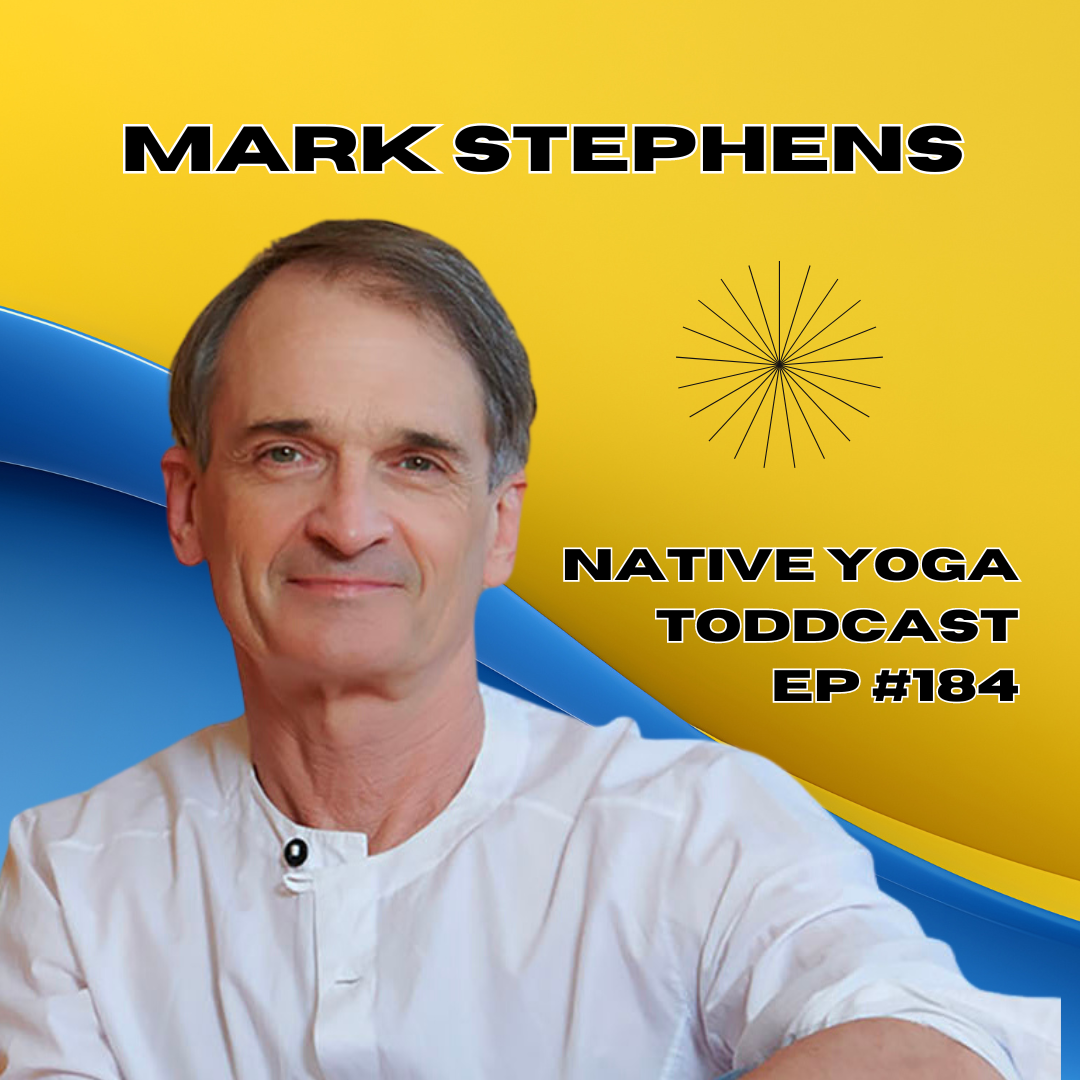
Mark Stephens ~ The Evolution of Yoga Sequencing and Adjustment Techniques

Listen to Toddcast with Mark for FREE Here

Mark Stephens is a highly respected and influential figure in the world of yoga. He is a prolific author, having written several books on yoga. Mark runs an Online Teaching Yoga Academy and has a podcast called The Yoga Room Podcast. His expertise spans across various domains such as yoga, bodywork, and the integration of therapeutic yoga in different systems including the prison system. He is known for his dynamic approach to teaching, his extensive knowledge of yoga history and anatomy, and his dedication to making yoga accessible to all.

Visit Mark on his website: https://www.markstephensyoga.com/

Key Takeaways:

  • Transformative Impact of Yoga: Mark shares how yoga has the power to transform lives, particularly for troubled youths in juvenile systems.
  • Adaptability in Yoga Instruction: The importance of understanding individual conditions and intentions when teaching yoga to ensure safety and effectiveness.
  • Evolution of Yoga Practices: Insight into the historical context of yoga’s rise in the West, including influential figures and cultural phenomena.

Unlocking Yoga’s Potential: Insights from Mark Stephens’ Journey

Key Takeaways

  • Embrace the blend of experiential learning and academic inquiry to deepen yoga practice and teaching.
  • Understand the critical importance of anatomical and biomechanical awareness in yoga to prevent long-term injuries.
  • Adopt a mindful, individualized approach to yoga practice to respect and honor the diverse needs of students.

A Journey Through Yoga’s Transformation and Impact

In a captivating conversation with Todd McLaughlin from Native Yoga, Mark Stephens, a distinguished yoga instructor and author, shares his profound insights drawn from years of practice, teaching, and a unique life journey. Stephens delves into the intersections of yoga, social activism, and anatomy, shedding light on the evolutionary path of yoga practice and its implications for both teachers and students.

The Power of Experiential Learning

Mark Stephens’ journey is a testament to the powerful combination of lived experience and formal education. Dropping out of school in eighth grade, he was exposed to various life challenges that ultimately shaped his teaching philosophies. Stephens’ first encounter with yoga came through books, leading to a self-practice that later complemented his deep involvement in social justice initiatives.

“I had this experience and thought, ‘Wow, there’s something more here,'” Stephens recalls, speaking about a pivotal moment that nudged him towards yoga. This laid the foundation for his later work in academic and activist settings, particularly in juvenile institutions where he introduced yoga as a transformative tool. His unique background enabled him to connect deeply with the youth, many of whom had complex traumatic backgrounds.

Todd McLaughlin highlights this synergy, noting, “I can see how this would have evolved. You were able to speak that language and understand where they’re coming from.” This approach underscores the importance of blending personal experiences with professional pursuits to create impactful teaching methods.

The Importance of Anatomical and Biomechanical Awareness

One of the standout themes in Stephens’ dialogue is the critical necessity of understanding anatomy and biomechanics in yoga practice. In his book “Yoga Sequencing,” he cautions against certain movements that can lead to long-term injuries. For example, repeatedly transitioning from internal to external hip rotations with full body weight can cause hip joint stress, leading to conditions like femoral neck syndrome.

“That rotation with full weight can introduce forces that stress the femoral neck,” warns Stephens, urging yoga practitioners to be mindful of the nuanced impacts of their movements. This anatomical insight is not widely covered in standard yoga teacher training, which Stephens finds concerning.

Stephens’ anecdote about early influences from teachers like Shiva Rea further enriches this narrative. Rea’s concept that extreme postural practices can be particularly detrimental has been a guiding principle for Stephens: “Shiva first suggested this to me, and I then went deeper into understanding these forces.” This deep dive into biomechanics is part of what makes Stephens’ teaching uniquely grounded in scientific understanding.

Individualized and Mindful Yoga Practice

Another significant theme emerging from Stephens’ discussion is the necessity of an individualized and mindful approach to yoga. He emphasizes respecting each student’s unique conditions while encouraging playful exploration within their practice. His response to students playing with different poses resonates with his teaching philosophy: “Play with it, but be aware there are potential implications.”

Stephens recalls a formative experience in juvenile institutions, where he noticed that the youth often sought quiet and restorative yoga practices rather than high-energy vinyasa flows. This observation led him to tailor his sessions to include more breathwork, guided meditation, and calming postures.

“What they wanted was permission and opportunity to be quiet and still,” he shares, reflecting on the importance of listening to students’ needs. This adaptability is crucial for effective teaching, ensuring that yoga serves as a therapeutic and supportive practice rather than a one-size-fits-all regimen.

Continual Evolution and Learning

Mark Stephens’ practice and teaching methods have continuously evolved, informed by decades of experience and ongoing scholarly inquiry. He remains a proponent of foundational postures that strengthen and support the body’s mechanics, cautioning against extreme contortions.

The implications of his insights are far-reaching, advocating for a shift in how yoga is taught and practiced globally. His emphasis on biomechanics and individualized practice can potentially prevent the long-term injuries seen in many seasoned practitioners.

Overall, Stephens’ journey reveals a layered understanding of yoga – one that honors tradition while embracing scientific and experiential wisdom. By merging academic rigor with lived experience, he illustrates the transformational potential of yoga when practiced mindfully and inclusively. His story is a call to all yoga teachers and practitioners to deepen their awareness and approach practice with both curiosity and care.

Thanks for listening to this episode. Check out: 👇
Free Grow Your Yoga Live Webinar – Every Thursday at 12pm EST
➡️ Click here to receive link

New Student FREE Livestream Yoga Special ~ Try 2 Weeks of Free Unlimited Livestream Yoga Classes  at Native Yoga Center. info.nativeyogacenter.com/livestream Sign into the classes you would like to take and you will receive an email 30 minutes prior to join on Zoom. The class is recorded and uploaded to nativeyogaonline.com  ➡️  Click Here to Join. 

Subscribe to Native Yoga Center and view this podcast on Youtube.

Thank you Bryce Allyn for the show tunes. Check out Bryce’s website: bryceallynband.comand sign up on his newsletter to stay in touch. Listen here to his original music from his bands Boxelder, B-Liminal and Bryce Allyn Band on Spotify.

Please email special requests and feedback to info@nativeyogacenter.com

Enjoy new Native Yoga Center classes uploaded everyday on our online learning hub. Use code FIRSTMONTHFREE at checkout. https://nativeyogacenter.teachable.com/p/today-s-community-class

Support the show

Native Yoga website: here
YouTube: here
Instagram: @nativeyoga 
Twitter: @nativeyoga 
Facebook: @nativeyogacenter 
LinkedIn: Todd McLaughlin

Dale Matzkow – Pilates & Yoga: Bridging the Gap Between

Listen to podcast with Dale for FREE Here

Dale Matzkow is a seasoned Pilates instructor based in Juno Beach, Florida. With a background spanning several decades, Dale has trained under various prestigious instructors and integrated both classical and contemporary methods into her practice. Dale began her journey with Pilates in the mid-80s and has since dedicated herself to teaching and expanding her knowledge. She regularly teaches mat Pilates and is recognized for her expertise in adapting workouts to suit both novices and seasoned practitioners.

Visit Dale on her website: https://www.purepilatesnyc.com/
Follow her on IG: https://www.instagram.com/purepilatesnyc/

Key Takeaways:

  • Historical Insights: Discover the origins of Pilates, developed by Joseph Pilates during World War I, and its evolution into a renowned fitness method.
  • Classical vs. Contemporary Pilates: Learn the key differences between classical Pilates, which adheres closely to Joseph Pilates’ original teachings, and contemporary approaches that incorporate modern advancements in bodywork.
  • Benefits of Pilates: Understand how Pilates helps in injury recovery and improves overall strength, flexibility, and body awareness.

Exploring the Intersection of Pilates and Yoga: A Deep Dive into Classical Practices

Welcome to an in-depth exploration of Pilates and Yoga, focusing on their shared histories, differing methodologies, and potential health benefits. This discussion, derived from an engaging conversation with Dale Matzkow, a seasoned Pilates instructor, delves into the nuances of classical Pilates and its intersections with yoga.

Key Takeaways:

  • Historical Foundations: Understand Joseph Pilates’ original intentions and the evolution of Pilates from its inception to modern applications.
  • Core Methodologies: Explore the core differences and similarities between classical Pilates and yoga, emphasizing the unique features of each.
  • Health and Wellness Benefits: Evaluate how both disciplines offer pathways to improved physical fitness, injury prevention, and overall well-being.

Historical Foundations of Pilates

Joseph Pilates’ Vision and Innovations

Joseph Pilates, the founder of the Pilates method, has a fascinating backstory. Originating from Germany, he was a physical movement educator, practitioner, and inventor who developed his method during World War I. Dale explained, “He was in an internment camp in the Isle of Man and used his method to help himself and his fellow men maintain their health.”

Pilates’ goals were ambitious and holistic, aiming for the “complete coordination of mind, body, and spirit.” His initial creation, the “mat exercises,” consisted of 34 distinct positions that later expanded into over 500 movements incorporating various pieces of equipment, such as the Reformer and Cadillac. This broad base allowed Pilates practitioners to develop a robust physical conditioning program that integrated strength, flexibility, and mental focus.

Core Methodologies: Pilates vs. Yoga

Classical Pilates Versus Contemporary Pilates

One of the most enlightening parts of the discussion was the distinction between classical and contemporary Pilates. Dale emphasized the importance of respecting the original system, noting, “It started on a mat, and the equipment was developed after because people were having difficulties doing the mat work. The equipment was invented to assist in the mat.”

Classical Pilates sticks rigorously to the sequences and methodologies established by Joseph Pilates. Dale noted, “Classical Pilates respects Joseph Pilates’ original work, rarely deviating from it, while contemporary approaches integrate modern understanding of anatomy and movement.”

Commonalities and Differences with Yoga

A recurring theme was the similarities between Pilates and yoga, with each sharing principles like controlled movement, breath work, and mind-body integration. But there are crucial differences. Pilates places a strong emphasis on core strength and controlled, precise movements—elements that help in stabilizing the body, enhancing posture, and preventing injuries.

“Pilates is definitely strength-oriented,” explained Dale, emphasizing controlled, deliberate movements over flexibility. She highlighted that both disciplines could be complementary, each offering unique benefits. For example, Pilates’ focus on strengthening could help prevent injuries in yoga practitioners by building up stabilizing muscles.

Health and Wellness Benefits

Injury Prevention and Rehabilitation

Dale’s passion for Pilates was palpable as she recounted stories of injury recovery through the method. “Every day, we have somebody that comes in with an injury, and it’s wonderful to help them regain strength and mobility,” she shared. Pilates can offer a scientifically-backed approach to wellness, where strength-building aids in stabilizing hypermobile joints and creating a support system around injuries.

It was also noted how well Pilates works with physical therapy. “There is mutual respect with medical professionals,” Dale mentioned, highlighting how Pilates can complement, rather than replace, clinical advice and treatment.

The Role of Breath in Pilates

Another remarkable aspect is the role of breath. Dale reiterated one of Joseph Pilates’ key principles: “It’s the first thing we do in life and the last thing we do, so we should learn how to do it properly.” Proper breathing is essential for maximizing the effectiveness of the exercises and facilitating the mind-body connection, a concept deeply ingrained in both Pilates and yoga.

Enriching Lives Through Classical and Contemporary Practices

This conversation provided a deep dive into the rich history and evolving practices of Pilates, highlighting its nuances and differences from yoga. The journey of understanding and educating oneself in these practices opens avenues for improving physical fitness, mental clarity, and overall well-being.

Whether you’re intrigued by the classical rigor of Pilates or the adaptability of contemporary approaches, understanding these distinctions can help guide you toward practices that best suit your individual needs. Dale’s insights reveal that both disciplines, though distinct, offer invaluable tools for promoting a balanced, healthy lifestyle.

Thanks for listening to this episode. Check out: 👇
Free Grow Your Yoga Live Webinar – Every Thursday at 12pm EST
➡️ Click here to receive link

New Student FREE Livestream Yoga Special ~ Try 2 Weeks of Free Unlimited Livestream Yoga Classes  at Native Yoga Center. info.nativeyogacenter.com/livestream Sign into the classes you would like to take and you will receive an email 30 minutes prior to join on Zoom. The class is recorded and uploaded to nativeyogaonline.com  ➡️  Click Here to Join. 

Subscribe to Native Yoga Center and view this podcast on Youtube.

Thank you Bryce Allyn for the show tunes. Check out Bryce’s website: bryceallynband.comand sign up on his newsletter to stay in touch. Listen here to his original music from his bands Boxelder, B-Liminal and Bryce Allyn Band on Spotify.

Please email special requests and feedback to info@nativeyogacenter.com

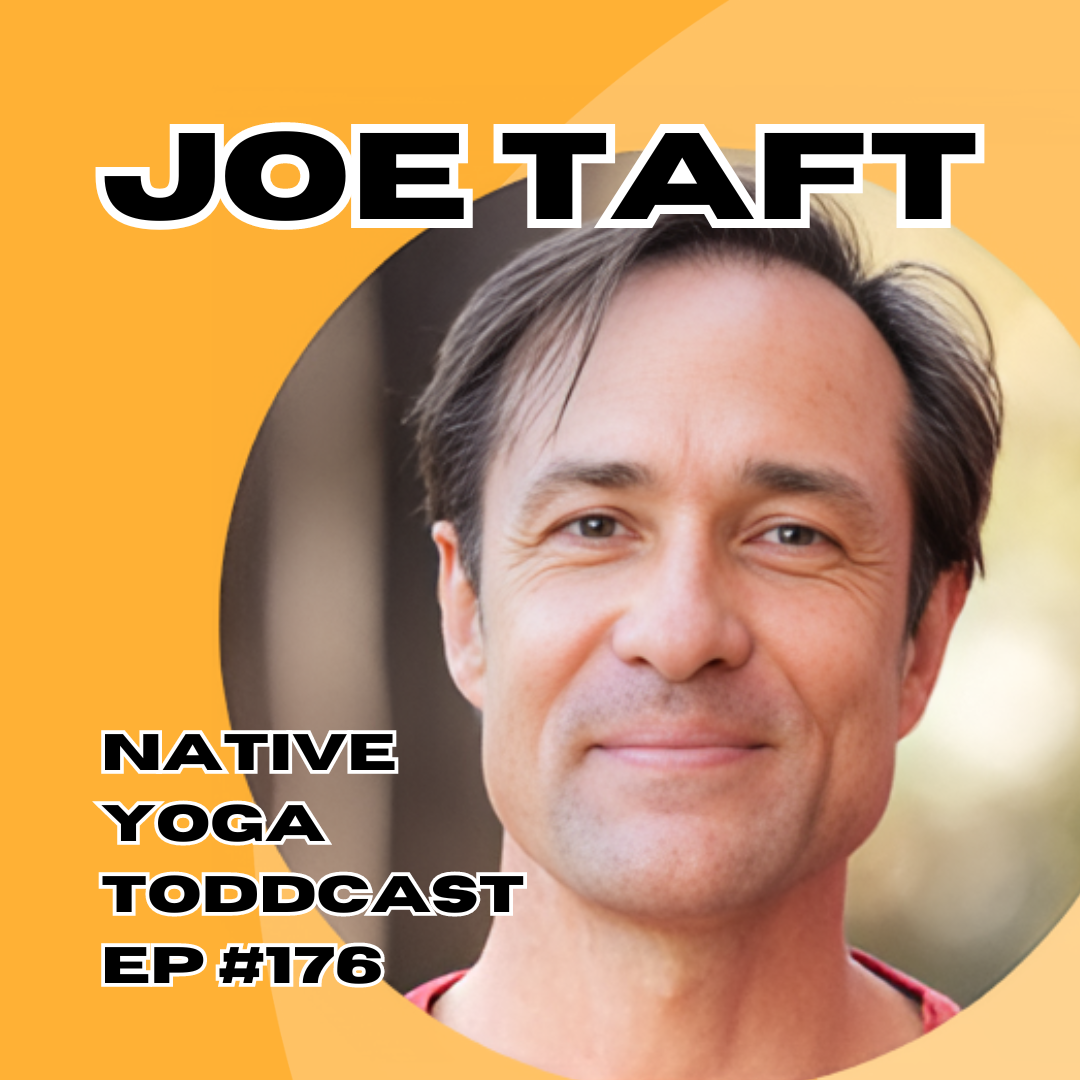
Joe Taft ~ Unpacking Mythology: The Hidden Layers of Yoga Stories

Listen to podcast with Joe for FREE Here

Joe Taft is a seasoned yoga instructor based in Asheville, North Carolina. With a professional background in kayaking, Joe transitioned into yoga to manage his back pain from the sport’s physical strain. He initially trained under Mary Kay West and was deeply involved in Anusara Yoga, where he achieved full certification. Joe’s practice combines various yoga philosophies and physical movements to create a balanced and harmonious practice for his students.

Visit Joe on his website: https://joetaftyoga.com/
Follow him on IG: https://www.instagram.com/joe_taft_yoga/

Key Takeaways:

  • Transition from Kayaking to Yoga: Joe Taft discusses how the physical strain from professional kayaking led him to yoga for pain relief and holistic healing.
  • Influences and Training: Joe’s initial training with Mary Kay West and his involvement with Anusara Yoga helped shape his teaching philosophy.
  • Philosophy and Spirituality: The conversation touches on Joe’s balancing of his Christian upbringing with non-dual Tantra philosophies, offering a unique perspective on spiritual practices.
  • The Role of Mythology: Joe emphasizes the importance of mythology in understanding consciousness and self-awareness through stories and practices.

The Power of Embracing Dual Philosophies in Yoga

One of the standout themes from the insightful conversation between Todd McLaughlin and Joe Taft is the robust embrace of dual philosophies. This duality is beautifully reflected in the profound simplicity with which Joe embodies both his Christian upbringing and his deep dive into the non-dualist Tantra philosophy. Joe explains, “Although I had a lot of things I had to work through…I feel really fortunate about that.” This shows a significant personal transformation, suggesting an intrinsic value in understanding and integrating conflicting belief systems.

These integrative philosophies enhance a yoga practitioner’s depth of understanding and expose them to a variety of spiritual practices and ethical considerations. Joe mentions, “We don’t really believe that things are good or bad. Because, I mean, how many times has something happened to you? And you’re like, oh, my gosh, that was the worst thing that ever happened to me. And then like, two months later, you’re like, oh, my gosh, that was the best thing that ever happened to me.” This viewpoint emphasizes the importance of recognizing the fluidity and connectivity of diverse experiences, both positive and negative.

The personal journey Joe has been through, alongside cultural and religious influences, shows that dual philosophies offer a comprehensive understanding of life’s complexities. Here lies the essence of practicing spiritually grounded yoga – acknowledging the stillness of Shiva while dancing with the ever-changing Shakti.

The Intersection of Physical Practice and Philosophical Beliefs

A significant part of this transformative conversation is the deep intersection between the physical practices of yoga and the underpinning philosophical beliefs. This connection manifests in Joe’s journey from suffering debilitating back pain due to his kayaking career to finding relief and purpose in yoga. His story “…my back was excruciating. Like there were mornings when I couldn’t get out of bed or I had to get out really slowly. And that process kind of got me into yoga,” vividly shows the physical struggles leading to spiritual awakenings.

Joe’s foray into yoga started intuitively, aligned with self-discovery and experimentation, which later formalized under the mentorship of teachers like Mary Kay West. His transition demonstrates how physical ailments can pave the way for deeper philosophical engagements and teachings.

On the other hand, Todd’s narrative of discovering yoga through the physicality of Bikram Yoga parallels Joe’s journey. Both highlight the transformative power yoga has in aligning the mind, body, and spirit. Todd states, “I can feel surfing in my body anywhere anytime,” showcasing how physical activity, like surfing, can be mirrored in yoga practices, providing a continuous link to physical and spiritual wellness.

These narratives illustrate that the physical practice of yoga is not just about physical health but equally about spiritual and philosophical growth. Practitioners like Joe and Todd find a harmonious balance between physical exertion and spiritual understanding, thus embodying the true essence of yoga.

Personal and Historical Contexts Shaping Spiritual Journeys

Exploring personal and historical contexts opens another layer of insight into one’s spiritual journey, as seen in Joe’s and Todd’s experiences. Joe’s journey from eastern North Carolina to becoming fully immersed in the practice and teaching of yoga is laden with personal anecdotes and experiences. He reflects, “I had this opportunity to experience fundamentalist Christianity…shaped my way to become a yoga teacher.” This reveals how historical and geographical influences are pivotal in shaping our spiritual outlooks and practices.

Similarly, Todd’s background in Catholicism, subsequent engagement with Krishna consciousness, and finally establishing a life around yoga practice encapsulates the impact of historical and personal contexts. He mentions, “…when I started going toward the east, say, and I’m interesting, I’m just starting to have this reconnection again where I’m like, I want to, I want to know about all of it.” This is a striking example of how historical religious contexts intertwined with personal experiences lead to evolving spiritual pursuits.

Joe also emphasizes the value of stories and mythology in understanding deeper life themes. Emphasizing the mythological elements in yoga, he states, “I believe in mythology…as a zip file.” This analogy illustrates that personal history and mythology contribute significantly to spiritual growth and understanding, driving home that background and stories deeply influence our personal philosophies and practices.

Recapping the key points, this conversation authentically captures the essence of spiritual growth through a dual approach, the intersection of physical practice and philosophy, and the profound influence of personal and historical contexts. Through these lenses, we can appreciate that life’s complexities and spiritual understandings are interwoven with our experiences and that embracing this can lead to a richer, more fulfilling practice of yoga and life.

For those inclined to delve deeper into these themes and explore yoga from both a holistic and academic perspective, seeking guidance from experienced teachers like Joe Taft, engaging in mythology, and integrating physical practices with philosophical reflections create a well-rounded, spiritually enriching journey.

Thanks for listening to this episode. Check out: 👇
Free Grow Your Yoga Live Webinar – Every Thursday at 12pm EST
➡️ Click here to receive link

New Student FREE Livestream Yoga Special ~ Try 2 Weeks of Free Unlimited Livestream Yoga Classes  at Native Yoga Center. info.nativeyogacenter.com/livestream Sign into the classes you would like to take and you will receive an email 30 minutes prior to join on Zoom. The class is recorded and uploaded to nativeyogaonline.com  ➡️  Click Here to Join. 

Subscribe to Native Yoga Center and view this podcast on Youtube.

Thank you Bryce Allyn for the show tunes. Check out Bryce’s website: bryceallynband.comand sign up on his newsletter to stay in touch. Listen here to his original music from his bands Boxelder, B-Liminal and Bryce Allyn Band on Spotify.

Please email special requests and feedback to info@nativeyogacenter.com

Enjoy new Native Yoga Center classes uploaded everyday on our online learning hub. Use code FIRSTMONTHFREE at checkout. https://nativeyogacenter.teachable.com/p/today-s-community-class

Support the Show.

Native Yoga website: here
YouTube: here
Instagram: @nativeyoga 
Twitter: @nativeyoga 
Facebook: @nativeyogacenter 
LinkedIn: Todd McLaughlin
Josh Biro ~ Secrets of Success: Balancing Yoga Practice and Business Mastery

Click here to listen to Toddcast with Josh for FREE here

In this enlightening episode of the Native Yoga Toddcast, host Todd McLaughlin is joined by Josh Biro, the dynamic founder of Yogapreneur Collective. Josh dives deep into the integration of yoga practices with entrepreneurial ventures, providing invaluable insights for yoga studio owners and business enthusiasts. With a background embedded in both yoga and business from an early age, Josh shares his transformative journey from a reluctant yogi to a thriving entrepreneur. The conversation is rich with practical advice on reconciling the seemingly contrasting worlds of yoga and business, and offers a fresh perspective on adapting to the ever-evolving landscape of yoga entrepreneurship.

Visit Josh on his website: https://yogapreneurcollective.com/
Subscribe to his YouTube channel: https://www.youtube.com/@yogapreneurcollective

Key Takeaways:

  • Integration of Yoga and Business: Josh highlights the importance of reconciling yoga practices with business operations to create a sustainable and impactful yoga studio.
  • Cashflow Management: The necessity of managing cashflow effectively to maintain and grow a yoga business is stressed as the foundation of operational success.
  • Technology and AI in Yoga Businesses: Insights on leveraging AI and automation to enhance efficiency, customer service, and market adaptability, without losing the human touch.

Unlocking the Secrets to Yoga Business Success: Insights from Josh Biro

The world of yoga and business might seem at odds with each other at a glance. Yet, there is a growing synergy between the two, especially when it comes to operating a successful yoga studio. Todd McLaughlin recently hosted Josh Biro on the Native Yoga Toddcast, delving into the intersection of yoga philosophy and business acumen. Here, we unearth the rich insights Josh shared, highlighting the importance of mindset, technology, and sustainable growth in achieving success in the yoga business.

Integrating Yogic Philosophy with Business Mindset

One of the most compelling discussions revolved around the reconciliation between yoga and business. Josh, the founder of Yogapreneur Collective, emphasized the need to balance passion for yoga with solid business practices. He noted, “Yoga plus business people would even say like, well, those go together…Yogi’s tend to be excellent business people once they personally reconcile the fact that the business is not at odds with their yoga practice.”

Josh relayed his personal story of transitioning from a yoga practitioner to a successful studio owner. His journey highlighted the necessity of loving not just yoga, but the business elements that sustain it. This requires shifting from a mindset of being a “small business owner” to becoming a “yoga entrepreneur.”

Key Insight: Success hinges on shifting from mere practice to fully embracing business strategies. A yoga studio is more than a space for practice—it’s a community hub that requires strategic planning and robust management.

Leveraging Artificial Intelligence for Operational Excellence

AI is revolutionizing how yoga studios operate, making it a hot topic among yoga entrepreneurs. Josh elaborated on the transformative potential of AI, illustrating that the technology’s ability to automate and streamline operations affords studio owners more time to focus on the human aspects of their business.

For example, Josh mentioned, “You can now upload that into AI…what would have taken a data analysts like two days of moving things around…to cross reference through everything you can do in five minutes?” This remarkable efficiency increase enables studios to better serve their clients while focusing on growth.

Tools like chatbots, automated follow-ups, and highly tailored marketing emails can significantly enhance customer interaction without burdening the staff. This is echoed in Josh’s assertion: “Imagine I can go into your website and I can just like have a conversation with your website to get the information I need.”

Broader Implications: AI can help balance efficiency and personal touch, critical for nurturing the customer relationship in a yoga community. Embracing these tools enables yoga businesses to scale without compromising service quality.

Sustainable Growth and Community Building

Surviving and thriving in the yoga business involves sustainable growth and a strong sense of community. Josh stressed the importance of focusing on cash flow, equating it to the “breath” in business. He illuminated that many studios falter not from a lack of interest but due to poor financial planning.

“Cash flow, strictly speaking, it’s trying to make a sale or trying to get more dollars per person or trying to make it more accessible in pricing or whatever,” he detailed. Continuous growth requires understanding local market demands and pricing accordingly. This ensures studios can offer competitive salaries to attract and retain top-tier teachers, echoing Josh’s point, “If you want the best teachers, the A players, you’re going to have to pay them.”

The interview further discussed community-centric approaches as vital for resilience, especially post-COVID. Josh observed, “In the yoga world, we’ve kind of accidentally devalued what we were doing in our attempt to make things accessible and inclusive.” To counter this, studios need to convey the true value of in-person experiences, reinforcing the importance of community and practice space.

Strategic Advice: Creating a sustainable yoga business involves meticulous financial management and community building. Recognizing the intrinsic value of yoga and pricing services to reflect this can create lasting success.

As we integrate yoga philosophy with entrepreneurial efficiency, the future of yoga businesses looks exceedingly promising. Entrepreneurs like Josh Biro encapsulate the path forward: merging a deep love for yoga with a savvy business approach. By harnessing the power of AI and focusing on sustainable growth, yoga studios can thrive amid ever-evolving challenges.

Josh imparted inspiring wisdom, underscoring the fact that whether you’re a studio owner or an aspiring yogapreneur, embracing both change and tradition creates a balanced, flourishing practice and business. The real essence lies in love for the journey—yoga practitioners nurturing a business and entrepreneurs finding profundity in yoga.

This convergence promises a dynamic future, one where studios not only become places of physical practice but epicenters of communal progress and well-being.

Thanks for listening to this episode. Check out: 👇
Free Grow Your Yoga Live Webinar – Every Thursday at 12pm EST
➡️ Click here to receive link

New Student FREE Livestream Yoga Special ~ Try 2 Weeks of Free Unlimited Livestream Yoga Classes  at Native Yoga Center. info.nativeyogacenter.com/livestream Sign into the classes you would like to take and you will receive an email 30 minutes prior to join on Zoom. The class is recorded and uploaded to nativeyogaonline.com  ➡️  Click Here to Join. 

Subscribe to Native Yoga Center and view this podcast on Youtube.

Thank you Bryce Allyn for the show tunes. Check out Bryce’s website: bryceallynband.comand sign up on his newsletter to stay in touch. Listen here to his original music from his bands Boxelder, B-Liminal and Bryce Allyn Band on Spotify.

Please email special requests and feedback to info@nativeyogacenter.com

Enjoy new Native Yoga Center classes uploaded everyday on our online learning hub. Use code FIRSTMONTHFREE at checkout. https://nativeyogacenter.teachable.com/p/today-s-community-class

Support the Show.

Native Yoga website: here
YouTube: here
Instagram: @nativeyoga 
Twitter: @nativeyoga 
Facebook: @nativeyogacenter 
LinkedIn: Todd McLaughlin
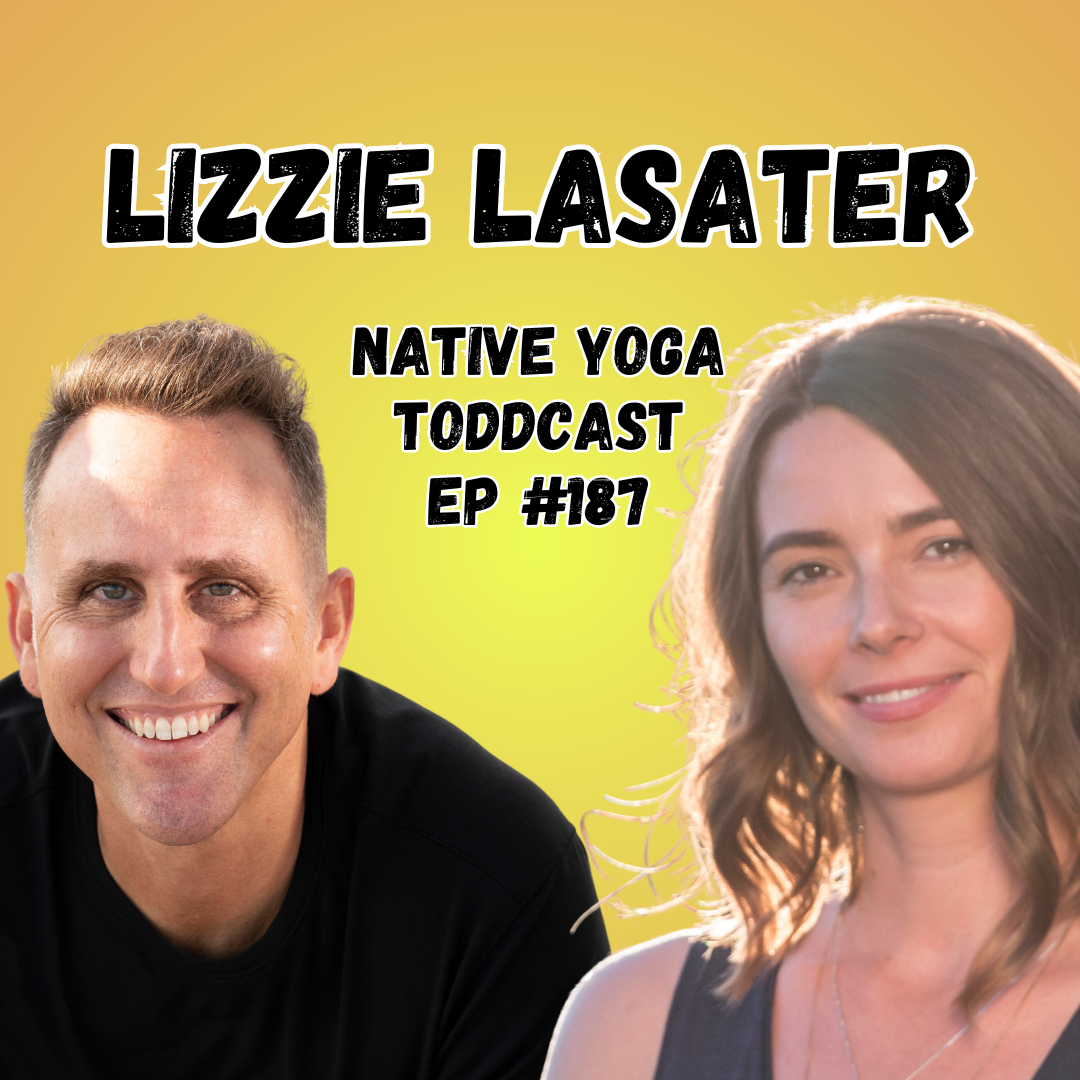
Gota Cebrero ~ The Art of Tapas: Building Discipline in Yoga and Life

Listen to podcast with Gota for FREE Here

Todd McLaughlin talks with Gota Cebrero about his transition from Argentina to becoming a yoga teacher and Zen practitioner in Asheville. Gota discusses combining his global experiences in his teachings, the concept of tapas, and finding equilibrium between upholding traditions and ensuring accessibility. He also touches on staying genuine amidst a competitive yoga scene and the importance of developing internal energy, offering a mix of motivational anecdotes and useful advice for yogis and spiritual explorers.

Visit Gota on his website: https://www.gotacebreroyoga.com/

Key Takeaways:

  • Gota’s path from Argentina to becoming a multifaceted yoga teacher in the United States.
  • The transformative impact of Ashtanga Yoga and Zen meditation on mental and physical discipline.
  • Balancing traditional yoga strictness with modern-day accessibility and practicality.
  • The importance of community and personal alignment in yoga practice and teaching.
  • Strategies for maintaining spiritual and physical well-being amidst life’s challenges.

Exploring the Fusion of Yoga and Zen: Lessons from an Argentine Traveler

Key Takeaways:

  • The journey of self-discovery often requires embracing uncertainty and discomfort.
  • Integrating stringent traditional practices can lay a strong foundation for lifelong personal discipline.
  • Flexibility in teaching methodologies enhances accessibility while maintaining the essence of yoga and meditation.

Embracing the World: A Journey of Self-Discovery

In the latest episode of the Native Yoga Toddcast, Todd has an enlightening conversation with Gota Cebrero, a multifaceted Argentinian yoga instructor now based in Asheville, North Carolina. Gota’s unique life experiences—from his South American roots to Zen Buddhist training in Europe—offer profound insights into the amalgamation of diverse spiritual and physical practices. His story of resilience, adaptability, and dedication reflects the core principles that drive the broader yoga and meditation community today.

“Since I remember, I always been thinking and wondering about the mystery of life and death, and just curiosity,” Gota shares, hinting at the inner calling that led him from the Catholic traditions of Argentina to the holistic practices of yoga and Zen Buddhism.

Discipline through Ashtanga and Zen Practices

Building a Solid Foundation Through Rigidity

Gota’s initial encounter with Ashtanga Yoga in Ecuador marked a pivotal shift in his self-exploration. Ashtanga, renowned for its physically demanding sequences, was a perfect match for Gota’s need to channel his youthful energy into something constructive. “In those days, I just need to go and explore. So it was something inside of me,” he recounts.

Despite not having the physical flexibility initially, Gota’s dedication to the practice was unwavering. This commitment became even more profound when he joined a Zen Buddhist monastery in Switzerland, where the rigidity of practices such as Zazen meditation reinforced the discipline he cultivated through Ashtanga. “Intense, but mostly energetically… you do what I told you, and you finish when I tell you the finish,” he reflects, acknowledging the role of stringent discipline in forging a resilient inner self.

The Power of Mental Austerity

Notably, these practices also built a reservoir of mental resilience that Gota relied on during more challenging times, such as transitioning to life in the U.S. and raising a family. “I didn’t have time to practice. And I was going through a rough time… but that tapas, that practice, that strong sadhana, it kept me,” he emphasizes. This reveals the broader implication that rigorous training can provide enduring support, even when life’s demands reduce one’s ability to maintain a daily, intensive practice.

Balancing Traditional Rigor with Accessibility

Evolving Teaching Methodologies

Gota’s teaching style has adapted to balance the strict traditions he was trained in with a more inclusive approach, making his classes accessible to a broader audience. “Holding the space and we’re going on a journey… serving the energy,” he mentions, shifting from a militant form of instruction to creating a nurturing environment that emphasizes student support.

In his current yin and restorative classes, as well as more vigorous mindfulness flows, Gota integrates elements from his Zen and Ashtanga background to help students cultivate discipline without the strain that characterized his early training. This nuanced approach underscores the importance of adaptability in maintaining the essence of the practice while ensuring it remains accessible and appealing to modern practitioners.

The Role of Sadhana and Service

Gota’s teachings extend beyond the physical postures to encompass a holistic view of yoga as service—a transition he navigated while balancing professional responsibilities with personal hardships during the pandemic. “We went right into no income… but we just keep going,” he illustrates, underscoring the necessity of unwavering commitment to one’s practice and community.

Serving the community through both direct yoga instruction and broader social contributions is a central theme in Gota’s philosophy. Whether it’s through his involvement in teacher training programs or community yoga festivals like the Love Shine Play Festival in Asheville, Gota remains dedicated to sharing the transformative power of yogic practices. This service-oriented mindset not only enriches his students but also reinforces his own practice, as each session becomes a mutual journey of growth and discovery.

Gota Cebrero’s journey from a curious Argentine youth to a respected yoga instructor and Zen practitioner in Asheville is a testament to the transformative power of dedicated practice and the resilience it builds. Through the fusion of rigorous traditional disciplines and a flexible, accessible teaching approach, Gota embodies the evolving nature of yoga’s application in contemporary life. His story inspires practitioners and instructors alike to persist in their pursuit of self-discovery and to embrace the journey with unwavering commitment and adaptability.

As Gota beautifully advises, “Just keep going… just do your thing.” These words serve as a powerful reminder that the essence of practice is not in the final achievement but in the continuous and sincere effort we put into our journey.

Thanks for listening to this episode. Check out: 👇
Free Grow Your Yoga Live Webinar – Every Thursday at 12pm EST
➡️ Click here to receive link

New Student FREE Livestream Yoga Special ~ Try 2 Weeks of Free Unlimited Livestream Yoga Classes  at Native Yoga Center. info.nativeyogacenter.com/livestream Sign into the classes you would like to take and you will receive an email 30 minutes prior to join on Zoom. The class is recorded and uploaded to nativeyogaonline.com  ➡️  Click Here to Join. 

Subscribe to Native Yoga Center and view this podcast on Youtube.

Thank you Bryce Allyn for the show tunes. Check out Bryce’s website: bryceallynband.comand sign up on his newsletter to stay in touch. Listen here to his original music from his bands Boxelder, B-Liminal and Bryce Allyn Band on Spotify.

Please email special requests and feedback to info@nativeyogacenter.com

Enjoy new Native Yoga Center classes uploaded everyday on our online learning hub. Use code FIRSTMONTHFREE at checkout. https://nativeyogacenter.teachable.com/p/today-s-community-class

Support the Show.

Native Yoga website: here
YouTube: here
Instagram: @nativeyoga 
Twitter: @nativeyoga 
Facebook: @nativeyogacenter 
LinkedIn: Todd McLaughlin

Jessica Vellela ~ How Ayurveda Can Transform Your Health

Listen to podcast with Jessica Vellela for FREE Here

Renowned Ayurveda expert Jessica Vellela joins Todd to explore the transformative power of Ayurveda in modern lifestyles. Jessica shares deep insights into preventive medicine, personalized treatments, and the profound impact of Panchakarma. She recounts her rigorous training and practice in India and the challenges of bringing Ayurveda to the U.S.. This episode delves into the rich heritage of Ayurveda and its practical applications for maintaining optimal health and vitality. Don’t miss Jessica’s inspiring journey and valuable expertise in holistic wellness.

Visit Jessica on her website: https://www.findradiance.com/

Key Takeaways:

  • Preventive Focus: Ayurveda prioritizes maintaining health to prevent disease, using personalized dietary and lifestyle guidelines.
  • Panchakarma: Detailed breakdown of the Panchakarma treatments and their profound impacts on health and wellness.
  • Cultural Integration: Insights into the adaptation of Ayurveda outside of India and the challenges faced in different geographical and cultural contexts.
  • Self-Care Practices: Emphasis on the importance of self-discipline and consistent practice in achieving health benefits through Ayurveda.

The Power of Ayurveda: Insights from Jessica Vellela

Key Takeaways:

  • Importance of Ayurveda in preventive and personalized medicine.
  • Panchakarma’s profound impact on health through holistic treatments.
  • Challenges and adaptation required to practice Ayurveda outside India.

The Role of Ayurveda in Preventive and Personalized Medicine

Ayurveda, often misunderstood in the West as an alternative or complementary form of medicine, is in fact a well-established healthcare system in India. Jessica Vellela, a professional in the field of Ayurveda, elucidates its benefits, emphasizing its preventative and personalized nature.

“Ayurveda was really developed to mostly try to help prevent people from getting sick in the first place… It did also develop to be able to handle diseases,” shares Jessica.

The essence of Ayurveda is its personalized approach. Unlike Western medicine, which often prescribes a standard treatment for everyone, Ayurveda takes into account the individual’s lifestyle, dietary habits, environmental conditions, and even their age and season.

Most people tend to seek Ayurvedic help when they are facing chronic or acute health issues. However, there is a growing awareness and shift towards using Ayurveda as a preventative measure to maintain good health. Jessica notes, “I think even with folks that have had to go through the struggle of some sort of disease… they appreciate it even more.”

This appreciation is leading more people to understand the value of adopting a lifestyle aligned with Ayurvedic principles even before they fall ill, ensuring they can maintain their health and well-being over the long term.

The Efficacy and Structure of Panchakarma Treatments

Panchakarma is the cornerstone of Ayurvedic cleansing and rejuvenation therapies. Jessica affectionately calls Panchakarma her “favorite, favorite, favorite, most part of Ayurveda because it is hands down the most powerful.”

Panchakarma consists of five therapeutic treatments aimed at cleansing the body of toxins and balancing the doshas—vata, pitta, and kapha. These five treatments are:

  1. Therapeutic Emesis (Vamina)
  2. Therapeutic Purgation (Virechana)
  3. Therapeutic Enemas (Basti)
  4. Nasal Administration of Medication (Nasya)
  5. Bloodletting (Raktamokshana)

These treatments are not just about detoxification; they are intensive procedures requiring proper guidance and supervision. Jessica emphasizes the need for proper supervision, especially for Vamina and Virechana, as they can have serious side effects if not done correctly.

“For those who do want to venture into, hey, you know what? I think I’m not ready to take the trip to India for a month or two months. I would rather stay at home, but I do want to get the benefit out of this,” Jessica advises on the importance of self-discipline and guidance when attempting Panchakarma at home.

It’s not just the actual treatments; the preparatory and post-treatment phases are crucial for the success of Panchakarma. They involve dietary restrictions, lifestyle adjustments, and other supportive therapies that ensure the body is well-prepared to handle the detoxification process and recover effectively.

Challenges and Adaptations in Practicing Ayurveda Outside India

Bringing Ayurveda to the Western world has not been without its challenges. Jessica, who has established a practice and worked independently in India, shares her experiences and the difficulties in replicating such a practice in the United States.

Key obstacles include the availability of authentic Ayurvedic medicines, the lack of trained practitioners, and the different lifestyle and dietary habits of the Western population. Jessica faced these challenges firsthand when she tried to set up a Panchakarma center in North Carolina, only to find that it wasn’t financially and logistically viable.

“You pour your heart into that thing and just tear it all down. It’s not very nice,” she reflects on her initial struggles.

However, Jessica has adapted by leveraging her background in IT to establish an online presence, enabling her to reach a global audience. Through her website, Find Radiance, she offers guidance and virtual consultations, helping people incorporate Ayurvedic principles into their daily lives no matter where they are located.

“Here, we have a system online. We have a way to do this,” Jessica explains. “You know, I’ve been working with people online, really, since 2011 almost.”

Despite these challenges, the integration of Ayurveda outside India holds promise. Countries like Germany are making significant strides, integrating Ayurveda into their healthcare systems and conducting advanced research that demonstrates the efficacy of Ayurvedic treatments.

The journey of embracing Ayurveda, particularly Panchakarma, can be transformative, offering profound health benefits. Ayurveda’s principle of personalized medicine, its preventative approach, and the holistic nature of Panchakarma make it a powerful tool for achieving and maintaining health.

Jessica Vallela’s extensive expertise and practical insights into Ayurveda underscore the need for a well-structured approach, whether practicing locally in India or adapting these ancient principles to the modern world. The increasing interest and shifts towards preventative health measures signify that Ayurveda’s wisdom is gaining rightful recognition and application globally.

Thanks for listening to this episode. Check out: 👇
Free Grow Your Yoga Live Webinar – Every Thursday at 12pm EST
➡️ Click here to receive link

New Student FREE Livestream Yoga Special ~ Try 2 Weeks of Free Unlimited Livestream Yoga Classes  at Native Yoga Center. info.nativeyogacenter.com/livestream Sign into the classes you would like to take and you will receive an email 30 minutes prior to join on Zoom. The class is recorded and uploaded to nativeyogaonline.com  ➡️  Click Here to Join. 

Subscribe to Native Yoga Center and view this podcast on Youtube.

Thank you Bryce Allyn for the show tunes. Check out Bryce’s website: bryceallynband.comand sign up on his newsletter to stay in touch. Listen here to his original music from his bands Boxelder, B-Liminal and Bryce Allyn Band on Spotify.

Please email special requests and feedback to info@nativeyogacenter.com

Enjoy new Native Yoga Center classes uploaded everyday on our online learning hub. Use code FIRSTMONTHFREE at checkout. https://nativeyogacenter.teachable.com/p/today-s-community-class

Support the Show.

Native Yoga website: here
YouTube: here
Instagram: @nativeyoga 
Twitter: @nativeyoga 
Facebook: @nativeyogacenter 
LinkedIn: Todd McLaughlin
How to Do Seated Forward Bend | Paschimottanasana Yoga for Beginners

Hello and welcome to Grow Your Yoga. I’m Todd McLaughlin from Native Yoga Center. Today, we’re focusing on Paschimottanasana, which can significantly improve your hamstring flexibility. Let’s start by assessing your current range of motion and build from here.

Paschimottanasana, or the Western Stretch Pose, targets the back of the body (the “West”), which is often tight for many of us. Begin by sitting down and bringing your legs together. Touch your big toes together and pull them slightly towards you. Reach forward and see how close you can get to touching your toes. This initial assessment is crucial; you might want to log your progress by taking a picture or making a note of your flexibility.

Often, if our hamstrings are tight, we compensate by rounding our back. If you don’t move your pelvis, bending your spine might help you reach your toes, but it doesn’t stretch the hamstrings effectively. On the other hand, if you try to keep your back straight and touch your toes, your knees might bend, indicating tight hamstrings.

The hamstrings attach at the base of the pelvis and the back of the legs, crossing two major joints. This dual joint crossing means they can feel very tight when trying to extend the knees and flex at the hips. To address this, here are two main approaches:

  1. Using Support: If your hamstrings are very tight, place a bolster or rolled-up blanket under your knees. This support allows you to relax more and reduces strain on your lower back. You can start by placing your hands on the floor behind you and gently squeezing your legs as you lean forward.
  2. Bending Your Knees: Start by bending your knees significantly and work on touching your toes from this position. This increases hip flexion, which is crucial for Paschimottanasana. Practice hinging at your hips and bringing your chest towards your thighs. If your chest gets stuck, hold your legs and alternate between extending and flexing your spine, like in Up Dog (extension) and Cat Pose (flexion).

Once you’re comfortable with hip flexion, extend your legs a bit more. Use a strap or towel around your feet if needed. Rock back and forth, straightening your knees gradually. This rocking motion helps you find the right balance between flexibility and support.

Next, walk your hands closer to your feet along the strap and continue the rocking motion. When you reach your limit, practice flexing and extending your spine while holding the pose for 30 seconds to a minute, breathing deeply through your nose. If you feel tightness, back off slightly to find a softer, more comfortable stretch.

For those progressing we’ll explore different hand grips as you reach your toes: around the toes, sides of the feet, or even beyond the feet. If you experience back pain, focus on keeping your spine straight and avoid any painful positions.

Engage your leg muscles by squeezing and releasing your quadriceps. This technique, known as reciprocal inhibition, helps relax the hamstrings. As you squeeze your thighs, try to lift your chest and move your pelvis forward, paying close attention to how your back feels.

If you have a hamstring injury, give it time to heal before attempting this pose. For those without back pain, work on lowering your shoulders away from your ears and engaging your lower trapezius muscles to pull your shoulder blades down. This engagement helps you maintain a strong, supported forward bend.

Remember, progress takes time and consistency. Practice every day, even for just 30 seconds, to gradually deepen your pose. If you have any questions, I’m here to help. Visit nativeyogacenter.com for more information, and join me every Thursday for new yoga insights. Thank you for practicing with me, and I look forward to seeing you in the next session!

Thanks for watching and reading. Visit our website https://www.nativeyogacenter.com for more information on our class schedule, online courses and Teacher Trainings.

Listen to Native Yoga Toddcast with new episodes released every Friday on our podcast site here: https://nativeyogatoddcast.buzzsprout.com/950785

New Student FREE Livestream Yoga Special ~ Try 2 Weeks of Free Unlimited Livestream Yoga Classes  at Native Yoga Center. info.nativeyogacenter.com/livestream Sign into the classes you would like to take and you will receive an email 30 minutes prior to join on Zoom. The class is recorded and uploaded to nativeyogaonline.com  ➡️  Click Here to Join.

Practice to a New Yoga Class every day with our nativeyogaonline.com course called Today’s Community Class with code FIRSTMONTHFREE.

Subscribe to Native Yoga Center and view this podcast on Youtube.

Andrew McGonigle ~ The Role of the Nervous System in Yoga Flexibility

Listen to podcast with Andrew for FREE Here

Yoga instructor Todd McLaughlin engages in a profound conversation with Andrew McGonigle, an experienced yoga teacher and anatomy expert. McGonigle shares his journey from medical school to fashion, and eventually to teaching yoga, exploring how his diverse background informs his unique approach to anatomy education. 

Key topics include the role of the nervous system in muscle flexibility, the resilience of the human body, and the tangible benefits of yoga on the cardiovascular and immune systems. Discover insightful perspectives on integrating scientific and holistic approaches to yoga practice and teaching.

Visit Andrew on his website: https://www.doctor-yogi.com/

Key Takeaways:

  • Anatomy and Yoga: Understanding anatomy enriches yoga practice by fostering a deeper connection with one’s body and enhancing the teaching methodology.
  • Misconceptions about Muscles: Muscle length doesn’t change over time; flexibility improvements are more about the nervous system granting permission for greater movement.
  • Physiological Benefits: Yoga positively impacts various systems, including lowering blood pressure, reducing chronic inflammation, and aiding in better cardiovascular health.
  • Learning and Teaching Methods: Andrew uses a blend of interactive, multi-media resources in his online courses to make complex anatomical concepts accessible and engaging.

Unlocking the Synergy Between Anatomy, Yoga, and Well-being: Insights from Dr. Yogi Andrew McGonigle

  • Journey from Medicine to Yoga: Andrew McGonigle’s transformation from a medical doctor to a yoga anatomy educator illustrates the fusion of scientific rigor with holistic wellness practices.
  • Understanding Anatomy for Yoga Practitioners: The progressive approach to anatomy in yoga, ranging from foundational skeletal and muscular knowledge to the complexities of the nervous system and flexibility.
  • Impact of Yoga on Various Body Systems: Insights into how yoga influences the cardiovascular, immune, and endocrine systems, offering a blend of traditional practice with modern scientific understanding.

Medical Background Meets Movement: A Unique Integration

Andrew McGonigle’s journey is nothing short of inspiring, offering a refreshing integration of medical science with holistic wellness. Initially trained as a medical doctor, Andrew’s path took several unexpected turns. “I was young, but I didn’t have student debt because, at the time, pretty much medical school was free for me in the UK,” Andrew reflects, which gave him the freedom to pivot his career paths. After a stint in the fashion industry, Andrew fell in love with yoga and meditation, eventually leading him to an epiphany: “I can see myself, like, in the teacher role doing this.”

This background allows Andrew to bring a depth of anatomical understanding to his yoga teachings. His integrated approach is uniquely positioned to bridge the gap between theoretical anatomy and practical yoga instruction. By teaching anatomy through the lens of wellness rather than disease, Andrew enhances the educational experience for future yoga educators, offering them a holistic perspective grounded in rigorous scientific knowledge.

Foundational Knowledge in Anatomy: The Bedrock for Yoga Instructors

Why Study Anatomy for Yoga?
Studying anatomy provides a nuanced understanding of how to move, align, and engage during yoga practice. As Andrew states, “When you learn anatomy to a certain level of detail, you realize how resilient and robust the body is.” This awareness fosters a deeper respect for one’s body, encouraging students and teachers alike to move mindfully and intentionally.

The Approach to Teaching Anatomy
A fundamental takeaway from Andrew’s methodology is his interactive and multifaceted teaching approach. “I do basically a session called intelligent movement principles, and we do that by slowly starting to understand muscle,” Andrew elaborates. This involves breaking down complex anatomical concepts into digestible parts, such as muscles, bones, and connective tissues, and then relating these parts back to yoga practices.

By addressing common misconceptions and inserting relatable, tangible experiences into his lessons, Andrew demonstrates the muscle’s role through sensation and movement. This approach empowers students with the confidence to execute and instruct movements accurately and safely.

The Science Behind Yoga: A Holistic Impact

Cardiovascular and Endocrine Systems
Yoga’s impact on the heart and hormonal systems is profound. Andrew explains, “Yoga has a very powerful effect on the cardiovascular system. It can lower blood pressure over time.” This regulation of blood pressure and resting heart rate signifies how intertwined yoga practice is with overall cardiovascular health.

In terms of the endocrine system, yoga appears to stabilize hormone release via the stress response mechanism. “A regular yoga practice helps us to move more efficiently between sympathetic and parasympathetic states,” Andrew highlights, underscoring yoga’s role in fostering physiological flexibility.

Immune System Modulation
A common misconception is that yoga boosts the immune system. Instead, Andrew corrects this narrative by explaining that yoga has a regulatory effect, especially concerning inflammation. “What yoga can do is it can downregulate parts of the immune system in cases of chronic inflammation,” says Andrew, thus showcasing yoga’s potential to alleviate systemic inflammatory responses that contribute to various diseases.

Broadening the Scope: Heat, Flexibility, and Adaptability

The Debate: To Heat or Not to Heat
The discussion around practicing yoga in heated environments is particularly polarizing. Andrew maintains a balanced view: “What I love about hot yoga is it’s this gateway that brings a lot of people to yoga.” He acknowledges the subjective benefits of hot yoga but also notes that the physiological benefits gained are not exclusive to heated practice. “If hot yoga is not your thing, don’t feel like you’re missing out on anything.”

Neural Factors in Flexibility
Flexibility, often associated solely with muscle lengthening, is now seen through the lens of neurological safety. The nervous system’s role in granting permission for more range of motion over time is crucial. “It’s the nervous system and that’s what gives us most of the benefits that we get in yoga,” Andrew comments, emphasizing the science behind the practice and how it fosters gradual and safe improvements in flexibility.

Reflecting on a Transformative Journey

Andrew McGonigle’s story and the insights he offers are emblematic of the synergy between traditional yoga principles and modern anatomy and physiology. His unique path from medical education to yoga instruction dovetails into a broader, holistic understanding of the human body.

By breaking down complex scientific concepts into actionable insights for yoga practitioners, Andrew highlights the resilience and adaptability of the human body. His work exemplifies how scientific inquiry and wellness practices can harmoniously coexist, providing a robust foundation for both personal health and professional teaching. Whether through the physiological benefits of cardiovascular health, immune regulation, or a nuanced understanding of flexibility, Andrew’s approach underscores the transformative potential of integrating yoga practice with anatomical science.

Thanks for listening to this episode. Check out: 👇
Free Grow Your Yoga Live Webinar – Every Thursday at 12pm EST
➡️ Click here to receive link

New Student FREE Livestream Yoga Special ~ Try 2 Weeks of Free Unlimited Livestream Yoga Classes  at Native Yoga Center. info.nativeyogacenter.com/livestream Sign into the classes you would like to take and you will receive an email 30 minutes prior to join on Zoom. The class is recorded and uploaded to nativeyogaonline.com  ➡️  Click Here to Join. 

Practice to a New Yoga Class every day with our nativeyogaonline.com course called Today’s Community Class with code FIRSTMONTHFREE.

Subscribe to Native Yoga Center and view this podcast on Youtube.

Thank you Bryce Allyn for the show tunes. Check out Bryce’s website: bryceallynband.comand sign up on his newsletter to stay in touch. Listen here to his original music from his bands Boxelder, B-Liminal and Bryce Allyn Band on Spotify.

Please email special requests and feedback to 

Support the Show.

Native Yoga website: here
YouTube: here
Instagram: @nativeyoga 
Twitter: @nativeyoga 
Facebook: @nativeyogacenter 
LinkedIn: Todd McLaughlin