Daniele Salvitto: From Cirque du Soleil Acrobat to Dharma Yoga Teacher

Listen to Toddcast with Daniele for FREE here

Daniele Salvitto is an accomplished performer, yoga teacher, and former professional dancer known for his work with prestigious organizations like Cirque du Soleil and Disney Cruise Line. Originally from Italy, Salvito began his dance career at the age of 18, quickly rising to perform worldwide. Today, he resides in France, where he teaches various styles of yoga, including Dharma and Ashtanga, alongside other disciplines like aerial acrobatics and flexibility. His unique approach blends his profound understanding of movement with yoga philosophy, nurtured under the guidance of renowned teachers such as Sri Dharma Mittra.

Visit Daniele: https://www.instagram.com/danielesalvitto/

Key Takeaways:

  • Daniele’s professional journey exemplifies the union of artistry and discipline, from dance to yoga.
  • The pivotal role of Ashtanga yoga in Daniele’s life, aiding recovery and enhancing his athletic abilities.
  • Insights into Daniele’s teaching philosophy, which integrates yoga with dance, acrobatics, and meditation.
  • The significance of mentoring relationships, emphasizing his bond with Sri Dharma Mittra.
  • Balancing Eastern yoga philosophies with Western scientific principles, Daniele bridges these worlds seamlessly.

Unveiling the Harmony: The Dance of Diverse Disciplines

In the vibrant transcript with Daniele Salvitto, there’s a fascinating blend of yoga, dance, acrobatics, and spirituality interwoven into a rich tapestry of insights. Daniele, a former Cirque du Soleil performer and yoga instructor, shares how his journey has led him to view the world of physical movement through an expansive lens. Speaking about his background, Daniele reveals, “I started dancing when I was 18… my agent sent me an addition for Disney Cruise Line… the day after they sent me a contract.”

For Daniele, the perceived barriers between different disciplines are merely constructs; instead, he emphasizes the shared essence of these practices. He reflects, “Yoga is everything,” highlighting Dr. Ganesh’s words on how yoga encompasses studies of chemistry, mathematics, and physics. Daniele embraces this convergence stating, “It all comes together… in the end, it’s all yoga.”

This blending of disciplines has broader implications. By approaching movement through both a scientific and spiritual lens, Daniele showcases the universal applicability of these principles across different areas of life. This amalgamation fosters a unique way of understanding body and mind, encouraging practitioners of any discipline to move forward with purpose and intention.

Yoga as a Lifelong Companion: A Journey with Dharma Mittra

At the heart of Daniele’s narrative is his transformative experience with Dharma Mittra, a revered yoga teacher whose influence has been profoundly significant. “I met Dharma when I was already certified as a yoga teacher… was my second best… thing they did in my life probably is the training with Dharma,” Daniele passionately shares. This connection illustrates how a teacher can serve as a beacon guiding one towards inner peace and self-realization.

Daniele lauds Dharma’s humility and the loving community fostered under his guidance. He explains, “Even if I’m not there for seven or eight months, every time I walk in, he just looks at me… I’m happy to see you.” This enduring relationship exemplifies the potential for yoga to not only heal but to also knit together a community founded on mutual growth and understanding.

Such experiences reveal the potential of finding a teacher who not only instructs but inspires a profound commitment to the practice. The implication is clear: authentic mentorship can significantly enrich one’s journey, offering both solace and strength, whether on the mat or in life.

The Universality of Yoga: Beyond the Mat

While physical prowess and spiritual insight are evident in Daniele’s journey, there is a profound appreciation for the connective energy of yoga that transcends asanas. Daniele emphasizes, “As long as you put an intention in it… the intention… is meant to go towards God… it’s the same exercise whether it’s aerial loop or acrobatics or doing yoga.”

Importantly, Daniele does not restrict yoga to its postures; it is a fluid practice that weaves through every facet of life, underscoring the same principles found within performing arts and beyond. “It’s all the same… just different faces of the same metal,” he elucidates, suggesting that at the core, everything is intertwined through the intent and energy we bring.

Daniele’s insights encourage practitioners and enthusiasts of all disciplines to consider the deeper implications of their practice. These revelations position yoga not as a rigid framework but as a flexible approach applicable in myriad settings, whether on the stage, in the gym, or through personal introspection.

As Daniele’s narrative unfolds, it becomes palpable that finding harmony in diverse pursuits lends itself not just to personal fulfillment but also to broader, empathetic understanding among varying disciplines and cultures.

By exploring the themes from Daniele Salvitto’s experiences, a holistic picture emerges of how combining the physical and spiritual engenders a richer, more connected journey. His insights offer both reflection and inspiration, inviting individuals to transcend conventional boundaries, embrace their unique paths, and foster unity and understanding within their communities.

Check out: 👇
8IN8 Ashtanga Yoga for Beginners Course Online– Learn 8 Limb Yoga in 8 Days – Get FREE coupon code for a limited time only (Regular price $88) https://info.nativeyogacenter.com/8in8-ashtanga-yoga-for-beginners-8-limbs-in-8-days/

Practice with Native Yoga Online – New classes EVERY day – Use Code FIRSTMONTHFREE https://nativeyogacenter.teachable.com/p/today-s-community-class

Subscribe to Native Yoga Center and view this podcast on Youtube.

Thank you Bryce Allyn for the show tunes. Check out Bryce’s website: bryceallynband.comand sign up on his newsletter to stay in touch. Listen here to his original music from his bands Boxelder, B-Liminal and Bryce Allyn Band on Spotify.

Please email special requests and feedback to info@nativeyogacenter.com

https://info.nativeyogacenter.com/8in8-ashtanga-yoga-for-beginners-8-limbs-in-8-days

Support the show

Native Yoga website: here
YouTube: here
Instagram: @nativeyoga 
Twitter: @nativeyoga 
Facebook: @nativeyogacenter 
LinkedIn: Todd McLaughlin 
Miriam Zernis: From ABC News Senior Editor to Kirtan Leader & Yoga Teacher

Listen to Toddcast with Miriam for FREE here

Miriam Zernis is a seasoned yoga practitioner and kirtan leader based in Connecticut. Originally from New York City and raised in Florida, Miriam transitioned from a 22-year career at ABC News, where she reached the position of senior editor, to a life dedicated to yoga and spiritual practices. Her journey into yoga began with a deep interest in Sivananda and Jivamukti yoga teachings, leading her to become a respected yoga teacher. Miriam also founded “Sita’s Light,” a kirtan band that emphasizes community building and spiritual connection through music and chanting.

Visit Miriam here: https://sitaslight.com/

Key Takeaways:

  • Miriam Zernis transitioned from a high-stress career in news editing to embrace yoga and kirtan, highlighting the transformative power of spirituality.
  • New York’s diverse yoga scene in the early 2000s provided Miriam with a rich tapestry of styles and philosophies, fundamentally changing her life path.
  • Miriam’s dedication to kirtan led to the formation of “Sita’s Light,” focusing on the healing power of music and the importance of fostering community through shared spiritual experiences.
  • The conversation explores the impact of commercialization on yoga, advocating for a return to authentic practices that emphasize traditional teachings and community.
  • Miriam underscores the value of starting small in spiritual endeavors, emphasizing grassroots community gatherings as a foundation for growth and healing.

The Transformative Power of Yoga

In the bustling world of news broadcasting, stress is an unwelcome yet constant companion. Miriam Zernis’s journey takes her from the chaotic newsrooms of ABC’s radio division to serene yoga spaces, showcasing a profound evolution that many in this high-paced world might envy. She describes her initial encounter with yoga as “a way to slow down” and find “a healthier lifestyle,” a sentiment that resonates deeply with anyone seeking balance amidst chaos.

While Zernis was enjoying her role as a senior editor, the demands and pressures of night shifts took a toll on her well-being. Yoga was not just an optional practice; it became a transformative lifeline. Miriam recounts moments when colleagues noticed her changing demeanor, attributing her newfound calmness and composure to her yoga practice: “Yoga was, like, amazing for me. I needed to slow down. I needed to live a healthier life.”

This transformation wasn’t just physical; it was emotional and spiritual. Miriam credits yoga, particularly the practice mindfulness and meditation, for re-centering her amidst the hurricane winds of media life. The shift was so profound that it prompted a complete career change, leaving behind the fast-paced world of broadcasting to immerse herself in teaching yoga and exploring the richness of Kirtan.

Building Community Through Yoga and Kirtan

Community is at the heart of Miriam Zernis’s approach to both yoga and Kirtan. The power of Kirtan lies in its ability to transcend individual practice, creating a collective consciousness that is both healing and uplifting. Miriam describes bringing people together for Kirtan as providing “safe space to heal your heart, calm your mind, whatever it is that you need.”

Zernis’s Kirtan sessions often take place in intimate settings: living rooms, small studios, or community centers, settings that nurture genuine connections between participants. She recounts an influential member of her journey encouraging her to “get the harmonium out of the closet and play it,” a catalyst for what would become Sita’s Light, her community-based Kirtan initiative.

Miriam’s goal is not to chase fame or corporate yoga success but to cultivate spaces where people feel welcome, loved, and free to express their spirituality and emotions. This grassroots approach is a refreshing reminder of the roots of yoga as a community practice meant for personal growth and collective healing.

Evolution and Commercialization of the Yoga Landscape

The conversation with Miriam offers insights into the evolution of the yoga scene, marking a shift from small, intimate, and deeply spiritual settings to a more commercial and sometimes superficial approach. Zernis reflects on her experiences navigating this changing landscape, highlighting a period when “everything focused on the newsroom” and yoga studios sprouted in New York City with “the first place, like, that corporate feeling.”

The advent of corporate studios and yoga apparel brands often pushes the spiritual and traditional elements of yoga to the periphery. Still, Miriam manages to embrace the positives of these shifts while advocating for a return to authenticity. “The passion had to be there,” she insists, underscoring that one’s dedication to the deeper elements of yoga practice should not be diluted by commercialization.

Furthermore, Zernis’s experience highlights that while the market has shifted, creating challenges for studio sustainability, there is a timeless and resilient interest in the roots of yoga practices, including Kirtan and other forms that connect heart and spirit. This highlights a broader cultural trend: a yearning to reconnect with practices that nourish the soul and build community, sometimes seen as a response to the rapid commercialized pace of modern life.

Reflecting on the Journey

The trajectory of Miriam Zernis’s life unfolds like a yoga sequence, each stage building upon the last with clarity, intention, and purpose. Her experiences demonstrate the transformative power of yoga to bring balance, heal, and connect both ourselves and the community. As one reflects on her path, there’s an invitation to explore how mindfulness and community engagement can create a ripple effect of change, both within and beyond ourselves.

Yoga and Kirtan emerge as powerful tools not only for personal transformation but as acts of resistance against a culture that often values profit over connection. Zernis’s story serves as an inspiration for those seeking to follow their passion, proving that when done with heart, the path, no matter how unconventional it may seem, will lead to fulfillment and purpose.

“When you’re in this world, especially yoga, especially the beginning,” Zernis wisely notes, “it wasn’t that popular…and everybody wants to do it and everybody’s interested.” Her message: embrace the journey, build community, and let the transformative power of yoga and Kirtan guide your life’s path.

Check out: 👇
8IN8 Ashtanga Yoga for Beginners Course Online– Learn 8 Limb Yoga in 8 Days — Get FREE coupon code for a limited time only (Regular price $88) https://info.nativeyogacenter.com/8in8-ashtanga-yoga-for-beginners-8-limbs-in-8-days/

Practice with Native Yoga Online — New classes EVERY day — Use Code FIRSTMONTHFREEhttps://nativeyogacenter.teachable.com/p/today-s-community-class

Subscribe to Native Yoga Center and view this podcast on Youtube.

Thank you Bryce Allyn for the show tunes. Check out Bryce’s website: bryceallynband.comand sign up on his newsletter to stay in touch. Listen here to his original music from his bands Boxelder, B-Liminal and Bryce Allyn Band on Spotify.

Please email special requests and feedback to info@nativeyogacenter.com

https://info.nativeyogacenter.com/8in8-ashtanga-yoga-for-beginners-8-limbs-in-8-days

Enjoy new Native Yoga Center classes uploaded everyday on our online learning hub. Use code FIRSTMONTHFREE at checkout. https://nativeyogacenter.teachable.com/p/today-s-community-class

Support the show

Native Yoga website: here
YouTube: here
Instagram: @nativeyoga 
Twitter: @nativeyoga 
Facebook: @nativeyogacenter 
LinkedIn: Todd McLaughlin
Jack Westerholt on Bhagavad Gita, Bhakti Yoga, Yamas & Holistic Practice

Listen to Toddcast with Jack for FREE here

Jack Westerholt is a dedicated yoga practitioner and instructor based in Dallas, Texas. As a passionate advocate for a holistic yoga practice inclusive of asanas, pranayamas, and meditation, Jack integrates a wealth of knowledge from spiritual texts such as the Bhagavad Gita into his teachings. He has been influenced by renowned teachers like Dharma Mittra and explores various facets of yoga, including Bhakti and Jnana paths. Jack is also actively involved in the vibrant yoga community at YogaZama and brings a rich background in marketing and advertising into his approach to yoga education.

Visit Jack here: https://www.instagram.com/jackwesterholt/

Key Takeaways:

  • Integration of Spiritual Study: Jack underscores the role of texts like the Bhagavad Gita in deepening yoga practice, emphasizing the Jnana path or the knowledge path.
  • Holistic Practice Approach: Incorporating meditation, pranayama, and asanas, Jack maintains that a balanced practice enhances spiritual and personal growth.
  • Power of Devotion: Jack discusses Bhakti Yoga and the joy of serving the divine within and outside us, highlighting how devotion removes ego and expectations.
  • Teaching Challenges and Rewards: The episode explores the diverse experiences and growth gleaned from teaching yoga in different environments, emphasizing authenticity and patience.
  • Personal Growth and Reflection: Jack shares insights on self-improvement, focusing on the continuous journey of being better each day while letting past challenges serve as lessons.

Self-Study and the Comprehensive Practice of Yoga

In the world of yoga, the seamless integration of self-study, or “Swadhyaya,” with Asana and Pranayama practice is a common pursuit. Jack Westerholt brings this theme to light by sharing his personal journey. He states, “I find it inspiring to read the words from spiritual texts like the Gita every day.” For Jack, self-study is not just an academic pursuit but a spiritual one that complements his physical yoga practice.

While some might argue that merely reading about yoga doesn’t offer the full experience, Jack and Todd highlight the profound effect of immersing oneself in these texts. Todd supports this by saying, “I think there’s something to be said for scholastic study.” This merging of scholastic study with physical exertion can bridge the gap between intellectual knowledge and spiritual wisdom.

Jack’s approach represents a holistic style of yoga, where the Gita, works by Sivananda, and the teachings of notable figures like AC Bhaktivedanta Swami are pivotal. He explains that while the words of these texts are enlightening, translating them into practical life through meditation and Asana completes the cycle. This interplay between study and practice ensures a comprehensive yoga path, guiding us to deeper self-awareness and understanding.

Encountering Challenges Through Yoga

The dialogue takes a turn towards navigating life’s inevitable difficulties using yoga as a guide. A significant point discussed is turning challenges into growth opportunities, as embodied by Jack’s approach to meditation and daily obstacles. Through his narration about transforming adversities, Jack reveals an insight: “If a memory comes up, watch it like you’re watching it in a movie theater.”

This illustrates a profound technique: observing challenges with dispassion and objectivity. Todd complements this philosophy, reflecting on the thoughts of luminaries like Ram Dass, who famously saw his stroke not as a setback but a gift. These interpretations align with the yogic view of life as a continuous path for self-improvement, where each hurdle is a potential teacher.

Jack extends this theme to psychic transmission and prayer, advocating their potential in spiritual practice. He asserts the power of thoughts, suggesting, “I absolutely believe in psychic transmission.” Through consistent dedication to these practices, both Jack and Todd illustrate a powerful narrative: yoga, seen holistically, becomes a way to transform personal struggles into advancements on the spiritual plane.

Practicing Yoga as a Holistic Lifestyle

To fully embrace yoga, Jack underscores the necessity of integrating its essence into everyday life. This approach involves practicing the principles of the Yamas and Niyamas or ethical disciplines and observances. He eloquently views them as “guidelines for the yogi to follow,” which play a pivotal role in progressing on the path of yoga.

Jack calls attention to how these principles reflect in our actions, explaining, “I find that reading helps me integrate those practices into my world outside of the yoga mat.” Here, he spells out a practice that goes beyond the physical, advocating for a lifestyle that propagates kindness, contentment, and a sense of service to others.

Moreover, Jack and Todd discuss the humble beginnings as a yoga teacher, highlighting how teaching even a single student in a session can match the impact of larger classes. Jack reflects, “Everything is happening perfectly,” emphasizing that teaching yoga, regardless of class size, is about authenticity and genuine connection. This principle of teaching parallels the universal reach of yogic wisdom, which can foster growth, not just on the yoga mat but within every fiber of daily life.

Jack’s exploration into the integration of mantra and meditation in yoga classes further emphasizes the depth of a holistic practice. By introducing aspects such as mantra recitation and extended Shavasana in his sessions, he aligns practice with tradition, illustrating yoga’s potential to resonate with students on multiple levels.

Beyond conventional yoga practice, the discussion touched lightly on yoga retreats and vacations as opportunities to deepen one’s practice in unfamiliar settings. This deviation from routine can inject new life into one’s practice, a notion supported by Jack, who sees retreats as “a fantastic way to practice yoga.”

In all, Jack Westerholt’s conversation with Todd draws a vivid picture of yoga as not only a physical or theoretical discipline but as a way of life. Through reflection on significant teachings and practical experiences, it becomes clear that yoga offers intricate pathways to navigate technology-driven, fast-paced modern life while cultivating an inner peace that transcends the boundaries of the yoga mat.

Check out: 👇
8IN8 Ashtanga Yoga for Beginners Course Online– Learn 8 Limb Yoga in 8 Days – Get FREE coupon code for a limited time only (Regular price $88) https://info.nativeyogacenter.com/8in8-ashtanga-yoga-for-beginners-8-limbs-in-8-days/

Practice with Native Yoga Online – New classes EVERY day – Use Code FIRSTMONTHFREE https://nativeyogacenter.teachable.com/p/today-s-community-class

Subscribe to Native Yoga Center and view this podcast on Youtube.

Thank you Bryce Allyn for the show tunes. Check out Bryce’s website: bryceallynband.comand sign up on his newsletter to stay in touch. Listen here to his original music from his bands Boxelder, B-Liminal and Bryce Allyn Band on Spotify.

Please email special requests and feedback to info@nativeyogacenter.com

https://info.nativeyogacenter.com/8in8-ashtanga-yoga-for-beginners-8-limbs-in-8-days

Enjoy new Native Yoga Center classes uploaded everyday on our online learning hub. Use code FIRSTMONTHFREE at checkout. https://nativeyogacenter.teachable.com/p/today-s-community-class

Support the show

Native Yoga website: here
YouTube: here
Instagram: @nativeyoga 
Twitter: @nativeyoga 
Facebook: @nativeyogacenter 
LinkedIn: Todd McLaughlin 
Andrei Ram | The Art of Breathing – Transforming Life Through Prana Nidra

Listen to Toddcast with Andrei for FREE here

Andrei Ram is a distinguished yoga practitioner and instructor with a rich history in both the arts and sciences. He holds a background in contemporary dance and choreography, and has studied biology. His profound journey into yoga was significantly influenced by his experiences with Native American philosophies in Colombia, where he was raised. Andrei has spent more than three decades exploring and teaching yoga, emphasizing pranayama—the art of breathing. He has been deeply influenced by Sri Dharma Mittra and has devoted himself to uncovering the essence of yoga practices and translating eastern philosophies into applicable contemporary wisdom. Andrei is currently based in Rome and is actively promoting a new book titled “Prana Nidra.”

Visit Andrei here: http://innerparadise.org/ & https://prananidra.co/

Key Takeaways:

  • Integration in Yoga: Andrei emphasizes the idea of yoga as a practice that integrates all aspects of life, from breathing to spiritual understanding, based on personal perception and context.
  • Prana Nidra Concept: He introduces “Prana Nidra” as a middle practice, providing crucial rest for the energy systems, which consequently rests the mind and body.
  • Reinterpreting Yama & Niyama: Andrei proposes a shift in understanding core yoga principles—such as seeing Yama as ‘caring’ rather than ‘restriction’, fostering a more nurturing approach.
  • Importance of Conscious Breathing: Highlighting breathing as an art form, Andrei stresses the need for caring consciousness to cultivate prana (life force), impacting a refined and artistic way of living.
  • Spiritual and Practical Coherence: Emphasizing coherence in yoga practice and life, Andrei advocates for the integration of spiritual insights into daily actions and interactions.

Integrating Yoga into Life’s Fabric

Yoga is more than a series of postures or meditative practices. It’s a continuous path and an integrated way of life. Andrei Ram eloquently captures this perspective, stating, “To me, yoga is about finding integrity in life and being able to live life in an integral way with all your capacities and different sides with what we are.” The deeper understanding of yoga goes beyond the physical aspects and draws connections with different realms such as art and science. Unlike the conventional approach, Andrei perceives math and art as interconnected disciplines that reveal the universe’s underlying geometrical patterns and beauty.

Andrei highlights the profound influence of his multicultural upbringing on his perception of yoga. Born in Massachusetts and raised in Colombia, his exposure to Native American culture enriched his understanding, ultimately leading him to view yoga as a continuous thread woven throughout his life. This comprehensive view invites a more holistic integration of yoga, emphasizing its applicability beyond the mat. He puts forth, “If you are able to refine the way you breathe, then you’re able to refine the way you live.” Thus, yoga emerges as a unifying force that harmonizes the diverse facets of life into a coherent whole.

Re-defining Yama and Niyama: A Modern Interpretation

Core to Andrei’s discussion is the reframing of traditional yogic principles, particularly Yama and Niyama. Traditionally translated as restraint and observance, Andrei presents Yama as ‘caring’ and Niyama as ‘amplification.’ This significant reinterpretation lays the groundwork for a more practical and intuitive application of yoga’s philosophical underpinnings.

The idea of non-friction, introduced by Andrei, is a testament to this paradigm shift. He explains, “Moving in life without friction… that’s how you move from conflict into synergy, from separation into integration.” This perspective emphasizes the importance of reducing conflict and fostering harmony, both internally and externally. Similarly, Satya, traditionally understood as truthfulness, is redefined as authenticity—presenting an opportunity for individuals to engage with the world from a place of genuineness and honesty.

Such reinterpretations not only demystify the ancient principles but also make them more accessible, encouraging practitioners to adopt these values in their everyday interactions and decisions. By fostering non-friction and authenticity, yoga becomes a means of refining one’s life and aligning with a higher consciousness.

The Art of Resting: Prana Nidra and Its Significance

Rest and rejuvenation are vital components of Andrei’s philosophy. Prana Nidra, a concept that he explores and expands upon, signifies a conscious state of resting the energetic system. Positioned between Yoga Nidra (soul resting) and Nidra (body resting), Prana Nidra provides a practical approach to achieving profound rest. “If you are able to rest your energy, then of course, automatically your physical body rests, the mind rests,” Andrei explains.

In a world driven by productivity and constant motion, the art of resting is an often-overlooked necessity. Andrei posits that by learning to rest consciously and reducing friction within our own energy systems, individuals can access a deeper state of renewal and alignment with the divine. This process creates the space needed for beauty and happiness to flourish within one’s life.

Thus, Prana Nidra serves as a crucial tool for fostering inner peace and balance, acting as a gateway to a more refined, harmonious existence. By valuing rest as a fundamental component of the yoga practice, practitioners can cultivate a more profound connection to both their inner selves and the universe.

The dialogue with Andrei Ram unveils new dimensions within the yoga practice, challenging preconceived notions and inviting a more nuanced interpretation of its principles. Through the interconnectedness of life, art, and spirit, Andrei encourages practitioners to embrace authenticity, integration, and rest as pathways toward enhancing one’s life and experiencing the divine. By embodying these teachings in everyday activities, individuals can navigate the complexities of modern living with clarity and grace, fostering a shared vision of unity, peace, and understanding.

Check out: 👇
8IN8 Ashtanga Yoga for Beginners Course Online– Learn 8 Limb Yoga in 8 Days – Get FREE coupon code for a limited time only (Regular price $88) https://info.nativeyogacenter.com/8in8-ashtanga-yoga-for-beginners-8-limbs-in-8-days/

Practice with Native Yoga Online – New classes EVERY day – Use Code FIRSTMONTHFREE https://nativeyogacenter.teachable.com/p/today-s-community-class

Subscribe to Native Yoga Center and view this podcast on Youtube.

Thank you Bryce Allyn for the show tunes. Check out Bryce’s website: bryceallynband.comand sign up on his newsletter to stay in touch. Listen here to his original music from his bands Boxelder, B-Liminal and Bryce Allyn Band on Spotify.

Please email special requests and feedback to info@nativeyogacenter.com

https://info.nativeyogacenter.com/8in8-ashtanga-yoga-for-beginners-8-limbs-in-8-days

Enjoy new Native Yoga Center classes uploaded everyday on our online learning hub. Use code FIRSTMONTHFREE at checkout. https://nativeyogacenter.teachable.com/p/today-s-community-class

Support the show

Native Yoga website: here
YouTube: here
Instagram: @nativeyoga 
Twitter: @nativeyoga 
Facebook: @nativeyogacenter 
LinkedIn: Todd McLaughlin 
Mounia Hammouda | From Corporate Executive to Yoga & Spiritual Transformation in Morocco

Listen to Toddcast with Mounia for FREE here

Mounia Hammouda is a Moroccan yoga instructor and the founder of Shidomind Yoga, based in Casablanca. With a rich background in high-level executive roles across multinationals in Morocco, New York, Canada, and West Africa, Mounia transitioned from the corporate world to follow her passion for yoga. She possesses deep expertise in yoga philosophy, having studied extensively in India at the esteemed Yoga Institute in Mumbai. Mounia is an advocate for personal transformation, emphasizing the balance between mind, body, and spirit, and she is dedicated to promoting the depth and authenticity of yoga beyond its commercialized image.

Visit Mounia: https://shidomindyoga.com/

Key Takeaways:

  • Mounia Hammouda transitioned from a high-stress corporate life to teaching yoga, seeking deeper meaning and personal growth.
  • She believes yoga is a profound tool for cultivating spiritual and personal transformation, beyond its commercialized perception as a physical activity.
  • Morocco’s vibrant culture and rich history have played an influential role in Mounia’s spiritual exploration and teachings.
  • Yoga has deepened Mounia’s faith in God, providing her with greater insight and comfort in her spirituality.
  • Shidomind Yoga emphasizes the mental and spiritual benefits of yoga, fostering a holistic approach to personal development.

The Life-Altering Power of Yoga: A Spiritual and Personal Revolution

In a world that often equates success with a relentless chase for status and wealth, an authentic return to self-discovery and inner peace can feel revolutionary. Mounia Hammouda, a yoga teacher from Morocco, shares insights from her transformation through yoga, emphasizing the journey from career-centric existence to a life of balanced self-awareness and spirituality.

Reflecting on the transition from treating yoga as a mere physical exercise to embracing it as a tool for profound mental and spiritual growth, Mounia remarked, “I was executing roles, missions like a soldier… without at any moment in my life settling, stopping, taking a pose and questioning myself.” This revelation unveils yoga’s underestimated role as a bridge to deeper self-awareness and a richer spiritual existence.

For Mounia, the transformational journey didn’t happen overnight. Instead, it was a process of evolving understanding, deeply connected to her study of yoga’s philosophical roots. Her story underscores the vast potential of yoga to revolutionize personal and spiritual lives by offering a fresh lens through which to view one’s relationship with work, family, and the broader universe. As she eloquently puts it, “Yoga is such an amazing transformational tool and philosophy and system.”

Spiritual Roots: Yoga’s Impact on Religious Beliefs

The dialogue with Mounia revealed an unexpected, albeit significant, realization—yoga’s influence on her relationship with personal faith. As a Muslim, she found that yoga not only deepened her understanding of spirituality but also enhanced her faith in God. “Yoga has straightened my faith in God and has brought me much closer to my religion,” she confided, highlighting yoga’s universal capacity to enrich existing belief systems without contradiction.

Despite the commercialized facade that yoga often bears, its authentic practice beckons deeper spiritual connectivity for practitioners. Mounia’s practice and teaching integrate these underexplored aspects, focusing not only on physical poses but on the holistic mind-body-spirit harmony. Interestingly, in contexts where yoga could be misconstrued as opposing religious doctrines, Mounia finds it aligning and reinforcing her spiritual beliefs. Her embracing of yoga as a complementary addition to faith offers an enlightening perspective, especially in cultures where this harmony might be questioned.

Prioritizing Self-Care: The Rediscovered Importance of Time

Central to Mounia’s transformation is her realignment of priorities, notably making space for self-care—a shift too often ignored in the race for professional success. She reflects on the vital nature of personal time and awareness with an emphasis on how these foster wisdom and balance. “Time, when used in consciousness, leads to wisdom,” Mounia states, underscoring the importance of intentional living.

As someone who once prioritized corporate advancement over personal fulfillment, Mounia’s story brings to light the often-unrecognized role of comprehensive self-care in achieving holistic well-being. By stepping back and focusing on her own needs, she not only improved her relationships but also discovered a renewed sense of purpose. This component of self-love is vital, as Mounia urges others to respect their energies and nurture their internal worlds, warning against relegating personal well-being to the last priority.

By seeing the outcome of neglect as harsh on both individual mental health and relationships, Mounia sets a compelling example for how yoga can serve as a catalyst for this necessary shift. As life’s demands threaten to usurp one’s essence, yoga stands as a clarion call back to wholeness, reminding us of the importance of placing individual needs at the forefront.

Mounia’s narrative richly illustrates a truth many may resonate with: the intertwining paths of yoga, spirituality, and personal self-realization offer powerful tools for unlocking life-changing perspectives. By engaging with yoga not merely as a physical discipline, but as an integrative practice affecting all dimensions of life, individuals can access significant internal shifts. Mounia’s vision of yoga as “the seed that we nourish to reach a balanced mindset for personal growth” speaks to the potential for expansive personal evolution. Her journey reflects a broader opportunity for transformation for those willing to explore yoga’s deeper truths—shedding light on the intersection between disciplined practice, spiritual depth, and genuine self-appreciation.

Check out: 👇
8IN8 Ashtanga Yoga for Beginners Course Online– Learn 8 Limb Yoga in 8 Days – Get FREE coupon code for a limited time only (Regular price $88) https://info.nativeyogacenter.com/8in8-ashtanga-yoga-for-beginners-8-limbs-in-8-days/

Practice with Native Yoga Online – New classes EVERY day – Use Code FIRSTMONTHFREE https://nativeyogacenter.teachable.com/p/today-s-community-class

Subscribe to Native Yoga Center and view this podcast on Youtube.

Thank you Bryce Allyn for the show tunes. Check out Bryce’s website: bryceallynband.comand sign up on his newsletter to stay in touch. Listen here to his original music from his bands Boxelder, B-Liminal and Bryce Allyn Band on Spotify.

Please email special requests and feedback to info@nativeyogacenter.com

https://info.nativeyogacenter.com/8in8-ashtanga-yoga-for-beginners-8-limbs-in-8-days

Support the show

Native Yoga website: here
YouTube: here
Instagram: @nativeyoga 
Twitter: @nativeyoga 
Facebook: @nativeyogacenter 
LinkedIn: Todd McLaughlin 
Rane Bowen: AI Podcast Tools, Yoga Healing & Cancer Survivor Story

Listen to Toddcast for FREE with Rane here

Rane Bowen is a seasoned software and web developer with over 20 years of experience in the technology sector. Originally from New Zealand, Rane now resides in Melbourne, Australia, where he combines his passion for technology and yoga. He is the co-host of the Flow Artist Podcast alongside his wife, Jo Stewart, a yoga teacher and author. Rane is the creator of innovative platforms like Sound Made Scene and Guest Made Simple, designed to enhance the podcasting experience. He is also a yoga teacher who has used yoga as a tool for healing and personal growth.

Visit Rane: https://gardenofyoga.com.au/

Key Takeaways:

  • Rane Bowen has a rich background in software development and utilizes his skills to enhance podcasting through AI-driven tools like Sound Made Scene.
  • His experience as a yoga teacher and cancer survivor gives him a unique perspective on combining technology with holistic practices.
  • The advances in AI are transforming industries, but Rane underscores the importance of using these tools responsibly and creatively.
  • Platforms like Sound Made Scene and Guest Made Simple aim to simplify the podcasting process by automating tedious tasks and improving workflow.
  • Rane highlights the significance of approaching tech innovations with both optimism and skepticism to balance progress with ethical considerations.

The Intersection of Technology, Yoga, and Personal Growth

In an era where technology permeates every aspect of our lives, Rane Bowen stands out as a beacon of innovation and resilience. As a software developer and yoga instructor, Rane has uniquely blended his expertise in technology with his passion for yoga. His journey is a testament to the transformative power of technology when used creatively and mindfully. This dual expertise has enabled him to create platforms like Sound Made Scene and Guest Made Simple, designed to simplify podcast production and enhance user engagement.

Rane’s journey is more than just a narrative of professional success; it’s also a story of personal growth. Having faced significant health challenges, including a battle with stomach cancer, he has found solace and strength in yoga. This experience has not only shaped his personal philosophy but also influenced his professional endeavors. Additionally, Rane’s Maori heritage has enriched his perspective, offering valuable insights into cultural resilience and community spirit.

Innovative Solutions in Podcasting: Leveraging Technology for Creativity

Bridging the Gap Between Technology and Content Creation

Rane Bowen’s approach to technology is rooted in problem-solving and creativity. His platform, Sound Made Scene, exemplifies the potential of AI in streamlining content creation. Rane shares, “I’d find a little section of the podcast that I wanted to use… and then subtitle it, but I had to do it all manually.” Recognizing the time-consuming nature of this process, he developed Sound Made Scene to automate the transcription and video creation tasks. This innovation not only eases the workload for podcasters but also enhances their ability to engage audiences effectively.

Guest Made Simple, another brainchild from Rane, further illustrates his commitment to improving the podcasting workflow. The platform addresses common logistical challenges, such as collecting guest information and scheduling across time zones. Rane explains, “It can be kind of hard sort of getting together with a guest… so I built a system that can do that.” By simplifying these processes, Rane allows content creators to focus more on the art of storytelling and less on administrative tasks.

The Broader Implications of AI in Content Creation

The impact of Rane’s innovations extends beyond mere productivity gains. By integrating AI into these platforms, Rane enables podcasters to expand their reach and improve the quality of their content. AI tools offer a level of personalization and efficiency previously unattainable, opening new doors for creative expression. However, Rane acknowledges the complex nature of AI, noting, “Though I may sound quite optimistic about it, I do have… a pretty good understanding of all the negative consequences.”

This balanced perspective is crucial as society navigates the rapid advancement of AI technologies. By focusing on the positive potential while remaining aware of the risks, content creators can leverage AI as a tool for innovation rather than a threat to traditional roles.

Personal Resilience and the Healing Power of Yoga

Navigating Life’s Challenges with a Holistic Approach

Rane Bowen’s battle with stomach cancer was a pivotal moment that reshaped his outlook on life. Facing a misdiagnosed terminal illness, Rane turned to yoga for physical and spiritual support. Reflecting on this period, he shares, “Yoga was actually really, really useful for me… it helped me through that a little bit as well.” This candid admission highlights the profound healing power of yoga, not just as a physical practice but as a holistic approach to well-being.

Rane’s experience underscores the importance of resilience and adaptability in the face of adversity. By embracing yoga, he found a means to cope with uncertainty and rediscover a sense of peace and purpose. This journey of self-discovery has informed his yoga teaching, where he emphasizes gentle practices that promote inner calm and mindfulness.

The Role of Yoga Philosophy in Mental Health

Rane’s story also sheds light on the broader impact of yoga philosophy on mental health. During a time of intense emotional turmoil, yoga provided Rane with tools to navigate his fears and uncertainties. By integrating breathing techniques and meditation into his daily routine, he was able to maintain a sense of balance and clarity. Rane’s approach to teaching reflects this philosophy, as he aims to “have a nice calm environment wherever I can just sort of, you know, find the bliss.”

For those experiencing similar challenges, yoga offers a pathway to resilience and emotional well-being. It encourages individuals to connect with their inner selves and cultivate a sense of gratitude and acceptance, regardless of external circumstances.

Cultural Roots and Professional Pathways

The Influence of Maori Heritage on Rane’s Journey

Rane Bowen’s Maori heritage plays a significant role in his personal and professional life. Growing up in a culturally rich environment, he was deeply influenced by the Maori values of community, hospitality, and resilience. Reflecting on his upbringing, Rane shares, “There’s a huge sense of community there… it’s a very hospitable culture.”

These cultural values have shaped Rane’s approach to both technology and yoga. His projects emphasize collaboration and support, mirroring the communal spirit of his Maori roots. This perspective enriches his work, allowing him to build connections and foster inclusivity in his various endeavors.

Embracing Diversity in Innovation and Healing

Rane’s journey reflects the importance of embracing diversity and drawing inspiration from cultural heritage. By integrating his Maori values into his work, he demonstrates the power of inclusivity in fostering innovation and healing. This approach encourages others to celebrate their unique backgrounds and draw upon those experiences to enhance their professional and personal lives.

Rane’s story serves as a reminder of the interconnectedness of culture, technology, and personal growth. His ability to fuse these elements into a cohesive narrative offers valuable insights for anyone seeking to navigate the complexities of modern life.

Rane Bowen’s journey is a testament to the transformative power of embracing both tradition and innovation. By combining his expertise in technology with his passion for yoga and his rich cultural heritage, Rane has created a life that is not only successful but also deeply fulfilling. His story encourages us to see challenges as opportunities for growth and to remain open to the possibilities that arise from blending diverse influences. Whether through the mindful use of technology or the healing practice of yoga, Rane’s insights offer inspiration for anyone looking to lead a balanced and purposeful life.

Check out: 👇
8IN8 Ashtanga Yoga for Beginners Course Online– Learn 8 Limb Yoga in 8 Days – Get FREE coupon code for a limited time only (Regular price $88) https://info.nativeyogacenter.com/8in8-ashtanga-yoga-for-beginners-8-limbs-in-8-days/

Practice with Native Yoga Online – New classes EVERY day – Use Code FIRSTMONTHFREE https://nativeyogacenter.teachable.com/p/today-s-community-class

Subscribe to Native Yoga Center and view this podcast on Youtube.

Thank you Bryce Allyn for the show tunes. Check out Bryce’s website: bryceallynband.comand sign up on his newsletter to stay in touch. Listen here to his original music from his bands Boxelder, B-Liminal and Bryce Allyn Band on Spotify.

Please email special requests and feedback to info@nativeyogacenter.com

https://info.nativeyogacenter.com/8in8-ashtanga-yoga-for-beginners-8-limbs-in-8-days

Support the show

Native Yoga website: here
YouTube: here
Instagram: @nativeyoga 
Twitter: @nativeyoga 
Facebook: @nativeyogacenter 
LinkedIn: Todd McLaughlin 
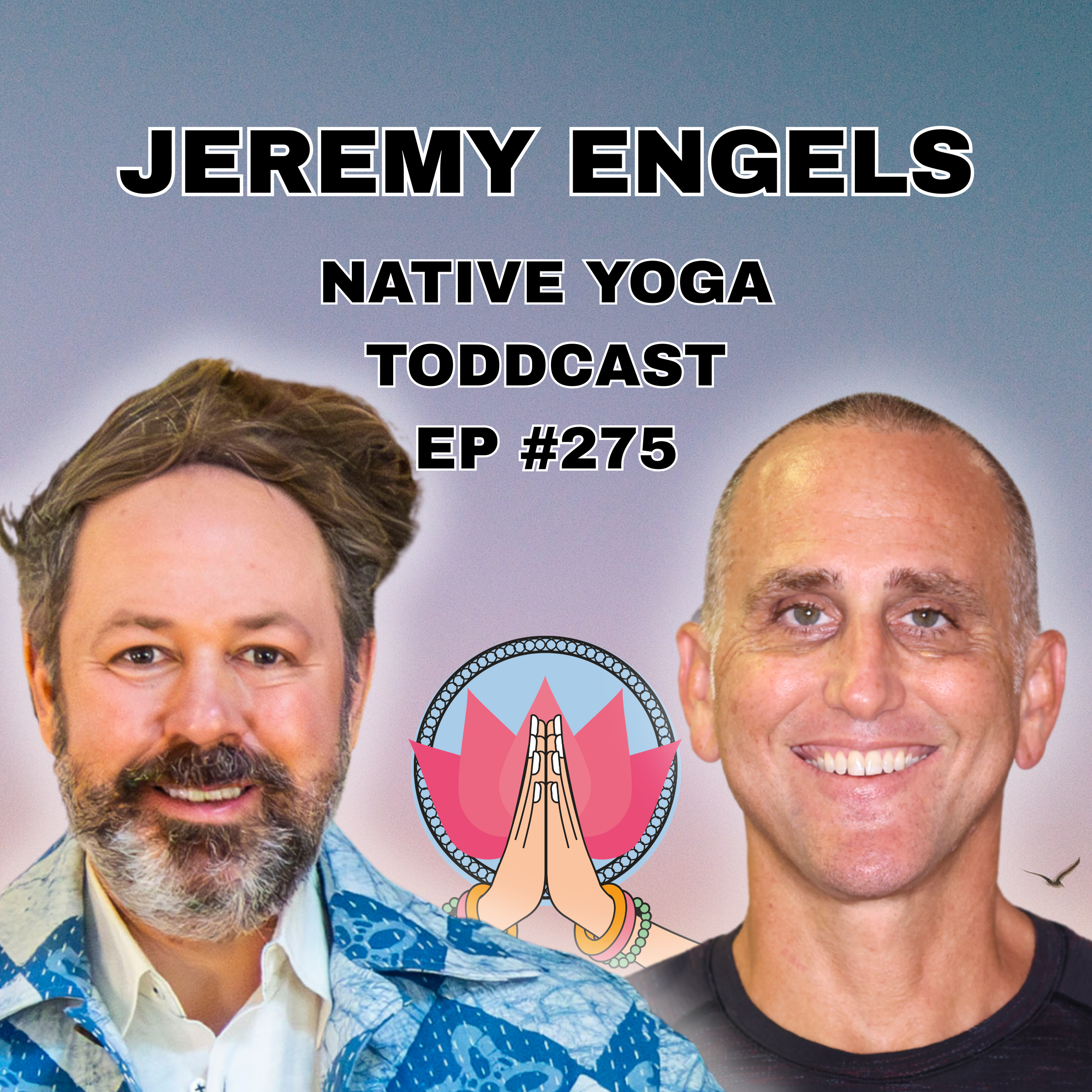
Jeremy Engels: Living Namaste – Yoga, Mindfulness, and Building Community

Listen to Toddcast with Jeremy for FREE here

Jeremy Engels is a distinguished professor of communication and ethics at Penn State University, specializing in rhetoric. He is acclaimed for his exploration of the intersections between yoga, mindfulness, and community building. Jeremy is a prolific author whose works include “Living Namaste: A Practical Guide to Yoga, Mindfulness, and Building Community” and “On Mindful Democracy”. His academic and personal journey incorporates a deep engagement with yoga, meditation, and the foundational principles of rhetoric, making him a unique voice in the fields of philosophy and mindfulness.

Visit Jeremy: https://jeremydavidengels.com/

Key Takeaways:

  • The embodiment of “Namaste” involves recognizing and honoring the divine within ourselves and others, promoting harmony and community.
  • Engaging in yoga and mindfulness practices can alleviate loneliness and cultivate a sense of belonging and connection within communities.
  • Jeremy’s experience as a rhetoric professor highlights the powerful role of language in shaping human interactions and nurturing democratic values.
  • Bridging philosophical concepts with physical practices like yoga fosters a balanced approach to addressing personal and societal challenges.
  • The pursuit of understanding complex philosophical and ethical principles can significantly impact personal development and community well-being.

The Significance of Namaste in Yoga Practice

This podcast offers an enriching conversation between Jeremy Engels and Todd, exploring the intricate tapestry woven around the word “Namaste” in the context of yoga. “Namaste” is not merely a closing salutation in yoga practice but a powerful symbol of connection, acknowledgment, and community. Jeremy Engels articulates this by emphasizing that “Namaste, actually, at least to me, isn’t the end of yoga practice. It’s like a moment of continuation.”In a broader sense, “Namaste” encourages practitioners to recognize their own divinity and the divinity within others, fostering dignity and respect across human interactions. Jeremy stresses that saying “Namaste” is “remembering the divine in ourselves, recognizing the divine in others, and then remembering to live the word together.” This perspective invites yoga practitioners to cultivate a sense of unity that stretches far beyond the boundaries of the yoga mat and into everyday life, aiming to foster compassionate and cohesive communities.

Yoga and Mindfulness: A Holistic Approach to Life’s Challenges

The powerful symbiosis between mindfulness and yoga serves as a cornerstone in Jeremy’s teachings, helping to mitigate life’s challenges and improve overall well-being. Yoga is described as mindfulness in motion, reinforcing the concept that these practices are not separate but rather complementary components of a holistic approach to living well. Jeremy beautifully encapsulates this synergy: “Mindfulness is a practice of remembering to come back to the present moment… Yoga as a practice of mindfulness… is about cultivating mindful awareness.”Through this lens, yoga becomes more than physical poses; it is an intentional practice of being present, listening to one’s body, and nurturing a peaceful state of mind. Jeremy’s insights underscore the importance of reconnecting with one’s inner peace as a method of transforming personal and communal interaction, saying, “Acknowledgment and recognition create infinite possibilities… when we’re able to meet other people in that space of Namaste.”

Combating Loneliness Through Movement and Community

Amidst the backdrop of modern life, characterized by an overstimulation of digital content and social disconnection, yoga communities emerge as crucial sanctuaries for human connection. Jeremy notes, “We might feel like pulling out our phones… but that’s the best opportunity to practice just being present, being in your body, greeting people with a smile, saying hi.” This sentiment resonates strongly in today’s context, where loneliness is increasingly recognized as an epidemic.The creation of community hubs, such as yoga studios, is central to combatting this loneliness, providing a space where individuals can gather away from screens, engage in shared practices, and focus on personal and collective well-being. Jeremy highlights this importance, stating that yoga studios are “so important to the community fabric,” serving as beacons of interaction and mutual support. More broadly, the themes of movement, mindfulness, and community interweave to offer solutions to the solitude that disrupts modern life. Through regular practice, participants gain a renewed sense of strength and connectivity, enabling them to transcend personal borders and share experiences that build and bind communities.

Jeremy’s reflections on yoga’s transformative potential bring to light its profound implications for fostering a sense of belonging and connection. As listeners and readers embrace these ideas, they are invited to consider how they might apply these lessons in their lives and communities, nurturing a world where dignity, compassion, and understanding are central guiding principles.

Check out: 👇
8IN8 Ashtanga Yoga for Beginners Course Online– Learn 8 Limb Yoga in 8 Days – Get FREE coupon code for a limited time only (Regular price $88) https://info.nativeyogacenter.com/8in8-ashtanga-yoga-for-beginners-8-limbs-in-8-days/

Practice with Native Yoga Online – New classes EVERY day – Use Code FIRSTMONTHFREE https://nativeyogacenter.teachable.com/p/today-s-community-class

Subscribe to Native Yoga Center and view this podcast on Youtube.

Thank you Bryce Allyn for the show tunes. Check out Bryce’s website: bryceallynband.comand sign up on his newsletter to stay in touch. Listen here to his original music from his bands Boxelder, B-Liminal and Bryce Allyn Band on Spotify.

Please email special requests and feedback to info@nativeyogacenter.com

https://info.nativeyogacenter.com/8in8-ashtanga-yoga-for-beginners-8-limbs-in-8-days

Support the show

Native Yoga website: here
YouTube: here
Instagram: @nativeyoga 
Twitter: @nativeyoga 
Facebook: @nativeyogacenter 
LinkedIn: Todd McLaughlin 
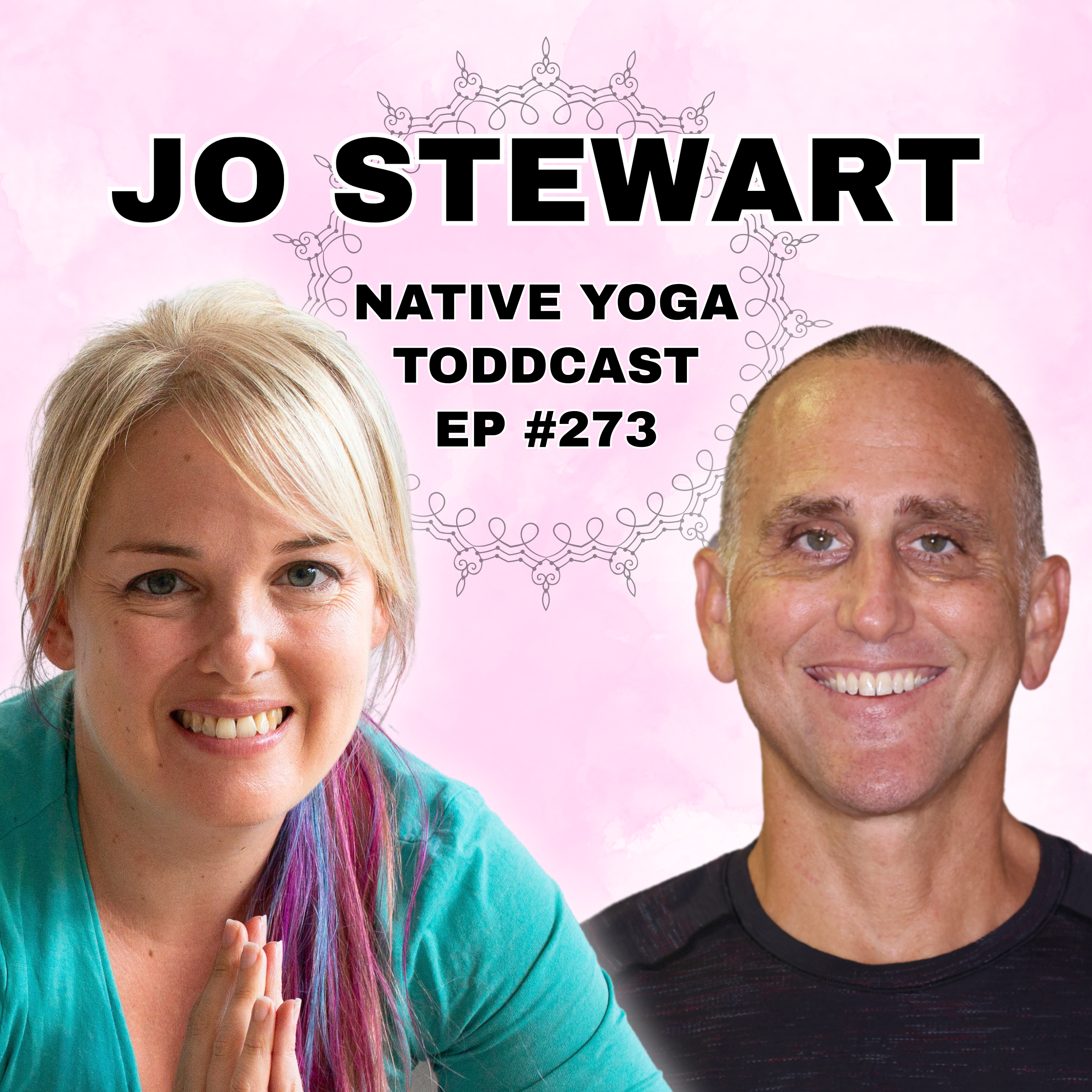
Jo Stewart | Artist Turned Aerial Yoga Revolutionary

Listen to Toddcast with Jo for FREE here

Jo Stewart is an esteemed yoga teacher based in Melbourne, Australia, with over 20 years of experience in teaching yoga. Her journey began with art-infused Zen philosophy and later transitioned her artistry into a full-time vocation of yoga instruction. Jo specializes in Iyengar and aerial yoga, and she has recently authored a book titled “The Eight Limbs of Aerial Yoga Book.” She is also the host of the Flow Artist Podcast and is committed to fostering inclusivity and accessibility in yoga practices. Jo operates her own studio, which she meticulously designed to combine her love for yoga and teaching.Thanks for listening to this episode. 

Visit Jo here: https://gardenofyoga.com.au/

Key Takeaways:

  • Jo Stewart’s yoga path is deeply intertwined with art and Zen philosophy, leading her to a long-standing teaching career.
  • Her book, “The Eight Limbs of Aerial Yoga Book,” integrates traditional yoga principles with modern aerial yoga, providing inclusive and adaptable methods.
  • Building a sustainable yoga business requires understanding of personal and entrepreneurial limits, with Jo advocating for balance and carefully managed growth.
  • Jo promotes aerial yoga as an accessible practice that encourages playfulness and therapeutic benefits, supporting diverse student needs, including those with PTSD or chronic pain.
  • The role of podcasts and platforms in fostering meaningful connections and enhancing professional growth in the yoga community is discussed.

Merging Traditional Yoga Philosophy with Innovative Aerial Practices

Jo Stewart’s journey into the world of yoga began with a serendipitous introduction to Iyengar yoga in the 1990s, an era when yoga was much less mainstream than today. However, it was her exploration of aerial yoga that marked a transformative milestone in her career. The intrigue of combining tactile yoga philosophy, specifically the eight limbs outlined by Patanjali, with the contemporary practice of aerial yoga offered her a fresh perspective. Stewart shares, “If we’re calling it aerial yoga, we really have to ground it in that philosophy. Otherwise, it could just be called aerial fitness or aerial dance.”

Her commitment to integrating these profound teachings with aerial movements is both pioneering and deeply rooted in historical context. Drawing upon ancient practices where ropes were used for suspended inversions, Stewart emphasizes the historical credence of aerial yoga. Her work, “Eight Limbs of Aerial Yoga,” serves as a comprehensive guide that brings to light this unique blend, emphasizing both the physical and mental engagements integral to the practice.

This intersection of traditional philosophy and modern aerial applications enables practitioners to experience an expansive range of movements while maintaining a meditative and connected state of mind. For Stewart, this approach is essential to ensuring that aerial yoga remains true to its roots while evolving to meet modern needs.

Advocating for Accessible and Therapeutic Yoga

A significant theme explored by Jo Stewart is the accessibility and therapeutic potential of yoga. She views aerial yoga as a medium to reach a broader demographic, extending beyond the typical associations with young, flexible, and circus-level performers. Highlighting the versatility of aerial yoga, Stewart explains, “It can actually be more adaptable than a traditional floor-based practice because you’ve got this super helpful prop that brings the level of the floor up to you.”

The hammock acts as a supportive tool, making challenging poses more accessible and safe for a wide range of bodies and abilities. This is particularly beneficial for individuals dealing with conditions such as PTSD or chronic pain. Stewart recounts that her oldest student has been 85 years old, and her classes frequently accommodate neurodivergent students, indicating the far-reaching potential of aerial yoga.

By offering such inclusivity, Stewart’s approach dispels common misconceptions around yoga’s accessibility. Her work fights against the stereotype that aerial yoga is only for the acrobatic and instead presents it as a nurturing practice that supports one’s physical and mental well-being. This theme resonates deeply in her book, as she strives to showcase the potential for joy and healing accessible to all through aerial practice.

Establishing a Sustainable Yoga Practice

Jo Stewart shares candid insights into the practicalities of running a yoga business, emphasizing the importance of combining passion with sustainability. From her experience of converting a personal space into a teaching studio to navigating the constraints of class sizes, Stewart illustrates the intricacies involved in transforming a love for yoga into a viable career.

Stewart offers sage advice to upcoming yoga practitioners, urging them to “have your own thing going,” which includes building a personal brand and maintaining multiple streams of revenue, such as workshops, private classes, and teaching at various venues. This balanced approach helps mitigate the uncertainty and financial instability that can come with relying solely on studio or gym positions.

Moreover, Stewart’s reflections on the significance of teacher trainings, especially in the aerial domain, highlight the responsibility practitioners have toward their students’ safety and learning experience. By participating in structured training, teachers can ensure they are equipped to offer safe and mindful instruction, particularly when it comes to the more dynamic modalities of aerial yoga.

Rather than idolizing the romanticized idea of a yoga teacher’s life, Stewart’s transparent recounting of her journey aligns with the reality many teachers face, emphasizing resilience, adaptability, and continuous learning.

While Jo Stewart’s work in yoga is rooted in history and tradition, she boldly steps forward with innovations that make her practices both therapeutic and widely accessible. She projects an inspiring vision of yoga—one that is deeply connected to ancient philosophies yet courageously open to contemporary interpretations. Stewart’s narrative is a beacon for other educators aiming to blend traditional wisdom with modern methodologies to create a more inclusive world of yoga.

Check out: 👇
8IN8 Ashtanga Yoga for Beginners Course Online– Learn 8 Limb Yoga in 8 Days – Get FREE coupon code for a limited time only (Regular price $88) https://info.nativeyogacenter.com/8in8-ashtanga-yoga-for-beginners-8-limbs-in-8-days/

Practice with Native Yoga Online – New classes EVERY day – Use Code FIRSTMONTHFREE https://nativeyogacenter.teachable.com/p/today-s-community-class

Subscribe to Native Yoga Center and view this podcast on Youtube.

Thank you Bryce Allyn for the show tunes. Check out Bryce’s website: bryceallynband.comand sign up on his newsletter to stay in touch. Listen here to his original music from his bands Boxelder, B-Liminal and Bryce Allyn Band on Spotify.

Please email special requests and feedback to info@nativeyogacenter.com

https://info.nativeyogacenter.com/8in8-ashtanga-yoga-for-beginners-8-limbs-in-8-days

Support the show

Native Yoga website: here
YouTube: here
Instagram: @nativeyoga 
Twitter: @nativeyoga 
Facebook: @nativeyogacenter 
LinkedIn: Todd McLaughlin 
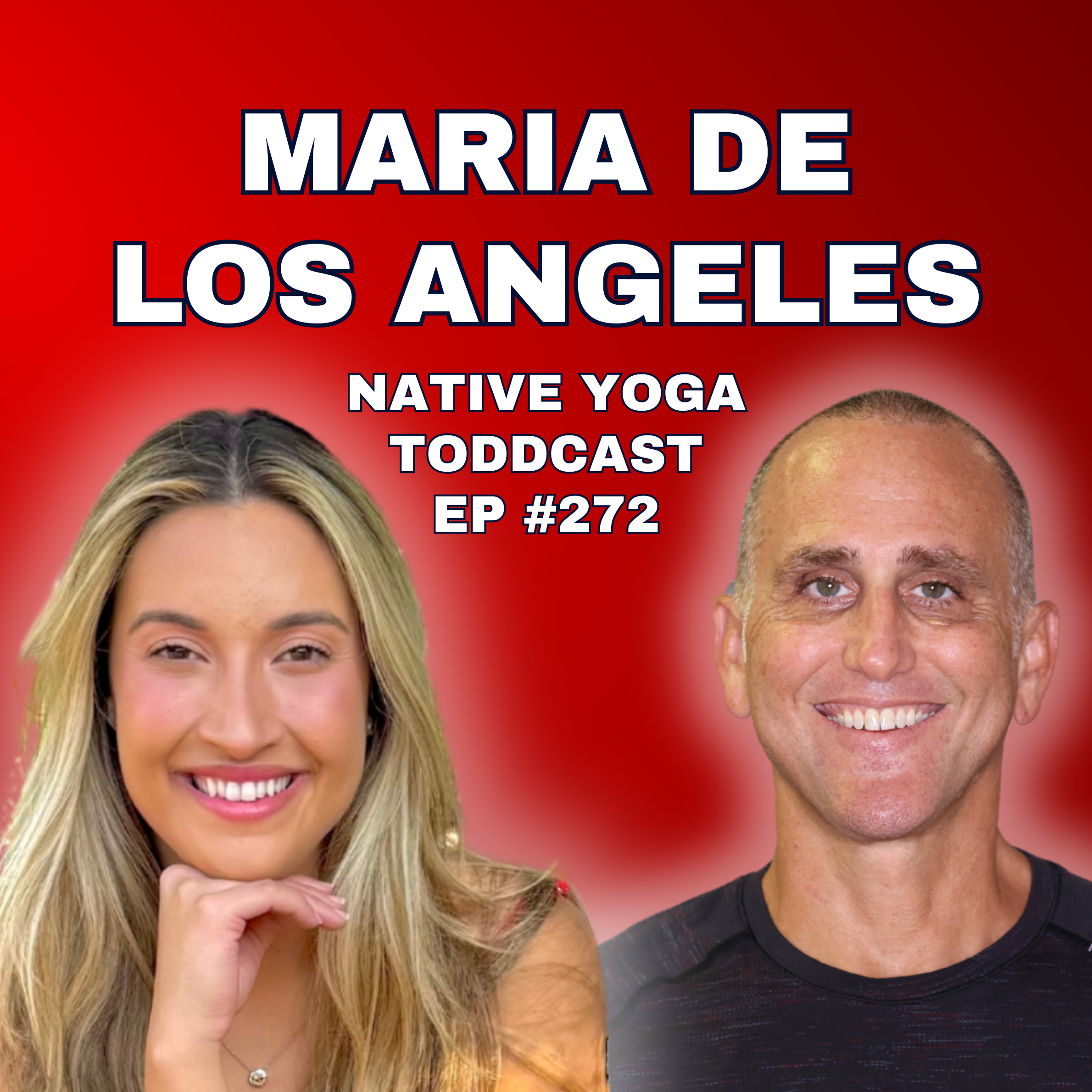
Maria De Los Angeles | Somatic Breathwork for Nervous System Regulation & Anxiety Relief

Listen to Toddcast with Maria for FREE here

In this episode of Native Yoga Toddcast, licensed clinical social worker and somatic breathwork practitioner Maria de Los Angeles explores powerful body-based tools for nervous system regulation, emotional healing, and holistic wellness.

Maria blends her clinical expertise in mental health with somatic breathwork and yoga practices that go beyond traditional talk therapy. Drawing from CBT, DBT, and years of dedicated study, she shares practical guidance on how to release stored tension, reduce anxiety, and cultivate deeper balance through breathwork, mindful movement, and somatic awareness.

Whether you’re new to yoga or a seasoned practitioner, this episode offers accessible techniques to support your mental health, process emotions, and reconnect with your body. Discover how somatic breathwork and yoga can become essential tools for lasting inner peace and resilience.

Topics covered:
• Nervous system healing
• Somatic breathwork techniques
• Yoga for mental health and anxiety relief
• Integrative approaches combining CBT, DBT & body-based practices

Perfect for anyone seeking mindfulness, stress relief, trauma-informed yoga, or embodied wellness practices.

Visit Maria at her website: https://smwellnessco.com/

on IG here: https://www.instagram.com/somaticandmentalwellnessco/

Embodiment through Somatic Breathwork

In a fast-paced world where the mind often outpaces the body, reconnecting the two has become a revolutionary approach in mental health therapy. Maria de Los Angeles, a licensed clinical social worker, reveals how Somatic Breathwork challenges traditional therapeutic methods by engaging the nervous system directly. Unlike Cognitive Behavioral Therapy (CBT) and Dialectical Behavioral Therapy (DBT), which focus on perceptions and social interactions, Somatic Breathwork takes a body-centered approach. “This is a body-based intervention,” Maria explains, “It’s very different from traditional talk therapy… because it focuses directly on the nervous system.”

The essence of Somatic Breathwork lies in diaphragmatic 360 breathing, which encourages individuals to focus on breathing deeply into their bellies, fostering an awareness that transcends mental clutter. “We want to start with the body, we want to reconnect with the body,” Maria adds, highlighting that our thoughts are often overwhelmed by societal, familial, and digital influences. By anchoring the breath and centering attention on physical sensations, participants can begin the process of embodiment, allowing the body to dictate the therapeutic journey naturally.

The Importance of Human Connection

Human connection emerges as a central theme in Maria’s practice. She articulates the intrinsic need for communal experience in breathwork sessions. “People need people. Sometimes we don’t want to believe it, but the truth is, without each other, what would we be?” she states passionately. This sentiment underscores the importance of shared experiences in healing and personal growth, where the presence of others acts as a catalyst for individual discovery.

Group sessions foster an environment where participants can feel supported and guided. Maria emphasizes the significance of safety, both physical and emotional. “My number one priority…is safety,” she maintains, highlighting the role of trust between the guide and participants. This trust creates a space where individuals can comfortably explore their internal landscapes without the fear of judgment. The shared energy in the room allows for a unique form of healing—being understood and validated not only by a professional but by peers on similar journeys.

Empowerment and Self-Awareness

Empowerment through self-awareness is perhaps the most transformative aspect of Somatic Breathwork. Maria reflects on personal realizations and growth, describing how direct engagement with her own nervous system opened pathways to self-discovery. “It’s a blessing,” she shares about watching participants achieve breakthroughs. It isn’t always about resolving past traumas but about becoming present, understanding, and embracing one’s true identity. “We’re kind of on a floating rock in space,” Maria observes, reminding us of our shared existence and the importance of living for oneself, not for external expectations.

The breathwork process encourages clients to set intentions but with an understanding that the body will reveal what it needs in its own time. Maria cautions against setting unrealistic expectations, instead promoting patience and openness. “We can set an intention, and your body is going to do what it wants to and what it needs to in that moment,” she explains, framing the journey as a collaborative exploration rather than a rigid path. This approach empowers individuals to own their journey, giving them the autonomy to define their healing and growth.

In exploring Somatic Breathwork, the interview navigates the intricacies of human connection, empowerment, and the reclamation of one’s sense of self through embodied practice. Embodiment begins when one relinquishes societal and cognitive dictates, turning instead to the body’s innate wisdom. Human connection not only facilitates therapy but breathes life into the human experience, validating one’s feelings and fostering a sense of belonging. Ultimately, Somatic Breathwork is a journey of self-awareness, where each breath taken serves as a reminder of one’s potential to shape their own existence and to truly be in the world.

The insights conveyed by Maria de Los Angeles illuminate the transformative power of listening to the body and connecting authentically with others. This practice offers nuanced pathways to healing that engage the whole person, rather than isolating the mind. As more individuals embark on this journey, they may discover not just self-awareness but a profound sense of empowerment—a tool designed not just for momentary relief but lifelong change.

Thanks for listening to this episode. Check out: 👇
8IN8 Ashtanga Yoga for Beginners Course Online– Learn 8 Limb Yoga in 8 Days – Get FREE coupon code for a limited time only (Regular price $88) https://info.nativeyogacenter.com/8in8-ashtanga-yoga-for-beginners-8-limbs-in-8-days/

Practice with Native Yoga Online – New classes EVERY day – Use Code FIRSTMONTHFREE https://nativeyogacenter.teachable.com/p/today-s-community-class

Subscribe to Native Yoga Center and view this podcast on Youtube.

Thank you Bryce Allyn for the show tunes. Check out Bryce’s website: bryceallynband.comand sign up on his newsletter to stay in touch. Listen here to his original music from his bands Boxelder, B-Liminal and Bryce Allyn Band on Spotify.

Please email special requests and feedback to info@nativeyogacenter.com

https://info.nativeyogacenter.com/8in8-ashtanga-yoga-for-beginners-8-limbs-in-8-days

Support the show

Native Yoga website: here
YouTube: here
Instagram: @nativeyoga 
Twitter: @nativeyoga 
Facebook: @nativeyogacenter 
LinkedIn: Todd McLaughlin 
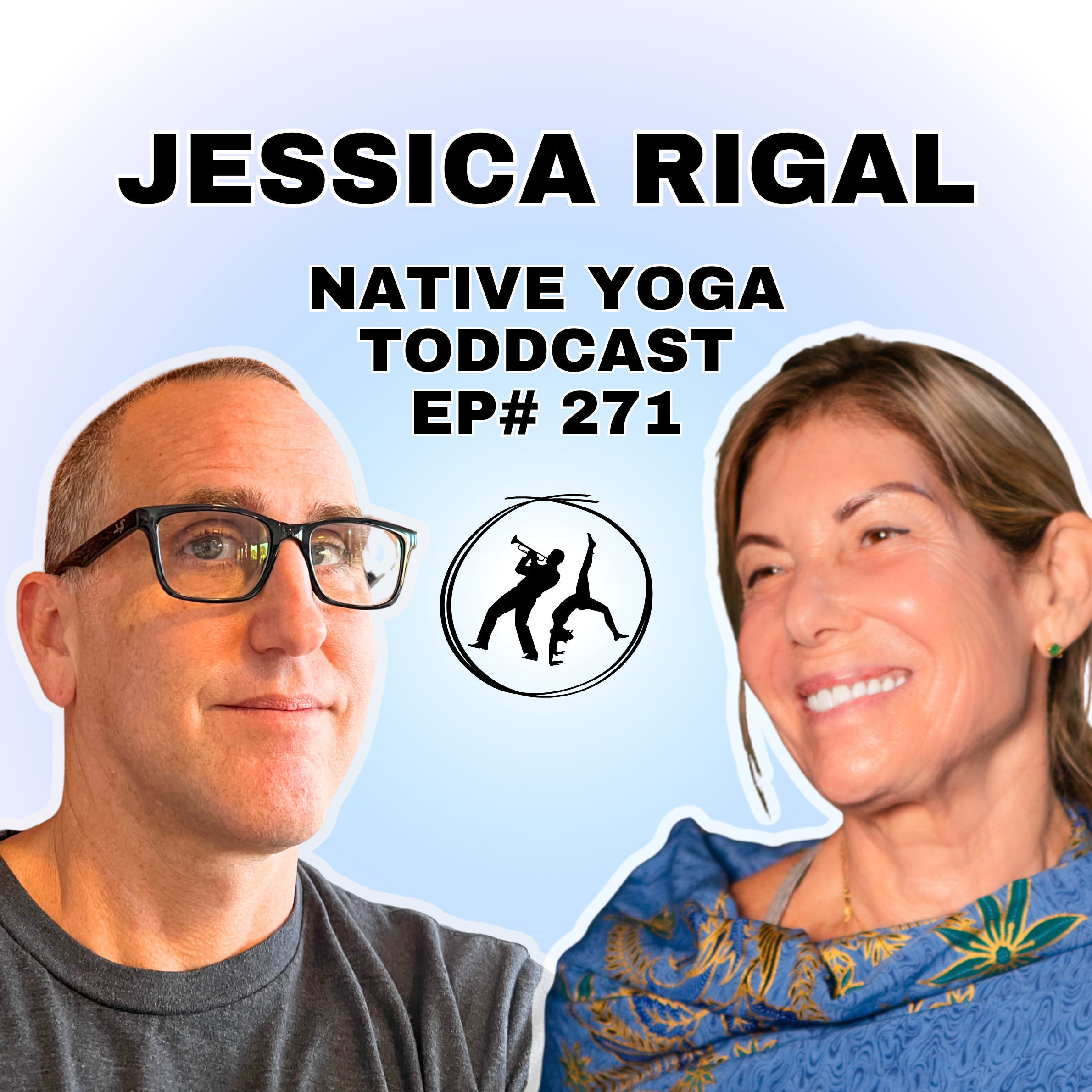
Jessica Rigal: Uniting Trauma Care, Ashtanga Yoga & Meditation

Listen to Toddcast with Jessica for FREE here

Jessica Rigal is a seasoned clinical social worker with over 20 years of experience specializing in trauma care, particularly in hospitals. Raised amidst a milieu of activism and scientific inquiry in New York City during the 60s and 70s, Jessica was introduced to meditation early on, a practice that has become central to her professional and personal life. She studied pre-med and journalism and holds an advanced degree from the New School of Social Research. Jessica is an advocate of blending meditation with Ashtanga yoga, and she actively practices and teaches these methods, emphasizing their therapeutic benefits.

Visit Jessica here: https://yogabyjessica.com/

Key Takeaways:

  • Jessica Rigal’s life reflects a unique blend of activism, scientific curiosity, and holistic healing practices.
  • Meditation and yoga are central to Jessica’s approach, offering profound tools for recovery and personal growth.
  • Listening to the body and maintaining a mindfulness practice can be crucial in overcoming physical limitations and improving mental health.
  • Jessica emphasizes a flexible approach to both yoga and life, focusing on finding joy in the present and accepting each moment as it comes.
  • The idea of practice as a reflection of daily life, rather than a set series of poses, invites listeners to integrate mindfulness into every aspect of their being.

The Intersection of Ashtanga Yoga and Zen Meditation

In the dynamic landscape of mindfulness practices, the convergence of Ashtanga yoga and Zen meditation offers a powerful blend of physical and mental wellness. Jessica Rigal, a practitioner balancing both disciplines, emphasizes the seamless integration of these practices as a pathway to profound self-discovery and healing.

Rigal’s journey with Ashtanga yoga began unexpectedly at the age of 55, under the guidance of Manju Jois. The notion of dropping back into a challenging pose, despite her initial fears, unveiled a moment of transformation. “It just cracked me wide open,” she recalls, highlighting how the experience unlocked a reservoir of emotions stored in the body. This illustrates the potential of yoga as a tool not just for physical flexibility, but for emotional release and mental clarity.

The conversation also touched upon the complementary nature of Zen meditation, which Rigal has engaged with since childhood. This form of meditation, characterized by its non-goal-oriented approach, aligns harmoniously with the principles of yoga. Together, these practices foster a state of being where one can “live in the shunya, the emptiness,” as Rigal describes it, embracing the unpredictable nature of life much like jazz music—improvised and unscripted.

The broader implication of this integration challenges the conventional boundaries within mindfulness practices. It prompts an exploration of how these traditions, when combined, can offer a more holistic approach to understanding the self. The synthesis of the physical rigor of yoga and the contemplative depth of meditation encourages practitioners to look beyond mere physical accomplishments and delve deeper into the nuances of presence and awareness.

Enhancing Mindfulness Through Nature

Interacting with nature emerges as a recurring theme in enhancing mindfulness, a point eloquently illustrated by Rigal’s “manatee meditation.” Observing the gentle movements of a manatee, as she shares, is a reminder of the power of awe in anchoring oneself to the present moment. Modern neuroscience supports this notion, suggesting that awe-inspiring experiences can bring one back to the immediacy of the “now.”

“Go take a walk in nature,” Rigal recommends, especially when one struggles to quiet the mind. This practice not only grounds individuals but also facilitates a connection to the larger world, fostering a sense of belonging and peace. The Merlin app, as discussed in the transcript, is a perfect tool for such nature walks, offering an enhanced experience by identifying bird songs, allowing for a deeper engagement with one’s environment.

Within the context of a bustling life, especially one filled with the demands of a healthcare professional, this practice becomes indispensable. For Rigal, who navigates the complexities of working within hospital settings, these moments of connection to nature serve as vital touchpoints for balance and rejuvenation.

The impact of this practice extends beyond individual wellness, suggesting that through nature and presence, communities can foster environments that cultivate understanding and compassion. It embodies a mindful way of living that recognizes the importance of slowing down and appreciating the world around us—principles at the heart of both yoga and meditation.

Embracing Pain as a Pathway to Mindfulness

Pain, both physical and emotional, is an inevitable part of the human experience, as discussed in the transcript. Yet, it offers profound opportunities for practicing mindfulness and acceptance. Rigal shares candidly about her personal journey with pain, particularly the challenges of aging and physical limitations.

The discussion reveals a pivotal understanding: embracing pain does not equate to suffering. Instead, it becomes an avenue toward deeper awareness and self-reflection. “Don’t allow that to define you,” she urges, highlighting the importance of not being consumed by labels or societal definitions of pain and limitation.

Through her practice under Greg Tebb, Rigal learns to “clean out” pain without forcing the body, underlining a process of mindful engagement rather than aggressive pursuit of relief. This approach resonates with the broader theme of yoga and meditation as practices of living rather than doing.

The implications for practitioners and healthcare providers are significant. It suggests a shift from a purely outcome-based approach to one that recognizes the value of process and presence. It encourages viewing pain as a teacher rather than an adversary, opening pathways for healing that are both compassionate and sustainable.

In the conversation with Jessica Rigal, we discover an intricate tapestry of mindfulness practices that together offer a wholistic approach to wellness. Her experiences underscore the transformative power of yoga and meditation when practiced with intention and openness. The dialogue with nature, the acceptance of pain, and the embodiment of these practices in everyday life challenge us to reconsider our approach to mind-body spirituality. Herein lies the essence of Rigal’s message—a call for presence, a step into the unknown, much like jazz, and the serenity found in simply being.

Thanks for listening to this episode. Check out: 👇
8IN8 Ashtanga Yoga for Beginners Course Online– Learn 8 Limb Yoga in 8 Days – Get FREE coupon code for a limited time only (Regular price $88) https://info.nativeyogacenter.com/8in8-ashtanga-yoga-for-beginners-8-limbs-in-8-days/

Practice with Native Yoga Online – New classes EVERY day – Use Code FIRSTMONTHFREE https://nativeyogacenter.teachable.com/p/today-s-community-class

Subscribe to Native Yoga Center and view this podcast on Youtube.

Thank you Bryce Allyn for the show tunes. Check out Bryce’s website: bryceallynband.comand sign up on his newsletter to stay in touch. Listen here to his original music from his bands Boxelder, B-Liminal and Bryce Allyn Band on Spotify.

Please email special requests and feedback to info@nativeyogacenter.com

https://info.nativeyogacenter.com/8in8-ashtanga-yoga-for-beginners-8-limbs-in-8-days

Support the show

Native Yoga website: here
YouTube: here
Instagram: @nativeyoga 
Twitter: @nativeyoga 
Facebook: @nativeyogacenter 
LinkedIn: Todd McLaughlin