Unknown's avatar

About nativeyoga

I love Ashtanga Yoga and co-direct Native Yoga Center in Juno Beach, Florida with my wife Tamara.

Jessica Hwang – Unveiling Yoga’s Hidden Potential for Personal Growth

Click here to listen to podcast with Jessica for FREE

Jessica Hwang is a dedicated career transition coach with a background in corporate finance. She is the founder of Jessica Hwang Coaching, where she assists individuals in making the leap from secure corporate positions to independent, passion-driven careers. Jessica is also a yoga teacher and hosts her podcast “Permission to Flow,” formerly known as “A Way of Thinking.” Her expertise lies in leveraging personal growth, yoga principles, and her experiences from the corporate world to guide others towards fulfilling careers.

Visit Jessica: http://jessicahwangcoaching.com/
Listen to podcast: https://podcasts.apple.com/us/podcast/permission-to-flow/id1622215177

Key Takeaways:

  • Career Transition Strategy: It’s vital to create a steady financial foundation and consider gradual steps rather than a sudden leap when transitioning from a corporate job to independent work.
  • The Role of Self-Belief: Cultivating self-belief through personal growth, support systems, and recognizing past achievements is crucial for success.
  • Yoga’s Impact: Yoga can provide the mental clarity and resilience needed to navigate significant life changes.
  • Community and Support: Surrounding oneself with a supportive community and professionals like coaches and therapists can make the transition smoother.

Unlocking the Power of Career Transition: Insights from Jessica Hwang

Key Takeaways:

  • Cultivating Self-Belief Through Life Transitions
  • Balancing Financial Security with Pursuing Passion
  • The Power of Curiosity and Continuous Learning

The journey from a stable corporate job to pursuing a passion-driven career is filled with both challenges and opportunities. In an engaging conversation between Todd McLaughlin and Jessica Hwang, the Native Yoga Toddcast explores these transitions in-depth, capturing essential wisdom that can inspire anyone considering a similar path.

Jessica Hwang, a career transition coach, shares her insights on moving from a corporate career to an independent one and highlights the importance of yoga, self-belief, and curiosity throughout this journey. Here are the three main themes that stood out during the discussion.

Cultivating Self-Belief Through Life Transitions

Jessica’s journey from the world of corporate finance to becoming a career transition coach and yoga teacher is a testament to the importance of self-belief. Like many, she started with a traditional career path, driven by the expectations of stability and financial security. However, her experiences in the corporate world left her feeling something was missing. Reflecting on her burnout moment, she revealed, “It was for a while, it was this nagging kind of feeling in the background where I was like, I don’t know what it is exactly, but I know something’s not right.”

Self-belief played a pivotal role in her decision to pivot her career fully. Jessica emphasized, “You have to create a steady foundation for yourself.” This foundation involved financial planning, but more critically, it meant recognizing and nurturing those inner talents and skills that often go unnoticed or undervalued in a corporate setting.

Her newfound path also fueled her belief in what she could achieve, stating, “I will endlessly work so hard on this, on my podcast, on coaching, like all of this, I will keep learning in a way that I wasn’t doing when I was in finance.” This perspective shift highlights the resilience and passion required for anyone looking to transform their career.

Balancing Financial Security with Pursuing Passion

Financial security often stands as the most significant barrier for individuals considering a career transition. Jessica’s experience underscores the necessity of having a sound financial strategy before making the leap. “Creating that kind of foundation financially is super important,” she noted, emphasizing the role of savings and careful financial planning.

The notion of security in traditional jobs can be misleading. Jessica points out, “This perception that we have security in our jobs is a little bit of a fallacy these days.” The recurring layoffs and instability faced in many corporate environments suggest that true security stems from one’s confidence in their abilities and their resourcefulness.

Todd shared this sentiment, highlighting the unpredictability even in “secure” jobs. He observed, “There’s a lot of security behind a well-paying job. however Is it secure? Do you know?” This shared understanding reiterates that security should be redefined as trust in oneself rather than reliance on job stability.

The Power of Curiosity and Continuous Learning

A recurring theme in the conversation was the importance of maintaining curiosity and a willingness to learn. Jessica attributes much of her growth to her yoga practice, which remained a constant source of peace and inspiration. Reflecting on her journey, she said, “Follow your curiosity. I think that we have become disconnected from being curious.”

This curiosity doesn’t just apply to personal growth but extends to professional endeavors. “It’s the power of the questions that we ask ourselves,” Jessica advised, reinforcing that self-inquiry can lead to profound insights and breakthroughs. As Todd deliberated his own challenges, Jessica prompted him to ask deeper questions and to “look for evidence of how he can trust himself.”

Both Todd and Jessica advocate for embracing change and exploring new possibilities. Jessica mentioned her admiration for Dharma Mitra, emphasizing his influence on her philosophy, “He inspires me and so much of what I’m doing.” This dedication to continuous learning and growth elevates their efforts to create meaningful and impactful work.

Reflecting on Growth and Potential

The discussion between Todd and Jessica reveals that the journey of career transition is as much about inner growth as it is about external change. Their conversation offers invaluable insights into building self-belief, redefining financial security, and harnessing curiosity.

In reflecting on their exchange, it’s clear that these themes are interconnected. Jessica’s strategies for maintaining financial stability allowed her to focus on what truly mattered—her passion and talents. Todd’s acknowledgment of these shared experiences reinforces the notion that while the path may be daunting, it is certainly achievable with the right mindset and support.

Ultimately, the blend of passion, hard work, continuous curiosity, and a supportive community forms the cornerstone of successfully navigating a career transition. Both Todd and Jessica exemplify how dedication to these principles can lead to not just a fulfilling career, but a rewarding and purposeful life.

Thanks for listening to this episode. Check out: 👇
Free Grow Your Yoga Live Webinar – Every Thursday at 12pm EST
➡️ Click here to receive link

New Student FREE Livestream Yoga Special ~ Try 2 Weeks of Free Unlimited Livestream Yoga Classes  at Native Yoga Center. info.nativeyogacenter.com/livestream Sign into the classes you would like to take and you will receive an email 30 minutes prior to join on Zoom. The class is recorded and uploaded to nativeyogaonline.com  ➡️  Click Here to Join. 

Subscribe to Native Yoga Center and view this podcast on Youtube.

Thank you Bryce Allyn for the show tunes. Check out Bryce’s website: bryceallynband.comand sign up on his newsletter to stay in touch. Listen here to his original music from his bands Boxelder, B-Liminal and Bryce Allyn Band on Spotify.

Please email special requests and feedback to info@nativeyogacenter.com

Enjoy new Native Yoga Center classes uploaded everyday on our online learning hub. Use code FIRSTMONTHFREE at checkout. https://nativeyogacenter.teachable.com/p/today-s-community-class

Support the Show.

Native Yoga website: here
YouTube: here
Instagram: @nativeyoga 
Twitter: @nativeyoga 
Facebook: @nativeyogacenter 
LinkedIn: Todd McLaughlin
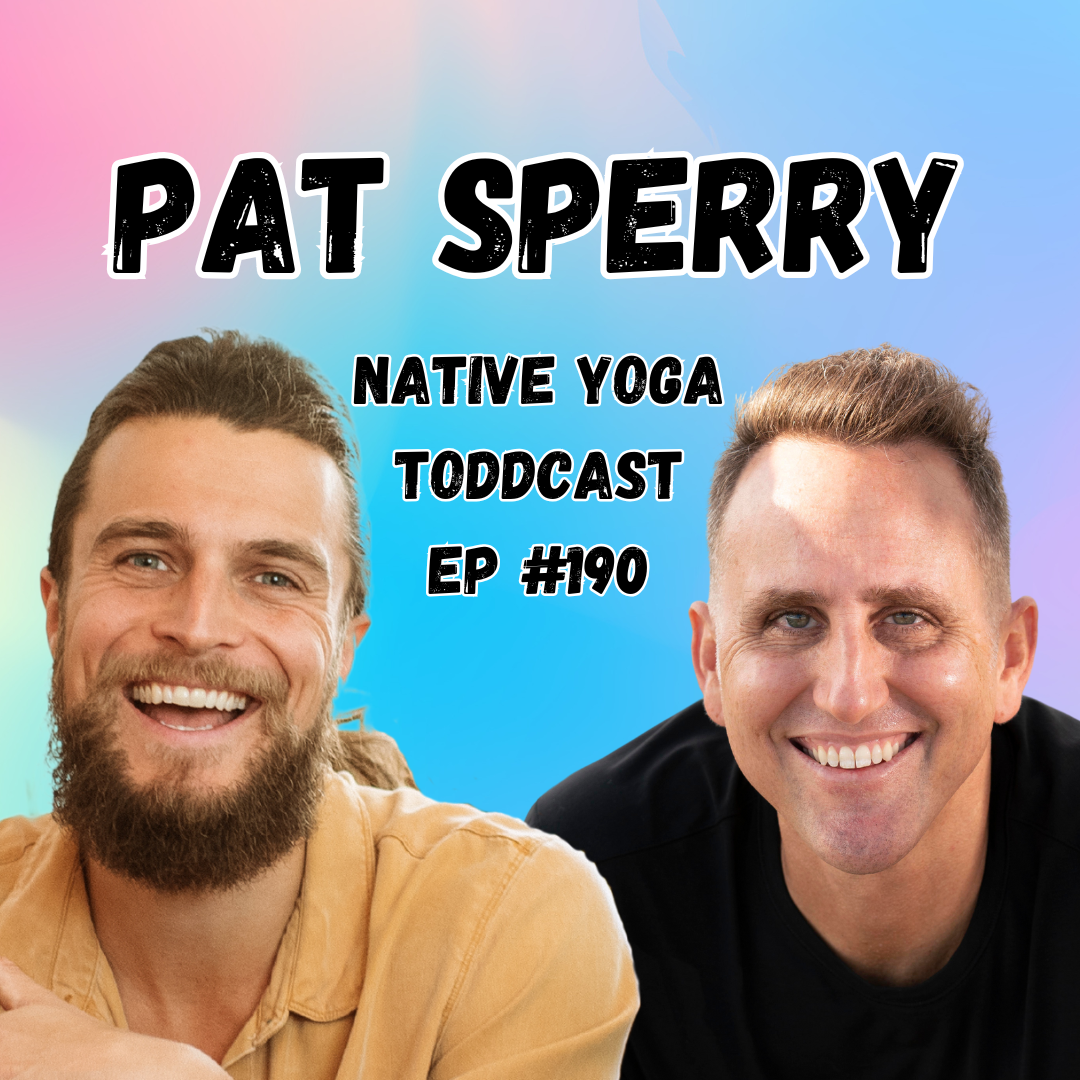
Dale Matzkow – Pilates & Yoga: Bridging the Gap Between

Listen to podcast with Dale for FREE Here

Dale Matzkow is a seasoned Pilates instructor based in Juno Beach, Florida. With a background spanning several decades, Dale has trained under various prestigious instructors and integrated both classical and contemporary methods into her practice. Dale began her journey with Pilates in the mid-80s and has since dedicated herself to teaching and expanding her knowledge. She regularly teaches mat Pilates and is recognized for her expertise in adapting workouts to suit both novices and seasoned practitioners.

Visit Dale on her website: https://www.purepilatesnyc.com/
Follow her on IG: https://www.instagram.com/purepilatesnyc/

Key Takeaways:

  • Historical Insights: Discover the origins of Pilates, developed by Joseph Pilates during World War I, and its evolution into a renowned fitness method.
  • Classical vs. Contemporary Pilates: Learn the key differences between classical Pilates, which adheres closely to Joseph Pilates’ original teachings, and contemporary approaches that incorporate modern advancements in bodywork.
  • Benefits of Pilates: Understand how Pilates helps in injury recovery and improves overall strength, flexibility, and body awareness.

Exploring the Intersection of Pilates and Yoga: A Deep Dive into Classical Practices

Welcome to an in-depth exploration of Pilates and Yoga, focusing on their shared histories, differing methodologies, and potential health benefits. This discussion, derived from an engaging conversation with Dale Matzkow, a seasoned Pilates instructor, delves into the nuances of classical Pilates and its intersections with yoga.

Key Takeaways:

  • Historical Foundations: Understand Joseph Pilates’ original intentions and the evolution of Pilates from its inception to modern applications.
  • Core Methodologies: Explore the core differences and similarities between classical Pilates and yoga, emphasizing the unique features of each.
  • Health and Wellness Benefits: Evaluate how both disciplines offer pathways to improved physical fitness, injury prevention, and overall well-being.

Historical Foundations of Pilates

Joseph Pilates’ Vision and Innovations

Joseph Pilates, the founder of the Pilates method, has a fascinating backstory. Originating from Germany, he was a physical movement educator, practitioner, and inventor who developed his method during World War I. Dale explained, “He was in an internment camp in the Isle of Man and used his method to help himself and his fellow men maintain their health.”

Pilates’ goals were ambitious and holistic, aiming for the “complete coordination of mind, body, and spirit.” His initial creation, the “mat exercises,” consisted of 34 distinct positions that later expanded into over 500 movements incorporating various pieces of equipment, such as the Reformer and Cadillac. This broad base allowed Pilates practitioners to develop a robust physical conditioning program that integrated strength, flexibility, and mental focus.

Core Methodologies: Pilates vs. Yoga

Classical Pilates Versus Contemporary Pilates

One of the most enlightening parts of the discussion was the distinction between classical and contemporary Pilates. Dale emphasized the importance of respecting the original system, noting, “It started on a mat, and the equipment was developed after because people were having difficulties doing the mat work. The equipment was invented to assist in the mat.”

Classical Pilates sticks rigorously to the sequences and methodologies established by Joseph Pilates. Dale noted, “Classical Pilates respects Joseph Pilates’ original work, rarely deviating from it, while contemporary approaches integrate modern understanding of anatomy and movement.”

Commonalities and Differences with Yoga

A recurring theme was the similarities between Pilates and yoga, with each sharing principles like controlled movement, breath work, and mind-body integration. But there are crucial differences. Pilates places a strong emphasis on core strength and controlled, precise movements—elements that help in stabilizing the body, enhancing posture, and preventing injuries.

“Pilates is definitely strength-oriented,” explained Dale, emphasizing controlled, deliberate movements over flexibility. She highlighted that both disciplines could be complementary, each offering unique benefits. For example, Pilates’ focus on strengthening could help prevent injuries in yoga practitioners by building up stabilizing muscles.

Health and Wellness Benefits

Injury Prevention and Rehabilitation

Dale’s passion for Pilates was palpable as she recounted stories of injury recovery through the method. “Every day, we have somebody that comes in with an injury, and it’s wonderful to help them regain strength and mobility,” she shared. Pilates can offer a scientifically-backed approach to wellness, where strength-building aids in stabilizing hypermobile joints and creating a support system around injuries.

It was also noted how well Pilates works with physical therapy. “There is mutual respect with medical professionals,” Dale mentioned, highlighting how Pilates can complement, rather than replace, clinical advice and treatment.

The Role of Breath in Pilates

Another remarkable aspect is the role of breath. Dale reiterated one of Joseph Pilates’ key principles: “It’s the first thing we do in life and the last thing we do, so we should learn how to do it properly.” Proper breathing is essential for maximizing the effectiveness of the exercises and facilitating the mind-body connection, a concept deeply ingrained in both Pilates and yoga.

Enriching Lives Through Classical and Contemporary Practices

This conversation provided a deep dive into the rich history and evolving practices of Pilates, highlighting its nuances and differences from yoga. The journey of understanding and educating oneself in these practices opens avenues for improving physical fitness, mental clarity, and overall well-being.

Whether you’re intrigued by the classical rigor of Pilates or the adaptability of contemporary approaches, understanding these distinctions can help guide you toward practices that best suit your individual needs. Dale’s insights reveal that both disciplines, though distinct, offer invaluable tools for promoting a balanced, healthy lifestyle.

Thanks for listening to this episode. Check out: 👇
Free Grow Your Yoga Live Webinar – Every Thursday at 12pm EST
➡️ Click here to receive link

New Student FREE Livestream Yoga Special ~ Try 2 Weeks of Free Unlimited Livestream Yoga Classes  at Native Yoga Center. info.nativeyogacenter.com/livestream Sign into the classes you would like to take and you will receive an email 30 minutes prior to join on Zoom. The class is recorded and uploaded to nativeyogaonline.com  ➡️  Click Here to Join. 

Subscribe to Native Yoga Center and view this podcast on Youtube.

Thank you Bryce Allyn for the show tunes. Check out Bryce’s website: bryceallynband.comand sign up on his newsletter to stay in touch. Listen here to his original music from his bands Boxelder, B-Liminal and Bryce Allyn Band on Spotify.

Please email special requests and feedback to info@nativeyogacenter.com

Janne Kontala ~ Exploring Bhagavad Gita’s Impact on Modern Yoga Practices

Listen to podcast with Janne for FREE Here

In this enlightening episode, the Toddcast welcomes back Janne Kontala, an esteemed yoga scholar, to delve deeper into the profound teachings of the Bhagavad Gita. Building on their previous discussion on contemporary yoga, Janne and the host engage in a thought-provoking conversation that sheds light on the intricate layers of the Bhagavad Gita and its relevance to modern yoga practitioners.

Visit Janne on his website here: https://www.jayananda.info/23233

Key Takeaways:

  • Historical Context and Relevance of the Bhagavad Gita: The Bhagavad Gita remains a cornerstone of yoga philosophy, presenting practical wisdom applicable to both ancient and modern practitioners.
  • Jnana Yoga: Focuses on self-knowledge and intellectual inquiry, essential for those seeking deeper understanding through meditation and study of sacred texts.
  • Karma Yoga: Offers a path for active individuals by transforming daily actions into a spiritual practice through selflessness and duty.
  • Bhakti Yoga: Emphasizes devotion and personal connection to the divine, transcending mere intellectual understanding.
  • Integration of Yogic Paths: The Bhagavad Gita’s teachings harmonize Jnana, Karma, and Bhakti Yoga, allowing practitioners to adapt their spiritual practice to their individual nature and lifestyle.
Exploring the Depths of the Bhagavad Gita: A Journey of Yoga and Wisdom

Key Takeaways:

  1. The Bhagavad Gita provides a comprehensive understanding of yoga, seamlessly integrating Jnana Yoga, Karma Yoga, and Bhakti Yoga.
  2. Bhakti Yoga teaches the importance of focusing devotion on a higher power and reorienting oneself away from self-centeredness.
  3. The concept of personal and impersonal aspects of the divine as detailed in the Bhagavad Gita offers a nuanced perspective on spiritual practices.

The Bhagavad Gita, a timeless spiritual classic, offers profound insights into yoga and self-realization. In this enlightening conversation with Janne Kontala, we delve into three significant themes: the pragmatic synthesis of Jnana Yoga and Karma Yoga, the essence of Bhakti Yoga, and the integration of the personal and impersonal divine.

Synthesizing Jnana Yoga and Karma Yoga

Exploring the synthesis of Jnana Yoga and Karma Yoga, Janne Kontala sheds light on how these paths can intersect in meaningful ways. Jnana Yoga, often thought of as the path of wisdom or intellect, is traditionally about self-knowledge and understanding.

Kontala explains, “Jnana Yoga is about knowledge of self. Who am I? The answer to this question is relevant for everyone.” For many practitioners, this manifests through intensive study and meditation, aiming to achieve equanimity and uncover the true nature of the self, or Atman.

Conversely, Karma Yoga is the yoga of action. It’s about performing one’s duties and activities selflessly, without attachment to the results. The Bhagavad Gita’s approach to Karma Yoga is intrinsically practical. As Kontala notes, “Karma Yoga is action yoga. This is what you do if you have ambition and if you are active in the world.”

The interplay between these two forms of yoga is crucial. The Bhagavad Gita posits that Karma Yoga can serve as a preparatory stage for Jnana Yoga. By cultivating selflessness through action, practitioners gradually purify the mind, making it fit for the deeper, reflective practices of Jnana Yoga. This synthesis underscores the Gita’s pragmatic approach, where life’s daily activities themselves become a vehicle for spiritual growth.

The Profound Depth of Bhakti Yoga

Bhakti Yoga, often translated as the path of devotion, offers another layer of profound engagement with the divine. It highlights the emotional and relational aspects of spirituality, where devotion and love towards a higher power become central themes.

As Kontala elaborates, “Bhakti is about devotion to God, and deliberately cultivating favorable feelings towards the divine.” This devotion is not about mere sentimentality but involves a profound reorientation of oneself, replacing self-centeredness with God-centeredness.

The anecdote from the conversation reveals the practical side of Bhakti Yoga: individuals devoted to their daily tasks, such as cooking, do so as acts of service to the divine. The practice of offering food to Krishna before consumption exemplifies this. It’s a powerful reminder that spirituality need not be secluded to meditation or study but can be a part of everyday actions.

This approach has a transformative effect. Bhakti Yoga’s emphasis on devotion and surrender to a higher power can provide a sense of purpose and connection, often described as bringing about a magnetic pull towards spiritual reality. Kontala puts it succinctly, “Replacing yourself as the center and putting God instead is the challenge, but also the powerful key of Bhakti Yoga.”

Navigating the Personal and Impersonal Divine

A particularly captivating aspect of the Bhagavad Gita is its seamless integration of the personal and impersonal aspects of the divine. This thematic element offers a nuanced perspective that enriches our understanding of spirituality.

In the transcript, Kontala highlights a formative moment where the Bhagavad Gita’s teachings resolved a personal intellectual conflict: “The Bhagavad Gita’s 12th chapter explains that the personal and impersonal conceptions of God do not exclude one another. This was revelatory for me.”

This apparent duality—seeing God as both a personal being (Bhagavan) and an impersonal force (Brahman)—offers a reconciliatory vision for spiritual seekers. The one undivided Absolute encompasses a relational aspect, where one can have an intimate connection with God, as illustrated in Arjuna’s relationship with Krishna. Meanwhile, the impersonal divine reflects the infinite, formless essence that pervades all existence. These features do not compromise the unitary nature of the Absolute, but offer different ways of approaching the divine, based on the inclinations of the seekers.

The Gita elegantly harmonizes these views, suggesting that both perspectives are valid and can coexist. For practitioners, this means that the divine can be experienced in multiple dimensions, enhancing the depth and richness of their spiritual journey.

The Bhagavad Gita, with its extensive commentaries and scholarly interpretations, remains a living text that continues to inspire and guide. Its layered teachings on Jnana Yoga, Karma Yoga, and Bhakti Yoga provide a holistic view of spiritual practice. By advocating for a balanced approach that integrates action, knowledge, and devotion, the Gita makes profound wisdom accessible to practitioners in all walks of life. This interplay between personal effort and divine grace resonates deeply, showing that the path to enlightenment is both intimate and infinite.

Thanks for listening to this episode. Check out: 👇
Free Grow Your Yoga Live Webinar – Every Thursday at 12pm EST
➡️ Click here to receive link

New Student FREE Livestream Yoga Special ~ Try 2 Weeks of Free Unlimited Livestream Yoga Classes  at Native Yoga Center. info.nativeyogacenter.com/livestream Sign into the classes you would like to take and you will receive an email 30 minutes prior to join on Zoom. The class is recorded and uploaded to nativeyogaonline.com  ➡️  Click Here to Join. 

Subscribe to Native Yoga Center and view this podcast on Youtube.

Thank you Bryce Allyn for the show tunes. Check out Bryce’s website: bryceallynband.comand sign up on his newsletter to stay in touch. Listen here to his original music from his bands Boxelder, B-Liminal and Bryce Allyn Band on Spotify.

Please email special requests and feedback to info@nativeyogacenter.com

Enjoy new Native Yoga Center classes uploaded everyday on our online learning hub. Use code FIRSTMONTHFREE at checkout. https://nativeyogacenter.teachable.com/p/today-s-community-class

Support the Show.

Native Yoga website: here
YouTube: here
Instagram: @nativeyoga 
Twitter: @nativeyoga 
Facebook: @nativeyogacenter 
LinkedIn: Todd McLaughlin 
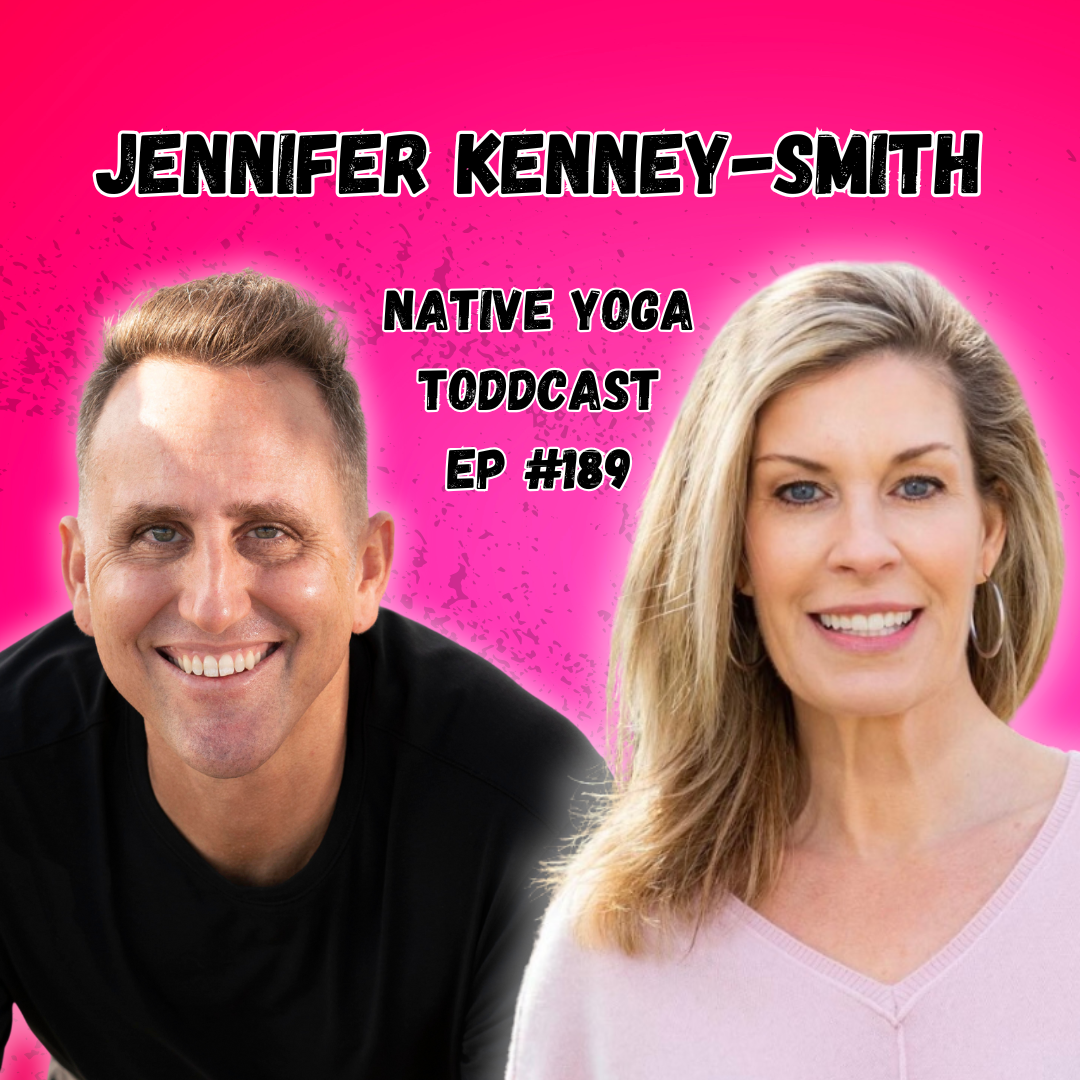
Joe Taft ~ Unpacking Mythology: The Hidden Layers of Yoga Stories

Listen to podcast with Joe for FREE Here

Joe Taft is a seasoned yoga instructor based in Asheville, North Carolina. With a professional background in kayaking, Joe transitioned into yoga to manage his back pain from the sport’s physical strain. He initially trained under Mary Kay West and was deeply involved in Anusara Yoga, where he achieved full certification. Joe’s practice combines various yoga philosophies and physical movements to create a balanced and harmonious practice for his students.

Visit Joe on his website: https://joetaftyoga.com/
Follow him on IG: https://www.instagram.com/joe_taft_yoga/

Key Takeaways:

  • Transition from Kayaking to Yoga: Joe Taft discusses how the physical strain from professional kayaking led him to yoga for pain relief and holistic healing.
  • Influences and Training: Joe’s initial training with Mary Kay West and his involvement with Anusara Yoga helped shape his teaching philosophy.
  • Philosophy and Spirituality: The conversation touches on Joe’s balancing of his Christian upbringing with non-dual Tantra philosophies, offering a unique perspective on spiritual practices.
  • The Role of Mythology: Joe emphasizes the importance of mythology in understanding consciousness and self-awareness through stories and practices.

The Power of Embracing Dual Philosophies in Yoga

One of the standout themes from the insightful conversation between Todd McLaughlin and Joe Taft is the robust embrace of dual philosophies. This duality is beautifully reflected in the profound simplicity with which Joe embodies both his Christian upbringing and his deep dive into the non-dualist Tantra philosophy. Joe explains, “Although I had a lot of things I had to work through…I feel really fortunate about that.” This shows a significant personal transformation, suggesting an intrinsic value in understanding and integrating conflicting belief systems.

These integrative philosophies enhance a yoga practitioner’s depth of understanding and expose them to a variety of spiritual practices and ethical considerations. Joe mentions, “We don’t really believe that things are good or bad. Because, I mean, how many times has something happened to you? And you’re like, oh, my gosh, that was the worst thing that ever happened to me. And then like, two months later, you’re like, oh, my gosh, that was the best thing that ever happened to me.” This viewpoint emphasizes the importance of recognizing the fluidity and connectivity of diverse experiences, both positive and negative.

The personal journey Joe has been through, alongside cultural and religious influences, shows that dual philosophies offer a comprehensive understanding of life’s complexities. Here lies the essence of practicing spiritually grounded yoga – acknowledging the stillness of Shiva while dancing with the ever-changing Shakti.

The Intersection of Physical Practice and Philosophical Beliefs

A significant part of this transformative conversation is the deep intersection between the physical practices of yoga and the underpinning philosophical beliefs. This connection manifests in Joe’s journey from suffering debilitating back pain due to his kayaking career to finding relief and purpose in yoga. His story “…my back was excruciating. Like there were mornings when I couldn’t get out of bed or I had to get out really slowly. And that process kind of got me into yoga,” vividly shows the physical struggles leading to spiritual awakenings.

Joe’s foray into yoga started intuitively, aligned with self-discovery and experimentation, which later formalized under the mentorship of teachers like Mary Kay West. His transition demonstrates how physical ailments can pave the way for deeper philosophical engagements and teachings.

On the other hand, Todd’s narrative of discovering yoga through the physicality of Bikram Yoga parallels Joe’s journey. Both highlight the transformative power yoga has in aligning the mind, body, and spirit. Todd states, “I can feel surfing in my body anywhere anytime,” showcasing how physical activity, like surfing, can be mirrored in yoga practices, providing a continuous link to physical and spiritual wellness.

These narratives illustrate that the physical practice of yoga is not just about physical health but equally about spiritual and philosophical growth. Practitioners like Joe and Todd find a harmonious balance between physical exertion and spiritual understanding, thus embodying the true essence of yoga.

Personal and Historical Contexts Shaping Spiritual Journeys

Exploring personal and historical contexts opens another layer of insight into one’s spiritual journey, as seen in Joe’s and Todd’s experiences. Joe’s journey from eastern North Carolina to becoming fully immersed in the practice and teaching of yoga is laden with personal anecdotes and experiences. He reflects, “I had this opportunity to experience fundamentalist Christianity…shaped my way to become a yoga teacher.” This reveals how historical and geographical influences are pivotal in shaping our spiritual outlooks and practices.

Similarly, Todd’s background in Catholicism, subsequent engagement with Krishna consciousness, and finally establishing a life around yoga practice encapsulates the impact of historical and personal contexts. He mentions, “…when I started going toward the east, say, and I’m interesting, I’m just starting to have this reconnection again where I’m like, I want to, I want to know about all of it.” This is a striking example of how historical religious contexts intertwined with personal experiences lead to evolving spiritual pursuits.

Joe also emphasizes the value of stories and mythology in understanding deeper life themes. Emphasizing the mythological elements in yoga, he states, “I believe in mythology…as a zip file.” This analogy illustrates that personal history and mythology contribute significantly to spiritual growth and understanding, driving home that background and stories deeply influence our personal philosophies and practices.

Recapping the key points, this conversation authentically captures the essence of spiritual growth through a dual approach, the intersection of physical practice and philosophy, and the profound influence of personal and historical contexts. Through these lenses, we can appreciate that life’s complexities and spiritual understandings are interwoven with our experiences and that embracing this can lead to a richer, more fulfilling practice of yoga and life.

For those inclined to delve deeper into these themes and explore yoga from both a holistic and academic perspective, seeking guidance from experienced teachers like Joe Taft, engaging in mythology, and integrating physical practices with philosophical reflections create a well-rounded, spiritually enriching journey.

Thanks for listening to this episode. Check out: 👇
Free Grow Your Yoga Live Webinar – Every Thursday at 12pm EST
➡️ Click here to receive link

New Student FREE Livestream Yoga Special ~ Try 2 Weeks of Free Unlimited Livestream Yoga Classes  at Native Yoga Center. info.nativeyogacenter.com/livestream Sign into the classes you would like to take and you will receive an email 30 minutes prior to join on Zoom. The class is recorded and uploaded to nativeyogaonline.com  ➡️  Click Here to Join. 

Subscribe to Native Yoga Center and view this podcast on Youtube.

Thank you Bryce Allyn for the show tunes. Check out Bryce’s website: bryceallynband.comand sign up on his newsletter to stay in touch. Listen here to his original music from his bands Boxelder, B-Liminal and Bryce Allyn Band on Spotify.

Please email special requests and feedback to info@nativeyogacenter.com

Enjoy new Native Yoga Center classes uploaded everyday on our online learning hub. Use code FIRSTMONTHFREE at checkout. https://nativeyogacenter.teachable.com/p/today-s-community-class

Support the Show.

Native Yoga website: here
YouTube: here
Instagram: @nativeyoga 
Twitter: @nativeyoga 
Facebook: @nativeyogacenter 
LinkedIn: Todd McLaughlin

Josh Biro ~ Secrets of Success: Balancing Yoga Practice and Business Mastery

Click here to listen to Toddcast with Josh for FREE here

In this enlightening episode of the Native Yoga Toddcast, host Todd McLaughlin is joined by Josh Biro, the dynamic founder of Yogapreneur Collective. Josh dives deep into the integration of yoga practices with entrepreneurial ventures, providing invaluable insights for yoga studio owners and business enthusiasts. With a background embedded in both yoga and business from an early age, Josh shares his transformative journey from a reluctant yogi to a thriving entrepreneur. The conversation is rich with practical advice on reconciling the seemingly contrasting worlds of yoga and business, and offers a fresh perspective on adapting to the ever-evolving landscape of yoga entrepreneurship.

Visit Josh on his website: https://yogapreneurcollective.com/
Subscribe to his YouTube channel: https://www.youtube.com/@yogapreneurcollective

Key Takeaways:

  • Integration of Yoga and Business: Josh highlights the importance of reconciling yoga practices with business operations to create a sustainable and impactful yoga studio.
  • Cashflow Management: The necessity of managing cashflow effectively to maintain and grow a yoga business is stressed as the foundation of operational success.
  • Technology and AI in Yoga Businesses: Insights on leveraging AI and automation to enhance efficiency, customer service, and market adaptability, without losing the human touch.

Unlocking the Secrets to Yoga Business Success: Insights from Josh Biro

The world of yoga and business might seem at odds with each other at a glance. Yet, there is a growing synergy between the two, especially when it comes to operating a successful yoga studio. Todd McLaughlin recently hosted Josh Biro on the Native Yoga Toddcast, delving into the intersection of yoga philosophy and business acumen. Here, we unearth the rich insights Josh shared, highlighting the importance of mindset, technology, and sustainable growth in achieving success in the yoga business.

Integrating Yogic Philosophy with Business Mindset

One of the most compelling discussions revolved around the reconciliation between yoga and business. Josh, the founder of Yogapreneur Collective, emphasized the need to balance passion for yoga with solid business practices. He noted, “Yoga plus business people would even say like, well, those go together…Yogi’s tend to be excellent business people once they personally reconcile the fact that the business is not at odds with their yoga practice.”

Josh relayed his personal story of transitioning from a yoga practitioner to a successful studio owner. His journey highlighted the necessity of loving not just yoga, but the business elements that sustain it. This requires shifting from a mindset of being a “small business owner” to becoming a “yoga entrepreneur.”

Key Insight: Success hinges on shifting from mere practice to fully embracing business strategies. A yoga studio is more than a space for practice—it’s a community hub that requires strategic planning and robust management.

Leveraging Artificial Intelligence for Operational Excellence

AI is revolutionizing how yoga studios operate, making it a hot topic among yoga entrepreneurs. Josh elaborated on the transformative potential of AI, illustrating that the technology’s ability to automate and streamline operations affords studio owners more time to focus on the human aspects of their business.

For example, Josh mentioned, “You can now upload that into AI…what would have taken a data analysts like two days of moving things around…to cross reference through everything you can do in five minutes?” This remarkable efficiency increase enables studios to better serve their clients while focusing on growth.

Tools like chatbots, automated follow-ups, and highly tailored marketing emails can significantly enhance customer interaction without burdening the staff. This is echoed in Josh’s assertion: “Imagine I can go into your website and I can just like have a conversation with your website to get the information I need.”

Broader Implications: AI can help balance efficiency and personal touch, critical for nurturing the customer relationship in a yoga community. Embracing these tools enables yoga businesses to scale without compromising service quality.

Sustainable Growth and Community Building

Surviving and thriving in the yoga business involves sustainable growth and a strong sense of community. Josh stressed the importance of focusing on cash flow, equating it to the “breath” in business. He illuminated that many studios falter not from a lack of interest but due to poor financial planning.

“Cash flow, strictly speaking, it’s trying to make a sale or trying to get more dollars per person or trying to make it more accessible in pricing or whatever,” he detailed. Continuous growth requires understanding local market demands and pricing accordingly. This ensures studios can offer competitive salaries to attract and retain top-tier teachers, echoing Josh’s point, “If you want the best teachers, the A players, you’re going to have to pay them.”

The interview further discussed community-centric approaches as vital for resilience, especially post-COVID. Josh observed, “In the yoga world, we’ve kind of accidentally devalued what we were doing in our attempt to make things accessible and inclusive.” To counter this, studios need to convey the true value of in-person experiences, reinforcing the importance of community and practice space.

Strategic Advice: Creating a sustainable yoga business involves meticulous financial management and community building. Recognizing the intrinsic value of yoga and pricing services to reflect this can create lasting success.

As we integrate yoga philosophy with entrepreneurial efficiency, the future of yoga businesses looks exceedingly promising. Entrepreneurs like Josh Biro encapsulate the path forward: merging a deep love for yoga with a savvy business approach. By harnessing the power of AI and focusing on sustainable growth, yoga studios can thrive amid ever-evolving challenges.

Josh imparted inspiring wisdom, underscoring the fact that whether you’re a studio owner or an aspiring yogapreneur, embracing both change and tradition creates a balanced, flourishing practice and business. The real essence lies in love for the journey—yoga practitioners nurturing a business and entrepreneurs finding profundity in yoga.

This convergence promises a dynamic future, one where studios not only become places of physical practice but epicenters of communal progress and well-being.

Thanks for listening to this episode. Check out: 👇
Free Grow Your Yoga Live Webinar – Every Thursday at 12pm EST
➡️ Click here to receive link

New Student FREE Livestream Yoga Special ~ Try 2 Weeks of Free Unlimited Livestream Yoga Classes  at Native Yoga Center. info.nativeyogacenter.com/livestream Sign into the classes you would like to take and you will receive an email 30 minutes prior to join on Zoom. The class is recorded and uploaded to nativeyogaonline.com  ➡️  Click Here to Join. 

Subscribe to Native Yoga Center and view this podcast on Youtube.

Thank you Bryce Allyn for the show tunes. Check out Bryce’s website: bryceallynband.comand sign up on his newsletter to stay in touch. Listen here to his original music from his bands Boxelder, B-Liminal and Bryce Allyn Band on Spotify.

Please email special requests and feedback to info@nativeyogacenter.com

Enjoy new Native Yoga Center classes uploaded everyday on our online learning hub. Use code FIRSTMONTHFREE at checkout. https://nativeyogacenter.teachable.com/p/today-s-community-class

Support the Show.

Native Yoga website: here
YouTube: here
Instagram: @nativeyoga 
Twitter: @nativeyoga 
Facebook: @nativeyogacenter 
LinkedIn: Todd McLaughlin
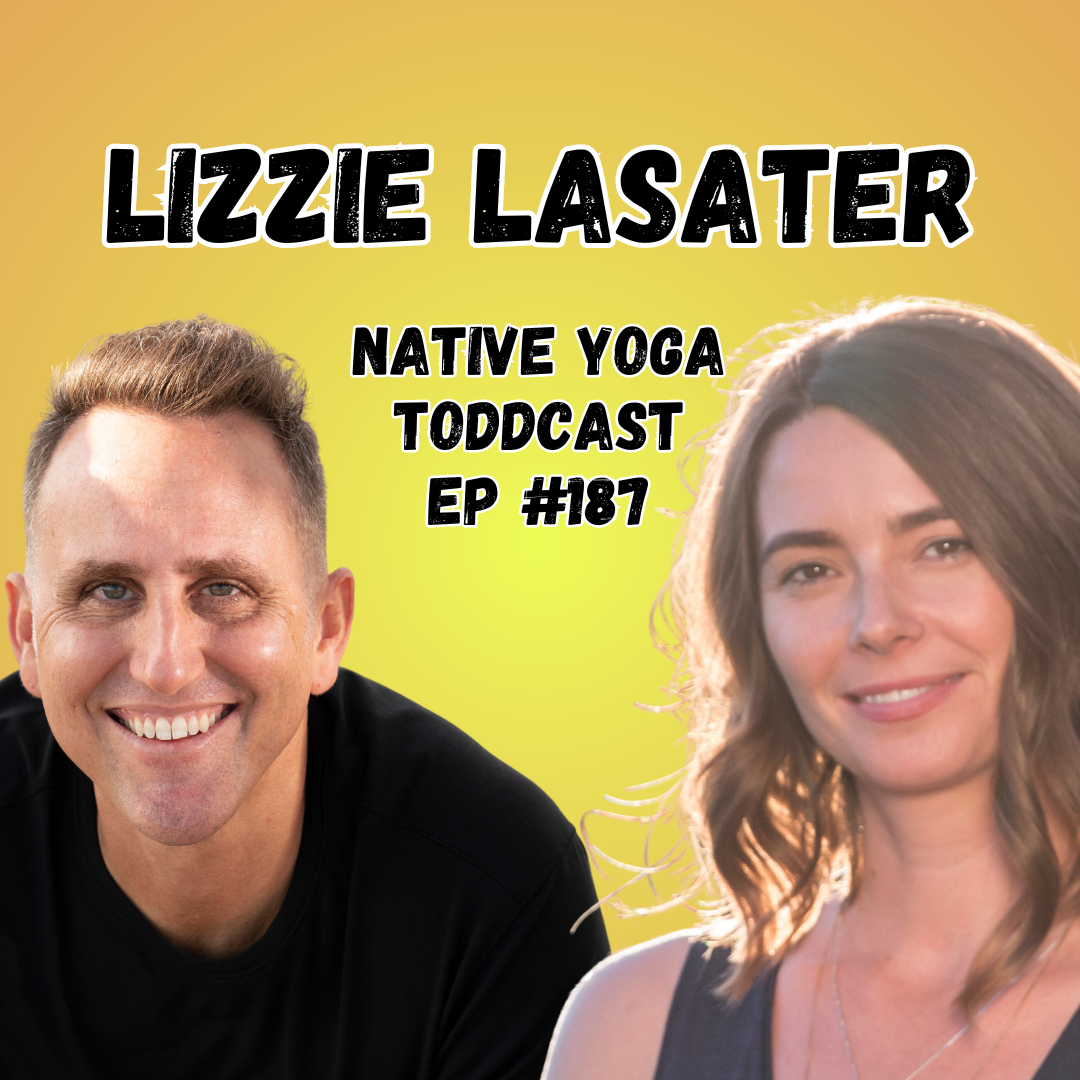
Michael Johnson ~ Discovering the Timeless “Now” in Yoga Practice

Listen to podcast with Michael Johnson for FREE here

Michael Johnson is a prominent yoga and philosophy instructor based in Asheville, North Carolina. He is the founder of Clear Light Yoga and a respected teacher at both the Asheville Yoga Center and the Ayurvedic Institute. With over 20 years of experience, Michael specializes in yoga philosophy, Sanskrit, and meditation. Through his 200-hour yoga philosophy teacher training program, Michael inspires students to delve deep into the ancient texts and principles of yoga, making these complex ideas accessible and applicable to modern life.

Visit Michael on his website: https://www.clearlightyoga.com/

Key Takeaways:

  • The Essence of Yoga: Yoga is about controlling the mental activities to avoid being controlled by them. This is a path to self-control and understanding one’s true nature.
  • Philosophical Integration: Understanding Sanskrit and the Yoga Sutras is crucial to grasping yoga philosophy. Different translations can lead to varied interpretations and levels of understanding.
  • Non-Theistic Bhakti: Bhakti Yoga, traditionally theistic, can also be practiced in a non-theistic manner, focusing on devotion to ideals rather than deities.
  • Practical Application: Michael shares real-life applications of yoga philosophy, from daily interpersonal interactions to handling extreme situations like cyber threats.

Expanding Your Yoga Journey: A Comprehensive Insight into Yoga Philosophy with Michael Johnson

The world of yoga extends far beyond physical postures and breath control. In this insightful dialog from the Native Yoga Toddcast, seasoned yoga philosopher Michael Johnson delves into the depths of yoga philosophy, painting a vivid picture of its profound impact on personal growth and self-awareness. Through exploring the Yoga Sutras of Patanjali, the nuances of Sanskrit, and the integration of Ayurveda, Johnson provides a masterclass in the foundational principles that underpin yoga’s philosophical teachings.

Key Takeaways:

  • Understanding Yoga Sutras: Delving into Yoga Sutra 1.2, “Yoga Chitta Vritti Nirodha,” offers varied interpretations—both as the cessation and control of mental fluctuations.
  • Real-world Application: Johnson shares personal anecdotes demonstrating the practical application of bhakti yoga and maintaining integrity in challenging times.
  • Non-theistic Bhakti Yoga: Johnson presents a unique perspective on practicing non-theistic bhakti yoga, encouraging humility and ongoing learning.

Yoga Philosophy Unveiled: Insights from Michael Johnson

Mastering the Yoga Sutras: Unpacking “Yoga Chitta Vritti Nirodha”

Understanding the Yoga Sutras of Patanjali requires delving deeply into its Sanskrit roots. In the conversation, Michael Johnson describes how he first encountered Yoga Sutra 1.2: “Yoga Chitta Vritti Nirodha”. This critical sutra, often translated in myriad ways, reveals that yoga is about either the cessation or the control of the fluctuations of the mind. Johnson explains:

“Many people will translate ‘Yoga Chitta Vritti Nirodha’ as ‘yoga is the cessation of mental activities,’ leading to the assumption that the mind’s fluctuations must stop for yoga to be practiced.”

Johnson, however, brings attention to an alternative interpretation:

“Another way to translate that would be ‘yoga is controlling the mental activities,’ suggesting that Purusha (pure consciousness) isn’t independently available to perceive but actually requires mental activities to experience knowing and being.”

The distinction, though seemingly subtle, drastically changes one’s approach to yoga. Instead of striving for a seemingly impossible cessation of thoughts, practitioners can focus on learning to harness and control these thoughts, thus optimizing their practice and making yoga more accessible.

Integrating Philosophy into Practice: Real-life Application

Johnson’s discussion goes beyond theory, illustrating how these ancient teachings can be applied in contemporary settings. He underscores the importance of staying authentic and true to one’s values, even amidst threats and challenges. He shares a personal incident where someone threatened him and how he coped:

“Someone using cyberthreats threatened to hunt me down and kill me. Though going through legal routes felt unsatisfying, I had to detach from the outcome and focus on my integrity and actions. By abiding in my true form, I could navigate this threat without being overcome by fear or anger.”

This anecdote exemplifies the practical application of bhakti yoga in sustaining personal integrity and emotional health. It underscores yoga philosophy’s potential to provide not just a spiritual but a practical framework for dealing with life’s trials.

Embracing Non-Theistic Bhakti Yoga

Johnson’s fresh perspective on bhakti yoga deviates from traditional theistic approaches, presenting a non-theistic pathway that aligns with scientific reasoning and inclusivity. He elaborates:

“Ishwara is described in the Yoga Sutra as an absence of mental afflictions, not as a deity you surrender to but as an ideal you can approximate in your life.”

By focusing on bhakti as devotion to higher ideals rather than deities, Johnson makes yoga philosophy more approachable for a diverse audience. In his teachings, he emphasizes principles like humility, continuous learning, and authentic practice, liberating yoga from rigid doctrinal confines.

“I might be a rare example of bhakti yoga in the world, a non-theistic approach to bhakti that inspires me. It allows me to be transparent and scientific in my approach, while not being hostile to theistic practitioners.”

This perspective not only diversifies yoga’s appeal but also fosters a more inclusive environment where individuals from various backgrounds can find meaning and solace.

Expanding Horizons: Enriching Your Yoga Practice with Philosophy

Michael Johnson’s approach to yoga philosophy is a testament to the depth and versatility of yoga itself. His insights emphasize that yoga is not just a set of physical exercises but a holistic practice encompassing mental discipline, ethical living, and personal growth. By understanding key sutras, applying philosophical principles to real-life situations, and embracing non-theistic approaches to bhakti, practitioners can profoundly enrich their yoga journey.

In teaching philosophy-focused trainings, Johnson aims to bridge the gap between traditional teachings and modern-day relevance. His teachings highlight the importance of continuous learning, humility, and inclusivity in the quest for self-control and personal integrity.

By integrating these profound narratives and philosophical insights, yoga practitioners can deepen their understanding and appreciation of yoga, making it a powerful tool not just for personal transformation but also for navigating life’s inevitable challenges.

In bringing these themes together, Johnson not only honors the rich, historical context of yoga philosophy but also paves the way for its practical and inclusive modern application. His teachings inspire and challenge us to look beyond the surface, urging a deep-seated, authentic exploration of what it truly means to practice and live yoga.

Thanks for listening to this episode. Check out: 👇
Free Grow Your Yoga Live Webinar – Every Thursday at 12pm EST
➡️ Click here to receive link

New Student FREE Livestream Yoga Special ~ Try 2 Weeks of Free Unlimited Livestream Yoga Classes  at Native Yoga Center. info.nativeyogacenter.com/livestream Sign into the classes you would like to take and you will receive an email 30 minutes prior to join on Zoom. The class is recorded and uploaded to nativeyogaonline.com  ➡️  Click Here to Join. 

Subscribe to Native Yoga Center and view this podcast on Youtube.

Thank you Bryce Allyn for the show tunes. Check out Bryce’s website: bryceallynband.comand sign up on his newsletter to stay in touch. Listen here to his original music from his bands Boxelder, B-Liminal and Bryce Allyn Band on Spotify.

Please email special requests and feedback to info@nativeyogacenter.com

Enjoy new Native Yoga Center classes uploaded everyday on our online learning hub. Use code FIRSTMONTHFREE at checkout. https://nativeyogacenter.teachable.com/p/today-s-community-class

Support the Show.

Native Yoga website: here
YouTube: here
Instagram: @nativeyoga 
Twitter: @nativeyoga 
Facebook: @nativeyogacenter 
LinkedIn: Todd McLaughlin

Gota Cebrero ~ The Art of Tapas: Building Discipline in Yoga and Life

Listen to podcast with Gota for FREE Here

Todd McLaughlin talks with Gota Cebrero about his transition from Argentina to becoming a yoga teacher and Zen practitioner in Asheville. Gota discusses combining his global experiences in his teachings, the concept of tapas, and finding equilibrium between upholding traditions and ensuring accessibility. He also touches on staying genuine amidst a competitive yoga scene and the importance of developing internal energy, offering a mix of motivational anecdotes and useful advice for yogis and spiritual explorers.

Visit Gota on his website: https://www.gotacebreroyoga.com/

Key Takeaways:

  • Gota’s path from Argentina to becoming a multifaceted yoga teacher in the United States.
  • The transformative impact of Ashtanga Yoga and Zen meditation on mental and physical discipline.
  • Balancing traditional yoga strictness with modern-day accessibility and practicality.
  • The importance of community and personal alignment in yoga practice and teaching.
  • Strategies for maintaining spiritual and physical well-being amidst life’s challenges.

Exploring the Fusion of Yoga and Zen: Lessons from an Argentine Traveler

Key Takeaways:

  • The journey of self-discovery often requires embracing uncertainty and discomfort.
  • Integrating stringent traditional practices can lay a strong foundation for lifelong personal discipline.
  • Flexibility in teaching methodologies enhances accessibility while maintaining the essence of yoga and meditation.

Embracing the World: A Journey of Self-Discovery

In the latest episode of the Native Yoga Toddcast, Todd has an enlightening conversation with Gota Cebrero, a multifaceted Argentinian yoga instructor now based in Asheville, North Carolina. Gota’s unique life experiences—from his South American roots to Zen Buddhist training in Europe—offer profound insights into the amalgamation of diverse spiritual and physical practices. His story of resilience, adaptability, and dedication reflects the core principles that drive the broader yoga and meditation community today.

“Since I remember, I always been thinking and wondering about the mystery of life and death, and just curiosity,” Gota shares, hinting at the inner calling that led him from the Catholic traditions of Argentina to the holistic practices of yoga and Zen Buddhism.

Discipline through Ashtanga and Zen Practices

Building a Solid Foundation Through Rigidity

Gota’s initial encounter with Ashtanga Yoga in Ecuador marked a pivotal shift in his self-exploration. Ashtanga, renowned for its physically demanding sequences, was a perfect match for Gota’s need to channel his youthful energy into something constructive. “In those days, I just need to go and explore. So it was something inside of me,” he recounts.

Despite not having the physical flexibility initially, Gota’s dedication to the practice was unwavering. This commitment became even more profound when he joined a Zen Buddhist monastery in Switzerland, where the rigidity of practices such as Zazen meditation reinforced the discipline he cultivated through Ashtanga. “Intense, but mostly energetically… you do what I told you, and you finish when I tell you the finish,” he reflects, acknowledging the role of stringent discipline in forging a resilient inner self.

The Power of Mental Austerity

Notably, these practices also built a reservoir of mental resilience that Gota relied on during more challenging times, such as transitioning to life in the U.S. and raising a family. “I didn’t have time to practice. And I was going through a rough time… but that tapas, that practice, that strong sadhana, it kept me,” he emphasizes. This reveals the broader implication that rigorous training can provide enduring support, even when life’s demands reduce one’s ability to maintain a daily, intensive practice.

Balancing Traditional Rigor with Accessibility

Evolving Teaching Methodologies

Gota’s teaching style has adapted to balance the strict traditions he was trained in with a more inclusive approach, making his classes accessible to a broader audience. “Holding the space and we’re going on a journey… serving the energy,” he mentions, shifting from a militant form of instruction to creating a nurturing environment that emphasizes student support.

In his current yin and restorative classes, as well as more vigorous mindfulness flows, Gota integrates elements from his Zen and Ashtanga background to help students cultivate discipline without the strain that characterized his early training. This nuanced approach underscores the importance of adaptability in maintaining the essence of the practice while ensuring it remains accessible and appealing to modern practitioners.

The Role of Sadhana and Service

Gota’s teachings extend beyond the physical postures to encompass a holistic view of yoga as service—a transition he navigated while balancing professional responsibilities with personal hardships during the pandemic. “We went right into no income… but we just keep going,” he illustrates, underscoring the necessity of unwavering commitment to one’s practice and community.

Serving the community through both direct yoga instruction and broader social contributions is a central theme in Gota’s philosophy. Whether it’s through his involvement in teacher training programs or community yoga festivals like the Love Shine Play Festival in Asheville, Gota remains dedicated to sharing the transformative power of yogic practices. This service-oriented mindset not only enriches his students but also reinforces his own practice, as each session becomes a mutual journey of growth and discovery.

Gota Cebrero’s journey from a curious Argentine youth to a respected yoga instructor and Zen practitioner in Asheville is a testament to the transformative power of dedicated practice and the resilience it builds. Through the fusion of rigorous traditional disciplines and a flexible, accessible teaching approach, Gota embodies the evolving nature of yoga’s application in contemporary life. His story inspires practitioners and instructors alike to persist in their pursuit of self-discovery and to embrace the journey with unwavering commitment and adaptability.

As Gota beautifully advises, “Just keep going… just do your thing.” These words serve as a powerful reminder that the essence of practice is not in the final achievement but in the continuous and sincere effort we put into our journey.

Thanks for listening to this episode. Check out: 👇
Free Grow Your Yoga Live Webinar – Every Thursday at 12pm EST
➡️ Click here to receive link

New Student FREE Livestream Yoga Special ~ Try 2 Weeks of Free Unlimited Livestream Yoga Classes  at Native Yoga Center. info.nativeyogacenter.com/livestream Sign into the classes you would like to take and you will receive an email 30 minutes prior to join on Zoom. The class is recorded and uploaded to nativeyogaonline.com  ➡️  Click Here to Join. 

Subscribe to Native Yoga Center and view this podcast on Youtube.

Thank you Bryce Allyn for the show tunes. Check out Bryce’s website: bryceallynband.comand sign up on his newsletter to stay in touch. Listen here to his original music from his bands Boxelder, B-Liminal and Bryce Allyn Band on Spotify.

Please email special requests and feedback to info@nativeyogacenter.com

Enjoy new Native Yoga Center classes uploaded everyday on our online learning hub. Use code FIRSTMONTHFREE at checkout. https://nativeyogacenter.teachable.com/p/today-s-community-class

Support the Show.

Native Yoga website: here
YouTube: here
Instagram: @nativeyoga 
Twitter: @nativeyoga 
Facebook: @nativeyogacenter 
LinkedIn: Todd McLaughlin
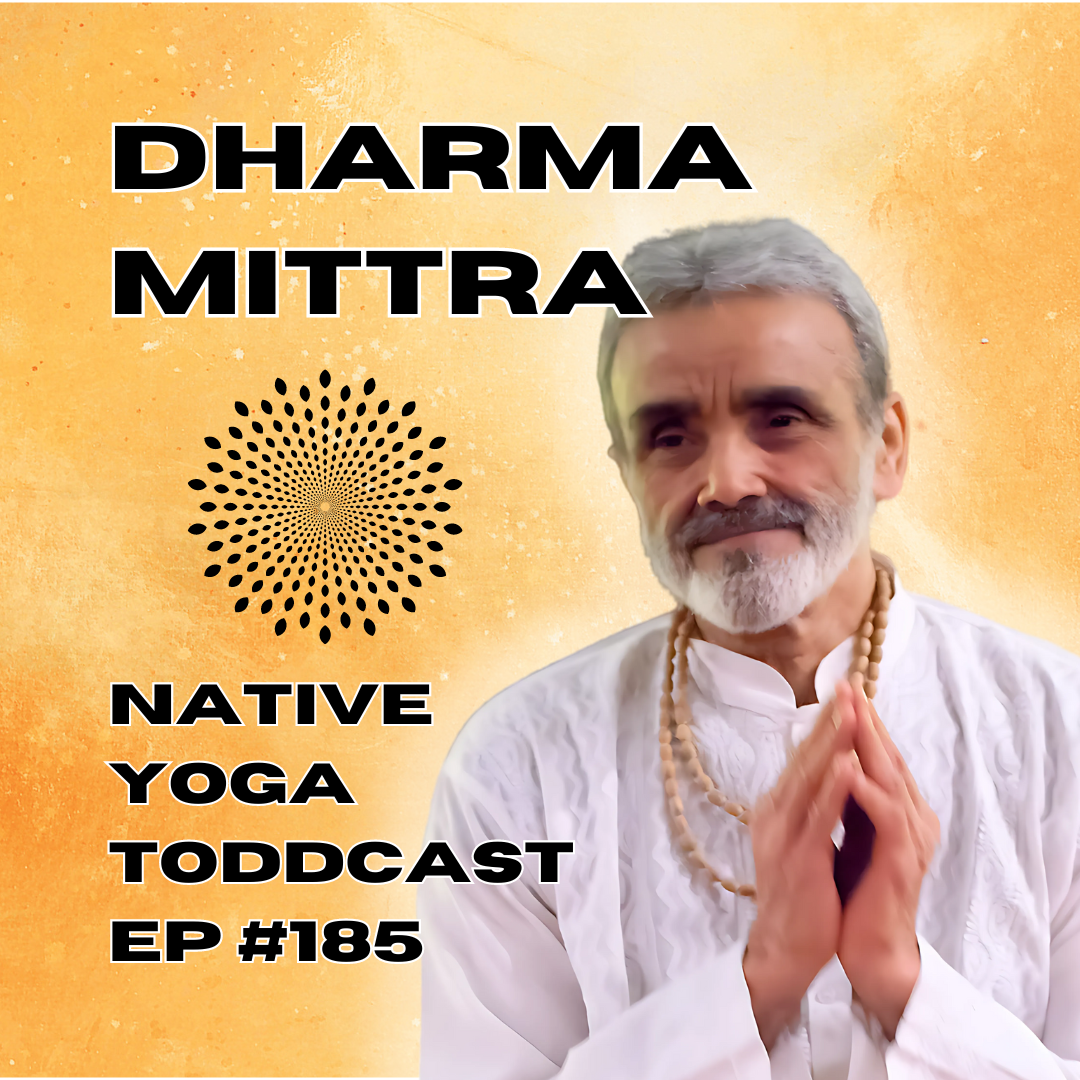
Jessica Vellela ~ How Ayurveda Can Transform Your Health

Listen to podcast with Jessica Vellela for FREE Here

Renowned Ayurveda expert Jessica Vellela joins Todd to explore the transformative power of Ayurveda in modern lifestyles. Jessica shares deep insights into preventive medicine, personalized treatments, and the profound impact of Panchakarma. She recounts her rigorous training and practice in India and the challenges of bringing Ayurveda to the U.S.. This episode delves into the rich heritage of Ayurveda and its practical applications for maintaining optimal health and vitality. Don’t miss Jessica’s inspiring journey and valuable expertise in holistic wellness.

Visit Jessica on her website: https://www.findradiance.com/

Key Takeaways:

  • Preventive Focus: Ayurveda prioritizes maintaining health to prevent disease, using personalized dietary and lifestyle guidelines.
  • Panchakarma: Detailed breakdown of the Panchakarma treatments and their profound impacts on health and wellness.
  • Cultural Integration: Insights into the adaptation of Ayurveda outside of India and the challenges faced in different geographical and cultural contexts.
  • Self-Care Practices: Emphasis on the importance of self-discipline and consistent practice in achieving health benefits through Ayurveda.

The Power of Ayurveda: Insights from Jessica Vellela

Key Takeaways:

  • Importance of Ayurveda in preventive and personalized medicine.
  • Panchakarma’s profound impact on health through holistic treatments.
  • Challenges and adaptation required to practice Ayurveda outside India.

The Role of Ayurveda in Preventive and Personalized Medicine

Ayurveda, often misunderstood in the West as an alternative or complementary form of medicine, is in fact a well-established healthcare system in India. Jessica Vellela, a professional in the field of Ayurveda, elucidates its benefits, emphasizing its preventative and personalized nature.

“Ayurveda was really developed to mostly try to help prevent people from getting sick in the first place… It did also develop to be able to handle diseases,” shares Jessica.

The essence of Ayurveda is its personalized approach. Unlike Western medicine, which often prescribes a standard treatment for everyone, Ayurveda takes into account the individual’s lifestyle, dietary habits, environmental conditions, and even their age and season.

Most people tend to seek Ayurvedic help when they are facing chronic or acute health issues. However, there is a growing awareness and shift towards using Ayurveda as a preventative measure to maintain good health. Jessica notes, “I think even with folks that have had to go through the struggle of some sort of disease… they appreciate it even more.”

This appreciation is leading more people to understand the value of adopting a lifestyle aligned with Ayurvedic principles even before they fall ill, ensuring they can maintain their health and well-being over the long term.

The Efficacy and Structure of Panchakarma Treatments

Panchakarma is the cornerstone of Ayurvedic cleansing and rejuvenation therapies. Jessica affectionately calls Panchakarma her “favorite, favorite, favorite, most part of Ayurveda because it is hands down the most powerful.”

Panchakarma consists of five therapeutic treatments aimed at cleansing the body of toxins and balancing the doshas—vata, pitta, and kapha. These five treatments are:

  1. Therapeutic Emesis (Vamina)
  2. Therapeutic Purgation (Virechana)
  3. Therapeutic Enemas (Basti)
  4. Nasal Administration of Medication (Nasya)
  5. Bloodletting (Raktamokshana)

These treatments are not just about detoxification; they are intensive procedures requiring proper guidance and supervision. Jessica emphasizes the need for proper supervision, especially for Vamina and Virechana, as they can have serious side effects if not done correctly.

“For those who do want to venture into, hey, you know what? I think I’m not ready to take the trip to India for a month or two months. I would rather stay at home, but I do want to get the benefit out of this,” Jessica advises on the importance of self-discipline and guidance when attempting Panchakarma at home.

It’s not just the actual treatments; the preparatory and post-treatment phases are crucial for the success of Panchakarma. They involve dietary restrictions, lifestyle adjustments, and other supportive therapies that ensure the body is well-prepared to handle the detoxification process and recover effectively.

Challenges and Adaptations in Practicing Ayurveda Outside India

Bringing Ayurveda to the Western world has not been without its challenges. Jessica, who has established a practice and worked independently in India, shares her experiences and the difficulties in replicating such a practice in the United States.

Key obstacles include the availability of authentic Ayurvedic medicines, the lack of trained practitioners, and the different lifestyle and dietary habits of the Western population. Jessica faced these challenges firsthand when she tried to set up a Panchakarma center in North Carolina, only to find that it wasn’t financially and logistically viable.

“You pour your heart into that thing and just tear it all down. It’s not very nice,” she reflects on her initial struggles.

However, Jessica has adapted by leveraging her background in IT to establish an online presence, enabling her to reach a global audience. Through her website, Find Radiance, she offers guidance and virtual consultations, helping people incorporate Ayurvedic principles into their daily lives no matter where they are located.

“Here, we have a system online. We have a way to do this,” Jessica explains. “You know, I’ve been working with people online, really, since 2011 almost.”

Despite these challenges, the integration of Ayurveda outside India holds promise. Countries like Germany are making significant strides, integrating Ayurveda into their healthcare systems and conducting advanced research that demonstrates the efficacy of Ayurvedic treatments.

The journey of embracing Ayurveda, particularly Panchakarma, can be transformative, offering profound health benefits. Ayurveda’s principle of personalized medicine, its preventative approach, and the holistic nature of Panchakarma make it a powerful tool for achieving and maintaining health.

Jessica Vallela’s extensive expertise and practical insights into Ayurveda underscore the need for a well-structured approach, whether practicing locally in India or adapting these ancient principles to the modern world. The increasing interest and shifts towards preventative health measures signify that Ayurveda’s wisdom is gaining rightful recognition and application globally.

Thanks for listening to this episode. Check out: 👇
Free Grow Your Yoga Live Webinar – Every Thursday at 12pm EST
➡️ Click here to receive link

New Student FREE Livestream Yoga Special ~ Try 2 Weeks of Free Unlimited Livestream Yoga Classes  at Native Yoga Center. info.nativeyogacenter.com/livestream Sign into the classes you would like to take and you will receive an email 30 minutes prior to join on Zoom. The class is recorded and uploaded to nativeyogaonline.com  ➡️  Click Here to Join. 

Subscribe to Native Yoga Center and view this podcast on Youtube.

Thank you Bryce Allyn for the show tunes. Check out Bryce’s website: bryceallynband.comand sign up on his newsletter to stay in touch. Listen here to his original music from his bands Boxelder, B-Liminal and Bryce Allyn Band on Spotify.

Please email special requests and feedback to info@nativeyogacenter.com

Enjoy new Native Yoga Center classes uploaded everyday on our online learning hub. Use code FIRSTMONTHFREE at checkout. https://nativeyogacenter.teachable.com/p/today-s-community-class

Support the Show.

Native Yoga website: here
YouTube: here
Instagram: @nativeyoga 
Twitter: @nativeyoga 
Facebook: @nativeyogacenter 
LinkedIn: Todd McLaughlin
Rod Stryker – The Essence of Tantra & Exploring The Four Desires

Listen to Native Yoga Toddcast Episode #171 with Rod Stryker here

Discover the insights and transformative power of yoga and Tantra with world renowned teacher Rod Stryker. Host Todd explores Stryker’s journey from his first experience at age five to his profound teachings today. Learn about the nuances of Yoga Nidra, the sacred practice of revitalizing temples, and the four desires shaping our purpose. This episode delves into the depths of meditation, relaxation, and finding balance in modern life. Perfect for those seeking a deeper understanding of yoga’s spiritual and practical applications.

Visit Rod on his website: https://www.rodstryker.com/

Key Takeaways:

  • The Journey of Yoga Practice: Rod Stryker recounts his introduction to yoga at a young age and how influential texts and teachers shaped his path.
  • Understanding Tantra: Stryker articulates the principles of Tantra, highlighting its worldview and practices aimed at uncovering the sacred within.
  • Sacred Energy and Temples: Stryker describes initiatives of reinfusing energy into sacred spaces, promoting a reciprocal relationship with these spiritual environments.
  • Yoga Nidra’s Importance: An in-depth look into Yoga Nidra, its stages, and why it’s crucial for addressing modern-day restlessness and achieving true relaxation.
  • The Four Desires: A guide to discovering one’s life purpose, balancing essential desires, and aligning them with spiritual goals.

Unearthing the Sacred: Rod Stryker on Yoga, Tantra, and the Art of Stillness

The Path of Yoga and Early Beginnings

Rod Stryker’s yoga journey began in the most unexpected way—a book pulled from a shelf at his grand uncle’s house when he was just five years old. Stryker recalls, “seeing this guy doing yoga postures… left a powerful impression.” This early encounter set the stage for his formal practice at the age of 19, when he found Iyengar’s “Light on Yoga.” This seminal text powered his passion. Stryker shares, “I started doing shoulder stand for half an hour… my nervous system was so, uh, had reached such a deep level of healing.”

His initial practice, modeled meticulously on Iyengar’s teachings, highlights a foundational truth in yoga: the body becomes a map for exploring deeper layers of self-control and realization. Stryker eloquently states, “The practice is the teacher… something inside of us is lit through practice.” This reflection emphasizes the formative nature of practice itself as a guide, notwithstanding the advantages of having a direct teacher.

The Wisdom and Practice of Tantra

The breadth of tantra is profound and dense, a body of knowledge aiming to uncover the sacred in the mundane. Stryker elucidates, “Tantra says that everything is sacred… technique that unfolds the experience.” He draws parallels with Taoism to explain how tantric practices engage householders, emphasizing that life should be enriched through sacred practices rather than ascetic renunciation.

Tantra’s Dual Aspect: Worldview and Technique

Rod Stryker passionately outlines tantra’s overarching principles. He describes it primarily as “a body of knowledge” that perceives the world as inherently sacred, even in its mundane aspects. This worldview diverges sharply from more renunciate philosophies by encouraging practitioners to embrace and elevate their everyday lives through sacred practices.

Techniques and Purpose

Tantric techniques aren’t just about acquiring esoteric knowledge but are practical tools for living a fulfilled and balanced life. Reflecting on his pilgrimages to India, Stryker mentions a unique practice aimed at “giving the gift of Prana back to temples to bring them back to life.” This act of replenishing sacred spaces underscores tantra’s belief in interconnection, wherein the practitioner’s inner vitality extends outward to rejuvenate the world.

Yoga Nidra and the Modern Mind

In today’s fast-paced world, relaxation and mental clarity are hard to come by. This is where yoga nidra offers profound solutions. Striker recalls his early experiences, “His voice would lead these journeys… I was somewhere else.” His initial encounter with yoga nidra under a skilled teacher still influences his teaching methods today.

Yoga Nidra as a Gateway to Inner Peace

The importance of yoga nidra lies in its ability to promote deep relaxation, making stillness accessible. Stryker underscores its relevance, given the “prevalence of anxiety and depression” in contemporary society. Unlike traditional meditation techniques that emphasize concentration, yoga nidra employs deep relaxation as its gateway. “You’re systematically letting go… to get into the experience of absorption.”

Beyond Relaxation: The Depth of Yoga Nidra

Yoga nidra goes beyond mere relaxation to touch deeper aspects of self-awareness. There are “four stages of the experience of yoga nidra,” Stryker explains, from breath awareness and physical relaxation to deeper subconscious interactions and finally, a state of profound grace. He emphasizes, “The fourth stage is just grace… the full flowering of Yoga Nidra,” delineating a structured yet profound approach to this practice. The nuanced understanding of these stages offers a transformative potential for practitioners, moving them from relaxation to a profound state of consciousness.

Recapitulating the Key Insights and Broader Implications

Rod Stryker’s thoughtful reflections on yoga, tantra, and yoga nidra offer a roadmap to integrating ancient wisdom into modern life. His teachings emphasize the sacred in daily existence, using practices to both navigate and elevate our day-to-day experiences. Key insights from the discussion reveal the necessity of balance in practice, maintaining a fluid transition between learning from direct experience and the invaluable guidance of a seasoned teacher.

Stryker advocates the notion that personal practice truly guides us towards inner connections and self-realization. He emphasizes, “We’re never done learning,” a reminder that the journey of yoga and self-discovery is ongoing. Rod Stryker’s narrative encourages us to maintain our curiosity and dedication, to find the sacred in the mundane, and to use our practices as means to contribute positively to the world around us.

Let’s take Stryker’s advice into our daily lives: “Stop your noise. Get still. Find love, share love.” This potent message, distilled from ancient teachings, holds immense relevance today, encouraging us to look within, find our true essence, and share it with compassion and humility in these often tumultuous times.

Thanks for listening to this episode. Check out: 👇
Free Grow Your Yoga Live Webinar – Every Thursday at 12pm EST
➡️ Click here to receive link

New Student FREE Livestream Yoga Special ~ Try 2 Weeks of Free Unlimited Livestream Yoga Classes  at Native Yoga Center. info.nativeyogacenter.com/livestream Sign into the classes you would like to take and you will receive an email 30 minutes prior to join on Zoom. The class is recorded and uploaded to nativeyogaonline.com  ➡️  Click Here to Join. 

Practice to a New Yoga Class every day with our nativeyogaonline.com course called Today’s Community Class with code FIRSTMONTHFREE.

Subscribe to Native Yoga Center and view this podcast on Youtube.

Thank you Bryce Allyn for the show tunes. Check out Bryce’s website: bryceallynband.comand sign up on his newsletter to stay in touch. Listen here to his original music from his bands 

Support the Show.

Native Yoga website: here
YouTube: here
Instagram: @nativeyoga 
Twitter: @nativeyoga 
Facebook: @nativeyogacenter 
LinkedIn: Todd McLaughlin

How to Do Seated Forward Bend | Paschimottanasana Yoga for Beginners

Hello and welcome to Grow Your Yoga. I’m Todd McLaughlin from Native Yoga Center. Today, we’re focusing on Paschimottanasana, which can significantly improve your hamstring flexibility. Let’s start by assessing your current range of motion and build from here.

Paschimottanasana, or the Western Stretch Pose, targets the back of the body (the “West”), which is often tight for many of us. Begin by sitting down and bringing your legs together. Touch your big toes together and pull them slightly towards you. Reach forward and see how close you can get to touching your toes. This initial assessment is crucial; you might want to log your progress by taking a picture or making a note of your flexibility.

Often, if our hamstrings are tight, we compensate by rounding our back. If you don’t move your pelvis, bending your spine might help you reach your toes, but it doesn’t stretch the hamstrings effectively. On the other hand, if you try to keep your back straight and touch your toes, your knees might bend, indicating tight hamstrings.

The hamstrings attach at the base of the pelvis and the back of the legs, crossing two major joints. This dual joint crossing means they can feel very tight when trying to extend the knees and flex at the hips. To address this, here are two main approaches:

  1. Using Support: If your hamstrings are very tight, place a bolster or rolled-up blanket under your knees. This support allows you to relax more and reduces strain on your lower back. You can start by placing your hands on the floor behind you and gently squeezing your legs as you lean forward.
  2. Bending Your Knees: Start by bending your knees significantly and work on touching your toes from this position. This increases hip flexion, which is crucial for Paschimottanasana. Practice hinging at your hips and bringing your chest towards your thighs. If your chest gets stuck, hold your legs and alternate between extending and flexing your spine, like in Up Dog (extension) and Cat Pose (flexion).

Once you’re comfortable with hip flexion, extend your legs a bit more. Use a strap or towel around your feet if needed. Rock back and forth, straightening your knees gradually. This rocking motion helps you find the right balance between flexibility and support.

Next, walk your hands closer to your feet along the strap and continue the rocking motion. When you reach your limit, practice flexing and extending your spine while holding the pose for 30 seconds to a minute, breathing deeply through your nose. If you feel tightness, back off slightly to find a softer, more comfortable stretch.

For those progressing we’ll explore different hand grips as you reach your toes: around the toes, sides of the feet, or even beyond the feet. If you experience back pain, focus on keeping your spine straight and avoid any painful positions.

Engage your leg muscles by squeezing and releasing your quadriceps. This technique, known as reciprocal inhibition, helps relax the hamstrings. As you squeeze your thighs, try to lift your chest and move your pelvis forward, paying close attention to how your back feels.

If you have a hamstring injury, give it time to heal before attempting this pose. For those without back pain, work on lowering your shoulders away from your ears and engaging your lower trapezius muscles to pull your shoulder blades down. This engagement helps you maintain a strong, supported forward bend.

Remember, progress takes time and consistency. Practice every day, even for just 30 seconds, to gradually deepen your pose. If you have any questions, I’m here to help. Visit nativeyogacenter.com for more information, and join me every Thursday for new yoga insights. Thank you for practicing with me, and I look forward to seeing you in the next session!

Thanks for watching and reading. Visit our website https://www.nativeyogacenter.com for more information on our class schedule, online courses and Teacher Trainings.

Listen to Native Yoga Toddcast with new episodes released every Friday on our podcast site here: https://nativeyogatoddcast.buzzsprout.com/950785

New Student FREE Livestream Yoga Special ~ Try 2 Weeks of Free Unlimited Livestream Yoga Classes  at Native Yoga Center. info.nativeyogacenter.com/livestream Sign into the classes you would like to take and you will receive an email 30 minutes prior to join on Zoom. The class is recorded and uploaded to nativeyogaonline.com  ➡️  Click Here to Join.

Practice to a New Yoga Class every day with our nativeyogaonline.com course called Today’s Community Class with code FIRSTMONTHFREE.

Subscribe to Native Yoga Center and view this podcast on Youtube.