Gota Cebrero ~ The Art of Tapas: Building Discipline in Yoga and Life

Listen to podcast with Gota for FREE Here

Todd McLaughlin talks with Gota Cebrero about his transition from Argentina to becoming a yoga teacher and Zen practitioner in Asheville. Gota discusses combining his global experiences in his teachings, the concept of tapas, and finding equilibrium between upholding traditions and ensuring accessibility. He also touches on staying genuine amidst a competitive yoga scene and the importance of developing internal energy, offering a mix of motivational anecdotes and useful advice for yogis and spiritual explorers.

Visit Gota on his website: https://www.gotacebreroyoga.com/

Key Takeaways:

  • Gota’s path from Argentina to becoming a multifaceted yoga teacher in the United States.
  • The transformative impact of Ashtanga Yoga and Zen meditation on mental and physical discipline.
  • Balancing traditional yoga strictness with modern-day accessibility and practicality.
  • The importance of community and personal alignment in yoga practice and teaching.
  • Strategies for maintaining spiritual and physical well-being amidst life’s challenges.

Exploring the Fusion of Yoga and Zen: Lessons from an Argentine Traveler

Key Takeaways:

  • The journey of self-discovery often requires embracing uncertainty and discomfort.
  • Integrating stringent traditional practices can lay a strong foundation for lifelong personal discipline.
  • Flexibility in teaching methodologies enhances accessibility while maintaining the essence of yoga and meditation.

Embracing the World: A Journey of Self-Discovery

In the latest episode of the Native Yoga Toddcast, Todd has an enlightening conversation with Gota Cebrero, a multifaceted Argentinian yoga instructor now based in Asheville, North Carolina. Gota’s unique life experiences—from his South American roots to Zen Buddhist training in Europe—offer profound insights into the amalgamation of diverse spiritual and physical practices. His story of resilience, adaptability, and dedication reflects the core principles that drive the broader yoga and meditation community today.

“Since I remember, I always been thinking and wondering about the mystery of life and death, and just curiosity,” Gota shares, hinting at the inner calling that led him from the Catholic traditions of Argentina to the holistic practices of yoga and Zen Buddhism.

Discipline through Ashtanga and Zen Practices

Building a Solid Foundation Through Rigidity

Gota’s initial encounter with Ashtanga Yoga in Ecuador marked a pivotal shift in his self-exploration. Ashtanga, renowned for its physically demanding sequences, was a perfect match for Gota’s need to channel his youthful energy into something constructive. “In those days, I just need to go and explore. So it was something inside of me,” he recounts.

Despite not having the physical flexibility initially, Gota’s dedication to the practice was unwavering. This commitment became even more profound when he joined a Zen Buddhist monastery in Switzerland, where the rigidity of practices such as Zazen meditation reinforced the discipline he cultivated through Ashtanga. “Intense, but mostly energetically… you do what I told you, and you finish when I tell you the finish,” he reflects, acknowledging the role of stringent discipline in forging a resilient inner self.

The Power of Mental Austerity

Notably, these practices also built a reservoir of mental resilience that Gota relied on during more challenging times, such as transitioning to life in the U.S. and raising a family. “I didn’t have time to practice. And I was going through a rough time… but that tapas, that practice, that strong sadhana, it kept me,” he emphasizes. This reveals the broader implication that rigorous training can provide enduring support, even when life’s demands reduce one’s ability to maintain a daily, intensive practice.

Balancing Traditional Rigor with Accessibility

Evolving Teaching Methodologies

Gota’s teaching style has adapted to balance the strict traditions he was trained in with a more inclusive approach, making his classes accessible to a broader audience. “Holding the space and we’re going on a journey… serving the energy,” he mentions, shifting from a militant form of instruction to creating a nurturing environment that emphasizes student support.

In his current yin and restorative classes, as well as more vigorous mindfulness flows, Gota integrates elements from his Zen and Ashtanga background to help students cultivate discipline without the strain that characterized his early training. This nuanced approach underscores the importance of adaptability in maintaining the essence of the practice while ensuring it remains accessible and appealing to modern practitioners.

The Role of Sadhana and Service

Gota’s teachings extend beyond the physical postures to encompass a holistic view of yoga as service—a transition he navigated while balancing professional responsibilities with personal hardships during the pandemic. “We went right into no income… but we just keep going,” he illustrates, underscoring the necessity of unwavering commitment to one’s practice and community.

Serving the community through both direct yoga instruction and broader social contributions is a central theme in Gota’s philosophy. Whether it’s through his involvement in teacher training programs or community yoga festivals like the Love Shine Play Festival in Asheville, Gota remains dedicated to sharing the transformative power of yogic practices. This service-oriented mindset not only enriches his students but also reinforces his own practice, as each session becomes a mutual journey of growth and discovery.

Gota Cebrero’s journey from a curious Argentine youth to a respected yoga instructor and Zen practitioner in Asheville is a testament to the transformative power of dedicated practice and the resilience it builds. Through the fusion of rigorous traditional disciplines and a flexible, accessible teaching approach, Gota embodies the evolving nature of yoga’s application in contemporary life. His story inspires practitioners and instructors alike to persist in their pursuit of self-discovery and to embrace the journey with unwavering commitment and adaptability.

As Gota beautifully advises, “Just keep going… just do your thing.” These words serve as a powerful reminder that the essence of practice is not in the final achievement but in the continuous and sincere effort we put into our journey.

Thanks for listening to this episode. Check out: 👇
Free Grow Your Yoga Live Webinar – Every Thursday at 12pm EST
➡️ Click here to receive link

New Student FREE Livestream Yoga Special ~ Try 2 Weeks of Free Unlimited Livestream Yoga Classes  at Native Yoga Center. info.nativeyogacenter.com/livestream Sign into the classes you would like to take and you will receive an email 30 minutes prior to join on Zoom. The class is recorded and uploaded to nativeyogaonline.com  ➡️  Click Here to Join. 

Subscribe to Native Yoga Center and view this podcast on Youtube.

Thank you Bryce Allyn for the show tunes. Check out Bryce’s website: bryceallynband.comand sign up on his newsletter to stay in touch. Listen here to his original music from his bands Boxelder, B-Liminal and Bryce Allyn Band on Spotify.

Please email special requests and feedback to info@nativeyogacenter.com

Enjoy new Native Yoga Center classes uploaded everyday on our online learning hub. Use code FIRSTMONTHFREE at checkout. https://nativeyogacenter.teachable.com/p/today-s-community-class

Support the Show.

Native Yoga website: here
YouTube: here
Instagram: @nativeyoga 
Twitter: @nativeyoga 
Facebook: @nativeyogacenter 
LinkedIn: Todd McLaughlin
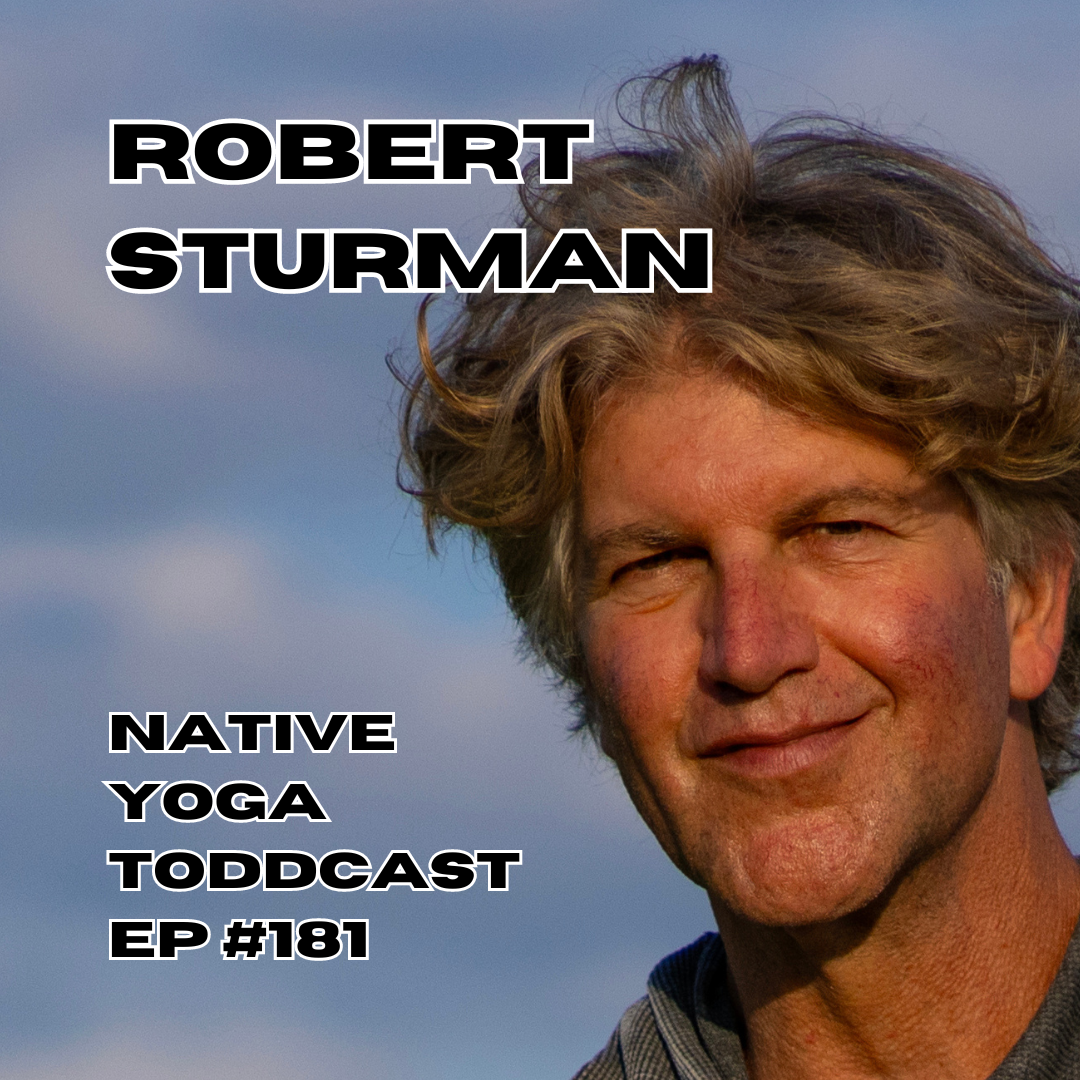
Jessica Vellela ~ How Ayurveda Can Transform Your Health

Listen to podcast with Jessica Vellela for FREE Here

Renowned Ayurveda expert Jessica Vellela joins Todd to explore the transformative power of Ayurveda in modern lifestyles. Jessica shares deep insights into preventive medicine, personalized treatments, and the profound impact of Panchakarma. She recounts her rigorous training and practice in India and the challenges of bringing Ayurveda to the U.S.. This episode delves into the rich heritage of Ayurveda and its practical applications for maintaining optimal health and vitality. Don’t miss Jessica’s inspiring journey and valuable expertise in holistic wellness.

Visit Jessica on her website: https://www.findradiance.com/

Key Takeaways:

  • Preventive Focus: Ayurveda prioritizes maintaining health to prevent disease, using personalized dietary and lifestyle guidelines.
  • Panchakarma: Detailed breakdown of the Panchakarma treatments and their profound impacts on health and wellness.
  • Cultural Integration: Insights into the adaptation of Ayurveda outside of India and the challenges faced in different geographical and cultural contexts.
  • Self-Care Practices: Emphasis on the importance of self-discipline and consistent practice in achieving health benefits through Ayurveda.

The Power of Ayurveda: Insights from Jessica Vellela

Key Takeaways:

  • Importance of Ayurveda in preventive and personalized medicine.
  • Panchakarma’s profound impact on health through holistic treatments.
  • Challenges and adaptation required to practice Ayurveda outside India.

The Role of Ayurveda in Preventive and Personalized Medicine

Ayurveda, often misunderstood in the West as an alternative or complementary form of medicine, is in fact a well-established healthcare system in India. Jessica Vellela, a professional in the field of Ayurveda, elucidates its benefits, emphasizing its preventative and personalized nature.

“Ayurveda was really developed to mostly try to help prevent people from getting sick in the first place… It did also develop to be able to handle diseases,” shares Jessica.

The essence of Ayurveda is its personalized approach. Unlike Western medicine, which often prescribes a standard treatment for everyone, Ayurveda takes into account the individual’s lifestyle, dietary habits, environmental conditions, and even their age and season.

Most people tend to seek Ayurvedic help when they are facing chronic or acute health issues. However, there is a growing awareness and shift towards using Ayurveda as a preventative measure to maintain good health. Jessica notes, “I think even with folks that have had to go through the struggle of some sort of disease… they appreciate it even more.”

This appreciation is leading more people to understand the value of adopting a lifestyle aligned with Ayurvedic principles even before they fall ill, ensuring they can maintain their health and well-being over the long term.

The Efficacy and Structure of Panchakarma Treatments

Panchakarma is the cornerstone of Ayurvedic cleansing and rejuvenation therapies. Jessica affectionately calls Panchakarma her “favorite, favorite, favorite, most part of Ayurveda because it is hands down the most powerful.”

Panchakarma consists of five therapeutic treatments aimed at cleansing the body of toxins and balancing the doshas—vata, pitta, and kapha. These five treatments are:

  1. Therapeutic Emesis (Vamina)
  2. Therapeutic Purgation (Virechana)
  3. Therapeutic Enemas (Basti)
  4. Nasal Administration of Medication (Nasya)
  5. Bloodletting (Raktamokshana)

These treatments are not just about detoxification; they are intensive procedures requiring proper guidance and supervision. Jessica emphasizes the need for proper supervision, especially for Vamina and Virechana, as they can have serious side effects if not done correctly.

“For those who do want to venture into, hey, you know what? I think I’m not ready to take the trip to India for a month or two months. I would rather stay at home, but I do want to get the benefit out of this,” Jessica advises on the importance of self-discipline and guidance when attempting Panchakarma at home.

It’s not just the actual treatments; the preparatory and post-treatment phases are crucial for the success of Panchakarma. They involve dietary restrictions, lifestyle adjustments, and other supportive therapies that ensure the body is well-prepared to handle the detoxification process and recover effectively.

Challenges and Adaptations in Practicing Ayurveda Outside India

Bringing Ayurveda to the Western world has not been without its challenges. Jessica, who has established a practice and worked independently in India, shares her experiences and the difficulties in replicating such a practice in the United States.

Key obstacles include the availability of authentic Ayurvedic medicines, the lack of trained practitioners, and the different lifestyle and dietary habits of the Western population. Jessica faced these challenges firsthand when she tried to set up a Panchakarma center in North Carolina, only to find that it wasn’t financially and logistically viable.

“You pour your heart into that thing and just tear it all down. It’s not very nice,” she reflects on her initial struggles.

However, Jessica has adapted by leveraging her background in IT to establish an online presence, enabling her to reach a global audience. Through her website, Find Radiance, she offers guidance and virtual consultations, helping people incorporate Ayurvedic principles into their daily lives no matter where they are located.

“Here, we have a system online. We have a way to do this,” Jessica explains. “You know, I’ve been working with people online, really, since 2011 almost.”

Despite these challenges, the integration of Ayurveda outside India holds promise. Countries like Germany are making significant strides, integrating Ayurveda into their healthcare systems and conducting advanced research that demonstrates the efficacy of Ayurvedic treatments.

The journey of embracing Ayurveda, particularly Panchakarma, can be transformative, offering profound health benefits. Ayurveda’s principle of personalized medicine, its preventative approach, and the holistic nature of Panchakarma make it a powerful tool for achieving and maintaining health.

Jessica Vallela’s extensive expertise and practical insights into Ayurveda underscore the need for a well-structured approach, whether practicing locally in India or adapting these ancient principles to the modern world. The increasing interest and shifts towards preventative health measures signify that Ayurveda’s wisdom is gaining rightful recognition and application globally.

Thanks for listening to this episode. Check out: 👇
Free Grow Your Yoga Live Webinar – Every Thursday at 12pm EST
➡️ Click here to receive link

New Student FREE Livestream Yoga Special ~ Try 2 Weeks of Free Unlimited Livestream Yoga Classes  at Native Yoga Center. info.nativeyogacenter.com/livestream Sign into the classes you would like to take and you will receive an email 30 minutes prior to join on Zoom. The class is recorded and uploaded to nativeyogaonline.com  ➡️  Click Here to Join. 

Subscribe to Native Yoga Center and view this podcast on Youtube.

Thank you Bryce Allyn for the show tunes. Check out Bryce’s website: bryceallynband.comand sign up on his newsletter to stay in touch. Listen here to his original music from his bands Boxelder, B-Liminal and Bryce Allyn Band on Spotify.

Please email special requests and feedback to info@nativeyogacenter.com

Enjoy new Native Yoga Center classes uploaded everyday on our online learning hub. Use code FIRSTMONTHFREE at checkout. https://nativeyogacenter.teachable.com/p/today-s-community-class

Support the Show.

Native Yoga website: here
YouTube: here
Instagram: @nativeyoga 
Twitter: @nativeyoga 
Facebook: @nativeyogacenter 
LinkedIn: Todd McLaughlin
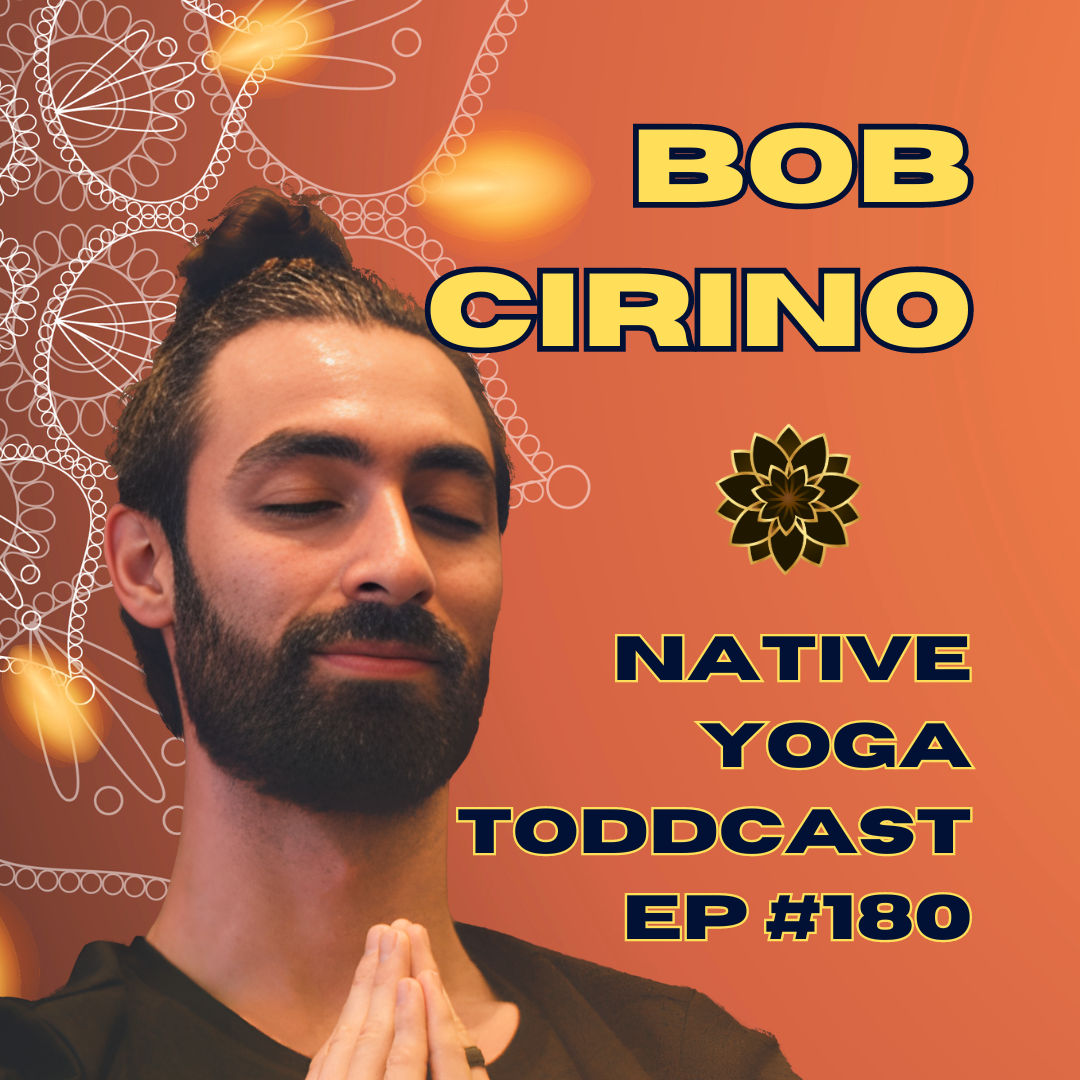
Rod Stryker – The Essence of Tantra & Exploring The Four Desires

Listen to Native Yoga Toddcast Episode #171 with Rod Stryker here

Discover the insights and transformative power of yoga and Tantra with world renowned teacher Rod Stryker. Host Todd explores Stryker’s journey from his first experience at age five to his profound teachings today. Learn about the nuances of Yoga Nidra, the sacred practice of revitalizing temples, and the four desires shaping our purpose. This episode delves into the depths of meditation, relaxation, and finding balance in modern life. Perfect for those seeking a deeper understanding of yoga’s spiritual and practical applications.

Visit Rod on his website: https://www.rodstryker.com/

Key Takeaways:

  • The Journey of Yoga Practice: Rod Stryker recounts his introduction to yoga at a young age and how influential texts and teachers shaped his path.
  • Understanding Tantra: Stryker articulates the principles of Tantra, highlighting its worldview and practices aimed at uncovering the sacred within.
  • Sacred Energy and Temples: Stryker describes initiatives of reinfusing energy into sacred spaces, promoting a reciprocal relationship with these spiritual environments.
  • Yoga Nidra’s Importance: An in-depth look into Yoga Nidra, its stages, and why it’s crucial for addressing modern-day restlessness and achieving true relaxation.
  • The Four Desires: A guide to discovering one’s life purpose, balancing essential desires, and aligning them with spiritual goals.

Unearthing the Sacred: Rod Stryker on Yoga, Tantra, and the Art of Stillness

The Path of Yoga and Early Beginnings

Rod Stryker’s yoga journey began in the most unexpected way—a book pulled from a shelf at his grand uncle’s house when he was just five years old. Stryker recalls, “seeing this guy doing yoga postures… left a powerful impression.” This early encounter set the stage for his formal practice at the age of 19, when he found Iyengar’s “Light on Yoga.” This seminal text powered his passion. Stryker shares, “I started doing shoulder stand for half an hour… my nervous system was so, uh, had reached such a deep level of healing.”

His initial practice, modeled meticulously on Iyengar’s teachings, highlights a foundational truth in yoga: the body becomes a map for exploring deeper layers of self-control and realization. Stryker eloquently states, “The practice is the teacher… something inside of us is lit through practice.” This reflection emphasizes the formative nature of practice itself as a guide, notwithstanding the advantages of having a direct teacher.

The Wisdom and Practice of Tantra

The breadth of tantra is profound and dense, a body of knowledge aiming to uncover the sacred in the mundane. Stryker elucidates, “Tantra says that everything is sacred… technique that unfolds the experience.” He draws parallels with Taoism to explain how tantric practices engage householders, emphasizing that life should be enriched through sacred practices rather than ascetic renunciation.

Tantra’s Dual Aspect: Worldview and Technique

Rod Stryker passionately outlines tantra’s overarching principles. He describes it primarily as “a body of knowledge” that perceives the world as inherently sacred, even in its mundane aspects. This worldview diverges sharply from more renunciate philosophies by encouraging practitioners to embrace and elevate their everyday lives through sacred practices.

Techniques and Purpose

Tantric techniques aren’t just about acquiring esoteric knowledge but are practical tools for living a fulfilled and balanced life. Reflecting on his pilgrimages to India, Stryker mentions a unique practice aimed at “giving the gift of Prana back to temples to bring them back to life.” This act of replenishing sacred spaces underscores tantra’s belief in interconnection, wherein the practitioner’s inner vitality extends outward to rejuvenate the world.

Yoga Nidra and the Modern Mind

In today’s fast-paced world, relaxation and mental clarity are hard to come by. This is where yoga nidra offers profound solutions. Striker recalls his early experiences, “His voice would lead these journeys… I was somewhere else.” His initial encounter with yoga nidra under a skilled teacher still influences his teaching methods today.

Yoga Nidra as a Gateway to Inner Peace

The importance of yoga nidra lies in its ability to promote deep relaxation, making stillness accessible. Stryker underscores its relevance, given the “prevalence of anxiety and depression” in contemporary society. Unlike traditional meditation techniques that emphasize concentration, yoga nidra employs deep relaxation as its gateway. “You’re systematically letting go… to get into the experience of absorption.”

Beyond Relaxation: The Depth of Yoga Nidra

Yoga nidra goes beyond mere relaxation to touch deeper aspects of self-awareness. There are “four stages of the experience of yoga nidra,” Stryker explains, from breath awareness and physical relaxation to deeper subconscious interactions and finally, a state of profound grace. He emphasizes, “The fourth stage is just grace… the full flowering of Yoga Nidra,” delineating a structured yet profound approach to this practice. The nuanced understanding of these stages offers a transformative potential for practitioners, moving them from relaxation to a profound state of consciousness.

Recapitulating the Key Insights and Broader Implications

Rod Stryker’s thoughtful reflections on yoga, tantra, and yoga nidra offer a roadmap to integrating ancient wisdom into modern life. His teachings emphasize the sacred in daily existence, using practices to both navigate and elevate our day-to-day experiences. Key insights from the discussion reveal the necessity of balance in practice, maintaining a fluid transition between learning from direct experience and the invaluable guidance of a seasoned teacher.

Stryker advocates the notion that personal practice truly guides us towards inner connections and self-realization. He emphasizes, “We’re never done learning,” a reminder that the journey of yoga and self-discovery is ongoing. Rod Stryker’s narrative encourages us to maintain our curiosity and dedication, to find the sacred in the mundane, and to use our practices as means to contribute positively to the world around us.

Let’s take Stryker’s advice into our daily lives: “Stop your noise. Get still. Find love, share love.” This potent message, distilled from ancient teachings, holds immense relevance today, encouraging us to look within, find our true essence, and share it with compassion and humility in these often tumultuous times.

Thanks for listening to this episode. Check out: 👇
Free Grow Your Yoga Live Webinar – Every Thursday at 12pm EST
➡️ Click here to receive link

New Student FREE Livestream Yoga Special ~ Try 2 Weeks of Free Unlimited Livestream Yoga Classes  at Native Yoga Center. info.nativeyogacenter.com/livestream Sign into the classes you would like to take and you will receive an email 30 minutes prior to join on Zoom. The class is recorded and uploaded to nativeyogaonline.com  ➡️  Click Here to Join. 

Practice to a New Yoga Class every day with our nativeyogaonline.com course called Today’s Community Class with code FIRSTMONTHFREE.

Subscribe to Native Yoga Center and view this podcast on Youtube.

Thank you Bryce Allyn for the show tunes. Check out Bryce’s website: bryceallynband.comand sign up on his newsletter to stay in touch. Listen here to his original music from his bands 

Support the Show.

Native Yoga website: here
YouTube: here
Instagram: @nativeyoga 
Twitter: @nativeyoga 
Facebook: @nativeyogacenter 
LinkedIn: Todd McLaughlin
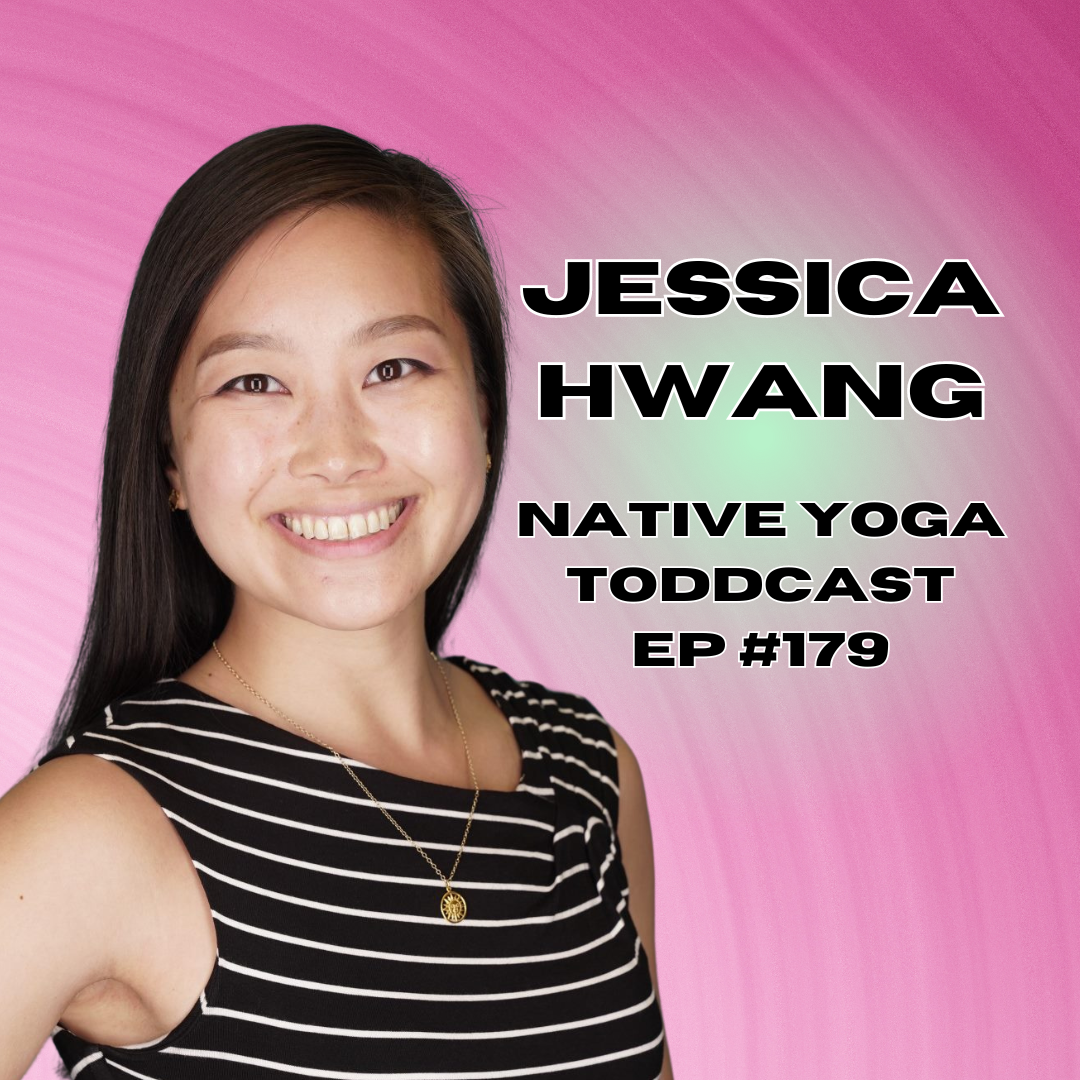
How to Do Seated Forward Bend | Paschimottanasana Yoga for Beginners

Hello and welcome to Grow Your Yoga. I’m Todd McLaughlin from Native Yoga Center. Today, we’re focusing on Paschimottanasana, which can significantly improve your hamstring flexibility. Let’s start by assessing your current range of motion and build from here.

Paschimottanasana, or the Western Stretch Pose, targets the back of the body (the “West”), which is often tight for many of us. Begin by sitting down and bringing your legs together. Touch your big toes together and pull them slightly towards you. Reach forward and see how close you can get to touching your toes. This initial assessment is crucial; you might want to log your progress by taking a picture or making a note of your flexibility.

Often, if our hamstrings are tight, we compensate by rounding our back. If you don’t move your pelvis, bending your spine might help you reach your toes, but it doesn’t stretch the hamstrings effectively. On the other hand, if you try to keep your back straight and touch your toes, your knees might bend, indicating tight hamstrings.

The hamstrings attach at the base of the pelvis and the back of the legs, crossing two major joints. This dual joint crossing means they can feel very tight when trying to extend the knees and flex at the hips. To address this, here are two main approaches:

  1. Using Support: If your hamstrings are very tight, place a bolster or rolled-up blanket under your knees. This support allows you to relax more and reduces strain on your lower back. You can start by placing your hands on the floor behind you and gently squeezing your legs as you lean forward.
  2. Bending Your Knees: Start by bending your knees significantly and work on touching your toes from this position. This increases hip flexion, which is crucial for Paschimottanasana. Practice hinging at your hips and bringing your chest towards your thighs. If your chest gets stuck, hold your legs and alternate between extending and flexing your spine, like in Up Dog (extension) and Cat Pose (flexion).

Once you’re comfortable with hip flexion, extend your legs a bit more. Use a strap or towel around your feet if needed. Rock back and forth, straightening your knees gradually. This rocking motion helps you find the right balance between flexibility and support.

Next, walk your hands closer to your feet along the strap and continue the rocking motion. When you reach your limit, practice flexing and extending your spine while holding the pose for 30 seconds to a minute, breathing deeply through your nose. If you feel tightness, back off slightly to find a softer, more comfortable stretch.

For those progressing we’ll explore different hand grips as you reach your toes: around the toes, sides of the feet, or even beyond the feet. If you experience back pain, focus on keeping your spine straight and avoid any painful positions.

Engage your leg muscles by squeezing and releasing your quadriceps. This technique, known as reciprocal inhibition, helps relax the hamstrings. As you squeeze your thighs, try to lift your chest and move your pelvis forward, paying close attention to how your back feels.

If you have a hamstring injury, give it time to heal before attempting this pose. For those without back pain, work on lowering your shoulders away from your ears and engaging your lower trapezius muscles to pull your shoulder blades down. This engagement helps you maintain a strong, supported forward bend.

Remember, progress takes time and consistency. Practice every day, even for just 30 seconds, to gradually deepen your pose. If you have any questions, I’m here to help. Visit nativeyogacenter.com for more information, and join me every Thursday for new yoga insights. Thank you for practicing with me, and I look forward to seeing you in the next session!

Thanks for watching and reading. Visit our website https://www.nativeyogacenter.com for more information on our class schedule, online courses and Teacher Trainings.

Listen to Native Yoga Toddcast with new episodes released every Friday on our podcast site here: https://nativeyogatoddcast.buzzsprout.com/950785

New Student FREE Livestream Yoga Special ~ Try 2 Weeks of Free Unlimited Livestream Yoga Classes  at Native Yoga Center. info.nativeyogacenter.com/livestream Sign into the classes you would like to take and you will receive an email 30 minutes prior to join on Zoom. The class is recorded and uploaded to nativeyogaonline.com  ➡️  Click Here to Join.

Practice to a New Yoga Class every day with our nativeyogaonline.com course called Today’s Community Class with code FIRSTMONTHFREE.

Subscribe to Native Yoga Center and view this podcast on Youtube.

Andrew McGonigle ~ The Role of the Nervous System in Yoga Flexibility

Listen to podcast with Andrew for FREE Here

Yoga instructor Todd McLaughlin engages in a profound conversation with Andrew McGonigle, an experienced yoga teacher and anatomy expert. McGonigle shares his journey from medical school to fashion, and eventually to teaching yoga, exploring how his diverse background informs his unique approach to anatomy education. 

Key topics include the role of the nervous system in muscle flexibility, the resilience of the human body, and the tangible benefits of yoga on the cardiovascular and immune systems. Discover insightful perspectives on integrating scientific and holistic approaches to yoga practice and teaching.

Visit Andrew on his website: https://www.doctor-yogi.com/

Key Takeaways:

  • Anatomy and Yoga: Understanding anatomy enriches yoga practice by fostering a deeper connection with one’s body and enhancing the teaching methodology.
  • Misconceptions about Muscles: Muscle length doesn’t change over time; flexibility improvements are more about the nervous system granting permission for greater movement.
  • Physiological Benefits: Yoga positively impacts various systems, including lowering blood pressure, reducing chronic inflammation, and aiding in better cardiovascular health.
  • Learning and Teaching Methods: Andrew uses a blend of interactive, multi-media resources in his online courses to make complex anatomical concepts accessible and engaging.

Unlocking the Synergy Between Anatomy, Yoga, and Well-being: Insights from Dr. Yogi Andrew McGonigle

  • Journey from Medicine to Yoga: Andrew McGonigle’s transformation from a medical doctor to a yoga anatomy educator illustrates the fusion of scientific rigor with holistic wellness practices.
  • Understanding Anatomy for Yoga Practitioners: The progressive approach to anatomy in yoga, ranging from foundational skeletal and muscular knowledge to the complexities of the nervous system and flexibility.
  • Impact of Yoga on Various Body Systems: Insights into how yoga influences the cardiovascular, immune, and endocrine systems, offering a blend of traditional practice with modern scientific understanding.

Medical Background Meets Movement: A Unique Integration

Andrew McGonigle’s journey is nothing short of inspiring, offering a refreshing integration of medical science with holistic wellness. Initially trained as a medical doctor, Andrew’s path took several unexpected turns. “I was young, but I didn’t have student debt because, at the time, pretty much medical school was free for me in the UK,” Andrew reflects, which gave him the freedom to pivot his career paths. After a stint in the fashion industry, Andrew fell in love with yoga and meditation, eventually leading him to an epiphany: “I can see myself, like, in the teacher role doing this.”

This background allows Andrew to bring a depth of anatomical understanding to his yoga teachings. His integrated approach is uniquely positioned to bridge the gap between theoretical anatomy and practical yoga instruction. By teaching anatomy through the lens of wellness rather than disease, Andrew enhances the educational experience for future yoga educators, offering them a holistic perspective grounded in rigorous scientific knowledge.

Foundational Knowledge in Anatomy: The Bedrock for Yoga Instructors

Why Study Anatomy for Yoga?
Studying anatomy provides a nuanced understanding of how to move, align, and engage during yoga practice. As Andrew states, “When you learn anatomy to a certain level of detail, you realize how resilient and robust the body is.” This awareness fosters a deeper respect for one’s body, encouraging students and teachers alike to move mindfully and intentionally.

The Approach to Teaching Anatomy
A fundamental takeaway from Andrew’s methodology is his interactive and multifaceted teaching approach. “I do basically a session called intelligent movement principles, and we do that by slowly starting to understand muscle,” Andrew elaborates. This involves breaking down complex anatomical concepts into digestible parts, such as muscles, bones, and connective tissues, and then relating these parts back to yoga practices.

By addressing common misconceptions and inserting relatable, tangible experiences into his lessons, Andrew demonstrates the muscle’s role through sensation and movement. This approach empowers students with the confidence to execute and instruct movements accurately and safely.

The Science Behind Yoga: A Holistic Impact

Cardiovascular and Endocrine Systems
Yoga’s impact on the heart and hormonal systems is profound. Andrew explains, “Yoga has a very powerful effect on the cardiovascular system. It can lower blood pressure over time.” This regulation of blood pressure and resting heart rate signifies how intertwined yoga practice is with overall cardiovascular health.

In terms of the endocrine system, yoga appears to stabilize hormone release via the stress response mechanism. “A regular yoga practice helps us to move more efficiently between sympathetic and parasympathetic states,” Andrew highlights, underscoring yoga’s role in fostering physiological flexibility.

Immune System Modulation
A common misconception is that yoga boosts the immune system. Instead, Andrew corrects this narrative by explaining that yoga has a regulatory effect, especially concerning inflammation. “What yoga can do is it can downregulate parts of the immune system in cases of chronic inflammation,” says Andrew, thus showcasing yoga’s potential to alleviate systemic inflammatory responses that contribute to various diseases.

Broadening the Scope: Heat, Flexibility, and Adaptability

The Debate: To Heat or Not to Heat
The discussion around practicing yoga in heated environments is particularly polarizing. Andrew maintains a balanced view: “What I love about hot yoga is it’s this gateway that brings a lot of people to yoga.” He acknowledges the subjective benefits of hot yoga but also notes that the physiological benefits gained are not exclusive to heated practice. “If hot yoga is not your thing, don’t feel like you’re missing out on anything.”

Neural Factors in Flexibility
Flexibility, often associated solely with muscle lengthening, is now seen through the lens of neurological safety. The nervous system’s role in granting permission for more range of motion over time is crucial. “It’s the nervous system and that’s what gives us most of the benefits that we get in yoga,” Andrew comments, emphasizing the science behind the practice and how it fosters gradual and safe improvements in flexibility.

Reflecting on a Transformative Journey

Andrew McGonigle’s story and the insights he offers are emblematic of the synergy between traditional yoga principles and modern anatomy and physiology. His unique path from medical education to yoga instruction dovetails into a broader, holistic understanding of the human body.

By breaking down complex scientific concepts into actionable insights for yoga practitioners, Andrew highlights the resilience and adaptability of the human body. His work exemplifies how scientific inquiry and wellness practices can harmoniously coexist, providing a robust foundation for both personal health and professional teaching. Whether through the physiological benefits of cardiovascular health, immune regulation, or a nuanced understanding of flexibility, Andrew’s approach underscores the transformative potential of integrating yoga practice with anatomical science.

Thanks for listening to this episode. Check out: 👇
Free Grow Your Yoga Live Webinar – Every Thursday at 12pm EST
➡️ Click here to receive link

New Student FREE Livestream Yoga Special ~ Try 2 Weeks of Free Unlimited Livestream Yoga Classes  at Native Yoga Center. info.nativeyogacenter.com/livestream Sign into the classes you would like to take and you will receive an email 30 minutes prior to join on Zoom. The class is recorded and uploaded to nativeyogaonline.com  ➡️  Click Here to Join. 

Practice to a New Yoga Class every day with our nativeyogaonline.com course called Today’s Community Class with code FIRSTMONTHFREE.

Subscribe to Native Yoga Center and view this podcast on Youtube.

Thank you Bryce Allyn for the show tunes. Check out Bryce’s website: bryceallynband.comand sign up on his newsletter to stay in touch. Listen here to his original music from his bands Boxelder, B-Liminal and Bryce Allyn Band on Spotify.

Please email special requests and feedback to 

Support the Show.

Native Yoga website: here
YouTube: here
Instagram: @nativeyoga 
Twitter: @nativeyoga 
Facebook: @nativeyogacenter 
LinkedIn: Todd McLaughlin

Liz Corwin – The Power of Peace: Journey of a Navy Fighter Pilot & Yogi

Listen to podcast with Liz for FREE Here

In this episode, Liz Corwin, a former Navy F-18 pilot and current Navy reservist, shares her journey from being a fighter pilot to becoming a yoga teacher. She discusses the importance of authenticity in teaching yoga and offers insights on how to create a safe and inclusive environment for military members in yoga classes. Liz also talks about the transformative power of motherhood and the impact it has had on her yoga practice. She shares her favorite retreat experiences and highlights the importance of creating a container for retreats while allowing the group dynamics to shape the experience.

Visit Liz on her website: https://www.walkaboutyoga.com/

Key Takeaways:

  • Authenticity is key in teaching yoga, and it is important to be true to yourself as a teacher.
  • When teaching military members, it is essential to create a safe and inclusive environment by being direct and using clear language.
  • Motherhood has brought a new perspective to Liz’s yoga practice and has made her more aware of her body and its capabilities.
  • Retreats provide an opportunity for personal growth and transformation, and it is important to create a container while allowing the group dynamics to shape the experience.
  • Supporting military families is crucial, as they also need the support and opportunities for growth and well-being.

A Glimpse Into the Life of a Yoga-Teaching Navy Pilot

The intersection of military precision and the fluidity of yoga may not be an obvious one, but Liz Corwin, a former Navy F-18 pilot and current Navy reservist turned yoga instructor, embodies this duality seamlessly. In a captivating dialogue, Liz reveals insights about her life experiences, from the adrenaline of flight school to the tranquility of yoga, her devotion to military service, and the challenges of motherhood. This deep dive uncovers the layers of Liz’s life, where she merges the structured world of aeronautics with the flexibility of yoga, reminding us that growth lies in the balance between pushing boundaries and seeking inner peace.

Key Takeaways:

  • Embodying the complementarity of military discipline and yoga’s mindfulness can lead to a profound understanding of personal and collective peace.
  • Authenticity in teaching, whether it stems from a military or civilian background, resonates deeply and creates a bridge between people of diverse experiences.
  • Navigating the identity as a protector and the quest for individual and global peace requires a complex reflection and acceptance of one’s contributions to both.

From Fighter Jets to Yoga Mats: The Intersection of Discipline and Mindfulness

Within the realms of military rigor and the patience of yoga lies an unexpected symbiosis. Liz Corwin’s evolution from a Navy F-18 pilot to a dedicated yoga teacher presents a narrative that deftly blends the high stakes of combat flights with the grounding practice of yoga. It resonates with the fundamental truth that one can inhabit multiple worlds—those of adrenaline-inducing adventures and those of reflective tranquility. Liz describes her affinity for the thrill and demands of flying jets as a former Navy pilot, a passion that’s undeniably intertwined with her presence and stillness as a yogi. As she recounts, “every cat shot was just as exciting as the first time,” illustrating that even the most thrilling experiences demand a counterbalance, one that she found in the meditative practice of yoga.

The broader implications of this blend of worlds are significant. Liz’s story exemplifies how individuals can construct a harmonious life that honors their multifaceted nature. It challenges the binary perception of rigid discipline versus fluid mindfulness, instead showcasing a sustainable model where disciplined training can coexist with—and even enhance—mindful living.

Harnessing the Power of Authentic Presence in Teaching

Throughout the conversation, the theme of authenticity emerges as a centerpiece, particularly in teaching. Whether instructing a military-focused yoga class or guiding a studio session with civilians, Liz emphasizes the importance of genuine connection. “Be authentic…your audience will recognize that,” she advises, stressing that this acknowledgment forges trust and fosters an inclusive environment. Yet, achieving this authenticity takes introspection and work, with Liz noting the necessity of feeling competent and grounded in one’s own body and teaching style before connecting authentically with others.

The discourse on authenticity in teaching extends beyond the personal. It resonates in the broader context of the educational and wellness communities, where practitioners are continually seeking ways to connect and engage with their audiences meaningfully. Liz presents authenticity not as a fixed endpoint but as an evolving quest that’s both personal and communal, offering a roadmap for teachers and leaders who aspire to leave a lasting impact.

Remerging Peace and Defense: The Dualistic Identity of a Military Yoga Instructor

One of the most poignant and complex themes discussed is Liz’s dual identity as a service member and a proponent of peace. As a reservist and a warrior for peace through the practice of yoga, Liz tackles the dichotomy head-on. The conversation explores the intrinsic human desire for peace that underlies military actions and frames this pursuit as a deeply rooted human endeavor, reflective of the same values sought through yoga. Liz’s contemplation of her role, acknowledging her initial motivations for joining the navy driven by the allure of adventure and brotherhood, reveals a nuanced understanding of the multifacited nature of military service.

This topic touches upon a universal truth about human nature and society’s need to protect while striving for tranquility. Liz’s reflection invites us to consider the role that each person plays in this balance—how we all contribute to the quest for peace, and how we navigate the complexities inherent in the desire to both defend and harmonize.

In a world increasingly fraught with conflicts and divisions, Liz embodies a message that insists peace and defense can be two sides of the same coin. Her commitment to both serves as an emblematic tribute to all those who commit to this delicate balance. Liz’s insights offer a beacon of hope that we can all learn from, teaching us that service, in its truest form, comes in many guises and is driven by an unwavering pursuit of a world where understanding and coexistence are paramount.

Thanks for listening to this episode. Check out: 👇
Free Grow Your Yoga Live Webinar – Every Thursday at 12pm EST
➡️ Click here to receive link

New Student FREE Livestream Yoga Special ~ Try 2 Weeks of Free Unlimited Livestream Yoga Classes  at Native Yoga Center. info.nativeyogacenter.com/livestream Sign into the classes you would like to take and you will receive an email 30 minutes prior to join on Zoom. The class is recorded and uploaded to nativeyogaonline.com  ➡️  Click Here to Join. 

Practice to a New Yoga Class every day with our nativeyogaonline.com course called Today’s Community Class with code FIRSTMONTHFREE.

Subscribe to Native Yoga Center and view this podcast on Youtube.

Thank you Bryce Allyn for the show tunes. Check out Bryce’s website: bryceallynband.comand sign up on his newsletter to stay in touch. Listen here to his original music from his bands Boxelder, B-Liminal and Bryce Allyn Band on Spotify.

Please email special requests and feedback to info@nativeyogacenter.com

Support the Show.

Native Yoga website: here
YouTube: here
Instagram: @nativeyoga 
Twitter: @nativeyoga 
Facebook: @nativeyogacenter 
LinkedIn: Todd McLaughlin

Cory Sterling – Busting Myths in the Yoga Business World

Listen to this Toddcast with Cory for FREE here

In this enlightening episode, Todd converses with Cory Sterling, an accomplished lawyer who has carved a unique niche in the legal world by catering to those in the wellness and yoga industry. From his law firm in Mexico, Cory shares valuable insights on the intersection of law and yoga, shedding light on common misconceptions and the necessity of understanding legal ramifications for practitioners and studio owners alike.

Visit Cory on his website: https://www.consciouscounsel.ca/Home
Watch this episode on YouTube: https://youtu.be/sRsahBZoBwQ

Key Takeaways:

  • A waiver of liability is crucial for any yoga teacher to protect themselves legally in their relationships with students.
  • Professionalism and legal knowledge are imperative in the wellness industry, just as in any other business.
  • The distinction between independent contractors and employees is complex and essential to understand for studio owners and yoga teachers alike.
  • Legal issues such as trademark registration, client service agreements, and social media disclaimers are key considerations for yoga professionals operating both in-person and online.
  • Cory’s approach to law in the wellness industry encourages other lawyers to embrace remote work while providing legal services with heart and professionalism.

Navigating the Legal Landscape of the Wellness Industry: Insights from Lawyer Cory Sterling

The wellness industry, particularly yoga and related practices, is often envisioned as an arena of tranquility, far removed from the intricacies of legal frameworks. Yet, as industry professionals like Cory Sterling emphasize, navigating the intricate legal landscape is crucial for the sustainable growth and professionalization of wellness practices. In the intersecting space between law, wellness, and entrepreneurship, Sterling, a lawyer specializing in the wellness industry, sheds light on how heart-centered professionals can safeguard their work and embrace their entrepreneurial responsibilities.

Key Takeaways:

  • The significance of legal protection: Understanding the importance of waivers, contracts, and legal advice cannot be understated in the wellness space.
  • Professionalism and heart in legal matters: The need for merging professional responsibility with personal values in providing legal services to wellness entrepreneurs.
  • The shift toward informed entrepreneurship: Emphasizing the importance of education and awareness in legal matters for forging a successful career in wellness.

Integral Legal Documents for Wellness Entrepreneurs

In the evolving terrain of yoga and wellness, the importance of securing one’s professional practice with the necessary legal documentation cannot be overstated. Sterling points out that “having a well-drafted waiver of liability is the quintessential foundational document as a yoga teacher,” emphasizing the invisible legalities inherent in the student-teacher relationship. He goes on to explain the dire consequences of not having such protections in place, including potential lawsuits and rebranding crises due to overlooked trademark issues.

In addition, Sterling asserts the need for practitioners to understand the different facets of their online presence, detailing the necessities of privacy policies, social media disclaimers, and intellectual property protection. This level of precaution extends beyond physical interactions, encapsulating the digital space where wellness services are increasingly being offered.

“Communicate expectations openly and honestly, and also accept that there are legal nuances to each relationship that you have,” Sterling advises, speaking to the necessity for clear delineation of expectations and legal relationships in the healthcare practice.

Strike a Balance Between Law and Heart

An unexpected but enlightening theme that Sterling discusses is the harmonization of legality with humanity. This challenge particularly resonates within industries driven by principles of humanity, compassion, and wellness. As Sterling reiterates, the mission of his legal practice is “to transform the way legal services are provided to heart leading entrepreneurs,” demonstrating a paradigm shift in how law professionals can align their services with the values of their clientele.

The testament to this approach is in the reception and feedback Sterling’s firm has garnered, notably for its intuitive understanding and empathy towards their clients. He narrates experiences of helping other lawyers create meaningful niches in harmony with their own interests, which further underscores the potential to infuse legal rigor with a sense of personal touch and commitment.

Encouraging Professionalism in the Wellness Industry

Another significant theme lies in establishing professionalism within the wellness community. Sterling points to the need for yoga professionals and studio owners to embrace the responsibilities that come with managing a business, urging them to seek guidance on issues such as staff contracts and employment statuses. By articulating the distinction between employees and independent contractors, he highlights the legal intricacies that can make or break a wellness endeavor.

“Most importantly, [professionalism] is fulfilling,” Sterling exclaims, highlighting how adopting a professional approach can be both beneficial and deeply satisfying for wellness entrepreneurs. The impact of this professionalization reverberates through the increasing incorporation of yoga and wellness practices in diverse sectors such as education, healthcare, and even insurance acknowledgment.

As Sterling effectively outlines, the maturation of the wellness industry will consequently require its practitioners to be well-versed and proactive in their legal obligations, augmenting their inspirational work with a solid foundation of professionalism and legally sound practices.

In weaving together these key themes, the candid dialogue with Cory Sterling affirms the essence of legality, heart, and professionalism in nurturing the wellness sector. His perspective serves as a beacon for wellness professionals to be mindful of their legal responsibilities and embrace an informed, astute approach to entrepreneurship—one which is heart-centered yet grounded in pragmatic foresight.

Thanks for listening to this episode. Check out: 👇
Free Grow Your Yoga Live Webinar – Every Thursday at 12pm EST
➡️ Click here to receive link

New Student FREE Livestream Yoga Special ~ Try 2 Weeks of Free Unlimited Livestream Yoga Classes  at Native Yoga Center. info.nativeyogacenter.com/livestream Sign into the classes you would like to take and you will receive an email 30 minutes prior to join on Zoom. The class is recorded and uploaded to nativeyogaonline.com  ➡️  Click Here to Join. 

Practice to a New Yoga Class every day with our nativeyogaonline.com course called Today’s Community Class with code FIRSTMONTHFREE.

Subscribe to Native Yoga Center and view this podcast on Youtube.

Thank you Bryce Allyn for the show tunes. Check out Bryce’s website: bryceallynband.comand sign up on his newsletter to stay in touch. Listen here to his original music from his bands Boxelder, B-Liminal and Bryce Allyn Band on Spotify.

Please email special requests and feedback to info@nativeyogacenter.com

Support the Show.

Native Yoga website: here
YouTube: here
Instagram: @nativeyoga 
Twitter: @nativeyoga 
Facebook: @nativeyogacenter 
LinkedIn: Todd McLaughlin 
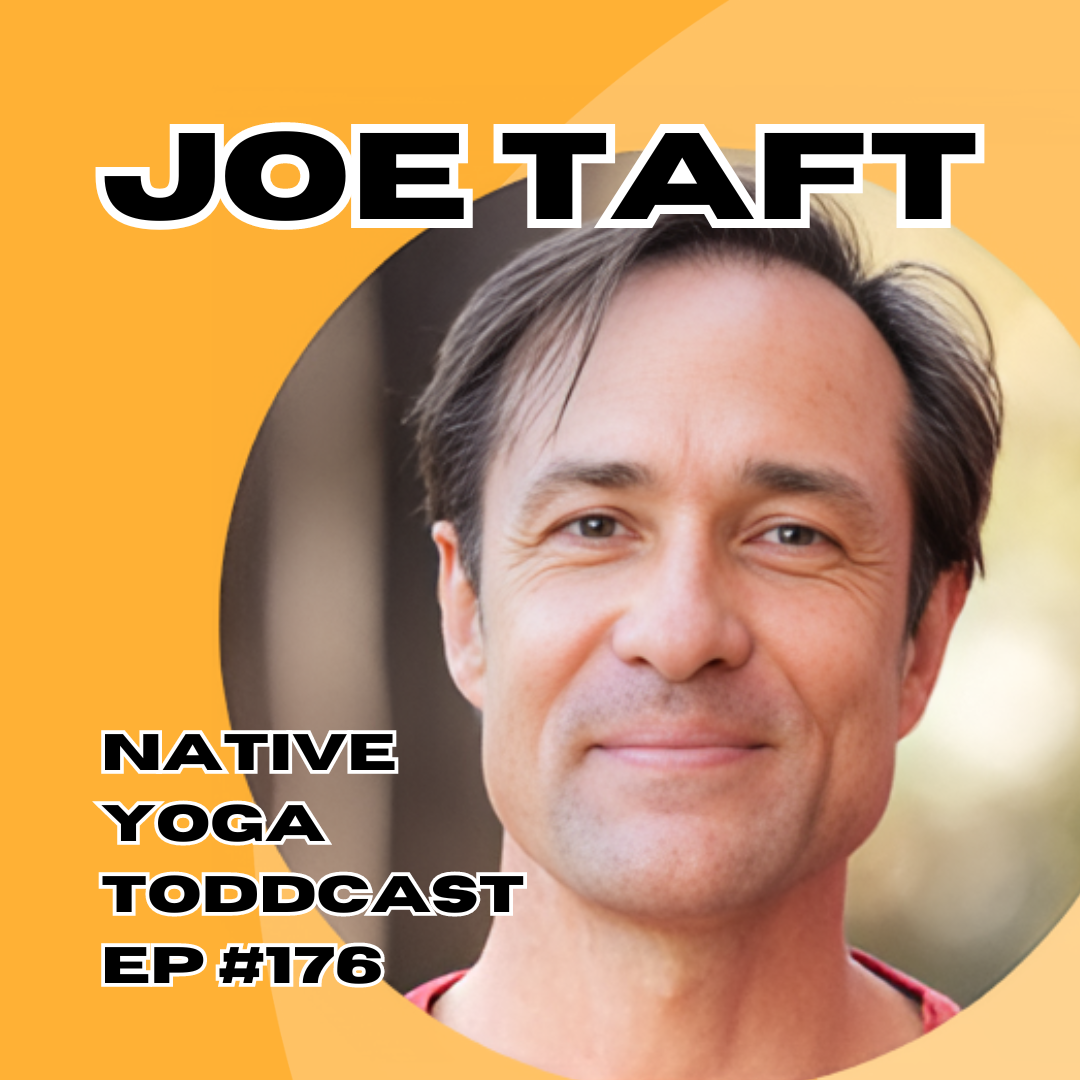
Dr. Michael Shea ~ Polyvagal Theory in Yoga and Meditation

In this episode of the Native Yoga Toddcast, host Todd welcomes back Dr. Michael Shea for a discussion on polyvagal theory in yoga and meditation. They explore the importance of the vagus nerve, an information highway that connects the brain to every organ system in the body. Dr. Shea explains how the vagus nerve plays a crucial role in our sense of safety and how trauma can impact its functioning. They delve into the concepts of top-down and bottom-up approaches in therapy and the role of yoga and meditation in regulating the nervous system. The episode highlights the significance of turning inward and finding love in the present moment as a means of healing and self-discovery.

Visit Michael on his website: https://www.sheaheart.com/

Key Takeaways:

  • The vagus nerve is a vital information highway that connects the brain to every organ system in the body, providing sensory impressions and information about our state of safety.
  • Trauma can disrupt the functioning of the vagus nerve, leading to heightened stress responses or withdrawal and numbing behaviors.
  • Yoga and meditation can help regulate the vagus nerve and promote a greater sense of safety and well-being.
  • The yamas and niyamas, ethical principles in yoga, provide a moral code that can guide our relationships with others and ourselves, supporting the turn inward and self-discovery.

The Power of Polyvagal Theory in Yoga and Meditation

Key Takeaways:

  • Polyvagal theory is based on the vagus nerve, which is an information highway that connects the brain to every organ system in the body.
  • The vagus nerve is responsible for transmitting information about the body’s state and sensations to the brain, allowing us to make conscious choices and feel safe.
  • Trauma can disrupt the vagal pathways and affect our ability to sense and respond to our body’s signals of safety.
  • Yoga and meditation can help clarify and strengthen the vagal pathways, leading to a greater sense of safety and improved well-being.

Understanding Polyvagal Theory

Polyvagal theory is a neurologically based model that focuses on the vagus nerve, which serves as an information highway between the brain and the body. The vagus nerve connects to every organ system in the body, allowing for the transmission of physiological and metabolic data to the brain. This information is crucial for our overall health and well-being.

The vagus nerve also plays a role in our ability to sense and perceive our body’s sensations. It provides us with conscious perception of information and sensations, allowing us to make choices and navigate our world more effectively. This is particularly important when it comes to our sense of safety.

The primary association of the vagus nerve is with safety. It provides the brain with information about the state of our organs and the sensations we experience in our body. This information helps us determine whether we are safe or in danger. When the vagus nerve is functioning optimally, we have a greater sense of safety and can navigate our world with confidence.

The Impact of Trauma on the Vagus Nerve

Trauma can disrupt the vagal pathways and affect our ability to sense and respond to our body’s signals of safety. There are different types of trauma, including physical abuse, developmental trauma, sexual abuse, and PTSD. Each type of trauma can have a unique impact on our vagal response.

When trauma is triggered, our body can enter a state of sympathetic arousal, characterized by an accelerated heart rate and increased stress response. However, depending on the severity of our trauma history, we may also experience a withdrawal response associated with the older part of the vagus nerve. This response can lead to a numbing out or dissociation from the world, as our body’s way of protecting itself.

Understanding our trauma response and how it affects our vagal pathways is crucial for healing and finding a sense of safety. Yoga and meditation can play a significant role in this process by helping us develop a greater awareness of our body’s sensations and providing tools to regulate our nervous system.

The Role of Yoga and Meditation in Polyvagal Theory

Yoga and meditation offer a bottom-up approach to healing and regulating the vagal pathways. By turning inward and focusing on our body’s sensations, we can develop a greater sense of safety and connection to ourselves. This somatic awareness allows us to override the stress response and activate the relaxation response associated with the vagus nerve.

The practice of yoga and meditation can help us refine our relationship with our body and breath. Through asana and pranayama, we can release unnecessary tension and develop a deeper connection to our physical and energetic bodies. This physical awareness is essential for grounding and finding a sense of safety.

Pratyahara, the withdrawal of the senses, and dharana, concentration, further support the turn inward. By withdrawing our attention from the external world and focusing on the present moment, we can cultivate a calm and peaceful state of mind. This inward focus allows us to develop an open-hearted sense of self and connection to others.

Meditation, the culmination of the yogic practice, expands our consciousness beyond the confines of the mind. It allows us to experience a deeper connection to ourselves and the world around us. Through meditation, we can tap into a sense of awe and love that transcends our individual experiences.

Embracing Love and Healing

Polyvagal theory and the practice of yoga and meditation offer us a path to healing and finding a sense of safety in our lives. By understanding the impact of trauma on our vagal pathways and developing a greater awareness of our body’s sensations, we can navigate our world with more ease and resilience.

It is never too late to seek love and healing, regardless of our past experiences. The practice of yoga and meditation provides us with the tools to turn inward, cultivate self-compassion, and develop a deeper connection to ourselves and others. By embracing love and healing in the present moment, we can rewrite our narrative and create a more fulfilling and joyful life.

In conclusion, polyvagal theory and the practice of yoga and meditation offer us a powerful framework for understanding and healing trauma. By turning inward and developing a greater awareness of our body’s sensations, we can regulate our nervous system and find a sense of safety. Through the practice of yoga and meditation, we can cultivate self-compassion, expand our consciousness, and embrace love and healing in our lives.

Thanks for listening to this episode. Check out: 👇
Free Grow Your Yoga Live Webinar – Every Thursday at 12pm EST
➡️ Click here to receive link

New Student FREE Livestream Yoga Special ~ Try 2 Weeks of Free Unlimited Livestream Yoga Classes  at Native Yoga Center. info.nativeyogacenter.com/livestream Sign into the classes you would like to take and you will receive an email 30 minutes prior to join on Zoom. The class is recorded and uploaded to nativeyogaonline.com  ➡️  Click Here to Join. 

Practice to a New Yoga Class every day with our nativeyogaonline.com course called Today’s Community Class with code FIRSTMONTHFREE.

Subscribe to Native Yoga Center and view this podcast on Youtube.

Thank you Bryce Allyn for the show tunes. Check out Bryce’s website: bryceallynband.comand sign up on his newsletter to stay in touch. Listen here to his original music from his bands Boxelder, B-Liminal and Bryce Allyn Band on Spotify.

Please email special requests and feedback to info@nativeyogacenter.com

Support the Show.

Native Yoga website: here
YouTube: here
Instagram: @nativeyoga 
Twitter: @nativeyoga 
Facebook: @nativeyogacenter 
LinkedIn: Todd McLaughlin

Carla Patullo – How Surviving Breast Cancer Inspired Her Grammy-Winning Album

Listen to podcast with Carla for FREE Here

In this insightful conversation, Todd McLaughlin delves deep into the artistic journey and personal life of Grammy winner Carla Patullo. Beyond the glitz of awards, Carla’s narrative is one that traverses through the challenges of health, the catharsis of music creation, and the importance of physical and mental well-being. Listeners will find themselves drawn into an engaging discussion that reveals the profound impact of Carla’s experiences on her creative output.

Visit Carla on her website: https://www.carlapatullo.com/
Listen to Grammy Award winning “So She Howls” on Spotify 

Key Takeaways:

  • Carla Patullo shares her transformative experience with breast cancer and its influence on her Grammy-winning album “So She Howls.”
  • Music served as a therapeutic diary for Carla, helping her navigate through a tough personal period.
  • The album incorporates binaural beats to induce a relaxed and meditative state for listeners.
  • Carla takes pride in her ability to compose for a variety of musical genres and film scores, reflecting her adaptive creative process.
  • The episode touches on Carla’s personal growth and enhanced appreciation for life post breast cancer recovery.

Healing Through Harmony: Grammy Winner Carla Patullo’s Musical Journey of Triumph

Music has always been a beacon of hope and healing for many. But when it becomes a conduit for overcoming personal tragedies, its power resonates even further, touching hearts and stirring souls. In a candid conversation, Grammy Award-winning musician Carla Patullo shares her inspiring journey, detailing how her battle with cancer and the loss of her mother shaped her celebrated album “So She Howls” and her perspective on life and creativity.

Key Takeaways:

  • Overcoming Personal Struggles through Music: Carla Patullo discusses how the creation of her Grammy-winning album “So She Howls” helped her navigate through breast cancer and personal grief.
  • The Power of Binaural Beats: Patullo’s exploration of binaural beats contributed to the healing tone of her album, showcasing music’s capacity to alter states of mind.
  • The Impact of Storytelling in Compositions: As a film score composer, Patullo emphasizes the significance of storytelling in music, whether in cinema or through her own experiences.

From Personal Diary to Grammy Glory: The Genesis of ‘So She Howls’

Carla Patullo’s profound connection to her craft is evident as she speaks about “So She Howls.” Initially a personal diary of sorts, the album arose from a period of immense hardship.

“When I started this album, it was coming out of a very tough place, personally, and it was just really a diary for me. … The Grammys were like, the last thing, you know, being a musician, I’ve always dreamed of, you know, someday I’ll have a Grammy, you know, maybe. It’s one of those things that seemed so far away.”

Patullo’s genuineness in confronting her emotions results in a body of work that is as much a therapeutic release for her as it is a masterpiece for the listener. The intimacy with which she approaches music composition, making room for raw emotions and unfiltered vocals, has not only garnered critical acclaim but also provided a source of solace for many facing similar battles.

Therapeutic Tones: The Intersection of Health and Music

Another fascinating aspect of Patullo’s work is her foray into the world of binaural beats and sound therapy. The tones and frequencies used in “So She Howls” are carefully curated for their therapeutic properties.

“I was kind of exploring binaural beats … you’ll pick two different frequencies, and the difference between those frequencies, that magic number, it takes you into a state of mind that is either relaxed or more clear.”

By blending emotion with science, Patullo elevates her music to another realm, creating a soundscape that aids in meditation and relaxation. It serves as a reminder of the potent role music can play in wellness, offering an auditory sanctuary for stressed minds and troubled hearts.

The Story in Score: Film Composition and Evocative Soundscapes

Beyond her journey as a recording artist, Carla Patullo’s insights into the world of film scoring reveal the richness of storytelling through music. Her narrative-driven approach underscores the importance of enhancing on-screen tales with the right auditory elements.

“What I’m doing is just amplifying that [emotion] in areas … It’s a lot of, you know, really, like, letting yourself sink into this film and … discovering your own sound.”

Whether it’s crafting a melody to emote a character’s unspoken feelings or accentuating a cinematic moment, Patullo understands the intricacies of weaving a narrative with notes and chords. Her expertise in translating stories into sound not only showcases her versatility as a musician but also demonstrates the profound influence music has in shaping the viewer’s experience.

Synthesizing Creativity and Resilience Through Music

Carla Patullo’s narrative is one of transcending personal struggle through artistic creation. Her account spotlights the transformative power of music, emphasizing its capacity to heal, communicate, and tell stories that resonate with audiences. As both a composer and a survivor, Patullo’s poignant experiences remind us that even when facing life’s darkest challenges, the human spirit, much like music, has the inherent ability to rise, resonate, and rejuvenate.

In a world where we often search for respite from our trials, Patullo’s work emerges not only as a testament to her personal resilience and triumph over adversity but also as a universal anchor that many can cling to for comfort and strength. By sharing her story, she not only substantiates the relevancy of music in contemporary discussions of health and therapy but also champions the art of composition as a narrative device, powerful enough to influence and guide listeners through their unique life stories.

Thanks for listening to this episode. Check out: 👇
Free Grow Your Yoga Live Webinar – Every Thursday at 12pm EST
➡️ Click here to receive link

New Student FREE Livestream Yoga Special ~ Try 2 Weeks of Free Unlimited Livestream Yoga Classes  at Native Yoga Center. info.nativeyogacenter.com/livestream Sign into the classes you would like to take and you will receive an email 30 minutes prior to join on Zoom. The class is recorded and uploaded to nativeyogaonline.com  ➡️  Click Here to Join. 

Practice to a New Yoga Class every day with our nativeyogaonline.com course called Today’s Community Class with code FIRSTMONTHFREE.

Subscribe to Native Yoga Center and view this podcast on Youtube.

Thank you Bryce Allyn for the show tunes. Check out Bryce’s website: bryceallynband.comand sign up on his newsletter to stay in touch. Listen here to his original music from his bands Boxelder, B-Liminal and Bryce Allyn Band on Spotify.

Please email special requests and feedback to info@nativeyogacenter.com

Support the Show.

Native Yoga website: here
YouTube: here
Instagram: @nativeyoga 
Twitter: @nativeyoga 
Facebook: @nativeyogacenter 
LinkedIn: Todd McLaughlin

Stacy McCarthy ~ Adapting and Thriving: Embracing Technology and Growth in Yoga

Listen to Toddcast with Stacy for FREE Here on your favorite listening platform

Todd McLaughlin interviews Stacy McCarthy, a yoga teacher and kinesiology professor. Stacy shares her journey into yoga, from her first experience in a yoga class to becoming a dedicated practitioner and teacher. She discusses the evolution of her practice and teaching style, emphasizing the importance of adapting to the needs of students and finding a balance between discipline and creativity. Stacy also touches on the impact of technology on the yoga industry and the need for consistent practice and self-reflection. Overall, she emphasizes the transformative power of yoga and the importance of finding one’s own path.

Visit Stacy on her website: https://www.yoganamastacy.com/
Follow her on IG here: https://www.instagram.com/yoga_namastacy/

Key Takeaways:

  • Stacy McCarthy’s yoga philosophy is grounded in welcoming inclusivity, encouraging practitioners to approach the mat regardless of their background.
  • Her teaching style has evolved from the strict discipline of Ashtanga to a blend that incorporates alignment, mind-body harmony, and the softer aspects of practices like Viniyoga and Iyengar.
  • The practice of yoga, according to McCarthy, is a life-long journey that yields more health and happiness when approached with consistency and authenticity.
  • Adaptability is honored as a cornerstone in Stacy’s career, illustrated by how she has embraced the technological shifts affecting yoga instruction.

Yoga has journeyed from the serene ashrams of the East to the bustling gyms of the West, evolving with each breathe and posture into a global phenomenon that transcends its ancient roots. Delving into the depths of this transformative practice, Stacy McCarthy, a seasoned yoga educator and practitioner, shares her profound insights and experiences that underscore the fundamental essence of yoga and its burgeoning influence in our contemporary world.

Key takeaways:

  • Adaptation and Growth: Yoga’s capacity to evolve with societal advancements.
  • Profundity in Practice: The significance of going beyond physical asanas to the spiritual essence of yoga.
  • Evolving Teaching Dynamics: Changing trends in learning and teaching facing yoga teachers today.

The Fluidity of Yoga Through Time

The story of yoga, as recalled by Stacy McCarthy, is one of timeless fluidity. From her initial forays in Ashtanga Yoga to embracing the holistic incorporation of various lineages, McCarthy epitomizes the progression one goes through as a student and teacher of yoga. Her narrative eloquently represents the transformative journey of yoga across decades.

Historical Context and Personal Evolution

McCarthy’s transition from competitive swimming to yoga underscores a seamless interplay of discipline and discovery. Her early commitment to the structured path of Ashtanga provided a rigorous yet rewarding foundation, an athletic harmony that eased her entry into the profound world of yoga teaching.

“…it was disciplined, and it was consistent, and it was about practice, practice, practice.”

Drawing from her extensive experience, McCarthy dives deep into her teaching philosophy, emphasizing alignment, stability, and the embodiment of practice in one’s everyday life.

Yoga as Lifelong Learning

The consistent and pervasive practice of yoga fostered by teachers like McCarthy is a testament to yoga’s longevity. Advocating a lifelong commitment to yoga, she articulates the nuanced growth one undergoes within a consistent yoga practice. Underlying her discussion is the notion that what begins with the body invariably penetrates the mind and spirit.

“…the teachings are embodied in us. Right. It’s from the inside out.”

This ethos is not just theoretical but is also practical, as demonstrated in her daily practice, comprising Asana and meditation. McCarthy personifies the idea that yoga transcends age and other life changes and showcases the numerous physical and psychological benefits it offers over time.

The Changing Landscape of Yoga Education

In the era of rapid technological advancement, Stacy McCarthy offers a glimpse into the democratization of yoga education. Navigating through the advent of digital teaching platforms, she spotlights the proliferation of yoga beyond traditional studio walls.

Navigating the Digital Transition

True to her adaptability, McCarthy has welcomed the shift to online teaching, harnessing platforms like Zoom to disseminate yoga teachings broadly. Her perspective reflects an educational approach that blends time-honored traditions with the conveniences of modern technology.

Teacher Training in the New Age

However, this digital revolution brings its own set of challenges, as observed in teacher trainings today. McCarthy notes a trend where eager learners sometimes lack the foundational commitment of daily yoga practice—a departure from the immersive dedication that once defined the yogic journey.

“…to be a yoga teacher and really thrive…you really have to kind of find those niches of what you really love and diversify within it…”

It’s not just the platform but also the content that is changing. As yogic principles like mindfulness permeate various sectors, from entrepreneurship to cryptocurrency, McCarthy herself integrates her expertise into diverse spaces, adapting ancient wisdom to modern paradigms.

Looking Ahead: The Forthcoming Book and Continual Learning

Looking ahead, McCarthy reveals upcoming ventures that mark a new era in her exploration of yoga. Rooted in the lessons she gleaned from a close, personal journey with her late parents, her upcoming book promises to delve into a deep examination of Shavasana—the pose representing the ultimate surrender and release—and its transformative power.

“…if there’s, like, one pose that’s going to transform our lives, I believe that is the pose.”

This project, testament to the profound impact of intimate, life-changing experiences, showcases the ever-evolving nature of yoga practice and philosophy. Far from confining herself to a single narrative or tradition, McCarthy’s approach embraces creativity and open-mindedness, ensuring that her insights continue to resonate deeply and authentically with contemporary yoga practitioners.

The common threads woven through the fabric of Stacy McCarthy’s journey articulate a narrative where tradition and innovation coexist. With her unwavering commitment and adaptable ethos, McCarthy reflects the boundless potential of yoga to inspire and transform lives across generations and geographies. As yoga continues to shape and be shaped by the practitioners who cherish its tenets, the doctrines of mindfulness, bodily respect, and spiritual exploration remain eternal.

Thanks for listening to this episode. Check out: 👇
Free Grow Your Yoga Live Webinar – Every Thursday at 12pm EST
➡️ Click here to receive link

New Student FREE Livestream Yoga Special ~ Try 2 Weeks of Free Unlimited Livestream Yoga Classes  at Native Yoga Center. info.nativeyogacenter.com/livestream Sign into the classes you would like to take and you will receive an email 30 minutes prior to join on Zoom. The class is recorded and uploaded to nativeyogaonline.com  ➡️  Click Here to Join. 

Practice to a New Yoga Class every day with our nativeyogaonline.com course called Today’s Community Class with code FIRSTMONTHFREE.

Subscribe to Native Yoga Center and view this podcast on Youtube.

Thank you Bryce Allyn for the show tunes. Check out Bryce’s website: bryceallynband.comand sign up on his newsletter to stay in touch. Listen here to his original music from his bands Boxelder, B-Liminal and Bryce Allyn Band on Spotify.

Please email special requests and feedback to info@nativeyogacenter.com

Support the Show.

Native Yoga website: here
YouTube: here
Instagram: @nativeyoga 
Twitter: @nativeyoga 
Facebook: @nativeyogacenter 
LinkedIn: Todd McLaughlin