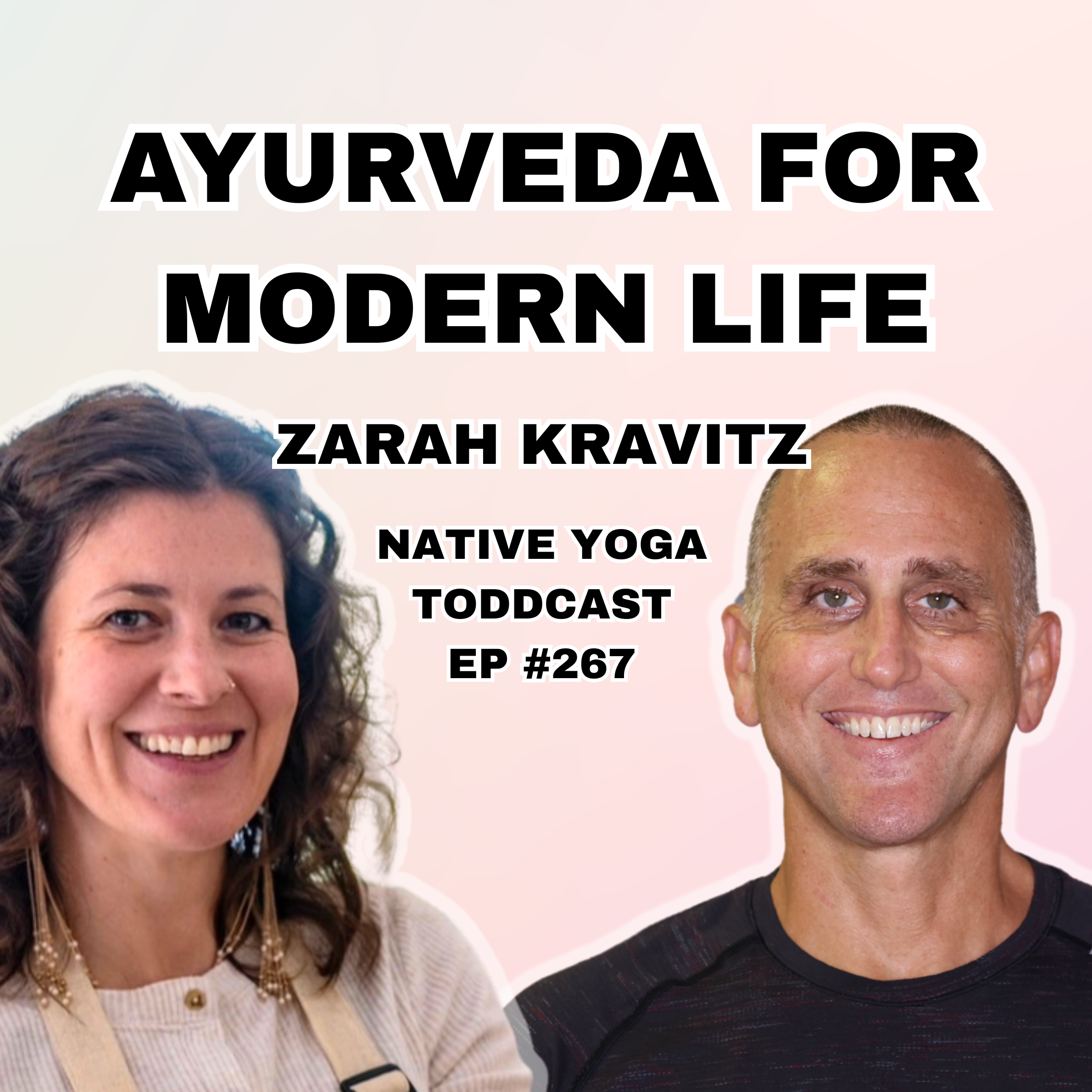
Zarah Kravitz | Ayurveda for Modern Life: Postpartum Healing, Seasonal Eating & Yoga

Listen to Toddcast with Zarah for FREE here

Zarah Kravitz is an esteemed Ayurvedic practitioner and yoga teacher currently residing in Southern California. Originally from New Jersey, Zarah moved to New Mexico at a young age and grew up in Santa Fe and Albuquerque before settling in San Diego. 

She possesses a deep-rooted passion for Ayurveda and yoga, having studied extensively with renowned experts, including Dr. Vasant Lad at The Ayurvedic Institute. Zarah is also an emerging entrepreneur, co-founding Mama Rest—a postpartum nourishment service providing Ayurvedic meals for new mothers. 

Additionally, Zarah continues to share her passion for yoga and holistic living by teaching yoga classes and offering a specialized cooking course tailored around bioregional and seasonal eating.

Visit Zarah: https://www.yogaonstate.com/ayurveda-on-state & on IG https://www.instagram.com/zarahkravitz/

Key Takeaways:

  • Integrative Health: Zarah highlights the importance of Ayurveda in creating a holistic health approach, emphasizing the need for understanding one’s own body and constitution to promote optimal health.
  • Postpartum Nutrition: Through her venture Mama Rest, Zarah underlines the significance of tailored nutritional support for postpartum mothers using Ayurvedic principles.
  • Ayurveda & Modern Living: She discusses how Ayurveda can be adapted to fit modern lifestyles by promoting seasonal and local food consumption to enhance digestion and overall vitality.
  • Yoga & Spiritual Practice: Zarah shares her journey into yoga, focusing on its transformative power when combined with Ayurveda, and the benefits of community singing practices like Kirtan.

The Fusion of Ayurveda and Yoga: A Pathway to Holistic Health

In a world buzzing with diet trends and wellness fads, the age-old traditions of Ayurveda and yoga provide a grounded, holistic approach to health. Zarah Kravitz’s journey, as outlined in her conversation with Todd, highlights the interconnection of these practices, which she discovered through her “deep inner quest” for a nutritious and balanced life.

As Kravitz discusses, her pursuit began with a questioning of dietary norms catalyzed by her family’s lifestyle. Over time, she transitioned from a devout vegan to embracing Ayurvedic wisdom. This shift allowed her to integrate a more inclusive approach, stating, “Ayurveda’s approach to health goes beyond diet; it encompasses the whole person, recognizing that we are not just what we eat, but what we can digest.”

Ayurveda, with its roots in ancient Indian wisdom, promotes understanding the individual’s constitution (or ‘dosha’) and adapting lifestyles accordingly. Kravitz emphasizes the value of recognizing unique needs, illustrating that not everyone benefits from the same diets. This philosophy transcends mere nutritional guidelines, making Ayurveda a versatile tool for addressing broader wellness goals.

In Kravitz’s experience, both yoga and Ayurveda offer a “wholeness and fullness” in facilitating personal transformation, making them integral to one’s wellness journey. Her practice with Dharma Mitra instilled values of purity and mindfulness in consumption, transcending beyond the physical to encompass a spiritual significance, hence embodying a truly holistic lifestyle.

Seasonal Living: Aligning Health with Nature’s Rhythms

Eating locally and seasonally is not just a dietary choice but a philosophy that aligns us with natural cycles, promoting both personal well-being and ecological balance. Zarah Kravitz’s appreciation for seasonal living stems from her belief in its natural harmonizing capabilities. By attending farmers markets regularly, she finds inspiration in what is both available and vibrant, aligning her meals with the seasons.

Kravitz underscores this approach, explaining that “connecting with local, seasonal produce not only inspires creativity in the kitchen but fosters a deeper relationship with nature and our bodies.” This philosophy is backed by Ayurveda’s teachings, which prioritize foods that naturally grow in one’s environment as they are believed to resonate more effectively with individual bodies.

The broader implications of such practices suggest a potential shift in consumer habits towards sustainable and ecological consciousness. By emphasizing local produce, there’s a reduced reliance on long-distance food transportation, resulting in a smaller carbon footprint. Furthermore, this method could inspire a larger movement towards community-supported agriculture (CSA), which Kravitz advocates as a thoughtful alternative for acquiring fresh, seasonal foods.

Postpartum Ayurvedic Care: A Lifeline for New Mothers

Incorporating Ayurveda into postpartum care is another significant area of application that Kravitz is passionate about. Her enterprise, Mama Rest, born out of personal planning and experience, provides tailored Ayurvedic nutrition to new mothers, addressing their unique needs in the delicate postpartum period. This attention to postpartum care underscores a critical, yet often overlooked phase of maternal health.

Ayurvedic postpartum practices, as Kravitz describes, are not just about nourishment but encompass a range of rituals aimed at restoring balance: “Everything is soothing and grounding, designed to ease the transition… offering daily teas, digestible sweet foods, and specific meals that cater to the mother’s needs and birth experience.”

This comprehensive approach suggests a paradigm shift in maternal care by emphasizing holistic support over traditional postnatal practices. The anticipation is that such personalized care could significantly alleviate common postpartum challenges and support the well-being of both mother and child, thus fostering a healthier transition into motherhood.

Revisiting Ancient Wisdom for Modern Wellness

The stories and insights shared by Zarah Kravitz reflect a profound integration of ancient practices into contemporary life, offering a transformative approach to health. Her journey from questioning dietary norms to embracing the fullness of Ayurveda and yoga illustrates the potential of these practices in offering individualized pathways to wellness.

Her exploration of seasonal eating reinforces a need to reconnect with nature, highlighting both health benefits and ecological responsibilities. Meanwhile, her emphasis on postpartum care introduces a critical dialogue on maternal health, honoring the nuances of motherhood with age-old wisdom.

In essence, Kravitz’s life and work exemplify the endless possibilities these intertwined traditions of yoga and Ayurveda offer for holistic healing and transformation, a message that resonates deeply in today’s wellness-oriented society.

🎧 Practice with Native Yoga:
8IN8 Ashtanga Yoga Course (FREE coupon):
https://info.nativeyogacenter.com/8in8-ashtanga-yoga-for-beginners-8-limbs-in-8-days/

Daily Online Classes (Code: FIRSTMONTHFREE):
https://nativeyogacenter.teachable.com/p/today-s-community-class

About the Podcast:
The Native Yoga Toddcast explores yoga, meditation, mindfulness, and personal growth through conversations with teachers, creators, and thought leaders.

https://info.nativeyogacenter.com/8in8-ashtanga-yoga-for-beginners-8-limbs-in-8-days/

Support the show

Native Yoga website: here
YouTube: here
Instagram: @nativeyoga 
Twitter: @nativeyoga 
Facebook: @nativeyogacenter 
LinkedIn: Todd McLaughlin 
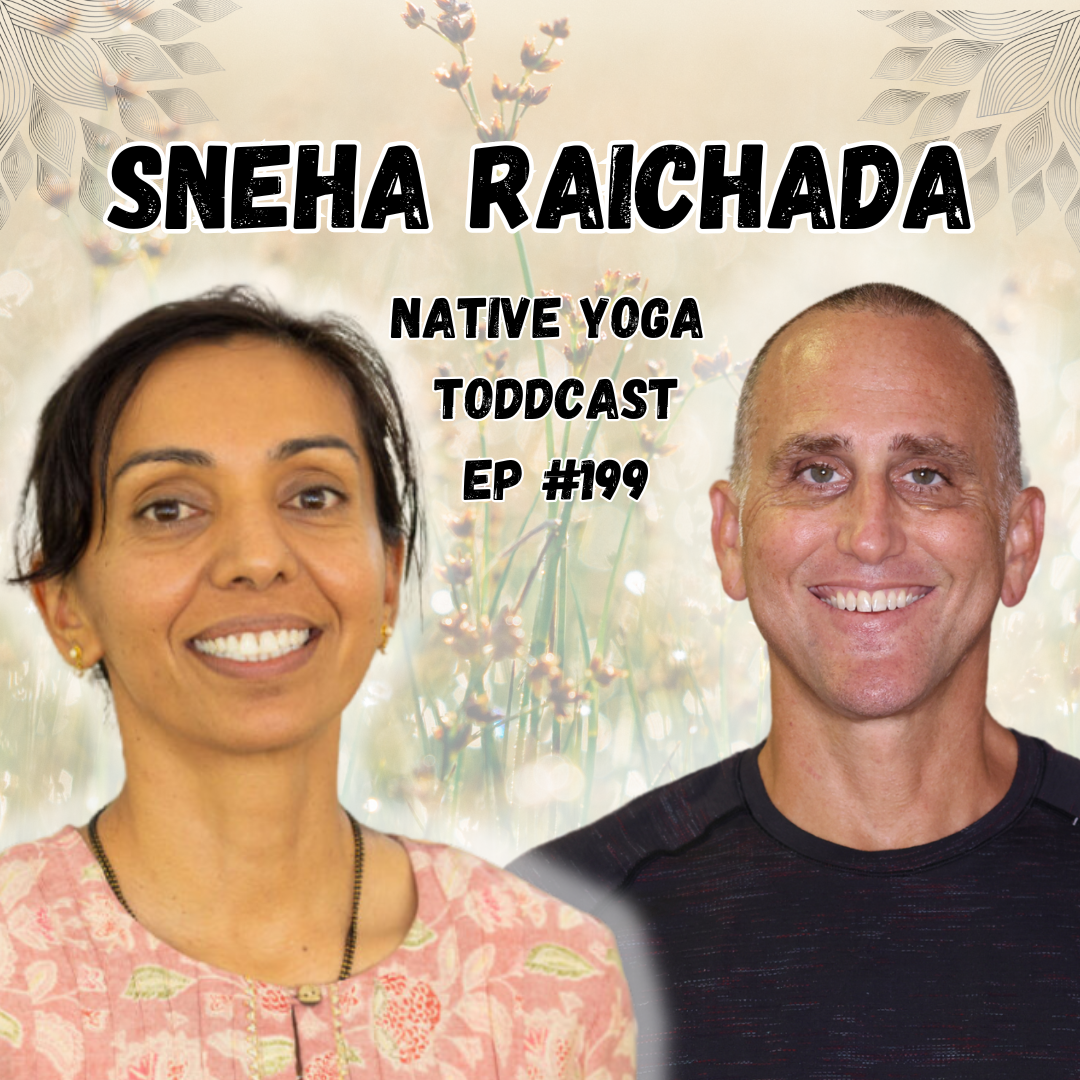
Sneha Raichada ~ Healing Journeys with Ayurveda and Community Connection

Listen to Toddcast with Sneha for FREE here

Sneha Raichada is a dedicated ayurvedic practitioner and educator, serving as the Dean of Education at The Ayurvedic Institute in Asheville, NC. She began her journey in Ayurveda as a student under the guidance of Dr. Vasant Lad in 2005 and eventually transitioned to teaching and administrative roles within the institution. Sneha’s background as a physical therapist complements her holistic approach to healing, and she is deeply involved in promoting Ayurveda as a means of world healing. 

Visit Sneha here: https://ayurveda.com/
Also here: https://liveayurprana.com/

Key Takeaways:

  • Ayurveda as a Way of Life: Emphasizes the integration of Ayurvedic principles into daily routines and its application for holistic healing.
  • Community Healing: Highlights the power of community and collective support in healing, as demonstrated by the response in Asheville after a devastating storm.
  • Integration of Modalities: The importance of incorporating various healing modalities, including Ayurvedic practices, yoga, and Vipassana meditation, into a comprehensive wellness routine.

Healing Journeys and Spiritual Connectivity: Insights from Sneha Raichada

Exploring the Interconnectedness of Ayurveda, Community, and Personal Growth

Key Takeaways

  • The concept of healing is deeply rooted in community support and shared experiences.
  • Ayurveda and silent retreats can create powerful shifts in personal health and well-being.
  • Incorporating spiritual practices like Vipassana meditation can profoundly impact emotional resilience.

The Power of Community in Healing

Sneha Raichada’s reflections illuminate the essential role of community in personal and collective healing. In her conversation, Raichada recounts how the community of Asheville came together in the aftermath of a severe storm, showcasing a profound sense of unity and selflessness. “I’ve never witnessed so much heart in a community through devastation,” she shares, emphasizing the opposite of scarcity mentality often portrayed in media (0:05:28).

This anecdote serves as a powerful reminder of the innate human capacity for generosity, even amidst adversity. Raichada points out, “Every neighbor, every street, whoever could offer anything was offering it to each other,” highlighting a vision of healing that transcends individual experiences to include a collective, shared journey (0:05:53). Such stories underscore a broader implication: true healing environments thrive on connectivity and community support. The Ayuprana Village, as conceptualized by Raichada, embodies this ethos, inviting individuals to engage in a healing journey that feels supported, communal, and interconnected.

Integrating Ayurveda into Modern Life

In the transcript, Ayurveda emerges as more than a practice—it’s a lifestyle grounded in holistic living and self-awareness. Sneha Raichada’s journey into Ayurveda began after witnessing the transformative healing of her husband through Ayurvedic practices. This first-hand experience propelled her to explore “how the heck did this happen?” and dive deep into Ayurvedic studies (0:15:20).

Ayurveda’s allure lies in its comprehensive approach to health, defined not by the absence of disease but by a harmonious balance within oneself and one’s environment. “Ayurveda defines health by asking, do you have a balanced digestive system? Balanced tissues? A balanced state of mind?” Raichada explains (0:41:56). This holistic framework encourages individuals to look beyond conventional definitions of health, prompting deeper self-reflection and intentional living.

For those wishing to incorporate Ayurveda into their lives, Raichada suggests beginning with small, manageable changes that resonate personally—whether it’s dietary shifts, mindfulness practices, or pursuing Ayurvedic education through hybrid programs tailored to modern lifestyles (0:50:58). This adaptability of Ayurveda to the fast-paced demands of contemporary life broadens its appeal, offering a pathway to sustainable personal wellness.

Silent Retreats and the Influence of Spiritual Practice

Among the many insights Raichada offers, the practice of silent retreats emerges as particularly impactful for personal growth. She suggests taking intentional pauses to “turn everything off,” allowing for profound self-reflection and spiritual recalibration (0:28:23). Rooted in Vipassana meditation, which she describes as “life transformational,” these retreats facilitate a deep inward journey that transcends daily distractions (0:31:20).

The implications of prioritizing silence and introspection are vast. Raichada’s approach to periodic silent retreats, inspired by her long-time practice and inclination towards Vipassana, advocates for a spiritual alignment with one’s inner self. This practice is marked not only by its capacity to calm the external chaos but also by its ability to confront and dissolve inner turbulence. “Allowing that light to speak to you,” she notes, is an essential piece of this journey (0:30:40).

The reflections on integrating practices like silent retreats into everyday life underscore the broad potential for spiritual practices to serve as anchors, fostering emotional resilience and equilibrium. Raichada offers this practice as a universal recommendation—to pause and create space within oneself for growth, healing, and enhanced awareness.

The conversation with Sneha Raichada highlights the interplay between traditional Ayurveda practices, community involvement, and modern spiritual engagements. From the profound connection shared within communities during healing processes to the individual transformations observed through Ayurvedic practices and silent retreats, Raichada conveys an inspiring narrative of holistic well-being. Her insights into the potential for human connectivity to facilitate healing, the adaptability of Ayurveda to current lifestyles, and the transformative power of spiritual practices invite us all to reflect on our paths and embrace our journeys with intention and compassion.


Thanks for listening to this episode. Check out: 👇
8IN8 Ashtanga Yoga for Beginners Course Online– Learn 8 Limb Yoga in 8 Days – Get FREE coupon code for a limited time only (Regular price $88) https://info.nativeyogacenter.com/8in8-ashtanga-yoga-for-beginners-8-limbs-in-8-days/

New Student FREE Livestream Special ~ 2 Weeks of Free Unlimited Livestream Yoga Classes at Native Yoga Center https://info.nativeyogacenter.com/livestream/

Practice with Native Yoga Online – New classes EVERY day – Use Code FIRSTMONTHFREE https://nativeyogacenter.teachable.com/p/today-s-community-class

Subscribe to Native Yoga Center and view this podcast on Youtube.

Thank you Bryce Allyn for the show tunes. Check out Bryce’s website: bryceallynband.comand sign up on his newsletter to stay in touch. Listen here to his original music from his bands Boxelder, B-Liminal and Bryce Allyn Band on Spotify.

Please email special requests and feedback to info@nativeyogacenter.com

https://info.nativeyogacenter.com/8in8-ashtanga-yoga-for-beginners-8-limbs-in-8-days/

Enjoy new Native Yoga Center classes uploaded everyday on our online learning hub. Use code FIRSTMONTHFREE at checkout. https://nativeyogacenter.teachable.com/p/today-s-community-class

Support the show

Native Yoga website: here
YouTube: here
Instagram: @nativeyoga 
Twitter: @nativeyoga 
Facebook: @nativeyogacenter 
LinkedIn: Todd McLaughlin
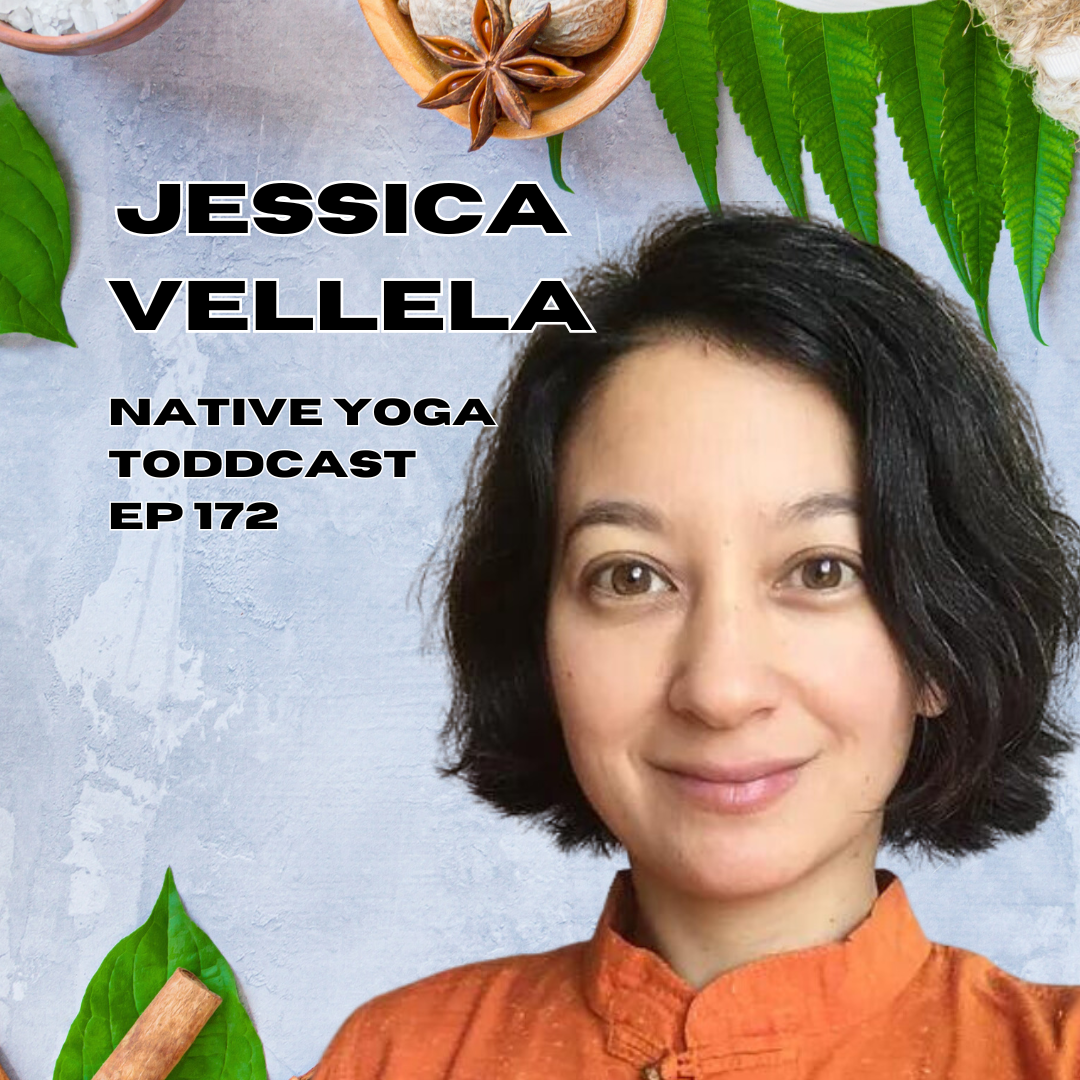
Jessica Vellela ~ How Ayurveda Can Transform Your Health

Listen to podcast with Jessica Vellela for FREE Here

Renowned Ayurveda expert Jessica Vellela joins Todd to explore the transformative power of Ayurveda in modern lifestyles. Jessica shares deep insights into preventive medicine, personalized treatments, and the profound impact of Panchakarma. She recounts her rigorous training and practice in India and the challenges of bringing Ayurveda to the U.S.. This episode delves into the rich heritage of Ayurveda and its practical applications for maintaining optimal health and vitality. Don’t miss Jessica’s inspiring journey and valuable expertise in holistic wellness.

Visit Jessica on her website: https://www.findradiance.com/

Key Takeaways:

  • Preventive Focus: Ayurveda prioritizes maintaining health to prevent disease, using personalized dietary and lifestyle guidelines.
  • Panchakarma: Detailed breakdown of the Panchakarma treatments and their profound impacts on health and wellness.
  • Cultural Integration: Insights into the adaptation of Ayurveda outside of India and the challenges faced in different geographical and cultural contexts.
  • Self-Care Practices: Emphasis on the importance of self-discipline and consistent practice in achieving health benefits through Ayurveda.

The Power of Ayurveda: Insights from Jessica Vellela

Key Takeaways:

  • Importance of Ayurveda in preventive and personalized medicine.
  • Panchakarma’s profound impact on health through holistic treatments.
  • Challenges and adaptation required to practice Ayurveda outside India.

The Role of Ayurveda in Preventive and Personalized Medicine

Ayurveda, often misunderstood in the West as an alternative or complementary form of medicine, is in fact a well-established healthcare system in India. Jessica Vellela, a professional in the field of Ayurveda, elucidates its benefits, emphasizing its preventative and personalized nature.

“Ayurveda was really developed to mostly try to help prevent people from getting sick in the first place… It did also develop to be able to handle diseases,” shares Jessica.

The essence of Ayurveda is its personalized approach. Unlike Western medicine, which often prescribes a standard treatment for everyone, Ayurveda takes into account the individual’s lifestyle, dietary habits, environmental conditions, and even their age and season.

Most people tend to seek Ayurvedic help when they are facing chronic or acute health issues. However, there is a growing awareness and shift towards using Ayurveda as a preventative measure to maintain good health. Jessica notes, “I think even with folks that have had to go through the struggle of some sort of disease… they appreciate it even more.”

This appreciation is leading more people to understand the value of adopting a lifestyle aligned with Ayurvedic principles even before they fall ill, ensuring they can maintain their health and well-being over the long term.

The Efficacy and Structure of Panchakarma Treatments

Panchakarma is the cornerstone of Ayurvedic cleansing and rejuvenation therapies. Jessica affectionately calls Panchakarma her “favorite, favorite, favorite, most part of Ayurveda because it is hands down the most powerful.”

Panchakarma consists of five therapeutic treatments aimed at cleansing the body of toxins and balancing the doshas—vata, pitta, and kapha. These five treatments are:

  1. Therapeutic Emesis (Vamina)
  2. Therapeutic Purgation (Virechana)
  3. Therapeutic Enemas (Basti)
  4. Nasal Administration of Medication (Nasya)
  5. Bloodletting (Raktamokshana)

These treatments are not just about detoxification; they are intensive procedures requiring proper guidance and supervision. Jessica emphasizes the need for proper supervision, especially for Vamina and Virechana, as they can have serious side effects if not done correctly.

“For those who do want to venture into, hey, you know what? I think I’m not ready to take the trip to India for a month or two months. I would rather stay at home, but I do want to get the benefit out of this,” Jessica advises on the importance of self-discipline and guidance when attempting Panchakarma at home.

It’s not just the actual treatments; the preparatory and post-treatment phases are crucial for the success of Panchakarma. They involve dietary restrictions, lifestyle adjustments, and other supportive therapies that ensure the body is well-prepared to handle the detoxification process and recover effectively.

Challenges and Adaptations in Practicing Ayurveda Outside India

Bringing Ayurveda to the Western world has not been without its challenges. Jessica, who has established a practice and worked independently in India, shares her experiences and the difficulties in replicating such a practice in the United States.

Key obstacles include the availability of authentic Ayurvedic medicines, the lack of trained practitioners, and the different lifestyle and dietary habits of the Western population. Jessica faced these challenges firsthand when she tried to set up a Panchakarma center in North Carolina, only to find that it wasn’t financially and logistically viable.

“You pour your heart into that thing and just tear it all down. It’s not very nice,” she reflects on her initial struggles.

However, Jessica has adapted by leveraging her background in IT to establish an online presence, enabling her to reach a global audience. Through her website, Find Radiance, she offers guidance and virtual consultations, helping people incorporate Ayurvedic principles into their daily lives no matter where they are located.

“Here, we have a system online. We have a way to do this,” Jessica explains. “You know, I’ve been working with people online, really, since 2011 almost.”

Despite these challenges, the integration of Ayurveda outside India holds promise. Countries like Germany are making significant strides, integrating Ayurveda into their healthcare systems and conducting advanced research that demonstrates the efficacy of Ayurvedic treatments.

The journey of embracing Ayurveda, particularly Panchakarma, can be transformative, offering profound health benefits. Ayurveda’s principle of personalized medicine, its preventative approach, and the holistic nature of Panchakarma make it a powerful tool for achieving and maintaining health.

Jessica Vallela’s extensive expertise and practical insights into Ayurveda underscore the need for a well-structured approach, whether practicing locally in India or adapting these ancient principles to the modern world. The increasing interest and shifts towards preventative health measures signify that Ayurveda’s wisdom is gaining rightful recognition and application globally.

Thanks for listening to this episode. Check out: 👇
Free Grow Your Yoga Live Webinar – Every Thursday at 12pm EST
➡️ Click here to receive link

New Student FREE Livestream Yoga Special ~ Try 2 Weeks of Free Unlimited Livestream Yoga Classes  at Native Yoga Center. info.nativeyogacenter.com/livestream Sign into the classes you would like to take and you will receive an email 30 minutes prior to join on Zoom. The class is recorded and uploaded to nativeyogaonline.com  ➡️  Click Here to Join. 

Subscribe to Native Yoga Center and view this podcast on Youtube.

Thank you Bryce Allyn for the show tunes. Check out Bryce’s website: bryceallynband.comand sign up on his newsletter to stay in touch. Listen here to his original music from his bands Boxelder, B-Liminal and Bryce Allyn Band on Spotify.

Please email special requests and feedback to info@nativeyogacenter.com

Enjoy new Native Yoga Center classes uploaded everyday on our online learning hub. Use code FIRSTMONTHFREE at checkout. https://nativeyogacenter.teachable.com/p/today-s-community-class

Support the Show.

Native Yoga website: here
YouTube: here
Instagram: @nativeyoga 
Twitter: @nativeyoga 
Facebook: @nativeyogacenter 
LinkedIn: Todd McLaughlin