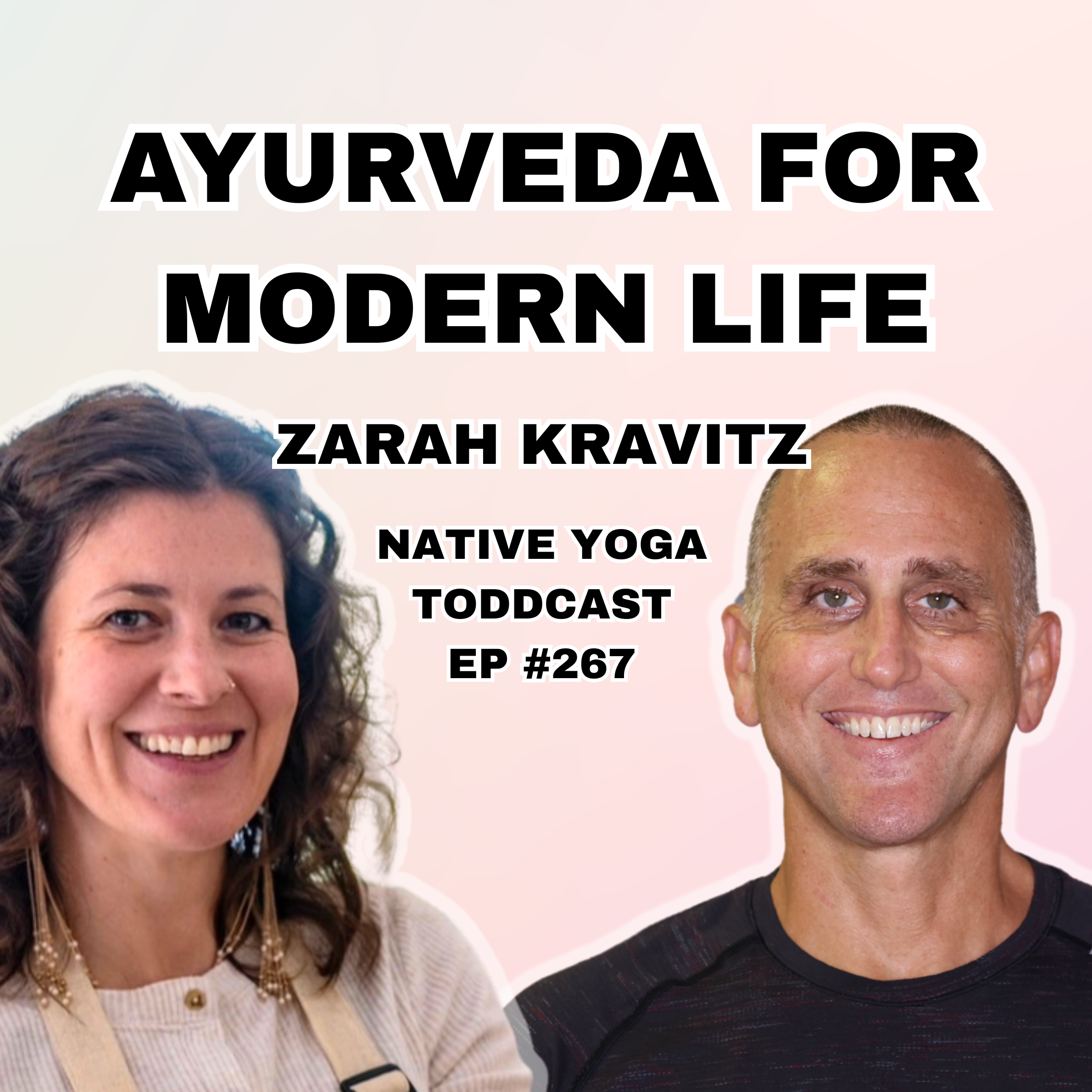
Zarah Kravitz | Ayurveda for Modern Life: Postpartum Healing, Seasonal Eating & Yoga

Listen to Toddcast with Zarah for FREE here

Zarah Kravitz is an esteemed Ayurvedic practitioner and yoga teacher currently residing in Southern California. Originally from New Jersey, Zarah moved to New Mexico at a young age and grew up in Santa Fe and Albuquerque before settling in San Diego. 

She possesses a deep-rooted passion for Ayurveda and yoga, having studied extensively with renowned experts, including Dr. Vasant Lad at The Ayurvedic Institute. Zarah is also an emerging entrepreneur, co-founding Mama Rest—a postpartum nourishment service providing Ayurvedic meals for new mothers. 

Additionally, Zarah continues to share her passion for yoga and holistic living by teaching yoga classes and offering a specialized cooking course tailored around bioregional and seasonal eating.

Visit Zarah: https://www.yogaonstate.com/ayurveda-on-state & on IG https://www.instagram.com/zarahkravitz/

Key Takeaways:

  • Integrative Health: Zarah highlights the importance of Ayurveda in creating a holistic health approach, emphasizing the need for understanding one’s own body and constitution to promote optimal health.
  • Postpartum Nutrition: Through her venture Mama Rest, Zarah underlines the significance of tailored nutritional support for postpartum mothers using Ayurvedic principles.
  • Ayurveda & Modern Living: She discusses how Ayurveda can be adapted to fit modern lifestyles by promoting seasonal and local food consumption to enhance digestion and overall vitality.
  • Yoga & Spiritual Practice: Zarah shares her journey into yoga, focusing on its transformative power when combined with Ayurveda, and the benefits of community singing practices like Kirtan.

The Fusion of Ayurveda and Yoga: A Pathway to Holistic Health

In a world buzzing with diet trends and wellness fads, the age-old traditions of Ayurveda and yoga provide a grounded, holistic approach to health. Zarah Kravitz’s journey, as outlined in her conversation with Todd, highlights the interconnection of these practices, which she discovered through her “deep inner quest” for a nutritious and balanced life.

As Kravitz discusses, her pursuit began with a questioning of dietary norms catalyzed by her family’s lifestyle. Over time, she transitioned from a devout vegan to embracing Ayurvedic wisdom. This shift allowed her to integrate a more inclusive approach, stating, “Ayurveda’s approach to health goes beyond diet; it encompasses the whole person, recognizing that we are not just what we eat, but what we can digest.”

Ayurveda, with its roots in ancient Indian wisdom, promotes understanding the individual’s constitution (or ‘dosha’) and adapting lifestyles accordingly. Kravitz emphasizes the value of recognizing unique needs, illustrating that not everyone benefits from the same diets. This philosophy transcends mere nutritional guidelines, making Ayurveda a versatile tool for addressing broader wellness goals.

In Kravitz’s experience, both yoga and Ayurveda offer a “wholeness and fullness” in facilitating personal transformation, making them integral to one’s wellness journey. Her practice with Dharma Mitra instilled values of purity and mindfulness in consumption, transcending beyond the physical to encompass a spiritual significance, hence embodying a truly holistic lifestyle.

Seasonal Living: Aligning Health with Nature’s Rhythms

Eating locally and seasonally is not just a dietary choice but a philosophy that aligns us with natural cycles, promoting both personal well-being and ecological balance. Zarah Kravitz’s appreciation for seasonal living stems from her belief in its natural harmonizing capabilities. By attending farmers markets regularly, she finds inspiration in what is both available and vibrant, aligning her meals with the seasons.

Kravitz underscores this approach, explaining that “connecting with local, seasonal produce not only inspires creativity in the kitchen but fosters a deeper relationship with nature and our bodies.” This philosophy is backed by Ayurveda’s teachings, which prioritize foods that naturally grow in one’s environment as they are believed to resonate more effectively with individual bodies.

The broader implications of such practices suggest a potential shift in consumer habits towards sustainable and ecological consciousness. By emphasizing local produce, there’s a reduced reliance on long-distance food transportation, resulting in a smaller carbon footprint. Furthermore, this method could inspire a larger movement towards community-supported agriculture (CSA), which Kravitz advocates as a thoughtful alternative for acquiring fresh, seasonal foods.

Postpartum Ayurvedic Care: A Lifeline for New Mothers

Incorporating Ayurveda into postpartum care is another significant area of application that Kravitz is passionate about. Her enterprise, Mama Rest, born out of personal planning and experience, provides tailored Ayurvedic nutrition to new mothers, addressing their unique needs in the delicate postpartum period. This attention to postpartum care underscores a critical, yet often overlooked phase of maternal health.

Ayurvedic postpartum practices, as Kravitz describes, are not just about nourishment but encompass a range of rituals aimed at restoring balance: “Everything is soothing and grounding, designed to ease the transition… offering daily teas, digestible sweet foods, and specific meals that cater to the mother’s needs and birth experience.”

This comprehensive approach suggests a paradigm shift in maternal care by emphasizing holistic support over traditional postnatal practices. The anticipation is that such personalized care could significantly alleviate common postpartum challenges and support the well-being of both mother and child, thus fostering a healthier transition into motherhood.

Revisiting Ancient Wisdom for Modern Wellness

The stories and insights shared by Zarah Kravitz reflect a profound integration of ancient practices into contemporary life, offering a transformative approach to health. Her journey from questioning dietary norms to embracing the fullness of Ayurveda and yoga illustrates the potential of these practices in offering individualized pathways to wellness.

Her exploration of seasonal eating reinforces a need to reconnect with nature, highlighting both health benefits and ecological responsibilities. Meanwhile, her emphasis on postpartum care introduces a critical dialogue on maternal health, honoring the nuances of motherhood with age-old wisdom.

In essence, Kravitz’s life and work exemplify the endless possibilities these intertwined traditions of yoga and Ayurveda offer for holistic healing and transformation, a message that resonates deeply in today’s wellness-oriented society.

🎧 Practice with Native Yoga:
8IN8 Ashtanga Yoga Course (FREE coupon):
https://info.nativeyogacenter.com/8in8-ashtanga-yoga-for-beginners-8-limbs-in-8-days/

Daily Online Classes (Code: FIRSTMONTHFREE):
https://nativeyogacenter.teachable.com/p/today-s-community-class

About the Podcast:
The Native Yoga Toddcast explores yoga, meditation, mindfulness, and personal growth through conversations with teachers, creators, and thought leaders.

https://info.nativeyogacenter.com/8in8-ashtanga-yoga-for-beginners-8-limbs-in-8-days/

Support the show

Native Yoga website: here
YouTube: here
Instagram: @nativeyoga 
Twitter: @nativeyoga 
Facebook: @nativeyogacenter 
LinkedIn: Todd McLaughlin 
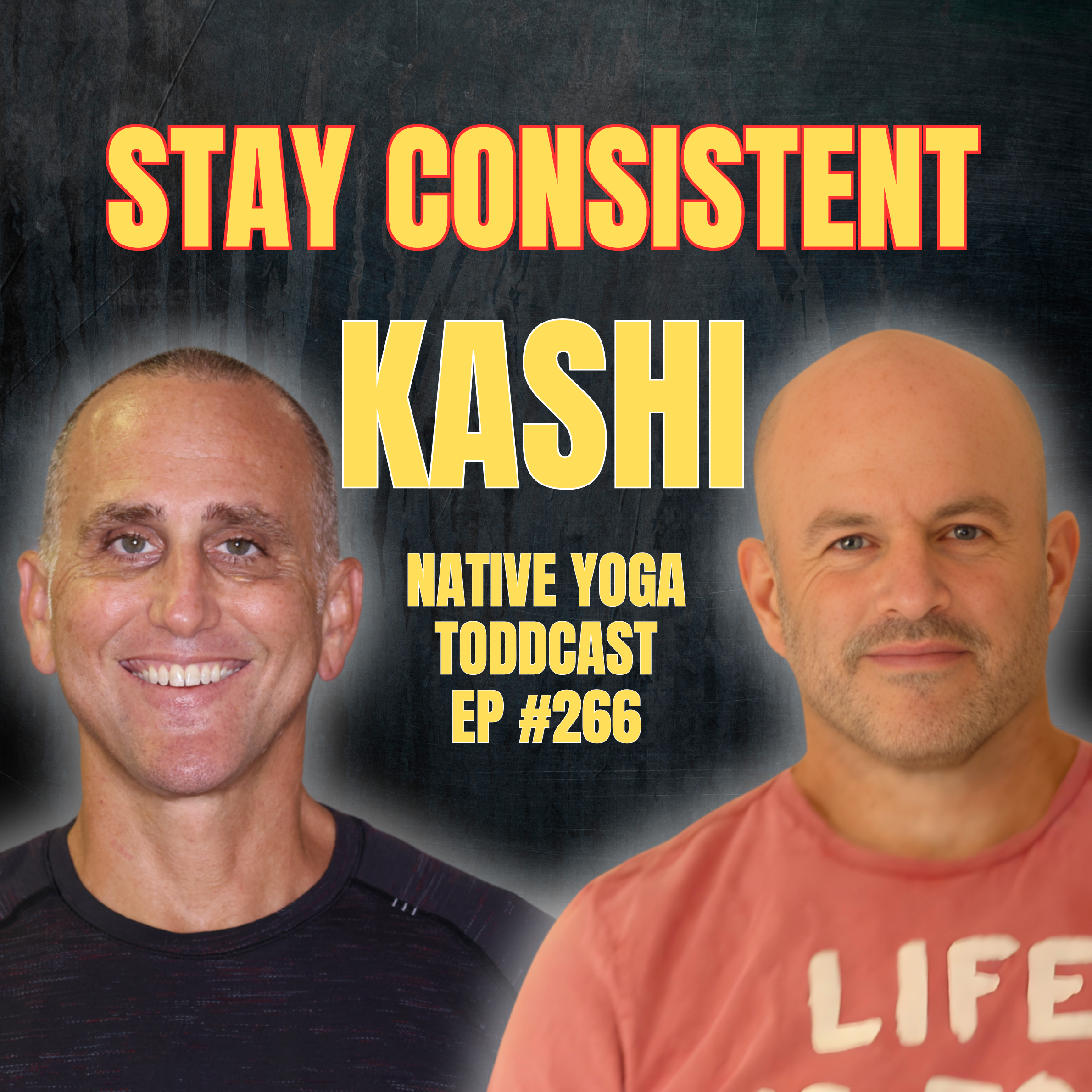
Kashi: Building a Consistent Yoga Practice That Lasts

Listen to Toddcast with Kashi for FREE here

In this episode, I sit down with Kashi, a longtime yoga practitioner and former monk, to explore the deeper layers of yoga philosophy and what it really means to live the practice. From his early days in Israel to years spent studying in India, Kashi shares a powerful journey shaped by discipline, self-inquiry, and a commitment to understanding the roots of yoga.

We dive into how yoga extends far beyond the physical, touching on themes of community, personal transformation, and the role of philosophy in navigating modern life. A central part of our conversation explores trauma-sensitive yoga and how supportive environments can help people reconnect, heal, and feel seen through shared experience.

Kashi also reflects on his transition from monastic life to becoming a householder, offering an honest perspective on change, identity, and staying true to your path even when it challenges expectations. We discuss the relevance of classic yoga texts like the Bhagavad Gita and how their teachings can still guide us through uncertainty, growth, and everyday life.

This episode is for anyone seeking a deeper connection to their practice, a better understanding of yoga philosophy, or a grounded perspective on how to stay consistent and authentic on the path.

What You’ll Learn:
• Why community plays a key role in healing and growth
• How yoga supports trauma awareness and emotional resilience
• The importance of discipline and long-term practice
• How yoga philosophy applies to modern life
• What it means to evolve while staying true to yourself

Listen if you’re interested in: yoga philosophy, trauma-sensitive yoga, meditation, personal growth, and building a sustainable yoga practice.

Listen to Kashi’s lecture on BG here

Check out Kashi’s retreat here

Listen & subscribe for more conversations on yoga, healing, and personal growth.

Embracing Community for Healing and Growth

In the dialogue with Todd, Kashi reveals the profound effect community has, especially in contexts of healing from trauma. Working with the organization Brothers and Sisters in Yoga, he discovered that community involvement provides veterans with PTSD a vital sense of belonging and understanding. Kashi emphasizes, “The community is the most powerful thing. We really consciously center this non-profit organization around the idea of community.”

This theme resonates with the broader natural human need for connection and support. Community offers a safe space for individuals to voice their experiences and be truly heard, creating a network of empathy and understanding. The collective spirit found within yoga communities allows participating individuals not only to heal but to aid others in their healing journey. The support network of a community can redefine individual struggles into collective resilience, emphasizing the importance of community in personal and shared healing.

Spiritual Journeys and Transformations

Kashi shares an introspective narrative of his life from a secular upbringing to embracing monastic life, and finally, to a life beyond the Swami title. Initially, driven by philosophical curiosity and personal conflict, he delved deep into monastic life, finding guidance under revered teachers like Swami Caitanyananda. “I wanted to be one of us,” he reflects on choosing monastic life, signaling the sincerity and devotion that accompanied his path.

However, after decades spent as a novice monk and then a Swami, he discerned a growing disconnect between his spiritual commitments and personal authenticity. Courageously, he chose to “live without identity, without being somebody,” shedding the titles despite their associated status and respect. He candidly shares, “I needed a lot of courage to do it. It was not easy at all… I will just wish them love. That’s it.” Kashi exemplifies how spiritual growth often demands bold self-reflection and an embrace of inner truths, even when it means challenging societal norms or personal expectations.

The Everlasting Relevance of the Bhagavad Gita

Kashi’s exploration of the Bhagavad Gita reveals the timelessness of its teachings. Emphasizing the depth contained within, he articulates how understanding the context in which sacred texts were written enhances their contemporary applicability. Kashi notes, “Scriptures remain the same, but you are different every time you read it.”

This idea echoes the sentiment that sacred texts like the Bhagavad Gita hold layers of wisdom applicable to any era. Whether one perceives Krishna as a divine figure, a historical persona, or an embodiment of self-identity, the teachings inspire introspection and ethical living. They provide guiding principles that resonate as true pathways for navigating life’s enduring challenges. Kashi demonstrates that revisiting these texts can offer fresh insights, corroborating the notion of them as wells of ever-renewable wisdom.

Kashi’s journey illustrates profound lessons in spiritual evolution, the importance of community, and the application of ancient wisdom in contemporary life. Through his experiences, he brings forth a modern yet timeless understanding of yoga—not merely as physical practice but a holistic approach to living authentically, healing collectively, and continuously seeking inner truth amid life’s uncertainties.

🎧 Practice with Native Yoga:
8IN8 Ashtanga Yoga Course (FREE coupon):
https://info.nativeyogacenter.com/8in8-ashtanga-yoga-for-beginners-8-limbs-in-8-days/

Daily Online Classes (Code: FIRSTMONTHFREE):
https://nativeyogacenter.teachable.com/p/today-s-community-class

About the Podcast:
The Native Yoga Toddcast explores yoga, meditation, mindfulness, and personal growth through conversations with teachers, creators, and thought leaders.

https://info.nativeyogacenter.com/8in8-ashtanga-yoga-for-beginners-8-limbs-in-8-days/

Support the show

Native Yoga website: here
YouTube: here
Instagram: @nativeyoga 
Twitter: @nativeyoga 
Facebook: @nativeyogacenter 
LinkedIn: Todd McLaughlin 
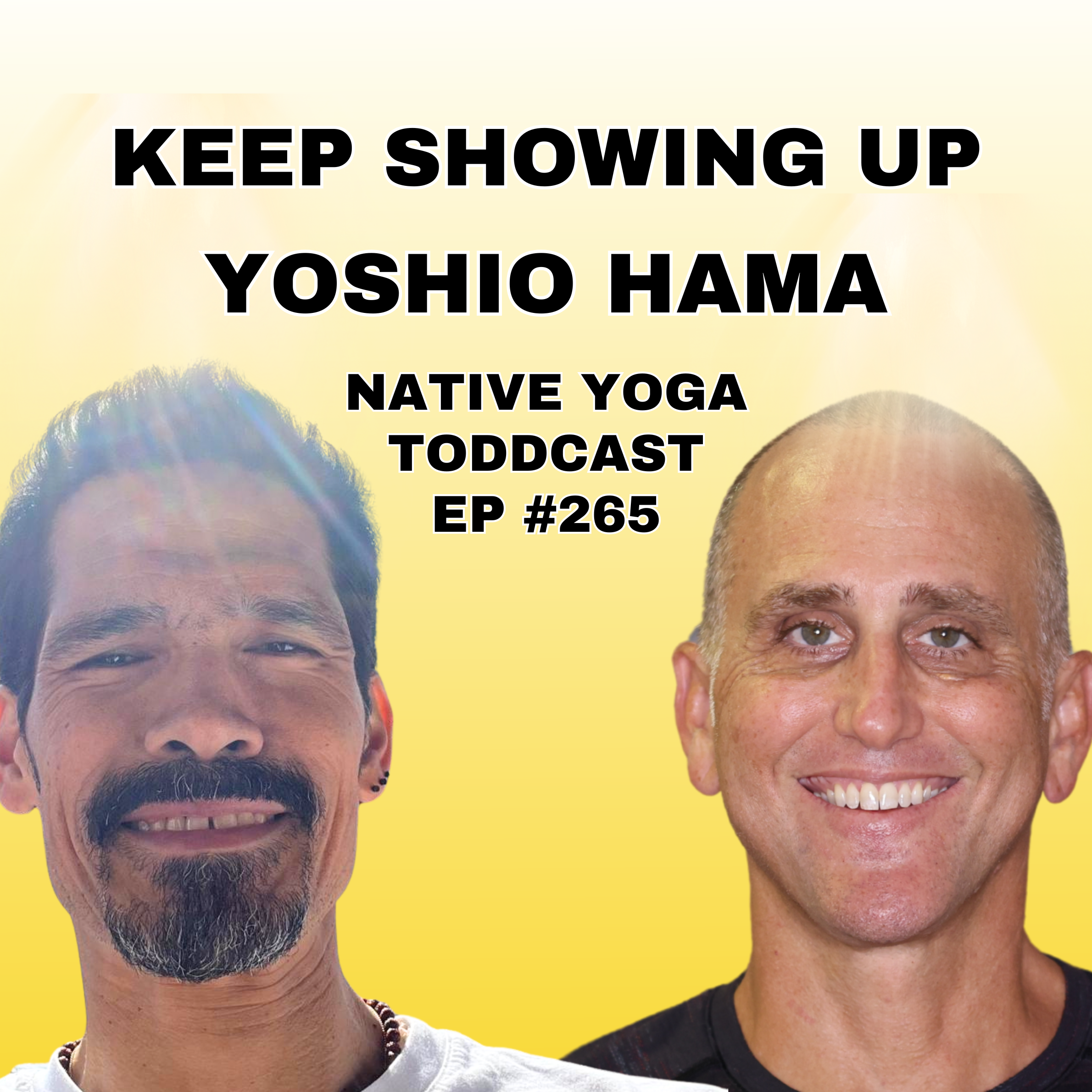
Yoshio Hama: Why Discipline Matters More Than Motivation

Listen to Toddcast with Yoshio for FREE here

In this episode, Yoshio Hama shares why discipline—not motivation—is the key to a lasting yoga practice.

If you’ve ever struggled to stay consistent, felt too busy to practice, or found your motivation fading, this conversation offers a grounded and honest perspective on what it really takes to keep showing up.

Todd McLaughlin and Yoshio dive into the deeper meaning of tapas (inner fire), how practice evolves over time, and the reality of maintaining commitment through life’s challenges. This isn’t about perfection—it’s about building a sustainable, lifelong relationship with yoga.

You’ll learn:
• Why discipline matters more than motivation
• How to stay consistent when life gets busy
• The role of tapas in personal growth
• How your yoga practice evolves over time
• Practical insights for maintaining a daily practice

Whether you’re new to yoga or have been practicing for years, this episode will help you reconnect with your purpose and keep moving forward—one practice at a time.

Visit Yoshio: https://www.instagram.com/activemeditation/

Listen & subscribe for more conversations on yoga, healing, and personal growth.

The Transformative Power of Rhythmic Exploration in Yoga

Yoshio Hama passionately shares his journey of blending yoga practice with music, highlighting the concept that music and rhythm hold the potential to elevate the mind to a higher state of consciousness. Drawing from personal experiences, he discusses how drumming, particularly its cultural significance in traditions such as Capoeira and the Naya Bingi in Rastafarian practice, shapes his yoga journey.

In the transcript, Hama reflects, “When you connect with your heart, then you tune into a frequency.” This symbolic connection between rhythm and the heart’s beat illustrates how music can become a meditative practice that aligns with yoga’s foundational principles. The endorsement of music as a universal language that transcends cultural barriers underscores its value as a tool for liberation. “Music is always the universal language that tunes us into a higher frequency,” emphasizes Hama, revealing a profound resonance that can bring diverse communities together through shared vibrations.

Passion and Curiosity: Essential Fuels for Growth

Reflections on the importance of passion and relentless curiosity permeate the conversation, emphasizing their role as catalysts for personal evolution in both yoga and life. Yoshio Hama recounts, “A master probably like my father…he was a master, a real,” acknowledging that true mastery involves the perpetual pursuit of knowledge and growth. The transcript illuminates the idea that passion is not taught but rather cultivated through lived experiences and internal drive.

Hama articulates the challenges faced when trying to balance life’s many demands with continued personal development, “As a father, we encounter a lot of challenges.” This challenge often necessitates wake-ups at “Brahma time in between 4 and 6” to maintain the “tapas,” the inner fire needed to sustain a fruitful practice. His story inspires the notion that passion and curiosity can serve as dynamic engines propelling individuals through life’s obstacles toward greater achievement and fulfillment.

A Holistic Lifestyle: Conduits for Mind-Body-Spirit Alignment

Explorations into diet and lifestyle further supplement the broader narrative of integration—how different practices contribute to a holistic sense of wellbeing. Yoshio highlights dietary practices that align with yogic philosophy, specifically engagement with fruitarianism as a means of attuning the body’s internal energies. “It was a realistic like wow. These guys are in a different level,” Hama comments, connecting dietary choices to spiritual evolution.

The conversation often returns to the impact of cultural context on lifestyle choices, providing a vivid illustration of how environments shape our living. From the vibrant streets of Venezuela to the serene spiritual practices in Jamaica and Japan, Yoshio’s experiences substantiate the supportive energy that communities can offer when individuals seek mindful living. His reference to moving “like a school of fish all together” points to the power of communal harmony, which in yoga is as crucial as individual practice.

Beyond cultural specifics, the conversation encourages a broad acceptance of varied paths to spiritual contentment, something that Dharmayogis like Yoshio have found invaluable. “Different Roads, same destination,” reflects the universal pursuit of heightened consciousness, hinting at the potential every individual possesses to forge a meaningful life through his or her unique set of insights, provided they maintain openness to life’s diversity.

The undertaken discourse effectively bridges the gaps between personal spiritual practice and the universal need for community. Yoshio Hama exemplifies how individual quests, anchored by passion, music, and holistic lifestyles, foster a harmonious existence. This journey, fraught with discovery and growth, is the bedrock of an enriched, balanced life. Through such discussions, practitioners and enthusiasts alike gain deeper insights into the symbiotic relationship between mindful living, rhythmic expression, and ongoing self-realization.

🎧 Practice with Native Yoga:
8IN8 Ashtanga Yoga Course (FREE coupon):
https://info.nativeyogacenter.com/8in8-ashtanga-yoga-for-beginners-8-limbs-in-8-days/

Daily Online Classes (Code: FIRSTMONTHFREE):
https://nativeyogacenter.teachable.com/p/today-s-community-class

About the Podcast:
The Native Yoga Toddcast explores yoga, meditation, mindfulness, and personal growth through conversations with teachers, creators, and thought leaders.

https://info.nativeyogacenter.com/8in8-ashtanga-yoga-for-beginners-8-limbs-in-8-days/

Support the show

Native Yoga website: here
YouTube: here
Instagram: @nativeyoga 
Twitter: @nativeyoga 
Facebook: @nativeyogacenter 
LinkedIn: Todd McLaughlin 
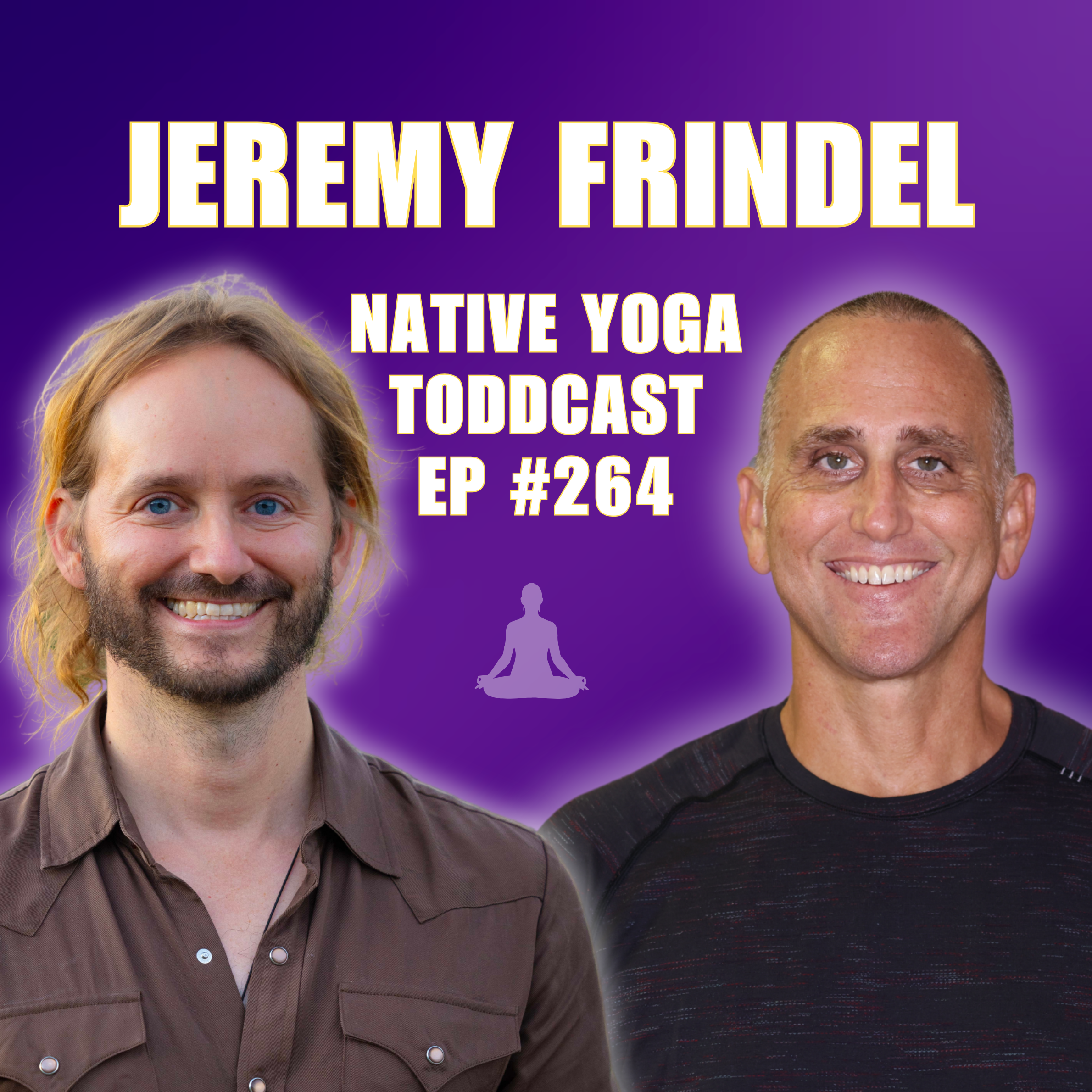
Jeremy Frindel on Vipassana, Filmmaking & The Doctor from India

Listen to Toddcast with Jeremy for FREE here

Jeremy Frindel on Vipassana, meditation, filmmaking & The Doctor from India

In this episode, we sit down with filmmaker Jeremy Frindel to explore how a 10-day Vipassana silent retreat, meditation, and yoga have shaped his creative path and storytelling.

Jeremy is best known for directing The Doctor from India and One Track Heart(featuring Krishna Das). His work blends documentary filmmaking with spirituality, Eastern philosophy, and human connection. He is also the creative director of AyurPrana Plus, a streaming platform dedicated to conscious and spiritual content.

We discuss meditation, mindfulness, creativity, and the impact of silence—and how a consistent spiritual practice can influence filmmaking, purpose, and personal growth.

Key Topics:

  • Vipassana meditation and silent retreats
  • Yoga, meditation, and mindfulness
  • Documentary filmmaking and storytelling
  • The Doctor from India and Krishna Das
  • AyurPrana Plus and spiritual streaming
  • Creativity, purpose, and personal growth

Visit Jeremy:
https://www.ayurpranaplus.com/

https://www.instagram.com/substratumfilms/

Crafting Stories of Connection and Spirit in Cinema

In today’s rapidly evolving media landscape, the art of storytelling remains pivotal in bridging the gap between diverse cultural experiences and personal spiritual journeys. Through an intimate conversation with Jeremy Frindel, a filmmaker and creative director of the storytelling platform AyurPrana Plus, we glean insights into how one can marry creativity with spirituality, offering profound connections and transformative narratives.

Embracing the Transformative Power of Storytelling

As the discussion unfolds, the notion of storytelling as a transformative tool emerges as a central theme. Jeremy Frindel recalls his initial reluctance to adopt shorter filmmaking formats, given his roots in feature-length documentaries. “I initially rejected and resented doing shorter form stuff,” he notes, admitting a bias towards cinema’s traditional scope. Yet, his venture into creating short films led Jeremy to appreciate the narrative’s power even in brief formats. “You can really create an experience…of a different person who is living beautifully or doing something interesting,” he shares, highlighting how accessibility and quick consumption foster connectivity in our digital age.

This adaptability is not merely a concession to modernity but an opportunity to share impactful stories with a wider audience. His platform, AyurPrana Plus, stands as a testament to this merging of tradition with new-age needs, birthing a “place to bring stories…that are not a clean fit in any kind of more mainstream scenario,” but are nonetheless crucial narratives of human experience.

Harmonizing Passion and Profession

Bringing art and spiritual depth into the same fold manifests profoundly in Jeremy’s career journey, where his personal experiences with yoga and meditation significantly impacted his professional path. His transformative encounter with Vipassana meditation, a disciplined 10-day silent retreat, signaled a pivotal shift. “Everything changed for me after that,” he reflects, as the practice redefined his priorities and propelled him towards a seamless integration of his spiritual and creative vocations.

This balance resonates in his approach to filmmaking, where he sees art not only as an expression but as an exploration of the ‘muddier realms’ of human nature. “To me, it’s about…composting the suffering in our lives and growing from that,” Jeremy articulates, leveraging film to dive deep into stories that might otherwise fade into silence, capturing the essence of personal transformation while reaching broader audiences.

Navigating Technology with Intent

A unique aspect of the conversation illuminates Jeremy’s perspective on technology’s role in bridging spirituality and media. As platforms like AyurPrana Plus surface, they embody the aspiration of becoming ‘angels in the machine’—a concept invoking the potential for technology to serve as a vessel for grace and enlightenment rather than distraction.

Jeremy envisions AyurPrana Plus as a sanctuary where artfully crafted content “releases beauty and a sense of guiding people towards spirit.” Yet, the challenge remains how to maintain the sanctity of spiritual sharing in an overwhelmingly digital environment that often prioritizes speed over substance. This approach urges creators to adapt and innovate, ensuring technology complements rather than competes with human connection.

The Canvas of Connection

Ultimately, the journey discussed in the transcript highlights a profound synergy between art, technology, and spirituality—a confluence that fosters community even in isolation. Through platforms like AyurPrana Plus, stories of resilience, spirituality, and creativity find their way into the broader zeitgeist, inspiring and uplifting audiences across the globe. Developing platforms as spaces for transformation rather than mere consumption reflects a potent blend of creative foresight and spiritual conviction.

Jeremy Frindel’s odyssey underscores the significance of crafting and consuming media that nourishes the soul, inviting audiences to see beyond the superficial allure of the screen and savor deeper, timeless truths found in the stories of human experience and spiritual energy distributed through a digital lens. As these narratives continue to evolve, they serve as a reminder of the potential in harmonizing our passions with professional pursuits, ensuring that technology, art, and spirituality collectively elevate the human spirit.

🎧 Practice with Native Yoga:
8IN8 Ashtanga Yoga Course (FREE coupon):
https://info.nativeyogacenter.com/8in8-ashtanga-yoga-for-beginners-8-limbs-in-8-days/

Daily Online Classes (Code: FIRSTMONTHFREE):
https://nativeyogacenter.teachable.com/p/today-s-community-class

About the Podcast:
The Native Yoga Toddcast explores yoga, meditation, mindfulness, and personal growth through conversations with teachers, creators, and thought leaders.

https://info.nativeyogacenter.com/8in8-ashtanga-yoga-for-beginners-8-limbs-in-8-days/

Support the show

Native Yoga website: here
YouTube: here
Instagram: @nativeyoga 
Twitter: @nativeyoga 
Facebook: @nativeyogacenter 
LinkedIn: Todd McLaughlin