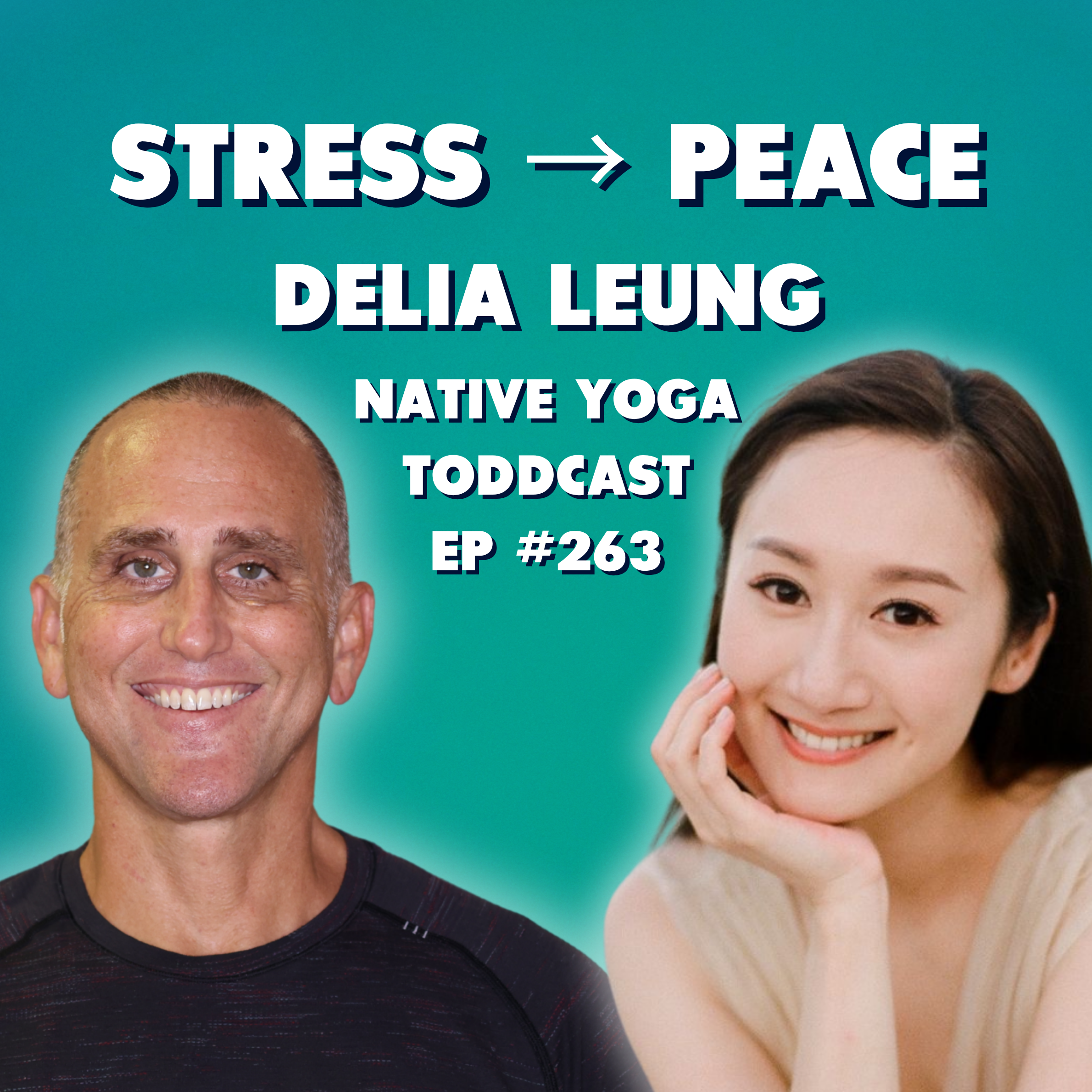
David Garrigues: Breaking Boundaries in Ashtanga Yoga and Modern Practice

Listen to Toddcast with David for FREE here

David Garrigues is a highly respected Ashtanga Yoga teacher known for his deep commitment to practice and exploration of the ancient traditions of yoga. With a career spanning several decades, David began his journey into yoga at the age of 16, evolving from self-practice of sun salutations to studying under renowned teachers. He has trained with prominent figures like Pattabhi Jois, and he integrates unique insights into yoga’s physical, spiritual, and historical aspects to create a comprehensive teaching methodology. As an innovative educator, David places a strong emphasis on safe practices and personalization in yoga.

Visit David here: https://davidgarrigues.com/

Key Takeaways:

  • Personal Practice: David began practicing yoga at a young age, which set the foundation for his lifelong journey in Ashtanga Yoga.
  • Transformation through Teaching: His experiences with influential teachers brought significant change and development in his practice and teaching style.
  • Safety and Personalization: David emphasizes creating a safe and inclusive environment through personalized and step-by-step instruction.
  • Artistic Expression in Yoga: His approach to yoga teaching integrates creativity, viewing it as an art form and a means of personal expression.

Exploring the Roots of Personal Yoga Journeys

In the world of yoga, navigating the delicate balance between tradition and personal interpretation is a journey that has engaged countless practitioners. This dynamic was vividly detailed in a recent conversation between Todd and David Garrigues, where core themes of authenticity, growth, and personal evolution were beautifully intertwined. David’s journey, which began with self-learned sun salutations at the age of 16, highlights an evolving relationship with yoga. His connection with the practice was initially described as mystical: “And I even wrote a paper about it in high school that was called the World is a Sacrament,” illustrating that his journey was not born in a classroom but in the personal landscapes of life.

This exploratory approach is mirrored in his later experiences with teachers like Marie Svoboda in Seattle. It was here that he truly embarked on a more structured path while maintaining a deep sense of individuality. As David recounted, “when I met her, like, no, it was, it was unbelievable actually,” underscoring how a grounded, teacher-guided practice can transform personal passion into disciplined growth. Through each narrative, the emphasis on remaining rooted in one’s journey, underpinned by both reverence for tradition and personal creativity, becomes apparent.

Embracing Limits While Cultivating Potential

In yoga practice and life, understanding and embracing one’s limitations is not a ceiling but a gateway to deeper satisfaction and authenticity. This theme surfaced prominently when Todd and David discussed the notion of limits within yoga. David’s insights from the “Yoga Vashista” reflect this understanding: “A wise person knows what is and is not possible through self-effort.” Far from a defeatist perspective, recognizing these boundaries can be profoundly liberating.

The conversation explored the depression and disillusionment that can arise when one believes in limitless potential without acknowledging personal challenges. “It’s a terrible feeling about yourself,” Todd reflected, highlighting a widespread sentiment among practitioners. In contrast, accepting personal limitations allows for a more tailored and fulfilling practice where “something very good is open to us,” as David beautifully articulated. The conversation suggests that within acknowledged constraints, there lies an opportunity for authentic expression and joy—a theme universal to anyone striving for balance and fulfillment.

Creating a Path: From Tradition to Personal Innovation

David Garrigues’ journey through yoga has always been about carving a singular path that honors the practice’s traditional roots while infusing it with personal flair and modern innovations. His dedication to “doing it the way I want to” showcases a commitment to forging a personalized path within the larger Ashtanga yoga tradition. Despite initial resistance from the traditional Ashtanga community, David’s innovative methods have anchored his approach, allowing him to adapt yoga for an inclusive and modern audience.

The development of his “Asana Kitchen” series and his commitment to accessible, in-depth yoga education epitomize this approach. As he described, “they’re like artistic creations to me.” These platforms not only showcase yoga’s technical aspects but also encourage practitioners to explore and adapt techniques to their unique needs. David’s narrative and practice philosophies remind the yoga community that respecting tradition while welcoming personal innovation can make the practice dynamic and life-affirming.

Transparency, Honesty, and Evolving Practices

In a constantly evolving yoga landscape, maintaining transparency and honesty about one’s practices can inspire others on similar paths. David acknowledges the complexities of teaching and adapting traditional practices to suit modern sensibilities while ensuring practitioners’ safety and well-being. This commitment to honesty is further embodied in his decision to create a formal teacher training program, which distinguishes itself by recognizing Ashtanga’s traditional structure while embracing modern teaching methodologies.

His decision to continue down a less conventional path, despite “battling” against entrenched traditional norms, illustrates a broader theme of resilience and authenticity in navigating contemporary yoga landscapes. David poignantly captures this sentiment, reflecting, “I’m sincere in trying my very hard, you know, my very, very best to interpret Ashtanga in a safe and inclusive way that still gets at the gold that’s there.” This perspective encourages practitioners to honor their path while adapting to meet diverse needs and contexts.

Ultimately, the exchange between Todd and David Garrigues in this transcript underscores a legacy of grounded authenticity, acknowledging personal limitations, respecting tradition, and remaining open to innovation. In doing so, it paints a vibrant picture of a living, breathing practice that inspires others to find joy and satisfaction along their unique paths of personal and communal growth.

Thanks for listening to this episode. Check out: 👇
8IN8 Ashtanga Yoga for Beginners Course Online– Learn 8 Limb Yoga in 8 Days – Get FREE coupon code for a limited time only (Regular price $88) https://info.nativeyogacenter.com/8in8-ashtanga-yoga-for-beginners-8-limbs-in-8-days/

Practice with Native Yoga Online – New classes EVERY day – Use Code FIRSTMONTHFREE https://nativeyogacenter.teachable.com/p/today-s-community-class

Subscribe to Native Yoga Center and view this podcast on Youtube.

Thank you Bryce Allyn for the show tunes. Check out Bryce’s website: bryceallynband.comand sign up on his newsletter to stay in touch. Listen here to his original music from his bands Boxelder, B-Liminal and Bryce Allyn Band on Spotify.

Please email special requests and feedback to info@nativeyogacenter.com

https://info.nativeyogacenter.com/8in8-ashtanga-yoga-for-beginners-8-limbs-in-8-days/

Support the show

Native Yoga website: here
YouTube: here
Instagram: @nativeyoga 
Twitter: @nativeyoga 
Facebook: @nativeyogacenter 
LinkedIn: Todd McLaughlin
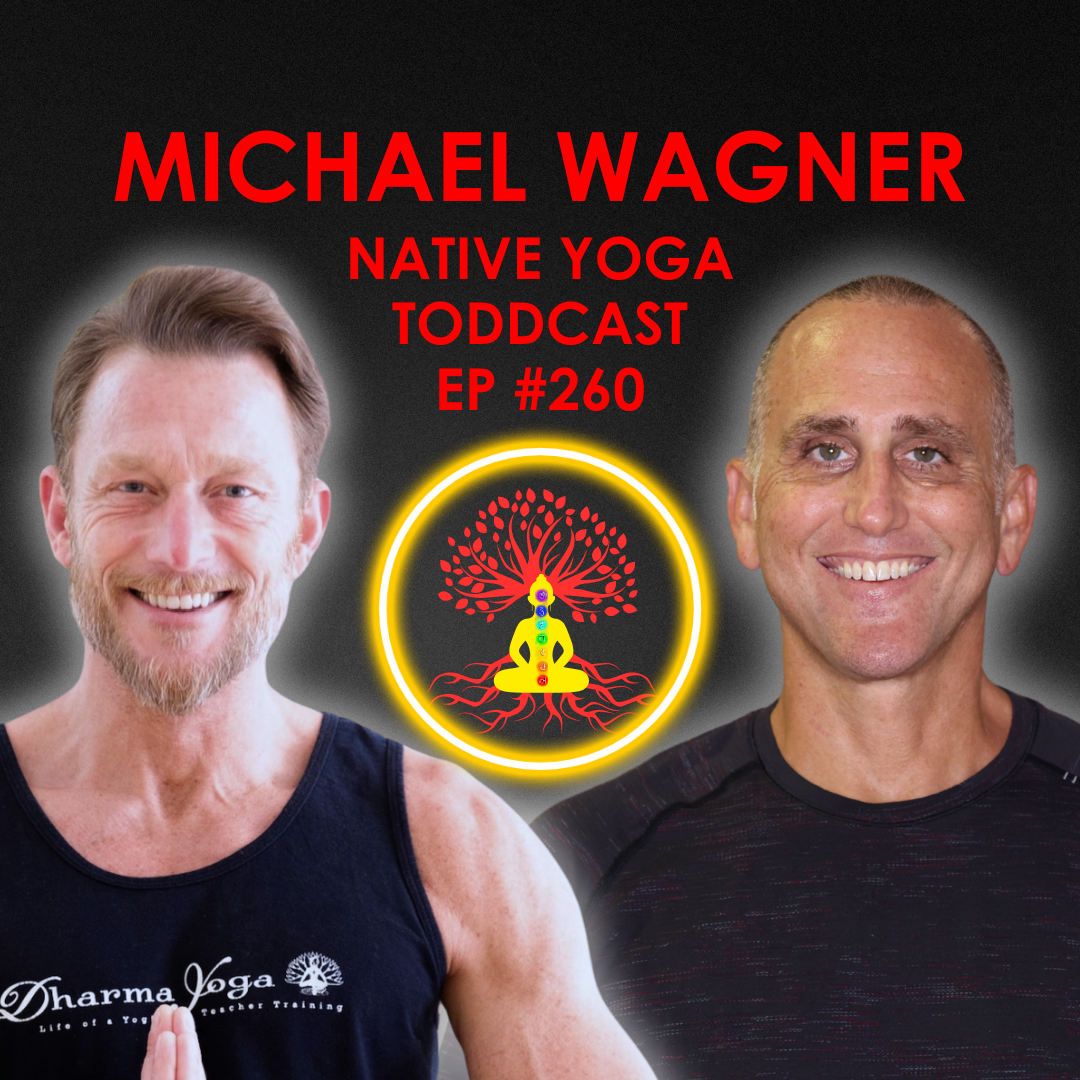
Emi Tull | From Japan to London: Yoga, Dharma & Spiritual Awakening

Listen to Toddcast with Emi for FREE here

Emi Tull is a seasoned yoga instructor renowned for her transformative journey from a professional dancer to a Dharma Yoga teacher. Born in Japan and now living in London, Tull’s dedication to yoga, particularly under the guidance of Sri Dharma Mittra, highlights her deep spiritual commitment. She is celebrated for teaching across various prestigious studios in London, passionately sharing the teachings and spiritual intricacies of Dharma Yoga, and engaging her community in kirtan and mantra chanting.

Visit Emi here: https://lifetohappiness.com/

Key Takeaways:

  • Emi Tull’s journey from a dancer in Japan to a respected Dharma Yoga instructor in London underscores the importance of spiritual connection and perseverance.
  • Language and cultural challenges are part of Emi’s unique journey, leading to deeper insights and personal growth within her yoga practice.
  • The transformative power of kirtan and mantra chanting is integral to Emi’s spiritual evolution, emphasizing the emotional depth and community connection these practices foster.
  • Despite yoga’s physical focus in Western countries, Emi advocates balancing spiritual and physical practices within yoga teaching.
  • The experience of aging and evolving within one’s yoga practice is natural, and Emi underscores the significance of this acceptance in fostering a lifelong commitment to yoga.

Unveiling the Subtle Art of Dharma Yoga Through Emi Tull’s Lens

In the realm of yoga, Emi Tull stands out with her profound journey from Japan to New York and eventually London, fortifying her credentials in Dharma Yoga and amplifying its reach. This article delves into three compelling themes from Emi Tull’s journey: her transformational path and spiritual connection, the interplay between cultural backgrounds and soul depths, and the graceful acceptance of aging within yoga practice.

Emi Tull’s Transformational Path: From Dance to Yoga

Emi’s story unfolds with an intriguing shift from a dance career to a yoga vocation, a transition laden with unexpected connections and new beginnings. Relocating from Japan to New York, lured by the prospects of a dance career, Emi unknowingly walked past the yoga studio of her future mentor, Sri Dharma Mittra. Yet, her actual introduction to yoga was ensconced in a series of seemingly unrelated events and deep emotional responses, illustrating how spiritual paths often diverge unexpectedly only to realign fortuitously later.

She recounts, “Yoga is much later…I didn’t know and I met my husband after ten years of the New York State. Straight after I moved…from New York to London I got [in a] bike accident and twisted both ankles so I couldn’t dance anymore.” Her initiation into yoga wasn’t a mere career pivot; it was a profound transformation that substituted dance with yoga, propelled by an innate yearning set aflame upon discovering Sri Dharma Mittra’s teachings.

This echoes the broader implication that life’s unpredictable events can pivot us toward our true calling, where initial setbacks transform into spiritual accelerators. Emi’s narrative encourages embracing the unexpected as potential signposts directing one toward deeper life purposes and spiritual awakenings.

Cultural Richness and the Depth of Soul: A Spiritual Perspective

The cultural tapestry in Emi’s life—from her Japanese roots, which greatly value respect and tradition, to her Western experiences—plays a significant role in shaping her teachings and interactions. Emmy attests, “Yes, in Japan we have those being respectful to elders, and teachers are very high…depends on us all. Even the people coming from, let’s say, Italy from the…in England, some of them are very respectful.”

This observation delves into the broader theme of how cultural embedding enhances or complicates the spiritual journey. Emi’s notion of deeper soul connections transcending cultural lines implies an interplay between cultural richness and the innate spiritual depth one brings into yoga practice. This perspective invites further consideration on how, despite cultural variances, individuals ultimately resonate on deeper levels based on their soul’s journey and maturity.

The broader implication here is the intricate dance between our cultural backgrounds and our spiritual expressions; neither is strictly deterministic, allowing for a rich spectrum of experiences within the universal pursuit of spiritual truth.

Acceptance of Aging: The Embrace of Spiritual Maturity over Physicality

In Emi’s narrative, aging is not seen as a detriment to her practice but as an invitation to deepen her spiritual understanding and teaching legacy. She embraces the natural progression of life while her focus gradually shifts from the perfection of physical forms to enriching her spiritual teachings.

She candidly shares, “…but for me, I don’t mind going older and cannot do stuff. That’s fine. I won’t be able to do [what I used to] at 86 years old and then I have children. But I think my student will forgive me.” Her acceptance of aging contradicts the modern, often media-driven narrative that prioritizes eternal youth and physical perfection.

This narrative shift signifies a profound acceptance and a philosophical embrace of the core essence of yoga: union with self, beyond the superficial confines of physical prowess. For instructors and practitioners alike, this is a potent reminder that spiritual maturity adds more value to teaching than physicality, aligning with the ultimate spiritual quest in yoga—the connection with self and others beyond physical forms.

Emi Tull’s journey is a testament to the extraordinary ways life’s occurrences can propel us toward our authentic path, enriching our spiritual and professional lives. Her understanding of culture and spirituality provides layers of depth, necessitating a broader appreciation for how diverse origins intersect with spiritual teachings in yoga. Moreover, her graceful navigation of aging within her practice shifts the focus from a relentless pursuit of physical perfection to realizing the soulful depths of yoga’s diverse teachings. Her story underscores the timeless value in pursuing a practice characterized by spiritual respect, cultural sensitivity, and an unyielding acceptance of the natural life journey.

Thanks for listening to this episode. Check out: 👇
8IN8 Ashtanga Yoga for Beginners Course Online– Learn 8 Limb Yoga in 8 Days – Get FREE coupon code for a limited time only (Regular price $88) https://info.nativeyogacenter.com/8in8-ashtanga-yoga-for-beginners-8-limbs-in-8-days/

Practice with Native Yoga Online – New classes EVERY day – Use Code FIRSTMONTHFREE https://nativeyogacenter.teachable.com/p/today-s-community-class

Subscribe to Native Yoga Center and view this podcast on Youtube.

Thank you Bryce Allyn for the show tunes. Check out Bryce’s website: bryceallynband.comand sign up on his newsletter to stay in touch. Listen here to his original music from his bands Boxelder, B-Liminal and Bryce Allyn Band on Spotify.

Please email special requests and feedback to info@nativeyogacenter.com

https://info.nativeyogacenter.com/8in8-ashtanga-yoga-for-beginners-8-limbs-in-8-days/

Support the show

Native Yoga website: here
YouTube: here
Instagram: @nativeyoga 
Twitter: @nativeyoga 
Facebook: @nativeyogacenter 
LinkedIn: Todd McLaughlin
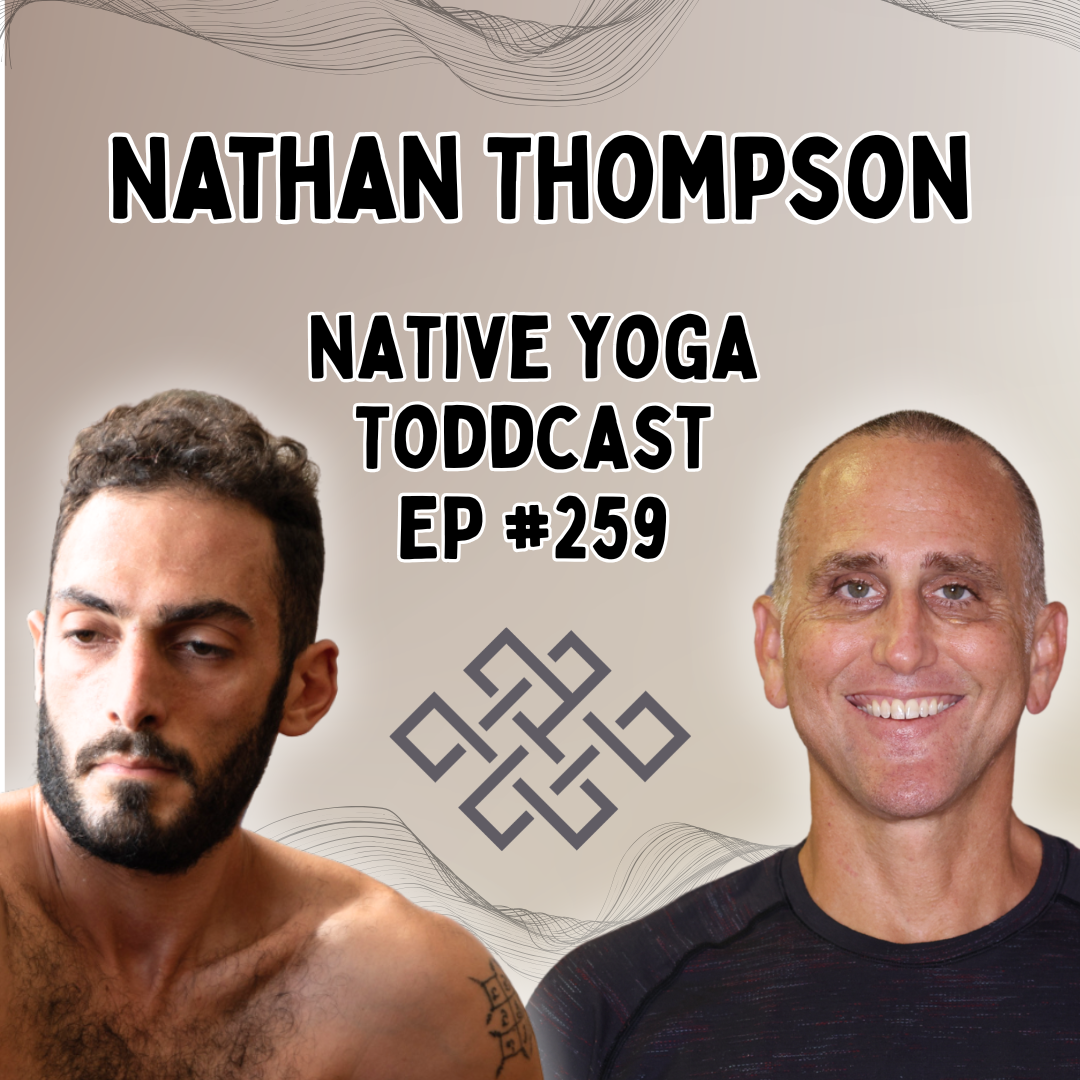
Yancy Scot Schwartz | The Skateboarding Yogi: Music, Dharma Yoga & Mental Clarity

Listen to Toddcast with Yancy for FREE here

Yancy Scot Schwartz is a versatile and accomplished individual known for his dynamic interests and talents. Raised in Queens, New York, Yancy is an avid skateboarder, a dedicated yoga practitioner, and a passionate musician. He has transitioned from a retail career in a skate shop to becoming a highly respected yoga teacher, instructing at multiple studios in Los Angeles. Yancy’s deep commitment to the practice of yoga is influenced by his study with iconic mentors such as Dharma Mittra, whose teachings have significantly shaped his approach to yoga as a holistic lifestyle. His multifaceted interests also encompass music, through which he expresses his creativity and finds solace.

Visit Yancy here: https://www.yancyscotschwartz.com/

Key Takeaways:

  • Yancy Scot Schwartz integrates skateboarding, yoga, and music as interconnected expressions of his creative and spiritual journey.
  • A profound transformation occurred in Yancy’s life when he met Dharma Mittra, leading him to view yoga as essential spiritual hygiene.
  • Yancy emphasizes the importance of rooting yoga practice in authentic teachings, with his own practices influenced deeply by a combination of asana, pranayama, and mantra.
  • Music serves as a vital form of companionship for Yancy, particularly during difficult times, offering a soulful dialogue and creative exploration.
  • Psychic development is a significant aspect of Yancy’s practice, providing mental clarity and deeper insights, rooted in the teachings of spiritual masters and traditional yogic principles.

The Synergy of Passion and Practice

While many view yoga, music, and skateboarding as distinct disciplines, Yancy Scott Schwartz illustrates a seamless integration of these passions. His journey began with music, albeit informally, and quickly embraced skateboarding due to the profound cultural and rhythmic connection (“Like the whole skateboard culture and the music thing go hand in hand”). Yancy’s experience underlines how these passions merge to create a cohesive artistic lifestyle that is continually rejuvenated through practice.

The breadth of Yancy’s interests converges through yoga, which he describes as completing the triad of his passions. His skating inadvertently led him to yoga as a necessary practice during New York’s harsh winters. The redirection exemplifies adaptability and finding balance amid external constraints. “After a while, you know, the skateboarding takes a toll,” Yancy admits, lauding yoga for its year-round accessibility and mental grounding.

This interconnectedness extends beyond lifestyle convenience to nurturing artistic pursuits. As Yancy explains, yoga’s structured practice fosters not just physical flexibility but emotional and mental agility—vital for expressive and spontaneous art forms like music and skateboarding. In his words, “Like the practice…little by little, like, things unlock.” Herein lies the message: passion thrives where dedication to practice prevails.

Resilience and Personal Growth Through Spiritual Inquiry

Central to Yancy Scott Schwartz’s narrative is a testimony to resilience cultivated through deliberate spiritual inquiry. Diving into yoga’s philosophies provided frameworks for navigating life’s vicissitudes, including personal heartbreak, as Yancy recalled, “it felt more purposeful…sharing what helps me with others.”

Yancy’s exploration of psychic development exemplifies deep commitment and curiosity. Drawing inspiration from legendary yoga guru Dharma Mittra, Yancy discovered psychic development as a crucial tool for healing and growth. “I was very traumatized…I was like, I need something,” he recounts, a quest that led him to embrace specific mantras and pranayama to refine his focus and expand his consciousness. His journey illustrates that such self-inquiry is transformational, offering clarity and fortitude in navigating life’s trials.

The broader implication of such practices reaches beyond personal gain; it embraces shared human experiences and connection. Yancy shares, “The mantra man…protect it,” emphasizing a collective consciousness where protection and expansion go hand in hand. His experience reinforces an understanding that growth, while personal, has rippling effects contributing to communal harmony, enriching every aspect of his life.

Enhancing Mind-Body Connection Through Mindfulness

Yancy’s experiences illuminate a crucial theme of mindfulness and its role in bridging body and mind for holistic wellness. The practices described demonstrate a profound understanding of balance achieved through physical asana, breathwork (pranayama), and introspection. “Body strong, mantras for the mind, pranayamas for the mind,” he specifies, portraying a structured approach to fostering mindfulness.

Such practices extend their relevance to broader lifestyle choices, as Yancy details his diet and fasting routine influenced by mentors and tradition. Veganism and fasting, particularly within the framework of yoga, provide not only physical benefits but spiritual cleansing that primes the mind for mental clarity and creativity. “The vegan diet helps,” he acknowledges, delineating how interconnected lifestyle choices bolster his practice and teaching endeavors.

Ultimately, Yancy’s narrative is a substantial lesson on embracing mindfulness as a conduit for resilience and creative expression. His dedicated multi-disciplinary approach showcases the importance of nurturing a strong mind-body connection that not only supports but enhances personal and professional growth.

Cultivating Art and Life as an Integrated Experience

Yancy Scott Schwartz’s story exemplifies how integrative practices across disciplines can cultivate a fulfilling life enriched with art and meaning. His journey through music, skateboarding, and yoga displays a harmonious embrace of varied interests that collectively define his artistic expression and personal resilience.

This approach, a testament to the strength found in flexibility and exploration, underscores the vital connection between practices that might initially appear unrelated. Yancy’s reflections on the power of practice, mindfulness, and spiritual inquiry articulate a message that transcends boundaries, inviting others to explore their passions with dedication and an open heart.

Thanks for listening to this episode. Check out: 👇
8IN8 Ashtanga Yoga for Beginners Course Online– Learn 8 Limb Yoga in 8 Days – Get FREE coupon code for a limited time only (Regular price $88) https://info.nativeyogacenter.com/8in8-ashtanga-yoga-for-beginners-8-limbs-in-8-days/

Practice with Native Yoga Online – New classes EVERY day – Use Code FIRSTMONTHFREE https://nativeyogacenter.teachable.com/p/today-s-community-class

Subscribe to Native Yoga Center and view this podcast on Youtube.

Thank you Bryce Allyn for the show tunes. Check out Bryce’s website: bryceallynband.comand sign up on his newsletter to stay in touch. Listen here to his original music from his bands Boxelder, B-Liminal and Bryce Allyn Band on Spotify.

Please email special requests and feedback to info@nativeyogacenter.com

https://info.nativeyogacenter.com/8in8-ashtanga-yoga-for-beginners-8-limbs-in-8-days/

Support the show

Native Yoga website: here
YouTube: here
Instagram: @nativeyoga 
Twitter: @nativeyoga 
Facebook: @nativeyogacenter 
LinkedIn: Todd McLaughlin
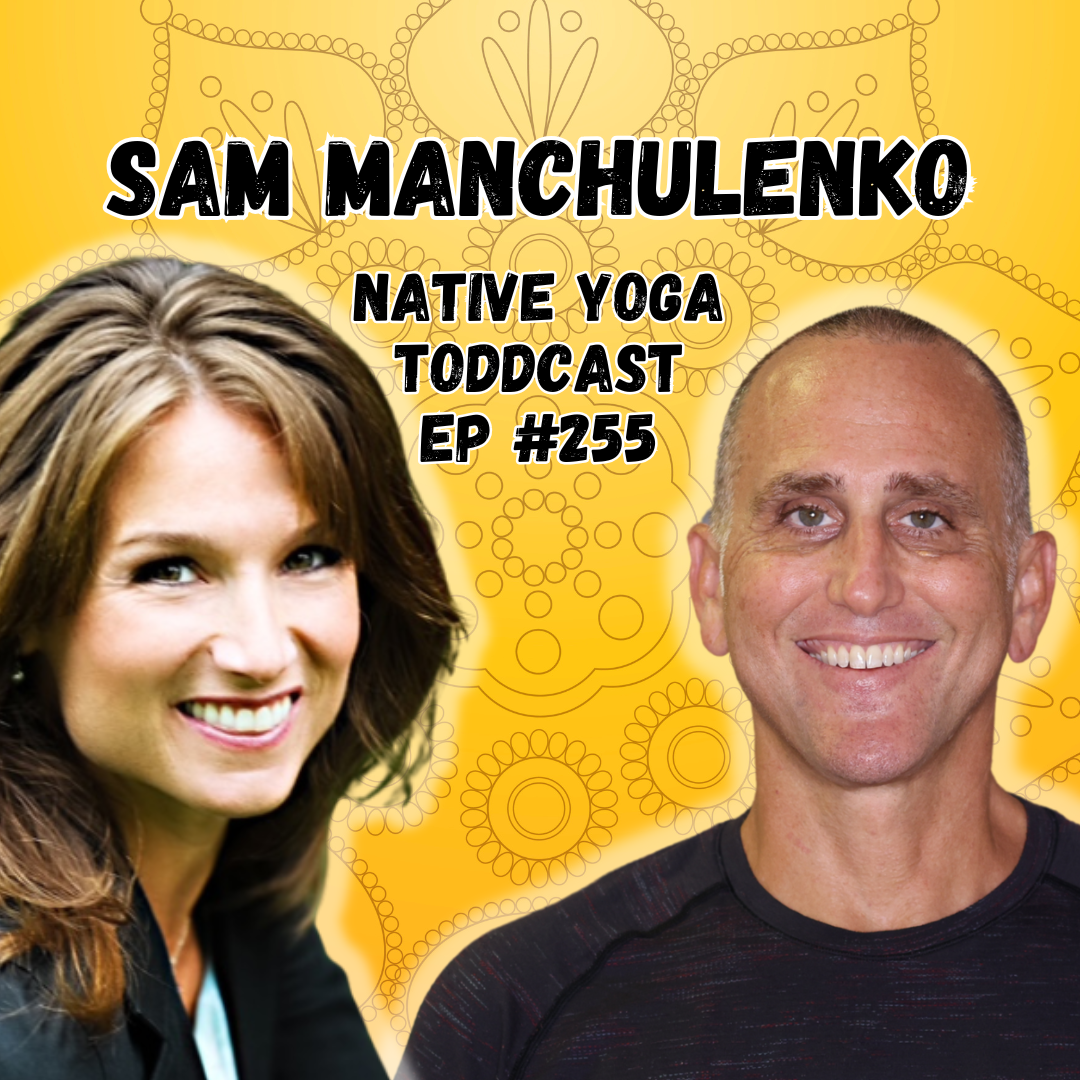
Francisco Morales ~ Nature as a Healer: Synergy Yoga in Peru’s Sacred Valley

Listen to Toddcast with Francisco for FREE here

Francisco Morales is a distinguished healing artist with deep roots in the martial arts, yoga, and Thai massage disciplines. Originally from Peru, he spent his formative years along the Peruvian coast before moving to Washington D.C. at eight. Francisco has lived and trained worldwide, amassing a wealth of experience in various healing arts, such as capoeira, jiu-jitsu, acro yoga, and more. He pioneered Synergy Yoga, a collaborative movement melding elements of therapeutic partner yoga, Thai massage, and circular movement arts. Francisco is also heavily involved in community and youth empowerment through his NGO, Synergy Rising, working to maintain cultural arts and traditions in Peru and beyond.

Visit him at https://synergy.yoga/

Key Takeaways:

  • Francisco Morales embodies a deep connection to Peru’s landscapes and culture, significantly shaping his journey in healing arts.
  • Through Synergy Yoga and Synergy Rising NGO, Francisco emphasizes community, integration of traditional arts, and youth empowerment, particularly in Peru.
  • His insights into the synergy between yoga, martial arts, and healing touch underscore the essential role of intention, movement, and breath.
  • Francisco’s mentoring initiatives aim to preserve cultural heritage and provide pathways for youth, fostering personal growth and economic opportunity.
  • The importance of maintaining mental health, groundedness, and the distinct connection between nature, community, and individual well-being are focal points in Francisco’s philosophy.

Personal Journey: Blending Martial Arts and Healing Arts

Francisco Morales’s journey is a tapestry woven with the threads of martial arts, healing arts, and cultural heritage. Emerging from the vibrant landscapes of Peru and the bustling streets of Washington D.C., his story invites reflection on how geographical and cultural dichotomies shape our worldviews and life paths. Morales’s dialogue reveals an intersection where the discipline of martial arts meets the tenderness of healing arts, painting a portrait of a life dedicated to self-discovery and community empowerment.

As Morales recounts, “I think yoga is a martial art as well. It’s just a martial art that’s kind of like with yourself,” highlighting the internal discipline common to both yoga and martial arts. His belief that practices such as yoga, Thai massage, and capoeira can offer profound self-knowledge emphasizes the philosophy of self-discipline and balance. By framing yoga as a martial art, Morales underscores its role in mental resilience, teaching practitioners to move with intention and mindfulness.

Broad Implications: Morales’s narrative offers insights into the potential of integrating diverse disciplines to nurture holistic well-being. By presenting yoga and martial arts as vehicles for connection with oneself and one’s surroundings, he advocates for a more inclusive understanding of these practices beyond their traditional boundaries. His story encourages the exploration of how geographical and cultural influences can be harmonized into a life path marked by balance and cohesion.

Nurturing Indigenous Arts: The Power of Community

A central mission in Morales’s endeavors is the preservation and celebration of indigenous cultures. Based in Urubamba, the sacred valley of Peru, Morales stresses the importance of preserving the rich Quechua culture through initiatives like Synergy Rising, an NGO dedicated to empowering local youth. “We really want to maintain these arts with the youth,” he asserts, emphasizing the integration of local traditions such as weaving and ceramics into educational programs.

His work champions community as a vital framework for personal growth and cultural sustenance. Morales notes, “Synergy Yoga was formed with the idea…that together you’re greater than one by the self.” By embedding indigenous art forms and traditions within modern education practices, not only is cultural heritage honored, but a newfound path for youth is also paved. This heritage preservation fosters a sense of pride and identity among young community members, contributing to their empowerment and holistic development.

Broader Perspectives: This theme amplifies the dialogue surrounding the preservation of indigenous cultures in contemporary society. Morales’s approach illustrates how the nurturing of traditional arts can serve as both a means of cultural survival and a source of community resilience. By wielding cultural education as a tool for empowerment, his initiatives prompt us to reconsider the role of traditional arts as vital components in sustainable community development, offering valuable insights into the potential synergy between cultural preservation and modern educational frameworks.

Integrating Ancient and Modern Wellness: Path to Holistic Growth

The dialogue between ancient practices and modern wellness trends is evident in Morales’s work, especially within the domains of Thai massage, capoeira, and acro yoga. Each of these practices, while distinct in their origins and applications, converge on a shared platform of promoting physical and mental well-being. Morales’s deep commitment to these arts encapsulates a holistic approach aimed at both healing and strengthening, built on authentic experiences and cultural reverence.

Discussing his trajectory with Thai massage, Morales notes, “I wanted to use my hands, you know, to learn…I always loved it.” This tactile appreciation extends throughout his work, both in his martial arts practice and his wellness initiatives. The integration of Thai massage, as he explains, “helps alleviate” discomfort from endeavors such as acro yoga, blurring the lines between disciplines in service of physical harmony and therapeutic outcomes.

Broader Implications: Morales’s philosophy advocates for a holistic paradigm shift in how we perceive wellness practices today. By merging traditional and modern methodologies, there’s a promise of deeper, fuller healing that acknowledges the body’s complexities and the mind’s nuances. The synergetic approach Morales promotes offers a blueprint for a new paradigm in wellness, where the merging of ancient and modern techniques is not only feasible but necessary for personal and community growth in a rapidly evolving world.

In the words and work of Francisco Morales, we find a compelling narrative centered on the interconnectedness of self and community, tradition and modernity. His initiatives serve as a beacon, illustrating that healing and empowerment stem from within, while drawing strength and identity from communal and cultural roots. This vision for holistic growth challenges conventional wellness paradigms, illuminating pathways enriched with cultural appreciation, mutual support, and personal evolution.

Thanks for listening to this episode. Check out: 👇
8IN8 Ashtanga Yoga for Beginners Course Online– Learn 8 Limb Yoga in 8 Days – Get FREE coupon code for a limited time only (Regular price $88) https://info.nativeyogacenter.com/8in8-ashtanga-yoga-for-beginners-8-limbs-in-8-days/

Practice with Native Yoga Online – New classes EVERY day – Use Code FIRSTMONTHFREE https://nativeyogacenter.teachable.com/p/today-s-community-class

Subscribe to Native Yoga Center and view this podcast on Youtube.

Thank you Bryce Allyn for the show tunes. Check out Bryce’s website: bryceallynband.comand sign up on his newsletter to stay in touch. Listen here to his original music from his bands Boxelder, B-Liminal and Bryce Allyn Band on Spotify.

Please email special requests and feedback to info@nativeyogacenter.com

https://info.nativeyogacenter.com/8in8-ashtanga-yoga-for-beginners-8-limbs-in-8-days/

Support the show

Native Yoga website: here
YouTube: here
Instagram: @nativeyoga 
Twitter: @nativeyoga 
Facebook: @nativeyogacenter 
LinkedIn: Todd McLaughlin

Carroll Ann Friedmann ~ Beyond the Pose: Understanding the Subtle Body in Yoga Practice

Listen to Toddcast with Carroll Ann for FREE here

Carroll Ann Friedmann is the co-owner of Ashtanga Yoga Charlottesville, a yoga studio in Charlottesville, Virginia, alongside her husband, Liam Buckley. She has a strong background in Integral Yoga and transitioned to Ashtanga Yoga after exploring different styles. Carroll Ann has spent extensive time training in Mysore, India, under the guidance of Saraswati Jois, daughter of the renowned Ashtanga guru Pattabhi Jois. Besides teaching, she has authored a book on the Yoga Sutras, emphasizing practical application for personal growth and self-reflection.

Visit Carroll: https://www.ashtangacharlottesville.com/

Key Takeaways:

  • Personal Transformation through Yoga: Carroll Ann’s personal journey showcases the transformative power of Ashtanga Yoga.
  • Yoga Studio Management: She discusses the intricacies of running a yoga studio, emphasizing the need for adaptability and community focus, especially amid rising costs and external pressures.
  • Evolving Ashtanga Practice: Carroll Ann stresses the importance of flexibility within the Ashtanga tradition, advocating for adaptations like Black Lotus Yoga to avoid injuries and enhance accessibility.
  • Female Leadership in Yoga: Highlighting Saraswati Jois’s pivotal role as a woman in the Ashtanga lineage, Carroll Ann touches on the significance of female-led teaching in a traditionally male-dominated sphere.

Embracing Change and Kindness: Navigating the Transformative Path of Ashtanga Yoga

The practice and teaching of Ashtanga Yoga are undergoing significant transformation, as illustrated by Carroll Ann Friedmann’s insightful conversation with Todd McLaughlin, host of the Native Yoga Toddcast. The interview explores the nuances and shifts within the Ashtanga community, highlighting the importance of flexibility, evolving traditions, and embedding kindness into teaching methodologies.

The Evolution of Ashtanga Yoga Practice

Carroll Ann Friedmann emphasizes the necessity for adaptability within the Ashtanga Yoga tradition, particularly as it encounters modern challenges and evolving student needs. According to Friedmann, the traditional notion of “giving poses” within the Ashtanga method is evolving to fit newer educational paradigms. She reflects on her own journey of transitioning from integral and Hatha Yoga into Ashtanga and acknowledges the initial struggle, stating, “I hated it. I mean truly hated it. But something in me was like, no, this is it.”

This commitment to transformation is reinforced by the shift from rigid adherence to a more open, dialogue-based learning experience. Reflecting on conversations with influential teachers Richard and Mary Freeman, Friedmann notes their approach: “They basically follow my lead. They were saying, sure, if you want to try it, we’ll try it.” This pragmatic and student-driven encouragement within the Ashtanga tradition underscores a transformative shift towards inclusivity and adaptability, vital for attracting new practitioners and retaining dedicated students.

Nurturing Community through Kindness

One of the core elements Friedmann articulates is the role of kindness in fostering community within yoga practice. Her emphasis on creating a safe, non-judgmental environment is a testament to her teaching philosophy’s success, where respect and compassion hold paramount importance. “If we do something and kindness is not present, then I don’t think we’re doing it right,” Friedmann asserts.

The emphasis on a nurturing atmosphere is not without precedent in the lineage of Ashtanga Yoga. Friedmann recalls the warm and supportive teaching style of her mentor, Saraswati, who imparted a sense of safety in her classes: “There’s a nurturing quality…and that’s what I very much tried to bring to AYC [Ashtanga Yoga Charlottesville].” This prioritization of a supportive environment enables students to develop holistically, thereby deepening their practice both physically and emotionally. Through fostering these strong community bonds, Friedmanm and her husband Liam have cultivated an Ashtanga practice space where shared learning and mutual growth thrive.

Innovation within Tradition

The interplay between tradition and innovation emerges as an integral theme in the discussion, showcasing how Ashtanga Yoga can evolve without losing its foundational ethos. By integrating elements of modern practice styles, practitioners like Friedmann continue to attract an ever-broadening spectrum of students. Describing their approach at AYC, Friedmann highlights their support for diversifying practice methods: “We have diversified what we do…we run an apprenticeship as we have a teacher training curriculum.”

Additionally, incorporating inclusive methods enhances accessibility and participation for a broader demographic. Emphasizing props and pose adaptations, Friedmann reinforces a commitment to ensure “radical accessibility is our number one priority at AYC.” Such innovative considerations are vital in evolving the practice of Ashtanga Yoga while remaining deeply respectful of its origins. Entering this evolving landscape of yoga, practitioners like Friedmann illustrate that maintaining tradition and embracing change need not be mutually exclusive endeavors.

Looking forward, the Ashtanga community’s path continues to resonate with themes of mindfulness, evolution, and kindness. Practitioners who are open to change, like Todd McLaughlin and Carroll Ann Friedmann, illustrate how these principles are critical for the sustained growth and enrichment of both individual and collective yoga journeys. In recognizing the shifts and embracing innovation within practice, Ashtanga Yoga can continue fostering transformative experiences and profound connections within communities globally.

Thanks for listening to this episode. Check out: 👇
8IN8 Ashtanga Yoga for Beginners Course Online– Learn 8 Limb Yoga in 8 Days – Get FREE coupon code for a limited time only (Regular price $88) https://info.nativeyogacenter.com/8in8-ashtanga-yoga-for-beginners-8-limbs-in-8-days/

Practice with Native Yoga Online – New classes EVERY day – Use Code FIRSTMONTHFREE https://nativeyogacenter.teachable.com/p/today-s-community-class

Subscribe to Native Yoga Center and view this podcast on Youtube.

Thank you Bryce Allyn for the show tunes. Check out Bryce’s website: bryceallynband.comand sign up on his newsletter to stay in touch. Listen here to his original music from his bands Boxelder, B-Liminal and Bryce Allyn Band on Spotify.

Please email special requests and feedback to info@nativeyogacenter.com

https://info.nativeyogacenter.com/8in8-ashtanga-yoga-for-beginners-8-limbs-in-8-days/

Support the show

Native Yoga website: here
YouTube: here
Instagram: @nativeyoga 
Twitter: @nativeyoga 
Facebook: @nativeyogacenter 
LinkedIn: Todd McLaughlin

Tova Olsson ~ The Heart of Tantra Yoga: Exploring History, Philosophy, and Mythology

Listen to Toddcast with Tova for FREE here

Tova Olsson is a seasoned educator and scholar with over 20 years of experience in yoga philosophy, mythology, and religious studies. With a bachelor’s degree and master’s in religious studies, Tova is currently working on her PhD while actively teaching at a university level in Sweden. Tova is well-known for her engaging storytelling through social media under the handle @Saraswati_Studies, where she elaborates on Indian philosophy, mythology, and the history of yoga.

Embark on this enlightening journey through the intricacies of yoga philosophy with Tova Olsson. Listen to the full episode to unearth more engaging insights and stay tuned for more enriching content from the series.

Key Takeaways:

  • The Intersection of Yoga and Philosophy: Tova underscores that postural yoga and philosophy are deeply intertwined, advocating for a holistic study that integrates both physical practice and philosophical understanding.
  • The Power of Storytelling: Emphasizing storytelling’s significance, Tova uses mythology to captivate students and promote philosophical engagement, illustrating how myths are ever-present and align with real-life experiences.
  • Navigating Yoga’s History: She speaks to the complexity and diversity of yoga’s origins and philosophical developments, stressing the importance of informed study and discernment in practice and teaching.

In a world where yoga has increasingly become synonymous with posture-based practice, Tova Olsson’s dedication to exploring and sharing the deeper philosophical roots of yoga offers a refreshing perspective. During a recent conversation with Todd on his podcast, Olsson shared insights into how Instagram and online platforms have enabled her to spread knowledge about the rich history and philosophy of yoga. This conversation underscores her philosophy that yoga should not be limited to physical practice but should also include a comprehensive understanding of its philosophical context. This article dives into the key themes discussed in their enlightening conversation.

Yoga’s Evolving Identity: From Postures to Philosophy

Yoga’s journey from ancient traditions to modern studios is a testament to its adaptability and multifaceted nature. Many practitioners today focus on the physical aspects of yoga. However, as Olsson highlights, yoga is deeply rooted in rich philosophical and mythological traditions that are crucial for a holistic understanding.

Olsson explains her progression from practicing postural yoga to immersing herself in yoga philosophy. “I think for me, postural yoga was never separated from the study of philosophy because I was always so interested in those aspects of yoga,” Olsson states. Her journey included teaching French and English, and a stint working as a waitress in Paris, before diving into religious studies. Her unique background shows how varied experiences can come together to deepen one’s practice. Through her online school, Saraswati Studies, and educational platforms like Instagram, Olsson introduces these foundational concepts to a broader audience. This holistic approach not only enriches personal practice but also promotes a deeper respect for yoga’s origins.

The Power of Storytelling and Mythology in Yoga

Storytelling is more than just entertainment; it’s a profound way to understand ourselves and our world. Olsson uses storytelling as a gateway to philosophical concepts, noting, “People love storytelling… we consume storytelling through Netflix or the cinema… we love, as human storytelling.”

Utilizing myths from Indian culture, such as those of gods and goddesses, she illustrates how these stories aren’t distant relics of the past but are reflections of the human experience, always relevant and unfolding in today’s context. For instance, the goddess Dhumavati, associated with loss and disappointment, guides practitioners in embracing life’s inevitable challenges. Olsson’s insights reveal that these mythologies serve as tools for self-discovery rather than mere symbols of ancient culture. They encourage introspection, allowing us to find parallels in our own lives and inspiring us to embody the qualities reflected in these deities.

Unraveling Complex Philosophical Concepts: Samkhya and Tantra

Yoga philosophy isn’t just a framework for understanding practice; it’s a roadmap to personal and spiritual growth. Concepts like Samkhya and Tantra, while seemingly complex, hold valuable insights into the human condition and our spiritual evolution.

Olsson adeptly breaks down Sankhya philosophy, which enumerates levels of reality, or Tattvas. She explains, “According to Sankhya, we have 25 Tattvas, meaning what we can experience in human consciousness.” These concepts are foundational to understanding yoga’s ability to influence our consciousness and perception.

Contrasting Sankhya, Tantra’s non-dual approach views the divine as present within the self and the universe, emphasizing unity between consciousness and energy. Olsson articulates, “Within the tantric system, consciousness is full of creative capacity… our inner consciousness creates all the time.” This perspective enriches our understanding of interconnectedness, urging practitioners to embrace both the mystical and mundane in pursuit of self-realization. Through her teaching and storytelling, Olsson makes these philosophical systems accessible, encouraging practitioners to draw on this rich tapestry to enhance their practice.

In exploring these themes, Olsson invites a transformative approach to yoga, one that marries the physical, philosophical, and spiritual into a harmonious whole. The insights shared offer a glimpse into the profound depth of yoga’s philosophical traditions, and how they continue to influence contemporary practice. By engaging with these concepts, practitioners not only deepen their personal journey but also contribute to the respectful preservation and evolution of yoga’s rich heritage.

Thanks for listening to this episode. Check out: 👇
8IN8 Ashtanga Yoga for Beginners Course Online– Learn 8 Limb Yoga in 8 Days – Get FREE coupon code for a limited time only (Regular price $88) https://info.nativeyogacenter.com/8in8-ashtanga-yoga-for-beginners-8-limbs-in-8-days/

Practice with Native Yoga Online – New classes EVERY day – Use Code FIRSTMONTHFREE https://nativeyogacenter.teachable.com/p/today-s-community-class

Subscribe to Native Yoga Center and view this podcast on Youtube.

Thank you Bryce Allyn for the show tunes. Check out Bryce’s website: bryceallynband.comand sign up on his newsletter to stay in touch. Listen here to his original music from his bands Boxelder, B-Liminal and Bryce Allyn Band on Spotify.

Please email special requests and feedback to info@nativeyogacenter.com

https://info.nativeyogacenter.com/8in8-ashtanga-yoga-for-beginners-8-limbs-in-8-days/

Support the show

Native Yoga website: here
YouTube: here
Instagram: @nativeyoga 
Twitter: @nativeyoga 
Facebook: @nativeyogacenter 
LinkedIn: Todd McLaughlin
Gerson Frau ~ Yoga’s Role in Coping with Global Changes and Local Impact

Listen to Toddcast with Gerson for FREE here

Gerson Frau is a seasoned yoga instructor hailing from Brazil. With roots deeply embedded in the teachings of Dharma Yoga, Gerson has dedicated nearly two decades to the practice and instruction of this transformative philosophy. Over the years, he has made significant contributions to the yoga community by conducting workshops, retreats, and an extensive teacher training program in collaboration with his partner in Mexico City, Adriana. Gerson currently resides in Puerto Escondido, Mexico, where he balances his life as an instructor, a family man, and an active community member involved in sustainability efforts.

Visit Gerson: https://gersonfrau.com/

Key Takeaways:

  • Gerson Frau’s journey from Brazil to becoming an influential yoga instructor in Mexico is deeply intertwined with his devotion to Dharma Yoga, taught by his revered teacher, Dharma Mittra.
  • Puerto Escondido is emerging as a significant hub for yoga and surf enthusiasts, offering a unique cultural blend while dealing with the challenges of rapid development.
  • Meditation and mindfulness are powerful tools for maintaining clarity and receiving spiritual guidance, which Gerson credits to his yoga practice’s depth and authenticity.

The Power of Adaptation and Change

In a world that’s constantly in flux, the ability to adapt and embrace change is a crucial skill. Gerson Frau’s multifaceted journey from Brazil to Puerto Escondido, Mexico, exemplifies this concept beautifully. He relays how his yoga practice and teaching have evolved, reflecting his adaptability and openness to change. Gerson says, “We have been living here for the last seven years almost now,” showcasing his shift in personal and professional landscapes (0:01:12).

Gerson’s movement between countries didn’t happen overnight. Initially, he lived in New York City, deeply immersed in his yoga practice under the tutelage of Dharma Mittra. However, life circumstances prompted him to transition from the hectic city to the tranquil coastline of Puerto Escondido, illustrating a move from complexity to simplicity. He explains, “I’ve been thinking about when I go to him as a Dharma, it’s been tough to me, you know, with the construction,” acknowledging the pressures of setting roots in a new place (0:01:46).

The broader implication of this theme highlights the positive outcomes of relocating and embracing new environments, showing that adaptability can lead to fulfilling opportunities and enriched life experiences.

Community Engagement and Cultural Integration

Gerson Frau emphasizes the importance of integrating into and contributing to the local community. Having settled in Puerto Escondido, he fully embraced the local culture and made efforts to contribute positively to it. Living in a region that’s seeing an influx of foreigners, Gerson recognizes the need to be sensitive to cultural shifts and economic impacts. He articulates, “If you don’t consider that… you have to try to navigate, try to be,” showing his sensitivity to local sentiments and his desire to maintain harmony (0:22:20).

The essence of cultural integration for Gerson lies not just in being a passive observer but an active participant in the community’s development. Whether it’s by planting trees or practicing conscious construction, he affirms that making an effort to maintain ecological balance is paramount. He reflects, “If there’s somebody who needs. And you are in a position that you can help, just help,” stressing the importance of proactive community contribution (0:24:25).

This outlook serves as a reminder that as neighborhoods evolve due to global migration trends, establishing respectful and caring relationships can foster a harmonious coexistence for all.

The Role of Spiritual Practice and Mentorship

Throughout the conversation, Gerson credits much of his spiritual guidance and life direction to his practice of yoga and his mentor, Dharma Mittra. This relationship exemplifies the powerful impact of having a spiritual and professional guide. Gerson shares insightfully, “By devotion, by reverence, by obedience, all that,” elucidating how his spiritual journey is deeply intertwined with his day-to-day living (0:11:19).

Gerson reflects on how Dharma’s teachings have informed his teaching style and personal philosophy, emphasizing that his program is essentially a continuation of Dharma’s teachings. “Everything I learned, it was from him. And I’m so devoted,” he expresses, acknowledging the profound influence of his guru (0:05:47).

His experience with Dharma Mittra underscores the broader impact that spiritual mentorship can have in providing direction, fostering humility, and enhancing one’s resilience and capacity for compassion.

Reflecting on a Life of Purpose and Balance

The dialogue with Gerson Frau is rich with insights into how one’s life can be deeply enriched by embracing change, engaging with community, and following a spiritual path. As life transitions occur, he stresses the importance of maintaining balance and perspective. Gerson’s journey highlights how yoga and the guidance of a mentor have helped him navigate these shifts with grace and purpose.

He inspires us to “live in harmony, to find a way as… there’s this big shift… happening here,” highlighting the need for understanding and cooperation in a rapidly changing world (0:28:29). His commitment to fostering community connections and his reverence for spiritual mentorship illuminate a path towards living a meaningful, balanced life, amidst the complexities of modern existence.

By embodying these principles, Gerson Frau illustrates a way of life that values connection, compassion, and continual transformation, inviting us to pursue personal growth while remaining rooted in altruism and collective well-being.

Thanks for listening to this episode. Check out: 👇
8IN8 Ashtanga Yoga for Beginners Course Online– Learn 8 Limb Yoga in 8 Days – Get FREE coupon code for a limited time only (Regular price $88) https://info.nativeyogacenter.com/8in8-ashtanga-yoga-for-beginners-8-limbs-in-8-days/

Practice with Native Yoga Online – New classes EVERY day – Use Code FIRSTMONTHFREE https://nativeyogacenter.teachable.com/p/today-s-community-class

Subscribe to Native Yoga Center and view this podcast on Youtube.

Thank you Bryce Allyn for the show tunes. Check out Bryce’s website: bryceallynband.comand sign up on his newsletter to stay in touch. Listen here to his original music from his bands Boxelder, B-Liminal and Bryce Allyn Band on Spotify.

Please email special requests and feedback to info@nativeyogacenter.com

https://info.nativeyogacenter.com/8in8-ashtanga-yoga-for-beginners-8-limbs-in-8-days/

Support the show

Native Yoga website: here
YouTube: here
Instagram: @nativeyoga 
Twitter: @nativeyoga 
Facebook: @nativeyogacenter 
LinkedIn: Todd McLaughlin

Rev. Jaganath & Margabandhu | Timeless Journeys: Tales of Yoga and Discovery

Listen to Toddcast with Margabandhu and Rev. Jaganath for FREE here

In this enlightening episode, host Todd McLaughlin is joined by Reverend Jaganath Carrera and Margabandhu Martarano, two esteemed figures in the world of yoga, both sharing a profound bond through their shared teacher, Swami Satchidananda. This episode explores their individual journeys of how they met, their teaching philosophies, and how they have built thriving communities over decades of dedicated practice. Reverend Jaganath and Margabandhu offer their wisdom, emphasizing the importance of community within yoga and how it contributes to personal growth and enlightenment.

Visit Rev. Jaganath here: https://www.yogalifecenter.org/

Visit Margabandhu on his website: https://iyinj.org/

Key Takeaways:

  • The value of friendship and community in yoga is immense, often guiding personal and collective growth.
  • Teaching philosophy inspired by Swami Satchidananda emphasizes fostering understanding and personal transformation rather than dictating behavior.
  • Maintaining a spiritual practice and community support can significantly impact personal well-being and spiritual advancement.
  • Humor and cultural understanding play significant roles in developing and sustaining long-term spiritual associations.

Cultivating Community and Tradition in Yoga: Insights from Revered Teachers

Yoga, an ancient discipline that harmonizes body, mind, and spirit, continues to evolve as it permeates cultures across the globe. In a recent conversation, seasoned yoga instructors Rev. Jaganath and Margabandhu, alongside interviewer Todd McLaughlin, delve into the intricacies of sustaining vibrant yoga communities and imparting teachings. Their dialogue reveals how friendship, tradition, and compassionate instruction are pivotal in maintaining the integrity and efficacy of yoga practices today.

The Power of Partnership in Yoga Communities

Building and sustaining a thriving yoga community require bonds that transcend geographical and ideological boundaries. Rev. Jaganath and Margabandhu exemplify this dedication through their enduring friendship of over 50 years, which has significantly shaped their teaching methods and community involvement. Margabandhu notes, “We’re like brothers and respect one another’s opinion,” highlighting the deep-seated mutual respect that cultivates a positive learning environment.

Their collaboration encourages the cross-pollination of ideas and practices, benefitting not just their own centers but also the broader yoga community. Both studios support each other’s initiatives, with students freely attending programs at either center. “We supported each other’s communities. He would give talks here. See, everybody gravitated towards Reverend Jaganath,” Margabandhu shares. This mutual support diminishes competition and emphasizes shared growth, setting an example for other yoga centers to emulate.

Blending Tradition with Contemporary Practices

Maintaining the integrity of traditional teachings while adapting to modern needs is a balancing act that both instructors navigate with finesse. Their practices are deeply rooted in the teachings of Swami Satchidananda, an influential figure who never imposed change but invited understanding. “He explained things to us…without demanding anything,” recalls Margabandhu. This approach resonates profoundly, emphasizing yoga’s adaptive nature without diluting its core principles.

Rev. Jaganath reinforces this by explaining how he bases his community-building efforts on these time-honored teachings, encouraging respect for tradition while fostering innovation. “It’s really part of one lineage…We’re following the teachings of Swami Satchidananda,” he asserts, illustrating how staying true to foundational teachings enhances the community’s depth and diversity.

Teaching with Compassion and Personalization

At the heart of effective yoga instruction is the ability to connect with students on a personal level, understanding their unique needs and experiences. Rev. Jaganath and Margabandhu adeptly tailor their teaching methods, inspired by their own guru’s compassionate approach. Rev. Jaganath’s anecdote about a challenging interaction with a fellow teacher illustrates this point well. “He taught us…to find the point of unison that you have,” he explains, underscoring the importance of empathy and understanding in teaching.

Teaching is also about facilitating peer-supported growth within the community, a sentiment captured by Rev. Jaganath: “Having a viable active sangha is really…something that alone can take you to enlightenment over time.” By instilling values of compassion and mutual respect, they not only honor their guru’s legacy but also empower students to become self-reliant in their spiritual journeys.

Transitioning from these personal narratives to a wider lens, the stories and reflections offered by Rev. Jaganath and Margabandhu are reminders of the enduring power of tradition and the human connections that enrich our spiritual and communal lives. As we engage with these narratives, we’re encouraged to revisit and reshape our understanding of yoga’s timeless relevance, guided by compassion and understanding that bind communities in shared purpose and joy.

Thanks for listening to this episode. Check out: 👇
8IN8 Ashtanga Yoga for Beginners Course Online– Learn 8 Limb Yoga in 8 Days – Get FREE coupon code for a limited time only (Regular price $88) https://info.nativeyogacenter.com/8in8-ashtanga-yoga-for-beginners-8-limbs-in-8-days/

Practice with Native Yoga Online – New classes EVERY day – Use Code FIRSTMONTHFREE https://nativeyogacenter.teachable.com/p/today-s-community-class

Subscribe to Native Yoga Center and view this podcast on Youtube.

Thank you Bryce Allyn for the show tunes. Check out Bryce’s website: bryceallynband.comand sign up on his newsletter to stay in touch. Listen here to his original music from his bands Boxelder, B-Liminal and Bryce Allyn Band on Spotify.

Please email special requests and feedback to info@nativeyogacenter.com

https://info.nativeyogacenter.com/8in8-ashtanga-yoga-for-beginners-8-limbs-in-8-days/

Support the show

Native Yoga website: here
YouTube: here
Instagram: @nativeyoga 
Twitter: @nativeyoga 
Facebook: @nativeyogacenter 
LinkedIn: Todd McLaughlin

Margabandhu Martarano ~ Swami Satchidananda’s Disciple: Insights into a Yogi’s Lifelong Practice

Listen to Toddcast with Margabandhu for FREE here

Margabandhu Martarano is an esteemed yoga teacher with over 50 years of experience. He has been at the helm of the Integral Yoga Institute in New Jersey, where he has dedicated his life to spreading the teachings of Integral Yoga. As a direct disciple of Swami Satchidananda, Margabandhu has been influential in teaching yoga and pranayama across diverse environments, including prisons, psychiatric wards, and schools for children with autism. He is also an herbalist, a massage therapist, and has provided guidance in acupressure and reflexology. His holistic approach integrates multiple facets of Eastern wellness and healing practices.

Visit Margabandhu on his website: https://iyinj.org/

Key Takeaways:

  • Margabandhu emphasizes the powerful healing effects of pranayama, sharing personal stories of recovery and resilience.
  • His teachings are rooted in a comprehensive approach to yoga that embraces postures, breathing, meditation, and diet.
  • He highlights the importance of holistic health, having effectively taught diverse groups, including inmates and autistic children through yoga and pranayama.
  • Margabandhu shares insights into the life and philosophy of Swami Satchidananda and his influence on yoga in the West, particularly during the 1960s.

xploring the Healing Power of Pranayama

In the practice of yoga, Pranayama stands as a cornerstone for enhancing physical health and emotional stability. As shared by Margabandhu Martarano, a seasoned yoga practitioner and director of the Integral Yoga Institute in New Jersey, “Pranayama has really saved [people] on a physical level, an emotional level.” For over fifty years, Margabandhu has observed and experienced various health benefits derived from Pranayama, making it a pivotal component of his daily routine and teaching arsenal.

The specific breathing technique that Margabandhu advocates is the “Sivananda Healing Breath”, which utilizes a controlled breathing pattern consisting of a three-second inhale, a six-second retention, and a naturally paced exhale. As he recounts, this form of Pranayama helps focus energy on specific areas of the body in need of healing. He explains, “During retention… you focus on that particular body that you feel needs that extra energy or that extra prana.”

The healing potential of Pranayama extends beyond the individual, as evidenced by Margabandhu’s diverse teaching experiences. From enhancing concentration in autistic children to calming anxiety in inmates, Pranayama’s adaptability underscores its power. The benefits of controlled breathing are not only physiological but also psychological, helping individuals navigate life’s stresses and reconstruct their wellness from within.

Embracing Integral Yoga for Holistic Wellness

Integral Yoga, as taught by Swami Satchidananda and embodied by his student Margabandhu, integrates multiple aspects of yoga, going beyond asanas (yoga postures) to embrace Raja Yoga, Bhakti Yoga, meditation, and more. This comprehensive approach was Swami Satchidananda’s response to the needs of the emergent seekers of the 1960s, a time characterized by societal upheaval and a quest for meaning. Margabandhu reflects how Satchidananda’s teachings provided direction and focus: “He covered everything in one shot… Raja Yoga, Bhakti Yoga, the chanting.”

This holistic framework effectively addresses the multifaceted nature of human well-being, combining physical practice with mental discipline and spiritual growth. For practitioners like Margabandhu, the result is a balanced lifestyle. He notes, “Yoga is a lifestyle,” advocating not only for the physical but for a transformation that taps into deeper consciousness. Such an approach challenges modern depictions of yoga as merely an exercise regime, emphasizing its potential as a transformative spiritual path.

Teaching Yoga Across Boundaries

One of Margabandhu’s most impressive accomplishments is teaching yoga in unconventional settings such as prisons and psychiatric wards. His work with inmates, as he describes, involved “three years going three times a week,” demonstrating deep relaxation through yoga nidra, which helped reduce anxiety levels significantly.

This non-traditional application of yoga showcases its universal applicability and underscores an important theme: yoga is for everyone, regardless of circumstance. Margabandhu’s initiative to bring yoga to diverse populations resonates with yoga’s core principle of universality. He has successfully communicated yoga’s benefits to a wide range of people, including autistic children and people with psychiatric conditions, sharing the profound effects of practices like alternate nostril breathing which balance mind and body.

The broader implications of teaching yoga in these settings are vast, advocating for a more inclusive understanding of wellness and rehabilitation. They challenge institutional norms and introduce a compassionate, human-centered approach to health care and reform.

Margabandhu’s Enduring Commitment

Margabandhu’s remarkable journey reflects the transformative power of yoga and pranayama. However, it also highlights how these practices can reach beyond traditional studio walls into prisons, psychiatric wards, and everyday communities. His lifetime of teaching mirrors the values instilled by Swami Satchidananda, focusing on the healing power and inclusivity of yoga.

Integral Yoga, with its all-encompassing nature, redefines the potential of what yoga can offer. Margabandhu’s work exemplifies dedication to both personal practice and community service, impelled by a desire to share this profound wisdom with others. In a world where the true essence of yoga often gets diluted, his story stands as a testament to the enduring impact yoga can have on an individual level and beyond.

Thanks for listening to this episode. Check out: 👇
8IN8 Ashtanga Yoga for Beginners Course Online– Learn 8 Limb Yoga in 8 Days – Get FREE coupon code for a limited time only (Regular price $88) https://info.nativeyogacenter.com/8in8-ashtanga-yoga-for-beginners-8-limbs-in-8-days/

Practice with Native Yoga Online – New classes EVERY day – Use Code FIRSTMONTHFREE https://nativeyogacenter.teachable.com/p/today-s-community-class

Subscribe to Native Yoga Center and view this podcast on Youtube.

Thank you Bryce Allyn for the show tunes. Check out Bryce’s website: bryceallynband.comand sign up on his newsletter to stay in touch. Listen here to his original music from his bands Boxelder, B-Liminal and Bryce Allyn Band on Spotify.

Please email special requests and feedback to info@nativeyogacenter.com

https://info.nativeyogacenter.com/8in8-ashtanga-yoga-for-beginners-8-limbs-in-8-days/

Enjoy new Native Yoga Center classes uploaded everyday on our online learning hub. Use code FIRSTMONTHFREE at checkout. https://nativeyogacenter.teachable.com/p/today-s-community-class

Support the show

Native Yoga website: here
YouTube: here
Instagram: @nativeyoga 
Twitter: @nativeyoga 
Facebook: @nativeyogacenter 
LinkedIn: Todd McLaughlin

Sara Ticha – Unlocking the Heart: The Transformational Power of Bhakti Yoga

Listen to Podcast with Sara for FREE here

Sara Ticha is a renowned international yoga teacher and influencer celebrated for her unique integration of mindfulness and yoga practice. Sara has a notable presence on Instagram, where she shares inspiring content focused on positivity and personal growth. With experience teaching at various yoga festivals and hosting retreats, Sara is continuously expanding her influence in the yoga community. Her journey includes transitions from dynamic asana practices to experimenting with Bhakti yoga, where she’s embraced mantra chanting and playing the harmonium to deepen her spiritual connection and teaching breadth.

Visit Sara on her website: https://saraticha.com/
Instagram: https://www.instagram.com/sarahticha/
YouTube: https://www.youtube.com/@SaraTichaYoga

Key Takeaways:

  • Sara Ticha highlights the significance of pausing and reevaluating one’s path to ensure genuine growth and fulfillment.
  • The integration of Bhakti yoga into her practice has offered Sara profound insights and emotional release, aiding her personal development.
  • The power of openness and adaptability in yoga practice allows for a deeper connection and understanding of oneself.
  • Navigating the complexities of yoga teaching, from international travel to studio commitment, requires self-awareness and adaptability.

Embracing Change Through Yoga: Insights and Reflections from a Global Journey

Key Takeaways:

  • Embracing Stillness: Discovering internal peace and growth through yoga practice despite the hustle of a nomadic lifestyle.
  • The Power of Bhakti: An exploration of Bhakti yoga’s transformative abilities, from resistance to emotional breakthroughs.
  • The Teacher Within: Finding one’s true path in yoga by tuning into inner guidance and welcoming diverse teachings.

Embracing Stillness Amidst Movement

In today’s high-paced world, finding moments of stillness has become a profound necessity for many. Sara Ticha’s journey, as shared in her conversation with Todd McLaughlin, highlights the pivotal moments where she learned to pause and reflect amidst a life of constant travel and teaching. Her experience underscores an essential theme: the power of stillness and introspection in personal growth.

Sara recounts her realization during an intense week of movement—from teaching at festivals to managing familial responsibilities. She says, “I feel like when you pause, it’s when the body and mind can really notice what happened.” This pause allowed her to reevaluate her frenetic lifestyle, sparking thoughts of finding a more grounded living situation. She reflects on moving away from bustling cities like Prague and Bali, expressing a yearning for a more settled home: “I’ve been traveling quite a lot, and now I’m craving.”

This yearning for stillness amid chaos is not unique to Sara. Many yoga practitioners admire the glamour of an international teaching lifestyle, yet fail to see its inherent challenges. Todd McLaughlin resonated with this, sharing, “Watch my friends and colleagues traveling…I wanted that too.” Together, they reveal the often-unnoticed internal tug of war between the allure of constant activity and the peace of stability. These insights remind us of the importance of evaluating our paths and creating space—physically and mentally—to breathe and grow.

The Transformative Journey Through Bhakti Yoga

Sara’s foray into Bhakti yoga marks a transformative chapter in her spiritual journey, illustrating the potent emotional release it can bring. Initially skeptical and unsure of her musical ability, Sara found unexpected solace and connection in the practice of chanting. Her candid recollection of her first encounter with Bhakti yoga during a retreat illustrates this shift: “I started chanting, and then I started crying…And I just knew I needed to buy myself that instrument.”

Bhakti yoga touched a deep chord, leading her to challenges and breakthroughs unique to her journey. She describes the harmonium as a therapeutic release, akin to “a therapy I did not know I was looking for.” As both Sara and Todd shared their initial hesitations and subsequent embrace of Bhakti, it becomes clear that sometimes, transformation occurs when we let go of preconceived notions and simply surrender to experience.

Chanting in Bhakti invites practitioners to delve into a communal experience that transcends languages and personal barriers. As Todd shared his own story, he vividly described how chanting became “a balm” for his emotional turmoil. These experiences speak volumes about the innate power of Bhakti yoga to open hearts and foster a profound sense of unity with oneself and others. Bhakti serves as an invitation to not only embrace vulnerability but to celebrate it as a pathway to deeper self-discovery.

Listening to the Teacher Within

Within the myriad teachings and philosophies in yoga, Sara’s insights shed light on the essential idea of tuning into one’s own inner voice. Encountering different traditions and teachings can often create inner conflicts, as evidenced by Sara’s time at an ISKCON ashram. Despite being surrounded by fervent devotees, she felt misaligned, continually returning to her personal mantra: “Om Namah Shivaya.” Her experience illustrates a beautiful and crucial aspect of personal growth: the recognition and acceptance of one’s unique path.

This idea is further supported by Todd’s reflections on resisting external pressure to conform within spiritual communities. Sara’s acknowledgment of this resistance and her genuine pursuit of truth reflect a maturity that’s vital in spiritual practice. “My heart connects better to something different,” she admits, exemplifying the courage required to stay authentic amidst external influences.

The concept of listening to the internal teacher aligns closely with Radhanath Swami’s teachings, as discussed in their dialogue. His journey, extensively covered in his book “The Journey Home,” emphasizes finding guidance within while exploring external teachings. Sara encapsulates this by recognizing the divine in unexpected sources, echoing the sentiment: “The teacher is not just in one person, not just in one group.” This recognition encourages practitioners to embrace the diversity of lessons life offers, highlighting the importance of remaining open to the unexpected wisdom surrounding us.

Reflecting on Continuous Growth

Sara Ticha’s dialogue with Todd McLaughlin provides a tapestry of insights into the broader themes of rest, faith, and self-discovery. The interview serves as a roadmap for anyone feeling torn between life’s demands and the inner call for peace. It emphasizes the value of silence and reflection, particularly during times of transition, encouraging us to honor these pauses as essential steps toward clarity and transformation.

Bhakti yoga emerges as a powerful tool for navigating the complexity of emotions, offering a conduit for expression and healing that transcends linguistic and cultural boundaries. Sara’s journey through self-doubt to emotional catharsis highlights the potency of Bhakti in fostering genuine connection—to oneself and to others.

Ultimately, the exploration of one’s internal compass—the “teacher within”—is paramount. It inspires individuals to craft a path that aligns authentically with their values and needs. Through Sara’s experiences, we are reminded of the importance of embracing diverse teachings and listening for guidance from both the world around us and the world within. This openness and receptivity pave the way for an enriched, spiritually fulfilling life.

As we contemplate Sara’s wisdom and story, we are beckoned to remain open, to let the heart lead, and to trust in the unfolding journey—staying true to our unique path and welcoming the unknown with courage and curiosity.

Thanks for listening to this episode. Check out: 👇
Free Grow Your Yoga Live Webinar – Every Thursday at 12pm EST
➡️ Click here to receive link

New Student FREE Livestream Yoga Special ~ Try 2 Weeks of Free Unlimited Livestream Yoga Classes  at Native Yoga Center. info.nativeyogacenter.com/livestream Sign into the classes you would like to take and you will receive an email 30 minutes prior to join on Zoom. The class is recorded and uploaded to nativeyogaonline.com  ➡️  Click Here to Join. 

Subscribe to Native Yoga Center and view this podcast on Youtube.

Thank you Bryce Allyn for the show tunes. Check out Bryce’s website: bryceallynband.comand sign up on his newsletter to stay in touch. Listen here to his original music from his bands Boxelder, B-Liminal and Bryce Allyn Band on Spotify.

Please email special requests and feedback to info@nativeyogacenter.com

Enjoy new Native Yoga Center classes uploaded everyday on our online learning hub. Use code FIRSTMONTHFREE at checkout. https://nativeyogacenter.teachable.com/p/today-s-community-class

Support the show

Native Yoga website: here
YouTube: here
Instagram: @nativeyoga 
Twitter: @nativeyoga 
Facebook: @nativeyogacenter 
LinkedIn: Todd McLaughlin