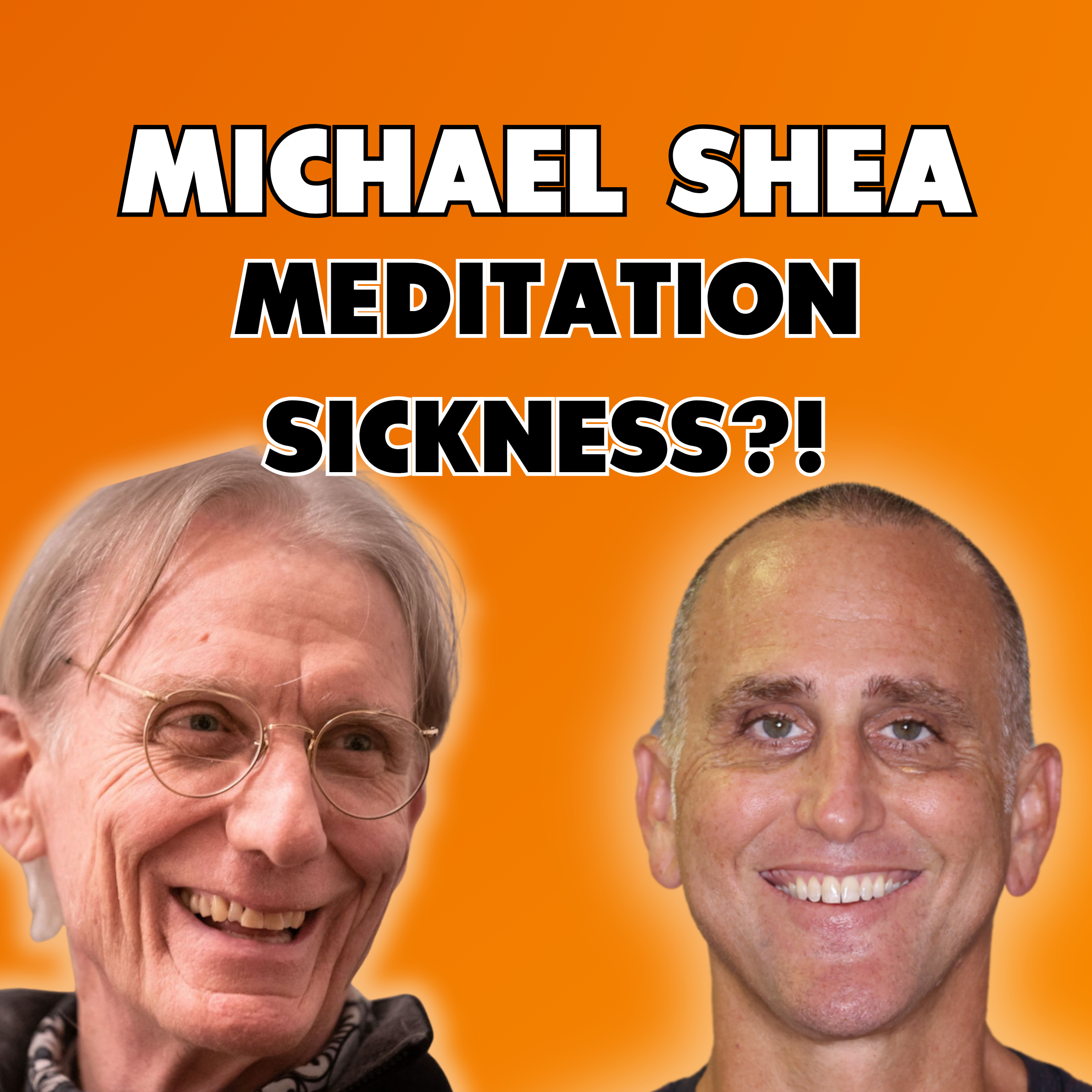
Sage Rountree | Yoga Off the Mat: Live Your Practice Beyond the Poses

Listen to Toddcast with Sage for FREE here

Sage Rountree joins Todd to talk about her new book, Yoga Off the Mat, and what it means to live the practice when you are not on the floor.

Sage is known for yoga for athletes, recovery, and teacher training — and for making philosophy usable. In this episode she walks through ideas that often stay locked in Sanskrit: Sthira-Sukha, Samasthiti, Samyama, and Ishvara Pranidhana. The through-line is simple. Yoga is not only shapes. It is how you meet effort, rest, patience, and daily life.

We talk about her path from a more rigid physical practice to a balanced lifestyle, what endurance sports taught her about patience, and how beginners and experienced practitioners can both use these teachings off the mat.

Sage Rountree, PhD, E-RYT 500, is the author of 13 books, including The Athlete’s Guide to Yoga, The Athlete’s Guide to Recovery, The Art of Yoga Sequencing, and Yoga Off the Mat. She hosts the podcast Yoga Teacher Confidential.

More from Native Yoga Center: https://www.nativeyogacenter.com/

Sage: https://sagerountree.com/

Yoga Beyond the Mat: A Journey Through Philosophy and Practice

In a compelling conversation with Sage Rountree, the focus on expanding the horizons of yoga practice beyond the confines of a mat is illuminated. Much more than exercise, yoga encompasses profound philosophical elements that enrich practitioners’ lives. Rountree explains her motivation, stating, “The book has got a lot of very short chapters, each of them unpacking some concept from yoga tradition…and then trying to show folks how they can apply that to their daily life.”

A key takeaway from Rountree’s narrative is her emphasis on the broader implications of yoga practice. The listener is encouraged to move past the misconception that yoga is solely a physical endeavor. Instead, Rountree urges an exploration of yoga’s philosophical roots, providing pathways to integrate its wisdom into everyday experiences. She remarks, “It’s not about going on yoga retreat and really getting in touch with philosophy. It’s about bringing it into your regular routine.”

Such integration offers mental and emotional benefits, encouraging practitioners to apply concepts like balance, awareness, and mindfulness into every aspect of their lives, making yoga a tool for holistic personal development.

Embracing Balance: Navigating Effort and Ease in Life and Practice

A significant theme in the discussion is the balance between effort and ease, a fundamental yoga principle underlined by the terms sthira (effort) and sukha (ease). Rountree eloquently defines this balance as the essence of an authentic yoga practice, whether on the mat or in life’s circumstances.

For instance, she provides insight into how these principles manifest within various disciplines and life situations. “What Patanjali says…some people just boop, arrive at somebody…and then others of us have to work at it diligently over time,” she illustrates, pointing to the need for a personalized approach where balance is dynamic and ever-evolving.

This aligns with the yoga philosophy of sthira sukham asanam, which advises practitioners to find stability and comfort in the physical poses, a metaphor applicable to life’s challenges. Rountree’s perspective encourages practitioners to cultivate patience, adapt to life’s changing demands, and find equilibrium amidst the chaos.

Whether it’s on the mat or managing daily stresses, understanding and living these principles support greater resilience and well-being.

The Role of Experience in Developing Wisdom and Patience

A deeper appreciation for age and experience as vehicles for wisdom is another enlightening theme. Rountree reflects on how her relationship with yoga and athleticism has evolved over time. With a background in endurance sports, she acknowledges the necessity of patience and the gradual accumulation of understanding with maturity.

As she shares, “I have developed more patience. I would not even claim that I am currently a patient person, but I used to be extremely impatient.” This candid admission underscores a prevalent truth: that wisdom often unfolds through lived experiences rather than theoretical knowledge alone.

Rountree’s narrative is an invitation to embrace aging not as a decline but as a period ripe with opportunity for growth in nuance and depth of understanding. Yoga, in this context, serves as a lifelong companion, offering insights and tools to navigate the complexities of life with grace and composed acceptance.

As we age, yoga philosophy and practice provide an evolving roadmap to navigate life’s vicissitudes, reminding us that every stage holds its unique teachings.

Drawing from this dialogue, Rountree’s philosophy underscores that meaningful engagement with yoga extends beyond physical mastery. It involves embracing life’s uncertainties and contradictions through balance, patience, and the pursuit of personal growth. By applying yoga’s age-old wisdom to modern life’s challenges, we can cultivate a more harmonious existence both on and off the mat.

These conversations reveal yoga’s timeless relevance, affirming its capability to foster profound transformation and understanding in all facets of life.

Check out: 👇
8IN8 Ashtanga Yoga for Beginners Course Online– Learn 8 Limb Yoga in 8 Days – Get FREE coupon code for a limited time only (Regular price $88) https://info.nativeyogacenter.com/8in8-ashtanga-yoga-for-beginners-8-limbs-in-8-days/

Practice with Native Yoga Online – New classes EVERY day – Use Code FIRSTMONTHFREE https://nativeyogacenter.teachable.com/p/today-s-community-class

Subscribe to Native Yoga Center and view this podcast on Youtube.

Thank you Bryce Allyn for the show tunes. Check out Bryce’s website: bryceallynband.comand sign up on his newsletter to stay in touch. Listen here to his original music from his bands Boxelder, B-Liminal and Bryce Allyn Band on Spotify.

Please email special requests and feedback to info@nativeyogacenter.com

https://info.nativeyogacenter.com/8in8-ashtanga-yoga-for-beginners-8-limbs-in-8-days

Support the show

Native Yoga website: here
YouTube: here
Instagram: @nativeyoga 
Twitter: @nativeyoga 
Facebook: @nativeyogacenter 
LinkedIn: Todd McLaughlin 
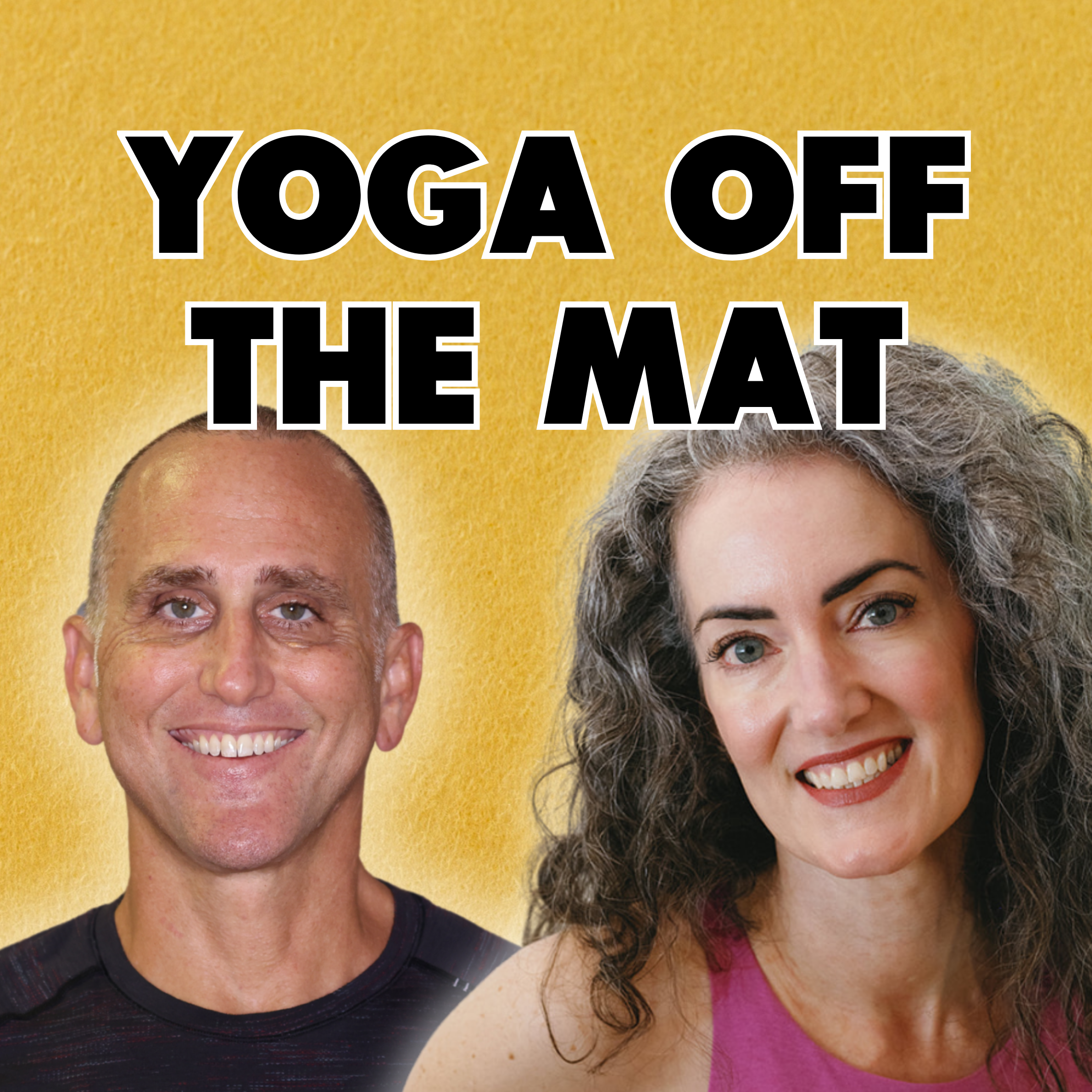
Lyn Sellars: Yoga, Family, and the Practice of Letting Go

Listen to Toddcast with Lyn for FREE here

Lyn Sellars is a passionate yoga teacher with a rich history connected to the Dharma Yoga Center and Sri Dharma Mittra. Residing in rural Vermont, she embraced yoga following a transient lifestyle inspired by the Grateful Dead community. Lyn has co-owned Dharma Yoga Vermont with her daughter, sharing her knowledge and philosophies on yoga, compassion, and community living. With deep ties to both her family and her community, Lyn blends her personal experiences with her professional teaching, being particularly invested in traditional yoga practices beyond just the physical aspects.

Visit Lyn: https://www.instagram.com/grandma_sati/

Key Takeaways:

  • Lyn Sellars integrates her passion for yoga with her rich cultural experiences from Vermont and the Grateful Dead community, creating a unique teaching approach centered on love and interconnectedness.
  • Lyn emphasizes the transformative power of yoga beyond physical practice, offering philosophies that address self-loathing and promote self-love and compassion.
  • Community is a recurring theme; Lyn reflects on how the principles of yoga foster a sense of belonging and support amidst life’s challenges.
  • The conversation sheds light on the living practice of yoga, illustrating how the teachings evolve as one’s life and circumstances change.
  • Featuring notable insights into working with family and community, listeners gain a heartfelt perspective on the impact of sharing yogic knowledge with others.

The Magic of Discovering Yoga Beyond the Mat

Yoga is often first encountered as a physical practice, a series of postures and stretches that gradually unfold into something richer and more fulfilling. This journey from the tangible to the transcendent is a common thread among practitioners, exemplified beautifully in the conversation between Todd and Lyn Sellers, as they navigate their shared experiences in yoga.

Lyn recounts her initial encounter with yoga, explaining, “I think I was looking for it long before I even knew what yoga was.” Her narrative illustrates the cultural essence of yoga—an inherent longing for connection and understanding that often predates the physical practice. The journey into yoga extends beyond mere physical exercise and becomes a deep exploration of inner peace and interconnectedness.

Practitioners like Lyn find the transformational power of yoga beyond the confines of the studio, as seen in her experiences during the Grateful Dead concerts. She reflects, “There was this something that I never experienced growing up,” capturing a similar sense of community and connection. These experiences serve as a mirror to the intangible benefits of yoga, where people unite, breathe, and move beyond their struggles and limitations.

Love as the Ultimate Practice

The theme of love resonates profoundly throughout the dialogue, echoing the essence of yoga not just as a practice but as a way of life. As Lyn reflects on recent life events, from the passing of her parents to her daughter’s upcoming wedding, the centrality of love becomes a powerful motif. She observes, “It’s a celebration of love, too…it just looks so different. It’s in a totally different form.”

Her words emphasize the understanding that love transcends definitions and circumstances, underlying every aspect of life, including the mundane and the momentous. This insight reveals a shifting focus from asanas and meditation to recognizing love as the core of yoga practice.

Yoga teaches acceptance not just of self but of life’s ever-changing circumstances. As Todd notes, “…it’s actually landing as a reality in this moment that you’re seeing…” The transformative recognition of love’s presence in all experiences underscores that yoga isn’t about contorting one’s body to fit a shape but allowing one’s heart to embrace the world as it is.

The Power of Community: Bridging Love and Connection

The importance of community is another recurring theme, illustrated through vivid anecdotes and reflections in the conversation. Lyn’s journey through the spiritual realms of the Grateful Dead and yoga both unveil strong communal ties that foster a sense of belonging. In a world that’s increasingly individualistic, nurturing community becomes a liberating and grounding practice.

Lyn believes firmly that “…creating community is really important.” Her yoga studio, nestled in a small Vermont town, faced challenges yet thrived as a beacon of unity. Despite geographic and demographic hurdles, it was an effort to weave threads of shared experience and collective growth. This sense of community reflects yoga’s call for unity and togetherness, transcending the self to connect deeply with others.

As she mentions how the studio used food as a connecting tool, “…we would do to get people through the door. We’re like, what do we’ve always done? We feed people.” This simple yet profound gesture highlights how love and community are intrinsically related.

Yoga’s Eternal Dance: Reflecting Light Through Practice

More than mere physical exercise, yoga encompasses living mindfully, embracing both struggles and insights. The dialogue between Todd and Lyn captures this equilibrium as they explore life’s unpredictability and the timeless wisdom contained within the yoga path.

Reflecting on her journey, Lyn acknowledges that profound learning emerges from suffering. She elaborates, “It’s really the deep struggling, the suffering when we go through stuff, they’re like, oh, I see things.” This truth intimates that yoga isn’t merely a sanctuary from life’s challenges but a catalyst for transformation. By confronting and navigating hardships, individuals find lasting growth and wisdom.

Through this insightful dialogue, it becomes clear that the practice of yoga is expansive, stretching far beyond the mats into every breath, every moment. It is enriched by the knowledge that everything, even the most mundane aspects of life, is suffused with love and connection. Each step on the yoga path reveals new horizons, new light, and unanticipated places where growth and understanding reside.

In essence, yoga is about seeing the world through the lens of love, finding community, and recognizing that light can emerge from the strangest places if we are willing to look at it right. As Scarlet Begonias by the Grateful Dead reminds us, “Sometimes you get shown the light in the strangest of places if you look at it right.” This simple yet profound truth encapsulates the essence of yoga—remaining ever ready to embrace the beauty of life’s unpredictable dance.

Check out: 👇
8IN8 Ashtanga Yoga for Beginners Course Online– Learn 8 Limb Yoga in 8 Days – Get FREE coupon code for a limited time only (Regular price $88) https://info.nativeyogacenter.com/8in8-ashtanga-yoga-for-beginners-8-limbs-in-8-days/

Practice with Native Yoga Online – New classes EVERY day – Use Code FIRSTMONTHFREE https://nativeyogacenter.teachable.com/p/today-s-community-class

Subscribe to Native Yoga Center and view this podcast on Youtube.

Thank you Bryce Allyn for the show tunes. Check out Bryce’s website: bryceallynband.comand sign up on his newsletter to stay in touch. Listen here to his original music from his bands Boxelder, B-Liminal and Bryce Allyn Band on Spotify.

Please email special requests and feedback to info@nativeyogacenter.com

https://info.nativeyogacenter.com/8in8-ashtanga-yoga-for-beginners-8-limbs-in-8-days

Support the show

Native Yoga website: here
YouTube: here
Instagram: @nativeyoga 
Twitter: @nativeyoga 
Facebook: @nativeyogacenter 
LinkedIn: Todd McLaughlin 
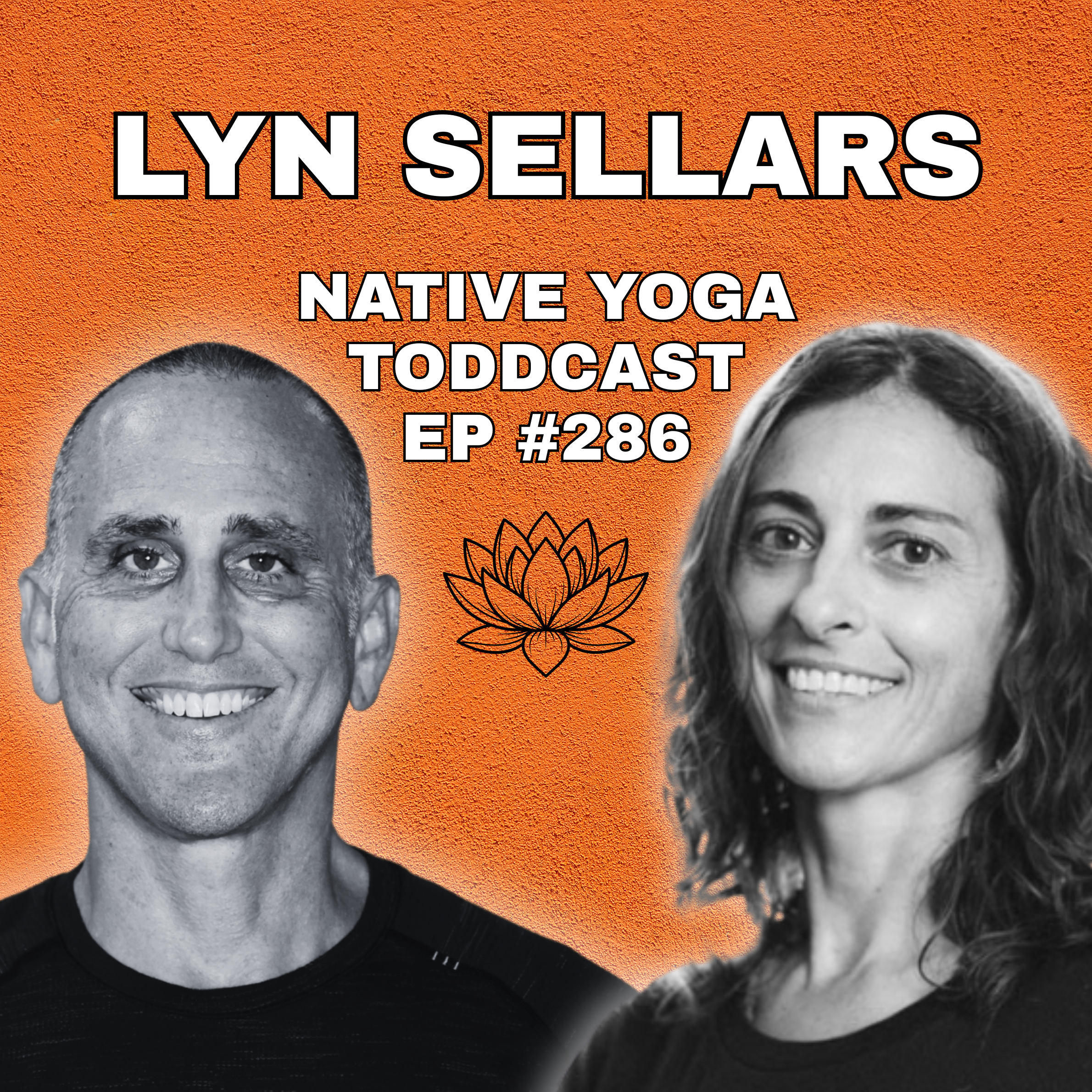
Daniele Salvitto: From Cirque du Soleil Acrobat to Dharma Yoga Teacher

Listen to Toddcast with Daniele for FREE here

Daniele Salvitto is an accomplished performer, yoga teacher, and former professional dancer known for his work with prestigious organizations like Cirque du Soleil and Disney Cruise Line. Originally from Italy, Salvito began his dance career at the age of 18, quickly rising to perform worldwide. Today, he resides in France, where he teaches various styles of yoga, including Dharma and Ashtanga, alongside other disciplines like aerial acrobatics and flexibility. His unique approach blends his profound understanding of movement with yoga philosophy, nurtured under the guidance of renowned teachers such as Sri Dharma Mittra.

Visit Daniele: https://www.instagram.com/danielesalvitto/

Key Takeaways:

  • Daniele’s professional journey exemplifies the union of artistry and discipline, from dance to yoga.
  • The pivotal role of Ashtanga yoga in Daniele’s life, aiding recovery and enhancing his athletic abilities.
  • Insights into Daniele’s teaching philosophy, which integrates yoga with dance, acrobatics, and meditation.
  • The significance of mentoring relationships, emphasizing his bond with Sri Dharma Mittra.
  • Balancing Eastern yoga philosophies with Western scientific principles, Daniele bridges these worlds seamlessly.

Unveiling the Harmony: The Dance of Diverse Disciplines

In the vibrant transcript with Daniele Salvitto, there’s a fascinating blend of yoga, dance, acrobatics, and spirituality interwoven into a rich tapestry of insights. Daniele, a former Cirque du Soleil performer and yoga instructor, shares how his journey has led him to view the world of physical movement through an expansive lens. Speaking about his background, Daniele reveals, “I started dancing when I was 18… my agent sent me an addition for Disney Cruise Line… the day after they sent me a contract.”

For Daniele, the perceived barriers between different disciplines are merely constructs; instead, he emphasizes the shared essence of these practices. He reflects, “Yoga is everything,” highlighting Dr. Ganesh’s words on how yoga encompasses studies of chemistry, mathematics, and physics. Daniele embraces this convergence stating, “It all comes together… in the end, it’s all yoga.”

This blending of disciplines has broader implications. By approaching movement through both a scientific and spiritual lens, Daniele showcases the universal applicability of these principles across different areas of life. This amalgamation fosters a unique way of understanding body and mind, encouraging practitioners of any discipline to move forward with purpose and intention.

Yoga as a Lifelong Companion: A Journey with Dharma Mittra

At the heart of Daniele’s narrative is his transformative experience with Dharma Mittra, a revered yoga teacher whose influence has been profoundly significant. “I met Dharma when I was already certified as a yoga teacher… was my second best… thing they did in my life probably is the training with Dharma,” Daniele passionately shares. This connection illustrates how a teacher can serve as a beacon guiding one towards inner peace and self-realization.

Daniele lauds Dharma’s humility and the loving community fostered under his guidance. He explains, “Even if I’m not there for seven or eight months, every time I walk in, he just looks at me… I’m happy to see you.” This enduring relationship exemplifies the potential for yoga to not only heal but to also knit together a community founded on mutual growth and understanding.

Such experiences reveal the potential of finding a teacher who not only instructs but inspires a profound commitment to the practice. The implication is clear: authentic mentorship can significantly enrich one’s journey, offering both solace and strength, whether on the mat or in life.

The Universality of Yoga: Beyond the Mat

While physical prowess and spiritual insight are evident in Daniele’s journey, there is a profound appreciation for the connective energy of yoga that transcends asanas. Daniele emphasizes, “As long as you put an intention in it… the intention… is meant to go towards God… it’s the same exercise whether it’s aerial loop or acrobatics or doing yoga.”

Importantly, Daniele does not restrict yoga to its postures; it is a fluid practice that weaves through every facet of life, underscoring the same principles found within performing arts and beyond. “It’s all the same… just different faces of the same metal,” he elucidates, suggesting that at the core, everything is intertwined through the intent and energy we bring.

Daniele’s insights encourage practitioners and enthusiasts of all disciplines to consider the deeper implications of their practice. These revelations position yoga not as a rigid framework but as a flexible approach applicable in myriad settings, whether on the stage, in the gym, or through personal introspection.

As Daniele’s narrative unfolds, it becomes palpable that finding harmony in diverse pursuits lends itself not just to personal fulfillment but also to broader, empathetic understanding among varying disciplines and cultures.

By exploring the themes from Daniele Salvitto’s experiences, a holistic picture emerges of how combining the physical and spiritual engenders a richer, more connected journey. His insights offer both reflection and inspiration, inviting individuals to transcend conventional boundaries, embrace their unique paths, and foster unity and understanding within their communities.

Check out: 👇
8IN8 Ashtanga Yoga for Beginners Course Online– Learn 8 Limb Yoga in 8 Days – Get FREE coupon code for a limited time only (Regular price $88) https://info.nativeyogacenter.com/8in8-ashtanga-yoga-for-beginners-8-limbs-in-8-days/

Practice with Native Yoga Online – New classes EVERY day – Use Code FIRSTMONTHFREE https://nativeyogacenter.teachable.com/p/today-s-community-class

Subscribe to Native Yoga Center and view this podcast on Youtube.

Thank you Bryce Allyn for the show tunes. Check out Bryce’s website: bryceallynband.comand sign up on his newsletter to stay in touch. Listen here to his original music from his bands Boxelder, B-Liminal and Bryce Allyn Band on Spotify.

Please email special requests and feedback to info@nativeyogacenter.com

https://info.nativeyogacenter.com/8in8-ashtanga-yoga-for-beginners-8-limbs-in-8-days

Support the show

Native Yoga website: here
YouTube: here
Instagram: @nativeyoga 
Twitter: @nativeyoga 
Facebook: @nativeyogacenter 
LinkedIn: Todd McLaughlin 
Nikunja Vilasi Das | The Heart of Yoga – Bridging Hatha Motion into Bhakti Devotion

Listen to Toddcast with Nikunja for FREE here

Nikunja Vilasi Das is a dedicated practitioner and teacher in the field of Bhakti Yoga. Born in California, he was introduced to yoga at an early age, with his mother being a yoga teacher. He currently resides in Miami, Florida, where he serves at the Sacred Vedic Arts Bhakti Yoga center. Nikunja Vilasi Das is committed to spreading the teachings of Bhakti Yoga, integrating his diverse experiences in various yoga disciplines, including Hatharaja Yoga and Kriya Yoga. He holds reverence for his spiritual masters and strives to bridge traditional yoga practices with contemporary life.

Visit Nico: https://www.nicoyoga108.com/

Key Takeaways:

  • Bhakti Yoga is centered around the devotion to Krishna and the practice of chanting the Hare Krishna Maha Mantra as a means of purification and self-realization.
  • Nikunja Vilasi Das argues that while modern yoga practices can become overly materialistic, true growth involves spiritual discipline and guidance from a realized master.
  • Understanding the role of Bhakti Yoga as the most accessible form of yoga today, particularly due to its simplicity and ability to foster a personal relationship with the divine.
  • The Hare Krishna Maha Mantra serves as a direct connection to divine consciousness, engaging all senses in spiritual practice and offering a profound experience of inner peace.
  • Being around and learning from a realized spiritual guide like Sri Dharma Mittra can profoundly impact one’s spiritual evolution, promoting authenticity in practice versus performative stereotypes.

Embracing Bhakti Yoga in a Modern World: A Journey into Divine Connection

In the vibrant landscape of modern yoga, where styles and philosophies abound, the voice of Bhakti Yoga stands distinct in its simplicity and depth. Bhakti Yoga, the yoga of love and devotion, transcends the superficial layers often associated with contemporary practices. This deep engagement offers individuals not just techniques, but a profound inner transformation that aligns the heart and mind with a higher spiritual reality. Through insightful dialogue, as reflected in the conversation between yoga teacher and podcast host, Todd McLaughlin, and Bhakti Yoga practitioner, Nikunja Vilasi Das, we explore the path of Bhakti Yoga and its unique place within today’s spiritual journey.

The Simplicity and Depth of Bhakti Yoga

Bhakti Yoga is celebrated for its simplicity and accessibility. Unlike other yoga paths that demand rigorous physical discipline or esoteric knowledge, Bhakti Yoga centers on a singular, powerful act—chanting. Nikunja highlights that the Hare Krishna Mahamantra serves as a direct bridge to divine consciousness. As he notes, “Chanting is the beginning of everything,” emphasizing the profound impact of this vocal and vibrational practice.

The practice invites individuals to engage all senses through their spiritual journey. By listening to the mantra, practitioners experience a form of intimacy with the divine. Nikunja explains, “The Lord is non-different than his names. He is there when you’re chanting.” This auditory engagement reflects a unique feedback loop, enhancing spiritual concentration and devotion. The mantra becomes a living presence, knitting together the practitioner’s external and internal world in divine harmony.

Navigating Modern Yoga Culture with Ancient Wisdom

In a world dominated by consumerism and superficial wellness trends, Bhakti Yoga offers an anchor to authenticity. The dialogue reflects a stark contrast between contemporary yoga’s commodification and the humble yet profound tenets of Bhakti. Nikunja shares his observations, mentioning, “The modern yoga culture, to be honest, is just so bogus,” pointing to the pervasive distractions that dilute yoga’s essence.

One compelling aspect of Bhakti is its inclusivity and focus on internal transformation over external achievement. Regardless of one’s external circumstances or social engagements, the practice remains centered on serving the divine. Nikunja’s experiences, particularly how bhakti weaves into daily life and social interactions, reinforce the theme of yoga as a deeply personal journey. By integrating timeless principles into public spaces and living a life of service, practitioners like Nikunja embody yoga’s true spirit, challenging the superficial paradigms often seen today.

The Transformative Power of Devotion and Service

The transcript underscores service as an integral part of the Bhakti path. Service to the divine and community defines a bhakta’s role, transcending mere ritual to become a way of life. Nikunja elucidates how living and serving within the temple structure amplifies his spiritual journey. He says, “I’m here to answer any questions you have and really be your eternal well-wisher,” placing service at the heart of his practice.

This focus on service fosters a connectivity that transcends religious boundaries, resonating with universal human aspirations for love and understanding. As Nikunja interacts with varied audiences through teaching and community involvement, he illustrates how the acts of service and devotion naturally extend beyond personal practice to influence broader society. The paradigm shift from self-centric to service-centric yoga redefines success as spiritual alignment and contribution, rather than personal accolades.

An Invitation to Inner Exploration

At its core, Bhakti Yoga invites individuals into a journey of spontaneous and sincere connection with the divine, integrating heart and spirit beyond the confines of the material world. Practitioners like Nikunja exemplify its transformative power, not only living the principles but also reaching out to enlighten and uplift others. By integrating ancient wisdom with contemporary relevance, Bhakti Yoga provides a profound blueprint for those seeking depth and authenticity in their spiritual path, reminding us all that, ultimately, it is not the complexity of the practice that brings fulfillment, but the purity of o

Check out: 👇
8IN8 Ashtanga Yoga for Beginners Course Online– Learn 8 Limb Yoga in 8 Days – Get FREE coupon code for a limited time only (Regular price $88) https://info.nativeyogacenter.com/8in8-ashtanga-yoga-for-beginners-8-limbs-in-8-days/

Practice with Native Yoga Online – New classes EVERY day – Use Code FIRSTMONTHFREE https://nativeyogacenter.teachable.com/p/today-s-community-class

Subscribe to Native Yoga Center and view this podcast on Youtube.

Thank you Bryce Allyn for the show tunes. Check out Bryce’s website: bryceallynband.comand sign up on his newsletter to stay in touch. Listen here to his original music from his bands Boxelder, B-Liminal and Bryce Allyn Band on Spotify.

Please email special requests and feedback to info@nativeyogacenter.com

https://info.nativeyogacenter.com/8in8-ashtanga-yoga-for-beginners-8-limbs-in-8-days

Support the show

Native Yoga website: here
YouTube: here
Instagram: @nativeyoga 
Twitter: @nativeyoga 
Facebook: @nativeyogacenter 
LinkedIn: Todd McLaughlin 
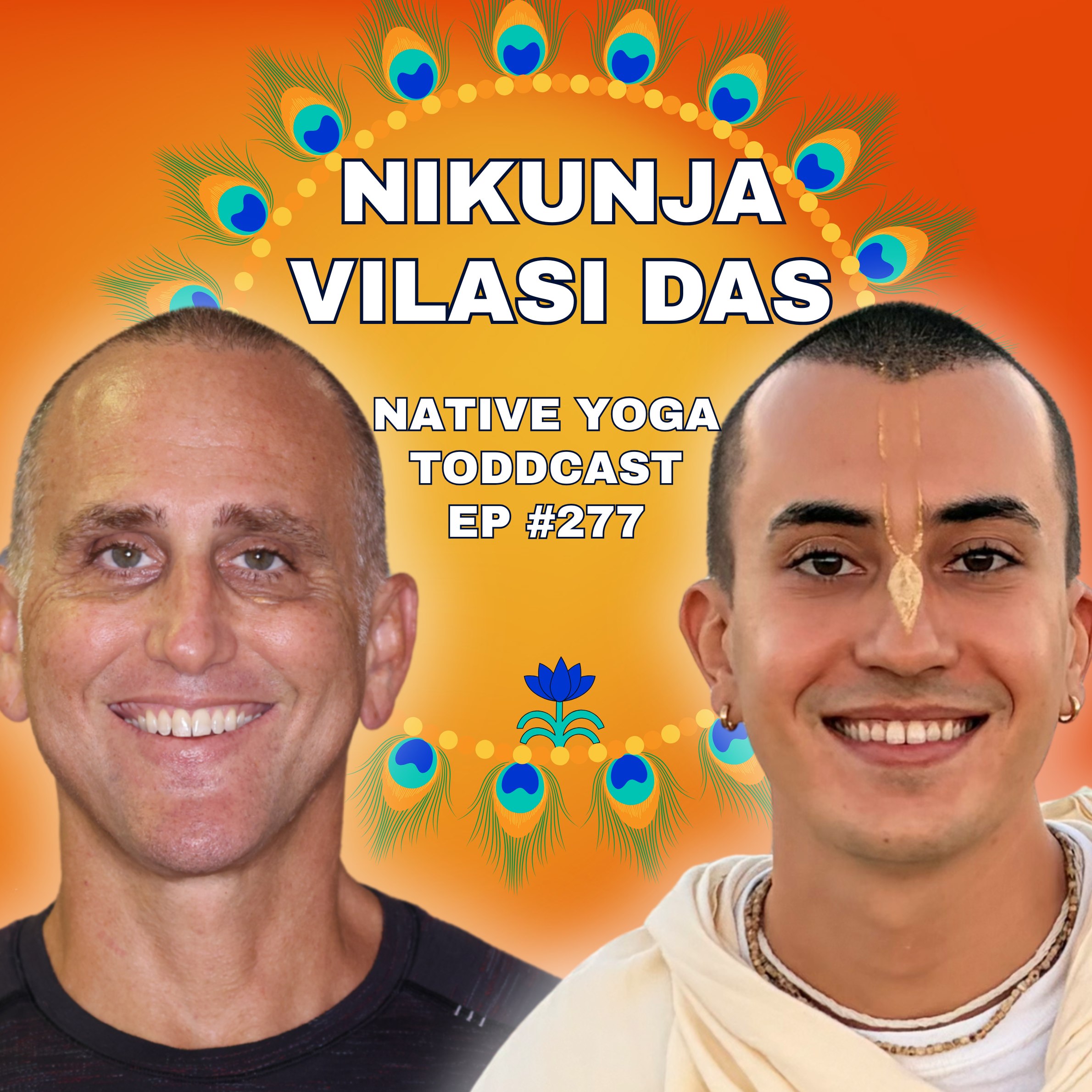
Michael Wagner | Near-Death Experience, Sri Dharma Mittra & the Path of Yoga

Listen to Toddcast with Michael for Free Here

Michael Wagner is a seasoned yoga instructor, specializing in Dharma Yoga since 2009. Originally from Germany, Michael’s journey into yoga began with a career in modeling and acting in New York City, where he encountered method acting and subsequently sought balance through yoga. Michael’s teachings are shaped by his significant experiences, including training under renowned yoga master Sri Dharma Mittra. Currently, he resides in London, where he continues to share his passion for yoga, drawing from his diverse background in wellness, fitness, and an enriching near-death experience that deepened his spiritual insight.

Visit Michael: https://www.instagram.com/michaeldharmayoga/

Key Takeaways:

  • Michael Wagner’s journey from Germany to yoga realization in New York City showcases the power of yoga in achieving spiritual balance and inner peace.
  • Training under Sri Dharma Mittra played a crucial role in Michael’s professional and personal development, embedding principles of non-violence and self-realization into his practice.
  • Michael’s near-death experience was pivotal, reducing his fear of death and solidifying his commitment to living a fully present, spiritually enriched life.
  • The benefits of yoga extend beyond physical fitness, influencing mental clarity, emotional wellbeing, and fostering a deeper understanding of self.

The Spiritual and Physical Interconnection of Yoga

In today’s digital age, yoga remains a powerful tool to bridge the gap between the physical and the spiritual. Michael Wagner’s narrative in the transcript captures the essence of this transformative journey. Wagner initially discovered yoga as a means to counterbalance the rigorous demands of acting and modeling, noting that it provided him the need to calm the mind. “It was the first practice where I understood what it is,” Wagner says, explaining that yoga taught him to let go and trust his body.

His initial encounters with yoga in Miami under the guidance of his friend Augustine reveal how yoga can serve as an introduction to deeper spiritual practices. Experiencing kirtan and bhakti opened Wagner’s heart to the practices that transcend mere physical exercises. In his words, “Few minutes into the practice… I knew like, the first practice was the most intense I ever remember.” This sentiment highlights the profound physical impact matched by spiritual awakening.

The thread connecting the physical and spiritual aspects of yoga is central to Wagner’s narrative, demonstrating how both realms must be nurtured through practice. This harmonizing approach can manifest in enhanced physical flexibility, improved digestive health, and an awakened spiritual consciousness—an essential component for those seeking a comprehensive understanding of yoga.

Personal Journeys Toward Self-Realization

A pivotal theme in Michael Wagner’s story is the journey toward self-realization, shaped by profound life experiences. His near-death experience in South Africa became a turning point. Recalling the event, he shares, “I was drifting away, watching myself lying down… all I felt was love.” This experience not only removed his fear of death but also underscored the potential for spiritual awakening outside the confines of the physical body.

Wagner’s meeting with his guru, Dharma Mittra, further solidified his path. Years later, he speaks of the transformative power of having a living master: “When I Met Dharma… it was life changing, changing my way of even perceiving life itself.” The presence of a spiritual guide deepens the journey, causing shifts in perception and encouraging the embrace of a vegetarian lifestyle to enhance his practice.

The quest for self-improvement is echoed in Wagner’s decision to embrace a yoga teaching role, inspired by the impact of Dharma’s teachings. This shift emphasizes how the path to self-realization is an ongoing process, encouraging those who embark on the journey to remain open to evolving insights.

The Universality and Accessibility of Yoga

Yoga, as described in the transcript, is a universal practice accessible to all, regardless of their background or physical condition. Wagner discusses teaching a diverse range of individuals in London, extending from football teams to people with disabilities. His approach emphasizes inclusivity, “I teach people that have, you know, even disabilities. And for me, it’s so important, like, to see… the progress and the improvement.”

This universality is captured through his personal teaching philosophy: acknowledge individual conditions, tailor the practice accordingly, and witness transformative results. Wagner shares his deep appreciation for teaching yoga, facilitated by Dharma’s influence, “If you find the right teacher… who speaks to you and makes you not only come back to class… you have to really adjust the practice to the exact condition.”

The widespread appeal of yoga is further evidenced through cross-cultural experiences, as Wagner reflects on engaging in yoga practices at notable locations like Miami’s Bayfront Park. These experiences underscore yoga’s role as a bridge that connects individuals across diverse cultures and geographies.

Woven through Michael Wagner’s experiences is the message that yoga is more than physical postures—it is a holistic journey towards unity between the body, mind, and spirit. His transformation from a student to a teacher illustrates the continuous evolution and expansion inherent in the practice of yoga. Effectively, yoga serves as a pathway to self-realization, accessible and beneficial to all who are open to its profound wisdom. With dedication and openness, practitioners of yoga can uncover the remarkable potential within their lives, shaping a balanced existence enriched by self-awareness and spiritual growth.

Thanks for listening to this episode. Check out: 👇
8IN8 Ashtanga Yoga for Beginners Course Online– Learn 8 Limb Yoga in 8 Days – Get FREE coupon code for a limited time only (Regular price $88) https://info.nativeyogacenter.com/8in8-ashtanga-yoga-for-beginners-8-limbs-in-8-days/

Practice with Native Yoga Online – New classes EVERY day – Use Code FIRSTMONTHFREE https://nativeyogacenter.teachable.com/p/today-s-community-class

Subscribe to Native Yoga Center and view this podcast on Youtube.

Thank you Bryce Allyn for the show tunes. Check out Bryce’s website: bryceallynband.comand sign up on his newsletter to stay in touch. Listen here to his original music from his bands Boxelder, B-Liminal and Bryce Allyn Band on Spotify.

Please email special requests and feedback to info@nativeyogacenter.com

https://info.nativeyogacenter.com/8in8-ashtanga-yoga-for-beginners-8-limbs-in-8-days/

Support the show

Native Yoga website: here
YouTube: here
Instagram: @nativeyoga 
Twitter: @nativeyoga 
Facebook: @nativeyogacenter 
LinkedIn: Todd McLaughlin
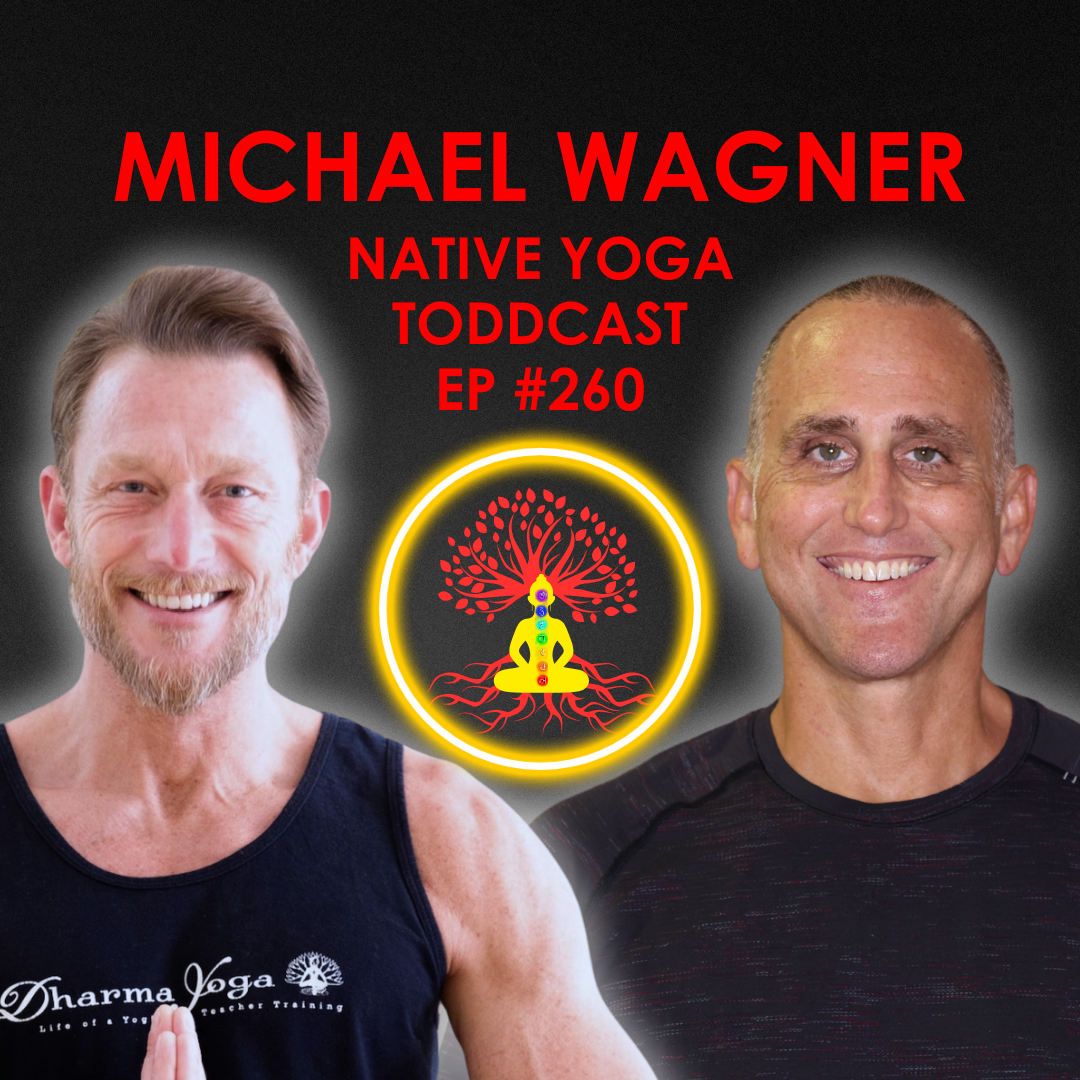
Nathan Thompson: From Addiction to Awakening — Ashtanga, Buddhism & Escaping Samsara

Listen to Toddcast with Nathan for FREE here

Nathan Thompson is a devoted practitioner of Ashtanga yoga and Buddhism with a unique journey from addiction recovery to spiritual exploration. Originally from London, Nathan has immersed himself in the cultural and spiritual landscapes of Southeast Asia, residing in Laos while frequently engaging with the communities in Thailand and Cambodia. He hosts the podcast “Escaping Samsara,” where he shares insights from his personal journey and interviews with spiritual teachers and practitioners. Nathan is known for his disciplined practice, open-minded exploration of different meditation techniques, and deep commitment to personal growth and mindfulness.

Visit Nathan: https://escapingsamsara.substack.com/ 

IG: https://www.instagram.com/escsamsara/

Key Takeaways:

  • Nathan discusses his journey from addiction to spiritual awakening, highlighting the role of Goenka’s meditation techniques.
  • The real meaning of “Escaping Samsara” as an evolving concept and its connection to Nathan’s experiences in both Theravada and Mahayana Buddhism.
  • Impact of fatherhood on Nathan’s spiritual path and its influence on his understanding of interconnectedness and compassion.
  • Insights into the differences between Theravada and Mahayana Buddhism, especially regarding the concept of individual vs. collective liberation.

In today’s rapidly changing world, the quest for peace and understanding has become more pressing than ever. For Nathan Thompson, who transitioned from a life of dependency to one deeply rooted in spiritual practices, the journey of mindfulness and meditation marked a significant turning point. As he describes his pathway through different philosophies and practices, Nathan offers profound insights into how meditation can catalyze personal transformation.

Transformation Through Meditation: From Addiction to Awareness

In the conversation with Todd, Nathan vividly chronicles his transformation from addiction to a life enriched by meditation and mindfulness. For Nathan, the path began at a point of desperation, a sentiment he humorously acknowledges when describing his early foray into Buddhism. “Luckily, I was born with a kind of discipline,” Nathan reveals, reflecting on his ability to adhere to rigorous meditation practices despite early struggles. He describes the experience of attending a Goenka meditation course shortly after quitting drugs, a pivotal moment that catalyzed his journey toward self-awareness.

Nathan’s experience encapsulates a universal theme within the realm of meditation: transformation doesn’t happen overnight, but through persistent dedication and openness to change. “When I walked out [of the course] for the first time in ten years,” Nathan shares, “the loop that was in my brain of, like, got to take drugs, got to take drugs, was gone.” His story highlights the profound impact structured meditation can have on reshaping one’s mental landscapes, providing an inspiring blueprint for others facing similar challenges.

Cultural Context and Spiritual Practice: Lessons from Life Abroad

Nathan’s relocation from England to Southeast Asia opened new pathways of cultural understanding in his spiritual journey. Living in Laos and practicing traditional Buddhism introduced him to the lived reality of Buddhist cultures—distinct from Western perceptions of Buddhism as predominantly meditation-focused. This cultural immersion underscored important aspects of community and traditional values, areas Nathan found lacking in Western spiritual practices. “Living in a communist dictatorship is bad, but you’re also free from a lot of the kind of strife that can happen in democracies,” Nathan shares, reflecting on the unique societal structure in Laos.

In highlighting this experience, Nathan provides valuable commentary on how cultural context shapes spiritual practices and beliefs. His story underscores the importance of embracing local traditions and beliefs to gain a more nuanced understanding of any spiritual path. By living with monks and engaging in immersive experiences, Nathan fast-tracked his comprehension of Buddhist practice in a way that transcended the individualistic focus prevalent in some Western interpretations.

Evolving Spiritual Philosophy: From Individual Liberation to Community Connection

One of the most poignant themes Nathan explores is the evolution of his spiritual philosophy over time. Initially driven by the traditional Theravada goal of personal liberation—“escaping Samsara”—Nathan’s understanding expanded to encompass broader, community-focused ideals. This shift, coinciding with the birth of his first child, reflects a deep transformation in his perception of interconnectedness. “I realized a connection with the world and that the world was actually a beautiful place,” he recounts.

Nathan’s journey into Mahayana Buddhism, which emphasizes compassion and the liberation of all beings, represents a significant maturation of his spiritual outlook. His candid discussion with Todd reveals a philosophical pivot from the urgency of individual escape to embracing a more harmonious balance with the world. In his words, Mahayana’s appeal lay in its recognition that “samsara is actually just your untrained mind and it’s not about getting out of the world.”

Throughout Nathan’s narrative, there are layers of complexity that convey resonant lessons on how spiritual practices evolve alongside personal growth. His experience underscores the potential of meditation not just as a salve for individual suffering but as a portal to deeper community engagement and global understanding.

Reflecting on a Journey of Enlightenment

As the dialogue concludes, the essence of Nathan’s story remains: mindfulness and meditation are not static disciplines but are intrinsically linked to the journey of self-discovery and communal living. Nathan’s path—from desperation to disciplined practice to a broader understanding of spiritual interconnection—serves as a testament to the dynamic nature of spiritual growth. His insights on balancing personal practice with community values offer fresh perspectives in ongoing discussions about the relevance of spiritual traditions in contemporary life.

The candid discussion between Nathan and Todd transcends simple anecdotes; it invites listeners to delve deeper into their spiritual practice while understanding the cultural and philosophical contexts that shape individual journeys. Through his reflections, Nathan exemplifies how meditation and spiritual discipline can be threads that weave individuals into the larger tapestry of global community and understanding.

Thanks for listening to this episode. Check out: 👇
8IN8 Ashtanga Yoga for Beginners Course Online– Learn 8 Limb Yoga in 8 Days – Get FREE coupon code for a limited time only (Regular price $88) https://info.nativeyogacenter.com/8in8-ashtanga-yoga-for-beginners-8-limbs-in-8-days/

Practice with Native Yoga Online – New classes EVERY day – Use Code FIRSTMONTHFREE https://nativeyogacenter.teachable.com/p/today-s-community-class

Subscribe to Native Yoga Center and view this podcast on Youtube.

Thank you Bryce Allyn for the show tunes. Check out Bryce’s website: bryceallynband.comand sign up on his newsletter to stay in touch. Listen here to his original music from his bands Boxelder, B-Liminal and Bryce Allyn Band on Spotify.

Please email special requests and feedback to info@nativeyogacenter.com

https://info.nativeyogacenter.com/8in8-ashtanga-yoga-for-beginners-8-limbs-in-8-days/

Support the show

Native Yoga website: here
YouTube: here
Instagram: @nativeyoga 
Twitter: @nativeyoga 
Facebook: @nativeyogacenter 
LinkedIn: Todd McLaughlin
Christiane Coste Cacho | Ashtanga Yoga, Motherhood & Social Justice

Listen to Toddcast with Christiane for FREE here

Christiane Coste Cacho is an accomplished yoga instructor and social justice advocate. With a background in classical ballet and a Master’s in Human Rights Studies from Columbia University, Christiane has seamlessly merged her passion for movement with her dedication to humanitarian work. She has worked with Freedom House, focusing on activists and journalists at risk in Latin America, while also delving into academia as a professor. Christiane now runs a successful yoga studio in Seattle with her husband, Brendan Smullen, where they emphasize community-driven yoga practice that is inclusive and socially responsible.

Visit Christiane: https://www.theyogashalaseattle.com/

Key Takeaways:

  • The Role of Yoga in Resilience: Christiane explains how yoga helped her process the challenging emotional impacts of her work in human rights and social justice, providing a somatic outlet for stress relief.
  • Community-Centric Business Model: Emphasizing inclusivity through sliding scale payments and constant support for diverse communities is a key aspect of their studio’s success.
  • Navigating Cultural Crossroads: Insights into balancing Mexican cultural values with life in the U.S., especially in understanding family dynamics and respect for the elderly.
  • Motherhood and Practice Evolution: Motherhood has shaped Christiane’s approach to yoga, advocating for adaptations in practice that honor one’s current life stage and physical capabilities.

The Transformational Role of Yoga: A Safe Space Amidst Life’s Challenges

In the compelling dialogue between Christiane Coste Cacho and the interviewer, we are ushered into the profound impact that yoga has on one’s life beyond physical well-being. Christiane describes yoga as her haven during tumultuous times working with survivors of torture and journalists at risk in Mexico and Central America. Yoga, especially Ashtanga, provided Christiane with a structured, yet liberating practice that allowed her to navigate and process the intense emotions she encountered in her human rights work.

Reflecting on her introduction to yoga, Christiane states, “The practice just became like a safe space for me to explore and process a lot of what I was witnessing.” This assertion highlights yoga’s therapeutic potential beyond fitness, offering practitioners a tool to cultivate mental resilience against life’s adversities. Moreover, her experience aligns with the growing recognition of yoga as a complementary practice to therapy, offering an embodied approach to healing and mental well-being.

Christiane’s journey is a testament to the transformational capacity of yoga, suggesting that its relevance stretches far beyond the mat, intertwining with every aspect of life to foster a sense of balance and introspection.

Blending Roles with Balance: From Motherhood to Business

Marrying personal aspirations with professional endeavors is often a balancing act. This theme of equilibrium is another pillar of Christiane’s discussion, where she shares insights on harmonizing multiple demanding roles: yoga teacher, mother, and advocate for social justice. The conversation delves into Christiane’s approach to balancing these roles, underscoring the importance of kindness, acceptance, and adaptability.

In addressing the challenges of navigating life’s transitions, Christiane emphasizes the importance of realistic expectations and compassionate acceptance of one’s current situation. She mentions, “Accepting what is and accepting it with kindness and joy, instead of wanting things to be either different as they were before,” as a core practice that keeps her grounded. This mindset serves as a useful guide for anyone juggling various roles, advocating for a compassionate approach to self and others.

Christiane also speaks to her partnership with her husband, Brendan, highlighting the value of shared values and mutual support in managing both family dynamics and their yoga studio in Seattle. This unity strengthens their business, allowing them to support their community while growing personally.

Cultural Insights and Community Connection: Embracing Diversity in Yoga

Christiane’s narrative extends beyond personal and professional themes, weaving in rich cultural insights stemming from her experience as a cross-cultural individual. Living between Mexico and the U.S., she has embraced diverse cultural values and integrated them into her life and work. Her reflections offer a glimpse into the vibrant interplay of Mexican cultural values, emphasizing family and community support, which contrasts with her U.S. experiences.

When discussing Mexican culture, Christiane highlights the profound respect for family and community, noting, “Family is everything in many ways… just the joyfulness of the culture.” This cultural richness translates into the community-driven model of their yoga studio, embracing diversity and fostering a supportive environment for students.

The interview also touches on the broader implications of these cultural elements as they relate to fostering a kinder, more connected world. By encouraging inclusive spaces and celebrating cultural diversity, Christiane’s work accentuates the role of community in creating positive social impact, echoing a broader societal call for inclusivity and understanding.

The discussion with Christiane Coste Cacho offers multifaceted insights into the synergies between yoga, social justice, and a multicultural lifestyle. It underscores the importance of yoga as a powerful tool for personal and communal transformation, advocating for its integrative role in navigating various life’s transitions. Christiane’s personal journey and reflections extend beyond her individual experiences, inviting others to consider how to navigate their path with resilience, empathy, and acceptance.

Thanks for listening to this episode. Check out: 👇
8IN8 Ashtanga Yoga for Beginners Course Online– Learn 8 Limb Yoga in 8 Days – Get FREE coupon code for a limited time only (Regular price $88) https://info.nativeyogacenter.com/8in8-ashtanga-yoga-for-beginners-8-limbs-in-8-days/

Practice with Native Yoga Online – New classes EVERY day – Use Code FIRSTMONTHFREE https://nativeyogacenter.teachable.com/p/today-s-community-class

Subscribe to Native Yoga Center and view this podcast on Youtube.

Thank you Bryce Allyn for the show tunes. Check out Bryce’s website: bryceallynband.comand sign up on his newsletter to stay in touch. Listen here to his original music from his bands Boxelder, B-Liminal and Bryce Allyn Band on Spotify.

Please email special requests and feedback to info@nativeyogacenter.com

https://info.nativeyogacenter.com/8in8-ashtanga-yoga-for-beginners-8-limbs-in-8-days/

Support the show

Native Yoga website: here
YouTube: here
Instagram: @nativeyoga 
Twitter: @nativeyoga 
Facebook: @nativeyogacenter 
LinkedIn: Todd McLaughlin

Robert Moses | Advaita Vedanta: Reality, Illusion, and the Nature of Consciousness

Listen to Toddcast with Robert for FREE here

Robert Moses is a renowned expert in yoga philosophy and Advaita Vedanta. With over five decades of experience in studying and teaching Vedanta, Robert has become a respected figure in the field. He has been closely associated with influential teachers such as Eddie Stern and is the founder of the website Namarupa.org. Robert’s extensive travels and his appreciation of luminaries like Ramana Maharishi have enriched his understanding and teachings in yoga, Vedanta, and pranayama practices.

Visit Robert here: https://namarupa.org/

Key Takeaways:

  • Advaita Vedanta Philosophy: Advaita Vedanta posits that all perceived separation is an illusion; there is only one supreme consciousness.
  • Impact of Vedanta: Robert Moses illustrates how the teachings of Vedanta have profoundly transformed his understanding of identity and consciousness.
  • Yoga Practices: The discussion highlights how pranayama and meditation are tools to maintain balance, calm, and awareness in everyday life.
  • On Suffering and Empathy: Advaita Vedanta acknowledges suffering but encourages empathy while recognizing it as part of the illusory world.
  • Personal Growth: Regular practice, combined with understanding karma, faith, and consciousness, leads to profound self-awareness and peace.

Unveiling the Essence of Advaita Vedanta

Advaita Vedanta, often translated as “non-dualistic” Vedanta, offers a fascinating lens through which to view our existence. As Robert Moses passionately elaborates in his conversation with Todd, this philosophical viewpoint suggests that the universe we perceive is not the entirety of reality—rather, it is a misrepresentation. “Advaita Vedanta is a philosophical system which says all of that is only caused by…an illusory sense of separation that does not exist.” Moses’s encounter with Advaita Vedanta began at the age of 21 through the impactful writings of Ramana Maharshi. It catalyzed a shift in his understanding, challenging the traditional perception of the universe. This realization posits that beneath what our senses perceive lays a single, timeless consciousness from which individual experiences emerge.

The implications of such a worldview are profound. By considering each individual’s awareness as a part of a singular consciousness, one begins to dissolve the barriers created by individual identities. Moses expounds, “Advaita Vedanta says…trying to explain the experience of being from that point of view…without which we cannot be what we are…which is not an individual.” This perspective encourages an exploration of self that transcends the superficial dualities imposed by our everyday experiences and societal constructs.

Pranayama: A Pathway to Inner Equanimity

Pranayama emerges as a key practice for cultivating balance and mental stability—a tool that supports the journey toward understanding non-duality. Early in his practice, Moses sought to “stop his thought process,” but he quickly discovered the futility of seeking control over the natural flow of consciousness. Instead, pranayama provided a framework to stabilize these fluctuations. He describes pranayama as a way “to stabilize the nervous system as much as possible with the idea that it should become stable and strong.”

Through his practice, Moses realized the importance of pranayama in harmonizing the mind and body, offering an internal robustness that withstands external trials. The discussion reflects a shift from the initial desire for extraordinary experiences to appreciating the simple act of maintaining a daily practice. According to Moses, “Over the years, it sort of went from I want to get here to basically, I just want to be here.” Pranayama, therefore, stands as a reminder of the importance of presence—breathing not just to live, but to engage with the universe’s rhythm.

Engaging with Duality in a Non-Dual Understanding

The transcript also touches on an intriguing paradox: how to navigate the dual nature of existence while embracing non-dual consciousness. This conversation often surfaces when discussing roles such as a renunciate versus a householder. Moses addresses this by emphasizing that these paths are merely reflections of our karmic makeup, saying, “Advaita says you don’t have to be one or the other.”

Yet, the tension remains palpable as individuals grapple with real-world issues—like injustice and inequality—while attempting to reconcile them with a non-dual philosophy that transcends dichotomies. Moses shares, “We need to feel empathy and understanding of the suffering…Vedanta doesn’t say you don’t have these feelings.” His words reflect a balance: acknowledging dual experience while striving to comprehend its unity.

This theme suggests a call to personal responsibility in engaging with the world. Even as Advaita Vedanta teaches the illusion of separation, the lived experience requires us to act within the confines of perceived duality, resolving karma, and aiming for a greater understanding.

The Journey of Integration and Awareness

The discourse between Todd and Robert Moses gracefully navigates the nuances of Advaita Vedanta and its implications for both personal and collective consciousness. It opens a path to understanding that is less about achieving an end goal and more about embracing a continuous, reflective practice. Each individual’s journey, marked by diversity in experiences and roles, contributes to a broader tapestry of universal consciousness.

By reflecting on dying as much as living, and embracing empathy alongside equanimity, practitioners of Advaita Vedanta engage dynamically with life’s complexities. Moses’s insights offer a valuable lesson: that the practice is not about altering the fabric of reality but about weaving our awareness into the vast, interconnected whole that binds consciousness.

Through Vicki Clark’s commendations and Todd’s inquisitive engagement, Moses presents a lived experience that honors both the philosophical teachings and their practical applications. This dialogue provides a window into how Advaita Vedanta can serve as a guide for navigating life’s myriad experiences, fostering an understanding of unity that transcends perceived differences.

Moses’s journey serves as an inspiring testament to a life dedicated to exploration, sharing his understanding and continuing to inspire a broader audience through accessible teachings and practices.

Thanks for listening to this episode. Check out: 👇
8IN8 Ashtanga Yoga for Beginners Course Online– Learn 8 Limb Yoga in 8 Days – Get FREE coupon code for a limited time only (Regular price $88) https://info.nativeyogacenter.com/8in8-ashtanga-yoga-for-beginners-8-limbs-in-8-days/

Practice with Native Yoga Online – New classes EVERY day – Use Code FIRSTMONTHFREE https://nativeyogacenter.teachable.com/p/today-s-community-class

Subscribe to Native Yoga Center and view this podcast on Youtube.

Thank you Bryce Allyn for the show tunes. Check out Bryce’s website: bryceallynband.comand sign up on his newsletter to stay in touch. Listen here to his original music from his bands Boxelder, B-Liminal and Bryce Allyn Band on Spotify.

Please email special requests and feedback to info@nativeyogacenter.com

https://info.nativeyogacenter.com/8in8-ashtanga-yoga-for-beginners-8-limbs-in-8-days/

Support the show

Native Yoga website: here
YouTube: here
Instagram: @nativeyoga 
Twitter: @nativeyoga 
Facebook: @nativeyogacenter 
LinkedIn: Todd McLaughlin

Andrew Eppler: Uncovering the Mysteries of Mysore and the True Roots of Ashtanga Yoga

Listen to Toddcast with Andrew for FREE here

Andrew Eppler is a renowned yoga practitioner and documentarian with a deep-rooted connection to Ashtanga yoga. Having begun his yoga journey at the age of 14 under the guidance of his father, Andrew quickly became engrossed in the world of Mysore-style Ashtanga, which has profoundly shaped his life. Known for his insightful documentary “Mysore Yoga Traditions,” Andrew has worked tirelessly to document and highlight the roots and evolution of yoga practices. He is also the driving force behind the Mysore Yoga conference, which invites practitioners to dive deeper into the cultural and practical aspects of yoga.

Visit Andrew here: https://www.mysoreyogatraditions.com/

Key Takeaways:

  • Andrew Eppler’s yoga journey began at a young age, significantly influenced by his father’s connections and the transformative practice of Ashtanga yoga.
  • The development and creation of Ashtanga yoga involve a rich tapestry of cultural, historical, and personal influences, with significant contributions from Indian royalty and yoga masters.
  • Andrew’s documentary, “Mysore Yoga Traditions,” seeks to uncover the mythical and historical roots of Ashtanga yoga, blending modern practice with ancient traditions.
  • Engaging with Sanskrit and understanding its numerical and musical intricacies is crucial in truly grasping the depths of yoga philosophy.

Exploring Mysore’s Rich Heritage: A Culmination of History and Modernity

The interview with Andrew Eppler reveals a world where tradition and modernity intertwine, shedding light on the rich heritage of Mysore Yoga traditions. Eppler’s journey, beginning at age 14 under the influence of an Ashtanga practitioner visiting Oklahoma, ultimately led him to Mysore, the cornerstone of his exploration into yoga’s roots. This personal connection and subsequent pilgrimage highlight the allure and enigma of Yoga’s spiritual homeland.

Eppler recounts how the Mysore Yoga Traditions documentary began with an intention to document his teacher BNS Iyengar’s teachings, but it evolved into an exploration of a broader community. “When this guy crosses over, it would be a shame not to document all these teachings that he has,” remarks Eppler. Initially hesitant, Iyengar eventually contributed to the project in a broader context, showing the complexity of capturing such an authentic tapestry of history and cultural depth.

Preserving Mysore’s Ancient Knowledge: Challenges and Responsibilities

The preservation of historical manuscripts emerges as a crucial theme in Eppler’s narrative, particularly the elusive Yoga Korunta. The mystery of such ancient texts is underscored by the meticulous care required to maintain them against the ravages of time. “They will sometimes let you hold them in your hands. They’re delicate,” Eppler shares, conveying the tangible connection to a rich, yet fragile, cultural inheritance.

Eppler’s encounters with the principal of the Maharaja’s Sanskrit College opened a treasure trove of information, exemplifying the serendipity often experienced in India. This chance meeting led to unprecedented access. “We hit the jackpot,” he exclaims, underscoring the importance of seizing such unforeseen opportunities. The role of yoga practitioners worldwide in supporting these preservation efforts is gently urged, suggesting a collective responsibility towards these ancient teachings.

The Evolution of Ashtanga Yoga: From Personalized Practice to Global Movement

A deeply insightful segment of Eppler’s conversation reflects on the evolution of Yoga practice. He acknowledges the visionary work of Pattabhi Jois, credited with structuring Ashtanga Yoga’s primary series, while retaining respect for its roots. “Krishnamacharya taught Vinyasa flow… a precise drill designed to create impressive practitioners,” he notes, highlighting the discipline’s journey through time and its adaptation to contemporary needs.

Eppler also addresses the broader cultural influences that shaped modern yoga. He notes the contributions of Mysore’s royal family and King Krishnaraja Wadiyar, whose vision enabled Krishnamacharya’s teachings to flourish. This historical context reveals the adaptability of Yoga – an ancient practice now accommodating the modern seeker on a pragmatic path to self-discovery, while maintaining respect for tradition.

Harmonizing Tradition and Innovation in Yoga’s Dynamic Journey

Eppler’s vivid recounting of his experiences in Mysore emphasizes the dynamic interplay between tradition and innovation. His dedication to preserving the authenticity of teaching while acknowledging necessary adaptations presents a balanced view, highlighting how practitioners today can remain true to core values while embracing evolution.

The forthcoming documentary, “Kings and Yogis,” promises to delve deeper into the rich history shared by Mysore’s kings and Yogis, illuminating a tapestry that demonstrates the seamless integration of heritage and novelty. “The tradition of yoga in Mysore is old. It’s beautiful and very rich,” Eppler affirms, inviting a broader understanding of how these ancient teachings continue to inform and inspire modern practice.

In conclusion, Andrew Eppler’s insights serve as a compelling reminder of the profound legacy of Mysore Yoga traditions. Aspiring Yogis and seasoned practitioners alike are encouraged to explore this intricate history – a reminder of the enduring power of yoga as both an ancient spiritual practice and a continually evolving modern discipline.

Thanks for listening to this episode. Check out: 👇
8IN8 Ashtanga Yoga for Beginners Course Online– Learn 8 Limb Yoga in 8 Days – Get FREE coupon code for a limited time only (Regular price $88) https://info.nativeyogacenter.com/8in8-ashtanga-yoga-for-beginners-8-limbs-in-8-days/

Practice with Native Yoga Online – New classes EVERY day – Use Code FIRSTMONTHFREE https://nativeyogacenter.teachable.com/p/today-s-community-class

Subscribe to Native Yoga Center and view this podcast on Youtube.

Thank you Bryce Allyn for the show tunes. Check out Bryce’s website: bryceallynband.comand sign up on his newsletter to stay in touch. Listen here to his original music from his bands Boxelder, B-Liminal and Bryce Allyn Band on Spotify.

Please email special requests and feedback to info@nativeyogacenter.com

Support the show

Native Yoga website: here
YouTube: here
Instagram: @nativeyoga 
Twitter: @nativeyoga 
Facebook: @nativeyogacenter 
LinkedIn: Todd McLaughlin

Nona Mileva on Sanskrit & Yoga: How Ancient Language Transforms Modern Practice

Listen to Toddcast with Nona for FREE here

Nona Mileva is a seasoned yoga instructor with a deep-rooted passion for the Sanskrit language and its role in yoga practice. She serves as a dedicated teacher at the Native Yoga Center, offering classes in vinyasa flow and restorative yoga. With a background in psychology and somatic studies, Nona integrates her expansive knowledge into her teaching. She is actively involved in facilitating Sanskrit study groups and is a committed student of Sanskrit, guided by influential scholars and practitioners like Edwin Bryant and Antonia Ruppel.

Visit Nona here: https://www.wellyoga.net/

Key Takeaways:

  • Sanskrit serves as a vital element in understanding and practicing yoga, offering a gateway to deeper spiritual and intellectual exploration.
  • Nona’s expertise as a yoga therapist and Sanskrit scholar bridges the gap between ancient language studies and contemporary therapeutic practices.
  • Learning Sanskrit can enhance the understanding of yoga’s philosophical roots, providing insight into texts and concepts that are often misunderstood in translation.
  • Nona emphasizes the importance of proper pronunciation in Sanskrit, drawing a parallel to the precision required in yoga practice.

The Intersection of Sanskrit and Yoga: Unveiling a Timeless Synergy

Sanskrit: The Cosmic Language of Yoga

Sanskrit, long revered as the sacred language of ancient Indian texts and rituals, is much more than a linguistic artifact of the past. It is a living, breathing component of yoga, intricately woven into the very fabric of practice and philosophy. As Nona Mileva eloquently asserts, “Sanskrit is a reflection of a higher cosmic intelligence and order,” embodying a complex linguistic framework that continues to captivate and challenge its practitioners.

Nona’s journey with Sanskrit began as an endeavor to deepen her yoga practice, illustrating how the language transcends traditional boundaries, enriching one’s understanding of yoga’s multifaceted nature. “Sanskrit is not like any modern language,” she explains. “It is not only the sacred language of Brahmins…there’s a vast corpus of texts that offer practical knowledge, like tree sutras or even how to distill alcohol.”

For yoga practitioners, embracing Sanskrit can widen the scope of their practice, from mastering asana names in their native context to chanting mantras that resonate with cosmic vibration. As Nona observed, engaging earnestly with Sanskrit allows for a richer, more profound connection to yoga, echoing Todd’s sentiment that “maybe like I was trying to imagine…Sanskrit there’s like a much wider cosmos of possibility.”

Psychological Flexibility and Resilience through Yoga and Sanskrit

The integration of Sanskrit with yoga promotes psychological resilience, offering powerful tools for navigating life’s challenges. Nona points out, “Committing to a practice like this…makes you in a way, psychologically flexible as well.” By cultivating a deeper connection to the language, practitioners can draw on its inherent structures to foster mental discipline and emotional regulation.

This psychotherapeutic aspect aligns with contemporary psychological approaches such as Acceptance and Commitment Therapy (ACT). As Nona explains, “The underlying notion…is that life is suffering. Get acquainted with challenges, and develop resilience.” By embracing the cyclical nature of Eastern philosophy embodied in Sanskrit, individuals may find themselves better equipped to find meaning amidst life’s trials.

The inherent discipline required to learn Sanskrit translates into therapeutic benefits, “rewiring the brain,” and fostering what Nona describes as existential resilience. This echoes Todd’s apt metaphor, viewing the universe through the lens of elaborate cosmic constructs, where “Sanskrit offers a wider cosmos of possibility.” Through this lens, yoga practitioners can attain a more holistic sense of well-being and purpose.

Breaking Down the Complexity: Making Sanskrit Accessible

Despite Sanskrit’s intricate nature, Nona advocates for demystifying the language to make it more accessible to practitioners. Starting with basic asana names or simple mantras like “Om,” one can begin to peel back the layers of complexity. “You show them how to inhale and lift the arms up…before you progress,” Nona advises, emphasizing a patient, step-by-step approach akin to climbing a mountain.

For many Western practitioners, the key is not to get overwhelmed by Sanskrit’s vastness but to engage with it meaningfully. Nona recounts how she once dismissed Sanskrit, only to revisit it later with a newfound respect and commitment. “Only because something is vast doesn’t mean we should never touch it,” she reminds us, advocating for a shift away from instant gratification towards more purposeful exploration.

This sense of intentional practice not only enriches the individual but aligns with broader teaching philosophies. Nona mentions, “We teach best what we must need to learn,” highlighting the symbiosis of teaching and learning inherent in both yoga and Sanskrit. By respecting the language’s structure, practitioners uphold the integrity of tradition, reinforced by grammarians like Panini, much like the codification of Patanjali’s Yoga Sutras.

In exploring the inextricable links between Sanskrit and yoga, Nona and Todd illuminate a path toward holistic integration, where linguistic depth meets spiritual practice. Acknowledging the complexity and profundity of Sanskrit not only enhances yoga practice but touches upon the broader themes of life, resilience, and the search for meaning. This dialogue challenges practitioners to approach both yoga and Sanskrit with an open, receptive mindset, celebrating each step of the journey, however small.

Thanks for listening to this episode. Check out: 👇
8IN8 Ashtanga Yoga for Beginners Course Online– Learn 8 Limb Yoga in 8 Days – Get FREE coupon code for a limited time only (Regular price $88) https://info.nativeyogacenter.com/8in8-ashtanga-yoga-for-beginners-8-limbs-in-8-days/

Practice with Native Yoga Online – New classes EVERY day – Use Code FIRSTMONTHFREE https://nativeyogacenter.teachable.com/p/today-s-community-class

Subscribe to Native Yoga Center and view this podcast on Youtube.

Thank you Bryce Allyn for the show tunes. Check out Bryce’s website: bryceallynband.comand sign up on his newsletter to stay in touch. Listen here to his original music from his bands Boxelder, B-Liminal and Bryce Allyn Band on Spotify.

Please email special requests and feedback to info@nativeyogacenter.com

https://info.nativeyogacenter.com/8in8-ashtanga-yoga-for-beginners-8-limbs-in-8-days/

Enjoy new Native Yoga Center classes uploaded everyday on our online learning hub. Use code FIRSTMONTHFREE at checkout. https://nativeyogacenter.teachable.com/p/today-s-community-class

Support the show

Native Yoga website: here
YouTube: here
Instagram: @nativeyoga 
Twitter: @nativeyoga 
Facebook: @nativeyogacenter 
LinkedIn: Todd McLaughlin