Unknown's avatar

About nativeyoga

I love Ashtanga Yoga and co-direct Native Yoga Center in Juno Beach, Florida with my wife Tamara.

David Garrigues: Breaking Boundaries in Ashtanga Yoga and Modern Practice

Listen to Toddcast with David for FREE here

David Garrigues is a highly respected Ashtanga Yoga teacher known for his deep commitment to practice and exploration of the ancient traditions of yoga. With a career spanning several decades, David began his journey into yoga at the age of 16, evolving from self-practice of sun salutations to studying under renowned teachers. He has trained with prominent figures like Pattabhi Jois, and he integrates unique insights into yoga’s physical, spiritual, and historical aspects to create a comprehensive teaching methodology. As an innovative educator, David places a strong emphasis on safe practices and personalization in yoga.

Visit David here: https://davidgarrigues.com/

Key Takeaways:

  • Personal Practice: David began practicing yoga at a young age, which set the foundation for his lifelong journey in Ashtanga Yoga.
  • Transformation through Teaching: His experiences with influential teachers brought significant change and development in his practice and teaching style.
  • Safety and Personalization: David emphasizes creating a safe and inclusive environment through personalized and step-by-step instruction.
  • Artistic Expression in Yoga: His approach to yoga teaching integrates creativity, viewing it as an art form and a means of personal expression.

Exploring the Roots of Personal Yoga Journeys

In the world of yoga, navigating the delicate balance between tradition and personal interpretation is a journey that has engaged countless practitioners. This dynamic was vividly detailed in a recent conversation between Todd and David Garrigues, where core themes of authenticity, growth, and personal evolution were beautifully intertwined. David’s journey, which began with self-learned sun salutations at the age of 16, highlights an evolving relationship with yoga. His connection with the practice was initially described as mystical: “And I even wrote a paper about it in high school that was called the World is a Sacrament,” illustrating that his journey was not born in a classroom but in the personal landscapes of life.

This exploratory approach is mirrored in his later experiences with teachers like Marie Svoboda in Seattle. It was here that he truly embarked on a more structured path while maintaining a deep sense of individuality. As David recounted, “when I met her, like, no, it was, it was unbelievable actually,” underscoring how a grounded, teacher-guided practice can transform personal passion into disciplined growth. Through each narrative, the emphasis on remaining rooted in one’s journey, underpinned by both reverence for tradition and personal creativity, becomes apparent.

Embracing Limits While Cultivating Potential

In yoga practice and life, understanding and embracing one’s limitations is not a ceiling but a gateway to deeper satisfaction and authenticity. This theme surfaced prominently when Todd and David discussed the notion of limits within yoga. David’s insights from the “Yoga Vashista” reflect this understanding: “A wise person knows what is and is not possible through self-effort.” Far from a defeatist perspective, recognizing these boundaries can be profoundly liberating.

The conversation explored the depression and disillusionment that can arise when one believes in limitless potential without acknowledging personal challenges. “It’s a terrible feeling about yourself,” Todd reflected, highlighting a widespread sentiment among practitioners. In contrast, accepting personal limitations allows for a more tailored and fulfilling practice where “something very good is open to us,” as David beautifully articulated. The conversation suggests that within acknowledged constraints, there lies an opportunity for authentic expression and joy—a theme universal to anyone striving for balance and fulfillment.

Creating a Path: From Tradition to Personal Innovation

David Garrigues’ journey through yoga has always been about carving a singular path that honors the practice’s traditional roots while infusing it with personal flair and modern innovations. His dedication to “doing it the way I want to” showcases a commitment to forging a personalized path within the larger Ashtanga yoga tradition. Despite initial resistance from the traditional Ashtanga community, David’s innovative methods have anchored his approach, allowing him to adapt yoga for an inclusive and modern audience.

The development of his “Asana Kitchen” series and his commitment to accessible, in-depth yoga education epitomize this approach. As he described, “they’re like artistic creations to me.” These platforms not only showcase yoga’s technical aspects but also encourage practitioners to explore and adapt techniques to their unique needs. David’s narrative and practice philosophies remind the yoga community that respecting tradition while welcoming personal innovation can make the practice dynamic and life-affirming.

Transparency, Honesty, and Evolving Practices

In a constantly evolving yoga landscape, maintaining transparency and honesty about one’s practices can inspire others on similar paths. David acknowledges the complexities of teaching and adapting traditional practices to suit modern sensibilities while ensuring practitioners’ safety and well-being. This commitment to honesty is further embodied in his decision to create a formal teacher training program, which distinguishes itself by recognizing Ashtanga’s traditional structure while embracing modern teaching methodologies.

His decision to continue down a less conventional path, despite “battling” against entrenched traditional norms, illustrates a broader theme of resilience and authenticity in navigating contemporary yoga landscapes. David poignantly captures this sentiment, reflecting, “I’m sincere in trying my very hard, you know, my very, very best to interpret Ashtanga in a safe and inclusive way that still gets at the gold that’s there.” This perspective encourages practitioners to honor their path while adapting to meet diverse needs and contexts.

Ultimately, the exchange between Todd and David Garrigues in this transcript underscores a legacy of grounded authenticity, acknowledging personal limitations, respecting tradition, and remaining open to innovation. In doing so, it paints a vibrant picture of a living, breathing practice that inspires others to find joy and satisfaction along their unique paths of personal and communal growth.

Thanks for listening to this episode. Check out: 👇
8IN8 Ashtanga Yoga for Beginners Course Online– Learn 8 Limb Yoga in 8 Days – Get FREE coupon code for a limited time only (Regular price $88) https://info.nativeyogacenter.com/8in8-ashtanga-yoga-for-beginners-8-limbs-in-8-days/

Practice with Native Yoga Online – New classes EVERY day – Use Code FIRSTMONTHFREE https://nativeyogacenter.teachable.com/p/today-s-community-class

Subscribe to Native Yoga Center and view this podcast on Youtube.

Thank you Bryce Allyn for the show tunes. Check out Bryce’s website: bryceallynband.comand sign up on his newsletter to stay in touch. Listen here to his original music from his bands Boxelder, B-Liminal and Bryce Allyn Band on Spotify.

Please email special requests and feedback to info@nativeyogacenter.com

https://info.nativeyogacenter.com/8in8-ashtanga-yoga-for-beginners-8-limbs-in-8-days/

Support the show

Native Yoga website: here
YouTube: here
Instagram: @nativeyoga 
Twitter: @nativeyoga 
Facebook: @nativeyogacenter 
LinkedIn: Todd McLaughlin
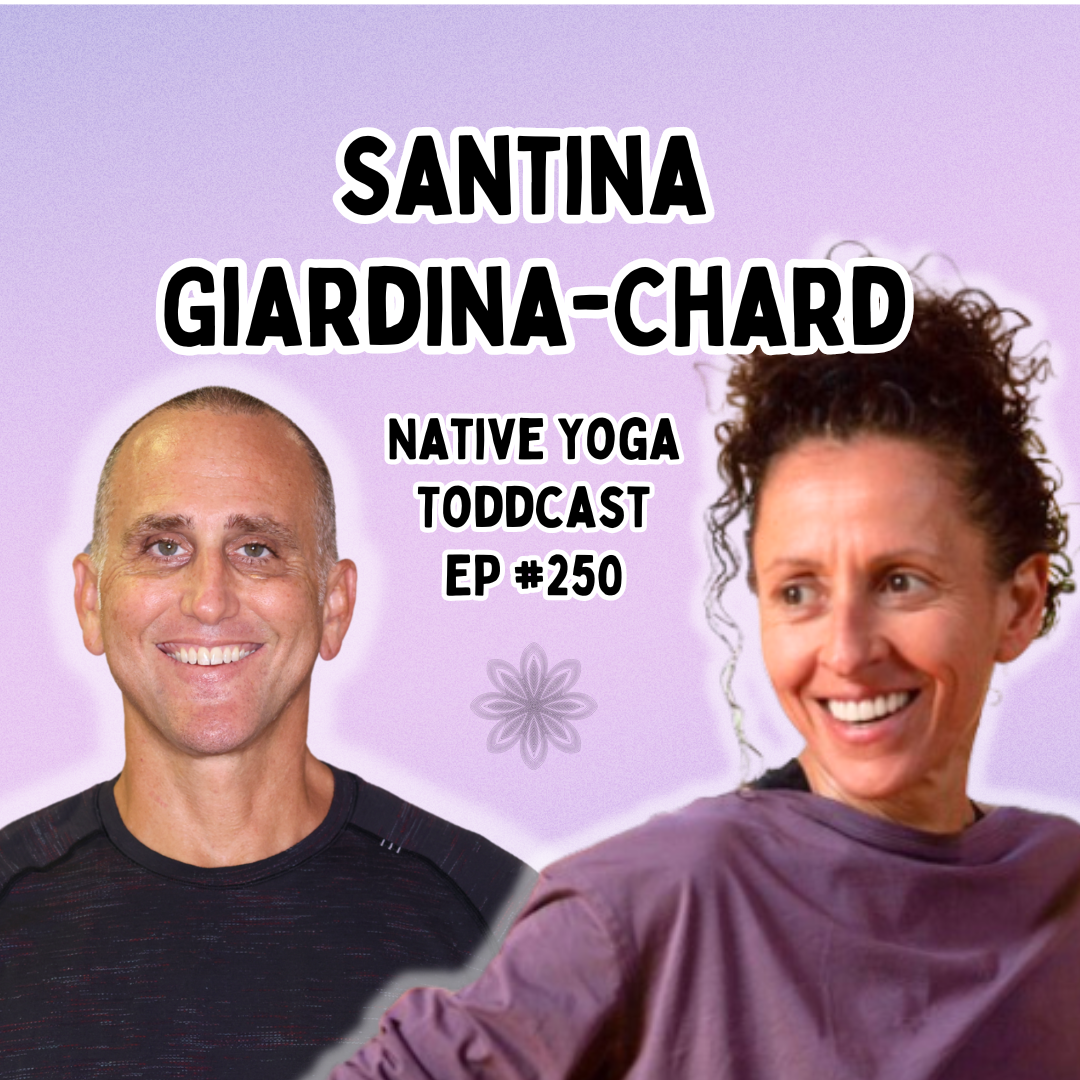
Liz Albanis | The Inner Fire of Healing: Yoga, Pilates & Resilience

Listen to Toddcast with Liz for FREE here

Liz Albanis is an experienced wellness professional based in Canberra, Australia. With a background blending yoga, Pilates, and fitness, she has dedicated her career to harnessing the therapeutic potential of these disciplines, especially for mental health challenges such as PTSD. Liz is known for her trauma-informed approach to yoga, having studied extensively with esteemed mentors like Sarah Powers and John Olgavy. She offers personalized wellness programs through her own platform, Liz Albanis Wellness, and hosts the podcast “Yoga for Trauma – The Inner Fire of Yoga.”

Visit Liz here: https://www.lizalbaniswellness.com.au/

Key Takeaways:

  • Trauma-Informed Approach: Liz emphasizes the importance of trauma-informed practices in yoga to cater to individuals with mental health challenges.
  • Diverse Yoga Practices: Transitioning from Bikram to Iyengar and LifeForce Yoga, Liz illustrates how different styles can support mental well-being.
  • Personalized Care: The episode highlights the significance of personalized programs in addressing individual needs and injuries in yoga.
  • Creating Safe Spaces: Liz shares practical tips on making yoga environments inclusive and non-triggering for trauma survivors.
  • Resilience Through Yoga: Personal anecdotes reveal how yoga empowered Liz to quit smoking and cope with PTSD.

Trauma-Informed Yoga: Transforming Healing Practices

In the realm of yoga, traditional practices are evolving to be more inclusive and recognizing the profound impact that trauma can have on practitioners. Trauma-informed yoga is emerging as a valuable modality for individuals experiencing PTSD and other mental health challenges. Liz Albanis shares her personal journey with yoga, highlighting its therapeutic potential, especially for those recovering from trauma. Trauma-informed yoga classes focus on creating a welcoming environment where individuals feel secure, respecting personal boundaries and potential triggers such as physical adjustments or environmental factors like candles and scents.

Albanis illustrates, “My advice is if you use candles, advertise it…it’s not for everyone.” This awareness acknowledges that past experiences, like those related to fire in her case, can shape current reality and emotional responses for students. By making these adjustments, yoga instructors offer a compassionate approach to practice that can significantly improve the mental health outcomes of their students.

The broader implication of this approach is an increased accessibility and mental health support through yoga—the integration of trauma-informed practices benefits not only individuals with unique challenges but also enhances the general teaching methodology, fostering a nurturing space for all.

Personalized Yoga Practices: Tailoring Wellness

Personalized yoga practices stand at the forefront of adaptability in wellness approaches. As Liz Albanis demonstrates in her diverse career, creating custom yoga plans based on individual requirements can aid in overcoming physical limitations, psychological barriers, and lifestyle challenges. She discusses her transition to personalized practices due to her own experiences of injury and post-hospitalization rehabilitation needs.

Albanis shares, “I develop private work one on one to develop a personalized practice…there’s so many contraindications.” This personalized approach allows for flexibility within the practice, which can be particularly beneficial for individuals dealing with chronic conditions or those who have experienced trauma. Personalized yoga practices can address specific mental health requirements, offering unique programs like the Life Force Yoga techniques discussed by Albanis, which are designed to incorporate mindfulness and targeted emotional healing.

Such tailored practices promote a more inclusive yoga environment, emphasizing the importance of understanding and addressing each person’s distinct needs. This adaptability makes yoga more accessible and supportive, particularly for those who might otherwise find a standard class format challenging or intimidating.

The Power of the Beginner’s Mind in Yoga Teaching

An essential philosophy that resonates throughout Liz Albanis’ narrative is the concept of maintaining a “beginner’s mind.” This principle urges yoga teachers and practitioners to continually learn, adapt, and challenge preconceived notions of their practice. Albanis encourages educators to remain open to new ideas and methods, thus fostering a teaching landscape that is both dynamic and inclusive.

Albanis reflects, “Try to have a beginner’s mind…we can get to a place where we feel like we know it all.” She advocates that this mindset not only enhances the quality of teaching but also invites a richer, more comprehensive understanding of yoga’s vast potential. This approach encourages flexibility, curiosity, and a willingness to embrace a spectrum of teaching methodologies that can lead to improved outcomes across the board.

The implications of applying the beginner’s mind are expansive. It not only enriches the teacher-student relationship but also paves the way for innovative practices, ensuring that yoga remains a vital and adaptive tool for physical, emotional, and mental well-being.

Yoga stands as a beacon for those seeking solace from the rigors of mental health challenges and trauma. It is a practice that, when adapted with sensitivity and care, can nurture healing, resilience, and growth. Liz Albanis’ journey exemplifies the transformative power of yoga, advocating for trauma-informed approaches, and recognizing the profound potential of personalized practices. By continually adopting a beginner’s mind, we open ourselves to a deeper connection with ourselves and those we guide in practice.

Thanks for listening to this episode. Check out: 👇
8IN8 Ashtanga Yoga for Beginners Course Online– Learn 8 Limb Yoga in 8 Days – Get FREE coupon code for a limited time only (Regular price $88) https://info.nativeyogacenter.com/8in8-ashtanga-yoga-for-beginners-8-limbs-in-8-days/

Practice with Native Yoga Online – New classes EVERY day – Use Code FIRSTMONTHFREE https://nativeyogacenter.teachable.com/p/today-s-community-class

Subscribe to Native Yoga Center and view this podcast on Youtube.

Thank you Bryce Allyn for the show tunes. Check out Bryce’s website: bryceallynband.comand sign up on his newsletter to stay in touch. Listen here to his original music from his bands Boxelder, B-Liminal and Bryce Allyn Band on Spotify.

Please email special requests and feedback to info@nativeyogacenter.com

https://info.nativeyogacenter.com/8in8-ashtanga-yoga-for-beginners-8-limbs-in-8-days/

Support the show

Native Yoga website: here
YouTube: here
Instagram: @nativeyoga 
Twitter: @nativeyoga 
Facebook: @nativeyogacenter 
LinkedIn: Todd McLaughlin

Emi Tull | From Japan to London: Yoga, Dharma & Spiritual Awakening

Listen to Toddcast with Emi for FREE here

Emi Tull is a seasoned yoga instructor renowned for her transformative journey from a professional dancer to a Dharma Yoga teacher. Born in Japan and now living in London, Tull’s dedication to yoga, particularly under the guidance of Sri Dharma Mittra, highlights her deep spiritual commitment. She is celebrated for teaching across various prestigious studios in London, passionately sharing the teachings and spiritual intricacies of Dharma Yoga, and engaging her community in kirtan and mantra chanting.

Visit Emi here: https://lifetohappiness.com/

Key Takeaways:

  • Emi Tull’s journey from a dancer in Japan to a respected Dharma Yoga instructor in London underscores the importance of spiritual connection and perseverance.
  • Language and cultural challenges are part of Emi’s unique journey, leading to deeper insights and personal growth within her yoga practice.
  • The transformative power of kirtan and mantra chanting is integral to Emi’s spiritual evolution, emphasizing the emotional depth and community connection these practices foster.
  • Despite yoga’s physical focus in Western countries, Emi advocates balancing spiritual and physical practices within yoga teaching.
  • The experience of aging and evolving within one’s yoga practice is natural, and Emi underscores the significance of this acceptance in fostering a lifelong commitment to yoga.

Unveiling the Subtle Art of Dharma Yoga Through Emi Tull’s Lens

In the realm of yoga, Emi Tull stands out with her profound journey from Japan to New York and eventually London, fortifying her credentials in Dharma Yoga and amplifying its reach. This article delves into three compelling themes from Emi Tull’s journey: her transformational path and spiritual connection, the interplay between cultural backgrounds and soul depths, and the graceful acceptance of aging within yoga practice.

Emi Tull’s Transformational Path: From Dance to Yoga

Emi’s story unfolds with an intriguing shift from a dance career to a yoga vocation, a transition laden with unexpected connections and new beginnings. Relocating from Japan to New York, lured by the prospects of a dance career, Emi unknowingly walked past the yoga studio of her future mentor, Sri Dharma Mittra. Yet, her actual introduction to yoga was ensconced in a series of seemingly unrelated events and deep emotional responses, illustrating how spiritual paths often diverge unexpectedly only to realign fortuitously later.

She recounts, “Yoga is much later…I didn’t know and I met my husband after ten years of the New York State. Straight after I moved…from New York to London I got [in a] bike accident and twisted both ankles so I couldn’t dance anymore.” Her initiation into yoga wasn’t a mere career pivot; it was a profound transformation that substituted dance with yoga, propelled by an innate yearning set aflame upon discovering Sri Dharma Mittra’s teachings.

This echoes the broader implication that life’s unpredictable events can pivot us toward our true calling, where initial setbacks transform into spiritual accelerators. Emi’s narrative encourages embracing the unexpected as potential signposts directing one toward deeper life purposes and spiritual awakenings.

Cultural Richness and the Depth of Soul: A Spiritual Perspective

The cultural tapestry in Emi’s life—from her Japanese roots, which greatly value respect and tradition, to her Western experiences—plays a significant role in shaping her teachings and interactions. Emmy attests, “Yes, in Japan we have those being respectful to elders, and teachers are very high…depends on us all. Even the people coming from, let’s say, Italy from the…in England, some of them are very respectful.”

This observation delves into the broader theme of how cultural embedding enhances or complicates the spiritual journey. Emi’s notion of deeper soul connections transcending cultural lines implies an interplay between cultural richness and the innate spiritual depth one brings into yoga practice. This perspective invites further consideration on how, despite cultural variances, individuals ultimately resonate on deeper levels based on their soul’s journey and maturity.

The broader implication here is the intricate dance between our cultural backgrounds and our spiritual expressions; neither is strictly deterministic, allowing for a rich spectrum of experiences within the universal pursuit of spiritual truth.

Acceptance of Aging: The Embrace of Spiritual Maturity over Physicality

In Emi’s narrative, aging is not seen as a detriment to her practice but as an invitation to deepen her spiritual understanding and teaching legacy. She embraces the natural progression of life while her focus gradually shifts from the perfection of physical forms to enriching her spiritual teachings.

She candidly shares, “…but for me, I don’t mind going older and cannot do stuff. That’s fine. I won’t be able to do [what I used to] at 86 years old and then I have children. But I think my student will forgive me.” Her acceptance of aging contradicts the modern, often media-driven narrative that prioritizes eternal youth and physical perfection.

This narrative shift signifies a profound acceptance and a philosophical embrace of the core essence of yoga: union with self, beyond the superficial confines of physical prowess. For instructors and practitioners alike, this is a potent reminder that spiritual maturity adds more value to teaching than physicality, aligning with the ultimate spiritual quest in yoga—the connection with self and others beyond physical forms.

Emi Tull’s journey is a testament to the extraordinary ways life’s occurrences can propel us toward our authentic path, enriching our spiritual and professional lives. Her understanding of culture and spirituality provides layers of depth, necessitating a broader appreciation for how diverse origins intersect with spiritual teachings in yoga. Moreover, her graceful navigation of aging within her practice shifts the focus from a relentless pursuit of physical perfection to realizing the soulful depths of yoga’s diverse teachings. Her story underscores the timeless value in pursuing a practice characterized by spiritual respect, cultural sensitivity, and an unyielding acceptance of the natural life journey.

Thanks for listening to this episode. Check out: 👇
8IN8 Ashtanga Yoga for Beginners Course Online– Learn 8 Limb Yoga in 8 Days – Get FREE coupon code for a limited time only (Regular price $88) https://info.nativeyogacenter.com/8in8-ashtanga-yoga-for-beginners-8-limbs-in-8-days/

Practice with Native Yoga Online – New classes EVERY day – Use Code FIRSTMONTHFREE https://nativeyogacenter.teachable.com/p/today-s-community-class

Subscribe to Native Yoga Center and view this podcast on Youtube.

Thank you Bryce Allyn for the show tunes. Check out Bryce’s website: bryceallynband.comand sign up on his newsletter to stay in touch. Listen here to his original music from his bands Boxelder, B-Liminal and Bryce Allyn Band on Spotify.

Please email special requests and feedback to info@nativeyogacenter.com

https://info.nativeyogacenter.com/8in8-ashtanga-yoga-for-beginners-8-limbs-in-8-days/

Support the show

Native Yoga website: here
YouTube: here
Instagram: @nativeyoga 
Twitter: @nativeyoga 
Facebook: @nativeyogacenter 
LinkedIn: Todd McLaughlin

Yancy Scot Schwartz | The Skateboarding Yogi: Music, Dharma Yoga & Mental Clarity

Listen to Toddcast with Yancy for FREE here

Yancy Scot Schwartz is a versatile and accomplished individual known for his dynamic interests and talents. Raised in Queens, New York, Yancy is an avid skateboarder, a dedicated yoga practitioner, and a passionate musician. He has transitioned from a retail career in a skate shop to becoming a highly respected yoga teacher, instructing at multiple studios in Los Angeles. Yancy’s deep commitment to the practice of yoga is influenced by his study with iconic mentors such as Dharma Mittra, whose teachings have significantly shaped his approach to yoga as a holistic lifestyle. His multifaceted interests also encompass music, through which he expresses his creativity and finds solace.

Visit Yancy here: https://www.yancyscotschwartz.com/

Key Takeaways:

  • Yancy Scot Schwartz integrates skateboarding, yoga, and music as interconnected expressions of his creative and spiritual journey.
  • A profound transformation occurred in Yancy’s life when he met Dharma Mittra, leading him to view yoga as essential spiritual hygiene.
  • Yancy emphasizes the importance of rooting yoga practice in authentic teachings, with his own practices influenced deeply by a combination of asana, pranayama, and mantra.
  • Music serves as a vital form of companionship for Yancy, particularly during difficult times, offering a soulful dialogue and creative exploration.
  • Psychic development is a significant aspect of Yancy’s practice, providing mental clarity and deeper insights, rooted in the teachings of spiritual masters and traditional yogic principles.

The Synergy of Passion and Practice

While many view yoga, music, and skateboarding as distinct disciplines, Yancy Scott Schwartz illustrates a seamless integration of these passions. His journey began with music, albeit informally, and quickly embraced skateboarding due to the profound cultural and rhythmic connection (“Like the whole skateboard culture and the music thing go hand in hand”). Yancy’s experience underlines how these passions merge to create a cohesive artistic lifestyle that is continually rejuvenated through practice.

The breadth of Yancy’s interests converges through yoga, which he describes as completing the triad of his passions. His skating inadvertently led him to yoga as a necessary practice during New York’s harsh winters. The redirection exemplifies adaptability and finding balance amid external constraints. “After a while, you know, the skateboarding takes a toll,” Yancy admits, lauding yoga for its year-round accessibility and mental grounding.

This interconnectedness extends beyond lifestyle convenience to nurturing artistic pursuits. As Yancy explains, yoga’s structured practice fosters not just physical flexibility but emotional and mental agility—vital for expressive and spontaneous art forms like music and skateboarding. In his words, “Like the practice…little by little, like, things unlock.” Herein lies the message: passion thrives where dedication to practice prevails.

Resilience and Personal Growth Through Spiritual Inquiry

Central to Yancy Scott Schwartz’s narrative is a testimony to resilience cultivated through deliberate spiritual inquiry. Diving into yoga’s philosophies provided frameworks for navigating life’s vicissitudes, including personal heartbreak, as Yancy recalled, “it felt more purposeful…sharing what helps me with others.”

Yancy’s exploration of psychic development exemplifies deep commitment and curiosity. Drawing inspiration from legendary yoga guru Dharma Mittra, Yancy discovered psychic development as a crucial tool for healing and growth. “I was very traumatized…I was like, I need something,” he recounts, a quest that led him to embrace specific mantras and pranayama to refine his focus and expand his consciousness. His journey illustrates that such self-inquiry is transformational, offering clarity and fortitude in navigating life’s trials.

The broader implication of such practices reaches beyond personal gain; it embraces shared human experiences and connection. Yancy shares, “The mantra man…protect it,” emphasizing a collective consciousness where protection and expansion go hand in hand. His experience reinforces an understanding that growth, while personal, has rippling effects contributing to communal harmony, enriching every aspect of his life.

Enhancing Mind-Body Connection Through Mindfulness

Yancy’s experiences illuminate a crucial theme of mindfulness and its role in bridging body and mind for holistic wellness. The practices described demonstrate a profound understanding of balance achieved through physical asana, breathwork (pranayama), and introspection. “Body strong, mantras for the mind, pranayamas for the mind,” he specifies, portraying a structured approach to fostering mindfulness.

Such practices extend their relevance to broader lifestyle choices, as Yancy details his diet and fasting routine influenced by mentors and tradition. Veganism and fasting, particularly within the framework of yoga, provide not only physical benefits but spiritual cleansing that primes the mind for mental clarity and creativity. “The vegan diet helps,” he acknowledges, delineating how interconnected lifestyle choices bolster his practice and teaching endeavors.

Ultimately, Yancy’s narrative is a substantial lesson on embracing mindfulness as a conduit for resilience and creative expression. His dedicated multi-disciplinary approach showcases the importance of nurturing a strong mind-body connection that not only supports but enhances personal and professional growth.

Cultivating Art and Life as an Integrated Experience

Yancy Scott Schwartz’s story exemplifies how integrative practices across disciplines can cultivate a fulfilling life enriched with art and meaning. His journey through music, skateboarding, and yoga displays a harmonious embrace of varied interests that collectively define his artistic expression and personal resilience.

This approach, a testament to the strength found in flexibility and exploration, underscores the vital connection between practices that might initially appear unrelated. Yancy’s reflections on the power of practice, mindfulness, and spiritual inquiry articulate a message that transcends boundaries, inviting others to explore their passions with dedication and an open heart.

Thanks for listening to this episode. Check out: 👇
8IN8 Ashtanga Yoga for Beginners Course Online– Learn 8 Limb Yoga in 8 Days – Get FREE coupon code for a limited time only (Regular price $88) https://info.nativeyogacenter.com/8in8-ashtanga-yoga-for-beginners-8-limbs-in-8-days/

Practice with Native Yoga Online – New classes EVERY day – Use Code FIRSTMONTHFREE https://nativeyogacenter.teachable.com/p/today-s-community-class

Subscribe to Native Yoga Center and view this podcast on Youtube.

Thank you Bryce Allyn for the show tunes. Check out Bryce’s website: bryceallynband.comand sign up on his newsletter to stay in touch. Listen here to his original music from his bands Boxelder, B-Liminal and Bryce Allyn Band on Spotify.

Please email special requests and feedback to info@nativeyogacenter.com

https://info.nativeyogacenter.com/8in8-ashtanga-yoga-for-beginners-8-limbs-in-8-days/

Support the show

Native Yoga website: here
YouTube: here
Instagram: @nativeyoga 
Twitter: @nativeyoga 
Facebook: @nativeyogacenter 
LinkedIn: Todd McLaughlin
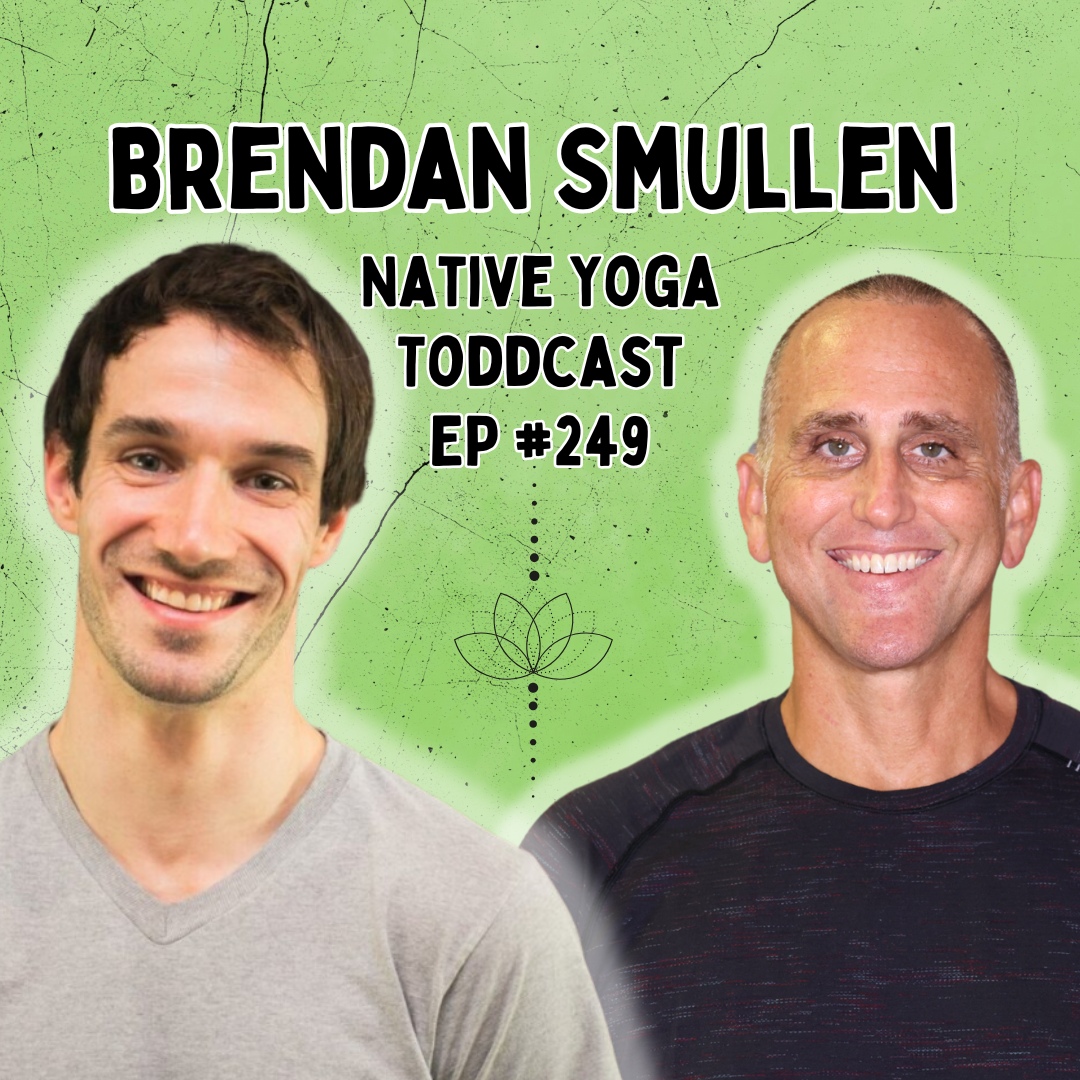
Jen Armistead | From Scientist to Yoga Teacher: Ashtanga, Rocket & Dharma Yoga Journey

Listen to Toddcast with Jen for FREE here

Jen Armistead is an accomplished scientist turned yoga teacher and studio owner. With a Ph.D. in molecular microbiology and immunology and a background in public health, Jen dedicated two decades to researching and implementing strategies to combat malaria, particularly among vulnerable populations in Africa. She now co-owns Yoga Commons, a yoga studio in Fairfax, Virginia, where she shares her passion for Ashtanga, Rocket, and Dharma Yoga practices, drawing inspiration from notable teachers like Dharma Mittra and David Kyle.

Visit Jen here: https://www.yoga-commons.com/ and on IG here: https://www.instagram.com/yogaendeavour/?hl=en

Key Takeaways:

  • Jen Armistead’s journey exemplifies a unique transition from scientific research in malaria to becoming a dedicated yoga teacher and studio owner.
  • Her experience in Africa exposed her to the realities of global health challenges and the importance of implementing effective disease-fighting strategies.
  • Jen finds inspiration in yoga legends like Dharma Mittra, striving to integrate deep spiritual teachings within her yoga community.
  • She navigates the challenges of maintaining an authentic yoga studio while facing commercial pressures, emphasizing the importance of flexibility and community.
  • Jen’s story highlights the significance of adaptive career pivots and the potential for personal growth during unexpected life changes.

Yoga and Science: A Harmonious Coexistence

In the bustling intersection of yoga and science, Jen Armistead stands as a testament to the possibility of merging these seemingly disparate fields. With her Ph.D. in molecular microbiology and immunology, and a long-standing dedication to public health, Jen has spent decades working on malaria prevention in Africa. She describes herself as “one of those rare people who kind of knew where they were headed from a pretty young age,” demonstrating her steadfast dedication to science.

Despite the common perception that science and spirituality are mutually exclusive, Jen’s journey reveals a different narrative. She articulates, “It’s a depressing way to live your life to think that we’re born and we die and that’s the end of it. For me, I just don’t accept that,” asserting her belief in spiritual dimensions parallel to her scientific pursuits. This marriage of the pragmatic and the profound underscores not only Jen’s personal growth but also the potential for a broader societal acceptance of such integration. Her journey reflects a nuance that is often overlooked in the socio-cultural dialogue between religion, spirituality, and science.

From Laboratories to Yoga Studios: Embracing Change

Jen’s transition from a scientific career to owning a yoga studio marks an inspiring narrative of resilience and adaptability. After a restructuring at USAID led to the dismantling of her division, she leveraged her skills and passion for yoga to navigate her career transition. This unexpected change paved the way for the birth of Yoga Commons in Fairfax, Virginia. As Jen humorously conveys, “I’m an accidental entrepreneur.”

Creating a community-oriented studio wasn’t part of Jen’s original plan; yet, when faced with a unique opportunity, she embraced it. Building a supportive atmosphere centered around authentic yoga traditions such as Ashtanga, Rocket, and particularly Dharma Yoga, Jen is preserving and disseminating diverse practices. The studio embodies a vision where authenticity triumphs over commercial trends. “We needed to find a different space… because that gym couldn’t accommodate us,” she notes, emphasizing the commitment to maintaining traditional yoga roots.

Authenticity in Yoga Entrepreneurship

In a world of heated, fast-paced, commercially-driven yoga, Jen’s approach to her studio is refreshingly authentic. She champions a non-commercialized model, placing community and spirituality above profit. The studio emphasizes genuine connections and spiritual growth—a rarity in the current yoga industry. Jen elaborates, “You need to know the rules before you can break them,” a principle she applies by teaching structured Ashtanga alongside the more fluid Rocket Yoga to encourage flexibility within discipline.

Investing in Dharma Yoga further highlights Jen’s dedication to authenticity. Dharma Mittra’s lineage offers a deeply spiritual practice, and Jen articulates, “It was less about this is the physical practice. It was more about like, I want that.” Her respect and passion for these time-honored traditions offer her students a richer, more comprehensive yoga experience.

The narrative of Jen Armistead serves as a powerful reminder that life’s unpredicted changes can lead to remarkable outcomes when met with the right mindset. Her experience embodies the seamless interplay of science and spirituality, offering a blueprint for those at similar intersections.

Moreover, Jen’s entrepreneurial journey underscores the importance of authenticity in the face of commercial pressures, insisting on yoga as a way of life rather than mere physical exercise. Her story invites us to consider what it truly means to lead with integrity and purpose in our professional and personal lives, challenging us to find balance, embrace change, and uphold authenticity.

Thanks for listening to this episode. Check out: 👇
8IN8 Ashtanga Yoga for Beginners Course Online– Learn 8 Limb Yoga in 8 Days – Get FREE coupon code for a limited time only (Regular price $88) https://info.nativeyogacenter.com/8in8-ashtanga-yoga-for-beginners-8-limbs-in-8-days/

Practice with Native Yoga Online – New classes EVERY day – Use Code FIRSTMONTHFREE https://nativeyogacenter.teachable.com/p/today-s-community-class

Subscribe to Native Yoga Center and view this podcast on Youtube.

Thank you Bryce Allyn for the show tunes. Check out Bryce’s website: bryceallynband.comand sign up on his newsletter to stay in touch. Listen here to his original music from his bands Boxelder, B-Liminal and Bryce Allyn Band on Spotify.

Please email special requests and feedback to info@nativeyogacenter.com

https://info.nativeyogacenter.com/8in8-ashtanga-yoga-for-beginners-8-limbs-in-8-days/

Support the show

Native Yoga website: here
YouTube: here
Instagram: @nativeyoga 
Twitter: @nativeyoga 
Facebook: @nativeyogacenter 
LinkedIn: Todd McLaughlin

Alfonsina Epifani | Living Yoga as a Practice of Love, Discipline & Inner Peace

Listen to Toddcast with Alfonsina for FREE here

Alfonsina Epifani is a dedicated yoga instructor with a home yoga studio located near Venice, Italy. With a strong devotion to the teachings of her mentor, Sri Dharma Mitra, Alfonsina has integrated her deep commitment to yoga into serving her community. Her approach to teaching focuses on the holistic benefits of yoga, encompassing physical exercise, pranayama (breath control), and meditation to nurture both body and spirit. She is passionate about sharing the transformative power of yoga with others and creating a welcoming space that feels like home.

Visit Alfonsina here: https://www.dharmayogavenice.it/

Instagram: @alfonsina_epifani

Key Takeaways:

  • Cultural Sensitivity in Yoga: Alfonsina discusses the importance of understanding and respecting cultural differences when teaching yoga, especially in terms of religious perceptions.
  • Holistic Yoga Practices: The integration of asanas, pranayama, and meditation as tools for personal growth and self-awareness.
  • Energy and Connection: Alfonsina shares her belief in the power of energy to transcend boundaries, as experienced through online courses during the pandemic.
  • Spiritual Journey: Insights into finding balance and peace through yoga, viewing it as a path to realizing one’s true self.

Yoga for Self-Discovery and Inner Peace

In the serene landscape of Italy, Alfonsina Epifani carves a niche for herself through her yoga teachings. Her studio, Dharma Home, reflects her vision of yoga as a journey to one’s “true self,” a realization she arrived at after years of practice and introspection. As we dive into her story, it’s evident that yoga is more than just physical postures; it’s a conduit for inner peace and enlightenment. Alfonsina vividly recalls, “In the years of practice, I can tell that I did find what I was searching. And it was just the path to my true self.”

This sentiment resonates with those seeking a meaningful connection with themselves, away from the chaos of daily life. She illustrates how yoga goes beyond the mat, influencing personal growth and emotional healing. Her approach is incredibly inclusive, encouraging everyone, regardless of age or flexibility, to find their unique path within yoga. As she states, “You do what you can, but you put all your effort… It’s something inside of you, how much you put into inside.”

Alfonsina’s insights shed light on yoga’s profound ability to guide individuals towards self-discovery and contentment, emphasizing that the journey is personal, introspective, and transformative.

Bridging Cultures Through Yoga

Alfonsina’s transition from the United States to Italy illuminates the cultural nuances in practicing and teaching yoga. Her ability to adapt her approach to suit Italian audiences, who might be more reserved or unfamiliar with some yoga practices, is remarkable. She notes the cultural hurdles, such as skepticism around chanting “Om” and other spiritual aspects due to Italy’s strong Catholic influence. “I have to adjust… I didn’t do the Om. I didn’t burn incense because it was strange,” Alfonsina recalls, underscoring her sensitivity to cultural contexts.

This adaptability is a testament to yoga’s universal appeal and its power to transcend cultural barriers. By tailor-fitting her teachings to align with local sensibilities, Alfonsina fosters a deeper, more authentic engagement with yoga in her community. Her initiatives are about more than just yoga; they’re about nurturing a space where individuals can explore spirituality without feeling constrained by cultural or religious expectations.

Her story exemplifies the broader potential of yoga to bridge cultural divides, offering a shared space for personal and collective growth. This theme is a compelling reminder of how yoga can serve as a holistic tool for embracing diversity and fostering understanding across different societal fabrics.

Spirituality as a Universal Connector

The discussions of spirituality throughout the transcript profoundly reflect Alfonsina’s belief in yoga as a universal connector. She articulates her journey towards understanding spirituality beyond traditional religious frameworks, emphasizing that spirituality is deeply personal yet universally accessible. Alfonsina observes, “It was the same as mine, but I didn’t express in words, but the end was the same.”

Her efforts in integrating a spiritual dimension into her teachings signify yoga’s capacity to transcend specific religious ideologies, allowing practitioners to cultivate an inclusive sense of self-love and acceptance. This mindset challenges traditional views, positioning spirituality not as a singular pathway but as a diverse, encompassing journey.

The process of discovering one’s inner flame, as Alfonsina describes, is central to this exploration. It’s about connecting with “that inborn love that is already inside.” In a world often divided by religious and cultural lines, yoga’s inclusive spirituality is a beacon for those searching for unity and purpose.

Alfonsina’s journey with yoga underscores the profound interconnection between personal growth, cultural understanding, and spiritual exploration. Her story not only highlights yoga’s transformative power but also its role as a universal medium for fostering inner peace and cross-cultural harmony. Through her teachings, she cultivates a space where yoga is more than just an exercise; it’s a way of life rooted in the authentic pursuit of love, spirituality, and self-discovery. Each practice serves as an invitation to explore one’s true self and to participate in the universal dance of consciousness that connects all beings.

Thanks for listening to this episode. Check out: 👇
8IN8 Ashtanga Yoga for Beginners Course Online– Learn 8 Limb Yoga in 8 Days – Get FREE coupon code for a limited time only (Regular price $88) https://info.nativeyogacenter.com/8in8-ashtanga-yoga-for-beginners-8-limbs-in-8-days/

Practice with Native Yoga Online – New classes EVERY day – Use Code FIRSTMONTHFREE https://nativeyogacenter.teachable.com/p/today-s-community-class

Subscribe to Native Yoga Center and view this podcast on Youtube.

Thank you Bryce Allyn for the show tunes. Check out Bryce’s website: bryceallynband.comand sign up on his newsletter to stay in touch. Listen here to his original music from his bands Boxelder, B-Liminal and Bryce Allyn Band on Spotify.

Please email special requests and feedback to info@nativeyogacenter.com

https://info.nativeyogacenter.com/8in8-ashtanga-yoga-for-beginners-8-limbs-in-8-days/

Support the show

Native Yoga website: here
YouTube: here
Instagram: @nativeyoga 
Twitter: @nativeyoga 
Facebook: @nativeyogacenter 
LinkedIn: Todd McLaughlin

Edward Clark & Laurie A. Greene ~ The Future of Yoga: Asana, Vinyasa & Emotional Depth

Listen to Toddcast with Edward and Laurie for FREE here

In this captivating episode, Todd dives deep into a rich conversation with Edward Clarkand Laurie Greene, uncovering the nuanced dynamics of modern yoga practice. With yoga evolving vastly in the contemporary era, Edward and Laurie share insights from their book, “Yoga and the Body: The Future of Modern Yoga in the Studio and Beyond,” exploring how practitioners can cultivate deeper understanding and authenticity in their practice. They unveil the philosophical dichotomies between asana and vinyasa, focusing on their implications for personal growth and the broader yoga community. Their thought-provoking dialogue serves as a call to re-evaluate how yoga is taught, practiced, and experienced.

Purchase book here: https://a.co/d/c8zUi5y

Key Takeaways:

  • Philosophical Exploration: The distinctions between asana and vinyasa represent two contrasting philosophies of stillness versus movement, each offering unique paths to self-discovery and understanding of reality.
  • Cultural Shift: There’s a growing need to move beyond the rigid structures of traditional yoga to embrace new technologies and sensory experiences that enrich practice.
  • Challenging Traditional Norms: The conversation challenges the effectiveness of current certification models and the potential drawbacks of over-credentialization.

Yoga Philosophy: Asana and Vinyasa in Modern Practice

In their enlightening discussion, Edward Clark and Laurie Greene delve into the philosophical depths of yoga, contrasting Asana and Vinyasa practices. They unpack Asana as a form of renunciation, aiming for stillness and inner unity, opposed by the dynamic Vinyasa, which embraces change and flow. Laurie explains, “Asana attempts to understand reality by looking inwardly with the assumption that what you discover at a foundational level in the self will be the same as what reality is.”

Edward adds dimension to this discussion, highlighting Vinyasa’s unique perspective: “Vinyasa goes the other way. It’s that no, everything out there is constantly changing.” These philosophical perspectives open up new paths, not just in the studio but as a means of interacting with the world. This conversation argues for a deeper understanding that seeks not merely physical improvement but personal transformation. A practitioner’s choice between stillness and flow can reflect their broader life philosophies and spiritual journeys, suggesting that yoga is profoundly personal even as it reaches for universal truths.

Credentialism and Experience in Yoga Instruction

The dialogue also touches on one of yoga’s modern controversies: credentialism. Laurie and Edward express concerns over the focus on certifications at the expense of genuine knowledge and wisdom. Laurie passionately states, “The credentials are not helping us… It is only true what you experience through your practice.” They both advocate for a more robust, experience-driven approach to teaching that transcends the accumulation of certificate letters.

The current model often leaves new teachers underprepared for the significant task of guiding others, as demonstrated in Laurie’s reflection, “We have this credential inflation and so much so that the credentials really cannot guarantee that the person we’re looking at knows anything.” There’s a growing call within the community to revive mentorship models that prioritize experiential learning and real-world practice over certificates. For the yoga community, this shift would mean a return to the heart of what yoga represents: personal growth and self-discovery.

Furthermore, Edward calls for courses that capture this depth, arguing, “To do yoga is experiential… but being able to teach is analytical.” This revelation points toward an impending transformation in how yoga instructors are cultivated. Transitioning to a model that emphasizes experience over theoretical knowledge may not only satisfy regulatory standards but enrich the teaching landscape by producing teachers who embody yoga’s true essence.

Embracing Emotional Intensity for Deeper Practice

A particularly provocative theme emerged from discussions on emotions like anger, anxiety, and fear. Laurie and Edward argue for embracing these emotions rather than eliminating them for supposedly “pure” enlightenment. Laurie articulates a compelling perspective, “There is no difference between negative and positive emotions… they’re potentially fuel.” Such emotions are positioned as gateways to deeper engagement and understanding within the practice.

As Edward eloquently puts it, “This idea, Laurie alludes to it… to actually be in flow.” By integrating intense emotions, yoga shifts from being a mere physical or meditative practice to a spiritual journey that mirrors life’s full spectrum of experiences. The idea is that avoiding these emotions creates a flat, uninspired practice, while embracing them can lead to profound transformations both on and off the mat.

Their insights challenge the current narrative that yoga should solely be about healing and peace, proposing instead that risk, intensity, and engaging our full emotional spectrum are just as vital. This approach, they argue, will not only make yoga more accessible but also more authentic, reflecting the human condition in its many hues.

Thanks to their critical insights, potential future directions include practices that are not just physically challenging but which also encourage emotional depth and authenticity. This holistic view may indeed redefine what it means to engage genuinely with yoga, promoting a healthier, more inclusive understanding of what the practice is and can be.

The dialogue between Greene and Clark sheds light on powerful themes driving contemporary yoga—each urging a return to yoga’s roots while propelling it forward. Their words serve as a clarion call for yoga practitioners and educators alike to deepen their practice through introspection, experience, and emotional honesty. Unveiling these enduring truths within yoga beckons a renaissance where the spirit of yoga thrives beyond postures, resonating with life’s constant flux.

Thanks for listening to this episode. Check out: 👇
8IN8 Ashtanga Yoga for Beginners Course Online– Learn 8 Limb Yoga in 8 Days – Get FREE coupon code for a limited time only (Regular price $88) https://info.nativeyogacenter.com/8in8-ashtanga-yoga-for-beginners-8-limbs-in-8-days/

Practice with Native Yoga Online – New classes EVERY day – Use Code FIRSTMONTHFREE https://nativeyogacenter.teachable.com/p/today-s-community-class

Subscribe to Native Yoga Center and view this podcast on Youtube.

Thank you Bryce Allyn for the show tunes. Check out Bryce’s website: bryceallynband.comand sign up on his newsletter to stay in touch. Listen here to his original music from his bands Boxelder, B-Liminal and Bryce Allyn Band on Spotify.

Please email special requests and feedback to info@nativeyogacenter.com

https://info.nativeyogacenter.com/8in8-ashtanga-yoga-for-beginners-8-limbs-in-8-days/

Support the show

Native Yoga website: here
YouTube: here
Instagram: @nativeyoga 
Twitter: @nativeyoga 
Facebook: @nativeyogacenter 
LinkedIn: Todd McLaughlin
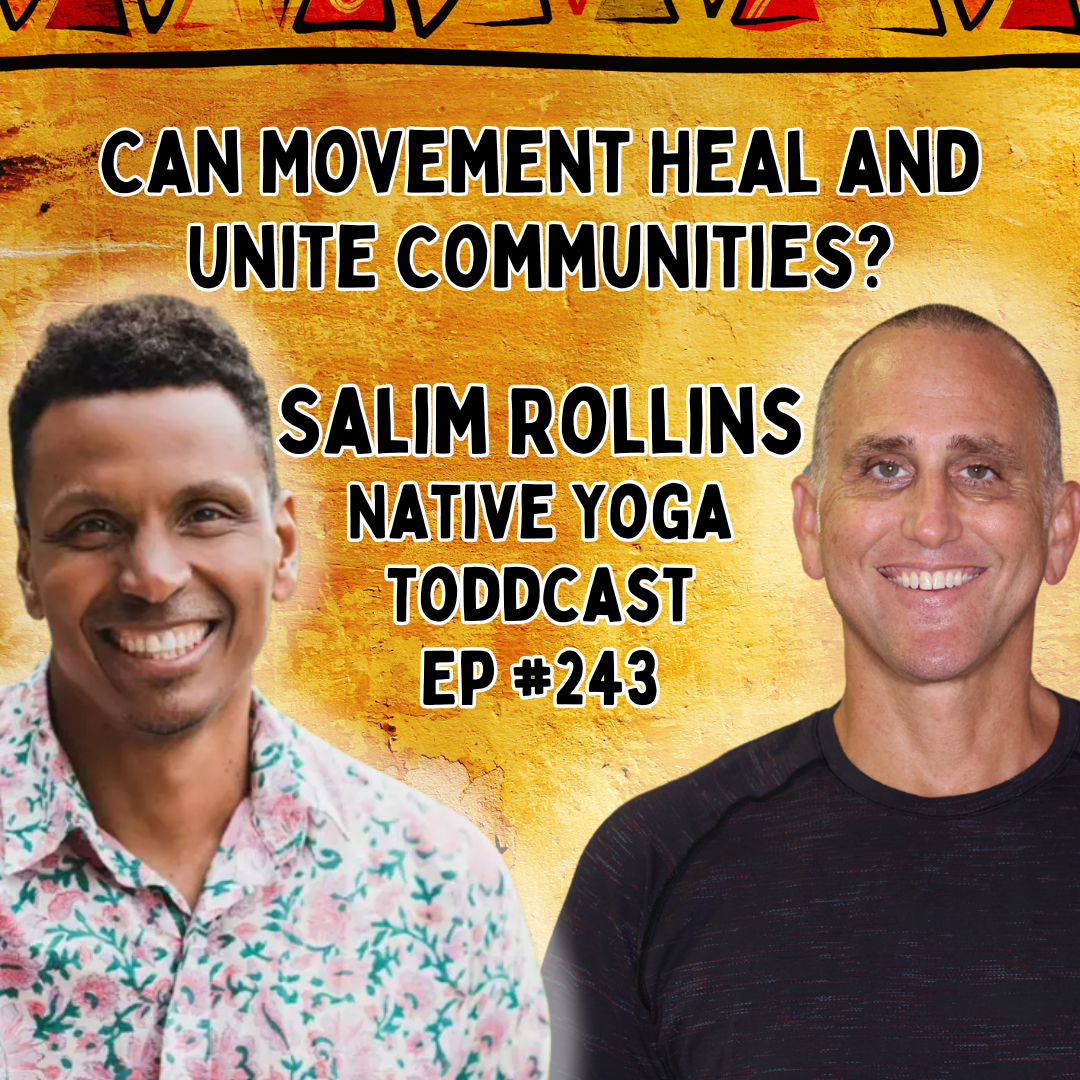
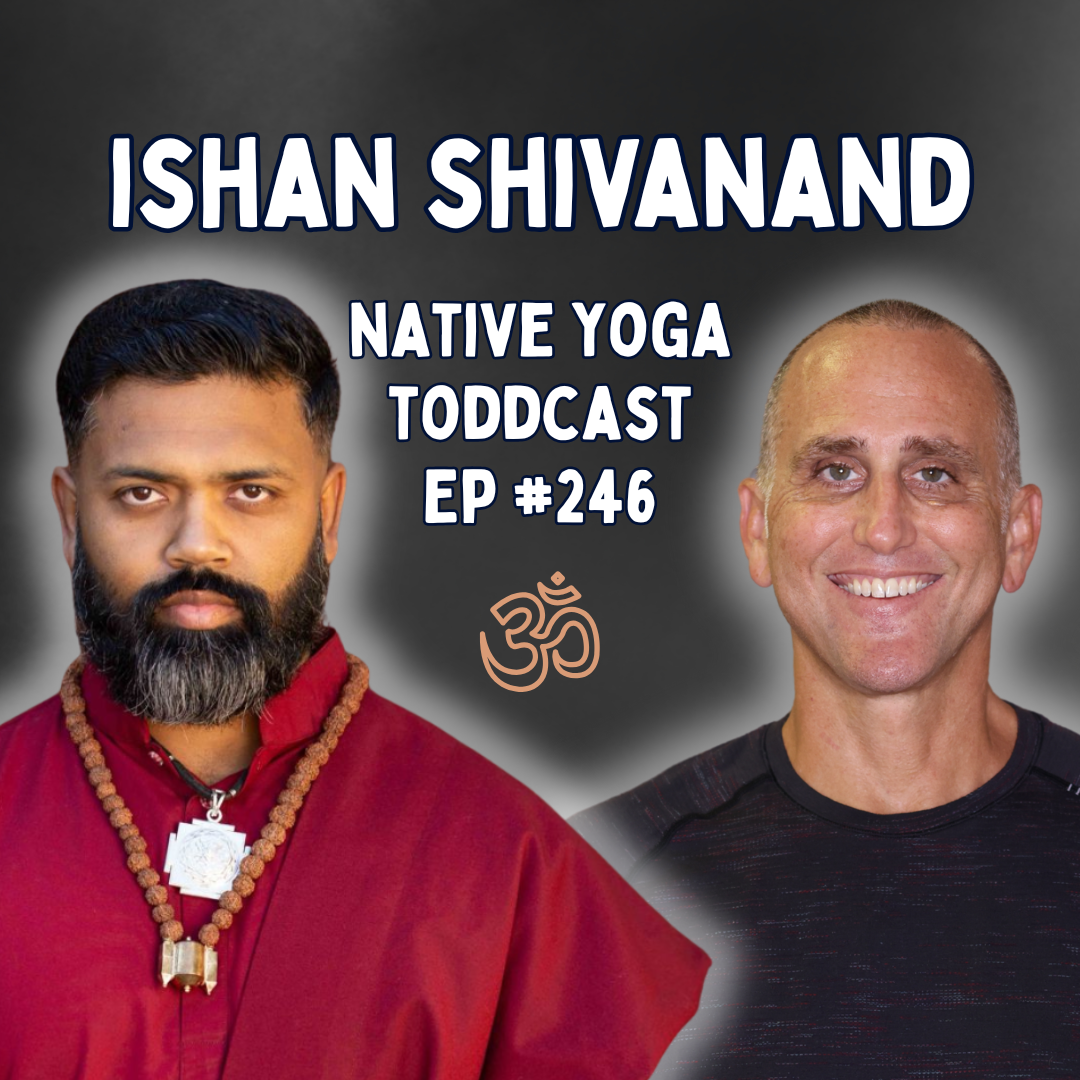
Vahid Coskun ~ Two Seconds to World Peace Through Breath

Listen to Toddcast with Vahid for FREE here

Vahid Coskun is a highly distinguished yoga instructor, author, and mindfulness coach based in Washington, D.C. He is the author of “Practice Beyond the Posture: Meet Yourself Through the Mental Dialogues of Yoga and Stay in Charge of Who You Are.” With over 13 years of experience in teaching yoga, Vahid has developed a unique approach to integrating mindfulness into everyday routines. His focus is on drawing lessons from yoga postures to cultivate self-awareness. He has an advanced degree in yoga therapy and mindfulness from the Maryland University of Integrative Health. Vahid is actively engaged in providing corporate mindfulness training and holds workshops intended to enhance mental well-being.

Visit: https://www.wellnessassemblyservices.com/mentaldialogues

Key takeaways:

  • Yoga and mindfulness extend beyond physical practice and help cultivate mental self-awareness.
  • Bringing mindfulness practices to corporate settings involves translating Eastern concepts into relatable and actionable techniques for busy professionals.
  • Spirituality and non-judgmental approaches, while highly valued, need critical evaluation to avoid being misunderstood or ineffectively applied.
  • The power of individual responsibility in achieving a harmonious global community hinges on small, manageable changes, such as mindfulness in daily actions.

Exploring the Mindful Odyssey: Yogic Wisdom for Modern Life

In the ever-evolving world of yoga and mindfulness, finding a way forward is important for the growth and understanding of our shared experiences. The dialogue between Todd and Vahid Coskun, author of “Practice beyond the Posture,” encapsulates this journey, as it delves into the intricacies of connecting the mental and physical realms through yoga. Their conversation navigates themes of trauma, self-awareness, and the profound yet simple ability to find peace through breathing. As Vahid poignantly notes, we’re “two seconds away from world peace,” echoing a sentiment that encapsulates the power of mindfulness in today’s fast-paced, high-stress environments.

Yoga’s Approach: Unifying Body and Mind

In the conversation, Vahid Coskun discusses his insights on moving beyond a singular focus on physical poses in yoga practice, emphasizing the union of mind and body. Discussing his book, Vahid shares how over 13 years of teaching, he recognized his “insecurities” vanished, letting him be more present and observe students. This presence enabled him to notice that “what you go through in life is what I go through. It’s the same thing.” His teaching evolved from this deep sense of unity and commonality, challenging the preconceived notion of alienation and reinforcing a meaningful connection through shared struggles.

This narrative is expansive in its implications, illustrating how mindfulness teaching can transcend the yoga mat and influence broader life practices. For example, Vahid highlights that in practice, both teacher and student must learn “what is good enough,” a concept that resonates beyond yoga, manifesting in professional and personal domains. As he mentions, achieving balance and focus in yoga transfers into life situations, aiding individuals in all pursuits.

Mindfulness in Corporate Settings

Vahid’s foray into mindfulness for corporate America is a testament to its universal applicability. He describes his initial experience teaching meditation at the Metropolitan Transportation Authority in New York, where he saw firsthand the skepticism among corporate employees. By leveraging relatable analogies and sparking curiosity, he effectively introduced meditation to otherwise resistant individuals. As Vahid put it, inviting participants to tune into subtler senses created open pathways to the “state of bliss.” This reiterates the versatility of mindfulness practices in environments like D.C.’s corporate scene, where high achievers often dismiss traditional methods as “fairy tales.”

Corporate mindfulness is far from metaphorical since it directly impacts productivity, interpersonal relationships, and stress management. Vahid notes a key aspect of his practice: “When you accumulate these little bits of attention, you cultivate a state of focus,” implying that consistent mindfulness shifts from personal well-being into effectiveness at work, thus broadening its appeal and utility.

The Evolution and Misinterpretation of Spiritual Concepts

Throughout their dialogue, Todd and Vahid delve into the complexities of traditional spiritual concepts in contemporary contexts, particularly around themes of judgment and non-judgment. Vahid shares his understanding that the concept of living a “non-judgmental life” is often “toxic.” He articulates that proper discernment is crucial for personal growth, saying, “If you don’t see that… I’m not telling you’re a bad person, but you did some very bad stuff.”

This discussion highlights a central tension in modern spiritual practice—the balance between acceptance and accountability. While the broader cultural push towards non-judgment aims to foster inclusivity and acceptance, Vahid warns against ignoring mistakes under its guise. This insight challenges us to refine our spiritual growth pathways, emphasizing that genuine self-improvement requires acknowledging missteps to foster real change.

Rekindling Hope through Simplicity

Vahid’s insight that breathing can help achieve world peace encapsulates the conversation’s thematic culmination—mindfulness’ innate power to promote calm and clarity. Exhaling just “two seconds longer,” he advises, can ease nervous system activity and eliminate many of life’s common stresses. This serves as a metaphor, urging a collective pause—a chance to reset and reconnect with one’s inner peace amidst life’s hectic nature.

Todd and Vahid’s conversation is a profound reminder of mindfulness’ potential to transform individuals and communities. Embracing mindfulness within corporate and personal atmospheres is not merely an adopted trend but an essential practice for fostering genuine engagement, growth, and understanding. Through yoga’s essence, awareness, and reflection, Vahid encourages us to bridge gaps between our physical and mental experiences, inviting us to meet where commonality lies and explore our innate potential—a testament that true connections arise when we pause to breathe.

Thanks for listening to this episode. Check out: 👇
8IN8 Ashtanga Yoga for Beginners Course Online– Learn 8 Limb Yoga in 8 Days – Get FREE coupon code for a limited time only (Regular price $88) https://info.nativeyogacenter.com/8in8-ashtanga-yoga-for-beginners-8-limbs-in-8-days/

Practice with Native Yoga Online – New classes EVERY day – Use Code FIRSTMONTHFREE https://nativeyogacenter.teachable.com/p/today-s-community-class

Subscribe to Native Yoga Center and view this podcast on Youtube.

Thank you Bryce Allyn for the show tunes. Check out Bryce’s website: bryceallynband.comand sign up on his newsletter to stay in touch. Listen here to his original music from his bands Boxelder, B-Liminal and Bryce Allyn Band on Spotify.

Please email special requests and feedback to info@nativeyogacenter.com

https://info.nativeyogacenter.com/8in8-ashtanga-yoga-for-beginners-8-limbs-in-8-days/

Support the show

Native Yoga website: here
YouTube: here
Instagram: @nativeyoga 
Twitter: @nativeyoga 
Facebook: @nativeyogacenter 
LinkedIn: Todd McLaughlin
Karen Fabian ~ From Pain to Power: Mastering Yoga with Anatomy Insight

Listen to Podcast with Karen for FREE here

Karen Fabian is the founder of Bare Bones Yoga, a business blending her extensive background in anatomy with the practice and teaching of yoga. Initially pursuing a career in physical therapy, Karen shifted her focus to rehabilitation and counseling, gaining valuable experience in healthcare settings, particularly with traumatic injuries. Today, Karen leads successful yoga anatomy programs and works to empower yoga teachers with the knowledge and confidence needed to excel in their practice.

Visit Karen: https://barebonesyoga.com/

Key Takeaways:

  • Yoga teachers often carry a narrative that they need to ensure “safe” classes, but it’s crucial to focus on clear communication and observation to foster better teaching practices.
  • Karen Fabian stresses the significance of understanding anatomy as an essential part of teaching yoga effectively, offering innovative programs to aid in this educational pursuit.
  • Mindset plays a critical role in how teachers experience teaching yoga. Confidence can be significantly enhanced through practical strategies and a willingness to try new approaches.
  • Fabian’s transformative work aims to shift the perspective that accumulating hours is the sole pathway to competence, promoting a more holistic understanding of teaching.

Understanding Anatomy: The Path to Empowered Yoga Instruction

Yoga instruction has long been enveloped in tradition and structured learning. Yet Karen Fabian of Bare Bones Yoga is reshaping the dialogue by emphasizing the importance of anatomy and personal growth through mindset shifts. In an enlightening conversation, she shared her belief in an approach tailored more towards understanding than adhering to rigid hours and certifications. Karen mentions, “I help yoga teachers really build their confidence and skill… it’s really hard to feel confident if you don’t understand anatomy.”

A deep dive into anatomy provides instructors with the tools to deliver safe and accessible yoga classes. With a framework that includes action, alignment, anatomy, and somatic cues, instructors can navigate complex sequences and ensure students grasp both postural and physiological benefits. Fabian’s methodology emphasizes, “Say the cue and see what they do,” which invites a nuanced approach to observing and responding to the dynamics within a class. This connection—between instructor and student—serves to foster a robust and responsive teaching environment.

Applying a keen anatomical lens does more than just improve safety; it empowers instructors to confidently adapt their approaches to the individual needs of their students. Across varied yoga experiences, true confidence is built on a seamless blend of knowledge and communication, ensuring students feel supported and instructors operate with assuredness.

Shifting Focus from Hours to Holistic Growth

Many yoga instructors wrestle with the narrative that extensive hours equate to competency. However, Fabian challenges this notion, advocating for a mindset-focused pathway to professional growth. “Confidence is not often found in the number of hours you train,” she asserts, highlighting that teachers should focus on mindset and experimentation to transcend perceived limitations.

Traditional models, often hierarchical and rooted in guru-style authority, can stymie a teacher’s personal growth and critical thinking. The interview echoes how these entrenched beliefs may lead instructors to underestimate their agency, often feeling compelled to adhere to prescribed teaching methods rather than exploring their unique paths. As detailed in the interview, the evolution from a fixed mindset of seeking endless study to adopting a practice of experimentation can be profound. Teachers can say, “Would you be willing to try something different?” and open themselves to fresh perspectives, revealing unimagined possibilities in their instruction approach.

This shift encompasses a significant departure from yoga’s conventional paradigms, encouraging instructors to embrace their individuality and intuitive capabilities. Such changes can lead to a richer, more personally satisfying teaching journey, aligned with modern pedagogical standards while respecting traditions’ essence.

Breaking Through with Experimentation and Mindset

Mindset shifts can significantly impact an instructor’s journey and experience within the yoga teaching community. In the interview, the power of belief and a willingness to embrace experimentation is brought to light repeatedly. “When something’s not working, experiment with something different,” Fabian advises, underscoring the transformative potential of stepping out of one’s comfort zone.

This experimentation ethos directly ties into the broader themes explored in the conversation. For example, instructors’ conventional approach to complex poses can be reframed through anatomy-fueled knowledge, minimizing associated injuries and encouraging safer practices. Similarly, experimenting with sequencing, and considering feedback rather than assuming students’ expectations, opens new avenues for creative teaching.

By adopting new methods, yoga teachers can dismantle beliefs rooted in fear and inadequacy, embracing the momentum of change and innovative practices. Experimentation not only expands instructors’ technical repertoire but fosters resilience, cultivating a deeper affinity for growth and adaptation.

Reimagining Yoga Instruction for Future Generations

The conversation with Karen Fabian underscores the necessity of nurturing holistic practices centered around confidence, mindset, and anatomy. Emphasizing the need to transcend prescribed learning methodologies, Fabian highlights a future where yoga instructors readily embrace experimentation, prioritizing intentionality over rote repetition.

Her narrative calls us to envisage a vibrant yoga landscape defined by informed, confident educators who value their agency as highly as their qualifications. As she summarizes, “Your confidence is not often found in the number of hours you train.” This perspective encourages educators to explore practices that align with their unique values and intuition, fostering environments rich with both tradition and innovation. The continued evolution of yoga teaching hinges on instructors like Fabian, who bravely redefine educational norms and inspire their peers towards authentic, impactful teaching.

By reshaping their paradigms and diving into both anatomy and mindset mastery, instructors stand poised to shape the future of yoga—a future characterized by passionate, well-rounded educators prepared for everything the mat and their students may present.

Thanks for listening to this episode. Check out: 👇
8IN8 Ashtanga Yoga for Beginners Course Online– Learn 8 Limb Yoga in 8 Days – Get FREE coupon code for a limited time only (Regular price $88) https://info.nativeyogacenter.com/8in8-ashtanga-yoga-for-beginners-8-limbs-in-8-days/

Practice with Native Yoga Online – New classes EVERY day – Use Code FIRSTMONTHFREE https://nativeyogacenter.teachable.com/p/today-s-community-class

Subscribe to Native Yoga Center and view this podcast on Youtube.

Thank you Bryce Allyn for the show tunes. Check out Bryce’s website: bryceallynband.comand sign up on his newsletter to stay in touch. Listen here to his original music from his bands Boxelder, B-Liminal and Bryce Allyn Band on Spotify.

Please email special requests and feedback to info@nativeyogacenter.com

https://info.nativeyogacenter.com/8in8-ashtanga-yoga-for-beginners-8-limbs-in-8-days/

Support the show

Native Yoga website: here
YouTube: here
Instagram: @nativeyoga 
Twitter: @nativeyoga 
Facebook: @nativeyogacenter 
LinkedIn: Todd McLaughlin
Francisco Morales ~ Nature as a Healer: Synergy Yoga in Peru’s Sacred Valley

Listen to Toddcast with Francisco for FREE here

Francisco Morales is a distinguished healing artist with deep roots in the martial arts, yoga, and Thai massage disciplines. Originally from Peru, he spent his formative years along the Peruvian coast before moving to Washington D.C. at eight. Francisco has lived and trained worldwide, amassing a wealth of experience in various healing arts, such as capoeira, jiu-jitsu, acro yoga, and more. He pioneered Synergy Yoga, a collaborative movement melding elements of therapeutic partner yoga, Thai massage, and circular movement arts. Francisco is also heavily involved in community and youth empowerment through his NGO, Synergy Rising, working to maintain cultural arts and traditions in Peru and beyond.

Visit him at https://synergy.yoga/

Key Takeaways:

  • Francisco Morales embodies a deep connection to Peru’s landscapes and culture, significantly shaping his journey in healing arts.
  • Through Synergy Yoga and Synergy Rising NGO, Francisco emphasizes community, integration of traditional arts, and youth empowerment, particularly in Peru.
  • His insights into the synergy between yoga, martial arts, and healing touch underscore the essential role of intention, movement, and breath.
  • Francisco’s mentoring initiatives aim to preserve cultural heritage and provide pathways for youth, fostering personal growth and economic opportunity.
  • The importance of maintaining mental health, groundedness, and the distinct connection between nature, community, and individual well-being are focal points in Francisco’s philosophy.

Personal Journey: Blending Martial Arts and Healing Arts

Francisco Morales’s journey is a tapestry woven with the threads of martial arts, healing arts, and cultural heritage. Emerging from the vibrant landscapes of Peru and the bustling streets of Washington D.C., his story invites reflection on how geographical and cultural dichotomies shape our worldviews and life paths. Morales’s dialogue reveals an intersection where the discipline of martial arts meets the tenderness of healing arts, painting a portrait of a life dedicated to self-discovery and community empowerment.

As Morales recounts, “I think yoga is a martial art as well. It’s just a martial art that’s kind of like with yourself,” highlighting the internal discipline common to both yoga and martial arts. His belief that practices such as yoga, Thai massage, and capoeira can offer profound self-knowledge emphasizes the philosophy of self-discipline and balance. By framing yoga as a martial art, Morales underscores its role in mental resilience, teaching practitioners to move with intention and mindfulness.

Broad Implications: Morales’s narrative offers insights into the potential of integrating diverse disciplines to nurture holistic well-being. By presenting yoga and martial arts as vehicles for connection with oneself and one’s surroundings, he advocates for a more inclusive understanding of these practices beyond their traditional boundaries. His story encourages the exploration of how geographical and cultural influences can be harmonized into a life path marked by balance and cohesion.

Nurturing Indigenous Arts: The Power of Community

A central mission in Morales’s endeavors is the preservation and celebration of indigenous cultures. Based in Urubamba, the sacred valley of Peru, Morales stresses the importance of preserving the rich Quechua culture through initiatives like Synergy Rising, an NGO dedicated to empowering local youth. “We really want to maintain these arts with the youth,” he asserts, emphasizing the integration of local traditions such as weaving and ceramics into educational programs.

His work champions community as a vital framework for personal growth and cultural sustenance. Morales notes, “Synergy Yoga was formed with the idea…that together you’re greater than one by the self.” By embedding indigenous art forms and traditions within modern education practices, not only is cultural heritage honored, but a newfound path for youth is also paved. This heritage preservation fosters a sense of pride and identity among young community members, contributing to their empowerment and holistic development.

Broader Perspectives: This theme amplifies the dialogue surrounding the preservation of indigenous cultures in contemporary society. Morales’s approach illustrates how the nurturing of traditional arts can serve as both a means of cultural survival and a source of community resilience. By wielding cultural education as a tool for empowerment, his initiatives prompt us to reconsider the role of traditional arts as vital components in sustainable community development, offering valuable insights into the potential synergy between cultural preservation and modern educational frameworks.

Integrating Ancient and Modern Wellness: Path to Holistic Growth

The dialogue between ancient practices and modern wellness trends is evident in Morales’s work, especially within the domains of Thai massage, capoeira, and acro yoga. Each of these practices, while distinct in their origins and applications, converge on a shared platform of promoting physical and mental well-being. Morales’s deep commitment to these arts encapsulates a holistic approach aimed at both healing and strengthening, built on authentic experiences and cultural reverence.

Discussing his trajectory with Thai massage, Morales notes, “I wanted to use my hands, you know, to learn…I always loved it.” This tactile appreciation extends throughout his work, both in his martial arts practice and his wellness initiatives. The integration of Thai massage, as he explains, “helps alleviate” discomfort from endeavors such as acro yoga, blurring the lines between disciplines in service of physical harmony and therapeutic outcomes.

Broader Implications: Morales’s philosophy advocates for a holistic paradigm shift in how we perceive wellness practices today. By merging traditional and modern methodologies, there’s a promise of deeper, fuller healing that acknowledges the body’s complexities and the mind’s nuances. The synergetic approach Morales promotes offers a blueprint for a new paradigm in wellness, where the merging of ancient and modern techniques is not only feasible but necessary for personal and community growth in a rapidly evolving world.

In the words and work of Francisco Morales, we find a compelling narrative centered on the interconnectedness of self and community, tradition and modernity. His initiatives serve as a beacon, illustrating that healing and empowerment stem from within, while drawing strength and identity from communal and cultural roots. This vision for holistic growth challenges conventional wellness paradigms, illuminating pathways enriched with cultural appreciation, mutual support, and personal evolution.

Thanks for listening to this episode. Check out: 👇
8IN8 Ashtanga Yoga for Beginners Course Online– Learn 8 Limb Yoga in 8 Days – Get FREE coupon code for a limited time only (Regular price $88) https://info.nativeyogacenter.com/8in8-ashtanga-yoga-for-beginners-8-limbs-in-8-days/

Practice with Native Yoga Online – New classes EVERY day – Use Code FIRSTMONTHFREE https://nativeyogacenter.teachable.com/p/today-s-community-class

Subscribe to Native Yoga Center and view this podcast on Youtube.

Thank you Bryce Allyn for the show tunes. Check out Bryce’s website: bryceallynband.comand sign up on his newsletter to stay in touch. Listen here to his original music from his bands Boxelder, B-Liminal and Bryce Allyn Band on Spotify.

Please email special requests and feedback to info@nativeyogacenter.com

https://info.nativeyogacenter.com/8in8-ashtanga-yoga-for-beginners-8-limbs-in-8-days/

Support the show

Native Yoga website: here
YouTube: here
Instagram: @nativeyoga 
Twitter: @nativeyoga 
Facebook: @nativeyogacenter 
LinkedIn: Todd McLaughlin