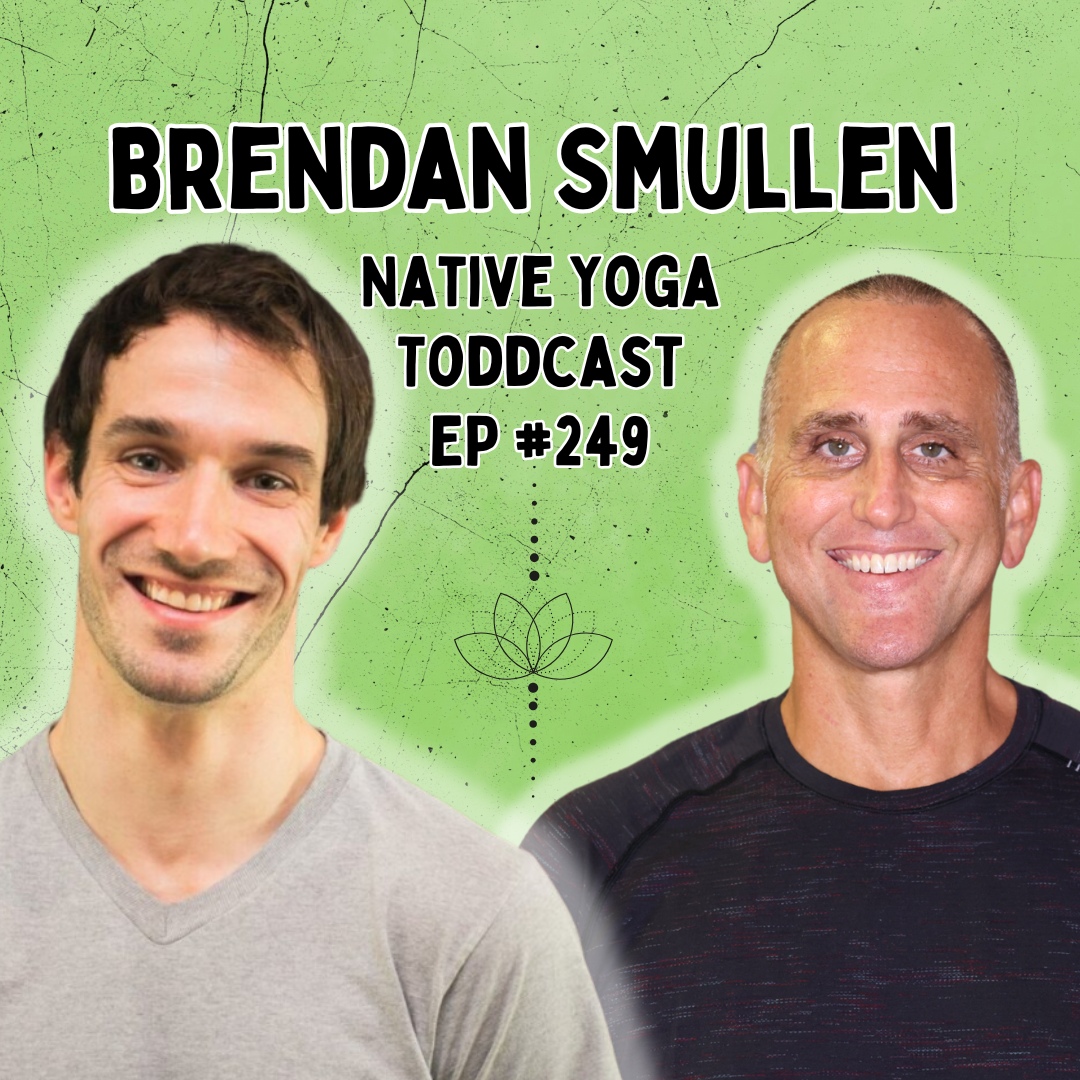
Edward Clark & Laurie A. Greene ~ The Future of Yoga: Asana, Vinyasa & Emotional Depth

Listen to Toddcast with Edward and Laurie for FREE here

In this captivating episode, Todd dives deep into a rich conversation with Edward Clarkand Laurie Greene, uncovering the nuanced dynamics of modern yoga practice. With yoga evolving vastly in the contemporary era, Edward and Laurie share insights from their book, “Yoga and the Body: The Future of Modern Yoga in the Studio and Beyond,” exploring how practitioners can cultivate deeper understanding and authenticity in their practice. They unveil the philosophical dichotomies between asana and vinyasa, focusing on their implications for personal growth and the broader yoga community. Their thought-provoking dialogue serves as a call to re-evaluate how yoga is taught, practiced, and experienced.

Purchase book here: https://a.co/d/c8zUi5y

Key Takeaways:

  • Philosophical Exploration: The distinctions between asana and vinyasa represent two contrasting philosophies of stillness versus movement, each offering unique paths to self-discovery and understanding of reality.
  • Cultural Shift: There’s a growing need to move beyond the rigid structures of traditional yoga to embrace new technologies and sensory experiences that enrich practice.
  • Challenging Traditional Norms: The conversation challenges the effectiveness of current certification models and the potential drawbacks of over-credentialization.

Yoga Philosophy: Asana and Vinyasa in Modern Practice

In their enlightening discussion, Edward Clark and Laurie Greene delve into the philosophical depths of yoga, contrasting Asana and Vinyasa practices. They unpack Asana as a form of renunciation, aiming for stillness and inner unity, opposed by the dynamic Vinyasa, which embraces change and flow. Laurie explains, “Asana attempts to understand reality by looking inwardly with the assumption that what you discover at a foundational level in the self will be the same as what reality is.”

Edward adds dimension to this discussion, highlighting Vinyasa’s unique perspective: “Vinyasa goes the other way. It’s that no, everything out there is constantly changing.” These philosophical perspectives open up new paths, not just in the studio but as a means of interacting with the world. This conversation argues for a deeper understanding that seeks not merely physical improvement but personal transformation. A practitioner’s choice between stillness and flow can reflect their broader life philosophies and spiritual journeys, suggesting that yoga is profoundly personal even as it reaches for universal truths.

Credentialism and Experience in Yoga Instruction

The dialogue also touches on one of yoga’s modern controversies: credentialism. Laurie and Edward express concerns over the focus on certifications at the expense of genuine knowledge and wisdom. Laurie passionately states, “The credentials are not helping us… It is only true what you experience through your practice.” They both advocate for a more robust, experience-driven approach to teaching that transcends the accumulation of certificate letters.

The current model often leaves new teachers underprepared for the significant task of guiding others, as demonstrated in Laurie’s reflection, “We have this credential inflation and so much so that the credentials really cannot guarantee that the person we’re looking at knows anything.” There’s a growing call within the community to revive mentorship models that prioritize experiential learning and real-world practice over certificates. For the yoga community, this shift would mean a return to the heart of what yoga represents: personal growth and self-discovery.

Furthermore, Edward calls for courses that capture this depth, arguing, “To do yoga is experiential… but being able to teach is analytical.” This revelation points toward an impending transformation in how yoga instructors are cultivated. Transitioning to a model that emphasizes experience over theoretical knowledge may not only satisfy regulatory standards but enrich the teaching landscape by producing teachers who embody yoga’s true essence.

Embracing Emotional Intensity for Deeper Practice

A particularly provocative theme emerged from discussions on emotions like anger, anxiety, and fear. Laurie and Edward argue for embracing these emotions rather than eliminating them for supposedly “pure” enlightenment. Laurie articulates a compelling perspective, “There is no difference between negative and positive emotions… they’re potentially fuel.” Such emotions are positioned as gateways to deeper engagement and understanding within the practice.

As Edward eloquently puts it, “This idea, Laurie alludes to it… to actually be in flow.” By integrating intense emotions, yoga shifts from being a mere physical or meditative practice to a spiritual journey that mirrors life’s full spectrum of experiences. The idea is that avoiding these emotions creates a flat, uninspired practice, while embracing them can lead to profound transformations both on and off the mat.

Their insights challenge the current narrative that yoga should solely be about healing and peace, proposing instead that risk, intensity, and engaging our full emotional spectrum are just as vital. This approach, they argue, will not only make yoga more accessible but also more authentic, reflecting the human condition in its many hues.

Thanks to their critical insights, potential future directions include practices that are not just physically challenging but which also encourage emotional depth and authenticity. This holistic view may indeed redefine what it means to engage genuinely with yoga, promoting a healthier, more inclusive understanding of what the practice is and can be.

The dialogue between Greene and Clark sheds light on powerful themes driving contemporary yoga—each urging a return to yoga’s roots while propelling it forward. Their words serve as a clarion call for yoga practitioners and educators alike to deepen their practice through introspection, experience, and emotional honesty. Unveiling these enduring truths within yoga beckons a renaissance where the spirit of yoga thrives beyond postures, resonating with life’s constant flux.

Thanks for listening to this episode. Check out: 👇
8IN8 Ashtanga Yoga for Beginners Course Online– Learn 8 Limb Yoga in 8 Days – Get FREE coupon code for a limited time only (Regular price $88) https://info.nativeyogacenter.com/8in8-ashtanga-yoga-for-beginners-8-limbs-in-8-days/

Practice with Native Yoga Online – New classes EVERY day – Use Code FIRSTMONTHFREE https://nativeyogacenter.teachable.com/p/today-s-community-class

Subscribe to Native Yoga Center and view this podcast on Youtube.

Thank you Bryce Allyn for the show tunes. Check out Bryce’s website: bryceallynband.comand sign up on his newsletter to stay in touch. Listen here to his original music from his bands Boxelder, B-Liminal and Bryce Allyn Band on Spotify.

Please email special requests and feedback to info@nativeyogacenter.com

https://info.nativeyogacenter.com/8in8-ashtanga-yoga-for-beginners-8-limbs-in-8-days/

Support the show

Native Yoga website: here
YouTube: here
Instagram: @nativeyoga 
Twitter: @nativeyoga 
Facebook: @nativeyogacenter 
LinkedIn: Todd McLaughlin

Vahid Coskun ~ Two Seconds to World Peace Through Breath

Listen to Toddcast with Vahid for FREE here

Vahid Coskun is a highly distinguished yoga instructor, author, and mindfulness coach based in Washington, D.C. He is the author of “Practice Beyond the Posture: Meet Yourself Through the Mental Dialogues of Yoga and Stay in Charge of Who You Are.” With over 13 years of experience in teaching yoga, Vahid has developed a unique approach to integrating mindfulness into everyday routines. His focus is on drawing lessons from yoga postures to cultivate self-awareness. He has an advanced degree in yoga therapy and mindfulness from the Maryland University of Integrative Health. Vahid is actively engaged in providing corporate mindfulness training and holds workshops intended to enhance mental well-being.

Visit: https://www.wellnessassemblyservices.com/mentaldialogues

Key takeaways:

  • Yoga and mindfulness extend beyond physical practice and help cultivate mental self-awareness.
  • Bringing mindfulness practices to corporate settings involves translating Eastern concepts into relatable and actionable techniques for busy professionals.
  • Spirituality and non-judgmental approaches, while highly valued, need critical evaluation to avoid being misunderstood or ineffectively applied.
  • The power of individual responsibility in achieving a harmonious global community hinges on small, manageable changes, such as mindfulness in daily actions.

Exploring the Mindful Odyssey: Yogic Wisdom for Modern Life

In the ever-evolving world of yoga and mindfulness, finding a way forward is important for the growth and understanding of our shared experiences. The dialogue between Todd and Vahid Coskun, author of “Practice beyond the Posture,” encapsulates this journey, as it delves into the intricacies of connecting the mental and physical realms through yoga. Their conversation navigates themes of trauma, self-awareness, and the profound yet simple ability to find peace through breathing. As Vahid poignantly notes, we’re “two seconds away from world peace,” echoing a sentiment that encapsulates the power of mindfulness in today’s fast-paced, high-stress environments.

Yoga’s Approach: Unifying Body and Mind

In the conversation, Vahid Coskun discusses his insights on moving beyond a singular focus on physical poses in yoga practice, emphasizing the union of mind and body. Discussing his book, Vahid shares how over 13 years of teaching, he recognized his “insecurities” vanished, letting him be more present and observe students. This presence enabled him to notice that “what you go through in life is what I go through. It’s the same thing.” His teaching evolved from this deep sense of unity and commonality, challenging the preconceived notion of alienation and reinforcing a meaningful connection through shared struggles.

This narrative is expansive in its implications, illustrating how mindfulness teaching can transcend the yoga mat and influence broader life practices. For example, Vahid highlights that in practice, both teacher and student must learn “what is good enough,” a concept that resonates beyond yoga, manifesting in professional and personal domains. As he mentions, achieving balance and focus in yoga transfers into life situations, aiding individuals in all pursuits.

Mindfulness in Corporate Settings

Vahid’s foray into mindfulness for corporate America is a testament to its universal applicability. He describes his initial experience teaching meditation at the Metropolitan Transportation Authority in New York, where he saw firsthand the skepticism among corporate employees. By leveraging relatable analogies and sparking curiosity, he effectively introduced meditation to otherwise resistant individuals. As Vahid put it, inviting participants to tune into subtler senses created open pathways to the “state of bliss.” This reiterates the versatility of mindfulness practices in environments like D.C.’s corporate scene, where high achievers often dismiss traditional methods as “fairy tales.”

Corporate mindfulness is far from metaphorical since it directly impacts productivity, interpersonal relationships, and stress management. Vahid notes a key aspect of his practice: “When you accumulate these little bits of attention, you cultivate a state of focus,” implying that consistent mindfulness shifts from personal well-being into effectiveness at work, thus broadening its appeal and utility.

The Evolution and Misinterpretation of Spiritual Concepts

Throughout their dialogue, Todd and Vahid delve into the complexities of traditional spiritual concepts in contemporary contexts, particularly around themes of judgment and non-judgment. Vahid shares his understanding that the concept of living a “non-judgmental life” is often “toxic.” He articulates that proper discernment is crucial for personal growth, saying, “If you don’t see that… I’m not telling you’re a bad person, but you did some very bad stuff.”

This discussion highlights a central tension in modern spiritual practice—the balance between acceptance and accountability. While the broader cultural push towards non-judgment aims to foster inclusivity and acceptance, Vahid warns against ignoring mistakes under its guise. This insight challenges us to refine our spiritual growth pathways, emphasizing that genuine self-improvement requires acknowledging missteps to foster real change.

Rekindling Hope through Simplicity

Vahid’s insight that breathing can help achieve world peace encapsulates the conversation’s thematic culmination—mindfulness’ innate power to promote calm and clarity. Exhaling just “two seconds longer,” he advises, can ease nervous system activity and eliminate many of life’s common stresses. This serves as a metaphor, urging a collective pause—a chance to reset and reconnect with one’s inner peace amidst life’s hectic nature.

Todd and Vahid’s conversation is a profound reminder of mindfulness’ potential to transform individuals and communities. Embracing mindfulness within corporate and personal atmospheres is not merely an adopted trend but an essential practice for fostering genuine engagement, growth, and understanding. Through yoga’s essence, awareness, and reflection, Vahid encourages us to bridge gaps between our physical and mental experiences, inviting us to meet where commonality lies and explore our innate potential—a testament that true connections arise when we pause to breathe.

Thanks for listening to this episode. Check out: 👇
8IN8 Ashtanga Yoga for Beginners Course Online– Learn 8 Limb Yoga in 8 Days – Get FREE coupon code for a limited time only (Regular price $88) https://info.nativeyogacenter.com/8in8-ashtanga-yoga-for-beginners-8-limbs-in-8-days/

Practice with Native Yoga Online – New classes EVERY day – Use Code FIRSTMONTHFREE https://nativeyogacenter.teachable.com/p/today-s-community-class

Subscribe to Native Yoga Center and view this podcast on Youtube.

Thank you Bryce Allyn for the show tunes. Check out Bryce’s website: bryceallynband.comand sign up on his newsletter to stay in touch. Listen here to his original music from his bands Boxelder, B-Liminal and Bryce Allyn Band on Spotify.

Please email special requests and feedback to info@nativeyogacenter.com

https://info.nativeyogacenter.com/8in8-ashtanga-yoga-for-beginners-8-limbs-in-8-days/

Support the show

Native Yoga website: here
YouTube: here
Instagram: @nativeyoga 
Twitter: @nativeyoga 
Facebook: @nativeyogacenter 
LinkedIn: Todd McLaughlin
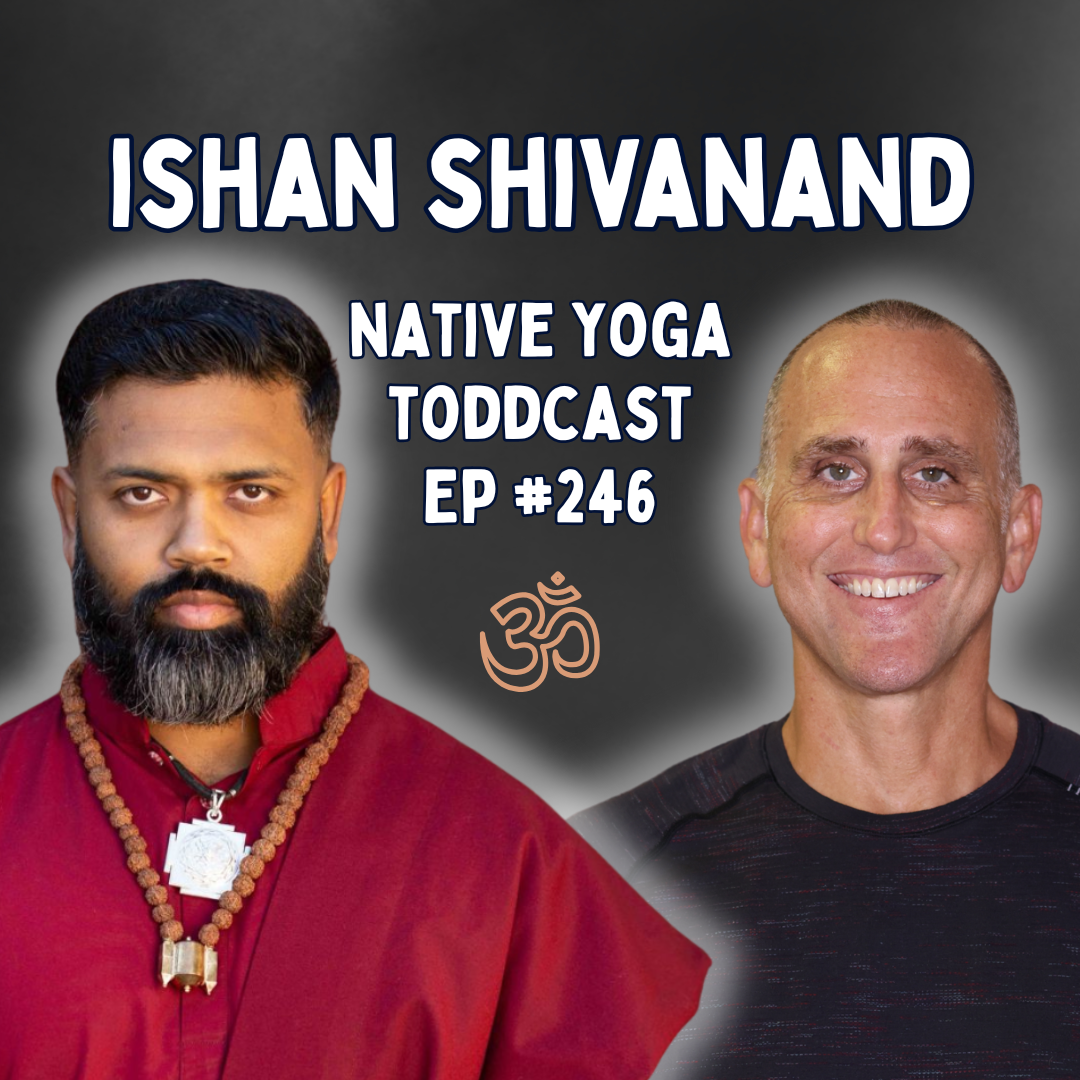
Carroll Ann Friedmann ~ Beyond the Pose: Understanding the Subtle Body in Yoga Practice

Listen to Toddcast with Carroll Ann for FREE here

Carroll Ann Friedmann is the co-owner of Ashtanga Yoga Charlottesville, a yoga studio in Charlottesville, Virginia, alongside her husband, Liam Buckley. She has a strong background in Integral Yoga and transitioned to Ashtanga Yoga after exploring different styles. Carroll Ann has spent extensive time training in Mysore, India, under the guidance of Saraswati Jois, daughter of the renowned Ashtanga guru Pattabhi Jois. Besides teaching, she has authored a book on the Yoga Sutras, emphasizing practical application for personal growth and self-reflection.

Visit Carroll: https://www.ashtangacharlottesville.com/

Key Takeaways:

  • Personal Transformation through Yoga: Carroll Ann’s personal journey showcases the transformative power of Ashtanga Yoga.
  • Yoga Studio Management: She discusses the intricacies of running a yoga studio, emphasizing the need for adaptability and community focus, especially amid rising costs and external pressures.
  • Evolving Ashtanga Practice: Carroll Ann stresses the importance of flexibility within the Ashtanga tradition, advocating for adaptations like Black Lotus Yoga to avoid injuries and enhance accessibility.
  • Female Leadership in Yoga: Highlighting Saraswati Jois’s pivotal role as a woman in the Ashtanga lineage, Carroll Ann touches on the significance of female-led teaching in a traditionally male-dominated sphere.

Embracing Change and Kindness: Navigating the Transformative Path of Ashtanga Yoga

The practice and teaching of Ashtanga Yoga are undergoing significant transformation, as illustrated by Carroll Ann Friedmann’s insightful conversation with Todd McLaughlin, host of the Native Yoga Toddcast. The interview explores the nuances and shifts within the Ashtanga community, highlighting the importance of flexibility, evolving traditions, and embedding kindness into teaching methodologies.

The Evolution of Ashtanga Yoga Practice

Carroll Ann Friedmann emphasizes the necessity for adaptability within the Ashtanga Yoga tradition, particularly as it encounters modern challenges and evolving student needs. According to Friedmann, the traditional notion of “giving poses” within the Ashtanga method is evolving to fit newer educational paradigms. She reflects on her own journey of transitioning from integral and Hatha Yoga into Ashtanga and acknowledges the initial struggle, stating, “I hated it. I mean truly hated it. But something in me was like, no, this is it.”

This commitment to transformation is reinforced by the shift from rigid adherence to a more open, dialogue-based learning experience. Reflecting on conversations with influential teachers Richard and Mary Freeman, Friedmann notes their approach: “They basically follow my lead. They were saying, sure, if you want to try it, we’ll try it.” This pragmatic and student-driven encouragement within the Ashtanga tradition underscores a transformative shift towards inclusivity and adaptability, vital for attracting new practitioners and retaining dedicated students.

Nurturing Community through Kindness

One of the core elements Friedmann articulates is the role of kindness in fostering community within yoga practice. Her emphasis on creating a safe, non-judgmental environment is a testament to her teaching philosophy’s success, where respect and compassion hold paramount importance. “If we do something and kindness is not present, then I don’t think we’re doing it right,” Friedmann asserts.

The emphasis on a nurturing atmosphere is not without precedent in the lineage of Ashtanga Yoga. Friedmann recalls the warm and supportive teaching style of her mentor, Saraswati, who imparted a sense of safety in her classes: “There’s a nurturing quality…and that’s what I very much tried to bring to AYC [Ashtanga Yoga Charlottesville].” This prioritization of a supportive environment enables students to develop holistically, thereby deepening their practice both physically and emotionally. Through fostering these strong community bonds, Friedmanm and her husband Liam have cultivated an Ashtanga practice space where shared learning and mutual growth thrive.

Innovation within Tradition

The interplay between tradition and innovation emerges as an integral theme in the discussion, showcasing how Ashtanga Yoga can evolve without losing its foundational ethos. By integrating elements of modern practice styles, practitioners like Friedmann continue to attract an ever-broadening spectrum of students. Describing their approach at AYC, Friedmann highlights their support for diversifying practice methods: “We have diversified what we do…we run an apprenticeship as we have a teacher training curriculum.”

Additionally, incorporating inclusive methods enhances accessibility and participation for a broader demographic. Emphasizing props and pose adaptations, Friedmann reinforces a commitment to ensure “radical accessibility is our number one priority at AYC.” Such innovative considerations are vital in evolving the practice of Ashtanga Yoga while remaining deeply respectful of its origins. Entering this evolving landscape of yoga, practitioners like Friedmann illustrate that maintaining tradition and embracing change need not be mutually exclusive endeavors.

Looking forward, the Ashtanga community’s path continues to resonate with themes of mindfulness, evolution, and kindness. Practitioners who are open to change, like Todd McLaughlin and Carroll Ann Friedmann, illustrate how these principles are critical for the sustained growth and enrichment of both individual and collective yoga journeys. In recognizing the shifts and embracing innovation within practice, Ashtanga Yoga can continue fostering transformative experiences and profound connections within communities globally.

Thanks for listening to this episode. Check out: 👇
8IN8 Ashtanga Yoga for Beginners Course Online– Learn 8 Limb Yoga in 8 Days – Get FREE coupon code for a limited time only (Regular price $88) https://info.nativeyogacenter.com/8in8-ashtanga-yoga-for-beginners-8-limbs-in-8-days/

Practice with Native Yoga Online – New classes EVERY day – Use Code FIRSTMONTHFREE https://nativeyogacenter.teachable.com/p/today-s-community-class

Subscribe to Native Yoga Center and view this podcast on Youtube.

Thank you Bryce Allyn for the show tunes. Check out Bryce’s website: bryceallynband.comand sign up on his newsletter to stay in touch. Listen here to his original music from his bands Boxelder, B-Liminal and Bryce Allyn Band on Spotify.

Please email special requests and feedback to info@nativeyogacenter.com

https://info.nativeyogacenter.com/8in8-ashtanga-yoga-for-beginners-8-limbs-in-8-days/

Support the show

Native Yoga website: here
YouTube: here
Instagram: @nativeyoga 
Twitter: @nativeyoga 
Facebook: @nativeyogacenter 
LinkedIn: Todd McLaughlin

Rohil Jethmalani ~ Yoga, Karma & Focus: Ancient Wisdom for Modern Life

Listen to Toddcast with Rohil for FREE here

Rohil Jethmalani is an esteemed yoga instructor and meditation practitioner, currently residing in Bali, Indonesia. His journey in yoga began during his upbringing in India, where he was influenced by his yoga-practicing parents. Rohil holds a deep connection with various styles of yoga, including Hatha, Iyengar, and Ashtanga Vinyasa. Apart from asana, he has a profound experience in Vipassana meditation in the tradition of S.N. Goenka. As an educator, Rohil has taught at yoga teacher trainings around the world, sharing his knowledge of yoga philosophy and yoga history. Today, he runs Ashtanga retreats in Bali, blending personal development and yoga practices for a holistic experience.

Visit Rohil at: https://shivatman.yoga/

On IG: https://www.instagram.com/shivatman.yoga/?hl=en

Key Takeaways:

  • Rohil’s Journey: Rohil shares his transition from a childhood steeped in yoga practice to being a renowned yoga instructor in Bali, intertwining his personal and professional evolution with yoga.
  • Yoga Philosophy in Modern Life: Discussions center on how traditional yoga philosophies, like the five kleshas, can be introduced and integrated into contemporary understanding while maintaining their depth and authenticity.
  • The Role of Technology in Yoga: Rohil speculates about how AI and technology may impact yoga teaching, highlighting the irreplaceable value of personal connections and experiential learning.
  • Karma and Action: Rohil elaborates on karma, emphasizing its intrinsic manifestation in the actions themselves rather than a delayed cosmic reward or punishment.

Exploring the Balance: Tradition vs. Technology in Yoga

As the conversation between Rohil Jethmalani and the host unfolds, an enlightening discourse emerges around the confluence of yoga’s ancient roots and the profound reach of modern technology. Bali, as Rohil recounts, is emblematic of this balance, embracing yoga’s spiritual history while evolving with the times. “Bali life is good,” states Rohil, underscoring the island’s nature as both a haven for tradition and a hub for modern exploration.

Rohil sees Bali as a melting pot where “there’s a lot of experimentation” with yoga techniques and blending “sound healing and other modalities.” This reflects the broader theme of yogic practices adapting to fit contemporary needs while honoring deep-rooted traditions. The conversation hints at the increasing role technology plays in yoga practice and highlights the potential for this intersection to foster innovation.

Such innovations, however, come with a need for mindfulness about authenticity and cultural respect. Rohil’s insights suggest a future where technology like AI could revolutionize yoga classes, potentially making them more accessible. Yet, he cautions against losing the personal and spiritual essence that makes yoga a meaningful practice. “There will be space for in-person teachings…that kind of one-on-one setting with another human I think is very hard to replace,” Rohil emphasizes—affirming the importance of maintaining interpersonal connections amid digital evolutions.

Understanding Karma: Immediate Internal Impacts

Venturing into the philosophical dimensions of yoga, the transcript sheds light on the intricate nature of karma as understood in yogic traditions. Typically perceived as a future-oriented principle where actions return their consequences later, Rohil challenges this notion, explaining karma as an immediate experience rather than a deferred balance sheet of actions.

In the discussion, Rohil articulates that “karma means action itself,” and the impact is instantaneously embedded within the act—shaping emotions and mental patterns immediately. When engaging in an act of compassion, for instance, the reward is the “inner sense of satisfaction,” not an eventual cosmic return. This understanding shifts our focus towards mindfulness, emphasizing internal states over external validations.

This conversation enriches our self-awareness, urging practitioners to see each action as a sculptor of inner truth and life experience. In doing so, it fosters an empowered view where life enhancement is not contingent on future gains but is realized through present understanding and feeling—a view that deepens personal growth.

The Future of Yoga and Human Creativity

A significant juncture in the dialogue delves into the transformative potential of artificial intelligence and its impact on yoga and human creativity. Rohil foresees technology reducing the time from “idea to manifestation,” a change that could unleash unprecedented human creativity. This shift bears profound implications for personalized yoga practice and learning, reinforcing yoga’s role in cultivating clarity amidst overwhelming digital transformations.

Yet, the conversation strikes a crucial chord—attention as a scarce and valuable resource. In a world overflowing with distractions, Rohil advises reflecting deeply on “where is our attention going?”—an insight aimed at converting challenges into opportunities for deeper engagement and inner peace. This wisdom could reshape how we approach digital tools, promoting conscious consumption over passive participation.

By harmonizing yoga with cognitive capabilities enhanced by technology, individuals may find pathways to creativity and personal fulfillment that were previously unimaginable. The transcript captures this intersection as a pivotal space where yoga can play a vital role in enhancing life quality, amid rapid technological advancement.

Inviting a New Perspective Amid the Modern Landscape

This dialogue, rich with insights from both tradition and innovation, encourages a reimagining of yoga’s place in the modern age. It invites yoga practitioners, educators, and enthusiasts to embrace both the knowledge rooted in age-old practices and the dynamic opportunities presented by technological advancement.

Rohil’s reflections are more than just a collision of the past and future; they represent an opening into broader vistas of understanding. From redefining concepts like karma to envisaging yoga’s role in a technology-driven world, these themes collectively urge us not only to adapt but to thrive—seizing the tools of change to craft a present filled with purpose, focus, and transformation.

Through this dialogue, we are encouraged to see yoga as a living tradition capable of evolving to meet new demands while retaining its essence. As we navigate the path forward, let us delve into these dualities—recognizing them as opportunities for growth, as well as grounding practices that foster creativity, peace, and fulfillment in our lives.

Thanks for listening to this episode. Check out: 👇
8IN8 Ashtanga Yoga for Beginners Course Online– Learn 8 Limb Yoga in 8 Days – Get FREE coupon code for a limited time only (Regular price $88) https://info.nativeyogacenter.com/8in8-ashtanga-yoga-for-beginners-8-limbs-in-8-days/

Practice with Native Yoga Online – New classes EVERY day – Use Code FIRSTMONTHFREE https://nativeyogacenter.teachable.com/p/today-s-community-class

Subscribe to Native Yoga Center and view this podcast on Youtube.

Thank you Bryce Allyn for the show tunes. Check out Bryce’s website: bryceallynband.comand sign up on his newsletter to stay in touch. Listen here to his original music from his bands Boxelder, B-Liminal and Bryce Allyn Band on Spotify.

Please email special requests and feedback to info@nativeyogacenter.com

https://info.nativeyogacenter.com/8in8-ashtanga-yoga-for-beginners-8-limbs-in-8-days/

Support the show

Native Yoga website: here
YouTube: here
Instagram: @nativeyoga 
Twitter: @nativeyoga 
Facebook: @nativeyogacenter 
LinkedIn: Todd McLaughlin
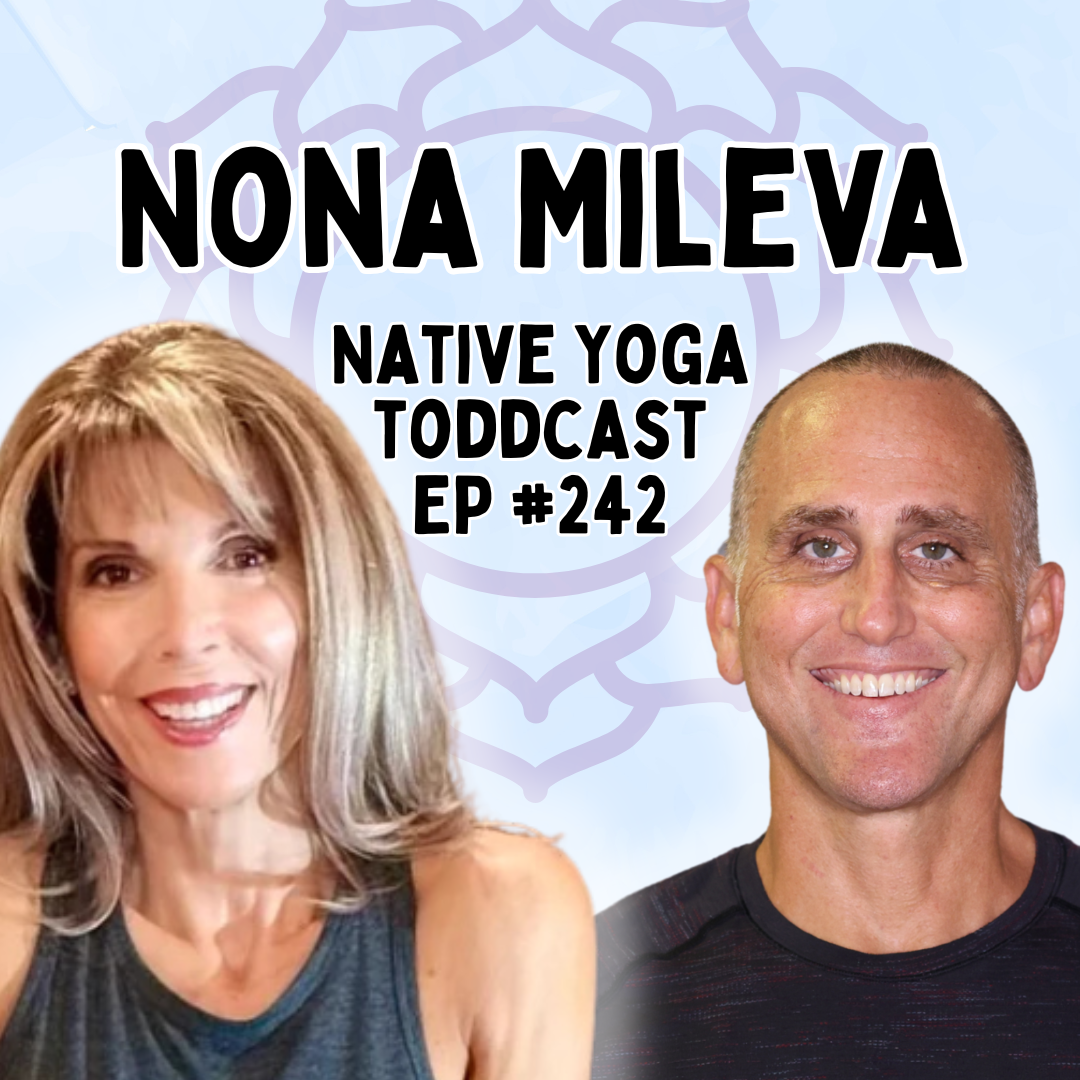
Jörg Schürpf ~ Listening to the Body: Mastering Presence and Intention in Healing

Listen to Toddcast with Jörg for FREE Here

Jörg Schürpf is a distinguished therapist with extensive expertise in both Thai massage and osteopathy. He possesses a unique blend of knowledge as both a Thai massage practitioner and an osteopath, which he integrates into his teaching and practice. He co-authored the book “OsteoThai, The Poetry of Touch: When Thai Massage Meets Osteopathy” with David Lutt, reflecting his passion and authority in manual therapies. Currently based in Switzerland, Jörg is a prominent figure in the world of bodywork, known for his holistic approach that emphasizes presence, attention, and intention in therapeutic practices.

Visit Jörg here: https://www.joergschuerpf.ch/en/

Order a copy of the book: https://lulyani.com/en/boook/

Key Takeaways:

  • Fusion of Disciplines: Jörg Schürpf has merged Thai massage and osteopathy into “osteo Thai,” a unique practice that balances Eastern movement with Western anatomical understanding.
  • Educational Insights: European osteopathy differs from American practices, often requiring a background in medical or therapeutic professions, though a unique path is available for those passionate about healing.
  • Concept of Fulcrum: Understanding fulcrums in bodywork can drastically enhance the effectiveness of touch therapies, allowing for precise and safe manipulations.

Osteothai: Bridging Health with the Poetry of Touch

Introduction

In a world increasingly obsessed with quick fixes and instant gratification, the timeless arts of healing and holistic health invite us to slow down, listen deeply, and transform from within. The conversation between Todd and osteopath Jörg Schürpf offers an insightful exploration into the fascinating intersection of osteopathy and Thai massage, which is vividly captured in their collaborative work, “Osteothai: The Poetry of Touch.” Through their dialogue, we delve into the multifaceted dimensions of this healing modality, driven by the elements of presence, attention, and intention.

The Transformative Power of Touch

Touch, as described by Jörg Schürpf, transcends mere physical contact. It’s a sacred dance that merges the practitioner’s presence, attention, and intention with the receiver’s body to awaken inherent self-regulating capabilities. Jörg poetically states, “[Health] is already present within the human being, and it’s up to us to find a way so that health can express itself more freely.” This philosophy aligns with Andrew Taylor Still, the founding father of osteopathy, who advocated for the body’s natural healing prowess through guided touch and anatomical understanding.

Todd nods to this wisdom, referencing the deep connection he finds in practices that emphasize intention, embodying everything from martial arts to bodywork therapies. Jörg further clarifies, “We need to start with that presence to ourselves and the connection to the sky and to the earth,” underscoring the inseparable link between healer, recipient, and universal energies.

Integrating Osteopathy and Thai Massage

The fusion of osteopathy and Thai massage—termed “Osteothai”—represents a unique blend of Western and Eastern healing traditions. Jörg recounts his journey, beginning with a deep dive into shiatsu, eventually pulling the threads of his extensive osteopathic training into the vibrant tapestry of Thai massage.

While both methodologies are distinct, the combination breathes new life into traditional Thai techniques with an anatomical precision drawn from osteopathy. Jörg articulates, “Osteopathy can bring something very precious to Thai massage,” illustrating how understanding the body’s mechanics—such as the facet joints in the spine—can inform a safer, more effective practice. This approach respects the traditional wisdom of Thai massage while enhancing it with modern, evidence-based medical insights, creating a holistic practice that honors both lineages.

Fulcrum: The Pivot of Healing

The concept of the fulcrum emerges as a vital point in understanding the body’s dynamics during both diagnosis and treatment. Jörg eloquently describes it as a “three-dimensional space that is suspended and can shift automatically,” a sort of dimensional dance where movement originates and returns. This notion not only stabilizes and grounds practice but offers insight into effective therapeutic interventions.

Jörg explains the practical application, “When that happens, usually the person will feel, ‘Oh yeah, this feels good!’…reconnecting the fixation to the original ability of being a fulcrum.” Grasping this concept allows for a refined approach where each joint movement is navigated, respecting the body’s organic mechanics. Implementing the fulcrum in treatment underscores the sophisticated understanding practitioners develop through Osteotai, enabling them to restore balance and facilitate healing effectively.

Learning to Listen

As the dialogue gently unfolds, resonating with wisdom and shared insights, we are reminded of the untapped potential that resides within a conscious practice—one that starts with listening deeply. Jörg’s final reflections emphasize this powerful act, encouraging practitioners not just to employ their techniques, but to genuinely “land, merge, and listen.” Through this process, not only do practitioners fine-tune their craft, but they also engage in an ongoing dialogue with the body’s innate healing capabilities.

Touch, when refined through presence, attention, and intention, becomes a transformative journey for both the healer and recipient. As such, Osteothai stands as a testament that bridges traditional worlds with contemporary understanding, inviting practitioners into a dance that is as much about discovery as it is about mastery.

Thanks for listening to this episode. Check out: 👇
8IN8 Ashtanga Yoga for Beginners Course Online– Learn 8 Limb Yoga in 8 Days – Get FREE coupon code for a limited time only (Regular price $88) https://info.nativeyogacenter.com/8in8-ashtanga-yoga-for-beginners-8-limbs-in-8-days

Practice with Native Yoga Online – New classes EVERY day – Use Code FIRSTMONTHFREE https://nativeyogacenter.teachable.com/p/today-s-community-class

Subscribe to Native Yoga Center and view this podcast on Youtube.

Thank you Bryce Allyn for the show tunes. Check out Bryce’s website: bryceallynband.comand sign up on his newsletter to stay in touch. Listen here to his original music from his bands Boxelder, B-Liminal and Bryce Allyn Band on Spotify.

Please email special requests and feedback to info@nativeyogacenter.com

https://info.nativeyogacenter.com/8in8-ashtanga-yoga-for-beginners-8-limbs-in-8-days/

Support the show

Native Yoga website: here
YouTube: here
Instagram: @nativeyoga 
Twitter: @nativeyoga 
Facebook: @nativeyogacenter 
LinkedIn: Todd McLaughlin
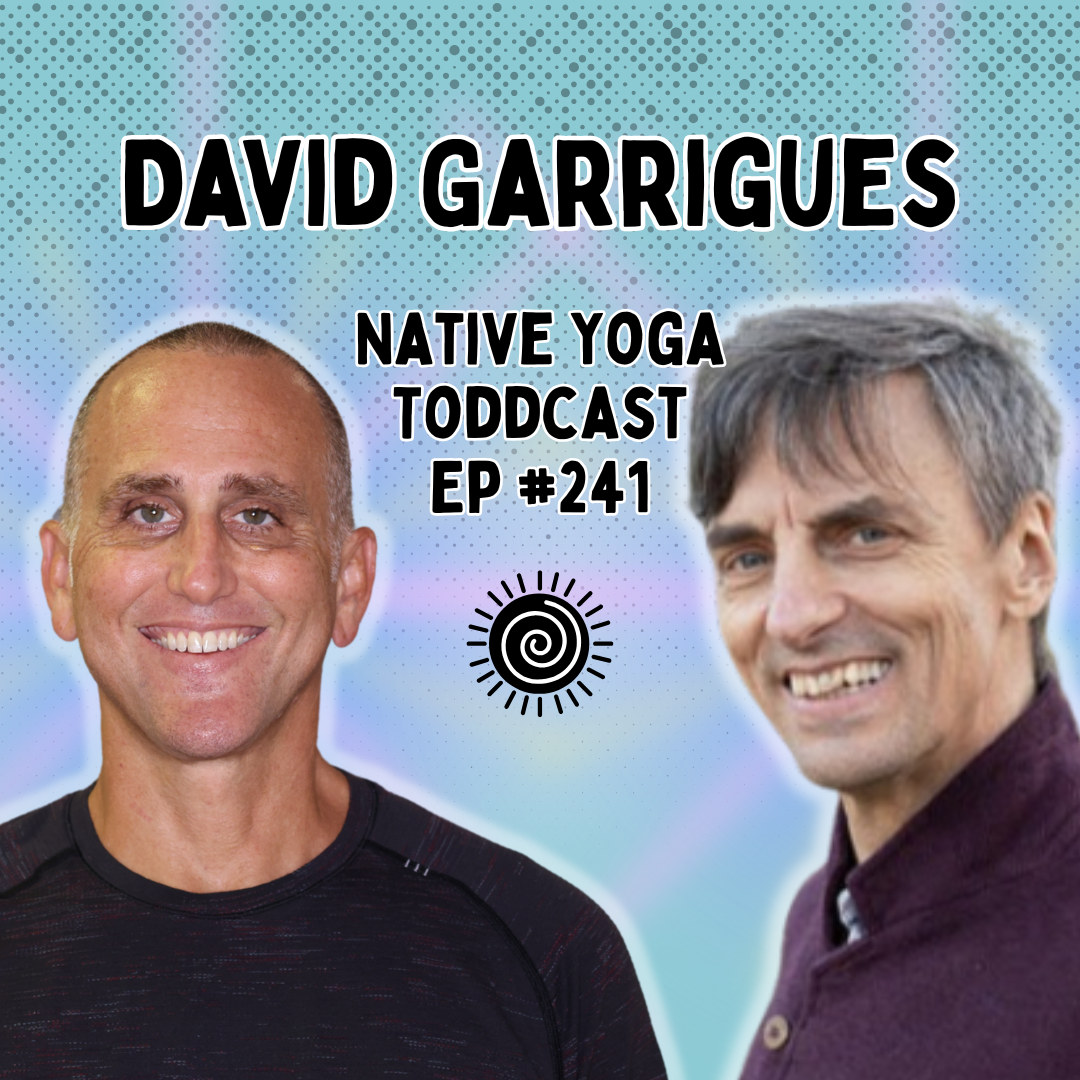
Ambra Vallo ~ The Dance of Discipline, Yoga, and Spiritual Growth

Listen to Toddcast with Ambra for FREE here

Ambra Vallo is a renowned yoga instructor with a rich background as a former professional ballet dancer. She hails from an illustrious career in dance, having been part of prestigious ballet companies such as the Royal Ballet of Flanders and has extensive experience teaching yoga, holding certifications in multiple disciplines including Dharma Yoga, Rocket Yoga, and Forrest Yoga. Ambra has also worked with high-performance athletes, sharing her knowledge at football clubs like Aston Villa and Manchester City. Today, she leads a more peaceful life in the countryside of Buckinghamshire, UK, where she continues to teach and inspire through one-on-one sessions and workshops.

Visit Ambra on her website: https://www.ambrasana.com/

Key Takeaways:

  • Ambra’s journey from ballet to yoga teaches the importance of listening to the body and valuing personal growth over physical achievements.
  • The stress of professional ballet instilled a high level of discipline in Ambra, which she beautifully translates into her yoga teachings.
  • Yoga is a practice of presence and self-exploration beyond physical poses, and it can facilitate profound spiritual and personal growth.
  • Ambra shares the benefits of integrating yoga with athletic training, highlighting the mental and physical enrichment it provides athletes.
  • Her teachings reflect a combination of discipline from ballet and adaptability from yoga, promoting a holistic approach to life and practice.

The Journey from Ballet to Yoga: Insights from Ambra Vallo

Transitioning from a globally recognized ballerina to a revered yoga teacher, Ambra Vallo’s journey highlights the profound intersections between the art of ballet and the philosophy of yoga. With over three decades of diverse experience, Ambra exemplifies how movement and meditation intertwine to forge a path toward self-realization and holistic health. In a candid podcast interview, she explored the disciplines that shaped her life and offered insights into how others can embark on their own transformative journeys.

Bridging Ballet and Yoga for Holistic Health

The journey from being a professional ballet dancer to an esteemed yoga instructor is one marked by immense dedication and perseverance. As Ambra shares, her initial encounter with yoga occurred at the age of twelve, guided by one of her ballet teachers. “It was very, very hard on the body,” she recounts, referring to the intensive demands of professional dancing. Yet, yoga provided her the tools to reconnect with herself and find a “better version” of herself.

Integration of Physicality and Philosophy: Yoga became the balm that healed her battle-scarred body from years of ballet’s demands. Ambra emphasizes the importance of yoga’s holistic philosophy which incorporates not just physical movements but breathing and meditation, enabling her to achieve a calmer state of mind that enhanced her performance on stage. “The different part of the yoga really helped me out to feel comfortable,” she adds, spotlighting yoga’s capacity to align physical vigor with mental clarity.

Implications for Aspiring Practitioners: Those who seek to harmonize their physical and mental faculties can benefit greatly from the synergy of structured physical practices like ballet with the mindful introspection encouraged by yoga. This approach not only addresses physical ailments but also cultivates an inner peace essential for personal growth.

Unpacking the Mind-Body Connection

Ambra’s experiences reveal a poignant lesson about listening to one’s body—a skill that dancers must hone despite traditionally pushing through pain. However, her practice of yoga instilled a more mindful approach to bodily awareness. “It’s normal. A lot of people start from a very physical practice and then with time, they discover all the different aspects of yoga,” Ambra reflects on the common initial misunderstanding that yoga is purely physical.

Mindfulness in Motion: The freedom found in yoga practice came as a revelation to her, countering the ballet mindset that often prioritized aesthetics over self-care. Ambra cautions against the pitfalls of not listening to the body, recounting how pushing through pain was previously seen as part of the discipline but now serves as a warning against ignoring our own limits.

Transformative Realizations: For practitioners, the message is clear: listen to your body, allow your mind time to catch up, and maintain a practice that respects both physical form and mental function. Embracing this dual focus can lead to enhanced performance and deeper personal satisfaction.

Learning from Diverse Yoga Traditions

Ambra’s story underscores the value of a ceremonial gathering of teachings from various yoga lineages, rejecting the notion of a solitary guru. “I think it’s very important to be open to try everything,” she notes, advocating for a more eclectic approach to yoga. This philosophy of absorbing diverse teachings allowed her to develop a rich, personalized practice that resonates strongly with her students.

Diverse Instructive Experiences: Drawing from legends like Dharma Mitra and Larry Schultz, and her collaboration with Anna Forrest, Ambra believes in the vitality of integrating different teachings. “You all came from the same training, but we all teach so, so differently,” she observes, articulating how distinct pathways open up through varied teachings.

Navigating a Pluralistic Landscape: For yoga practitioners and aspirants, seeking knowledge from various traditions can uncover new dimensions of understanding and skill. Different teachings act as complementary colors upon the canvas of one’s yoga journey, fostering growth that is well-rounded and profoundly impactful.

In reflecting upon Ambra Vallo’s conversation, it becomes evident that her journey encapsulates more than a mere transition between disciplines. It’s an exploration into the synergy of mind, body, and spirit—one that offers practitioners a template for navigating their individual paths with awareness, openness, and humility. Ambra’s journey invites us to view our practices, be it yoga or any other discipline, not merely as external achievements but as profound internal evolutions that inspire a more integrated and fulfilling existence. By cherishing diverse wisdom and listening to the language of the body, we can unlock the latent potential within, embodying our truest selves in the world.

Thanks for listening to this episode. Check out: 👇
8IN8 Ashtanga Yoga for Beginners Course Online– Learn 8 Limb Yoga in 8 Days – Get FREE coupon code for a limited time only (Regular price $88) https://info.nativeyogacenter.com/8in8-ashtanga-yoga-for-beginners-8-limbs-in-8-days/

Practice with Native Yoga Online – New classes EVERY day – Use Code FIRSTMONTHFREE https://nativeyogacenter.teachable.com/p/today-s-community-class

Subscribe to Native Yoga Center and view this podcast on Youtube.

Thank you Bryce Allyn for the show tunes. Check out Bryce’s website: bryceallynband.comand sign up on his newsletter to stay in touch. Listen here to his original music from his bands Boxelder, B-Liminal and Bryce Allyn Band on Spotify.

Please email special requests and feedback to info@nativeyogacenter.com

https://info.nativeyogacenter.com/8in8-ashtanga-yoga-for-beginners-8-limbs-in-8-days/

Support the show

Native Yoga website: here
YouTube: here
Instagram: @nativeyoga 
Twitter: @nativeyoga 
Facebook: @nativeyogacenter 
LinkedIn: Todd McLaughlin

Tova Olsson ~ The Heart of Tantra Yoga: Exploring History, Philosophy, and Mythology

Listen to Toddcast with Tova for FREE here

Tova Olsson is a seasoned educator and scholar with over 20 years of experience in yoga philosophy, mythology, and religious studies. With a bachelor’s degree and master’s in religious studies, Tova is currently working on her PhD while actively teaching at a university level in Sweden. Tova is well-known for her engaging storytelling through social media under the handle @Saraswati_Studies, where she elaborates on Indian philosophy, mythology, and the history of yoga.

Embark on this enlightening journey through the intricacies of yoga philosophy with Tova Olsson. Listen to the full episode to unearth more engaging insights and stay tuned for more enriching content from the series.

Key Takeaways:

  • The Intersection of Yoga and Philosophy: Tova underscores that postural yoga and philosophy are deeply intertwined, advocating for a holistic study that integrates both physical practice and philosophical understanding.
  • The Power of Storytelling: Emphasizing storytelling’s significance, Tova uses mythology to captivate students and promote philosophical engagement, illustrating how myths are ever-present and align with real-life experiences.
  • Navigating Yoga’s History: She speaks to the complexity and diversity of yoga’s origins and philosophical developments, stressing the importance of informed study and discernment in practice and teaching.

In a world where yoga has increasingly become synonymous with posture-based practice, Tova Olsson’s dedication to exploring and sharing the deeper philosophical roots of yoga offers a refreshing perspective. During a recent conversation with Todd on his podcast, Olsson shared insights into how Instagram and online platforms have enabled her to spread knowledge about the rich history and philosophy of yoga. This conversation underscores her philosophy that yoga should not be limited to physical practice but should also include a comprehensive understanding of its philosophical context. This article dives into the key themes discussed in their enlightening conversation.

Yoga’s Evolving Identity: From Postures to Philosophy

Yoga’s journey from ancient traditions to modern studios is a testament to its adaptability and multifaceted nature. Many practitioners today focus on the physical aspects of yoga. However, as Olsson highlights, yoga is deeply rooted in rich philosophical and mythological traditions that are crucial for a holistic understanding.

Olsson explains her progression from practicing postural yoga to immersing herself in yoga philosophy. “I think for me, postural yoga was never separated from the study of philosophy because I was always so interested in those aspects of yoga,” Olsson states. Her journey included teaching French and English, and a stint working as a waitress in Paris, before diving into religious studies. Her unique background shows how varied experiences can come together to deepen one’s practice. Through her online school, Saraswati Studies, and educational platforms like Instagram, Olsson introduces these foundational concepts to a broader audience. This holistic approach not only enriches personal practice but also promotes a deeper respect for yoga’s origins.

The Power of Storytelling and Mythology in Yoga

Storytelling is more than just entertainment; it’s a profound way to understand ourselves and our world. Olsson uses storytelling as a gateway to philosophical concepts, noting, “People love storytelling… we consume storytelling through Netflix or the cinema… we love, as human storytelling.”

Utilizing myths from Indian culture, such as those of gods and goddesses, she illustrates how these stories aren’t distant relics of the past but are reflections of the human experience, always relevant and unfolding in today’s context. For instance, the goddess Dhumavati, associated with loss and disappointment, guides practitioners in embracing life’s inevitable challenges. Olsson’s insights reveal that these mythologies serve as tools for self-discovery rather than mere symbols of ancient culture. They encourage introspection, allowing us to find parallels in our own lives and inspiring us to embody the qualities reflected in these deities.

Unraveling Complex Philosophical Concepts: Samkhya and Tantra

Yoga philosophy isn’t just a framework for understanding practice; it’s a roadmap to personal and spiritual growth. Concepts like Samkhya and Tantra, while seemingly complex, hold valuable insights into the human condition and our spiritual evolution.

Olsson adeptly breaks down Sankhya philosophy, which enumerates levels of reality, or Tattvas. She explains, “According to Sankhya, we have 25 Tattvas, meaning what we can experience in human consciousness.” These concepts are foundational to understanding yoga’s ability to influence our consciousness and perception.

Contrasting Sankhya, Tantra’s non-dual approach views the divine as present within the self and the universe, emphasizing unity between consciousness and energy. Olsson articulates, “Within the tantric system, consciousness is full of creative capacity… our inner consciousness creates all the time.” This perspective enriches our understanding of interconnectedness, urging practitioners to embrace both the mystical and mundane in pursuit of self-realization. Through her teaching and storytelling, Olsson makes these philosophical systems accessible, encouraging practitioners to draw on this rich tapestry to enhance their practice.

In exploring these themes, Olsson invites a transformative approach to yoga, one that marries the physical, philosophical, and spiritual into a harmonious whole. The insights shared offer a glimpse into the profound depth of yoga’s philosophical traditions, and how they continue to influence contemporary practice. By engaging with these concepts, practitioners not only deepen their personal journey but also contribute to the respectful preservation and evolution of yoga’s rich heritage.

Thanks for listening to this episode. Check out: 👇
8IN8 Ashtanga Yoga for Beginners Course Online– Learn 8 Limb Yoga in 8 Days – Get FREE coupon code for a limited time only (Regular price $88) https://info.nativeyogacenter.com/8in8-ashtanga-yoga-for-beginners-8-limbs-in-8-days/

Practice with Native Yoga Online – New classes EVERY day – Use Code FIRSTMONTHFREE https://nativeyogacenter.teachable.com/p/today-s-community-class

Subscribe to Native Yoga Center and view this podcast on Youtube.

Thank you Bryce Allyn for the show tunes. Check out Bryce’s website: bryceallynband.comand sign up on his newsletter to stay in touch. Listen here to his original music from his bands Boxelder, B-Liminal and Bryce Allyn Band on Spotify.

Please email special requests and feedback to info@nativeyogacenter.com

https://info.nativeyogacenter.com/8in8-ashtanga-yoga-for-beginners-8-limbs-in-8-days/

Support the show

Native Yoga website: here
YouTube: here
Instagram: @nativeyoga 
Twitter: @nativeyoga 
Facebook: @nativeyogacenter 
LinkedIn: Todd McLaughlin

Sandra Petra Pintaric ~ Yoga as Medicine: Healing the Body and Spirit Through Practice

Listen to Toddcast with Sandra for FREE here

Sandra Petra Pintaric is a dedicated yoga teacher and owner of a Dharma Yoga studio located in Zagreb, Croatia. With a passion for yoga that spans over two decades, Sandra has helped foster a vibrant yoga community in her region. She has trained under esteemed teacher Dharma Mitra in New York and has developed a yoga practice that integrates spiritual philosophy, yoga asana, and yogic lifestyle. Sandra is known for her commitment to spreading authentic yoga teachings, her ability to incorporate spirituality in daily practice, and her expertise in helping others connect deeply with their practice.

Visit Sandra on her website: https://www.dharmayogazagreb.com/

Key Takeaways:

  • Soulmate Concept in Yoga: Sandra explores the belief in soulmates within the yoga community, emphasizing shared energy and spiritual connections.
  • Teacher-Student Relationship: The depth of connection with one’s yoga teacher is vital, transcending geographical distances through meditation and shared devotion.
  • Adapting Yoga in the Digital Age: Sandra highlights challenges in maintaining studio discipline and community amidst the rise of digital yoga classes and technology distractions.
  • Integral Yoga Practice: Blending various yoga aspects like pranayama, meditation, and mantra is crucial for a holistic practice.

Embracing the Heartfelt Teacher-Student Connection

The bond between a yoga teacher and their students can be profound, serving as a vital source of inspiration, guidance, and community. In a conversation with Sandra Petra Pintaric, a devoted yoga teacher from Zagreb, Croatia, she opens up about her spiritual journey under the mentorship of the renowned Dharma Mitra. Over time, this connection with her teacher has become a cornerstone of her practice and teaching style.

Sandra spoke fondly of discovering Dharma Mitra, emphasizing, “I remember it was 2010 and I saw his picture of Sridharma Mitra, very humble, full of bliss in his eyes.” The sheer intensity of emotion and spiritual recognition that accompanied meeting Dharma Mitra was, for her, an indescribable feeling of finding her teacher. She elaborates, “My first impression was so high that I immediately felt in my heart that this is my teacher.”

This significant connection translates into Sandra’s methodology for teaching. Her dedication is evident not only in her efforts to share Dharma Yoga in Croatia but also in guiding her students toward their own discoveries and connections. The result has been a thriving yoga community in Croatia, one that supports and nurtures its members through shared practices and experiences.

Evolving with Digital Transformations in Yoga

The intersection of tradition and modernity forms a complex landscape for yoga practitioners and teachers alike. Sandra acknowledges the challenges and benefits of digital advancements in recent years, particularly with the surge of online platforms prompted by the COVID-19 pandemic. “Technology came, the digital area…We have so many distractions. You need to be everywhere to be visible,” she reflects, encapsulating the tension between maintaining a physical community and adapting to digital times.

Yet, digital connectivity also presents unprecedented opportunities. Sandra shares her gratitude for the ability to maintain a practice with her teacher online despite the geographical divide, stating, “I think this is a huge gift in my life.” This digital evolution offers access to teachings and communities that transcend physical barriers, allowing traditional yoga practices to reach a wider audience.

However, Sandra notes, “I see a little bit laziness because I think that yoga is sacrifice on some point of view…I still think that the teacher is very important.” Her awareness of the balance between digital convenience and the importance of in-person mentorship offers a crucial insight into navigating these modern pathways in yoga.

Exploring the Concept of Soulmates in Yoga Communities

A fascinating theme explored during the conversation was Sandra’s belief in soulmates, which she extends beyond the conventional romantic context. Instead, she views her community and those she connects with through yoga as part of a broader network of kindred spirits. “I believe in a group of soulmates,” Sandra explains, “Not just maybe some one person, but I believe that we all have some soulmates in my life.”

This perspective enriches the relational fabric of yoga communities by promoting inclusivity and mutual support. According to Sandra, these connections can transcend time and space, hinting at past-life encounters and shared energies. She iterates, “We meet some people back in our future lives to share something, to finish something, or begin something.”

The implications of this belief are profound within her yoga practice, creating a culture of deep connection and collective growth that resonates with the practitioners. Sandra’s acknowledgment of this extends the understanding of relationships within yoga, emphasizing a collective journey that complements individual spiritual endeavors.

Sandra’s journey and insights offer a glimpse into the transformative potential of yoga as a spiritual and communal practice. Her devotion to her teacher, adaptability in the face of digital transformations, and broader understanding of community connections highlight fundamental aspects of the yoga path that many practitioners can relate to or aspire toward. Her experiences underscore the complexities and joys of yoga as a tool for personal evolution and collective enrichment.

Thanks for listening to this episode. Check out: 👇
8IN8 Ashtanga Yoga for Beginners Course Online– Learn 8 Limb Yoga in 8 Days – Get FREE coupon code for a limited time only (Regular price $88) https://info.nativeyogacenter.com/8in8-ashtanga-yoga-for-beginners-8-limbs-in-8-days/

Practice with Native Yoga Online – New classes EVERY day – Use Code FIRSTMONTHFREE https://nativeyogacenter.teachable.com/p/today-s-community-class

Subscribe to Native Yoga Center and view this podcast on Youtube.

Thank you Bryce Allyn for the show tunes. Check out Bryce’s website: bryceallynband.comand sign up on his newsletter to stay in touch. Listen here to his original music from his bands Boxelder, B-Liminal and Bryce Allyn Band on Spotify.

Please email special requests and feedback to info@nativeyogacenter.com

https://info.nativeyogacenter.com/8in8-ashtanga-yoga-for-beginners-8-limbs-in-8-days/

Support the show

Native Yoga website: here
YouTube: here
Instagram: @nativeyoga 
Twitter: @nativeyoga 
Facebook: @nativeyogacenter 
LinkedIn: Todd McLaughlin

Yogi Charu ~ Meditation, Fasting, and Kriyas: The Hidden Practices of Himalayan Yogis

Listen to Toddcast with Yogi Charu for FREE here

Yogi Charu is an esteemed yoga teacher with a rich lineage tracing back to India. Originating from Belize, Charu embarked on an inspiring journey through the realms of Bhakti and Hatha Yoga, studying under esteemed gurus who cultivated his unique approach to spirituality and wellness. Today, he is known for his deeply integrative teachings that merge age-old yoga practices with modern-day mindfulness, authoring the book “A Practical Guide to Mental Hygiene,” and offering transformative year-long yoga trainings that emphasize mental and spiritual growth.

Visit Yogi Charu here: https://yogicharu.com/

Key Takeaways:

  • Life Transformation through Yoga: Yogi Charu’s transition from aspiring doctor to dedicated yogi illustrates the power of yoga to profoundly change one’s life direction and purpose.
  • Spiritual Growth through Disciplinary Practices: Charu emphasizes the importance of kriyas and sustained meditation as a means to clear mental clutter and advance spiritual growth.
  • The Significance of Guru-Student Relationships: Cultivating humility and finding a guru play pivotal roles in Charu’s spiritual development and the depth of his yoga practice.
  • Balancing Material and Spiritual Lives: Charu shares insights on navigating spiritual journeys while living within the material world, especially within the context of marriage and teaching.

The Transformative Path of Yoga: From Belize to India

The journey of Yogi Charu from the bustling streets of Belize to the serene Himalayas is an inspiring chronicle of spiritual exploration and personal growth. Born in Belize, a country deeply rooted in Christian traditions, Yogi Charu found his path unusually through the stark contrast of ethnicity and religion. This unique cultural backdrop added a layer of depth to his spiritual quest. As he narrates his story, it is both a testament to the powerful pull of yoga and a guide for those seeking to deepen their understanding and practice.

For Charu, the journey began serendipitously when a classmate at the age of 15 introduced him to the basics of meditation and breath control. These initial experiences sparked a profound interest, leading him to the sacred texts of the Bhagavad Gita and the Science of Self Realization. Yogi Charu vividly recalls this pivotal moment, stating, “I remember I was in school, and I wanted to be a doctor. But then I realized I wanted to go on this journey of self-realization and non-violence.”

His trajectory took a decisive turn when he left his academic pursuits in Belize, motivated by a deep desire to embrace the teachings of yoga fully. The narrative exists not just as a series of geographical transitions but as a significant inner journey, where Charu’s dedication to spiritual principles superseded conventional life paths. This transformation illustrates how embracing change—geographic, cultural, and spiritual—can facilitate personal enlightenment.

Embracing Minimalism: Living as a Yogi

Living the life of a yogi in the expansive landscapes of India presented Charu with the authentic teachings and practices that he fervently sought. From the sprawling urban streets of Los Angeles, where he joined an ashram, he describes his ascetic transition with vivid imagery, noting how life as a mendicant provided spiritual riches in simplicity. “I was living without shoes…there’s no hot water,” he recounts with a sense of both humility and fulfillment.

His time in India was marked by rigorous practice and study, not only in the vibrant hearts of spiritual hubs like Mayapur and Vrindavan but also in the isolated heights of the Himalayas. There, amidst the towering peaks and rushing waters of the Ganges, Yogi Charu immersed himself in severe training in asana and kriya, and the traditional living practices of silence (mauna) and fasting. “We would do enema, right? The yogic way…where we can suck the water up the rectum and flush out,” he shares, giving insight into the stringent self-discipline cultivated during this time.

This period was not without challenge, yet it honed Charu’s resilience and adaptability. It exemplifies the strength required to embrace spiritual life fully, abandoning material comfort in favor of profound simplicity and introspection, highlighting the depth of conviction essential to transformative spiritual work.

Fusion of Bhakti and Hatha Yoga: A Path to Self-Realization

Yogi Charu’s integration of bhakti and hatha yoga underlined his holistic approach to self-realization, emphasizing balance between devotion and discipline. This dual focus is reflected in his relationship with his teachers, or gurus, who played pivotal roles in his spiritual development. He underscores the necessity of these relationships by saying, “Once I realized…you need to find a guru, someone who can show you the path.”

In Mayapur, the historical cradle of kirtan and devotional singing, Yogi Charu found himself drawn to the powerful expressions of love and devotion which characterize Bhakti Yoga. “There are three main holy cities…and we ended up in Vrindavan, Orissa, Himalayas,” he reminisces, highlighting the spiritual odyssey fueled by devotion.

Simultaneously, Charu’s pursuit of Hatha Yoga in the Himalayas enriched his practice with physical discipline and mental clarity. His encounters with formidable yoga gurus in these remote locations provided not only teaching but a framework for understanding the unity of body and spirit. The practice of kriyas, long fasts, and meditation, served to cleanse and align the physical with the spiritual, offering Charu the tools to transcend ordinary consciousness.

Reflecting on Yogi Charu’s journey, the paean to perseverance and spirit resonates deeply across cultural and spiritual contexts. While rooted in ancient traditions, his experiences affirm the timeless relevance of yoga as a path to personal transformation. The teachings he absorbed in India and shared through discourse—whether about the sanctity of the human soul, living without attachment, or connecting with others through love—hold profound implications.

His narrative encourages an inspired commitment to personal growth and the pursuit of enlightenment. Each encounter and experience becomes a piece of the holistic journey—a journey that, while deeply personal, offers universal insights into the human quest for understanding and unity.

Thanks for listening to this episode. Check out: 👇
8IN8 Ashtanga Yoga for Beginners Course Online– Learn 8 Limb Yoga in 8 Days – Get FREE coupon code for a limited time only (Regular price $88) https://info.nativeyogacenter.com/8in8-ashtanga-yoga-for-beginners-8-limbs-in-8-days/

Practice with Native Yoga Online – New classes EVERY day – Use Code FIRSTMONTHFREE https://nativeyogacenter.teachable.com/p/today-s-community-class

Subscribe to Native Yoga Center and view this podcast on Youtube.

Thank you Bryce Allyn for the show tunes. Check out Bryce’s website: bryceallynband.comand sign up on his newsletter to stay in touch. Listen here to his original music from his bands Boxelder, B-Liminal and Bryce Allyn Band on Spotify.

Please email special requests and feedback to info@nativeyogacenter.com

https://info.nativeyogacenter.com/8in8-ashtanga-yoga-for-beginners-8-limbs-in-8-days/

Enjoy new Native Yoga Center classes uploaded everyday on our online learning hub. Use code FIRSTMONTHFREE at checkout. https://nativeyogacenter.teachable.com/p/today-s-community-class

Support the show

Native Yoga website: here
YouTube: here
Instagram: @nativeyoga 
Twitter: @nativeyoga 
Facebook: @nativeyogacenter 
LinkedIn: Todd McLaughlin

A Toddcast Twist: John Coleman Interviews Todd

Listen to Toddcast for FREE Here

In this captivating episode of the Native Yoga Toddcast, host Todd McLaughlin takes a seat on the other side of the microphone as longtime student and avid listener, John Coleman, delves deep into Todd’s personal journey. From a life-altering experience at the age of 14 to becoming an influential yoga teacher with a studio in Florida, Todd’s story is a compelling exploration of resilience, purpose, and seeking one’s path. The episode sets the scene with the harrowing tale of Todd’s near-death experience, profoundly impacting his life and propelling him onto a spiritual quest that traversed continents.

Follow John on IG: https://www.instagram.com/jcoleman52/?hl=en

Key Takeaways:

  • Todd McLaughlin’s journey into yoga began with a formative near-death experience, which inspired him to explore spiritual awakening and holistic practices.
  • His global travels, including time in Australia, Thailand, and Africa, enriched his understanding of diverse cultures and personal growth.
  • Yoga and meditation were pivotal in Todd’s journey, providing him with a solid foundation both personally and professionally as he evolved into a yoga teacher and body worker.
  • Todd emphasizes resilience and inner guidance, encouraging individuals to look within for personal truth and not rely solely on external influences.
  • Collaboration with his partner Tamara has greatly influenced both his personal life and professional success, culminating in the establishment and growth of Native Yoga Center.

Exploring Personal Transformation Through Yoga

Key Takeaways:

  • Transformative Life Experiences: Todd McLaughlin’s near-death experience and global travels shaped his journey towards spiritual awakening and professional fulfillment in yoga and massage therapy.
  • Yoga as a Lifelong Path: The practice of yoga served as a constant guide, grounding Todd through personal challenges and as he navigated transformative global experiences.
  • Embracing Spiritual Seeking: A deep thirst for spiritual knowledge and self-discovery propelled Todd McLaughlin’s ventures into diverse cultural and philosophical realms.

Near-Death Experience as a Catalyst for Transformation

Todd McLaughlin’s life-defining moment came early, at just 14 years old, when he experienced a near-death accident. His recounting: “I landed flat on my back in about 1 inch of water right in between these roots that were sticking up like stalactite, stalagmite looking roots coming up out of the sand,” highlights how a traumatic experience became a profound turning point. This accident ushered in not just a physical recovery but a spiritual awakening. The harrowing fall forced Todd into a deep introspection, acting as a wake-up call that initiated his lifelong journey of self-discovery and spiritual seeking.

This formative event did not end Todd’s reckless curiosities. Instead, it informed them, as he revisited the incident’s impact, sharing, “It knocked the crap out of me, but it also knocked some sense into me.” The near-death experience seemed to imbue Todd with a renewed sense of purpose. It also laid the foundation for his future explorations into yoga and healing practices, as he sought to reconcile his physical body’s vulnerability with his unyielding spirit. The broader implication here is profound; life’s unpredictable events can transcend mere survival and inspire paths towards personal growth and enlightenment.

The Role of Global Exploration in Spiritual Growth

Travel became a fundamental aspect of Todd’s transformation, reflecting his relentless quest for understanding beyond his immediate environment. His adventures encompassed various continents and cultures, each offering unique lessons and insights. Todd recounts, “I traveled really far and wide, but I took the harder route, in my opinion, to get to where I am now.” This acknowledgment of the road less traveled underscores the importance of embracing unfamiliar challenges to gain deeper worldly perspectives.

Todd’s backpacking sojourns across Australia, Thailand, and Africa were fueled by a desire to immerse himself in diverse spiritual communities and holistic traditions. His time on organic farms and in forestry reinforced the connection between physical labor and mindfulness — embracing strenuous endeavors for grounding oneself. This aspect of his experiences speaks to the broader potential impact: engaging with the world’s varied environments can serve as a compelling canvas for personal transformation and the pursuit of spiritual truth.

In reflecting on his global encounters, Todd’s narrations reflected gratitude and reverence for the cultures he engaged with — be it the Rastafarian vibes from Barbados or the oracles of African wisdom — these connections richly textured his spiritual ethos, which he now channels into his yoga practice and teaching philosophy.

Yoga’s Integrative Impact

Yoga formed a consistent thread throughout Todd’s life journey, providing both stability and challenge. His initial introduction to yoga through diverse spiritual practices evolved into a profound commitment to teaching and learning. Here Todd’s reflections on yoga showcase its multifaceted appeal: “I liked the physicality and the challenge of the asana…but the mental determination required to get through every class.”

The yoga community’s eclectic mix in Thailand and his direct studies under Ashtanga yoga luminary Patabi Jois had a lasting influence. These experiences cemented Todd’s conviction that yoga was more than a physical exercise; it was an integrative practice for life. He credits its philosophies with steering him through periods of depression, identity searching, and ultimately to founding a thriving yoga community back home.

Todd’s dedication and continuous practice underlines the essence of yoga not as a destination but as a lifelong journey of mindfulness and awakening. “It just grows…and…it’ll take you to the highest of the high,” Todd says, capturing the limitless capacity of yoga to deepen personal insight and cultivate inner peace. This insight also underscores a greater societal benefit — offering a pathway toward collective healing and enlightenment.

Todd McLaughlin’s journey bears testimony to how a singular moment of life-threatening impact can evolve into a robust spiritual pilgrimage, with yoga guiding his life’s voyage. His anecdotal lessons gifted to students worldwide enrich the universality of yoga, proving that both personal and communal transformation is achievable irrespective of one’s circumstances. As Todd affirms, the potential for renewal and enlightenment lies within, ready to be harnessed through mindful practice and courageous exploration.

Thanks for listening to this episode. Check out: 👇
8IN8 Ashtanga Yoga for Beginners Course Online– Learn 8 Limb Yoga in 8 Days – Get FREE coupon code for a limited time only (Regular price $88) https://info.nativeyogacenter.com/8in8-ashtanga-yoga-for-beginners-8-limbs-in-8-days/

Practice with Native Yoga Online – New classes EVERY day – Use Code FIRSTMONTHFREE https://nativeyogacenter.teachable.com/p/today-s-community-class

Subscribe to Native Yoga Center and view this podcast on Youtube.

Thank you Bryce Allyn for the show tunes. Check out Bryce’s website: bryceallynband.comand sign up on his newsletter to stay in touch. Listen here to his original music from his bands Boxelder, B-Liminal and Bryce Allyn Band on Spotify.

Please email special requests and feedback to info@nativeyogacenter.com

https://info.nativeyogacenter.com/8in8-ashtanga-yoga-for-beginners-8-limbs-in-8-days/

Support the show

Native Yoga website: here
YouTube: here
Instagram: @nativeyoga 
Twitter: @nativeyoga 
Facebook: @nativeyogacenter 
LinkedIn: Todd McLaughlin