
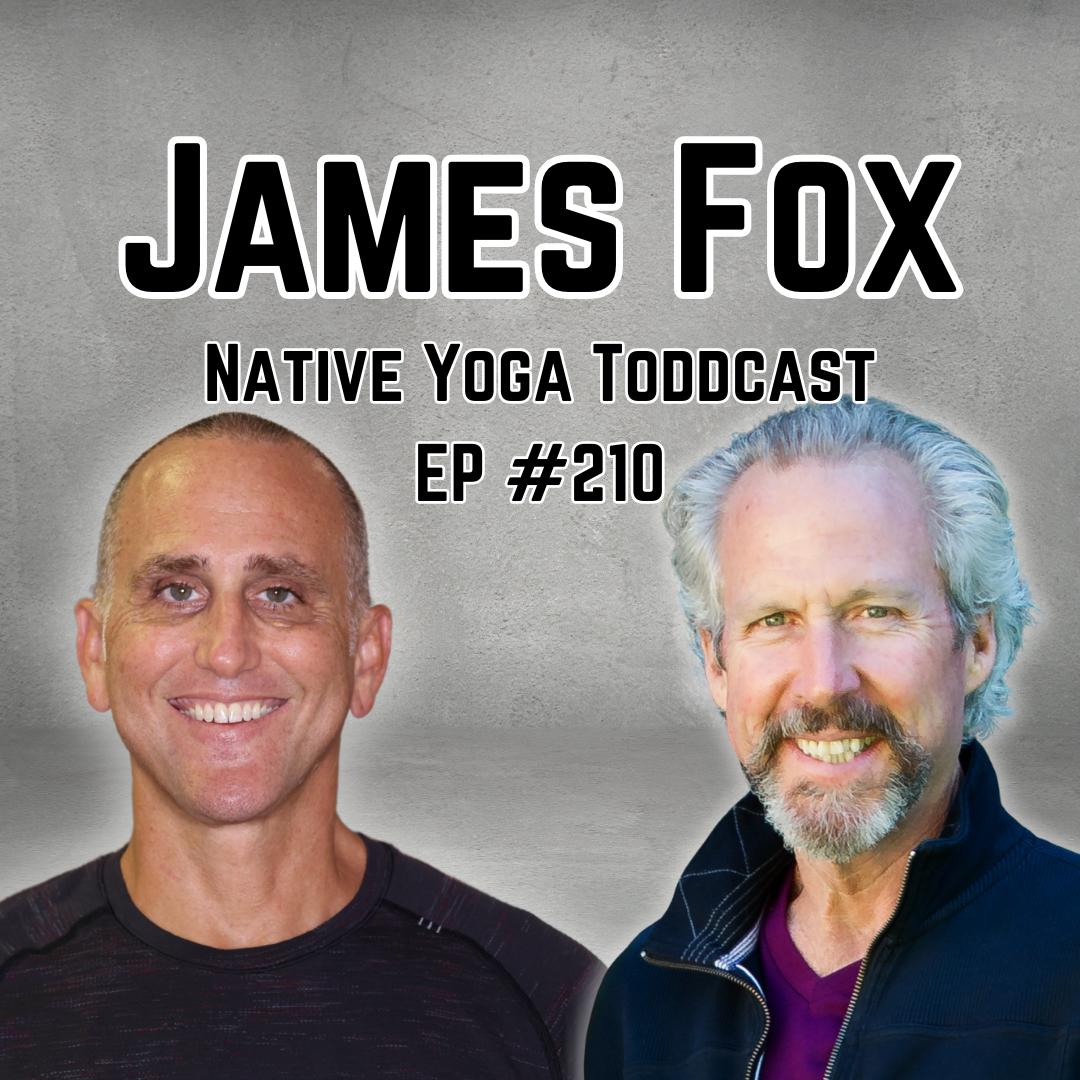
Listen to Toddcast with James Fox for FREE here
James Fox is the founder of the Prison Yoga Project, an initiative dedicated to bringing yoga and mindfulness practices to incarcerated populations. Over the past two decades, Fox has developed a trauma-informed approach to teaching yoga, focusing on emotional healing and rehabilitation within the prison system. Under his leadership, the Prison Yoga Project has expanded globally across multiple continents. Fox has authored the book “Yoga A Path for Healing and Recovery,” which has been distributed widely to incarcerated individuals worldwide. He is also a trained facilitator in violence prevention and emotional intelligence, contributing significantly to prison reform and rehabilitation through yoga.
Visit Prison Yoga Project and make a donation today: https://www.prisonyoga.org/
Key Takeaways:
- Trauma-Informed Approach: James Fox emphasizes the importance of using yoga as a tool for managing unresolved trauma, which is common among the incarcerated.
- Prison System Insights: Fox provides a critical look at how the current prison system lacks effective rehabilitation programs and suggests a shift towards healing over mere punishment.
- Global Impact: The Prison Yoga Project has grown significantly, with affiliates worldwide, demonstrating the universal applicability of yoga as a rehabilitation tool.
Unlocking Healing: The Transformative Power of Yoga in Prisons
Key Takeaways
- Healing Through Yoga: James Fox’s work highlights how yoga provides emotional and psychological benefits for inmates, guiding them from violence and addiction to peace and self-awareness.
- Impact of Trauma-Informed Practices: The importance of trauma-informed yoga practices cannot be overstated, offering incarcerated individuals relief from trauma and improved impulse control.
- Challenges and Hope for Reform: Despite systemic challenges, the Prison Yoga Project offers a beacon of hope for rehabilitative reform in the criminal justice system.
Healing Through Yoga: Beyond the Bars
The journey of James Fox into the complex world of prison yoga began with a clear intention: to extend the benefits of yoga beyond the confines of traditional studios. His story, as detailed in a compelling conversation with Todd, unfolds as an inspiring tale of transformation and healing through the Prison Yoga Project. Fox reveals, “I was really clear that I didn’t want to teach in a yoga studio. I wanted to bring yoga to people who weren’t being exposed to yoga.” Making a profound impact, Fox introduced yoga to San Quentin Prison in 2003, initially considering it a physical regimen but soon discovering its emotional and psychological potency.
Fox identifies the two underlying issues prevalent in prison populations: violence and addiction. As he worked alongside incarcerated individuals, he realized yoga’s ability to help participants manage these issues not just physically, but also emotionally. “I began to lean more heavily on the emotional and the neuro and the mental benefits of the practice,” Fox explains. This shift in focus is critical, as it transcends the standard physical exertions of a yoga class to address deeper emotional needs, facilitating a healing process that diminishes aggression and fosters inner peace.
Trauma-Informed Yoga: Addressing Deep-Rooted Pain
Understanding the intricate connections between trauma and incarceration is a key theme in the work of the Prison Yoga Project. Fox’s insight into trauma-informed practices reveals the profound impact of unresolved trauma on behavior. “The vast majority of people who are incarcerated come from backgrounds of developmental trauma,” Fox notes. This understanding is pivotal in a prison setting, where trauma often manifests as violence and addiction.
Citing the foundational work of experts like Bessel van der Kolk, Fox emphasizes the healing potential of trauma-informed yoga by addressing the root causes of trauma and providing tools for emotional recovery. By integrating yoga’s meditative and physical practices, participants learn to calm their nervous systems and cultivate impulse control, enabling more considered responses to stressful situations. As Fox eloquently states, “Five mindful breaths can make the difference between a blind reaction and a considered response.”
The transformation experienced by inmates, as Fox describes, is palpable. From improved sleep to reduced aggression, the benefits are immediate and significant. The development of emotional intelligence through yoga empowers prisoners, providing them with vital coping mechanisms needed to navigate and ultimately change their behavior patterns.
Challenges and Hope for Reform: A Future Reimagined
The evolution of the Prison Yoga Project illustrates both the systemic challenges and the potential for change within the criminal justice system. As Fox candidly states, “We’re not rehabilitating people. We’re housing people and we’re punishing people.” Despite these obstacles, Fox’s relentless dedication to prison reform through yoga shines as a beacon of hope.
The widespread acceptance of the project, now spanning 19 US states and several other countries, underscores its transformative power. With a growing network of instructors and volunteers, the project fosters healing over punishment, contrasting starkly against the punitive nature of traditional incarceration. “The train has left the station,” Fox asserts, indicating a burgeoning awareness and advocacy for change. The Prison Yoga Project exemplifies a model of criminal justice reform grounded in empathy and rehabilitation, rather than mere punishment.
Yet, the journey isn’t without its hurdles, particularly in securing funding. “That’s our greatest challenge, is to continue funding the nonprofit,” Fox admits. However, the project’s success in positively influencing the lives of thousands of incarcerated individuals is undeniable. His vision of shifting the paradigm from retribution to restoration is manifesting, albeit gradually.
The Road Ahead: Bridging the Gap Between Punishment and Rehabilitation
The compelling narrative of James Fox and the Prison Yoga Project emphasizes the transformative impact of yoga within the prison system, standing as a testament to the power of second chances. By focusing on healing over punishment and offering a trauma-informed approach to yoga, Fox has paved the way for countless individuals to embark on a journey of self-discovery and rehabilitation. Through empathy, understanding, and the therapeutic potential of yoga, the Prison Yoga Project reimagines a future where rehabilitation and reform replace the tired rhetoric of retribution, forging a path toward a more compassionate and effective criminal justice system.
Thanks for listening to this episode. Check out: 👇
8IN8 Ashtanga Yoga for Beginners Course Online– Learn 8 Limb Yoga in 8 Days – Get FREE coupon code for a limited time only (Regular price $88) https://info.nativeyogacenter.com/8in8-ashtanga-yoga-for-beginners-8-limbs-in-8-days/
Practice with Native Yoga Online – New classes EVERY day – Use Code FIRSTMONTHFREE https://nativeyogacenter.teachable.com/p/today-s-community-class
Subscribe to Native Yoga Center and view this podcast on Youtube.
Thank you Bryce Allyn for the show tunes. Check out Bryce’s website: bryceallynband.comand sign up on his newsletter to stay in touch. Listen here to his original music from his bands Boxelder, B-Liminal and Bryce Allyn Band on Spotify.
Please email special requests and feedback to info@nativeyogacenter.com
https://info.nativeyogacenter.com/8in8-ashtanga-yoga-for-beginners-8-limbs-in-8-days/
Enjoy new Native Yoga Center classes uploaded everyday on our online learning hub. Use code FIRSTMONTHFREE at checkout. https://nativeyogacenter.teachable.com/p/today-s-community-class
Native Yoga website: here
YouTube: here
Instagram: @nativeyoga
Twitter: @nativeyoga
Facebook: @nativeyogacenter
LinkedIn: Todd McLaughlin

 Native Yoga Blog