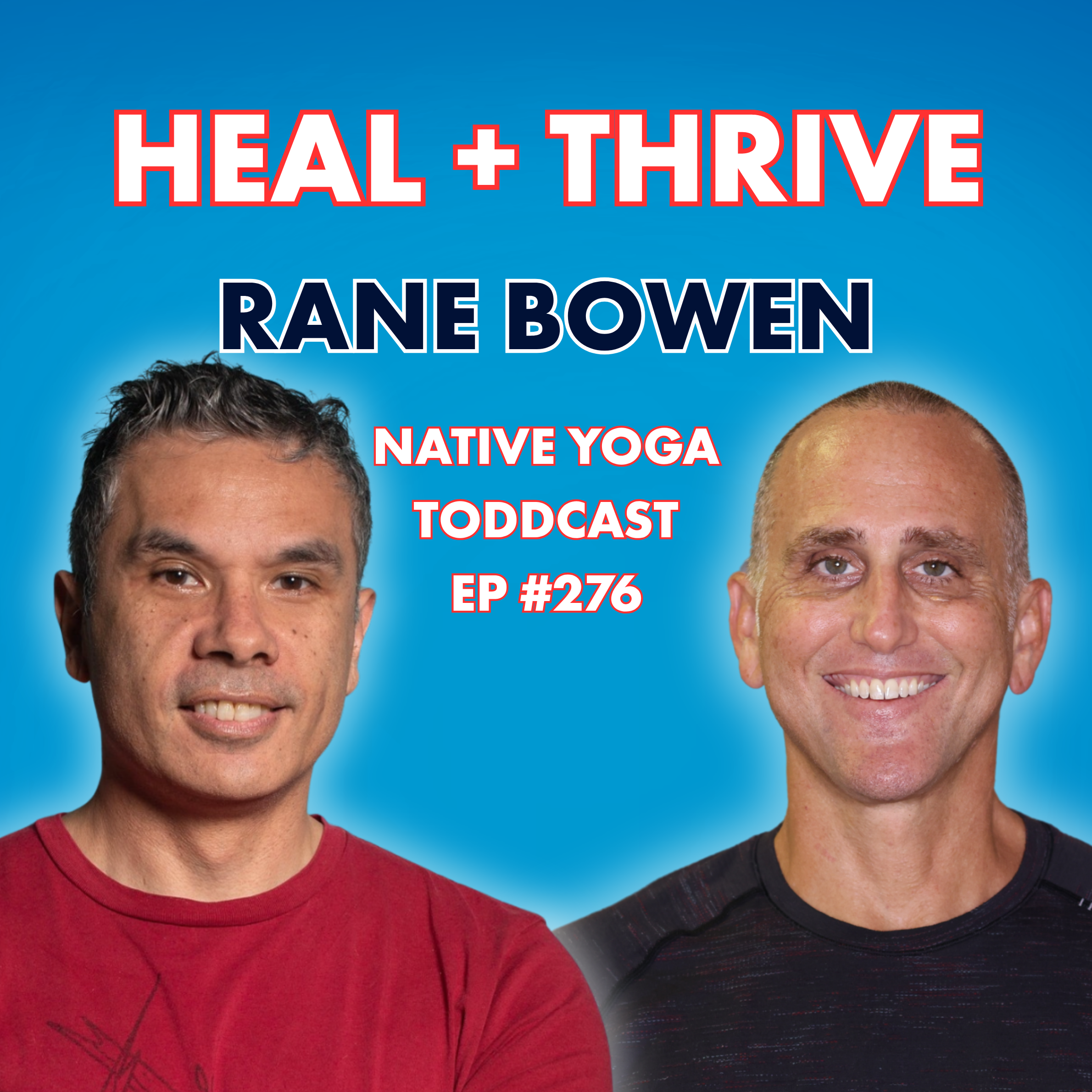
Listen to Toddcast for FREE with Rane here
Rane Bowen is a seasoned software and web developer with over 20 years of experience in the technology sector. Originally from New Zealand, Rane now resides in Melbourne, Australia, where he combines his passion for technology and yoga. He is the co-host of the Flow Artist Podcast alongside his wife, Jo Stewart, a yoga teacher and author. Rane is the creator of innovative platforms like Sound Made Scene and Guest Made Simple, designed to enhance the podcasting experience. He is also a yoga teacher who has used yoga as a tool for healing and personal growth.
Visit Rane: https://gardenofyoga.com.au/
Key Takeaways:
- Rane Bowen has a rich background in software development and utilizes his skills to enhance podcasting through AI-driven tools like Sound Made Scene.
- His experience as a yoga teacher and cancer survivor gives him a unique perspective on combining technology with holistic practices.
- The advances in AI are transforming industries, but Rane underscores the importance of using these tools responsibly and creatively.
- Platforms like Sound Made Scene and Guest Made Simple aim to simplify the podcasting process by automating tedious tasks and improving workflow.
- Rane highlights the significance of approaching tech innovations with both optimism and skepticism to balance progress with ethical considerations.
The Intersection of Technology, Yoga, and Personal Growth
In an era where technology permeates every aspect of our lives, Rane Bowen stands out as a beacon of innovation and resilience. As a software developer and yoga instructor, Rane has uniquely blended his expertise in technology with his passion for yoga. His journey is a testament to the transformative power of technology when used creatively and mindfully. This dual expertise has enabled him to create platforms like Sound Made Scene and Guest Made Simple, designed to simplify podcast production and enhance user engagement.
Rane’s journey is more than just a narrative of professional success; it’s also a story of personal growth. Having faced significant health challenges, including a battle with stomach cancer, he has found solace and strength in yoga. This experience has not only shaped his personal philosophy but also influenced his professional endeavors. Additionally, Rane’s Maori heritage has enriched his perspective, offering valuable insights into cultural resilience and community spirit.
Innovative Solutions in Podcasting: Leveraging Technology for Creativity
Bridging the Gap Between Technology and Content Creation
Rane Bowen’s approach to technology is rooted in problem-solving and creativity. His platform, Sound Made Scene, exemplifies the potential of AI in streamlining content creation. Rane shares, “I’d find a little section of the podcast that I wanted to use… and then subtitle it, but I had to do it all manually.” Recognizing the time-consuming nature of this process, he developed Sound Made Scene to automate the transcription and video creation tasks. This innovation not only eases the workload for podcasters but also enhances their ability to engage audiences effectively.
Guest Made Simple, another brainchild from Rane, further illustrates his commitment to improving the podcasting workflow. The platform addresses common logistical challenges, such as collecting guest information and scheduling across time zones. Rane explains, “It can be kind of hard sort of getting together with a guest… so I built a system that can do that.” By simplifying these processes, Rane allows content creators to focus more on the art of storytelling and less on administrative tasks.
The Broader Implications of AI in Content Creation
The impact of Rane’s innovations extends beyond mere productivity gains. By integrating AI into these platforms, Rane enables podcasters to expand their reach and improve the quality of their content. AI tools offer a level of personalization and efficiency previously unattainable, opening new doors for creative expression. However, Rane acknowledges the complex nature of AI, noting, “Though I may sound quite optimistic about it, I do have… a pretty good understanding of all the negative consequences.”
This balanced perspective is crucial as society navigates the rapid advancement of AI technologies. By focusing on the positive potential while remaining aware of the risks, content creators can leverage AI as a tool for innovation rather than a threat to traditional roles.
Personal Resilience and the Healing Power of Yoga
Navigating Life’s Challenges with a Holistic Approach
Rane Bowen’s battle with stomach cancer was a pivotal moment that reshaped his outlook on life. Facing a misdiagnosed terminal illness, Rane turned to yoga for physical and spiritual support. Reflecting on this period, he shares, “Yoga was actually really, really useful for me… it helped me through that a little bit as well.” This candid admission highlights the profound healing power of yoga, not just as a physical practice but as a holistic approach to well-being.
Rane’s experience underscores the importance of resilience and adaptability in the face of adversity. By embracing yoga, he found a means to cope with uncertainty and rediscover a sense of peace and purpose. This journey of self-discovery has informed his yoga teaching, where he emphasizes gentle practices that promote inner calm and mindfulness.
The Role of Yoga Philosophy in Mental Health
Rane’s story also sheds light on the broader impact of yoga philosophy on mental health. During a time of intense emotional turmoil, yoga provided Rane with tools to navigate his fears and uncertainties. By integrating breathing techniques and meditation into his daily routine, he was able to maintain a sense of balance and clarity. Rane’s approach to teaching reflects this philosophy, as he aims to “have a nice calm environment wherever I can just sort of, you know, find the bliss.”
For those experiencing similar challenges, yoga offers a pathway to resilience and emotional well-being. It encourages individuals to connect with their inner selves and cultivate a sense of gratitude and acceptance, regardless of external circumstances.
Cultural Roots and Professional Pathways
The Influence of Maori Heritage on Rane’s Journey
Rane Bowen’s Maori heritage plays a significant role in his personal and professional life. Growing up in a culturally rich environment, he was deeply influenced by the Maori values of community, hospitality, and resilience. Reflecting on his upbringing, Rane shares, “There’s a huge sense of community there… it’s a very hospitable culture.”
These cultural values have shaped Rane’s approach to both technology and yoga. His projects emphasize collaboration and support, mirroring the communal spirit of his Maori roots. This perspective enriches his work, allowing him to build connections and foster inclusivity in his various endeavors.
Embracing Diversity in Innovation and Healing
Rane’s journey reflects the importance of embracing diversity and drawing inspiration from cultural heritage. By integrating his Maori values into his work, he demonstrates the power of inclusivity in fostering innovation and healing. This approach encourages others to celebrate their unique backgrounds and draw upon those experiences to enhance their professional and personal lives.
Rane’s story serves as a reminder of the interconnectedness of culture, technology, and personal growth. His ability to fuse these elements into a cohesive narrative offers valuable insights for anyone seeking to navigate the complexities of modern life.
Rane Bowen’s journey is a testament to the transformative power of embracing both tradition and innovation. By combining his expertise in technology with his passion for yoga and his rich cultural heritage, Rane has created a life that is not only successful but also deeply fulfilling. His story encourages us to see challenges as opportunities for growth and to remain open to the possibilities that arise from blending diverse influences. Whether through the mindful use of technology or the healing practice of yoga, Rane’s insights offer inspiration for anyone looking to lead a balanced and purposeful life.
Check out: 👇
8IN8 Ashtanga Yoga for Beginners Course Online– Learn 8 Limb Yoga in 8 Days – Get FREE coupon code for a limited time only (Regular price $88) https://info.nativeyogacenter.com/8in8-ashtanga-yoga-for-beginners-8-limbs-in-8-days/
Practice with Native Yoga Online – New classes EVERY day – Use Code FIRSTMONTHFREE https://nativeyogacenter.teachable.com/p/today-s-community-class
Subscribe to Native Yoga Center and view this podcast on Youtube.
Thank you Bryce Allyn for the show tunes. Check out Bryce’s website: bryceallynband.comand sign up on his newsletter to stay in touch. Listen here to his original music from his bands Boxelder, B-Liminal and Bryce Allyn Band on Spotify.
Please email special requests and feedback to info@nativeyogacenter.com
https://info.nativeyogacenter.com/8in8-ashtanga-yoga-for-beginners-8-limbs-in-8-days
Native Yoga website: here
YouTube: here
Instagram: @nativeyoga
Twitter: @nativeyoga
Facebook: @nativeyogacenter
LinkedIn: Todd McLaughlin