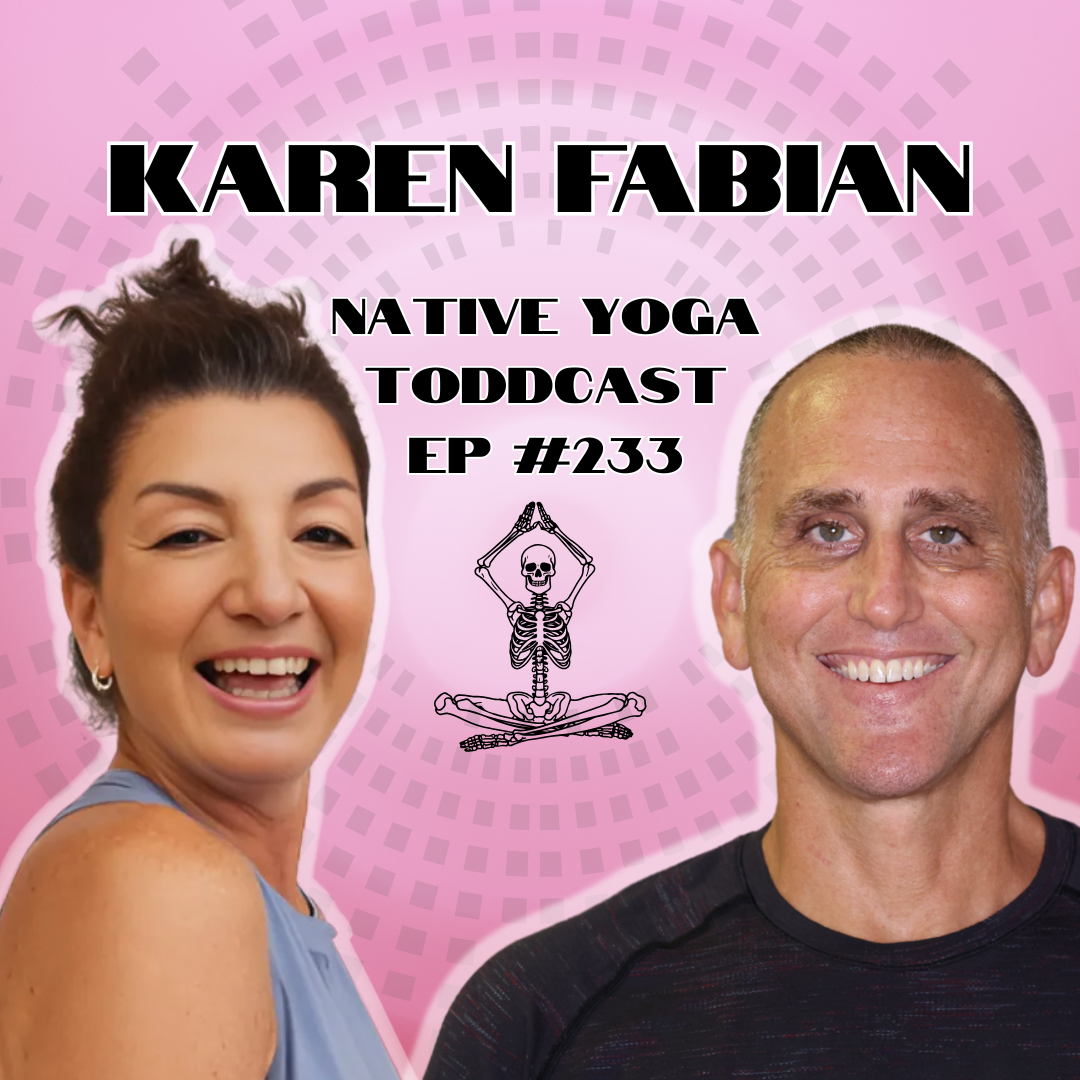
Karen Fabian ~ From Pain to Power: Mastering Yoga with Anatomy Insight

Listen to Podcast with Karen for FREE here

Karen Fabian is the founder of Bare Bones Yoga, a business blending her extensive background in anatomy with the practice and teaching of yoga. Initially pursuing a career in physical therapy, Karen shifted her focus to rehabilitation and counseling, gaining valuable experience in healthcare settings, particularly with traumatic injuries. Today, Karen leads successful yoga anatomy programs and works to empower yoga teachers with the knowledge and confidence needed to excel in their practice.

Visit Karen: https://barebonesyoga.com/

Key Takeaways:

  • Yoga teachers often carry a narrative that they need to ensure “safe” classes, but it’s crucial to focus on clear communication and observation to foster better teaching practices.
  • Karen Fabian stresses the significance of understanding anatomy as an essential part of teaching yoga effectively, offering innovative programs to aid in this educational pursuit.
  • Mindset plays a critical role in how teachers experience teaching yoga. Confidence can be significantly enhanced through practical strategies and a willingness to try new approaches.
  • Fabian’s transformative work aims to shift the perspective that accumulating hours is the sole pathway to competence, promoting a more holistic understanding of teaching.

Understanding Anatomy: The Path to Empowered Yoga Instruction

Yoga instruction has long been enveloped in tradition and structured learning. Yet Karen Fabian of Bare Bones Yoga is reshaping the dialogue by emphasizing the importance of anatomy and personal growth through mindset shifts. In an enlightening conversation, she shared her belief in an approach tailored more towards understanding than adhering to rigid hours and certifications. Karen mentions, “I help yoga teachers really build their confidence and skill… it’s really hard to feel confident if you don’t understand anatomy.”

A deep dive into anatomy provides instructors with the tools to deliver safe and accessible yoga classes. With a framework that includes action, alignment, anatomy, and somatic cues, instructors can navigate complex sequences and ensure students grasp both postural and physiological benefits. Fabian’s methodology emphasizes, “Say the cue and see what they do,” which invites a nuanced approach to observing and responding to the dynamics within a class. This connection—between instructor and student—serves to foster a robust and responsive teaching environment.

Applying a keen anatomical lens does more than just improve safety; it empowers instructors to confidently adapt their approaches to the individual needs of their students. Across varied yoga experiences, true confidence is built on a seamless blend of knowledge and communication, ensuring students feel supported and instructors operate with assuredness.

Shifting Focus from Hours to Holistic Growth

Many yoga instructors wrestle with the narrative that extensive hours equate to competency. However, Fabian challenges this notion, advocating for a mindset-focused pathway to professional growth. “Confidence is not often found in the number of hours you train,” she asserts, highlighting that teachers should focus on mindset and experimentation to transcend perceived limitations.

Traditional models, often hierarchical and rooted in guru-style authority, can stymie a teacher’s personal growth and critical thinking. The interview echoes how these entrenched beliefs may lead instructors to underestimate their agency, often feeling compelled to adhere to prescribed teaching methods rather than exploring their unique paths. As detailed in the interview, the evolution from a fixed mindset of seeking endless study to adopting a practice of experimentation can be profound. Teachers can say, “Would you be willing to try something different?” and open themselves to fresh perspectives, revealing unimagined possibilities in their instruction approach.

This shift encompasses a significant departure from yoga’s conventional paradigms, encouraging instructors to embrace their individuality and intuitive capabilities. Such changes can lead to a richer, more personally satisfying teaching journey, aligned with modern pedagogical standards while respecting traditions’ essence.

Breaking Through with Experimentation and Mindset

Mindset shifts can significantly impact an instructor’s journey and experience within the yoga teaching community. In the interview, the power of belief and a willingness to embrace experimentation is brought to light repeatedly. “When something’s not working, experiment with something different,” Fabian advises, underscoring the transformative potential of stepping out of one’s comfort zone.

This experimentation ethos directly ties into the broader themes explored in the conversation. For example, instructors’ conventional approach to complex poses can be reframed through anatomy-fueled knowledge, minimizing associated injuries and encouraging safer practices. Similarly, experimenting with sequencing, and considering feedback rather than assuming students’ expectations, opens new avenues for creative teaching.

By adopting new methods, yoga teachers can dismantle beliefs rooted in fear and inadequacy, embracing the momentum of change and innovative practices. Experimentation not only expands instructors’ technical repertoire but fosters resilience, cultivating a deeper affinity for growth and adaptation.

Reimagining Yoga Instruction for Future Generations

The conversation with Karen Fabian underscores the necessity of nurturing holistic practices centered around confidence, mindset, and anatomy. Emphasizing the need to transcend prescribed learning methodologies, Fabian highlights a future where yoga instructors readily embrace experimentation, prioritizing intentionality over rote repetition.

Her narrative calls us to envisage a vibrant yoga landscape defined by informed, confident educators who value their agency as highly as their qualifications. As she summarizes, “Your confidence is not often found in the number of hours you train.” This perspective encourages educators to explore practices that align with their unique values and intuition, fostering environments rich with both tradition and innovation. The continued evolution of yoga teaching hinges on instructors like Fabian, who bravely redefine educational norms and inspire their peers towards authentic, impactful teaching.

By reshaping their paradigms and diving into both anatomy and mindset mastery, instructors stand poised to shape the future of yoga—a future characterized by passionate, well-rounded educators prepared for everything the mat and their students may present.

Thanks for listening to this episode. Check out: 👇
8IN8 Ashtanga Yoga for Beginners Course Online– Learn 8 Limb Yoga in 8 Days – Get FREE coupon code for a limited time only (Regular price $88) https://info.nativeyogacenter.com/8in8-ashtanga-yoga-for-beginners-8-limbs-in-8-days/

Practice with Native Yoga Online – New classes EVERY day – Use Code FIRSTMONTHFREE https://nativeyogacenter.teachable.com/p/today-s-community-class

Subscribe to Native Yoga Center and view this podcast on Youtube.

Thank you Bryce Allyn for the show tunes. Check out Bryce’s website: bryceallynband.comand sign up on his newsletter to stay in touch. Listen here to his original music from his bands Boxelder, B-Liminal and Bryce Allyn Band on Spotify.

Please email special requests and feedback to info@nativeyogacenter.com

https://info.nativeyogacenter.com/8in8-ashtanga-yoga-for-beginners-8-limbs-in-8-days/

Support the show

Native Yoga website: here
YouTube: here
Instagram: @nativeyoga 
Twitter: @nativeyoga 
Facebook: @nativeyogacenter 
LinkedIn: Todd McLaughlin
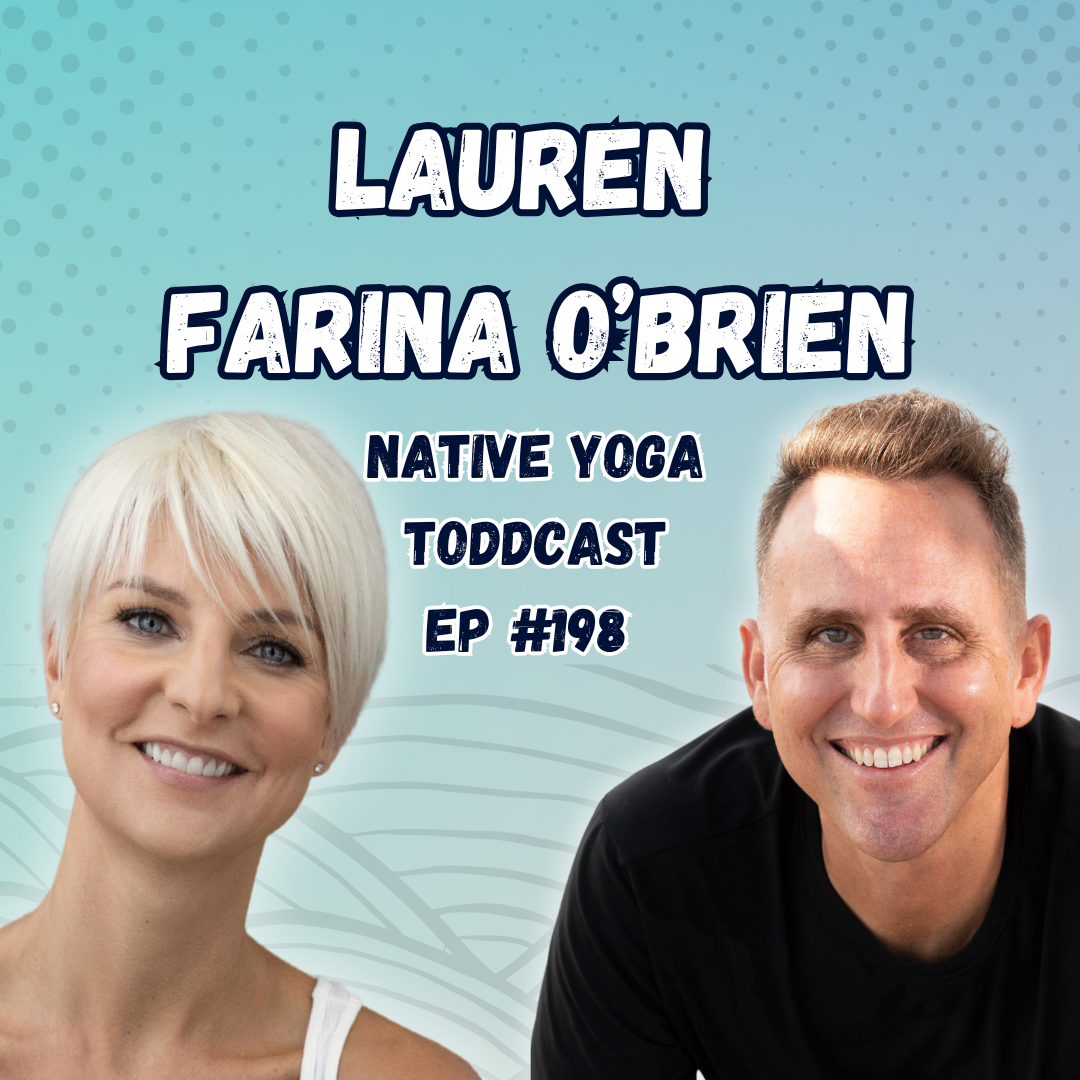
Lauren Farina O’Brien – Breaking Boundaries at Shakti Power Yoga

Listen to Toddcast with Lauren for FREE here

Lauren Farina O’Brien is the co-owner of Shakti Power Yoga in Nashville, Tennessee, with her sister Kelly. With over 16 years of experience in yoga practice and teaching, Lauren has studied under significant mentors like Dharma Mittra, where she completed her 500 and 800-hour certifications. Passionate about building community and holistic health, Lauren emphasizes blending traditional yoga with modern practices, offering various yoga styles and workshops at Shakti Power Yoga. Lauren has been instrumental in leading international yoga retreats, expanding her influence and providing immersive yoga experiences worldwide.

Visit Lauren on her website: https://www.shaktiyoganashville.com/

Key Takeaways:

  • Lauren emphasizes the power of community and the pivotal role it plays in the success of Shakti Power Yoga.
  • Diverse yoga offerings, including heated power flows and restorative classes, cater to varying student needs and preferences.
  • Lauren’s collaboration with her sister Kelly is foundational to Shakti Power Yoga’s success, highlighting the significance of having a supportive partner.
  • International yoga retreats led by Lauren and Kelly offer enriching experiences that combine travel, culture, and deepened practice.

Embracing Yoga’s Resilience: Insights from Lauren Farina O’Brien on Building Community and Evolving Practice

Key Takeaways

  • Community and Connection: The power of yoga lies not just in physical postures but in fostering a connected, supportive community that becomes an integral part of practice.
  • Adapting Through Challenges: Lauren Farina O’Brien underscores the opportunity within adversity, notably how COVID-19 served as a pivotal moment for reflection and adaptation.
  • Balancing Tradition with Modernity: The synthesis of traditional yoga practices with contemporary needs, such as integrating mental health awareness, is crucial for evolving the practice.

The Lifeblood of Yoga: Community and Connection

In the vibrant narrative shared between the speakers, Lauren Farina O’Brien emphasizes the indispensable nature of community in her yoga journey and in running Shakti Power Yoga. The studio, co-owned with her sister Kelly in the heart of Nashville, Tennessee, has grown not just as a business but as a communal space where relationships flourish. “I’m just in so much awe of the people that come into Shakti,” Lauren observes, highlighting the deep connections formed over the years, turning clients into a family. This theme of community resonates throughout the transcript, showcasing the value of human connection in sustaining yoga practice.

Lauren’s experience underscores that a yoga studio is more than its classes. It is a refuge, a realm of camaraderie that supports its members through their individual journeys. Her words, “Just know their families work, you know, just… It’s just such a beautiful community,” highlight the joy she finds in this interconnectedness. Such relationships not only enrich personal practice but also provide the backbone for enduring business success. This offers a profound insight into the essence of yoga as not merely a physical practice but a social sanctuary that nurtures human bonds.

Navigating Adversity: Yoga’s Evolution Through Challenges

Lauren’s reflection on managing a yoga studio through COVID-19 provides a compelling narrative on resilience and adaptability. While she candidly acknowledges 2020 as “the hardest thing for us,” she also perceives it as an opportunity to reassess and rejuvenate the business. Her perspective that the pandemic granted “an opportunity to start over and to, like, clear out what wasn’t working” aptly exemplifies the adaptive nature of yoga professionals in the face of adversity.

This theme extends beyond business challenges, touching on personal insights as well. Lauren’s resilience during such a trying period allowed for a reassessment of priorities, both within the studio and among its community of practitioners. Her ability to turn hardship into a transformative process not only for herself but for her community exemplifies yoga’s grounding philosophy. The broader implication of her experience suggests that adversity, when navigated thoughtfully, can forge pathways to growth and renewed purpose—essential reminders for practitioners and business owners alike.

Blending Tradition with the Contemporary: Evolving Yoga Practices

A captivating theme is Lauren’s focus on merging traditional yoga elements with modern practice requirements. Her deep respect for her training with Dharma Mittra, paired with the practical needs of operating a successful studio, illustrates a balanced approach to embodying yoga’s rich heritage while meeting contemporary demands. When reflecting on simpler practices such as restorative yoga gaining popularity, she notes, “People are really wanting that and I love that.” This signifies a shift within yoga culture toward integrating more holistic, introspective practices, aligning closely with mental health awareness and the evolving needs of practitioners.

Lauren’s willingness to adapt and introduce diverse yoga styles—ranging from heated flows to meditative practices—captures the dynamic landscape of yoga today. Her insights are testament to the necessity of preserving yoga’s traditional core while embracing innovation to cater to varied community interests. This blend, deeply rooted in authenticity yet responsive to change, not only enriches the yoga experience but also expands its accessibility and relevance.

Reflecting on a Shared Journey

Lauren Farina O’Brien’s journey is a testament to yoga’s enduring power to connect souls, redefine challenges, and merge the timeless with the contemporary. Her reflections reveal a nuanced understanding of what it truly means to run a yoga studio—where community, adaptability, and tradition converge seamlessly. Her insights on maintaining a strong community foundation while skillfully navigating business adversities during COVID-19 echo deeply with the essence of yoga: resilience in the face of challenges and strength in unity.

Ultimately, Lauren’s approach serves as a guiding light, highlighting the balance and harmony needed to thrive in yoga and life. Her closing words capture the core ethos: “Keep practicing. Just keep practicing.” This refrain speaks volumes, reminding practitioners and teachers alike of yoga’s profound simplicity and its transformative journey of never-ending exploration and growth.

Thanks for listening to this episode. Check out: 👇
8IN8 Ashtanga Yoga for Beginners Course Online– Learn 8 Limb Yoga in 8 Days – Get FREE coupon code for a limited time only (Regular price $88) https://info.nativeyogacenter.com/8in8-ashtanga-yoga-for-beginners-8-limbs-in-8-days/

New Student FREE Livestream Special ~ 2 Weeks of Free Unlimited Livestream Yoga Classes at Native Yoga Center https://info.nativeyogacenter.com/livestream/

Practice with Native Yoga Online – New classes EVERY day – Use Code FIRSTMONTHFREE https://nativeyogacenter.teachable.com/p/today-s-community-class

Subscribe to Native Yoga Center and view this podcast on Youtube.

Thank you Bryce Allyn for the show tunes. Check out Bryce’s website: bryceallynband.comand sign up on his newsletter to stay in touch. Listen here to his original music from his bands Boxelder, B-Liminal and Bryce Allyn Band on Spotify.

Please email special requests and feedback to info@nativeyogacenter.com

https://info.nativeyogacenter.com/8in8-ashtanga-yoga-for-beginners-8-limbs-in-8-days/

Enjoy new Native Yoga Center classes uploaded everyday on our online learning hub. Use code FIRSTMONTHFREE at checkout. https://nativeyogacenter.teachable.com/p/today-s-community-class

Support the show

Native Yoga website: here
YouTube: here
Instagram: @nativeyoga 
Twitter: @nativeyoga 
Facebook: @nativeyogacenter 
LinkedIn: Todd McLaughlin
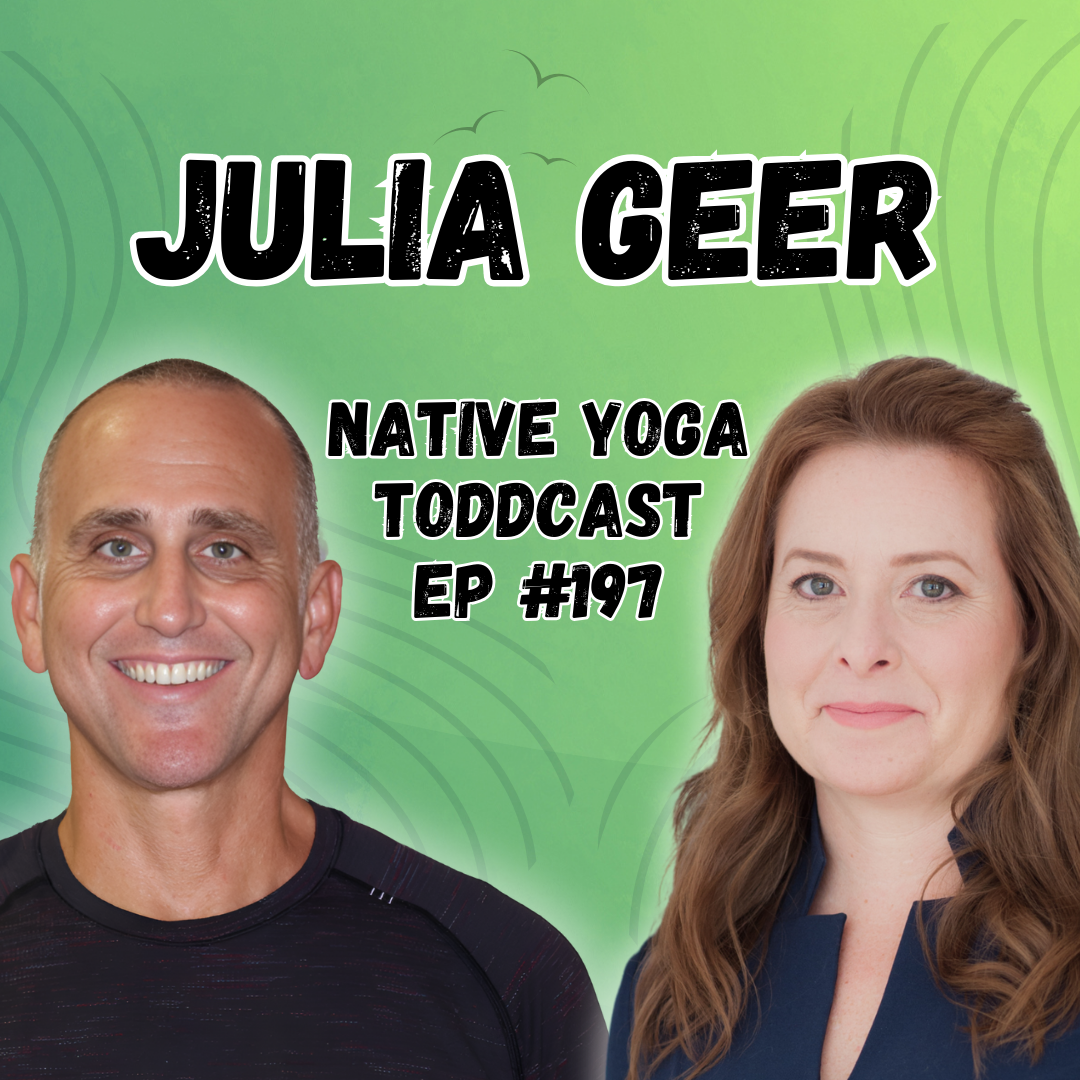
Julia Geer ~ The Future of Yoga: Balancing AI and Natural Intelligence

Listen to Toddcast with Julia for FREE here

Julia Geer is a seasoned yoga therapist and Ayurvedic health counselor with a strong background in holistic health practices. She began her yoga journey in 1997 and has since become a certified yoga therapist recognized by the International Association of Yoga Therapists (IAYT). Julia is also trained by renowned mindfulness teachers Jack Kornfield and Tara Brach. Beyond her expertise in yoga and Ayurveda, Julia has an undergrad degree in management and technology and brings unique insights to how artificial intelligence intersects with health and wellness. Her professional journey spans over 18 years in tech and healthcare, focusing on integrating AI technologies.

Visit her on her website: https://www.thegeershift.com/

Key Takeaways:

  • Julia Geer’s transition from yoga enthusiast to a certified yoga therapist with a focus on holistic and integrative health.
  • The distinctions between yoga, yoga therapeutics, and yoga therapy, and how these practices integrate into Western healthcare.
  • The role of AI in healthcare and how yoga and Ayurveda can support practitioners in this transformative time.
  • Practical applications of yoga therapy, such as aiding clients with chronic conditions like COPD.

Unlocking the Future Intersection of Yoga and Technology

  • Understanding the nuances between yoga, yoga therapeutics, and yoga therapy is crucial to embracing holistic wellness.
  • Artificial intelligence, when integrated thoughtfully, can significantly support the practice and teaching of yoga.
  • Maintaining humanity and ethics in the technological age is essential for preserving the integrity of yoga practices.

Embarking on a dialogue that bridges the gap between the ancient wisdom of yoga and the burgeoning field of artificial intelligence (“AI”), this thought-provoking conversation between Todd and Julia Geer traverses the nuanced realm of therapeutic practices while casting light on the potential of AI as a supportive tool.

Exploring Yoga, Yoga Therapeutics, and Yoga Therapy

The tapestry of yoga is rich with tradition and complexity, and navigating its different branches requires a detailed compass. Within this discourse, the distinction between general yoga practice, yoga therapeutics, and the specialized field of yoga therapy emerges as a prominent theme. Julia Geer, an esteemed yoga therapist, unravels these intricacies: “Yoga as a tradition is anyone showing up on a path towards wellness…whereas yoga therapy is tailored to the individual for specific conditions that have specific wellness goals.”

Yoga therapy stretches beyond the basic framework of yoga, demanding between 800 to 1,000 hours of rigorous training, or even a two-year master’s degree, as Geer points out. It equips practitioners to integrate into multidisciplinary care teams, empowering them to precisely support clients with specific health conditions. Geer emphasizes this personalized nature:

“[Yoga therapy] is truly now part of many multidisciplinary care teams…as an equal and important part of that care team.”

Thus, the dynamic conversation delves into how yoga, in its therapeutic form, is gaining traction in the west, emphasizing the importance of education and understanding within both the yoga and broader healthcare community.

The Role of AI in Modernizing Yoga Practices

Artificial intelligence stands on the brink of revolutionizing various facets of life, including the domain of yoga. Geer’s unique position, with her background in technology intertwined with ancient holistic practices, provides valuable insights into leveraging AI to augment yoga instruction and practice.

This intersection offers the potential for AI to function as an enabler, increasing access to yoga therapy’s benefits. Geer suggests:

“What artificial intelligence can do is create space in my day so that I can sit and meditate…or go for a walk in nature.”

The discussion touches on AI as an assistant for repetitive tasks, creative brainstorming, and even generating insights for personalized wellness strategies. The breadth of this capability showcases AI’s ability to add efficiency and innovation to yoga practices without overshadowing the essence of human connectivity and intuition.

However, amid this technological infusion, maintaining discernment and ensuring critical thinking are vital. As Geer notes,

“Critical thinking, creativity, and discernment are going to continue to be very important skills…as we are interacting with all of these technologies.”

Presenting AI as both a challenge and a tool invites yoga practitioners and educators to harness its capabilities with deliberate mindfulness, ensuring technology serves as a bridge rather than a barrier to genuine human interaction.

The Ethical Compass in Enhancing Human Connectivity with AI

As AI pervades our daily lives, establishing a profound ethical compass is imperative, especially within the sacred spaces of yoga practice. Both Geer and Todd steer the conversation toward questions of humanity and ethics amid the rising tide of technology.

Geer articulates concerns regarding potential pitfalls, such as the emergence of virtual companions capable of substituting genuine human interaction. Yet, she envisions a balanced world:

“Learn to live in a world with AI and it is possible to keep your humanity in the process.”

This evocative statement underlines the importance of anchoring AI application in strong ethical values to navigate potential vulnerabilities and enhance rather than erode the profundity of human connection. The conversation poetically encapsulates how yoga’s timeless principles can be employed to critically assess and integrate AI’s role without compromising the rich legacy of yoga practices.

This dynamic dialogue offers an engaging exploration of crucial themes—transforming the way yoga therapy is perceived and practiced while thoughtfully implementing AI as an aid rather than an encroachment. By understanding and respecting the bridges between AI innovation and ancient yoga wisdom, we can craft a harmonious path forward, rich with possibilities for growth and well-being in a complex world.

Thanks for listening to this episode. Check out: 👇
8IN8 Ashtanga Yoga for Beginners Course Online– Learn 8 Limb Yoga in 8 Days – Get FREE coupon code for a limited time only (Regular price $88) https://info.nativeyogacenter.com/8in8-ashtanga-yoga-for-beginners-8-limbs-in-8-days/

New Student FREE Livestream Special ~ 2 Weeks of Free Unlimited Livestream Yoga Classes at Native Yoga Center https://info.nativeyogacenter.com/livestream/

Practice with Native Yoga Online – New classes EVERY day – Use Code FIRSTMONTHFREE https://nativeyogacenter.teachable.com/p/today-s-community-class

Subscribe to Native Yoga Center and view this podcast on Youtube.

Thank you Bryce Allyn for the show tunes. Check out Bryce’s website: bryceallynband.comand sign up on his newsletter to stay in touch. Listen here to his original music from his bands Boxelder, B-Liminal and Bryce Allyn Band on Spotify.

Please email special requests and feedback to info@nativeyogacenter.com

https://info.nativeyogacenter.com/8in8-ashtanga-yoga-for-beginners-8-limbs-in-8-days/

Enjoy new Native Yoga Center classes uploaded everyday on our online learning hub. Use code FIRSTMONTHFREE at checkout. https://nativeyogacenter.teachable.com/p/today-s-community-class

Support the show

Native Yoga website: here
YouTube: here
Instagram: @nativeyoga 
Twitter: @nativeyoga 
Facebook: @nativeyogacenter 
LinkedIn: Todd McLaughlin
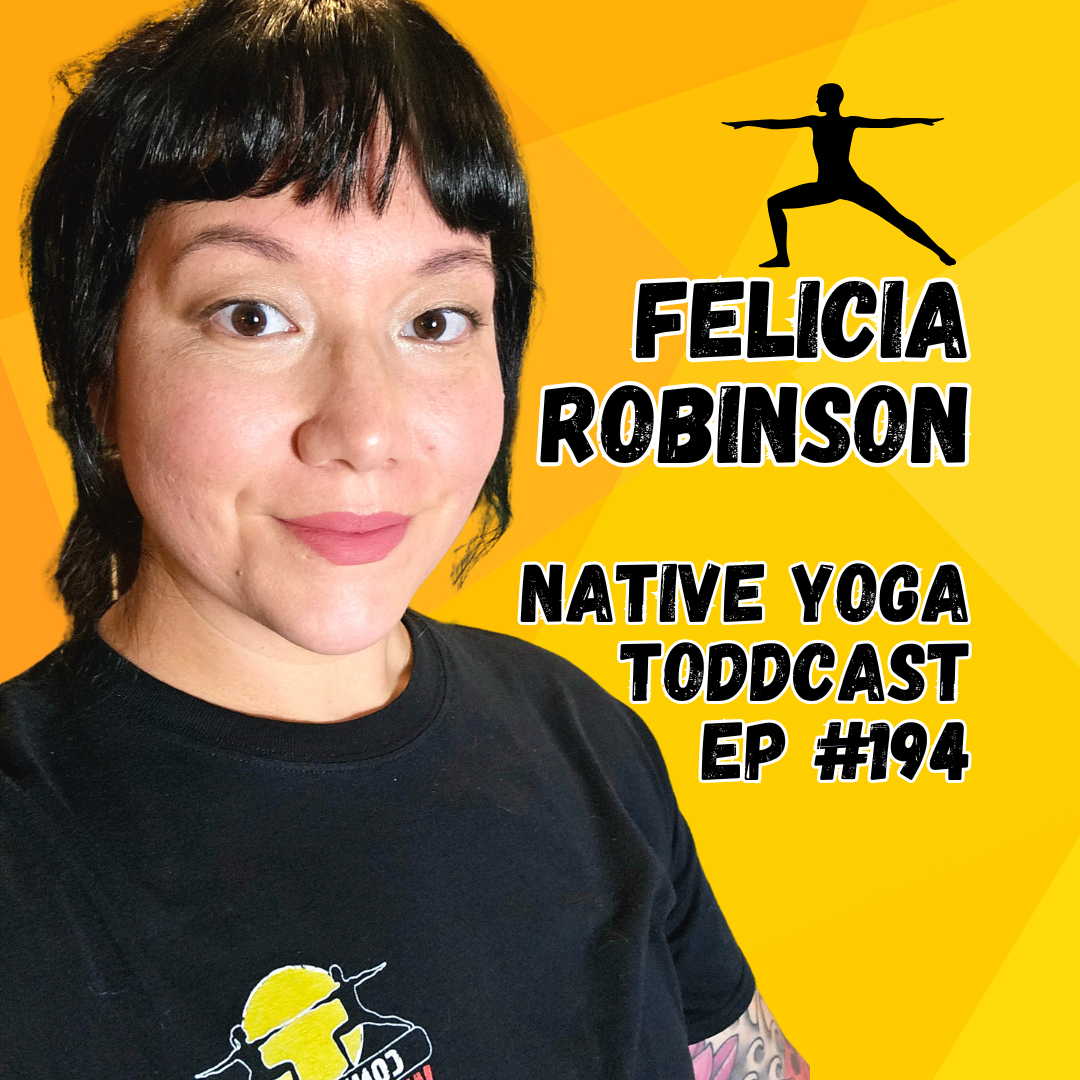
Felicia Robinson – Inside Connected Warriors: Transforming Military Lives with Yoga

Listen to Toddcast with Felicia for FREE here

Felicia Robinson is a passionate advocate for military families and veterans, serving as a key figure in the nonprofit organization Connected Warriors. With a rich background rooted in military culture—she grew up in an Air Force family and is married to an active duty member—Robinson channels her personal experiences into her professional endeavors. Her work focuses on integrating trauma-conscious yoga and mentorship programs for service members, veterans, first responders, and their families. Robinson’s commitment to fostering resilience and wellness is exemplified through her dedication to Connected Warriors, where she helps provide vital support through yoga and holistic practices.

Visit Connected Warriors’ website here: https://connectedwarriors.org/

Key Takeaways:

  • Connected Warriors offers trauma-conscious yoga classes and mentoring programs for veterans and first responders, contributing significantly to their overall well-being.
  • Transitioning from military to civilian life presents unique challenges, making community support and structured wellness programs vital.
  • Yoga, meditation, and holistic practices are increasingly recognized for their therapeutic effects, aiding in alleviating PTS symptoms and enhancing overall quality of life.

Unlocking Warriors’ Inner Calm: How Yoga Transforms Military Life

  • Yoga as a Gateway to Healing: Yoga offers military personnel a path toward recovery and stability, addressing physical pain and post-traumatic stress.
  • Connecting Through Community: Building a supportive community is crucial in transitioning veterans from structured military life to civilian stability.
  • Advancing Veterans’ Well-being: Nonprofits like Connected Warriors are pivotal in promoting comprehensive health strategies, incorporating yoga and mindfulness as vital practices.

Using Yoga to Combat PTSD and Enhance Well-being

Yoga has long been recognized for its physical and emotional healing properties, but its specific applications in the military community are gaining recognition. Felicia Robinson, representing Connected Warriors, highlights the nonprofit’s mission to provide trauma-conscious yoga to service members. Connected Warriors operates on the principle that yoga can significantly benefit those who have faced the traumas of military life. Felicia shares, “Our origin of providing trauma conscious yoga to all service members, first responders, veterans, and their family members.”

Robinson’s journey into yoga started as a teenager, exploring yoga from books, later becoming a teacher inspired by mentors like Rolf Gates. Over the years, she’s seen firsthand how yoga helps regulate emotions, reduce anxiety, and aid in physical recovery for military personnel. As she explains, “They’re handling stress better… Life is better… Everybody’s quality of life is better.” Such transformations underscore yoga’s potential in supporting veterans’ mental health, offering them tools to navigate and manage PTSD.

But the benefits aren’t limited to mere stress relief. The physical impacts of military service—persistent pain in knees, hips, shoulders—are also alleviated with regular yoga practice. Robinson recounts testimonials from veterans who reported experiencing reduced pain, leading to improved daily functioning. This dual focus on mental and physical healing positions yoga not only as therapy but as an empowering lifestyle change essential for reintegrating into civilian life.

Bridging the Gap: Community Support for Veterans

Transitioning from military to civilian life presents challenges far beyond the battlefield. Veterans often lose the structured, close-knit environment of the military. Felicia Robinson details this journey for many veterans as a loss of family: “You have your brothers and your sisters… And then when you come out to civilian world, you don’t have none of that.”

Connected Warriors offers a crucial support network that mimics this lost family structure. Through classes and community programs, they help veterans find peers who understand and share similar experiences. Yoga classes become a space where veterans hold each other accountable, fostering a sense of belonging. Robinson notes, “Accountability… becomes their new community.” This camaraderie is not just supportive; it’s transformative. It helps participants navigate their transition, minimizing risks of isolation, depression, and even homelessness that some veterans face.

The importance of community is evident in the impact it has on participants’ mental and emotional health, providing consistency and support. By facilitating connections that mirror the military’s camaraderie, organizations like Connected Warriors not only offer healing practices but also restore a sense of purpose and identity to veterans adapting to civilian life.

Expanding the Role of Holistic Health in Veterans Affairs

The growing recognition of holistic health practices within the VA system marks a significant cultural shift. As Felicia explains, “They’ve really started to embrace the whole health care… including the yoga into it, the tai chi, the meditation.” This shift acknowledges the limitations of traditional pharmaceuticals and highlights a broader understanding of veterans’ needs.

Robinson discusses how Connected Warriors collaborates with entities like the VA to offer yoga to employees and veterans alike. Their outreach includes innovative solutions like online classes and mentorship programs to train veterans as yoga instructors, fostering leadership and resilience in the veteran community. “It’s progressing… they’ve started to embrace the whole health,” Robinson states with optimism.

The integration of practices like yoga into veteran support systems not only improves individual well-being but also signals a paradigm shift in how veteran care is approached. It aligns with a more comprehensive health strategy that values mental and emotional health on par with physical health. Initiatives by organizations such as Connected Warriors act as a catalyst, pushing for systemic changes that could lead to improved outcomes for veterans nationwide.

As the Connected Warriors narrative unfolds, the significance of yoga in offering healing and connection becomes abundantly clear. These initiatives stand at the forefront of transforming veterans’ lives, providing them with the tools to navigate a challenging transition. The nonprofit’s efforts underscore the transformative power of community, holistic health, and the shared journey of recovery, resonating far beyond the yoga mat, into the hearts and homes of service members everywhere.

Thanks for listening to this episode. Check out: 👇
8IN8 Ashtanga Yoga for Beginners Course Online– Learn 8 Limb Yoga in 8 Days – Get FREE coupon code for a limited time only (Regular price $88) https://info.nativeyogacenter.com/8in8-ashtanga-yoga-for-beginners-8-limbs-in-8-days/

New Student FREE Livestream Special ~ 2 Weeks of Free Unlimited Livestream Yoga Classes at Native Yoga Center https://info.nativeyogacenter.com/livestream/

Practice with Native Yoga Online – New classes EVERY day – Use Code FIRSTMONTHFREE https://nativeyogacenter.teachable.com/p/today-s-community-class

Subscribe to Native Yoga Center and view this podcast on Youtube.

Thank you Bryce Allyn for the show tunes. Check out Bryce’s website: bryceallynband.comand sign up on his newsletter to stay in touch. Listen here to his original music from his bands Boxelder, B-Liminal and Bryce Allyn Band on Spotify.

Please email special requests and feedback to info@nativeyogacenter.com

Enjoy new Native Yoga Center classes uploaded everyday on our online learning hub. Use code FIRSTMONTHFREE at checkout. https://nativeyogacenter.teachable.com/p/today-s-community-class

Support the show

Native Yoga website: here
YouTube: here
Instagram: @nativeyoga 
Twitter: @nativeyoga 
Facebook: @nativeyogacenter 
LinkedIn: Todd McLaughlin
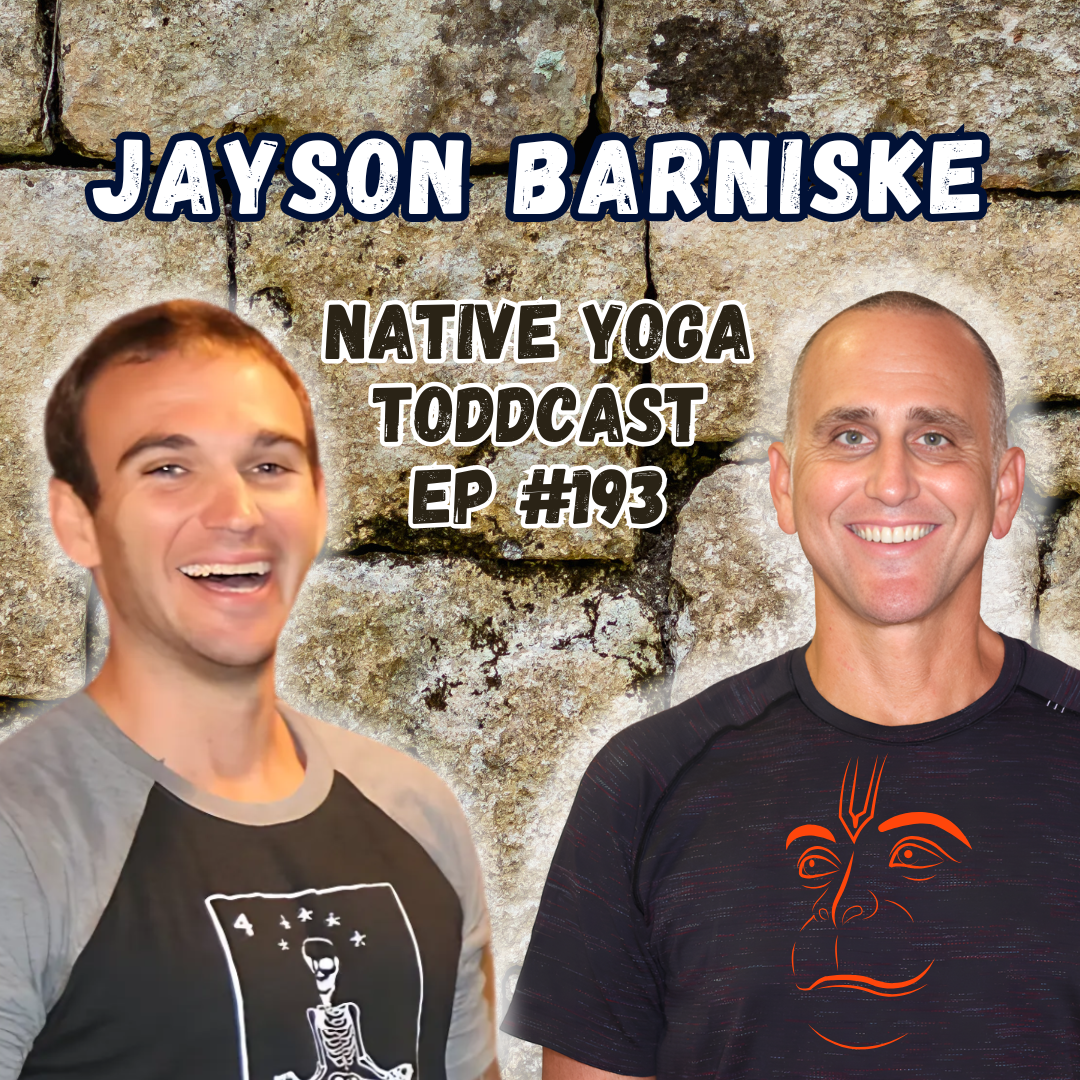
Jayson Barniske ~ Revealing Secrets Of Ancient Healing For The Modern World

Listen to Toddcast with Jayson for FREE Here

Jayson Barniske is a seasoned yoga instructor and entrepreneur based in Tulum, Mexico. With nearly two decades of yoga practice, he specializes in Ashtanga yoga and is known for his deep commitment to spiritual development and community building. Jayson is the co-owner of an upcoming yoga studio in Tulum, complete with a vegan restaurant and luxury spa amenities. He has also been involved in the shamanic practices teaching and applying plant medicine for healing and personal growth.

Visit Jayson on his website: https://ashtangayogatulum.mx/
Follow him on IG: https://www.instagram.com/ashtangayogatulum/
Visit sponsor: https://www.gina.health/ use code JAYSON15

Key Takeaways:

  • Ashtanga yoga offers many benefits beyond physical fitness, helping cultivate mental strength and spiritual growth, suitable even for those with physical limitations.
  • Building a community-oriented space in Tulum was a complex yet rewarding endeavor that involved sourcing local materials and talent.
  • Plant medicine can provide profound spiritual insights when used responsibly and with clear intentions; Journaling and integration are essential for maximizing its benefits.

Building a Yoga Community in Tulum

Tulum, Mexico, blossoms with cultural richness and serves as a nexus for spiritual seekers from around the world. The journey of crafting a yoga studio there, as detailed by Todd McLaughlin and Jayson Barniske, is a testament to resilience, innovation, and community building. Jayson’s story of establishing Ashtanga Yoga Tulum encapsulates the demanding process of bringing a vision to life in southern Mexico, where Tulum’s unique challenges call for special consideration.

“We allowed ourselves to just dream and okay, let’s not just make regular walls, let’s put up bamboo, that’s in sacred geometry,” Jayson shares. This description captures the intricacies involved in manifesting a dream while balancing creativity and practicality. Crafting a yoga sanctuary required not only labor and resources but also a deep sense of purpose and community spirit. It wasn’t merely about constructing a facility—it was about establishing a cultural and spiritual hub that respects and draws from its surroundings.

Understanding the complexities of working in a new cultural environment is part of the growth and learning curve. As Jayson observes, “we have built a full-on luxury sauna that has a wet and a dry sauna and a cold plunge and a jacuzzi.” His vision extends beyond yoga—creating a holistic space that offers diverse healing practices. This approach not only elevates the facility itself but also enriches the yoga community’s experience, making it a beacon for wellness seekers worldwide.

Pathways to Holistic Healing and Growth

A passionate advocate for comprehensive wellness, Jayson intertwines traditional yoga practices with innovative wellness solutions, believing in their potential to catalyze profound personal transformation. One of the most enlightening discussions revolves around the integration of plant medicine with traditional yoga practices, furthering the idea of holistic healing.

Jayson finds significant value in both these modalities, stating, “these medicines have to be used with a lot of respect and a lot of reverence.” Plant medicines are not just seen as separate from yoga but as complementary practices that can allow deeper introspection and understanding of oneself. This conversation delves into Jayson’s experience with shamanic traditions and how they inspired his path, showcasing a deep respect for cultural wisdom and traditional healing practices.

As Yukon’s cultural tapestry weaves through his yoga practice, Jayson introduces various disciplines like tai chi, kabbalah, and kirtan, creating an arena where different teachings coalesce. “We’re going to have a huge array of different teachers in different styles,” he enthuses. This diversity enriches his offerings and highlights Tulum as a convergence point for spiritual and personal development, blending diverse philosophies harmoniously.

Navigating Personal Transformation and Community Impact

Transitioning from personal growth to community empowerment, Jayson emphasizes the role of Ashtanga yoga in processing trauma and fostering resilience. His transformative experiences underline the practice’s potential to fuel both personal and communal metamorphosis. “How can I practice to keep my mind in the greatest space?” he asks, underlining the challenge to balance physical practice with mental and spiritual exploration.

The practice of Astanga yoga is key here—not merely as a physical regimen, but as a mental and emotional sanctuary helping practitioners navigate life’s challenges. By sharing relatable experiences, he helps students achieve a broader understanding of why transformation isn’t linear or immediate. It’s about consistency, patience, and embracing the journey, not just the destination.

Throughout the conversation, Jayson’s openness about personal struggles, such as processing trauma and loss, fosters a genuine dialog around healing. This authenticity can cultivate a supportive community environment, one where individuals feel empowered to explore practices like yoga and plant medicine to address their respective paths of healing. His perspective invites a reconsideration of wellness, suggesting that transformative growth is communal and volatile, rather than isolating or static.

A Holistic Approach to Spiritual and Physical Well-being

As the Ashtanga Yoga Tulum nears its opening, the studio represents more than a tangible outcome of Jayson’s vision—it embodies the evolving dynamic between local culture, diverse wellness practices, and personal exploration. Jayson’s narrative is intertwined with a recognition that spiritual and physical healing can coalesce to form a nurturing, inclusive environment encouraging continuous learning and transformation.

The enriching blend of cultural, spiritual, and communal engagement makes Jayson’s journey an inspiring blueprint for others aiming to combine personal vision with community needs. Ashtanga Yoga Tulum is poised to become a locus of holistic wellness, combining yoga, cultural wisdom, and innovative healing practices, representing a space where building practices and shared experiences go hand in hand.

Thanks for listening to this episode. Check out: 👇
8IN8 Ashtanga Yoga for Beginners Course Online– Learn 8 Limb Yoga in 8 Days – Get FREE coupon code for a limited time only (Regular price $88) https://info.nativeyogacenter.com/8in8-ashtanga-yoga-for-beginners-8-limbs-in-8-days/

New Student FREE Livestream Special ~ 2 Weeks of Free Unlimited Livestream Yoga Classes at Native Yoga Center https://info.nativeyogacenter.com/livestream/

Practice with Native Yoga Online – New classes EVERY day – Use Code FIRSTMONTHFREE https://nativeyogacenter.teachable.com/p/today-s-community-class

Subscribe to Native Yoga Center and view this podcast on Youtube.

Thank you Bryce Allyn for the show tunes. Check out Bryce’s website: bryceallynband.comand sign up on his newsletter to stay in touch. Listen here to his original music from his bands Boxelder, B-Liminal and Bryce Allyn Band on Spotify.

Please email special requests and feedback to info@nativeyogacenter.com

Enjoy new Native Yoga Center classes uploaded everyday on our online learning hub. Use code FIRSTMONTHFREE at checkout. https://nativeyogacenter.teachable.com/p/today-s-community-class

Support the show

Native Yoga website: here
YouTube: here
Instagram: @nativeyoga 
Twitter: @nativeyoga 
Facebook: @nativeyogacenter 
LinkedIn: Todd McLaughlin

Dale Matzkow – Pilates & Yoga: Bridging the Gap Between

Listen to podcast with Dale for FREE Here

Dale Matzkow is a seasoned Pilates instructor based in Juno Beach, Florida. With a background spanning several decades, Dale has trained under various prestigious instructors and integrated both classical and contemporary methods into her practice. Dale began her journey with Pilates in the mid-80s and has since dedicated herself to teaching and expanding her knowledge. She regularly teaches mat Pilates and is recognized for her expertise in adapting workouts to suit both novices and seasoned practitioners.

Visit Dale on her website: https://www.purepilatesnyc.com/
Follow her on IG: https://www.instagram.com/purepilatesnyc/

Key Takeaways:

  • Historical Insights: Discover the origins of Pilates, developed by Joseph Pilates during World War I, and its evolution into a renowned fitness method.
  • Classical vs. Contemporary Pilates: Learn the key differences between classical Pilates, which adheres closely to Joseph Pilates’ original teachings, and contemporary approaches that incorporate modern advancements in bodywork.
  • Benefits of Pilates: Understand how Pilates helps in injury recovery and improves overall strength, flexibility, and body awareness.

Exploring the Intersection of Pilates and Yoga: A Deep Dive into Classical Practices

Welcome to an in-depth exploration of Pilates and Yoga, focusing on their shared histories, differing methodologies, and potential health benefits. This discussion, derived from an engaging conversation with Dale Matzkow, a seasoned Pilates instructor, delves into the nuances of classical Pilates and its intersections with yoga.

Key Takeaways:

  • Historical Foundations: Understand Joseph Pilates’ original intentions and the evolution of Pilates from its inception to modern applications.
  • Core Methodologies: Explore the core differences and similarities between classical Pilates and yoga, emphasizing the unique features of each.
  • Health and Wellness Benefits: Evaluate how both disciplines offer pathways to improved physical fitness, injury prevention, and overall well-being.

Historical Foundations of Pilates

Joseph Pilates’ Vision and Innovations

Joseph Pilates, the founder of the Pilates method, has a fascinating backstory. Originating from Germany, he was a physical movement educator, practitioner, and inventor who developed his method during World War I. Dale explained, “He was in an internment camp in the Isle of Man and used his method to help himself and his fellow men maintain their health.”

Pilates’ goals were ambitious and holistic, aiming for the “complete coordination of mind, body, and spirit.” His initial creation, the “mat exercises,” consisted of 34 distinct positions that later expanded into over 500 movements incorporating various pieces of equipment, such as the Reformer and Cadillac. This broad base allowed Pilates practitioners to develop a robust physical conditioning program that integrated strength, flexibility, and mental focus.

Core Methodologies: Pilates vs. Yoga

Classical Pilates Versus Contemporary Pilates

One of the most enlightening parts of the discussion was the distinction between classical and contemporary Pilates. Dale emphasized the importance of respecting the original system, noting, “It started on a mat, and the equipment was developed after because people were having difficulties doing the mat work. The equipment was invented to assist in the mat.”

Classical Pilates sticks rigorously to the sequences and methodologies established by Joseph Pilates. Dale noted, “Classical Pilates respects Joseph Pilates’ original work, rarely deviating from it, while contemporary approaches integrate modern understanding of anatomy and movement.”

Commonalities and Differences with Yoga

A recurring theme was the similarities between Pilates and yoga, with each sharing principles like controlled movement, breath work, and mind-body integration. But there are crucial differences. Pilates places a strong emphasis on core strength and controlled, precise movements—elements that help in stabilizing the body, enhancing posture, and preventing injuries.

“Pilates is definitely strength-oriented,” explained Dale, emphasizing controlled, deliberate movements over flexibility. She highlighted that both disciplines could be complementary, each offering unique benefits. For example, Pilates’ focus on strengthening could help prevent injuries in yoga practitioners by building up stabilizing muscles.

Health and Wellness Benefits

Injury Prevention and Rehabilitation

Dale’s passion for Pilates was palpable as she recounted stories of injury recovery through the method. “Every day, we have somebody that comes in with an injury, and it’s wonderful to help them regain strength and mobility,” she shared. Pilates can offer a scientifically-backed approach to wellness, where strength-building aids in stabilizing hypermobile joints and creating a support system around injuries.

It was also noted how well Pilates works with physical therapy. “There is mutual respect with medical professionals,” Dale mentioned, highlighting how Pilates can complement, rather than replace, clinical advice and treatment.

The Role of Breath in Pilates

Another remarkable aspect is the role of breath. Dale reiterated one of Joseph Pilates’ key principles: “It’s the first thing we do in life and the last thing we do, so we should learn how to do it properly.” Proper breathing is essential for maximizing the effectiveness of the exercises and facilitating the mind-body connection, a concept deeply ingrained in both Pilates and yoga.

Enriching Lives Through Classical and Contemporary Practices

This conversation provided a deep dive into the rich history and evolving practices of Pilates, highlighting its nuances and differences from yoga. The journey of understanding and educating oneself in these practices opens avenues for improving physical fitness, mental clarity, and overall well-being.

Whether you’re intrigued by the classical rigor of Pilates or the adaptability of contemporary approaches, understanding these distinctions can help guide you toward practices that best suit your individual needs. Dale’s insights reveal that both disciplines, though distinct, offer invaluable tools for promoting a balanced, healthy lifestyle.

Thanks for listening to this episode. Check out: 👇
Free Grow Your Yoga Live Webinar – Every Thursday at 12pm EST
➡️ Click here to receive link

New Student FREE Livestream Yoga Special ~ Try 2 Weeks of Free Unlimited Livestream Yoga Classes  at Native Yoga Center. info.nativeyogacenter.com/livestream Sign into the classes you would like to take and you will receive an email 30 minutes prior to join on Zoom. The class is recorded and uploaded to nativeyogaonline.com  ➡️  Click Here to Join. 

Subscribe to Native Yoga Center and view this podcast on Youtube.

Thank you Bryce Allyn for the show tunes. Check out Bryce’s website: bryceallynband.comand sign up on his newsletter to stay in touch. Listen here to his original music from his bands Boxelder, B-Liminal and Bryce Allyn Band on Spotify.

Please email special requests and feedback to info@nativeyogacenter.com

Gota Cebrero ~ The Art of Tapas: Building Discipline in Yoga and Life

Listen to podcast with Gota for FREE Here

Todd McLaughlin talks with Gota Cebrero about his transition from Argentina to becoming a yoga teacher and Zen practitioner in Asheville. Gota discusses combining his global experiences in his teachings, the concept of tapas, and finding equilibrium between upholding traditions and ensuring accessibility. He also touches on staying genuine amidst a competitive yoga scene and the importance of developing internal energy, offering a mix of motivational anecdotes and useful advice for yogis and spiritual explorers.

Visit Gota on his website: https://www.gotacebreroyoga.com/

Key Takeaways:

  • Gota’s path from Argentina to becoming a multifaceted yoga teacher in the United States.
  • The transformative impact of Ashtanga Yoga and Zen meditation on mental and physical discipline.
  • Balancing traditional yoga strictness with modern-day accessibility and practicality.
  • The importance of community and personal alignment in yoga practice and teaching.
  • Strategies for maintaining spiritual and physical well-being amidst life’s challenges.

Exploring the Fusion of Yoga and Zen: Lessons from an Argentine Traveler

Key Takeaways:

  • The journey of self-discovery often requires embracing uncertainty and discomfort.
  • Integrating stringent traditional practices can lay a strong foundation for lifelong personal discipline.
  • Flexibility in teaching methodologies enhances accessibility while maintaining the essence of yoga and meditation.

Embracing the World: A Journey of Self-Discovery

In the latest episode of the Native Yoga Toddcast, Todd has an enlightening conversation with Gota Cebrero, a multifaceted Argentinian yoga instructor now based in Asheville, North Carolina. Gota’s unique life experiences—from his South American roots to Zen Buddhist training in Europe—offer profound insights into the amalgamation of diverse spiritual and physical practices. His story of resilience, adaptability, and dedication reflects the core principles that drive the broader yoga and meditation community today.

“Since I remember, I always been thinking and wondering about the mystery of life and death, and just curiosity,” Gota shares, hinting at the inner calling that led him from the Catholic traditions of Argentina to the holistic practices of yoga and Zen Buddhism.

Discipline through Ashtanga and Zen Practices

Building a Solid Foundation Through Rigidity

Gota’s initial encounter with Ashtanga Yoga in Ecuador marked a pivotal shift in his self-exploration. Ashtanga, renowned for its physically demanding sequences, was a perfect match for Gota’s need to channel his youthful energy into something constructive. “In those days, I just need to go and explore. So it was something inside of me,” he recounts.

Despite not having the physical flexibility initially, Gota’s dedication to the practice was unwavering. This commitment became even more profound when he joined a Zen Buddhist monastery in Switzerland, where the rigidity of practices such as Zazen meditation reinforced the discipline he cultivated through Ashtanga. “Intense, but mostly energetically… you do what I told you, and you finish when I tell you the finish,” he reflects, acknowledging the role of stringent discipline in forging a resilient inner self.

The Power of Mental Austerity

Notably, these practices also built a reservoir of mental resilience that Gota relied on during more challenging times, such as transitioning to life in the U.S. and raising a family. “I didn’t have time to practice. And I was going through a rough time… but that tapas, that practice, that strong sadhana, it kept me,” he emphasizes. This reveals the broader implication that rigorous training can provide enduring support, even when life’s demands reduce one’s ability to maintain a daily, intensive practice.

Balancing Traditional Rigor with Accessibility

Evolving Teaching Methodologies

Gota’s teaching style has adapted to balance the strict traditions he was trained in with a more inclusive approach, making his classes accessible to a broader audience. “Holding the space and we’re going on a journey… serving the energy,” he mentions, shifting from a militant form of instruction to creating a nurturing environment that emphasizes student support.

In his current yin and restorative classes, as well as more vigorous mindfulness flows, Gota integrates elements from his Zen and Ashtanga background to help students cultivate discipline without the strain that characterized his early training. This nuanced approach underscores the importance of adaptability in maintaining the essence of the practice while ensuring it remains accessible and appealing to modern practitioners.

The Role of Sadhana and Service

Gota’s teachings extend beyond the physical postures to encompass a holistic view of yoga as service—a transition he navigated while balancing professional responsibilities with personal hardships during the pandemic. “We went right into no income… but we just keep going,” he illustrates, underscoring the necessity of unwavering commitment to one’s practice and community.

Serving the community through both direct yoga instruction and broader social contributions is a central theme in Gota’s philosophy. Whether it’s through his involvement in teacher training programs or community yoga festivals like the Love Shine Play Festival in Asheville, Gota remains dedicated to sharing the transformative power of yogic practices. This service-oriented mindset not only enriches his students but also reinforces his own practice, as each session becomes a mutual journey of growth and discovery.

Gota Cebrero’s journey from a curious Argentine youth to a respected yoga instructor and Zen practitioner in Asheville is a testament to the transformative power of dedicated practice and the resilience it builds. Through the fusion of rigorous traditional disciplines and a flexible, accessible teaching approach, Gota embodies the evolving nature of yoga’s application in contemporary life. His story inspires practitioners and instructors alike to persist in their pursuit of self-discovery and to embrace the journey with unwavering commitment and adaptability.

As Gota beautifully advises, “Just keep going… just do your thing.” These words serve as a powerful reminder that the essence of practice is not in the final achievement but in the continuous and sincere effort we put into our journey.

Thanks for listening to this episode. Check out: 👇
Free Grow Your Yoga Live Webinar – Every Thursday at 12pm EST
➡️ Click here to receive link

New Student FREE Livestream Yoga Special ~ Try 2 Weeks of Free Unlimited Livestream Yoga Classes  at Native Yoga Center. info.nativeyogacenter.com/livestream Sign into the classes you would like to take and you will receive an email 30 minutes prior to join on Zoom. The class is recorded and uploaded to nativeyogaonline.com  ➡️  Click Here to Join. 

Subscribe to Native Yoga Center and view this podcast on Youtube.

Thank you Bryce Allyn for the show tunes. Check out Bryce’s website: bryceallynband.comand sign up on his newsletter to stay in touch. Listen here to his original music from his bands Boxelder, B-Liminal and Bryce Allyn Band on Spotify.

Please email special requests and feedback to info@nativeyogacenter.com

Enjoy new Native Yoga Center classes uploaded everyday on our online learning hub. Use code FIRSTMONTHFREE at checkout. https://nativeyogacenter.teachable.com/p/today-s-community-class

Support the Show.

Native Yoga website: here
YouTube: here
Instagram: @nativeyoga 
Twitter: @nativeyoga 
Facebook: @nativeyogacenter 
LinkedIn: Todd McLaughlin

How to Do Seated Forward Bend | Paschimottanasana Yoga for Beginners

Hello and welcome to Grow Your Yoga. I’m Todd McLaughlin from Native Yoga Center. Today, we’re focusing on Paschimottanasana, which can significantly improve your hamstring flexibility. Let’s start by assessing your current range of motion and build from here.

Paschimottanasana, or the Western Stretch Pose, targets the back of the body (the “West”), which is often tight for many of us. Begin by sitting down and bringing your legs together. Touch your big toes together and pull them slightly towards you. Reach forward and see how close you can get to touching your toes. This initial assessment is crucial; you might want to log your progress by taking a picture or making a note of your flexibility.

Often, if our hamstrings are tight, we compensate by rounding our back. If you don’t move your pelvis, bending your spine might help you reach your toes, but it doesn’t stretch the hamstrings effectively. On the other hand, if you try to keep your back straight and touch your toes, your knees might bend, indicating tight hamstrings.

The hamstrings attach at the base of the pelvis and the back of the legs, crossing two major joints. This dual joint crossing means they can feel very tight when trying to extend the knees and flex at the hips. To address this, here are two main approaches:

  1. Using Support: If your hamstrings are very tight, place a bolster or rolled-up blanket under your knees. This support allows you to relax more and reduces strain on your lower back. You can start by placing your hands on the floor behind you and gently squeezing your legs as you lean forward.
  2. Bending Your Knees: Start by bending your knees significantly and work on touching your toes from this position. This increases hip flexion, which is crucial for Paschimottanasana. Practice hinging at your hips and bringing your chest towards your thighs. If your chest gets stuck, hold your legs and alternate between extending and flexing your spine, like in Up Dog (extension) and Cat Pose (flexion).

Once you’re comfortable with hip flexion, extend your legs a bit more. Use a strap or towel around your feet if needed. Rock back and forth, straightening your knees gradually. This rocking motion helps you find the right balance between flexibility and support.

Next, walk your hands closer to your feet along the strap and continue the rocking motion. When you reach your limit, practice flexing and extending your spine while holding the pose for 30 seconds to a minute, breathing deeply through your nose. If you feel tightness, back off slightly to find a softer, more comfortable stretch.

For those progressing we’ll explore different hand grips as you reach your toes: around the toes, sides of the feet, or even beyond the feet. If you experience back pain, focus on keeping your spine straight and avoid any painful positions.

Engage your leg muscles by squeezing and releasing your quadriceps. This technique, known as reciprocal inhibition, helps relax the hamstrings. As you squeeze your thighs, try to lift your chest and move your pelvis forward, paying close attention to how your back feels.

If you have a hamstring injury, give it time to heal before attempting this pose. For those without back pain, work on lowering your shoulders away from your ears and engaging your lower trapezius muscles to pull your shoulder blades down. This engagement helps you maintain a strong, supported forward bend.

Remember, progress takes time and consistency. Practice every day, even for just 30 seconds, to gradually deepen your pose. If you have any questions, I’m here to help. Visit nativeyogacenter.com for more information, and join me every Thursday for new yoga insights. Thank you for practicing with me, and I look forward to seeing you in the next session!

Thanks for watching and reading. Visit our website https://www.nativeyogacenter.com for more information on our class schedule, online courses and Teacher Trainings.

Listen to Native Yoga Toddcast with new episodes released every Friday on our podcast site here: https://nativeyogatoddcast.buzzsprout.com/950785

New Student FREE Livestream Yoga Special ~ Try 2 Weeks of Free Unlimited Livestream Yoga Classes  at Native Yoga Center. info.nativeyogacenter.com/livestream Sign into the classes you would like to take and you will receive an email 30 minutes prior to join on Zoom. The class is recorded and uploaded to nativeyogaonline.com  ➡️  Click Here to Join.

Practice to a New Yoga Class every day with our nativeyogaonline.com course called Today’s Community Class with code FIRSTMONTHFREE.

Subscribe to Native Yoga Center and view this podcast on Youtube.

Andrew McGonigle ~ The Role of the Nervous System in Yoga Flexibility

Listen to podcast with Andrew for FREE Here

Yoga instructor Todd McLaughlin engages in a profound conversation with Andrew McGonigle, an experienced yoga teacher and anatomy expert. McGonigle shares his journey from medical school to fashion, and eventually to teaching yoga, exploring how his diverse background informs his unique approach to anatomy education. 

Key topics include the role of the nervous system in muscle flexibility, the resilience of the human body, and the tangible benefits of yoga on the cardiovascular and immune systems. Discover insightful perspectives on integrating scientific and holistic approaches to yoga practice and teaching.

Visit Andrew on his website: https://www.doctor-yogi.com/

Key Takeaways:

  • Anatomy and Yoga: Understanding anatomy enriches yoga practice by fostering a deeper connection with one’s body and enhancing the teaching methodology.
  • Misconceptions about Muscles: Muscle length doesn’t change over time; flexibility improvements are more about the nervous system granting permission for greater movement.
  • Physiological Benefits: Yoga positively impacts various systems, including lowering blood pressure, reducing chronic inflammation, and aiding in better cardiovascular health.
  • Learning and Teaching Methods: Andrew uses a blend of interactive, multi-media resources in his online courses to make complex anatomical concepts accessible and engaging.

Unlocking the Synergy Between Anatomy, Yoga, and Well-being: Insights from Dr. Yogi Andrew McGonigle

  • Journey from Medicine to Yoga: Andrew McGonigle’s transformation from a medical doctor to a yoga anatomy educator illustrates the fusion of scientific rigor with holistic wellness practices.
  • Understanding Anatomy for Yoga Practitioners: The progressive approach to anatomy in yoga, ranging from foundational skeletal and muscular knowledge to the complexities of the nervous system and flexibility.
  • Impact of Yoga on Various Body Systems: Insights into how yoga influences the cardiovascular, immune, and endocrine systems, offering a blend of traditional practice with modern scientific understanding.

Medical Background Meets Movement: A Unique Integration

Andrew McGonigle’s journey is nothing short of inspiring, offering a refreshing integration of medical science with holistic wellness. Initially trained as a medical doctor, Andrew’s path took several unexpected turns. “I was young, but I didn’t have student debt because, at the time, pretty much medical school was free for me in the UK,” Andrew reflects, which gave him the freedom to pivot his career paths. After a stint in the fashion industry, Andrew fell in love with yoga and meditation, eventually leading him to an epiphany: “I can see myself, like, in the teacher role doing this.”

This background allows Andrew to bring a depth of anatomical understanding to his yoga teachings. His integrated approach is uniquely positioned to bridge the gap between theoretical anatomy and practical yoga instruction. By teaching anatomy through the lens of wellness rather than disease, Andrew enhances the educational experience for future yoga educators, offering them a holistic perspective grounded in rigorous scientific knowledge.

Foundational Knowledge in Anatomy: The Bedrock for Yoga Instructors

Why Study Anatomy for Yoga?
Studying anatomy provides a nuanced understanding of how to move, align, and engage during yoga practice. As Andrew states, “When you learn anatomy to a certain level of detail, you realize how resilient and robust the body is.” This awareness fosters a deeper respect for one’s body, encouraging students and teachers alike to move mindfully and intentionally.

The Approach to Teaching Anatomy
A fundamental takeaway from Andrew’s methodology is his interactive and multifaceted teaching approach. “I do basically a session called intelligent movement principles, and we do that by slowly starting to understand muscle,” Andrew elaborates. This involves breaking down complex anatomical concepts into digestible parts, such as muscles, bones, and connective tissues, and then relating these parts back to yoga practices.

By addressing common misconceptions and inserting relatable, tangible experiences into his lessons, Andrew demonstrates the muscle’s role through sensation and movement. This approach empowers students with the confidence to execute and instruct movements accurately and safely.

The Science Behind Yoga: A Holistic Impact

Cardiovascular and Endocrine Systems
Yoga’s impact on the heart and hormonal systems is profound. Andrew explains, “Yoga has a very powerful effect on the cardiovascular system. It can lower blood pressure over time.” This regulation of blood pressure and resting heart rate signifies how intertwined yoga practice is with overall cardiovascular health.

In terms of the endocrine system, yoga appears to stabilize hormone release via the stress response mechanism. “A regular yoga practice helps us to move more efficiently between sympathetic and parasympathetic states,” Andrew highlights, underscoring yoga’s role in fostering physiological flexibility.

Immune System Modulation
A common misconception is that yoga boosts the immune system. Instead, Andrew corrects this narrative by explaining that yoga has a regulatory effect, especially concerning inflammation. “What yoga can do is it can downregulate parts of the immune system in cases of chronic inflammation,” says Andrew, thus showcasing yoga’s potential to alleviate systemic inflammatory responses that contribute to various diseases.

Broadening the Scope: Heat, Flexibility, and Adaptability

The Debate: To Heat or Not to Heat
The discussion around practicing yoga in heated environments is particularly polarizing. Andrew maintains a balanced view: “What I love about hot yoga is it’s this gateway that brings a lot of people to yoga.” He acknowledges the subjective benefits of hot yoga but also notes that the physiological benefits gained are not exclusive to heated practice. “If hot yoga is not your thing, don’t feel like you’re missing out on anything.”

Neural Factors in Flexibility
Flexibility, often associated solely with muscle lengthening, is now seen through the lens of neurological safety. The nervous system’s role in granting permission for more range of motion over time is crucial. “It’s the nervous system and that’s what gives us most of the benefits that we get in yoga,” Andrew comments, emphasizing the science behind the practice and how it fosters gradual and safe improvements in flexibility.

Reflecting on a Transformative Journey

Andrew McGonigle’s story and the insights he offers are emblematic of the synergy between traditional yoga principles and modern anatomy and physiology. His unique path from medical education to yoga instruction dovetails into a broader, holistic understanding of the human body.

By breaking down complex scientific concepts into actionable insights for yoga practitioners, Andrew highlights the resilience and adaptability of the human body. His work exemplifies how scientific inquiry and wellness practices can harmoniously coexist, providing a robust foundation for both personal health and professional teaching. Whether through the physiological benefits of cardiovascular health, immune regulation, or a nuanced understanding of flexibility, Andrew’s approach underscores the transformative potential of integrating yoga practice with anatomical science.

Thanks for listening to this episode. Check out: 👇
Free Grow Your Yoga Live Webinar – Every Thursday at 12pm EST
➡️ Click here to receive link

New Student FREE Livestream Yoga Special ~ Try 2 Weeks of Free Unlimited Livestream Yoga Classes  at Native Yoga Center. info.nativeyogacenter.com/livestream Sign into the classes you would like to take and you will receive an email 30 minutes prior to join on Zoom. The class is recorded and uploaded to nativeyogaonline.com  ➡️  Click Here to Join. 

Practice to a New Yoga Class every day with our nativeyogaonline.com course called Today’s Community Class with code FIRSTMONTHFREE.

Subscribe to Native Yoga Center and view this podcast on Youtube.

Thank you Bryce Allyn for the show tunes. Check out Bryce’s website: bryceallynband.comand sign up on his newsletter to stay in touch. Listen here to his original music from his bands Boxelder, B-Liminal and Bryce Allyn Band on Spotify.

Please email special requests and feedback to 

Support the Show.

Native Yoga website: here
YouTube: here
Instagram: @nativeyoga 
Twitter: @nativeyoga 
Facebook: @nativeyogacenter 
LinkedIn: Todd McLaughlin

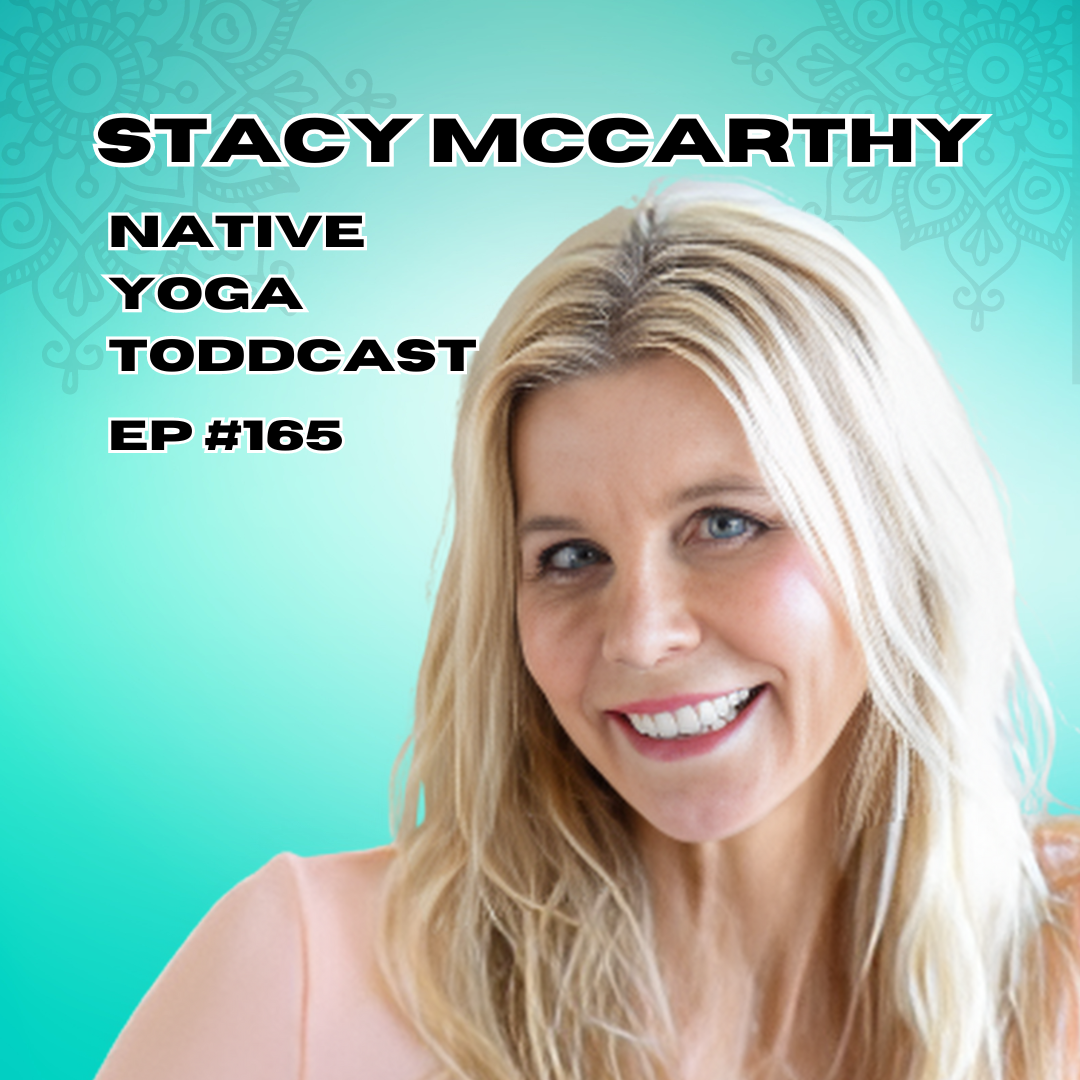
Stacy McCarthy ~ Adapting and Thriving: Embracing Technology and Growth in Yoga

Listen to Toddcast with Stacy for FREE Here on your favorite listening platform

Todd McLaughlin interviews Stacy McCarthy, a yoga teacher and kinesiology professor. Stacy shares her journey into yoga, from her first experience in a yoga class to becoming a dedicated practitioner and teacher. She discusses the evolution of her practice and teaching style, emphasizing the importance of adapting to the needs of students and finding a balance between discipline and creativity. Stacy also touches on the impact of technology on the yoga industry and the need for consistent practice and self-reflection. Overall, she emphasizes the transformative power of yoga and the importance of finding one’s own path.

Visit Stacy on her website: https://www.yoganamastacy.com/
Follow her on IG here: https://www.instagram.com/yoga_namastacy/

Key Takeaways:

  • Stacy McCarthy’s yoga philosophy is grounded in welcoming inclusivity, encouraging practitioners to approach the mat regardless of their background.
  • Her teaching style has evolved from the strict discipline of Ashtanga to a blend that incorporates alignment, mind-body harmony, and the softer aspects of practices like Viniyoga and Iyengar.
  • The practice of yoga, according to McCarthy, is a life-long journey that yields more health and happiness when approached with consistency and authenticity.
  • Adaptability is honored as a cornerstone in Stacy’s career, illustrated by how she has embraced the technological shifts affecting yoga instruction.

Yoga has journeyed from the serene ashrams of the East to the bustling gyms of the West, evolving with each breathe and posture into a global phenomenon that transcends its ancient roots. Delving into the depths of this transformative practice, Stacy McCarthy, a seasoned yoga educator and practitioner, shares her profound insights and experiences that underscore the fundamental essence of yoga and its burgeoning influence in our contemporary world.

Key takeaways:

  • Adaptation and Growth: Yoga’s capacity to evolve with societal advancements.
  • Profundity in Practice: The significance of going beyond physical asanas to the spiritual essence of yoga.
  • Evolving Teaching Dynamics: Changing trends in learning and teaching facing yoga teachers today.

The Fluidity of Yoga Through Time

The story of yoga, as recalled by Stacy McCarthy, is one of timeless fluidity. From her initial forays in Ashtanga Yoga to embracing the holistic incorporation of various lineages, McCarthy epitomizes the progression one goes through as a student and teacher of yoga. Her narrative eloquently represents the transformative journey of yoga across decades.

Historical Context and Personal Evolution

McCarthy’s transition from competitive swimming to yoga underscores a seamless interplay of discipline and discovery. Her early commitment to the structured path of Ashtanga provided a rigorous yet rewarding foundation, an athletic harmony that eased her entry into the profound world of yoga teaching.

“…it was disciplined, and it was consistent, and it was about practice, practice, practice.”

Drawing from her extensive experience, McCarthy dives deep into her teaching philosophy, emphasizing alignment, stability, and the embodiment of practice in one’s everyday life.

Yoga as Lifelong Learning

The consistent and pervasive practice of yoga fostered by teachers like McCarthy is a testament to yoga’s longevity. Advocating a lifelong commitment to yoga, she articulates the nuanced growth one undergoes within a consistent yoga practice. Underlying her discussion is the notion that what begins with the body invariably penetrates the mind and spirit.

“…the teachings are embodied in us. Right. It’s from the inside out.”

This ethos is not just theoretical but is also practical, as demonstrated in her daily practice, comprising Asana and meditation. McCarthy personifies the idea that yoga transcends age and other life changes and showcases the numerous physical and psychological benefits it offers over time.

The Changing Landscape of Yoga Education

In the era of rapid technological advancement, Stacy McCarthy offers a glimpse into the democratization of yoga education. Navigating through the advent of digital teaching platforms, she spotlights the proliferation of yoga beyond traditional studio walls.

Navigating the Digital Transition

True to her adaptability, McCarthy has welcomed the shift to online teaching, harnessing platforms like Zoom to disseminate yoga teachings broadly. Her perspective reflects an educational approach that blends time-honored traditions with the conveniences of modern technology.

Teacher Training in the New Age

However, this digital revolution brings its own set of challenges, as observed in teacher trainings today. McCarthy notes a trend where eager learners sometimes lack the foundational commitment of daily yoga practice—a departure from the immersive dedication that once defined the yogic journey.

“…to be a yoga teacher and really thrive…you really have to kind of find those niches of what you really love and diversify within it…”

It’s not just the platform but also the content that is changing. As yogic principles like mindfulness permeate various sectors, from entrepreneurship to cryptocurrency, McCarthy herself integrates her expertise into diverse spaces, adapting ancient wisdom to modern paradigms.

Looking Ahead: The Forthcoming Book and Continual Learning

Looking ahead, McCarthy reveals upcoming ventures that mark a new era in her exploration of yoga. Rooted in the lessons she gleaned from a close, personal journey with her late parents, her upcoming book promises to delve into a deep examination of Shavasana—the pose representing the ultimate surrender and release—and its transformative power.

“…if there’s, like, one pose that’s going to transform our lives, I believe that is the pose.”

This project, testament to the profound impact of intimate, life-changing experiences, showcases the ever-evolving nature of yoga practice and philosophy. Far from confining herself to a single narrative or tradition, McCarthy’s approach embraces creativity and open-mindedness, ensuring that her insights continue to resonate deeply and authentically with contemporary yoga practitioners.

The common threads woven through the fabric of Stacy McCarthy’s journey articulate a narrative where tradition and innovation coexist. With her unwavering commitment and adaptable ethos, McCarthy reflects the boundless potential of yoga to inspire and transform lives across generations and geographies. As yoga continues to shape and be shaped by the practitioners who cherish its tenets, the doctrines of mindfulness, bodily respect, and spiritual exploration remain eternal.

Thanks for listening to this episode. Check out: 👇
Free Grow Your Yoga Live Webinar – Every Thursday at 12pm EST
➡️ Click here to receive link

New Student FREE Livestream Yoga Special ~ Try 2 Weeks of Free Unlimited Livestream Yoga Classes  at Native Yoga Center. info.nativeyogacenter.com/livestream Sign into the classes you would like to take and you will receive an email 30 minutes prior to join on Zoom. The class is recorded and uploaded to nativeyogaonline.com  ➡️  Click Here to Join. 

Practice to a New Yoga Class every day with our nativeyogaonline.com course called Today’s Community Class with code FIRSTMONTHFREE.

Subscribe to Native Yoga Center and view this podcast on Youtube.

Thank you Bryce Allyn for the show tunes. Check out Bryce’s website: bryceallynband.comand sign up on his newsletter to stay in touch. Listen here to his original music from his bands Boxelder, B-Liminal and Bryce Allyn Band on Spotify.

Please email special requests and feedback to info@nativeyogacenter.com

Support the Show.

Native Yoga website: here
YouTube: here
Instagram: @nativeyoga 
Twitter: @nativeyoga 
Facebook: @nativeyogacenter 
LinkedIn: Todd McLaughlin