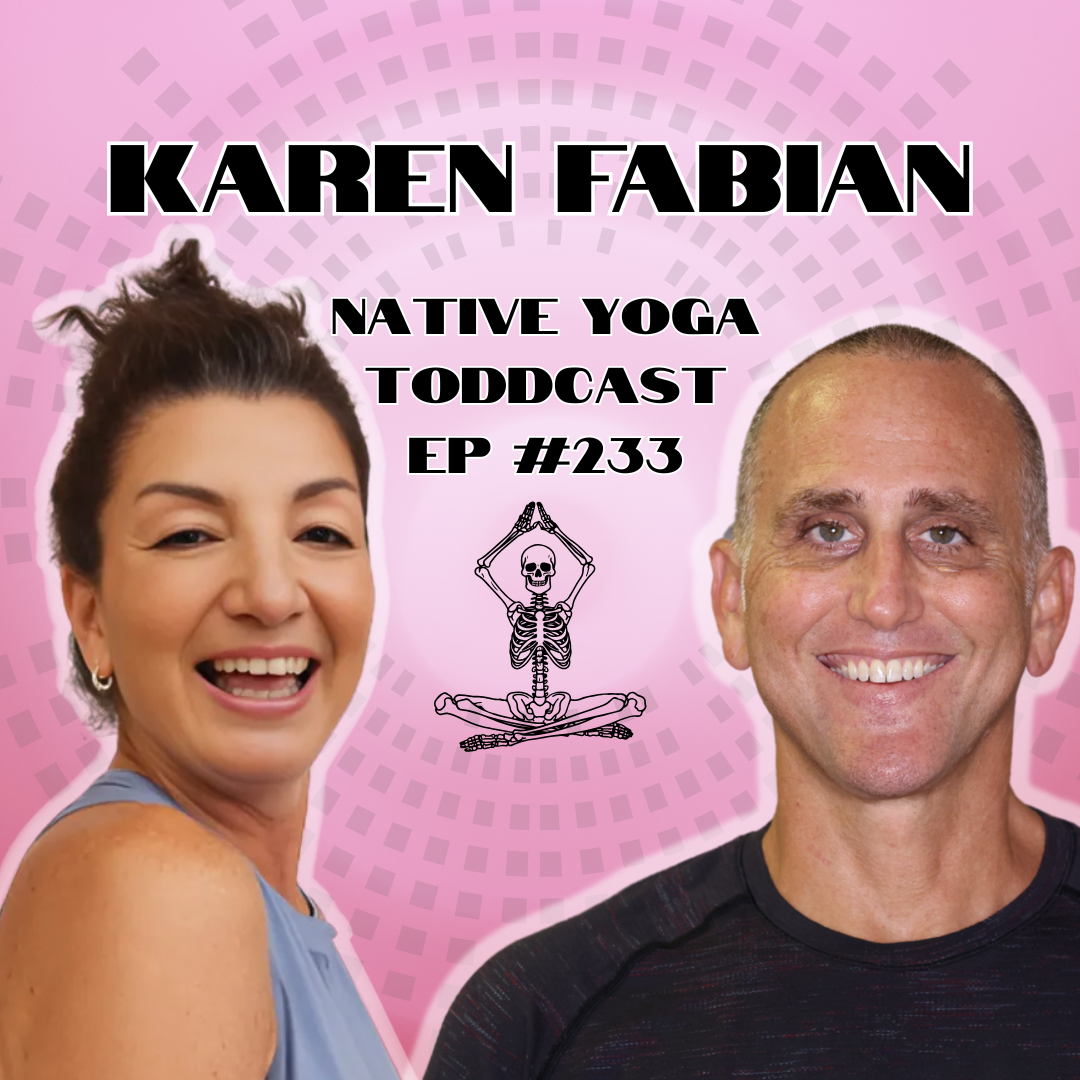
Karen Fabian ~ From Pain to Power: Mastering Yoga with Anatomy Insight

Listen to Podcast with Karen for FREE here

Karen Fabian is the founder of Bare Bones Yoga, a business blending her extensive background in anatomy with the practice and teaching of yoga. Initially pursuing a career in physical therapy, Karen shifted her focus to rehabilitation and counseling, gaining valuable experience in healthcare settings, particularly with traumatic injuries. Today, Karen leads successful yoga anatomy programs and works to empower yoga teachers with the knowledge and confidence needed to excel in their practice.

Visit Karen: https://barebonesyoga.com/

Key Takeaways:

  • Yoga teachers often carry a narrative that they need to ensure “safe” classes, but it’s crucial to focus on clear communication and observation to foster better teaching practices.
  • Karen Fabian stresses the significance of understanding anatomy as an essential part of teaching yoga effectively, offering innovative programs to aid in this educational pursuit.
  • Mindset plays a critical role in how teachers experience teaching yoga. Confidence can be significantly enhanced through practical strategies and a willingness to try new approaches.
  • Fabian’s transformative work aims to shift the perspective that accumulating hours is the sole pathway to competence, promoting a more holistic understanding of teaching.

Understanding Anatomy: The Path to Empowered Yoga Instruction

Yoga instruction has long been enveloped in tradition and structured learning. Yet Karen Fabian of Bare Bones Yoga is reshaping the dialogue by emphasizing the importance of anatomy and personal growth through mindset shifts. In an enlightening conversation, she shared her belief in an approach tailored more towards understanding than adhering to rigid hours and certifications. Karen mentions, “I help yoga teachers really build their confidence and skill… it’s really hard to feel confident if you don’t understand anatomy.”

A deep dive into anatomy provides instructors with the tools to deliver safe and accessible yoga classes. With a framework that includes action, alignment, anatomy, and somatic cues, instructors can navigate complex sequences and ensure students grasp both postural and physiological benefits. Fabian’s methodology emphasizes, “Say the cue and see what they do,” which invites a nuanced approach to observing and responding to the dynamics within a class. This connection—between instructor and student—serves to foster a robust and responsive teaching environment.

Applying a keen anatomical lens does more than just improve safety; it empowers instructors to confidently adapt their approaches to the individual needs of their students. Across varied yoga experiences, true confidence is built on a seamless blend of knowledge and communication, ensuring students feel supported and instructors operate with assuredness.

Shifting Focus from Hours to Holistic Growth

Many yoga instructors wrestle with the narrative that extensive hours equate to competency. However, Fabian challenges this notion, advocating for a mindset-focused pathway to professional growth. “Confidence is not often found in the number of hours you train,” she asserts, highlighting that teachers should focus on mindset and experimentation to transcend perceived limitations.

Traditional models, often hierarchical and rooted in guru-style authority, can stymie a teacher’s personal growth and critical thinking. The interview echoes how these entrenched beliefs may lead instructors to underestimate their agency, often feeling compelled to adhere to prescribed teaching methods rather than exploring their unique paths. As detailed in the interview, the evolution from a fixed mindset of seeking endless study to adopting a practice of experimentation can be profound. Teachers can say, “Would you be willing to try something different?” and open themselves to fresh perspectives, revealing unimagined possibilities in their instruction approach.

This shift encompasses a significant departure from yoga’s conventional paradigms, encouraging instructors to embrace their individuality and intuitive capabilities. Such changes can lead to a richer, more personally satisfying teaching journey, aligned with modern pedagogical standards while respecting traditions’ essence.

Breaking Through with Experimentation and Mindset

Mindset shifts can significantly impact an instructor’s journey and experience within the yoga teaching community. In the interview, the power of belief and a willingness to embrace experimentation is brought to light repeatedly. “When something’s not working, experiment with something different,” Fabian advises, underscoring the transformative potential of stepping out of one’s comfort zone.

This experimentation ethos directly ties into the broader themes explored in the conversation. For example, instructors’ conventional approach to complex poses can be reframed through anatomy-fueled knowledge, minimizing associated injuries and encouraging safer practices. Similarly, experimenting with sequencing, and considering feedback rather than assuming students’ expectations, opens new avenues for creative teaching.

By adopting new methods, yoga teachers can dismantle beliefs rooted in fear and inadequacy, embracing the momentum of change and innovative practices. Experimentation not only expands instructors’ technical repertoire but fosters resilience, cultivating a deeper affinity for growth and adaptation.

Reimagining Yoga Instruction for Future Generations

The conversation with Karen Fabian underscores the necessity of nurturing holistic practices centered around confidence, mindset, and anatomy. Emphasizing the need to transcend prescribed learning methodologies, Fabian highlights a future where yoga instructors readily embrace experimentation, prioritizing intentionality over rote repetition.

Her narrative calls us to envisage a vibrant yoga landscape defined by informed, confident educators who value their agency as highly as their qualifications. As she summarizes, “Your confidence is not often found in the number of hours you train.” This perspective encourages educators to explore practices that align with their unique values and intuition, fostering environments rich with both tradition and innovation. The continued evolution of yoga teaching hinges on instructors like Fabian, who bravely redefine educational norms and inspire their peers towards authentic, impactful teaching.

By reshaping their paradigms and diving into both anatomy and mindset mastery, instructors stand poised to shape the future of yoga—a future characterized by passionate, well-rounded educators prepared for everything the mat and their students may present.

Thanks for listening to this episode. Check out: 👇
8IN8 Ashtanga Yoga for Beginners Course Online– Learn 8 Limb Yoga in 8 Days – Get FREE coupon code for a limited time only (Regular price $88) https://info.nativeyogacenter.com/8in8-ashtanga-yoga-for-beginners-8-limbs-in-8-days/

Practice with Native Yoga Online – New classes EVERY day – Use Code FIRSTMONTHFREE https://nativeyogacenter.teachable.com/p/today-s-community-class

Subscribe to Native Yoga Center and view this podcast on Youtube.

Thank you Bryce Allyn for the show tunes. Check out Bryce’s website: bryceallynband.comand sign up on his newsletter to stay in touch. Listen here to his original music from his bands Boxelder, B-Liminal and Bryce Allyn Band on Spotify.

Please email special requests and feedback to info@nativeyogacenter.com

https://info.nativeyogacenter.com/8in8-ashtanga-yoga-for-beginners-8-limbs-in-8-days/

Support the show

Native Yoga website: here
YouTube: here
Instagram: @nativeyoga 
Twitter: @nativeyoga 
Facebook: @nativeyogacenter 
LinkedIn: Todd McLaughlin

Francisco Morales ~ Nature as a Healer: Synergy Yoga in Peru’s Sacred Valley

Listen to Toddcast with Francisco for FREE here

Francisco Morales is a distinguished healing artist with deep roots in the martial arts, yoga, and Thai massage disciplines. Originally from Peru, he spent his formative years along the Peruvian coast before moving to Washington D.C. at eight. Francisco has lived and trained worldwide, amassing a wealth of experience in various healing arts, such as capoeira, jiu-jitsu, acro yoga, and more. He pioneered Synergy Yoga, a collaborative movement melding elements of therapeutic partner yoga, Thai massage, and circular movement arts. Francisco is also heavily involved in community and youth empowerment through his NGO, Synergy Rising, working to maintain cultural arts and traditions in Peru and beyond.

Visit him at https://synergy.yoga/

Key Takeaways:

  • Francisco Morales embodies a deep connection to Peru’s landscapes and culture, significantly shaping his journey in healing arts.
  • Through Synergy Yoga and Synergy Rising NGO, Francisco emphasizes community, integration of traditional arts, and youth empowerment, particularly in Peru.
  • His insights into the synergy between yoga, martial arts, and healing touch underscore the essential role of intention, movement, and breath.
  • Francisco’s mentoring initiatives aim to preserve cultural heritage and provide pathways for youth, fostering personal growth and economic opportunity.
  • The importance of maintaining mental health, groundedness, and the distinct connection between nature, community, and individual well-being are focal points in Francisco’s philosophy.

Personal Journey: Blending Martial Arts and Healing Arts

Francisco Morales’s journey is a tapestry woven with the threads of martial arts, healing arts, and cultural heritage. Emerging from the vibrant landscapes of Peru and the bustling streets of Washington D.C., his story invites reflection on how geographical and cultural dichotomies shape our worldviews and life paths. Morales’s dialogue reveals an intersection where the discipline of martial arts meets the tenderness of healing arts, painting a portrait of a life dedicated to self-discovery and community empowerment.

As Morales recounts, “I think yoga is a martial art as well. It’s just a martial art that’s kind of like with yourself,” highlighting the internal discipline common to both yoga and martial arts. His belief that practices such as yoga, Thai massage, and capoeira can offer profound self-knowledge emphasizes the philosophy of self-discipline and balance. By framing yoga as a martial art, Morales underscores its role in mental resilience, teaching practitioners to move with intention and mindfulness.

Broad Implications: Morales’s narrative offers insights into the potential of integrating diverse disciplines to nurture holistic well-being. By presenting yoga and martial arts as vehicles for connection with oneself and one’s surroundings, he advocates for a more inclusive understanding of these practices beyond their traditional boundaries. His story encourages the exploration of how geographical and cultural influences can be harmonized into a life path marked by balance and cohesion.

Nurturing Indigenous Arts: The Power of Community

A central mission in Morales’s endeavors is the preservation and celebration of indigenous cultures. Based in Urubamba, the sacred valley of Peru, Morales stresses the importance of preserving the rich Quechua culture through initiatives like Synergy Rising, an NGO dedicated to empowering local youth. “We really want to maintain these arts with the youth,” he asserts, emphasizing the integration of local traditions such as weaving and ceramics into educational programs.

His work champions community as a vital framework for personal growth and cultural sustenance. Morales notes, “Synergy Yoga was formed with the idea…that together you’re greater than one by the self.” By embedding indigenous art forms and traditions within modern education practices, not only is cultural heritage honored, but a newfound path for youth is also paved. This heritage preservation fosters a sense of pride and identity among young community members, contributing to their empowerment and holistic development.

Broader Perspectives: This theme amplifies the dialogue surrounding the preservation of indigenous cultures in contemporary society. Morales’s approach illustrates how the nurturing of traditional arts can serve as both a means of cultural survival and a source of community resilience. By wielding cultural education as a tool for empowerment, his initiatives prompt us to reconsider the role of traditional arts as vital components in sustainable community development, offering valuable insights into the potential synergy between cultural preservation and modern educational frameworks.

Integrating Ancient and Modern Wellness: Path to Holistic Growth

The dialogue between ancient practices and modern wellness trends is evident in Morales’s work, especially within the domains of Thai massage, capoeira, and acro yoga. Each of these practices, while distinct in their origins and applications, converge on a shared platform of promoting physical and mental well-being. Morales’s deep commitment to these arts encapsulates a holistic approach aimed at both healing and strengthening, built on authentic experiences and cultural reverence.

Discussing his trajectory with Thai massage, Morales notes, “I wanted to use my hands, you know, to learn…I always loved it.” This tactile appreciation extends throughout his work, both in his martial arts practice and his wellness initiatives. The integration of Thai massage, as he explains, “helps alleviate” discomfort from endeavors such as acro yoga, blurring the lines between disciplines in service of physical harmony and therapeutic outcomes.

Broader Implications: Morales’s philosophy advocates for a holistic paradigm shift in how we perceive wellness practices today. By merging traditional and modern methodologies, there’s a promise of deeper, fuller healing that acknowledges the body’s complexities and the mind’s nuances. The synergetic approach Morales promotes offers a blueprint for a new paradigm in wellness, where the merging of ancient and modern techniques is not only feasible but necessary for personal and community growth in a rapidly evolving world.

In the words and work of Francisco Morales, we find a compelling narrative centered on the interconnectedness of self and community, tradition and modernity. His initiatives serve as a beacon, illustrating that healing and empowerment stem from within, while drawing strength and identity from communal and cultural roots. This vision for holistic growth challenges conventional wellness paradigms, illuminating pathways enriched with cultural appreciation, mutual support, and personal evolution.

Thanks for listening to this episode. Check out: 👇
8IN8 Ashtanga Yoga for Beginners Course Online– Learn 8 Limb Yoga in 8 Days – Get FREE coupon code for a limited time only (Regular price $88) https://info.nativeyogacenter.com/8in8-ashtanga-yoga-for-beginners-8-limbs-in-8-days/

Practice with Native Yoga Online – New classes EVERY day – Use Code FIRSTMONTHFREE https://nativeyogacenter.teachable.com/p/today-s-community-class

Subscribe to Native Yoga Center and view this podcast on Youtube.

Thank you Bryce Allyn for the show tunes. Check out Bryce’s website: bryceallynband.comand sign up on his newsletter to stay in touch. Listen here to his original music from his bands Boxelder, B-Liminal and Bryce Allyn Band on Spotify.

Please email special requests and feedback to info@nativeyogacenter.com

https://info.nativeyogacenter.com/8in8-ashtanga-yoga-for-beginners-8-limbs-in-8-days/

Support the show

Native Yoga website: here
YouTube: here
Instagram: @nativeyoga 
Twitter: @nativeyoga 
Facebook: @nativeyogacenter 
LinkedIn: Todd McLaughlin
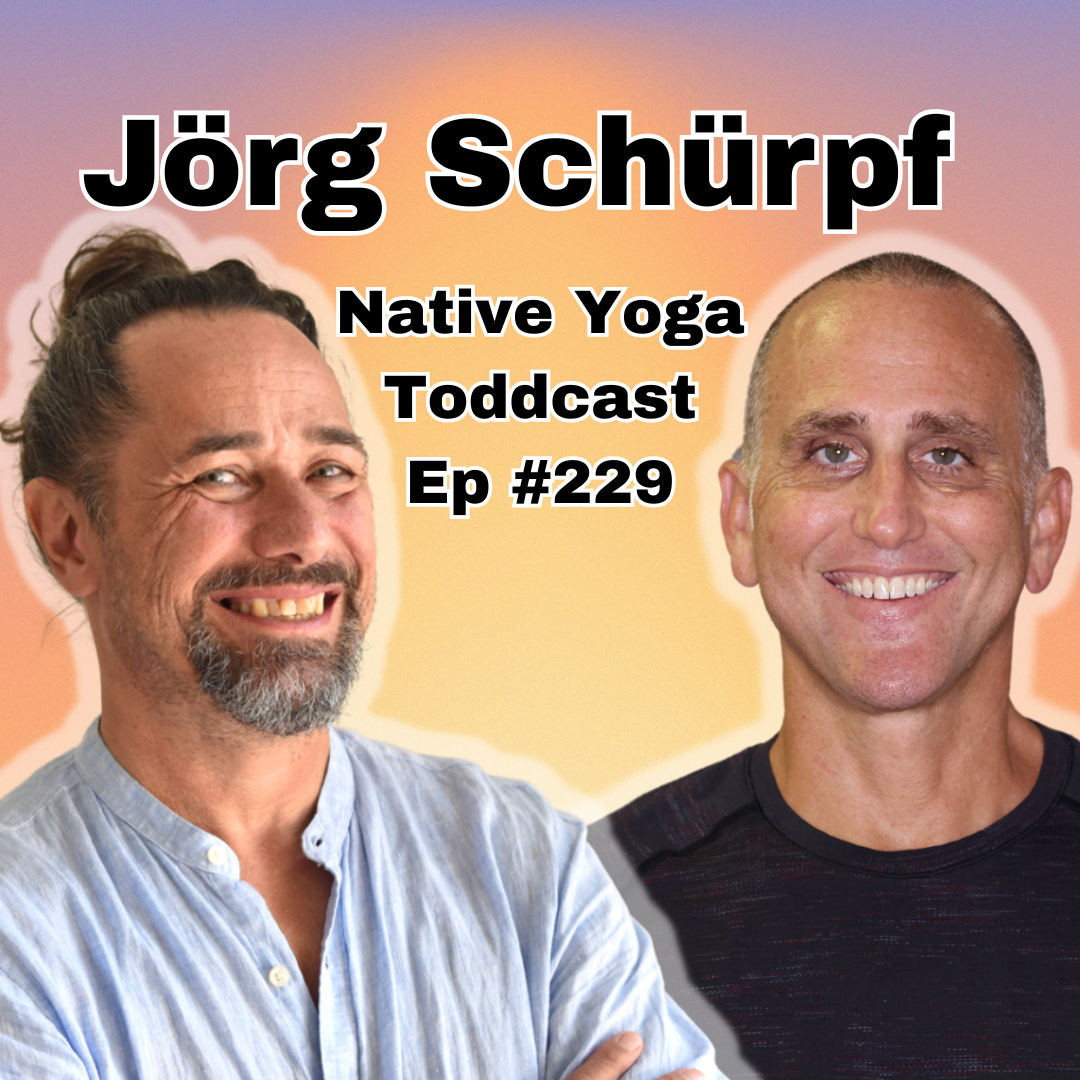
Jörg Schürpf ~ Listening to the Body: Mastering Presence and Intention in Healing

Listen to Toddcast with Jörg for FREE Here

Jörg Schürpf is a distinguished therapist with extensive expertise in both Thai massage and osteopathy. He possesses a unique blend of knowledge as both a Thai massage practitioner and an osteopath, which he integrates into his teaching and practice. He co-authored the book “OsteoThai, The Poetry of Touch: When Thai Massage Meets Osteopathy” with David Lutt, reflecting his passion and authority in manual therapies. Currently based in Switzerland, Jörg is a prominent figure in the world of bodywork, known for his holistic approach that emphasizes presence, attention, and intention in therapeutic practices.

Visit Jörg here: https://www.joergschuerpf.ch/en/

Order a copy of the book: https://lulyani.com/en/boook/

Key Takeaways:

  • Fusion of Disciplines: Jörg Schürpf has merged Thai massage and osteopathy into “osteo Thai,” a unique practice that balances Eastern movement with Western anatomical understanding.
  • Educational Insights: European osteopathy differs from American practices, often requiring a background in medical or therapeutic professions, though a unique path is available for those passionate about healing.
  • Concept of Fulcrum: Understanding fulcrums in bodywork can drastically enhance the effectiveness of touch therapies, allowing for precise and safe manipulations.

Osteothai: Bridging Health with the Poetry of Touch

Introduction

In a world increasingly obsessed with quick fixes and instant gratification, the timeless arts of healing and holistic health invite us to slow down, listen deeply, and transform from within. The conversation between Todd and osteopath Jörg Schürpf offers an insightful exploration into the fascinating intersection of osteopathy and Thai massage, which is vividly captured in their collaborative work, “Osteothai: The Poetry of Touch.” Through their dialogue, we delve into the multifaceted dimensions of this healing modality, driven by the elements of presence, attention, and intention.

The Transformative Power of Touch

Touch, as described by Jörg Schürpf, transcends mere physical contact. It’s a sacred dance that merges the practitioner’s presence, attention, and intention with the receiver’s body to awaken inherent self-regulating capabilities. Jörg poetically states, “[Health] is already present within the human being, and it’s up to us to find a way so that health can express itself more freely.” This philosophy aligns with Andrew Taylor Still, the founding father of osteopathy, who advocated for the body’s natural healing prowess through guided touch and anatomical understanding.

Todd nods to this wisdom, referencing the deep connection he finds in practices that emphasize intention, embodying everything from martial arts to bodywork therapies. Jörg further clarifies, “We need to start with that presence to ourselves and the connection to the sky and to the earth,” underscoring the inseparable link between healer, recipient, and universal energies.

Integrating Osteopathy and Thai Massage

The fusion of osteopathy and Thai massage—termed “Osteothai”—represents a unique blend of Western and Eastern healing traditions. Jörg recounts his journey, beginning with a deep dive into shiatsu, eventually pulling the threads of his extensive osteopathic training into the vibrant tapestry of Thai massage.

While both methodologies are distinct, the combination breathes new life into traditional Thai techniques with an anatomical precision drawn from osteopathy. Jörg articulates, “Osteopathy can bring something very precious to Thai massage,” illustrating how understanding the body’s mechanics—such as the facet joints in the spine—can inform a safer, more effective practice. This approach respects the traditional wisdom of Thai massage while enhancing it with modern, evidence-based medical insights, creating a holistic practice that honors both lineages.

Fulcrum: The Pivot of Healing

The concept of the fulcrum emerges as a vital point in understanding the body’s dynamics during both diagnosis and treatment. Jörg eloquently describes it as a “three-dimensional space that is suspended and can shift automatically,” a sort of dimensional dance where movement originates and returns. This notion not only stabilizes and grounds practice but offers insight into effective therapeutic interventions.

Jörg explains the practical application, “When that happens, usually the person will feel, ‘Oh yeah, this feels good!’…reconnecting the fixation to the original ability of being a fulcrum.” Grasping this concept allows for a refined approach where each joint movement is navigated, respecting the body’s organic mechanics. Implementing the fulcrum in treatment underscores the sophisticated understanding practitioners develop through Osteotai, enabling them to restore balance and facilitate healing effectively.

Learning to Listen

As the dialogue gently unfolds, resonating with wisdom and shared insights, we are reminded of the untapped potential that resides within a conscious practice—one that starts with listening deeply. Jörg’s final reflections emphasize this powerful act, encouraging practitioners not just to employ their techniques, but to genuinely “land, merge, and listen.” Through this process, not only do practitioners fine-tune their craft, but they also engage in an ongoing dialogue with the body’s innate healing capabilities.

Touch, when refined through presence, attention, and intention, becomes a transformative journey for both the healer and recipient. As such, Osteothai stands as a testament that bridges traditional worlds with contemporary understanding, inviting practitioners into a dance that is as much about discovery as it is about mastery.

Thanks for listening to this episode. Check out: 👇
8IN8 Ashtanga Yoga for Beginners Course Online– Learn 8 Limb Yoga in 8 Days – Get FREE coupon code for a limited time only (Regular price $88) https://info.nativeyogacenter.com/8in8-ashtanga-yoga-for-beginners-8-limbs-in-8-days

Practice with Native Yoga Online – New classes EVERY day – Use Code FIRSTMONTHFREE https://nativeyogacenter.teachable.com/p/today-s-community-class

Subscribe to Native Yoga Center and view this podcast on Youtube.

Thank you Bryce Allyn for the show tunes. Check out Bryce’s website: bryceallynband.comand sign up on his newsletter to stay in touch. Listen here to his original music from his bands Boxelder, B-Liminal and Bryce Allyn Band on Spotify.

Please email special requests and feedback to info@nativeyogacenter.com

https://info.nativeyogacenter.com/8in8-ashtanga-yoga-for-beginners-8-limbs-in-8-days/

Support the show

Native Yoga website: here
YouTube: here
Instagram: @nativeyoga 
Twitter: @nativeyoga 
Facebook: @nativeyogacenter 
LinkedIn: Todd McLaughlin

Ambra Vallo ~ The Dance of Discipline, Yoga, and Spiritual Growth

Listen to Toddcast with Ambra for FREE here

Ambra Vallo is a renowned yoga instructor with a rich background as a former professional ballet dancer. She hails from an illustrious career in dance, having been part of prestigious ballet companies such as the Royal Ballet of Flanders and has extensive experience teaching yoga, holding certifications in multiple disciplines including Dharma Yoga, Rocket Yoga, and Forrest Yoga. Ambra has also worked with high-performance athletes, sharing her knowledge at football clubs like Aston Villa and Manchester City. Today, she leads a more peaceful life in the countryside of Buckinghamshire, UK, where she continues to teach and inspire through one-on-one sessions and workshops.

Visit Ambra on her website: https://www.ambrasana.com/

Key Takeaways:

  • Ambra’s journey from ballet to yoga teaches the importance of listening to the body and valuing personal growth over physical achievements.
  • The stress of professional ballet instilled a high level of discipline in Ambra, which she beautifully translates into her yoga teachings.
  • Yoga is a practice of presence and self-exploration beyond physical poses, and it can facilitate profound spiritual and personal growth.
  • Ambra shares the benefits of integrating yoga with athletic training, highlighting the mental and physical enrichment it provides athletes.
  • Her teachings reflect a combination of discipline from ballet and adaptability from yoga, promoting a holistic approach to life and practice.

The Journey from Ballet to Yoga: Insights from Ambra Vallo

Transitioning from a globally recognized ballerina to a revered yoga teacher, Ambra Vallo’s journey highlights the profound intersections between the art of ballet and the philosophy of yoga. With over three decades of diverse experience, Ambra exemplifies how movement and meditation intertwine to forge a path toward self-realization and holistic health. In a candid podcast interview, she explored the disciplines that shaped her life and offered insights into how others can embark on their own transformative journeys.

Bridging Ballet and Yoga for Holistic Health

The journey from being a professional ballet dancer to an esteemed yoga instructor is one marked by immense dedication and perseverance. As Ambra shares, her initial encounter with yoga occurred at the age of twelve, guided by one of her ballet teachers. “It was very, very hard on the body,” she recounts, referring to the intensive demands of professional dancing. Yet, yoga provided her the tools to reconnect with herself and find a “better version” of herself.

Integration of Physicality and Philosophy: Yoga became the balm that healed her battle-scarred body from years of ballet’s demands. Ambra emphasizes the importance of yoga’s holistic philosophy which incorporates not just physical movements but breathing and meditation, enabling her to achieve a calmer state of mind that enhanced her performance on stage. “The different part of the yoga really helped me out to feel comfortable,” she adds, spotlighting yoga’s capacity to align physical vigor with mental clarity.

Implications for Aspiring Practitioners: Those who seek to harmonize their physical and mental faculties can benefit greatly from the synergy of structured physical practices like ballet with the mindful introspection encouraged by yoga. This approach not only addresses physical ailments but also cultivates an inner peace essential for personal growth.

Unpacking the Mind-Body Connection

Ambra’s experiences reveal a poignant lesson about listening to one’s body—a skill that dancers must hone despite traditionally pushing through pain. However, her practice of yoga instilled a more mindful approach to bodily awareness. “It’s normal. A lot of people start from a very physical practice and then with time, they discover all the different aspects of yoga,” Ambra reflects on the common initial misunderstanding that yoga is purely physical.

Mindfulness in Motion: The freedom found in yoga practice came as a revelation to her, countering the ballet mindset that often prioritized aesthetics over self-care. Ambra cautions against the pitfalls of not listening to the body, recounting how pushing through pain was previously seen as part of the discipline but now serves as a warning against ignoring our own limits.

Transformative Realizations: For practitioners, the message is clear: listen to your body, allow your mind time to catch up, and maintain a practice that respects both physical form and mental function. Embracing this dual focus can lead to enhanced performance and deeper personal satisfaction.

Learning from Diverse Yoga Traditions

Ambra’s story underscores the value of a ceremonial gathering of teachings from various yoga lineages, rejecting the notion of a solitary guru. “I think it’s very important to be open to try everything,” she notes, advocating for a more eclectic approach to yoga. This philosophy of absorbing diverse teachings allowed her to develop a rich, personalized practice that resonates strongly with her students.

Diverse Instructive Experiences: Drawing from legends like Dharma Mitra and Larry Schultz, and her collaboration with Anna Forrest, Ambra believes in the vitality of integrating different teachings. “You all came from the same training, but we all teach so, so differently,” she observes, articulating how distinct pathways open up through varied teachings.

Navigating a Pluralistic Landscape: For yoga practitioners and aspirants, seeking knowledge from various traditions can uncover new dimensions of understanding and skill. Different teachings act as complementary colors upon the canvas of one’s yoga journey, fostering growth that is well-rounded and profoundly impactful.

In reflecting upon Ambra Vallo’s conversation, it becomes evident that her journey encapsulates more than a mere transition between disciplines. It’s an exploration into the synergy of mind, body, and spirit—one that offers practitioners a template for navigating their individual paths with awareness, openness, and humility. Ambra’s journey invites us to view our practices, be it yoga or any other discipline, not merely as external achievements but as profound internal evolutions that inspire a more integrated and fulfilling existence. By cherishing diverse wisdom and listening to the language of the body, we can unlock the latent potential within, embodying our truest selves in the world.

Thanks for listening to this episode. Check out: 👇
8IN8 Ashtanga Yoga for Beginners Course Online– Learn 8 Limb Yoga in 8 Days – Get FREE coupon code for a limited time only (Regular price $88) https://info.nativeyogacenter.com/8in8-ashtanga-yoga-for-beginners-8-limbs-in-8-days/

Practice with Native Yoga Online – New classes EVERY day – Use Code FIRSTMONTHFREE https://nativeyogacenter.teachable.com/p/today-s-community-class

Subscribe to Native Yoga Center and view this podcast on Youtube.

Thank you Bryce Allyn for the show tunes. Check out Bryce’s website: bryceallynband.comand sign up on his newsletter to stay in touch. Listen here to his original music from his bands Boxelder, B-Liminal and Bryce Allyn Band on Spotify.

Please email special requests and feedback to info@nativeyogacenter.com

https://info.nativeyogacenter.com/8in8-ashtanga-yoga-for-beginners-8-limbs-in-8-days/

Support the show

Native Yoga website: here
YouTube: here
Instagram: @nativeyoga 
Twitter: @nativeyoga 
Facebook: @nativeyogacenter 
LinkedIn: Todd McLaughlin
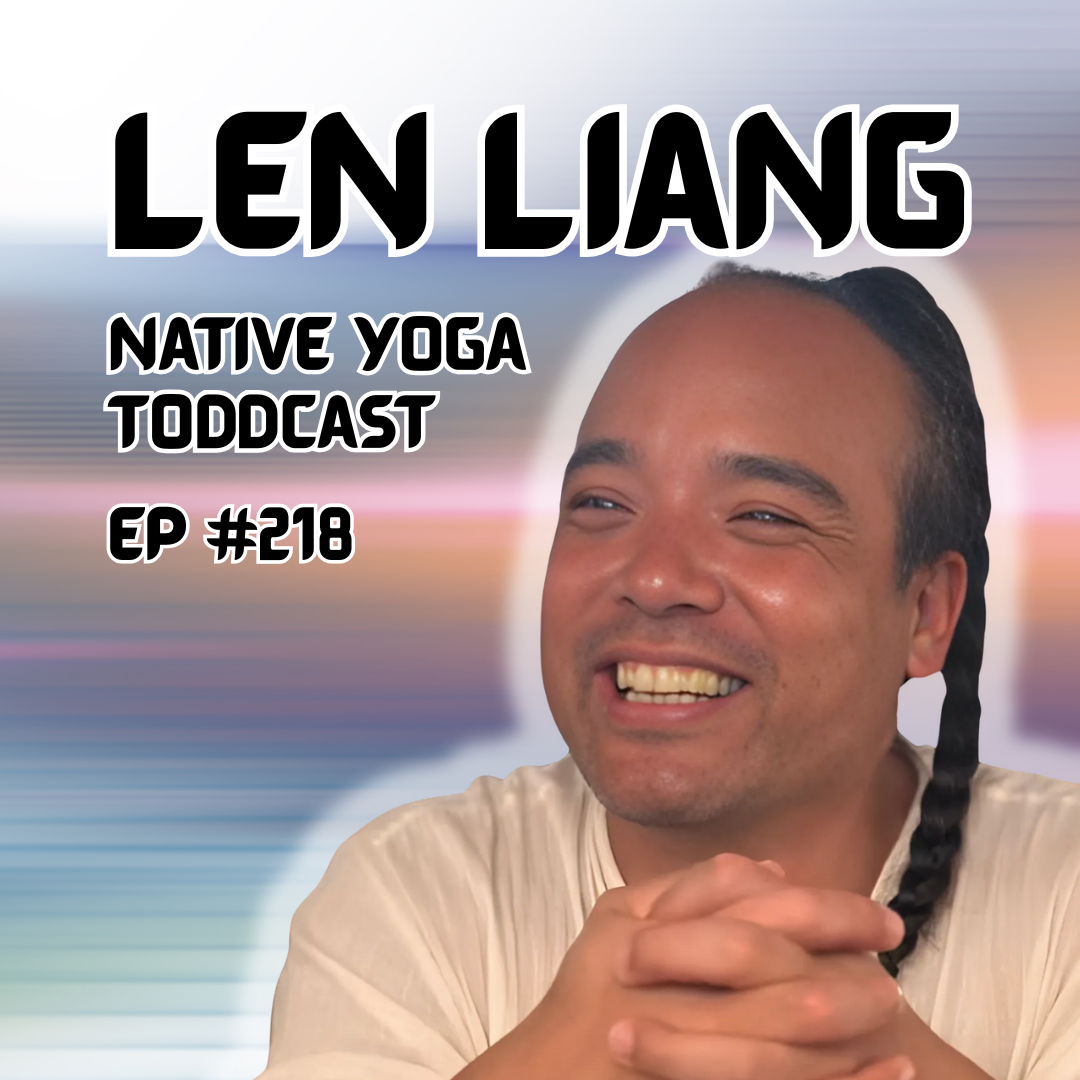
Len Liang ~ East Meets West: The Fusion of Thai and Western Massage Cultures

Listen to Toddcast with Len for FREE here

Len Liang is a distinguished Thai massage practitioner based in Canada. With a background in hospitality and music, Len transitioned into the world of massage therapy around three years ago, studying with the ITM (International Training Massage) school and quickly establishing himself as a prominent figure in the field. His journey includes competing in various international massage competitions, where he has been recognized for his innovative approach and dedication to the craft. Len brings a unique blend of creativity and tradition to his practice, emphasizing the importance of vibrations and energy in therapeutic settings.

Follow Len here: https://www.instagram.com/waikru.massage/

Key Takeaways:

  • Diverse Influence: Len Liang’s transition from hospitality and music into massage therapy illustrates a multidisciplinary approach, enriching his current practice.
  • International Competition Role: Engaging in global massage competitions fosters community and innovation within the therapeutic field, allowing practitioners to learn and grow beyond borders.
  • Cultural Interpretations: Thai massage adapts uniquely across different cultures, integrating local customs and practices, as highlighted by Len’s experiences in Japan and Thailand.
  • Energy and Creativity in Massage: Len emphasizes the vital role of energy, vibrations, and creativity in massage therapy, encouraging adaptability and personalization in practice.

The Global Stage: How Competitions Elevate Thai Massage

Thai massage has evolved far beyond its roots, thanks to a new wave of international competitions. As seen in the conversation with Len Liang, a passionate Thai massage practitioner, these competitions serve as a melting pot for both tradition and innovation.

In an era where massage is being recognized in competitive spaces, practitioners are challenged to expand their horizons. Len shares, “Going with the mentality that you must win… allows for more learning than just aimless participation.” This insight reveals that the competitive environment drives creativity in technique, allowing for new styles and approaches to flourish. The process cultivates an environment where adaptability is king, allowing practitioners, like Len, to modify techniques based on client needs or competitive standards.

The underlying essence of creativity is underscored in Liang’s story about a participant using an oar during a massage. Such innovations wouldn’t thrive in a closed ecosystem. Instead, they require a global stage where ideas can cross-pollinate, making Thai massage not only an art but a continuously evolving practice.

Building Community through International Gatherings

Beyond the techniques and trophies, Thai massage competitions represent a vibrant tapestry of community. As Len notes, the most significant gain from these global gatherings is “building community of people, meeting others from all over the world, getting to see different styles.” This is not just a cultural exchange; it is a blend of philosophies, where practitioners learn not only varying techniques but also the cultural contexts that shape them.

While participating in a Japanese competition, Len was particularly moved by one competitor, describing her work as reminiscent of “a blossom falling off a tree,” a testament to the profound cultural intersection shaping these encounters. Competitions become venues where cultural nuances manifest in approaches to healing, enriching the practice with diverse perspectives.

Key moments emerge not just from the massage floor but from the conversations and friendships forged between sessions. Len’s experience embodies this: “When we have a worldwide community of something, politics and borders are erased,” emphasizing the unifying power of shared passion. This theme highlights the broader importance of massage competitions as convergence points where common purpose outweighs differences.

The Spiritual Undertones in the Practice of Thai Massage

The dialogue further delves into the spiritual dimensions of Thai massage, challenging the notion that it is purely a physical art. Len shares an anecdote from his teaching experience where students unanimously cited spirituality as their reason for learning Thai massage—a reminder that many practitioners seek holistic growth through this work.

This spiritual aspect raises intriguing questions about how Thai massage is taught and practiced. Len expresses that the essence of teaching isn’t merely technical execution but helping students connect deeply with the practice, fostering an environment for personal grounding and enlightenment. By doing so, teachers can cater to the ever-evolving needs of both novices and seasoned practitioners drawn to the spiritual enrichment Thai massage offers.

Reflecting on Len’s experiences, it’s clear that Thai massage competitions are much more than a showcase of skills; they are a vibrant ecosystem that nurtures innovation, builds global communities, and honors its spiritual heritage. It reminds us that the evolution of this practice lies not just in mastering techniques but in blending creativity, community, and spirituality into a rich tapestry that can heal and transform both practitioner and client alike. Exploring this global journey, from the bustling competitions in Japan to the sacred traditions of Thailand, underscores an essential truth: the art of Thai massage is a living, breathing entity, forever destined to grow and evolve.

Thanks for listening to this episode. Check out: 👇
8IN8 Ashtanga Yoga for Beginners Course Online– Learn 8 Limb Yoga in 8 Days – Get FREE coupon code for a limited time only (Regular price $88) https://info.nativeyogacenter.com/8in8-ashtanga-yoga-for-beginners-8-limbs-in-8-days/

Practice with Native Yoga Online – New classes EVERY day – Use Code FIRSTMONTHFREE https://nativeyogacenter.teachable.com/p/today-s-community-class

Subscribe to Native Yoga Center and view this podcast on Youtube.

Thank you Bryce Allyn for the show tunes. Check out Bryce’s website: bryceallynband.comand sign up on his newsletter to stay in touch. Listen here to his original music from his bands Boxelder, B-Liminal and Bryce Allyn Band on Spotify.

Please email special requests and feedback to info@nativeyogacenter.com

https://info.nativeyogacenter.com/8in8-ashtanga-yoga-for-beginners-8-limbs-in-8-days/

Support the show

Native Yoga website: here
YouTube: here
Instagram: @nativeyoga 
Twitter: @nativeyoga 
Facebook: @nativeyogacenter 
LinkedIn: Todd McLaughlin
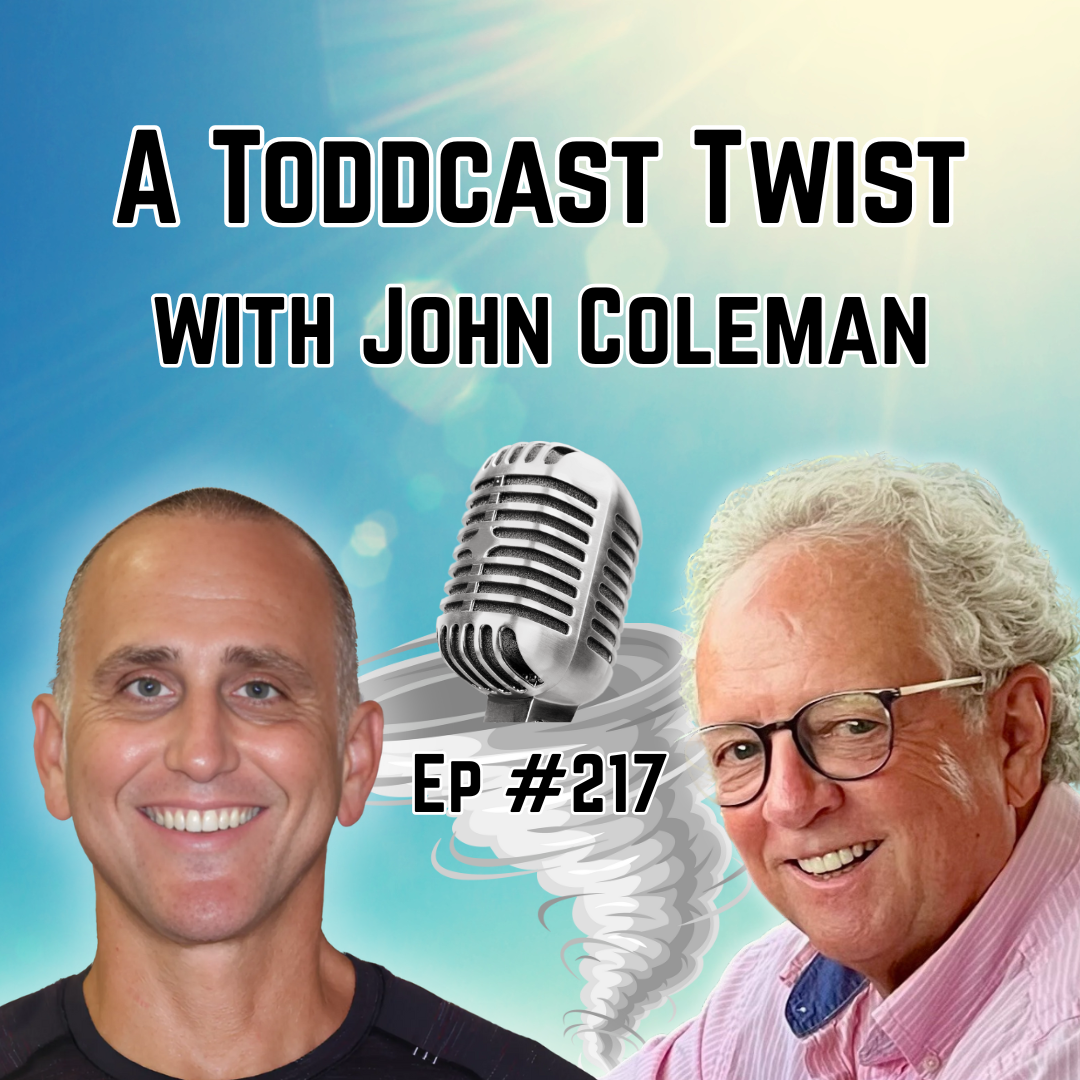
A Toddcast Twist: John Coleman Interviews Todd

Listen to Toddcast for FREE Here

In this captivating episode of the Native Yoga Toddcast, host Todd McLaughlin takes a seat on the other side of the microphone as longtime student and avid listener, John Coleman, delves deep into Todd’s personal journey. From a life-altering experience at the age of 14 to becoming an influential yoga teacher with a studio in Florida, Todd’s story is a compelling exploration of resilience, purpose, and seeking one’s path. The episode sets the scene with the harrowing tale of Todd’s near-death experience, profoundly impacting his life and propelling him onto a spiritual quest that traversed continents.

Follow John on IG: https://www.instagram.com/jcoleman52/?hl=en

Key Takeaways:

  • Todd McLaughlin’s journey into yoga began with a formative near-death experience, which inspired him to explore spiritual awakening and holistic practices.
  • His global travels, including time in Australia, Thailand, and Africa, enriched his understanding of diverse cultures and personal growth.
  • Yoga and meditation were pivotal in Todd’s journey, providing him with a solid foundation both personally and professionally as he evolved into a yoga teacher and body worker.
  • Todd emphasizes resilience and inner guidance, encouraging individuals to look within for personal truth and not rely solely on external influences.
  • Collaboration with his partner Tamara has greatly influenced both his personal life and professional success, culminating in the establishment and growth of Native Yoga Center.

Exploring Personal Transformation Through Yoga

Key Takeaways:

  • Transformative Life Experiences: Todd McLaughlin’s near-death experience and global travels shaped his journey towards spiritual awakening and professional fulfillment in yoga and massage therapy.
  • Yoga as a Lifelong Path: The practice of yoga served as a constant guide, grounding Todd through personal challenges and as he navigated transformative global experiences.
  • Embracing Spiritual Seeking: A deep thirst for spiritual knowledge and self-discovery propelled Todd McLaughlin’s ventures into diverse cultural and philosophical realms.

Near-Death Experience as a Catalyst for Transformation

Todd McLaughlin’s life-defining moment came early, at just 14 years old, when he experienced a near-death accident. His recounting: “I landed flat on my back in about 1 inch of water right in between these roots that were sticking up like stalactite, stalagmite looking roots coming up out of the sand,” highlights how a traumatic experience became a profound turning point. This accident ushered in not just a physical recovery but a spiritual awakening. The harrowing fall forced Todd into a deep introspection, acting as a wake-up call that initiated his lifelong journey of self-discovery and spiritual seeking.

This formative event did not end Todd’s reckless curiosities. Instead, it informed them, as he revisited the incident’s impact, sharing, “It knocked the crap out of me, but it also knocked some sense into me.” The near-death experience seemed to imbue Todd with a renewed sense of purpose. It also laid the foundation for his future explorations into yoga and healing practices, as he sought to reconcile his physical body’s vulnerability with his unyielding spirit. The broader implication here is profound; life’s unpredictable events can transcend mere survival and inspire paths towards personal growth and enlightenment.

The Role of Global Exploration in Spiritual Growth

Travel became a fundamental aspect of Todd’s transformation, reflecting his relentless quest for understanding beyond his immediate environment. His adventures encompassed various continents and cultures, each offering unique lessons and insights. Todd recounts, “I traveled really far and wide, but I took the harder route, in my opinion, to get to where I am now.” This acknowledgment of the road less traveled underscores the importance of embracing unfamiliar challenges to gain deeper worldly perspectives.

Todd’s backpacking sojourns across Australia, Thailand, and Africa were fueled by a desire to immerse himself in diverse spiritual communities and holistic traditions. His time on organic farms and in forestry reinforced the connection between physical labor and mindfulness — embracing strenuous endeavors for grounding oneself. This aspect of his experiences speaks to the broader potential impact: engaging with the world’s varied environments can serve as a compelling canvas for personal transformation and the pursuit of spiritual truth.

In reflecting on his global encounters, Todd’s narrations reflected gratitude and reverence for the cultures he engaged with — be it the Rastafarian vibes from Barbados or the oracles of African wisdom — these connections richly textured his spiritual ethos, which he now channels into his yoga practice and teaching philosophy.

Yoga’s Integrative Impact

Yoga formed a consistent thread throughout Todd’s life journey, providing both stability and challenge. His initial introduction to yoga through diverse spiritual practices evolved into a profound commitment to teaching and learning. Here Todd’s reflections on yoga showcase its multifaceted appeal: “I liked the physicality and the challenge of the asana…but the mental determination required to get through every class.”

The yoga community’s eclectic mix in Thailand and his direct studies under Ashtanga yoga luminary Patabi Jois had a lasting influence. These experiences cemented Todd’s conviction that yoga was more than a physical exercise; it was an integrative practice for life. He credits its philosophies with steering him through periods of depression, identity searching, and ultimately to founding a thriving yoga community back home.

Todd’s dedication and continuous practice underlines the essence of yoga not as a destination but as a lifelong journey of mindfulness and awakening. “It just grows…and…it’ll take you to the highest of the high,” Todd says, capturing the limitless capacity of yoga to deepen personal insight and cultivate inner peace. This insight also underscores a greater societal benefit — offering a pathway toward collective healing and enlightenment.

Todd McLaughlin’s journey bears testimony to how a singular moment of life-threatening impact can evolve into a robust spiritual pilgrimage, with yoga guiding his life’s voyage. His anecdotal lessons gifted to students worldwide enrich the universality of yoga, proving that both personal and communal transformation is achievable irrespective of one’s circumstances. As Todd affirms, the potential for renewal and enlightenment lies within, ready to be harnessed through mindful practice and courageous exploration.

Thanks for listening to this episode. Check out: 👇
8IN8 Ashtanga Yoga for Beginners Course Online– Learn 8 Limb Yoga in 8 Days – Get FREE coupon code for a limited time only (Regular price $88) https://info.nativeyogacenter.com/8in8-ashtanga-yoga-for-beginners-8-limbs-in-8-days/

Practice with Native Yoga Online – New classes EVERY day – Use Code FIRSTMONTHFREE https://nativeyogacenter.teachable.com/p/today-s-community-class

Subscribe to Native Yoga Center and view this podcast on Youtube.

Thank you Bryce Allyn for the show tunes. Check out Bryce’s website: bryceallynband.comand sign up on his newsletter to stay in touch. Listen here to his original music from his bands Boxelder, B-Liminal and Bryce Allyn Band on Spotify.

Please email special requests and feedback to info@nativeyogacenter.com

https://info.nativeyogacenter.com/8in8-ashtanga-yoga-for-beginners-8-limbs-in-8-days/

Support the show

Native Yoga website: here
YouTube: here
Instagram: @nativeyoga 
Twitter: @nativeyoga 
Facebook: @nativeyogacenter 
LinkedIn: Todd McLaughlin

Mark Kan ~ Creating New Traditions: Yoga for Maturity and Inner Peace

Listen to Toddcast with Mark for FREE here

Mark Kan is an accomplished yoga teacher and former graphic designer known for his unique approach to yoga instruction. Originally from Liverpool, UK, he studied fine art before transitioning into a successful career in graphic design. Mark discovered yoga in London and has since become a significant figure in the yoga community, with a particular connection to Dharma Mitra’s teachings. He authored “The Yoga Tutor,” a comprehensive yoga training manual available in several languages. Mark currently resides in Milan, Italy, where he continues to teach yoga, blending his artistic instincts with his spiritual practice.

Follow Mark on IG: @markkanyoga

Key Takeaways:

  • Mark’s transition from art and graphic design to yoga teaching highlights the creative parallels between art and yoga.
  • The influence of spiritual mentor Dharma Mitra in shaping Mark’s approach to life and yoga practice.
  • The evolution and sustainability of a yoga practice as one matures, emphasizing mindfulness and gratitude.
  • Mark’s development of a new platform tailored for older adults, encouraging yoga accessibility beyond physical limitations.
  • The deep spiritual elements within the yoga practice and the interplay between science, spirituality, and consciousness.

Art and Yoga: A Journey of Self-Expression

Mark Kan’s journey from graphic design to becoming a yoga practitioner underscores the compelling intersection between creativity and spirituality. His background in the arts has profoundly influenced his approach to yoga, allowing him to integrate personal expression into his practice and teaching. As Mark states, “Yoga gave me the opportunity to find another way of expressing myself in a creative way with sequencing.”

Through his unique perspective, Mark brings a sense of artistry to the mat, drawing parallels between the precision of yoga poses and the aesthetics of art. His passion for designing graphics and creating animations from yoga poses exemplifies this fusion of disciplines. “Yoga poses have a very strong aesthetic side to them,” Mark explains, which reflects his deep understanding of both art and yoga as transformative practices.

This creative approach extends beyond personal practice, impacting his teaching style and making yoga accessible to diverse students. By blending artistic expression with spiritual exploration, Mark redefines how yoga can be experienced, offering a path where the artistic and the spiritual converge seamlessly.

Embracing Gratitude and Presence in Yoga Practice

Through Mark’s teachings, the importance of gratitude and presence emerges as a central theme in cultivating a meaningful yoga practice. Throughout the transcript, Mark emphasizes the need to appreciate each moment on the mat, reminding practitioners that “we get lost so many times when we’re practicing.” His approach encourages staying grounded in the present, turning asana practice into a form of meditation itself.

Mark’s reflections on his personal journey remind us to cherish the physical ability to practice yoga, regardless of the pose’s complexity. As he poignantly shares, “Be thankful that you’re able to do this instead of just getting through it.” This mindset not only enhances the physical benefits of yoga but deepens one’s spiritual and emotional connection to the practice.

By prioritizing mindfulness and gratitude, yoga transcends physical exercise, offering practitioners an opportunity to explore their consciousness and spirituality deeply. This philosophy aligns with ancient yogic teachings, illustrating that the union of mind, body, and spirit is best achieved through mindful presence.

Expanding Yoga’s Reach to Older Demographics

Mark’s endeavor to launch a website aimed at older practitioners marks a significant step towards inclusivity in yoga teaching. Recognizing that yoga can sometimes feel exclusive due to its challenging poses and youthful imagery, he is set on creating a space where older individuals can feel empowered to begin or continue their yoga journey. “I don’t want them to be forgotten,” Mark asserts, emphasizing his commitment to offering a welcoming and supportive environment.

His initiative ties into a broader conversation about accessibility in yoga, inviting practitioners of all ages to explore the benefits of yoga beyond mere physicality. By focusing on holistic practices such as pranayama and meditation, Mark’s platform seeks to enrich the lives of those who may not align with the mainstream yoga audience.

This project not only highlights the versatility and adaptability of yoga but also underscores its potential to meet diverse needs, ultimately fostering a more inclusive yoga community. Through this endeavor, Mark aims to inspire individuals to embrace yoga regardless of age, proving that its benefits are truly timeless.

Mark Kan’s journey from art to yoga embodies the interconnectedness of creativity, spirituality, and community. His unique approach to teaching—blending artistic expression with spiritual wisdom—demonstrates how yoga can be a profound tool for personal transformation. His story reminds us that yoga is not about achieving perfect poses but cherishing the present moment and being grateful for the journey, irrespective of age or ability.

In an age where yoga often highlights physical prowess, Mark’s emphasis on serving an older demographic is both timely and necessary. By creating a space for mature practitioners, he is expanding the scope of yoga, making it a practice accessible to all. This shift towards inclusivity aligns with the fundamental yogic principle of unity, inviting everyone to partake in the journey of self-discovery and introspection.

Mark’s reflections offer profound insights for teachers and students alike. His call for gratitude and presence on the mat encourages a more holistic practice, deepening our connection to ourselves and each other. Through his teachings, Mark Kan exemplifies how art, yoga, and spirituality can merge to create a transformative path towards fulfillment and self-awareness.

Thanks for listening to this episode. Check out: 👇
8IN8 Ashtanga Yoga for Beginners Course Online– Learn 8 Limb Yoga in 8 Days – Get FREE coupon code for a limited time only (Regular price $88) https://info.nativeyogacenter.com/8in8-ashtanga-yoga-for-beginners-8-limbs-in-8-days/

Practice with Native Yoga Online – New classes EVERY day – Use Code FIRSTMONTHFREE https://nativeyogacenter.teachable.com/p/today-s-community-class

Subscribe to Native Yoga Center and view this podcast on Youtube.

Thank you Bryce Allyn for the show tunes. Check out Bryce’s website: bryceallynband.comand sign up on his newsletter to stay in touch. Listen here to his original music from his bands Boxelder, B-Liminal and Bryce Allyn Band on Spotify.

Please email special requests and feedback to info@nativeyogacenter.com

https://info.nativeyogacenter.com/8in8-ashtanga-yoga-for-beginners-8-limbs-in-8-days/

Support the show

Native Yoga website: here
YouTube: here
Instagram: @nativeyoga 
Twitter: @nativeyoga 
Facebook: @nativeyogacenter 
LinkedIn: Todd McLaughlin

Rianna Banana ~ Secrets of Thai Massage: From Ancient Healing to Modern Practice

Listen to Toddcast with Rianna for FREE HERE

Rianna Banana is a seasoned practitioner and trainer in the realms of Thai massage, yoga, and holistic retreats. With a foundational background in hotel management, Rianna transitioned her career towards yoga and bodywork, obtaining her yoga teacher certification in Rishikesh in 2019. She has further specialized in Thai massage, having studied at ITM in Chiang Mai where she completed advanced courses and teacher training. Currently, she operates out of a retreat center in Portugal, where she leads yoga classes, offers Thai massage sessions, and co-hosts holistic retreats throughout the year.

Visit Rianna here: https://www.riannabanana.com/

Key Takeaways:

  • Rianna’s exploration of Thai massage began with an impactful first experience in Bangkok, which led her to study extensively at the ITM school in Chiang Mai.
  • She emphasizes the importance of consistency and simplicity in massage, shared with love, as witnessed during her studies at ITM.
  • Rianna’s weaves perspectives on vinyasa flow, meditation, and the mental health benefits of integrating yoga retreats into your journey of self-care and self-love.

Rediscovering Thai Massage: Unveiling the Ancient Art of Healing

  • The traditional Thai massage is deeply influenced by both Ayurveda and Chinese traditional medicine, emphasizing a holistic approach to healing.
  • ITM (International Training Massage) School in Chiang Mai provides a rich blend of traditional teachings with modern insights, offering an immersive experience.
  • Thai massage is recognized by UNESCO as an Intangible Cultural Heritage, underscoring its significance and respectful practice.

The Ancient Roots and Influence of Thai Massage

In the conversation between Rianna Banana and Todd, the profound influence of both Ayurveda from India and Chinese traditional medicine on Thai massage is evident. These complementary systems form the core of Thai traditional medicine, intertwining energy lines, known as sen, with elements from its neighboring cultures. “The knowledge comes from a combination of Chinese traditional medicine…and also the other big brother country that’s next to Thailand, India, Ayurveda,” notes Rianna.

This harmonious blend is not only about physical healing but also about aligning the body with its natural elements – earth, water, fire, and air. Todd reminisces about his first encounters with Thai massages in Bangkok and Chiang Mai, appreciating the “stretching and movements that felt like a reset”. This holistic approach is what differentiates Thai massage, offering an experience that transcends the usual spa-like indulgence, setting it apart as a therapeutic art form.

The implications of this are vast. Thai massage, as underscored in Rianna’s experience, is not merely a series of physical techniques but a pathway to balancing the body’s energies. This makes it an essential practice in maintaining overall health and wellness, appealing to those seeking a more natural and harmonious life approach.

The Evolution of Thai Massage Education at ITM

The enriching experience at the ITM School vividly highlights its innovative blend of tradition with contemporary insights. Located in Chiang Mai, ITM has gained recognition for teaching Thai massage in English, making it accessible to a global audience. Todd and Rianna’s shared experiences at ITM encapsulate the school’s dedication to preserving traditional techniques while integrating modern elements, such as anatomy understanding.

According to Rianna, ITM is in a state of constant growth and adaptation, with curriculum advancements such as splitting their training into several progressive levels. This structured approach allows practitioners to absorb the depth and breadth of Thai massage without becoming overwhelmed. “What I really learned from them is consistency and simplicity,” says Rianna, acknowledging the school’s commitment to cultivating these qualities in its students.

Training at ITM also encompasses a broader understanding of Thai massage’s role in cultural heritage, equipping students with a respect for its spiritual roots. This educational model nurtures practitioners who appreciate both the therapeutic benefits and the cultural significance of Thai massage, thus encouraging a more holistic practice that respects its origins.

UNESCO Recognition: Thai Massage as Cultural Heritage

The recognition of Thai massage as an Intangible Cultural Heritage by UNESCO signifies its cultural and historical significance. As the conversation reveals, this accolade emphasizes the sacredness and tradition inherent in the practice. “Thai massage is UNESCO Intangible World Heritage,” Rianna mentions, highlighting the global recognition of its value.

UNESCO’s recognition ensures the preservation and continuation of Thai massage as a cultural practice, promoting its authentic form globally. It acts as a safeguard against the potential dilution of its core principles by ensuring practitioners maintain traditional methods. Rianna’s experiences in ITM and her narrative convey the importance of honoring this lineage through dedicated study and practice.

The impact of this is profound, encouraging practitioners worldwide to adopt a respectful and informed approach. It influences not just how Thai massage is practiced but also how it is perceived globally, promoting an understanding that extends beyond mere physical benefits to a deeper appreciation of cultural heritage.

In reflecting on conversation insights, the enduring appeal of Thai massage lies in its foundational principles and historical depth. From its rich educational traditions at ITM to its recognition by UNESCO, Thai massage continues to capture interest worldwide. It provides an invaluable lesson in the importance of preserving cultural heritage while embracing modern developments, ensuring its practice retains authenticity and respect.

This dynamic evolution invites practitioners to immerse themselves fully, appreciating Thai massage not merely as a technique but as an embodiment of history, cultural reverence, and holistic healing, offering a transformative journey for both giver and receiver.

Thanks for listening to this episode. Check out: 👇
8IN8 Ashtanga Yoga for Beginners Course Online– Learn 8 Limb Yoga in 8 Days – Get FREE coupon code for a limited time only (Regular price $88) https://info.nativeyogacenter.com/8in8-ashtanga-yoga-for-beginners-8-limbs-in-8-days/

Practice with Native Yoga Online – New classes EVERY day – Use Code FIRSTMONTHFREE https://nativeyogacenter.teachable.com/p/today-s-community-class

Subscribe to Native Yoga Center and view this podcast on Youtube.

Thank you Bryce Allyn for the show tunes. Check out Bryce’s website: bryceallynband.comand sign up on his newsletter to stay in touch. Listen here to his original music from his bands Boxelder, B-Liminal and Bryce Allyn Band on Spotify.

Please email special requests and feedback to info@nativeyogacenter.com

https://info.nativeyogacenter.com/8in8-ashtanga-yoga-for-beginners-8-limbs-in-8-days/

Support the show

Native Yoga website: here
YouTube: here
Instagram: @nativeyoga 
Twitter: @nativeyoga 
Facebook: @nativeyogacenter 
LinkedIn: Todd McLaughlin

Bianca Oliveira ~ Home, Heart, and Practice: Living the Ashtanga Yoga Journey

Listen to Toddcast with Bianca for FREE Here

Bianca Oliveira is a seasoned Ashtanga yoga instructor originally from Brazil, now residing and teaching in Katowice, Poland. With a rich history of yoga practices extending over multiple international locations, Bianca has dedicated much of her professional life to mastering and teaching Ashtanga yoga. She is an authorized Ashtanga yoga teacher, achieving this distinction under the tutelage of Sharath Jois. Previously, Bianca lived in the United States, where she contributed to the vibrant yoga community and further honed her teaching skills. She is also a dedicated mother and integrates her family life deeply within her yoga practice and teachings.

Visit Bianca on her website https://www.ashtangayogakatowice.com/

Key Takeaways:

  • Bianca Oliveira’s journey from a novice to an authorized Ashtanga yoga teacher illuminates the transformative power of dedicated practice and global exploration.
  • The unexpected passing of Sharath Jois serves as a poignant reminder of life’s impermanence and the importance of maintaining a multifaceted approach to yoga practice that includes philosophical study.
  • Bianca’s story illustrates the importance of support networks within the yoga community, especially during times of collective grief and transition.

The Spiritual Path: Bianca Oliveira’s Yoga Journey

Bianca Oliveira’s journey into yoga began in her teenage years back in Brazil as a remedy for back pain. Encouraged by her grandmother, she attended her first yoga class, not realizing that this would lay the foundation for a lifelong spiritual quest. As Bianca recalls, “I did my first class and I was dying. It was really funny because it was very simple postures, but I felt like so many sensations.”

After a period of youthful distractions, Bianca moved to the United States and found herself yearning for balance and mental peace. Living away from her native country stirred feelings of anxiety and depression, which led her to rediscover yoga in a local studio. This practice eventually grew into a daily ritual and further advanced into a profession when she chose to delve deeper by participating in a Vinyasa training. Her story is a testament to how yoga can serve as more than just physical exercise; it can become a profound spiritual journey that equips individuals with tools for emotional and physical healing over time.

Bianca’s decision to pursue Ashtanga yoga was solidified after watching a documentary on Ashtanga Yoga New York, which captivated her interest due to its discipline and devotion. She describes her fascination, saying, “I remember I got fascinated and having like, a dance background, I was like, oh my gosh, that looks like such a beautiful choreography.” Her eventual participation in workshops with renowned teachers like Sharath Jois solidified her path as an Ashtanga practitioner and later a teacher, showcasing the enduring impact of spiritual discovery leading to a full-circle commitment.

Navigating Change and Loss in the Yoga Community

The sudden passing of Sharath Jois, one of the leading figures of modern Ashtanga yoga, brought a wave of shock and grief across the global yoga community. Bianca recounts the experience, sharing, “He was completely fine, and we were having the classes, and he decided to go to this national park for a hike. So we all went with him. And it just happened there out of the blue.”

For Bianca and her community, this unexpected loss highlighted the concept of impermanence, a fundamental aspect of yoga philosophy. In the face of grief, it showcased the power of community strength and perseverance. Bianca emphasizes that the teachings of Sharath provided a vital lesson in accepting change, stating, “Everything that we’re living is temporary. And if we get attached to this idea of permanence, we just suffer.”

The yoga shala in Mysore, a spiritual home for many Ashtanga practitioners, has transitioned into a community-driven space where certified teachers guide and support each other. This adaptability displays the resilience of the Ashtanga community, proving that the lineage and teachings can persist regardless of singular leadership.

Cultural Roots and Family Dynamics: Balancing Life’s Priorities

Bianca’s life journey is deeply intertwined with her cultural roots and family dynamics. Originating from Brazil, and moving through the United States, she eventually settled in Poland, balancing her personal and professional aspirations. Her marriage to a Polish practitioner she met in India further integrated diverse cultural elements into her life. Bianca’s story exemplifies the challenges and rewards of maintaining one’s spiritual practice alongside familial responsibilities: “My family could also be with me because we had, like, flexible schedule. So we’re all in India together as a family, which make the whole process also much easier.”

Raising a son while traveling and engaging deeply in her yoga practice showcases Bianca’s dedication to not only her spiritual growth but also her role as a mother. Despite the complexities, she expresses a deep commitment to ensuring a safe and nurturing environment for her family, even considering the implications of relocating closer to extended family in Brazil. This balancing act is a profound testament to the broader influences affecting personal and spiritual growth while tending to familial duties.

As Bianca Oliveira continues her journey, the intersection of her personal experiences, spiritual practice, and family life offers a rich tapestry of insights into living a life rooted in yoga philosophy. Her narrative provides a profound reminder of life’s impermanence, the power of community, and the ongoing journey of balancing personal aspirations with family responsibilities. Through her experiences, we learn the importance of embracing the present, remaining steadfast in practice, and cherishing the transient beauty of life as it unfolds.

Thanks for listening to this episode. Check out: 👇
8IN8 Ashtanga Yoga for Beginners Course Online– Learn 8 Limb Yoga in 8 Days – Get FREE coupon code for a limited time only (Regular price $88) https://info.nativeyogacenter.com/8in8-ashtanga-yoga-for-beginners-8-limbs-in-8-days/

Practice with Native Yoga Online – New classes EVERY day – Use Code FIRSTMONTHFREE https://nativeyogacenter.teachable.com/p/today-s-community-class

Subscribe to Native Yoga Center and view this podcast on Youtube.

Thank you Bryce Allyn for the show tunes. Check out Bryce’s website: bryceallynband.comand sign up on his newsletter to stay in touch. Listen here to his original music from his bands Boxelder, B-Liminal and Bryce Allyn Band on Spotify.

Please email special requests and feedback to info@nativeyogacenter.com

https://info.nativeyogacenter.com/8in8-ashtanga-yoga-for-beginners-8-limbs-in-8-days/

Support the show

Native Yoga website: here
YouTube: here
Instagram: @nativeyoga 
Twitter: @nativeyoga 
Facebook: @nativeyogacenter 
LinkedIn: Todd McLaughlin
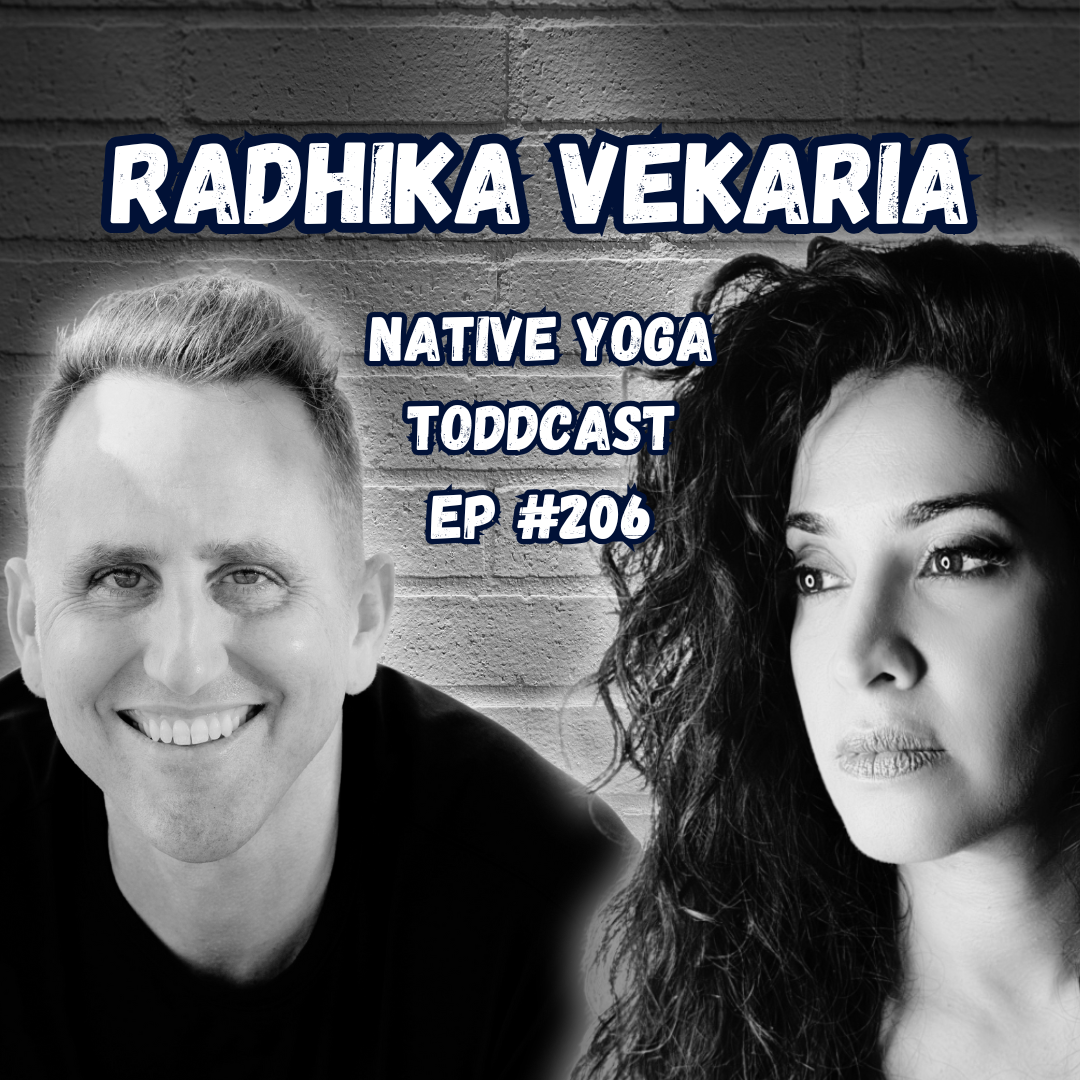
Radhika Vekaria ~ How Yoga, Music, and Spirituality Can Transform Your Life

Radhika Vekaria is an accomplished musician and vocalist specializing in sacred music influenced by ancient Vedic sciences. She recently garnered a Grammy nomination for her groundbreaking album, “Warriors of Light.” Growing up in Britain with Indian roots, Radhika’s musical journey began at a young age, inspired by the blend of Western music and traditional Indian mantras. A classically trained pianist and a passionate yoga practitioner, her work spans various languages including Sanskrit, Tamil, and Avadi. Radhika’s musical compositions aim to explore cultural diversity and spiritual depth, making her a unique voice in the world of devotional music.

Visit Radhika here: https://www.radhikavekaria.com/

Key Takeaways:

  • Cultural Fusion in Music: Radhika Vekaria’s album, “Warriors of Light,” is a rich blend of Western and traditional Indian music, featuring diverse languages and instruments like the hammered dulcimer and sarood.
  • Sacred Sound and Healing: The episode highlights the transformative power of sacred music and chanting, demonstrating how these practices can heal and nurture spiritual growth.
  • Humility and Mastery in Art: Radhika emphasizes the importance of continual learning and humility in the pursuit of mastering music and spiritual practices.

The Transformative Power of Sacred Music

From the moment Radhika Vekaria opens her mouth to sing, it’s clear she’s not just a musician — she’s a storyteller, a cultural steward, and a spiritual guide. Her album “Warriors of Light” is rooted in what she describes as a “wonderful thing, but a bit surreal.” This reflects her journey of introducing sacred music influenced by ancient Vedic sciences to a broader audience.

As Vekaria elaborates, her musical journey started at a young age, performing mantras and devotional songs before she could even speak English. Her background as an Indian growing up in Britain gave her a unique musical perspective, allowing her to blend Eastern traditions with Western influences. She says, “I was very exposed to music from a very, very young age,” which set the stage for her future endeavors.

This cultural fusion is more than a personal journey for Vekaria; it’s a larger exploration of how traditional sacred music can be contemporized to resonate with today’s audiences. With multiple languages and diverse instruments ranging from the hammered dulcimer to African percussion, Vekaria’s work invites listeners to a sonically diverse experience that is as intellectually compelling as it is spiritually enriching.

Integration of Tradition and Innovation in Music

The magic of Radhika Vekaria’s “Warriors of Light” lies in its seamless integration of tradition with modernity. Her work is a testament to the universality of music as a medium, where ancient mantras and modern instrumentation coexist in harmony. The album stands out not just for its Grammy nomination but for its creative audacity. This blend of languages — from Sanskrit to Tamil — alongside a spectrum of instruments, creates a mosaic that appeals to the complexities of the modern ear.

“Each song on the album is an entire universe of its own,” Vekaria notes, underscoring the depth and meticulousness of her work. Bringing together a team of top-tier musicians, the album took four years to complete and is described as a “global album” with contributions recorded in diverse locations like New York, LA, and even India. This meticulous process demonstrates the fusion of deep-rooted traditions with contemporary music formats, creating a unique artistic venture that transcends cultural boundaries.

The Role of Yoga and Mantra in Personal Evolution

Vekaria illustrates how her personal and musical evolution has been significantly supported by the practice of yoga and the power of mantra. With a rich history of practice, Vekaria explains how yoga, particularly Ashtanga, had a profound impact on her: “It actually healed me in many, many ways,” from the physical to the emotional. Her detailed recounting of meeting Manju Jois and undergoing further training speaks volumes about her dedication to spiritual discipline.

Yoga is strongly interwoven with her music. For Vekaria, mantra is more than a vocal practice; it’s a form of self-expression and devotion: “Part of my devotional expression and my prayer is singing, so I get to exercise that.” Her wisdom is profound: “Life is an improvisation based on patterns,” which is a recurring theme in both yoga and music. The parallel between mastering musical scales and practicing consistent yoga routines is a thought-provoking comparison that offers deeper insights into both disciplines.

Understanding the Depths of Sound and Its Ethical Use

Vekaria’s approach to music emphasizes a deep reverence for sound and its potential power, pointing out that sound is as potent as any physical tool, possibly more so. “Sound is piercing. Sound can heal you. It can also pierce you,” she states, emphasizing the importance of approaching sound with intentionality and respect. Whether it’s through traditional Vedic chanting or modern performance, the ethical use of sound is an oft-overlooked dimension worthy of contemplation.

Vekaria warns about the careless use of mantras, observing, “If you take medicine that is not meant for you, it actually becomes poison.” This calls for a mindful approach to engaging with such potent practices, whether for personal enrichment or in sharing it with others. Her wisdom encourages us all to ponder the impacts of our spoken words and sung phrases, pushing us towards a more conscientious engagement with sound.

Radhika Vekaria’s approach to her craft as explored in this interview is an illuminating journey that traverses temporal, cultural, and spiritual dimensions. Her work with “Warriors of Light” exemplifies the potency of ancient practices in our modern world, displaying the timeless nature of sound and its capacity to heal or harm, connect or divide. Through her music, Vekaria offers a compelling invitation to explore one’s personal sovereignty and resilience, potentially inspiring a listener to embark on their own transformational journey.

Thanks for listening to this episode. Check out: 👇
8IN8 Ashtanga Yoga for Beginners Course Online– Learn 8 Limb Yoga in 8 Days – Get FREE coupon code for a limited time only (Regular price $88) https://info.nativeyogacenter.com/8in8-ashtanga-yoga-for-beginners-8-limbs-in-8-days/

Practice with Native Yoga Online – New classes EVERY day – Use Code FIRSTMONTHFREE https://nativeyogacenter.teachable.com/p/today-s-community-class

Subscribe to Native Yoga Center and view this podcast on Youtube.

Thank you Bryce Allyn for the show tunes. Check out Bryce’s website: bryceallynband.comand sign up on his newsletter to stay in touch. Listen here to his original music from his bands Boxelder, B-Liminal and Bryce Allyn Band on Spotify.

Please email special requests and feedback to info@nativeyogacenter.com

https://info.nativeyogacenter.com/8in8-ashtanga-yoga-for-beginners-8-limbs-in-8-days/

Enjoy new Native Yoga Center classes uploaded everyday on our online learning hub. Use code FIRSTMONTHFREE at checkout. https://nativeyogacenter.teachable.com/p/today-s-community-class

Support the show

Native Yoga website: here
YouTube: here
Instagram: @nativeyoga 
Twitter: @nativeyoga 
Facebook: @nativeyogacenter 
LinkedIn: Todd McLaughlin