Steve Burgess: Exploring Past Lives, Reincarnation & the Power of Hypnotic Trance

Listen to Toddcast with Steve for FREE here

Steve Burgess is a renowned hypnotherapist specializing in past life regression. With 33 years of experience, Steve has facilitated over 15,000 sessions and conducts workshops around the globe, including in the UK, Norway, Canada, and the US. He brings a unique blend of therapeutic and spiritual approaches to hypnotherapy, gaining deep insights for his clients into their current lives from past life experiences. Steve is also an accomplished author with three published books, highlighting his profound understanding and experiences in the field of regression therapy.

Register for Workshop here:https://www.nativeyogacenter.com/ap-past-life-regression-group-workshop-w-steve-burgess-saturday-december-6th-15pm.php

Visit Steve on his website: https://steveburgesshypnosis.com/

Key Takeaways:

  • Regression therapy utilizes hypnosis to access the subconscious, revealing past life experiences that can offer insights into current life issues.
  • Hypnosis is a natural, trance-like state, similar to everyday experiences like daydreaming or focused activities, and is integral to past life regression.
  • While belief in reincarnation can enrich the experience, an open mind is sufficient to engage in past life regression workshops.
  • Regression therapy can uncover emotional traumas from not only past lives but also from the present life and ancestral experiences.

Unveiling Past Life Regression: A Journey Through Time

The concept of past life regression is as fascinating as it is mysterious. Central to this discussion is Steve Burgess, a seasoned hypnotherapist whose expertise in regression therapy spans over three decades. Burgess’s methodology is not just about curiosity, but about healing emotional traumas that anchor our present issues. This exploration offers an understanding of how our past lives interplay with our current existence, making regression a potent tool for self-discovery and healing.

Journey into Hypnotherapy: Unlocking the Subconscious Mind

Understanding Trance and Its Natural Occurrence

Burgess elucidates the natural state of trance, commonly misunderstood as something akin to sleep or a hypnotic stupor. “Trance is what we call the hypnotic state,” he explains. “It’s completely natural… like when we’re daydreaming or driving on autopilot.” This understanding is crucial, dispelling myths and allowing individuals to approach hypnotherapy with an open mind.

Hypnotherapy serves as a gateway to the subconscious, unlocking profound insights which are not easily accessed in our conscious state. Burgess’s process involves guiding individuals to a relaxed trance state, where the subconscious mind becomes accessible, often likened to an “iceberg” where the deeper portion holds the key to our true selves. The implications here are vast; by understanding that trance is part of our daily lives, more people might be open to leveraging hypnotherapy for personal growth and resolution of deep-seated issues.

The Intersection of Past Lives and Emotional Healing

Therapeutic Benefits Beyond Fascination

While many might initially approach past life regression out of curiosity, the therapeutic implications are profound. Burgess shares numerous accounts where regression therapy unraveled the roots of psychological and emotional issues. “Every issue has emotional causes,” he notes, describing his systematic approach to uncovering traumas ranging from this life, past lives, and even ancestral experiences.

In one compelling narrative, a client’s regression into a past life during World War II revealed the emotional scars that contributed to his present-day anxieties. Such sessions offer not only catharsis but transformative healing. Burgess’s insights present a new layer to therapeutic practices, highlighting the importance of addressing our deep-seated histories for holistic healing. For skeptics, these cases underline the session’s validity, as accessing past life memories can powerfully impact current psychological and emotional well-being.

Hypnotherapy’s Role in Personal Growth and Awareness

Positive Affirmations and Personal Empowerment

Burgess provides actionable advice on utilizing hypnotherapy for positive change, emphasizing the importance of carefully crafted affirmations. “Your affirmation should be in the now and positive,” he suggests, urging a focus on what individuals intend to manifest in their lives. The interplay of affirmation and visualization can indeed shape one’s subconscious intentions, leading to tangible transformations.

For those seeking to integrate hypnotherapy into daily routines, exploring resources like Burgess’s YouTube channel presents an accessible start. By recognizing the capabilities of the subconscious mind, individuals can actively curate their desired realities, facilitated by hypnotherapy’s deep-reaching methods. This process extends beyond personal agendas, offering a path for clearer understanding and improved quality of life.

Embracing the Mystique of Past Life Regression

The exploration into our past lives through regression therapy poses more than intellectual curiosity; it becomes a vital tool for personal empowerment. Burgess’s experience showcases how regression therapy unveils the unseen influences crafted by past traumas, offering profound healing avenues that traditional therapeutic methods may overlook. His insights confirm that through the natural process of trance, we can unlock an unprecedented understanding of ourselves, bridging the chasm between past influences and present realities.

By embracing hypnotherapy’s transformative power, individuals can translate past experiences into wisdom and healing. Breaking free from the chains of subconscious traumas, past life regression therapy invites a brave exploration of self-discovery, revealing a tapestry of connections that define and enrich our lives across time.

Thanks for listening to this episode. Check out: 👇
8IN8 Ashtanga Yoga for Beginners Course Online– Learn 8 Limb Yoga in 8 Days – Get FREE coupon code for a limited time only (Regular price $88) https://info.nativeyogacenter.com/8in8-ashtanga-yoga-for-beginners-8-limbs-in-8-days/

Practice with Native Yoga Online – New classes EVERY day – Use Code FIRSTMONTHFREE https://nativeyogacenter.teachable.com/p/today-s-community-class

Subscribe to Native Yoga Center and view this podcast on Youtube.

Thank you Bryce Allyn for the show tunes. Check out Bryce’s website: bryceallynband.comand sign up on his newsletter to stay in touch. Listen here to his original music from his bands Boxelder, B-Liminal and Bryce Allyn Band on Spotify.

Please email special requests and feedback to info@nativeyogacenter.com

Support the show

Native Yoga website: here
YouTube: here
Instagram: @nativeyoga 
Twitter: @nativeyoga 
Facebook: @nativeyogacenter 
LinkedIn: Todd McLaughlin
Ishan Shivanand: How Yoga Rewires the Mind & Heals Modern Mental Health

Listen to Toddcast with Ishan for FREE here

Ishan Shivanand is a revered Acharya in the Shiv Yog lineage, born and raised in an ashram under the guidance of Avadut Shivanand. He spent over two decades immersed in traditional yogic practices, focusing on enlightenment through the Shiv Yog parampara. Ishan is now an influential global speaker and mental health researcher, advocating for integrative wellness modalities like yoga and meditation. His work focuses on cognitive development, yoga’s role in mental health, and resilience training, contributing significantly through published peer-reviewed studies and public speaking.

Visit Ishan here: https://ishanshivanand.com/

Key Takeaways:

  • Ishan Shivanand’s journey from an ashram upbringing to a leader in global wellness highlights the transformative power of traditional yoga practices, focusing on enlightenment and mental health.
  • Yoga, as envisioned by ancient practitioners, is rooted deeply in cognitive and consciousness enhancement rather than mere physical exercise.
  • Ishan’s large-scale meditation research provides scientific evidence of yoga’s positive impact on stress, anxiety, depression, and the overall quality of life, advocating for its integration into more Western health and educational systems.
  • Resilience training, as introduced by Ishan, offers children and vulnerable populations tools for emotional regulation and stress management through meditation and breathwork.

Cognitive Science Meets Ancient Yogic Wisdom

In a world increasingly governed by scientific validation, the intersection of yoga and cognitive science emerges as a compelling narrative. Ishan Shivanand, an accomplished yogi with deep roots in the Shiv Yoga lineage, emphasizes the profound cognitive aspects inherent in yoga practice. “Yoga is much more an exercise of the mind than it is of the body,” he asserts, advocating for a greater understanding of the mind-body connection beyond mere physical postures.

The transcript reveals Shivanand’s perspective on overcoming mental health challenges through cognitive applications of yoga. He challenges the misconception prevalent in Western cultures that view yoga solely as physical exercise. He underscores the richness of ancient texts like the Patanjali Yoga Sutras, which delve deeply into consciousness and mind training. This cognitive approach can redefine mental health paradigms by offering sustainable, low-cost, and scalable wellness models as alternatives to purely pharmaceutical interventions. The adoption of integrative modalities rooted in yoga could revolutionize personal and societal health narratives, enhancing quality of life through self-awareness and conscious living.

Building Resilience with Yogic Techniques

Resilience training in the context of yoga offers a novel strategy for navigating modern life’s complexities. The conversation centers around the use of traditional yogic practices to build emotional and mental resilience. According to Shivanand, “Resilience training focuses upon concepts. And that is yoga; YOG is non-theological.” His curriculum teaches breath regulation, selective thought awareness, and emotional mastery, equipping practitioners with the tools to remain centered amid chaos.

The dialogue differentiates between stress management and resilience building, highlighting the universal applicability of the latter. By introducing resilience programs in high-stress environments such as educational institutions and hospitals, yoga offers a proactive approach to mental well-being. Shivanand notes, “What stress does is it makes you doom, prophesize anxiety… We need these children to stay in the present,” indicating a broader societal need to foster environments conducive to mental clarity and emotional stability. Such initiatives could mitigate the prevalent mental health crises and enhance collective consciousness by teaching individuals to harness their inner strength.

Awakening Conscious Leaders Through Yoga

The potential of yoga to influence leadership and societal structures is a recurrent theme. Shivanand envisions the emergence of “Buddhas in boardrooms,” where enlightenment transcends personal practice to inform ethical leadership. He argues for an integrative effort encompassing scholars, faith leaders, elected officials, and community influencers towards a shared goal of societal transformation.

“Do we want fame, or do we want change?” reflects a poignant question posed during the conversation, encapsulating the choice between superficial recognition and substantive impact. Shivanand calls for a collaborative effort to elevate collective consciousness, suggesting that broadening the educational system’s spiritual and cognitive foundations could replace prevailing materialistic narratives. He passionately articulates, “We need enlightened leaders, leaders who care more about consciousness, leaders who care more about humanity as a species.”

This holistic expansion champions a move away from individualistic pursuits towards nurturing a world where leaders use yogic principles to guide progressive and compassionate global policies. The dialogue reiterates that a mindful pursuit of enlightenment—for both individuals and societies—holds transformative power far exceeding conventional success metrics.

The discourse with Ishan Shivanand illuminates yoga as an ever-relevant philosophy with the potential to address modern-day challenges such as mental health crises, leadership vacuums, and educational shortcomings. By advocating cognitive and spiritual dimensions of yoga, Shivanand presents not merely an ancient practice but a sophisticated, adaptable framework for holistic development and resilience. Through strategic integration into various sectors, these insights could catalyze a global shift, fostering environments where enlightened awareness becomes the cornerstone of personal and collective evolution.

Thanks for listening to this episode. Check out: 👇
8IN8 Ashtanga Yoga for Beginners Course Online– Learn 8 Limb Yoga in 8 Days – Get FREE coupon code for a limited time only (Regular price $88) https://info.nativeyogacenter.com/8in8-ashtanga-yoga-for-beginners-8-limbs-in-8-days/

Practice with Native Yoga Online – New classes EVERY day – Use Code FIRSTMONTHFREE https://nativeyogacenter.teachable.com/p/today-s-community-class

Subscribe to Native Yoga Center and view this podcast on Youtube.

Thank you Bryce Allyn for the show tunes. Check out Bryce’s website: bryceallynband.comand sign up on his newsletter to stay in touch. Listen here to his original music from his bands Boxelder, B-Liminal and Bryce Allyn Band on Spotify.

Please email special requests and feedback to info@nativeyogacenter.com

https://info.nativeyogacenter.com/8in8-ashtanga-yoga-for-beginners-8-limbs-in-8-days/

Support the show

Native Yoga website: here
YouTube: here
Instagram: @nativeyoga 
Twitter: @nativeyoga 
Facebook: @nativeyogacenter 
LinkedIn: Todd McLaughlin
Liz Albanis | The Inner Fire of Healing: Yoga, Pilates & Resilience

Listen to Toddcast with Liz for FREE here

Liz Albanis is an experienced wellness professional based in Canberra, Australia. With a background blending yoga, Pilates, and fitness, she has dedicated her career to harnessing the therapeutic potential of these disciplines, especially for mental health challenges such as PTSD. Liz is known for her trauma-informed approach to yoga, having studied extensively with esteemed mentors like Sarah Powers and John Olgavy. She offers personalized wellness programs through her own platform, Liz Albanis Wellness, and hosts the podcast “Yoga for Trauma – The Inner Fire of Yoga.”

Visit Liz here: https://www.lizalbaniswellness.com.au/

Key Takeaways:

  • Trauma-Informed Approach: Liz emphasizes the importance of trauma-informed practices in yoga to cater to individuals with mental health challenges.
  • Diverse Yoga Practices: Transitioning from Bikram to Iyengar and LifeForce Yoga, Liz illustrates how different styles can support mental well-being.
  • Personalized Care: The episode highlights the significance of personalized programs in addressing individual needs and injuries in yoga.
  • Creating Safe Spaces: Liz shares practical tips on making yoga environments inclusive and non-triggering for trauma survivors.
  • Resilience Through Yoga: Personal anecdotes reveal how yoga empowered Liz to quit smoking and cope with PTSD.

Trauma-Informed Yoga: Transforming Healing Practices

In the realm of yoga, traditional practices are evolving to be more inclusive and recognizing the profound impact that trauma can have on practitioners. Trauma-informed yoga is emerging as a valuable modality for individuals experiencing PTSD and other mental health challenges. Liz Albanis shares her personal journey with yoga, highlighting its therapeutic potential, especially for those recovering from trauma. Trauma-informed yoga classes focus on creating a welcoming environment where individuals feel secure, respecting personal boundaries and potential triggers such as physical adjustments or environmental factors like candles and scents.

Albanis illustrates, “My advice is if you use candles, advertise it…it’s not for everyone.” This awareness acknowledges that past experiences, like those related to fire in her case, can shape current reality and emotional responses for students. By making these adjustments, yoga instructors offer a compassionate approach to practice that can significantly improve the mental health outcomes of their students.

The broader implication of this approach is an increased accessibility and mental health support through yoga—the integration of trauma-informed practices benefits not only individuals with unique challenges but also enhances the general teaching methodology, fostering a nurturing space for all.

Personalized Yoga Practices: Tailoring Wellness

Personalized yoga practices stand at the forefront of adaptability in wellness approaches. As Liz Albanis demonstrates in her diverse career, creating custom yoga plans based on individual requirements can aid in overcoming physical limitations, psychological barriers, and lifestyle challenges. She discusses her transition to personalized practices due to her own experiences of injury and post-hospitalization rehabilitation needs.

Albanis shares, “I develop private work one on one to develop a personalized practice…there’s so many contraindications.” This personalized approach allows for flexibility within the practice, which can be particularly beneficial for individuals dealing with chronic conditions or those who have experienced trauma. Personalized yoga practices can address specific mental health requirements, offering unique programs like the Life Force Yoga techniques discussed by Albanis, which are designed to incorporate mindfulness and targeted emotional healing.

Such tailored practices promote a more inclusive yoga environment, emphasizing the importance of understanding and addressing each person’s distinct needs. This adaptability makes yoga more accessible and supportive, particularly for those who might otherwise find a standard class format challenging or intimidating.

The Power of the Beginner’s Mind in Yoga Teaching

An essential philosophy that resonates throughout Liz Albanis’ narrative is the concept of maintaining a “beginner’s mind.” This principle urges yoga teachers and practitioners to continually learn, adapt, and challenge preconceived notions of their practice. Albanis encourages educators to remain open to new ideas and methods, thus fostering a teaching landscape that is both dynamic and inclusive.

Albanis reflects, “Try to have a beginner’s mind…we can get to a place where we feel like we know it all.” She advocates that this mindset not only enhances the quality of teaching but also invites a richer, more comprehensive understanding of yoga’s vast potential. This approach encourages flexibility, curiosity, and a willingness to embrace a spectrum of teaching methodologies that can lead to improved outcomes across the board.

The implications of applying the beginner’s mind are expansive. It not only enriches the teacher-student relationship but also paves the way for innovative practices, ensuring that yoga remains a vital and adaptive tool for physical, emotional, and mental well-being.

Yoga stands as a beacon for those seeking solace from the rigors of mental health challenges and trauma. It is a practice that, when adapted with sensitivity and care, can nurture healing, resilience, and growth. Liz Albanis’ journey exemplifies the transformative power of yoga, advocating for trauma-informed approaches, and recognizing the profound potential of personalized practices. By continually adopting a beginner’s mind, we open ourselves to a deeper connection with ourselves and those we guide in practice.

Thanks for listening to this episode. Check out: 👇
8IN8 Ashtanga Yoga for Beginners Course Online– Learn 8 Limb Yoga in 8 Days – Get FREE coupon code for a limited time only (Regular price $88) https://info.nativeyogacenter.com/8in8-ashtanga-yoga-for-beginners-8-limbs-in-8-days/

Practice with Native Yoga Online – New classes EVERY day – Use Code FIRSTMONTHFREE https://nativeyogacenter.teachable.com/p/today-s-community-class

Subscribe to Native Yoga Center and view this podcast on Youtube.

Thank you Bryce Allyn for the show tunes. Check out Bryce’s website: bryceallynband.comand sign up on his newsletter to stay in touch. Listen here to his original music from his bands Boxelder, B-Liminal and Bryce Allyn Band on Spotify.

Please email special requests and feedback to info@nativeyogacenter.com

https://info.nativeyogacenter.com/8in8-ashtanga-yoga-for-beginners-8-limbs-in-8-days/

Support the show

Native Yoga website: here
YouTube: here
Instagram: @nativeyoga 
Twitter: @nativeyoga 
Facebook: @nativeyogacenter 
LinkedIn: Todd McLaughlin

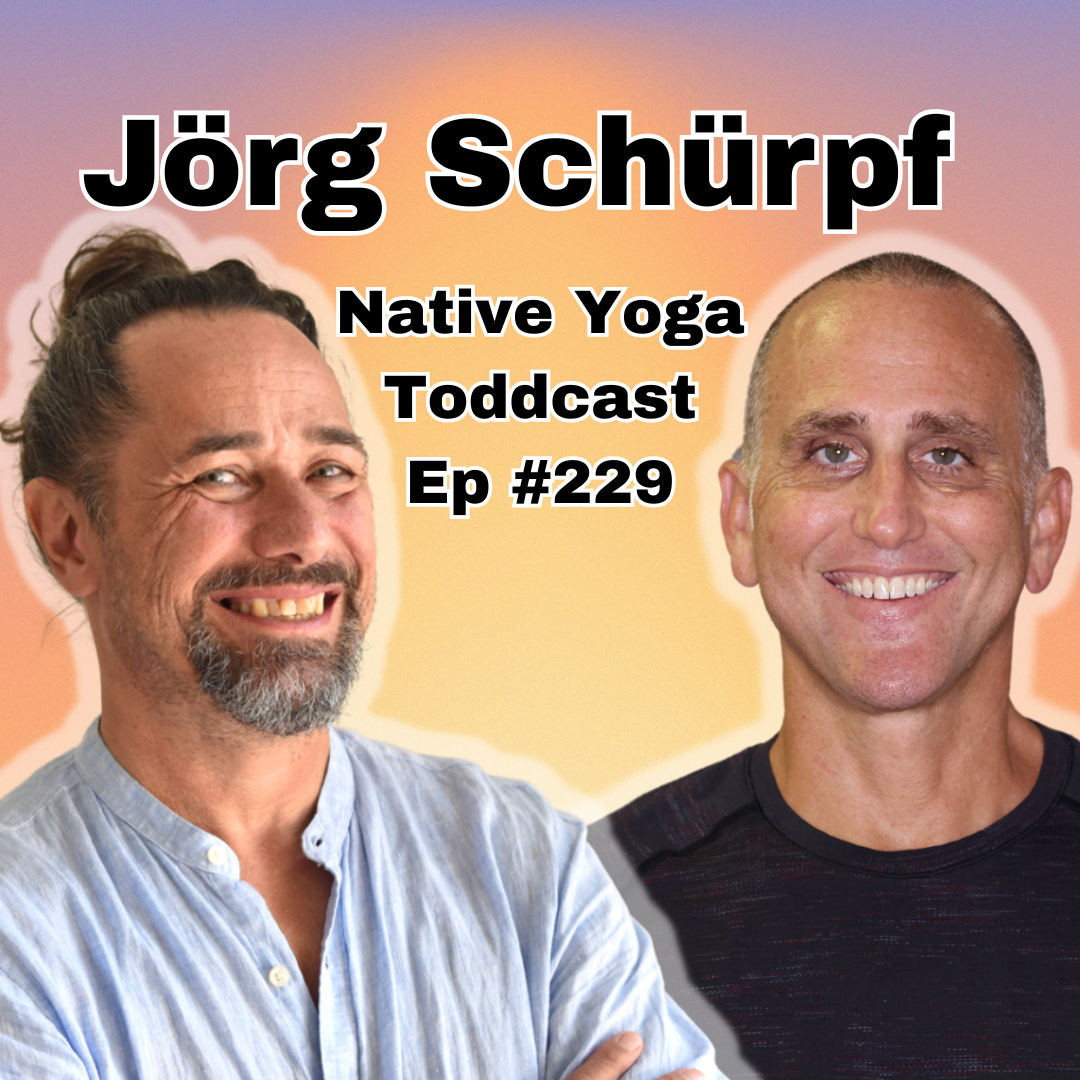
Jörg Schürpf ~ Listening to the Body: Mastering Presence and Intention in Healing

Listen to Toddcast with Jörg for FREE Here

Jörg Schürpf is a distinguished therapist with extensive expertise in both Thai massage and osteopathy. He possesses a unique blend of knowledge as both a Thai massage practitioner and an osteopath, which he integrates into his teaching and practice. He co-authored the book “OsteoThai, The Poetry of Touch: When Thai Massage Meets Osteopathy” with David Lutt, reflecting his passion and authority in manual therapies. Currently based in Switzerland, Jörg is a prominent figure in the world of bodywork, known for his holistic approach that emphasizes presence, attention, and intention in therapeutic practices.

Visit Jörg here: https://www.joergschuerpf.ch/en/

Order a copy of the book: https://lulyani.com/en/boook/

Key Takeaways:

  • Fusion of Disciplines: Jörg Schürpf has merged Thai massage and osteopathy into “osteo Thai,” a unique practice that balances Eastern movement with Western anatomical understanding.
  • Educational Insights: European osteopathy differs from American practices, often requiring a background in medical or therapeutic professions, though a unique path is available for those passionate about healing.
  • Concept of Fulcrum: Understanding fulcrums in bodywork can drastically enhance the effectiveness of touch therapies, allowing for precise and safe manipulations.

Osteothai: Bridging Health with the Poetry of Touch

Introduction

In a world increasingly obsessed with quick fixes and instant gratification, the timeless arts of healing and holistic health invite us to slow down, listen deeply, and transform from within. The conversation between Todd and osteopath Jörg Schürpf offers an insightful exploration into the fascinating intersection of osteopathy and Thai massage, which is vividly captured in their collaborative work, “Osteothai: The Poetry of Touch.” Through their dialogue, we delve into the multifaceted dimensions of this healing modality, driven by the elements of presence, attention, and intention.

The Transformative Power of Touch

Touch, as described by Jörg Schürpf, transcends mere physical contact. It’s a sacred dance that merges the practitioner’s presence, attention, and intention with the receiver’s body to awaken inherent self-regulating capabilities. Jörg poetically states, “[Health] is already present within the human being, and it’s up to us to find a way so that health can express itself more freely.” This philosophy aligns with Andrew Taylor Still, the founding father of osteopathy, who advocated for the body’s natural healing prowess through guided touch and anatomical understanding.

Todd nods to this wisdom, referencing the deep connection he finds in practices that emphasize intention, embodying everything from martial arts to bodywork therapies. Jörg further clarifies, “We need to start with that presence to ourselves and the connection to the sky and to the earth,” underscoring the inseparable link between healer, recipient, and universal energies.

Integrating Osteopathy and Thai Massage

The fusion of osteopathy and Thai massage—termed “Osteothai”—represents a unique blend of Western and Eastern healing traditions. Jörg recounts his journey, beginning with a deep dive into shiatsu, eventually pulling the threads of his extensive osteopathic training into the vibrant tapestry of Thai massage.

While both methodologies are distinct, the combination breathes new life into traditional Thai techniques with an anatomical precision drawn from osteopathy. Jörg articulates, “Osteopathy can bring something very precious to Thai massage,” illustrating how understanding the body’s mechanics—such as the facet joints in the spine—can inform a safer, more effective practice. This approach respects the traditional wisdom of Thai massage while enhancing it with modern, evidence-based medical insights, creating a holistic practice that honors both lineages.

Fulcrum: The Pivot of Healing

The concept of the fulcrum emerges as a vital point in understanding the body’s dynamics during both diagnosis and treatment. Jörg eloquently describes it as a “three-dimensional space that is suspended and can shift automatically,” a sort of dimensional dance where movement originates and returns. This notion not only stabilizes and grounds practice but offers insight into effective therapeutic interventions.

Jörg explains the practical application, “When that happens, usually the person will feel, ‘Oh yeah, this feels good!’…reconnecting the fixation to the original ability of being a fulcrum.” Grasping this concept allows for a refined approach where each joint movement is navigated, respecting the body’s organic mechanics. Implementing the fulcrum in treatment underscores the sophisticated understanding practitioners develop through Osteotai, enabling them to restore balance and facilitate healing effectively.

Learning to Listen

As the dialogue gently unfolds, resonating with wisdom and shared insights, we are reminded of the untapped potential that resides within a conscious practice—one that starts with listening deeply. Jörg’s final reflections emphasize this powerful act, encouraging practitioners not just to employ their techniques, but to genuinely “land, merge, and listen.” Through this process, not only do practitioners fine-tune their craft, but they also engage in an ongoing dialogue with the body’s innate healing capabilities.

Touch, when refined through presence, attention, and intention, becomes a transformative journey for both the healer and recipient. As such, Osteothai stands as a testament that bridges traditional worlds with contemporary understanding, inviting practitioners into a dance that is as much about discovery as it is about mastery.

Thanks for listening to this episode. Check out: 👇
8IN8 Ashtanga Yoga for Beginners Course Online– Learn 8 Limb Yoga in 8 Days – Get FREE coupon code for a limited time only (Regular price $88) https://info.nativeyogacenter.com/8in8-ashtanga-yoga-for-beginners-8-limbs-in-8-days

Practice with Native Yoga Online – New classes EVERY day – Use Code FIRSTMONTHFREE https://nativeyogacenter.teachable.com/p/today-s-community-class

Subscribe to Native Yoga Center and view this podcast on Youtube.

Thank you Bryce Allyn for the show tunes. Check out Bryce’s website: bryceallynband.comand sign up on his newsletter to stay in touch. Listen here to his original music from his bands Boxelder, B-Liminal and Bryce Allyn Band on Spotify.

Please email special requests and feedback to info@nativeyogacenter.com

https://info.nativeyogacenter.com/8in8-ashtanga-yoga-for-beginners-8-limbs-in-8-days/

Support the show

Native Yoga website: here
YouTube: here
Instagram: @nativeyoga 
Twitter: @nativeyoga 
Facebook: @nativeyogacenter 
LinkedIn: Todd McLaughlin
Hillary Kallenberger ~ Yoga, Pain, and Insight: Rewiring Self-Worth and Embracing Change

Listen to Toddcast with Hillary for FREE here

Hillary Kallenberger is a dedicated yoga teacher based on the west coast of Florida, known for her transformative approach to body movement and mindfulness. With a rich background in high-level dance performance in New York, Hilary transitioned into yoga and bodywork, combining her passion for movement with a keen understanding of the human body. Previously a licensed counselor, Hilary has excelled in betterment coaching, helping clients achieve holistic wellness. Her recent journey through hip replacement surgery has further deepened her personal insights, enhancing her empathetic and therapeutic approach to teaching yoga and assisting others.

Visit Hillary: https://www.currentmanifestationssrq.com/

Key Takeaways:

  • Embracing modern medicine alongside natural healing can be an essential part of recovery, even for those committed to holistic practices.
  • Experiencing acute pain can lead to unexpected personal growth and a deeper connection with one’s body.
  • Self-compassion and asking for help are vital components of healing and personal well-being.
  • Practicing gratitude and presence can transform one’s relationship with their body and promote holistic healing.

Embracing Medical Interventions on a Yogic Path

The fusion of traditional yogic living with contemporary medical interventions isn’t an uncommon narrative. Yet, the journey narrated by Hillary Kallenberger presents a particularly poignant exploration of identity and healing. The dialogue between her and the interviewer keenly highlights the balance between yoga’s holistic approaches and the pragmatic necessities of modern medicine. Hillary notes, “I am a yogi, but it is okay to ask for help.” This sentiment underscores the universal challenge of reconciling ideals with reality—a journey that many holistic practitioners face when conventional medical interventions become necessary.

Hillary’s experience reveals an intricate dance between striving for natural healing and recognizing when external medical support is necessary. After undergoing hip replacement surgery in May, she reflects, “The surgery went well… but it was definitely a little more challenging in surprising ways than I had kind of expected.” Her decision to avoid pharmaceutical pain medication post-surgery was driven not only by her belief in natural healing but also by past experiences and preferences. The unexpected complications of a failed nerve block meant confronting immediate post-operative pain intensely and without the buffer typically granted by medication. Through this, Hillary found that being present with her pain and harnessing the power of breath brought unexpected insights and growth.

The Power of Presence in Pain Management

Hillary’s journey through pain without the aid of pharmaceuticals brings forth a profound lesson on presence and acceptance. Her dedication to managing post-operative pain with breath and mindfulness allowed her to connect deeply with her body. The absence of traditional pain relief meant immersing fully in her physical reality, an experience she describes as both a challenge and a gift: “It was really something important to me that… I didn’t want to take any medication… And there was a gift that came with that, which was really being present with my pain and being present in my body.”

The transformative power of presence is a recurring theme throughout Hillary’s account, emphasizing that profound personal change often requires us to fully engage with our current circumstances, however painful. This experience reshaped her relationship with her body and disrupted longstanding patterns of self-perception. It underscored the recognition that healing can be less about achieving a pain-free state and more about cultivating an honest dialogue with one’s physicality. The moments of sitting with pain held the potential for immense introspection and appreciation for the body’s resilience and capacity to heal.

Building Community Through Vulnerability

Hillary’s recovery journey shone a light on the intricate interplay between vulnerability and connection. Her convalescence post-surgery brought her vibrant community into focus, illustrating the strength and empathy within her network. Friends and clients, driven not by obligation but by genuine compassion, rallied to support her, providing not only practical assistance but emotional sustenance. She recounts, “I had, you know, a couple of friends that were like, okay… making sure I had everyone I need… It was just one of those things that, like, you’re seeing the value and… that’s important to me.”

Through navigating her vulnerability, Hillary embraced a newfound openness not only within herself but towards others. She learned to graciously accept help and found that, in return, her community offered love and support freely. This reciprocal exchange redefined her understanding of self-worth and connection, teaching that mutual support enriches the fabric of relationships, fostering a more profound reliance on shared humanity.

Hillary’s reflections suggest that the true journey of healing—physical or emotional—is marked by the courage to express our needs and to receive support. Her vulnerability acted as a catalyst for enriched personal growth and ultimately strengthened her ties with those around her, illustrating that allowing others to participate in our healing can lead to unexpected transformations.

A Perspective Shift Toward Self-Compassion and Acceptance

Hillary’s narrative powerfully conveys the shifts in self-perception catalyzed by her healing journey. Embracing her vulnerabilities and allowing herself to be imperfect led to a reevaluation of how she engaged with her body and community. Her introspection reveals a journey not only of physical healing but of profound personal insight: “I wake up in the morning now and I don’t assess my body and how it looks based on my worth for the day.”

These changes reflect a broader cultural shift towards self-acceptance and compassion, emphasizing the importance of aligning personal wellness with holistic understanding rather than external validation. Hillary’s story underscores how healing requires not just mending the body but nurturing the soul through embracing one’s imperfections, acknowledging dependencies, and dwelling in life’s vibrancy with openness and gratitude.

Through this introspective odyssey, Hillary has emerged with a restored sense of self and a renewed commitment to her journey. Her insights into the dance between yoga and modern medicine offer a striking perspective on how vulnerability, presence, and community can shape a more harmonious and meaningful existence.

Thanks for listening to this episode. Check out: 👇
8IN8 Ashtanga Yoga for Beginners Course Online– Learn 8 Limb Yoga in 8 Days – Get FREE coupon code for a limited time only (Regular price $88) https://info.nativeyogacenter.com/8in8-ashtanga-yoga-for-beginners-8-limbs-in-8-days/

Practice with Native Yoga Online – New classes EVERY day – Use Code FIRSTMONTHFREE https://nativeyogacenter.teachable.com/p/today-s-community-class

Subscribe to Native Yoga Center and view this podcast on Youtube.

Thank you Bryce Allyn for the show tunes. Check out Bryce’s website: bryceallynband.comand sign up on his newsletter to stay in touch. Listen here to his original music from his bands Boxelder, B-Liminal and Bryce Allyn Band on Spotify.

Please email special requests and feedback to info@nativeyogacenter.com

https://info.nativeyogacenter.com/8in8-ashtanga-yoga-for-beginners-8-limbs-in-8-days/

Support the show

Native Yoga website: here
YouTube: here
Instagram: @nativeyoga 
Twitter: @nativeyoga 
Facebook: @nativeyogacenter 
LinkedIn: Todd McLaughlin

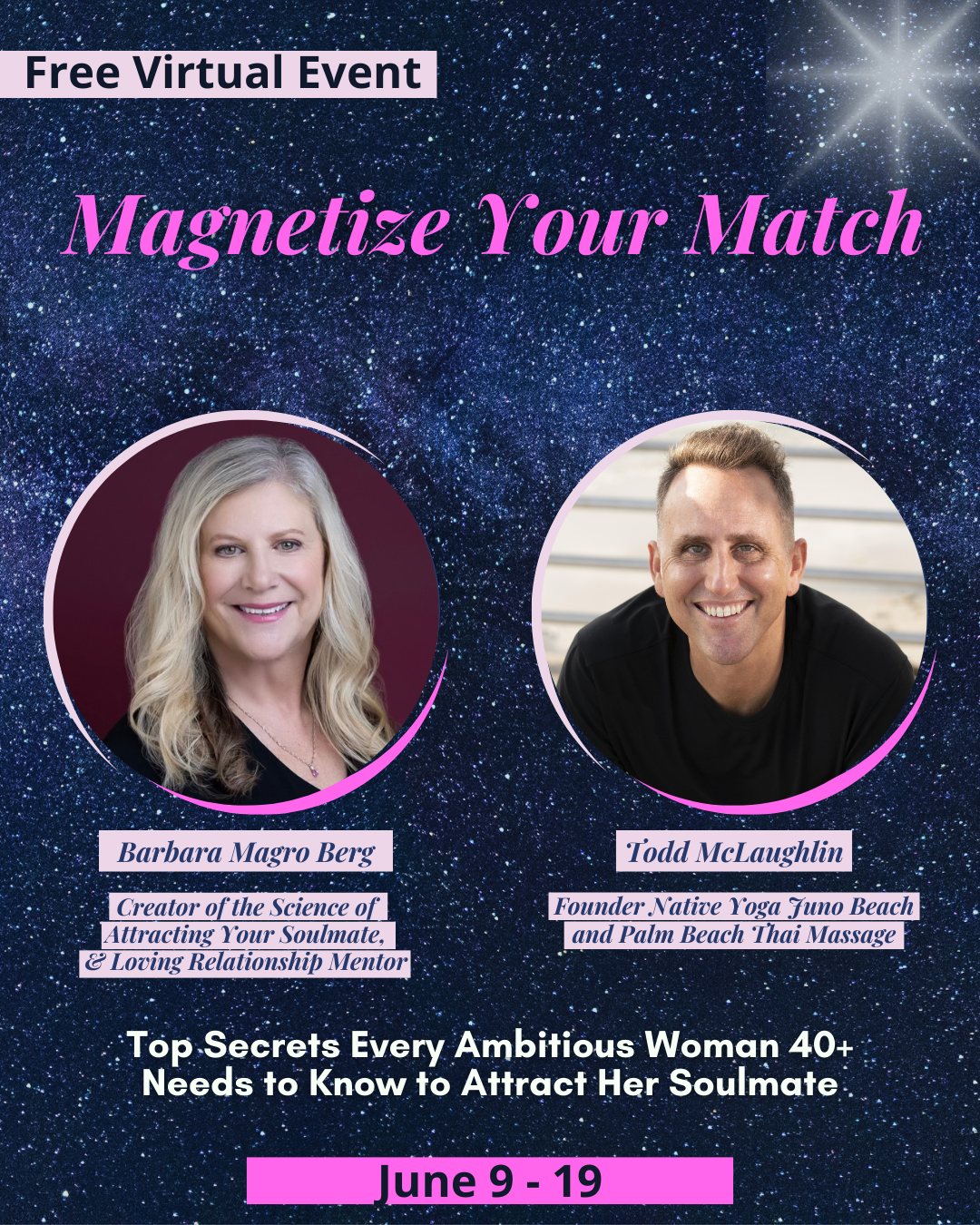
Magnetize Your Match: Top Secrets Every Ambitious Woman 40+ Needs to Know to Attract Her Soulmate

Let’s be honest—dating as we get older can feel like an uphill battle. The dating pool seems smaller, the disappointments more frequent, and it can feel like you have to choose between settling or staying single. 💔

The truth is, for women over 40, it’s not always easy to meet emotionally available, high-quality partners who are truly aligned with your values and vision.

That is why I was so thrilled when my friend Barbara Magro Berg, told me she was hosting an interview series specifically for ambitious, heart-centered women over 40 who are ready to attract the love they truly deserve. Barbara created this summit from her own powerful story—after being divorced for over 20 years, she finally attracted her soulmate.

It’s called…

✨Magnetize Your Match: Top Secrets Every Ambitious Woman 40+ Needs to Know to Attract Her Soulmate airs June 9 – 19 and now she’s bringing together 22 top experts from around the world (including me!) to help you do the same.

Grab your spot here: https://magnetize-yourmatch.com/register?am_id=toddmclaughlin5384

Why am I telling you this?

This summit is for single, ambitious women who are tired of not meeting a quality partner and are Ready to Receive the Love of Their Life! Whether you’re newly divorced, a widow, a single mom, or have never been married, you still deserve love that feels real and is aligned with who you are now.

Every interview in this series is packed with incredible value. It’s an amazing opportunity for anyone in my community who is single, and it’s exactly the kind of resource I wish I had during my own soulmate journey. That’s why I’m so excited that Barbara is hosting this summit, and I’m thrilled to share it with you because you definitely don’t want to miss any of it!

I am offering you a complimentary ticket to attend this 11-day transformational love event! Register here: https://magnetize-yourmatch.com/register?am_id=toddmclaughlin5384

And the best part is, you can watch this summit from your home, your office or on the go at your convenience…the 2 daily interviews are available for 24 hours.

What is it exactly?

June 9 – 19, marks the beginning of an 11-day complimentary virtual event showcasing 2 speakers per day, a total of 22 renowned love and relationship experts and thought leaders across the U.S., Italy, Ecuador, and Australia with practical tools, soulful strategies, and powerful insights to help you attract a high-quality partner without settling or shrinking.

Here’s a sneak peek of just a few of the topics we’ll cover:

💞 Get Ready to Receive the Love of Your Life: Master Your Mindset to Align with the Love You Desire Fall in Love with Yourself; Where True Love Begins
Love Secrets from a Man’s Point of View
Sex and the Single Life: A Chemistry Lesson

🌟 Clear Emotional Blocks with EFT and Step into Your Full Magnetic Power
Awaken to the Truth: Love is Your Divine Birthright
Raise Your Love Vibration by Practicing Deep Profound Gratitude Your Life is a Mirror of Your Beliefs; Become the Soulmate You Seek Conquer Self Doubt and Cultivate Unshakeable Confidence

❤️ Boost Your “Bedroom Energy” with Simple Feng Shui Shifts
The Magic of Crystals, and Essential Oils to Attract a High-Quality Partner

And so much more…
🎁 Bonus: Every expert will also be offering a special free gift to support your love journey—so don’t miss those!

Where: This summit is completely online from June 9 – 19. Each interview is released daily at 9am EST and available for 24 hours, so you can tune in at your own pace—whether from home, your office, or while on the go. There are 2 interviews per day over 11 days.

So, if you are ready to give up struggling in your love life, and are looking to attract a high-quality partner, who is your perfect match and walk confidently toward lasting love — this summit is for you!

Reserve your complimentary spot now; https://magnetizeyourmatch.com/register?am_id=toddmclaughlin5384

I can’t wait to see you there and share this incredible journey together! With love and excitement,

Todd

P.S. Know someone else who could use a little hope in their love life? Please forward this email https://magnetize-yourmatch.com/register?am_id=toddmclaughlin5384 You never know who you might help find their soulmate 💞

Jeppe Tengbjerg ~ Building International Bridges Through Bodywork

Listen to Toddcast with Jeppe for FREE Here

Jeppe Tengbjerg is the founder and CEO of the International Massage Association and is recognized for his pioneering role in establishing the World Championship in Massage. Born and raised in Denmark, he was inspired by his grandmother, who was a massage therapist and reflexologist. Jeppe has a strong background in professional sports, being a former professional football player and coach, and a business educator before fully dedicating himself to the world of massage therapy. His passion for massage and education is reflected in his work, including the creation of international teaching programs and organizing global massage events.

Visit Jeppe at: https://tengbjerg.dk/

and: https://worldchampionship-massage.com/

Key Takeaways:

  • The World Championship in Massage serves as a platform to inspire, educate, and connect massage therapists worldwide.
  • Thai massage is highlighted for its international acclaim, particularly after being recognized by UNESCO as a cultural heritage.
  • Importance of understanding body mechanics, or ergonomics, in providing sustainable therapy without exerting strain or causing injury to therapists.
  • The role of international teaching programs in fostering a higher standard of massage education across different regions.

Global Unification through the Art of Massage: Insights into the International Massage Association and Its Impact

Celebrating the Art of Massage on a Global Stage

In the world of wellness and therapeutic practices, the concept of massage competitions might initially seem unusual. Yet, as discussed by Jeppe Tengbjerg, the visionary behind the International Massage Association, these events serve as vital platforms for showcasing and evolving the art of massage on an international scale. The IMA’s approach intertwines education, innovation, and global community, transforming how massage therapy is perceived and practiced worldwide.

The journey began when Tengbjerg recognized a need for inspiration within the massage community. “There must be many others in the world like me who need inspiration,” he noted, referencing how practicing in isolation can lead therapists to seek new ideas and connections (0:05:32). The IMA’s competitions, workshops, and international collaborations aim to bridge these gaps by uniting therapists from diverse backgrounds to learn, share, and celebrate their craft collectively.

Innovation and Ethics in Massage Therapy

Redefining Massage Competitions: Balancing Innovation with Ethics

With massage competitions, one might question how a subjective experience can be judged objectively. Tengbjerg addresses this by emphasizing categories like techniques, ergonomics, flow, and client contact, which provide a structured evaluation framework. He elaborates, “It’s about techniques, whether they are relevant and the combination of techniques, whether they are good…the giver as well as the receiver.” (0:12:16). These criteria ensure that the evaluation process remains fair and focused on meaningful skills.

The addition of innovative techniques and categories further enhances the competition’s value. As Tengbjerg mentions, “Innovation can be important…adapting, combining different methods…it’s possible and can also make sense.” (0:15:21). The freestyle category encourages therapists to push boundaries while maintaining best practices, fostering a space where creativity meets professionalism. However, ethical considerations, such as avoiding a focus on sexuality in promotional content, are equally crucial to uphold the industry’s integrity.

Building Bridges Across Cultures

International Community and Cross-Cultural Exchange

At its core, the IMA’s work exemplifies the power of international connections in strengthening local practices. Through the lens of massage therapy, an industry often practiced in solitude, Tengbjerg has facilitated a global network that transcends cultural and geographic boundaries. He reflects, “We actually try to teach what the trend is and also teach what we have been taught or learned from all the amazing therapists.” (0:35:16).

By organizing workshops and events in various countries, the IMA inspires therapists to explore new methods and build enduring professional relationships. Tengbjerg highlights the potential impact of such exchanges, “It’s about making competition…you are promoting your clinic or promoting a massage method or an event you do.” (0:25:00). These initiatives not only enhance personal careers but also contribute to the broader discourse on wellness and bodywork globally.

Promoting Inclusivity and Continuous Learning

Ethical Teaching and Ongoing Education for Massage Therapists

For Jeppe Tengbjerg and the IMA, promoting massage therapy goes beyond competition; it’s about continual professional development. Recognizing gaps in educational structures, especially in Europe, the organization has pioneered international teacher classes to elevate instructional standards. Tengbjerg notes, “We have now educated more than 150 teachers around the world…which is nice.” (0:44:48).

These programs strive to bridge disparities in teaching quality, ensuring that massage instructors are equipped to convey their expertise effectively. Emphasizing the need for adaptability and comprehension in pedagogy, Tengbjerg clarifies, “You and I, everybody learns in different ways, and we need skills to teach this way.” (0:44:07). This commitment to spreading knowledge helps maintain high standards across diverse markets and augments the skill level within the industry.

The dialogue from the podcast underlines the transformative power of collaboration and innovation in massage therapy. By showcasing the art on an international stage, embracing both tradition and modernity, the IMA paves the way for a united and enriched global community. Such efforts are pivotal as the wellness industry continues to evolve, fostering an environment where learning is as dynamic and holistic as the therapies themselves.

Thanks for listening to this episode. Check out: 👇
8IN8 Ashtanga Yoga for Beginners Course Online– Learn 8 Limb Yoga in 8 Days – Get FREE coupon code for a limited time only (Regular price $88) https://info.nativeyogacenter.com/8in8-ashtanga-yoga-for-beginners-8-limbs-in-8-days/

Practice with Native Yoga Online – New classes EVERY day – Use Code FIRSTMONTHFREE https://nativeyogacenter.teachable.com/p/today-s-community-class

Subscribe to Native Yoga Center and view this podcast on Youtube.

Thank you Bryce Allyn for the show tunes. Check out Bryce’s website: bryceallynband.comand sign up on his newsletter to stay in touch. Listen here to his original music from his bands Boxelder, B-Liminal and Bryce Allyn Band on Spotify.

Please email special requests and feedback to info@nativeyogacenter.com

https://info.nativeyogacenter.com/8in8-ashtanga-yoga-for-beginners-8-limbs-in-8-days/

Support the show

Native Yoga website: here
YouTube: here
Instagram: @nativeyoga 
Twitter: @nativeyoga 
Facebook: @nativeyogacenter 
LinkedIn: Todd McLaughlin
James Fox ~ Prison Yoga Project: Finding Freedom Behind Bars Through Yoga

Listen to Toddcast with James Fox for FREE here

James Fox is the founder of the Prison Yoga Project, an initiative dedicated to bringing yoga and mindfulness practices to incarcerated populations. Over the past two decades, Fox has developed a trauma-informed approach to teaching yoga, focusing on emotional healing and rehabilitation within the prison system. Under his leadership, the Prison Yoga Project has expanded globally across multiple continents. Fox has authored the book “Yoga A Path for Healing and Recovery,” which has been distributed widely to incarcerated individuals worldwide. He is also a trained facilitator in violence prevention and emotional intelligence, contributing significantly to prison reform and rehabilitation through yoga.

Visit Prison Yoga Project and make a donation today: https://www.prisonyoga.org/

Key Takeaways:

  • Trauma-Informed Approach: James Fox emphasizes the importance of using yoga as a tool for managing unresolved trauma, which is common among the incarcerated.
  • Prison System Insights: Fox provides a critical look at how the current prison system lacks effective rehabilitation programs and suggests a shift towards healing over mere punishment.
  • Global Impact: The Prison Yoga Project has grown significantly, with affiliates worldwide, demonstrating the universal applicability of yoga as a rehabilitation tool.

Unlocking Healing: The Transformative Power of Yoga in Prisons

Key Takeaways

  • Healing Through Yoga: James Fox’s work highlights how yoga provides emotional and psychological benefits for inmates, guiding them from violence and addiction to peace and self-awareness.
  • Impact of Trauma-Informed Practices: The importance of trauma-informed yoga practices cannot be overstated, offering incarcerated individuals relief from trauma and improved impulse control.
  • Challenges and Hope for Reform: Despite systemic challenges, the Prison Yoga Project offers a beacon of hope for rehabilitative reform in the criminal justice system.

Healing Through Yoga: Beyond the Bars

The journey of James Fox into the complex world of prison yoga began with a clear intention: to extend the benefits of yoga beyond the confines of traditional studios. His story, as detailed in a compelling conversation with Todd, unfolds as an inspiring tale of transformation and healing through the Prison Yoga Project. Fox reveals, “I was really clear that I didn’t want to teach in a yoga studio. I wanted to bring yoga to people who weren’t being exposed to yoga.” Making a profound impact, Fox introduced yoga to San Quentin Prison in 2003, initially considering it a physical regimen but soon discovering its emotional and psychological potency.

Fox identifies the two underlying issues prevalent in prison populations: violence and addiction. As he worked alongside incarcerated individuals, he realized yoga’s ability to help participants manage these issues not just physically, but also emotionally. “I began to lean more heavily on the emotional and the neuro and the mental benefits of the practice,” Fox explains. This shift in focus is critical, as it transcends the standard physical exertions of a yoga class to address deeper emotional needs, facilitating a healing process that diminishes aggression and fosters inner peace.

Trauma-Informed Yoga: Addressing Deep-Rooted Pain

Understanding the intricate connections between trauma and incarceration is a key theme in the work of the Prison Yoga Project. Fox’s insight into trauma-informed practices reveals the profound impact of unresolved trauma on behavior. “The vast majority of people who are incarcerated come from backgrounds of developmental trauma,” Fox notes. This understanding is pivotal in a prison setting, where trauma often manifests as violence and addiction.

Citing the foundational work of experts like Bessel van der Kolk, Fox emphasizes the healing potential of trauma-informed yoga by addressing the root causes of trauma and providing tools for emotional recovery. By integrating yoga’s meditative and physical practices, participants learn to calm their nervous systems and cultivate impulse control, enabling more considered responses to stressful situations. As Fox eloquently states, “Five mindful breaths can make the difference between a blind reaction and a considered response.”

The transformation experienced by inmates, as Fox describes, is palpable. From improved sleep to reduced aggression, the benefits are immediate and significant. The development of emotional intelligence through yoga empowers prisoners, providing them with vital coping mechanisms needed to navigate and ultimately change their behavior patterns.

Challenges and Hope for Reform: A Future Reimagined

The evolution of the Prison Yoga Project illustrates both the systemic challenges and the potential for change within the criminal justice system. As Fox candidly states, “We’re not rehabilitating people. We’re housing people and we’re punishing people.” Despite these obstacles, Fox’s relentless dedication to prison reform through yoga shines as a beacon of hope.

The widespread acceptance of the project, now spanning 19 US states and several other countries, underscores its transformative power. With a growing network of instructors and volunteers, the project fosters healing over punishment, contrasting starkly against the punitive nature of traditional incarceration. “The train has left the station,” Fox asserts, indicating a burgeoning awareness and advocacy for change. The Prison Yoga Project exemplifies a model of criminal justice reform grounded in empathy and rehabilitation, rather than mere punishment.

Yet, the journey isn’t without its hurdles, particularly in securing funding. “That’s our greatest challenge, is to continue funding the nonprofit,” Fox admits. However, the project’s success in positively influencing the lives of thousands of incarcerated individuals is undeniable. His vision of shifting the paradigm from retribution to restoration is manifesting, albeit gradually.

The Road Ahead: Bridging the Gap Between Punishment and Rehabilitation

The compelling narrative of James Fox and the Prison Yoga Project emphasizes the transformative impact of yoga within the prison system, standing as a testament to the power of second chances. By focusing on healing over punishment and offering a trauma-informed approach to yoga, Fox has paved the way for countless individuals to embark on a journey of self-discovery and rehabilitation. Through empathy, understanding, and the therapeutic potential of yoga, the Prison Yoga Project reimagines a future where rehabilitation and reform replace the tired rhetoric of retribution, forging a path toward a more compassionate and effective criminal justice system.

Thanks for listening to this episode. Check out: 👇
8IN8 Ashtanga Yoga for Beginners Course Online– Learn 8 Limb Yoga in 8 Days – Get FREE coupon code for a limited time only (Regular price $88) https://info.nativeyogacenter.com/8in8-ashtanga-yoga-for-beginners-8-limbs-in-8-days/

Practice with Native Yoga Online – New classes EVERY day – Use Code FIRSTMONTHFREE https://nativeyogacenter.teachable.com/p/today-s-community-class

Subscribe to Native Yoga Center and view this podcast on Youtube.

Thank you Bryce Allyn for the show tunes. Check out Bryce’s website: bryceallynband.comand sign up on his newsletter to stay in touch. Listen here to his original music from his bands Boxelder, B-Liminal and Bryce Allyn Band on Spotify.

Please email special requests and feedback to info@nativeyogacenter.com

https://info.nativeyogacenter.com/8in8-ashtanga-yoga-for-beginners-8-limbs-in-8-days/

Enjoy new Native Yoga Center classes uploaded everyday on our online learning hub. Use code FIRSTMONTHFREE at checkout. https://nativeyogacenter.teachable.com/p/today-s-community-class

Support the show

Native Yoga website: here
YouTube: here
Instagram: @nativeyoga 
Twitter: @nativeyoga 
Facebook: @nativeyogacenter 
LinkedIn: Todd McLaughlin

Andrew McGonigle ~ The Role of the Nervous System in Yoga Flexibility

Listen to podcast with Andrew for FREE Here

Yoga instructor Todd McLaughlin engages in a profound conversation with Andrew McGonigle, an experienced yoga teacher and anatomy expert. McGonigle shares his journey from medical school to fashion, and eventually to teaching yoga, exploring how his diverse background informs his unique approach to anatomy education. 

Key topics include the role of the nervous system in muscle flexibility, the resilience of the human body, and the tangible benefits of yoga on the cardiovascular and immune systems. Discover insightful perspectives on integrating scientific and holistic approaches to yoga practice and teaching.

Visit Andrew on his website: https://www.doctor-yogi.com/

Key Takeaways:

  • Anatomy and Yoga: Understanding anatomy enriches yoga practice by fostering a deeper connection with one’s body and enhancing the teaching methodology.
  • Misconceptions about Muscles: Muscle length doesn’t change over time; flexibility improvements are more about the nervous system granting permission for greater movement.
  • Physiological Benefits: Yoga positively impacts various systems, including lowering blood pressure, reducing chronic inflammation, and aiding in better cardiovascular health.
  • Learning and Teaching Methods: Andrew uses a blend of interactive, multi-media resources in his online courses to make complex anatomical concepts accessible and engaging.

Unlocking the Synergy Between Anatomy, Yoga, and Well-being: Insights from Dr. Yogi Andrew McGonigle

  • Journey from Medicine to Yoga: Andrew McGonigle’s transformation from a medical doctor to a yoga anatomy educator illustrates the fusion of scientific rigor with holistic wellness practices.
  • Understanding Anatomy for Yoga Practitioners: The progressive approach to anatomy in yoga, ranging from foundational skeletal and muscular knowledge to the complexities of the nervous system and flexibility.
  • Impact of Yoga on Various Body Systems: Insights into how yoga influences the cardiovascular, immune, and endocrine systems, offering a blend of traditional practice with modern scientific understanding.

Medical Background Meets Movement: A Unique Integration

Andrew McGonigle’s journey is nothing short of inspiring, offering a refreshing integration of medical science with holistic wellness. Initially trained as a medical doctor, Andrew’s path took several unexpected turns. “I was young, but I didn’t have student debt because, at the time, pretty much medical school was free for me in the UK,” Andrew reflects, which gave him the freedom to pivot his career paths. After a stint in the fashion industry, Andrew fell in love with yoga and meditation, eventually leading him to an epiphany: “I can see myself, like, in the teacher role doing this.”

This background allows Andrew to bring a depth of anatomical understanding to his yoga teachings. His integrated approach is uniquely positioned to bridge the gap between theoretical anatomy and practical yoga instruction. By teaching anatomy through the lens of wellness rather than disease, Andrew enhances the educational experience for future yoga educators, offering them a holistic perspective grounded in rigorous scientific knowledge.

Foundational Knowledge in Anatomy: The Bedrock for Yoga Instructors

Why Study Anatomy for Yoga?
Studying anatomy provides a nuanced understanding of how to move, align, and engage during yoga practice. As Andrew states, “When you learn anatomy to a certain level of detail, you realize how resilient and robust the body is.” This awareness fosters a deeper respect for one’s body, encouraging students and teachers alike to move mindfully and intentionally.

The Approach to Teaching Anatomy
A fundamental takeaway from Andrew’s methodology is his interactive and multifaceted teaching approach. “I do basically a session called intelligent movement principles, and we do that by slowly starting to understand muscle,” Andrew elaborates. This involves breaking down complex anatomical concepts into digestible parts, such as muscles, bones, and connective tissues, and then relating these parts back to yoga practices.

By addressing common misconceptions and inserting relatable, tangible experiences into his lessons, Andrew demonstrates the muscle’s role through sensation and movement. This approach empowers students with the confidence to execute and instruct movements accurately and safely.

The Science Behind Yoga: A Holistic Impact

Cardiovascular and Endocrine Systems
Yoga’s impact on the heart and hormonal systems is profound. Andrew explains, “Yoga has a very powerful effect on the cardiovascular system. It can lower blood pressure over time.” This regulation of blood pressure and resting heart rate signifies how intertwined yoga practice is with overall cardiovascular health.

In terms of the endocrine system, yoga appears to stabilize hormone release via the stress response mechanism. “A regular yoga practice helps us to move more efficiently between sympathetic and parasympathetic states,” Andrew highlights, underscoring yoga’s role in fostering physiological flexibility.

Immune System Modulation
A common misconception is that yoga boosts the immune system. Instead, Andrew corrects this narrative by explaining that yoga has a regulatory effect, especially concerning inflammation. “What yoga can do is it can downregulate parts of the immune system in cases of chronic inflammation,” says Andrew, thus showcasing yoga’s potential to alleviate systemic inflammatory responses that contribute to various diseases.

Broadening the Scope: Heat, Flexibility, and Adaptability

The Debate: To Heat or Not to Heat
The discussion around practicing yoga in heated environments is particularly polarizing. Andrew maintains a balanced view: “What I love about hot yoga is it’s this gateway that brings a lot of people to yoga.” He acknowledges the subjective benefits of hot yoga but also notes that the physiological benefits gained are not exclusive to heated practice. “If hot yoga is not your thing, don’t feel like you’re missing out on anything.”

Neural Factors in Flexibility
Flexibility, often associated solely with muscle lengthening, is now seen through the lens of neurological safety. The nervous system’s role in granting permission for more range of motion over time is crucial. “It’s the nervous system and that’s what gives us most of the benefits that we get in yoga,” Andrew comments, emphasizing the science behind the practice and how it fosters gradual and safe improvements in flexibility.

Reflecting on a Transformative Journey

Andrew McGonigle’s story and the insights he offers are emblematic of the synergy between traditional yoga principles and modern anatomy and physiology. His unique path from medical education to yoga instruction dovetails into a broader, holistic understanding of the human body.

By breaking down complex scientific concepts into actionable insights for yoga practitioners, Andrew highlights the resilience and adaptability of the human body. His work exemplifies how scientific inquiry and wellness practices can harmoniously coexist, providing a robust foundation for both personal health and professional teaching. Whether through the physiological benefits of cardiovascular health, immune regulation, or a nuanced understanding of flexibility, Andrew’s approach underscores the transformative potential of integrating yoga practice with anatomical science.

Thanks for listening to this episode. Check out: 👇
Free Grow Your Yoga Live Webinar – Every Thursday at 12pm EST
➡️ Click here to receive link

New Student FREE Livestream Yoga Special ~ Try 2 Weeks of Free Unlimited Livestream Yoga Classes  at Native Yoga Center. info.nativeyogacenter.com/livestream Sign into the classes you would like to take and you will receive an email 30 minutes prior to join on Zoom. The class is recorded and uploaded to nativeyogaonline.com  ➡️  Click Here to Join. 

Practice to a New Yoga Class every day with our nativeyogaonline.com course called Today’s Community Class with code FIRSTMONTHFREE.

Subscribe to Native Yoga Center and view this podcast on Youtube.

Thank you Bryce Allyn for the show tunes. Check out Bryce’s website: bryceallynband.comand sign up on his newsletter to stay in touch. Listen here to his original music from his bands Boxelder, B-Liminal and Bryce Allyn Band on Spotify.

Please email special requests and feedback to 

Support the Show.

Native Yoga website: here
YouTube: here
Instagram: @nativeyoga 
Twitter: @nativeyoga 
Facebook: @nativeyogacenter 
LinkedIn: Todd McLaughlin
Dr. Michael Shea ~ Polyvagal Theory in Yoga and Meditation

In this episode of the Native Yoga Toddcast, host Todd welcomes back Dr. Michael Shea for a discussion on polyvagal theory in yoga and meditation. They explore the importance of the vagus nerve, an information highway that connects the brain to every organ system in the body. Dr. Shea explains how the vagus nerve plays a crucial role in our sense of safety and how trauma can impact its functioning. They delve into the concepts of top-down and bottom-up approaches in therapy and the role of yoga and meditation in regulating the nervous system. The episode highlights the significance of turning inward and finding love in the present moment as a means of healing and self-discovery.

Visit Michael on his website: https://www.sheaheart.com/

Key Takeaways:

  • The vagus nerve is a vital information highway that connects the brain to every organ system in the body, providing sensory impressions and information about our state of safety.
  • Trauma can disrupt the functioning of the vagus nerve, leading to heightened stress responses or withdrawal and numbing behaviors.
  • Yoga and meditation can help regulate the vagus nerve and promote a greater sense of safety and well-being.
  • The yamas and niyamas, ethical principles in yoga, provide a moral code that can guide our relationships with others and ourselves, supporting the turn inward and self-discovery.

The Power of Polyvagal Theory in Yoga and Meditation

Key Takeaways:

  • Polyvagal theory is based on the vagus nerve, which is an information highway that connects the brain to every organ system in the body.
  • The vagus nerve is responsible for transmitting information about the body’s state and sensations to the brain, allowing us to make conscious choices and feel safe.
  • Trauma can disrupt the vagal pathways and affect our ability to sense and respond to our body’s signals of safety.
  • Yoga and meditation can help clarify and strengthen the vagal pathways, leading to a greater sense of safety and improved well-being.

Understanding Polyvagal Theory

Polyvagal theory is a neurologically based model that focuses on the vagus nerve, which serves as an information highway between the brain and the body. The vagus nerve connects to every organ system in the body, allowing for the transmission of physiological and metabolic data to the brain. This information is crucial for our overall health and well-being.

The vagus nerve also plays a role in our ability to sense and perceive our body’s sensations. It provides us with conscious perception of information and sensations, allowing us to make choices and navigate our world more effectively. This is particularly important when it comes to our sense of safety.

The primary association of the vagus nerve is with safety. It provides the brain with information about the state of our organs and the sensations we experience in our body. This information helps us determine whether we are safe or in danger. When the vagus nerve is functioning optimally, we have a greater sense of safety and can navigate our world with confidence.

The Impact of Trauma on the Vagus Nerve

Trauma can disrupt the vagal pathways and affect our ability to sense and respond to our body’s signals of safety. There are different types of trauma, including physical abuse, developmental trauma, sexual abuse, and PTSD. Each type of trauma can have a unique impact on our vagal response.

When trauma is triggered, our body can enter a state of sympathetic arousal, characterized by an accelerated heart rate and increased stress response. However, depending on the severity of our trauma history, we may also experience a withdrawal response associated with the older part of the vagus nerve. This response can lead to a numbing out or dissociation from the world, as our body’s way of protecting itself.

Understanding our trauma response and how it affects our vagal pathways is crucial for healing and finding a sense of safety. Yoga and meditation can play a significant role in this process by helping us develop a greater awareness of our body’s sensations and providing tools to regulate our nervous system.

The Role of Yoga and Meditation in Polyvagal Theory

Yoga and meditation offer a bottom-up approach to healing and regulating the vagal pathways. By turning inward and focusing on our body’s sensations, we can develop a greater sense of safety and connection to ourselves. This somatic awareness allows us to override the stress response and activate the relaxation response associated with the vagus nerve.

The practice of yoga and meditation can help us refine our relationship with our body and breath. Through asana and pranayama, we can release unnecessary tension and develop a deeper connection to our physical and energetic bodies. This physical awareness is essential for grounding and finding a sense of safety.

Pratyahara, the withdrawal of the senses, and dharana, concentration, further support the turn inward. By withdrawing our attention from the external world and focusing on the present moment, we can cultivate a calm and peaceful state of mind. This inward focus allows us to develop an open-hearted sense of self and connection to others.

Meditation, the culmination of the yogic practice, expands our consciousness beyond the confines of the mind. It allows us to experience a deeper connection to ourselves and the world around us. Through meditation, we can tap into a sense of awe and love that transcends our individual experiences.

Embracing Love and Healing

Polyvagal theory and the practice of yoga and meditation offer us a path to healing and finding a sense of safety in our lives. By understanding the impact of trauma on our vagal pathways and developing a greater awareness of our body’s sensations, we can navigate our world with more ease and resilience.

It is never too late to seek love and healing, regardless of our past experiences. The practice of yoga and meditation provides us with the tools to turn inward, cultivate self-compassion, and develop a deeper connection to ourselves and others. By embracing love and healing in the present moment, we can rewrite our narrative and create a more fulfilling and joyful life.

In conclusion, polyvagal theory and the practice of yoga and meditation offer us a powerful framework for understanding and healing trauma. By turning inward and developing a greater awareness of our body’s sensations, we can regulate our nervous system and find a sense of safety. Through the practice of yoga and meditation, we can cultivate self-compassion, expand our consciousness, and embrace love and healing in our lives.

Thanks for listening to this episode. Check out: 👇
Free Grow Your Yoga Live Webinar – Every Thursday at 12pm EST
➡️ Click here to receive link

New Student FREE Livestream Yoga Special ~ Try 2 Weeks of Free Unlimited Livestream Yoga Classes  at Native Yoga Center. info.nativeyogacenter.com/livestream Sign into the classes you would like to take and you will receive an email 30 minutes prior to join on Zoom. The class is recorded and uploaded to nativeyogaonline.com  ➡️  Click Here to Join. 

Practice to a New Yoga Class every day with our nativeyogaonline.com course called Today’s Community Class with code FIRSTMONTHFREE.

Subscribe to Native Yoga Center and view this podcast on Youtube.

Thank you Bryce Allyn for the show tunes. Check out Bryce’s website: bryceallynband.comand sign up on his newsletter to stay in touch. Listen here to his original music from his bands Boxelder, B-Liminal and Bryce Allyn Band on Spotify.

Please email special requests and feedback to info@nativeyogacenter.com

Support the Show.

Native Yoga website: here
YouTube: here
Instagram: @nativeyoga 
Twitter: @nativeyoga 
Facebook: @nativeyogacenter 
LinkedIn: Todd McLaughlin