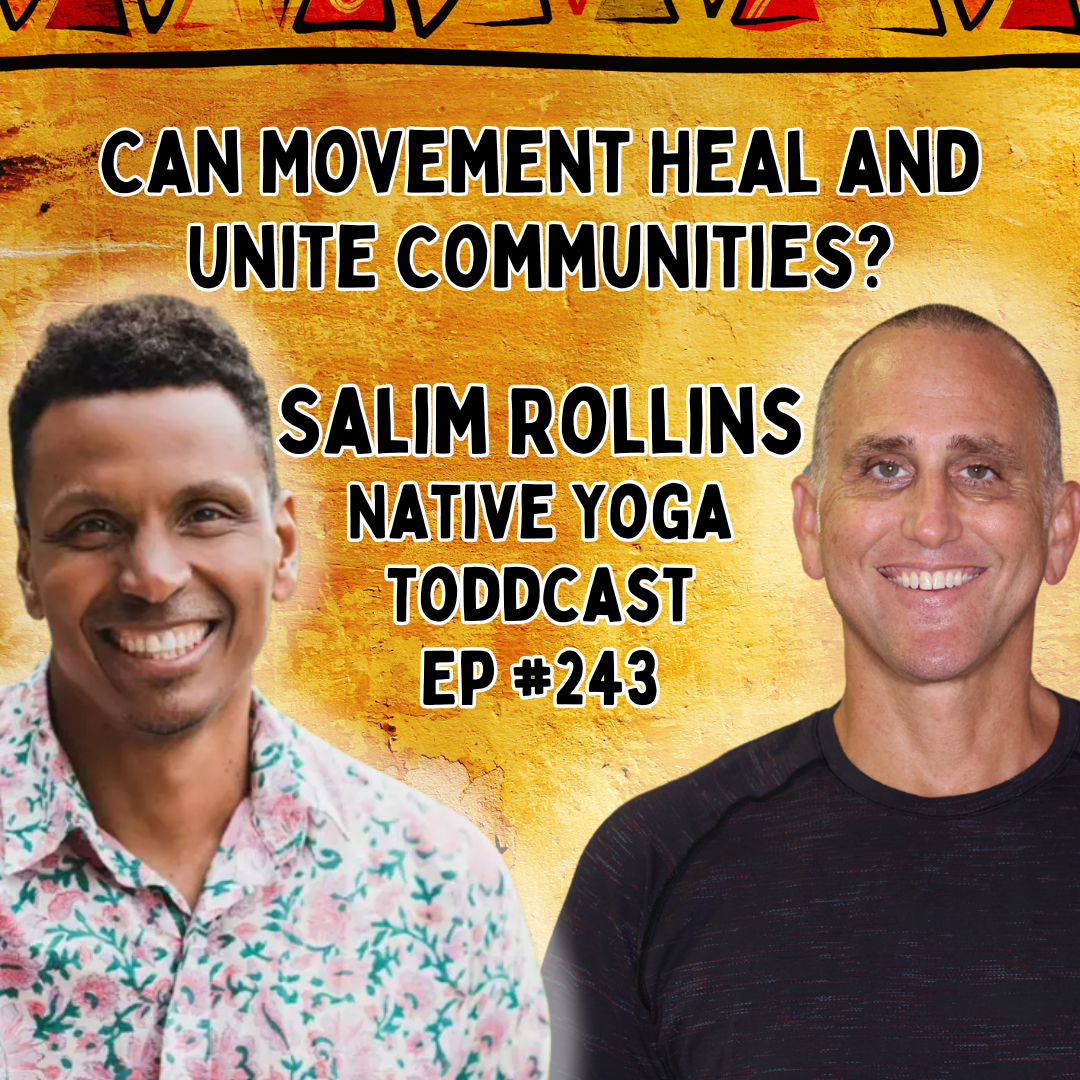
Salim Rollins | Finding Freedom Through Yoga, Capoeira, and Culture in Africa

Listen to Toddcast with Salim for FREE here

Salim Rollins is a yoga and capoeira teacher based in Nairobi, Kenya, where he co-directs Synergy Yoga with Francisco Morales. Blending Eastern philosophies with African and Brazilian traditions, he leads transformative retreats and workshops. Deeply respected in his community, Salim inspires others through his commitment to wellness, cultural connection, and empowering African youth to embrace their heritage through movement, mindfulness, and self-discovery.

Visit Salim here: https://synergy.yoga/

Key Takeaways:

  • Salim Rollins shares his move from the U.S. to Kenya, drawn by cultural roots and the enriching environment to raise his children.
  • His exploration into yoga began in high school, evolving as a practitioner and teacher after experiencing the blending of yoga with capoeira.
  • The episode highlighted the philosophical depth of capoeira as an art form from Africa that underwent a cultural metamorphosis in Brazil.
  • Salim detailed his innovative retreat ‘Bush to Beach,’ combining Kenyan safari with cultural immersion and wellness activities like yoga and Thai bodywork.

Discovering Synergy: Yoga and Capoeira Across Continents

Understanding the Cultural Connection

In a world increasingly focused on globalization, the crossing of cultural boundaries fosters mutual understanding and growth. Salim Rollins, a prominent figure residing in Nairobi, Kenya, exemplifies this union by connecting African roots and international awareness through the introduction of Capoeira, an Afro-Brazilian martial art, in African communities.

Rollins describes Capoeira as not merely a martial art but “the art of liberation, the art of resistance.” Its roots, steeped in a history of survival and resistance among African enslaved peoples in Brazil, strike a profound chord when taught in Nairobi. Here, Salim integrates his cultural heritage into this art form, creating a bridge over centuries that connects contemporary African youths to their ancestral past.

Salim’s work also highlights the potential of Capoeira as a tool for cultural reclamation and self-empowerment, akin to other cultural expressions like yoga, which he practices deeply. He shares, “I think being in a country as well where it’s not hyper-racialized… influences their self-esteem, their vision for what and who they can become as people.” Both Capoeira and yoga serve as vehicles that transcend mere physical practice—they are pathways to understanding identity and building community.

Adaptive Practices in Capoeira and Yoga

Both Capoeira and yoga adapt to the needs of their practitioners, offering solace and strength in equal measure. Salim recounts finding his first true teacher in New York and how yoga provided balance during his intense Capoeira training. This adaptability is central to the transcultural journey of both practices. Yoga has famously spread from India to gain worldwide prominence, a narrative echoed in Capoeira’s journey from Africa to Brazil and back.

The flexibility of Capoeira is evident in its duality—”We like to call it the art of liberation… it brings together music, percussive music, call and response songs. The physical movements are very graceful,” Salim explains. While it maintains its martial roots, Capoeira’s game aspect indicates a cultural shift towards inclusion and artistic expression, showing its ability to transform according to contemporary cultural contexts, just as yoga has.

Salim’s portrayal of Capoeira’s return to Africa is reminiscent of yoga practitioners in the West seeking authenticity by studying in India. Just as yoga adapts its practice to align with modern lifestyles, Capoeira, through Salim’s efforts, reintegrates into African communities while honoring the essence of its origins. “It’s not a definitive one way or the other,” Salim notes, emphasizing Capoeira’s adaptable nature in being both playful and profound.

Collaborative Spirit: Building Global Communities

Collaboration and community-building lie at the heart of both yoga and Capoeira, and Salim Rollins embodies these values through his work fostering connections between diverse communities. His collaboration with Francisco Morales of Synergy Yoga exemplifies this, with their retreats offering profound cultural experiences and personal growth through the combination of yoga and Capoeira.

Salim eloquently describes integrating Capoeira into Kenyan communities as a process that “ignites this thing that’s already within… they understand it as theirs in an essential way.” His work with Capoeira illuminates a vital aspect of these practices: empowerment through community and heritage. By facilitating retreats and educational experiences, Salim and Francisco create spaces that encourage dialogue, understanding, and mutual respect among participants from around the globe.

Conversations between practitioners can often spark new insights and foster a deeper understanding of one’s own identity and the world. Salim suggests that through “genuine conversation and sometimes talking to someone who may have a different perspective,” one can truly understand the value of cultural exchange.

Both Capoeira and yoga, as global practices, allow for unique collaborations and the sharing of diverse perspectives. They encourage practitioners to learn from each other—an approach echoed in Synergy Yoga’s philosophy of partnership and collaboration. Through retreats that are more than just physical practice—they are journeys that honor culture, community, and personal growth—these ancient traditions continue to evolve in their expression and reach.

As experiences like Salim’s show, the intersections of yoga and Capoeira across continents invite a deeper exploration of tradition, cultural exchange, and personal identity. Unlocking the potential of these practices to foster understanding and connection across borders holds promise for a more inclusive and interconnected world.

Thanks for listening to this episode. Check out: 👇
8IN8 Ashtanga Yoga for Beginners Course Online– Learn 8 Limb Yoga in 8 Days – Get FREE coupon code for a limited time only (Regular price $88) https://info.nativeyogacenter.com/8in8-ashtanga-yoga-for-beginners-8-limbs-in-8-days/

Practice with Native Yoga Online – New classes EVERY day – Use Code FIRSTMONTHFREE https://nativeyogacenter.teachable.com/p/today-s-community-class

Subscribe to Native Yoga Center and view this podcast on Youtube.

Thank you Bryce Allyn for the show tunes. Check out Bryce’s website: bryceallynband.comand sign up on his newsletter to stay in touch. Listen here to his original music from his bands Boxelder, B-Liminal and Bryce Allyn Band on Spotify.

Please email special requests and feedback to info@nativeyogacenter.com

Support the show

Native Yoga website: here
YouTube: here
Instagram: @nativeyoga 
Twitter: @nativeyoga 
Facebook: @nativeyogacenter 
LinkedIn: Todd McLaughlin
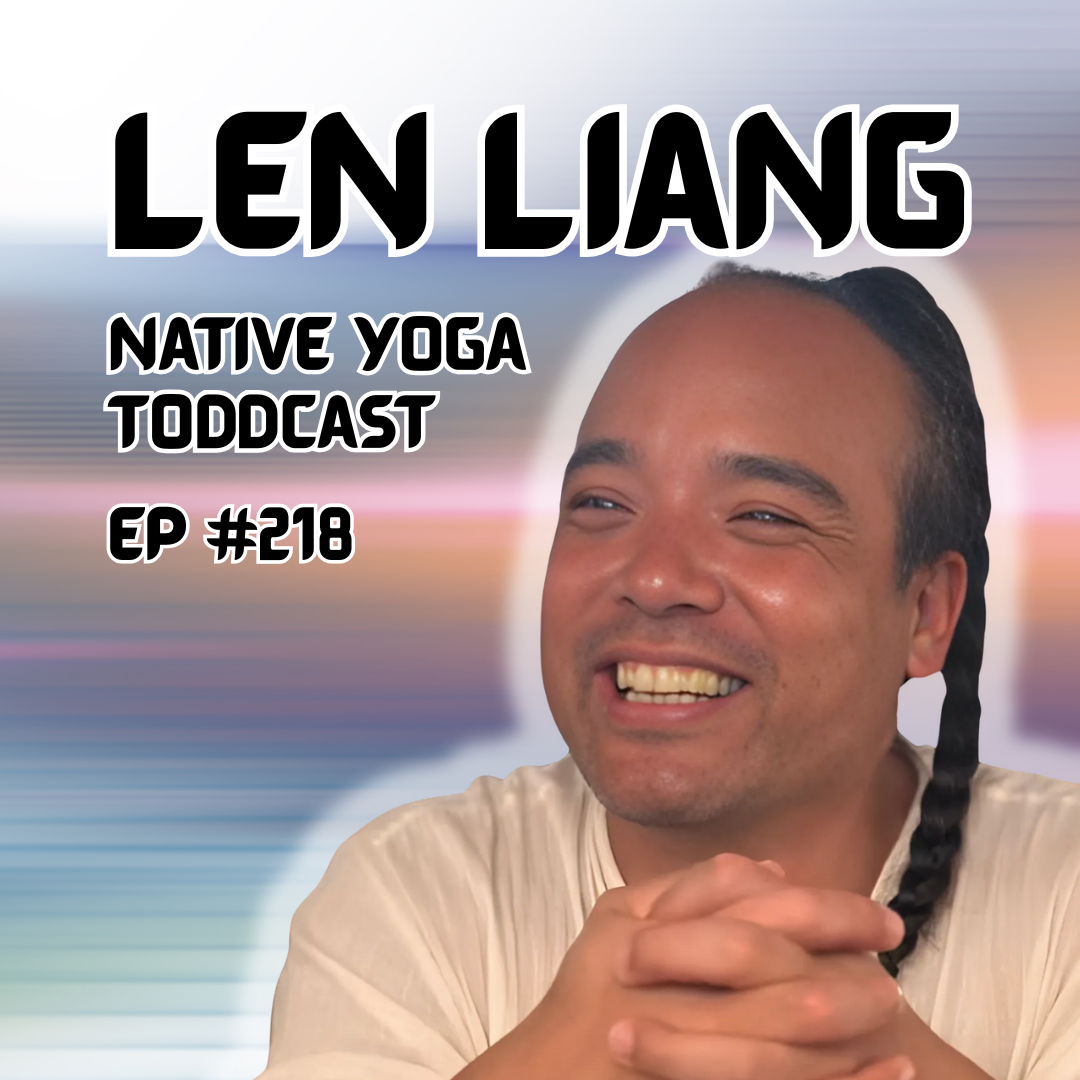
Len Liang ~ East Meets West: The Fusion of Thai and Western Massage Cultures

Listen to Toddcast with Len for FREE here

Len Liang is a distinguished Thai massage practitioner based in Canada. With a background in hospitality and music, Len transitioned into the world of massage therapy around three years ago, studying with the ITM (International Training Massage) school and quickly establishing himself as a prominent figure in the field. His journey includes competing in various international massage competitions, where he has been recognized for his innovative approach and dedication to the craft. Len brings a unique blend of creativity and tradition to his practice, emphasizing the importance of vibrations and energy in therapeutic settings.

Follow Len here: https://www.instagram.com/waikru.massage/

Key Takeaways:

  • Diverse Influence: Len Liang’s transition from hospitality and music into massage therapy illustrates a multidisciplinary approach, enriching his current practice.
  • International Competition Role: Engaging in global massage competitions fosters community and innovation within the therapeutic field, allowing practitioners to learn and grow beyond borders.
  • Cultural Interpretations: Thai massage adapts uniquely across different cultures, integrating local customs and practices, as highlighted by Len’s experiences in Japan and Thailand.
  • Energy and Creativity in Massage: Len emphasizes the vital role of energy, vibrations, and creativity in massage therapy, encouraging adaptability and personalization in practice.

The Global Stage: How Competitions Elevate Thai Massage

Thai massage has evolved far beyond its roots, thanks to a new wave of international competitions. As seen in the conversation with Len Liang, a passionate Thai massage practitioner, these competitions serve as a melting pot for both tradition and innovation.

In an era where massage is being recognized in competitive spaces, practitioners are challenged to expand their horizons. Len shares, “Going with the mentality that you must win… allows for more learning than just aimless participation.” This insight reveals that the competitive environment drives creativity in technique, allowing for new styles and approaches to flourish. The process cultivates an environment where adaptability is king, allowing practitioners, like Len, to modify techniques based on client needs or competitive standards.

The underlying essence of creativity is underscored in Liang’s story about a participant using an oar during a massage. Such innovations wouldn’t thrive in a closed ecosystem. Instead, they require a global stage where ideas can cross-pollinate, making Thai massage not only an art but a continuously evolving practice.

Building Community through International Gatherings

Beyond the techniques and trophies, Thai massage competitions represent a vibrant tapestry of community. As Len notes, the most significant gain from these global gatherings is “building community of people, meeting others from all over the world, getting to see different styles.” This is not just a cultural exchange; it is a blend of philosophies, where practitioners learn not only varying techniques but also the cultural contexts that shape them.

While participating in a Japanese competition, Len was particularly moved by one competitor, describing her work as reminiscent of “a blossom falling off a tree,” a testament to the profound cultural intersection shaping these encounters. Competitions become venues where cultural nuances manifest in approaches to healing, enriching the practice with diverse perspectives.

Key moments emerge not just from the massage floor but from the conversations and friendships forged between sessions. Len’s experience embodies this: “When we have a worldwide community of something, politics and borders are erased,” emphasizing the unifying power of shared passion. This theme highlights the broader importance of massage competitions as convergence points where common purpose outweighs differences.

The Spiritual Undertones in the Practice of Thai Massage

The dialogue further delves into the spiritual dimensions of Thai massage, challenging the notion that it is purely a physical art. Len shares an anecdote from his teaching experience where students unanimously cited spirituality as their reason for learning Thai massage—a reminder that many practitioners seek holistic growth through this work.

This spiritual aspect raises intriguing questions about how Thai massage is taught and practiced. Len expresses that the essence of teaching isn’t merely technical execution but helping students connect deeply with the practice, fostering an environment for personal grounding and enlightenment. By doing so, teachers can cater to the ever-evolving needs of both novices and seasoned practitioners drawn to the spiritual enrichment Thai massage offers.

Reflecting on Len’s experiences, it’s clear that Thai massage competitions are much more than a showcase of skills; they are a vibrant ecosystem that nurtures innovation, builds global communities, and honors its spiritual heritage. It reminds us that the evolution of this practice lies not just in mastering techniques but in blending creativity, community, and spirituality into a rich tapestry that can heal and transform both practitioner and client alike. Exploring this global journey, from the bustling competitions in Japan to the sacred traditions of Thailand, underscores an essential truth: the art of Thai massage is a living, breathing entity, forever destined to grow and evolve.

Thanks for listening to this episode. Check out: 👇
8IN8 Ashtanga Yoga for Beginners Course Online– Learn 8 Limb Yoga in 8 Days – Get FREE coupon code for a limited time only (Regular price $88) https://info.nativeyogacenter.com/8in8-ashtanga-yoga-for-beginners-8-limbs-in-8-days/

Practice with Native Yoga Online – New classes EVERY day – Use Code FIRSTMONTHFREE https://nativeyogacenter.teachable.com/p/today-s-community-class

Subscribe to Native Yoga Center and view this podcast on Youtube.

Thank you Bryce Allyn for the show tunes. Check out Bryce’s website: bryceallynband.comand sign up on his newsletter to stay in touch. Listen here to his original music from his bands Boxelder, B-Liminal and Bryce Allyn Band on Spotify.

Please email special requests and feedback to info@nativeyogacenter.com

https://info.nativeyogacenter.com/8in8-ashtanga-yoga-for-beginners-8-limbs-in-8-days/

Support the show

Native Yoga website: here
YouTube: here
Instagram: @nativeyoga 
Twitter: @nativeyoga 
Facebook: @nativeyogacenter 
LinkedIn: Todd McLaughlin

Rianna Banana ~ Secrets of Thai Massage: From Ancient Healing to Modern Practice

Listen to Toddcast with Rianna for FREE HERE

Rianna Banana is a seasoned practitioner and trainer in the realms of Thai massage, yoga, and holistic retreats. With a foundational background in hotel management, Rianna transitioned her career towards yoga and bodywork, obtaining her yoga teacher certification in Rishikesh in 2019. She has further specialized in Thai massage, having studied at ITM in Chiang Mai where she completed advanced courses and teacher training. Currently, she operates out of a retreat center in Portugal, where she leads yoga classes, offers Thai massage sessions, and co-hosts holistic retreats throughout the year.

Visit Rianna here: https://www.riannabanana.com/

Key Takeaways:

  • Rianna’s exploration of Thai massage began with an impactful first experience in Bangkok, which led her to study extensively at the ITM school in Chiang Mai.
  • She emphasizes the importance of consistency and simplicity in massage, shared with love, as witnessed during her studies at ITM.
  • Rianna’s weaves perspectives on vinyasa flow, meditation, and the mental health benefits of integrating yoga retreats into your journey of self-care and self-love.

Rediscovering Thai Massage: Unveiling the Ancient Art of Healing

  • The traditional Thai massage is deeply influenced by both Ayurveda and Chinese traditional medicine, emphasizing a holistic approach to healing.
  • ITM (International Training Massage) School in Chiang Mai provides a rich blend of traditional teachings with modern insights, offering an immersive experience.
  • Thai massage is recognized by UNESCO as an Intangible Cultural Heritage, underscoring its significance and respectful practice.

The Ancient Roots and Influence of Thai Massage

In the conversation between Rianna Banana and Todd, the profound influence of both Ayurveda from India and Chinese traditional medicine on Thai massage is evident. These complementary systems form the core of Thai traditional medicine, intertwining energy lines, known as sen, with elements from its neighboring cultures. “The knowledge comes from a combination of Chinese traditional medicine…and also the other big brother country that’s next to Thailand, India, Ayurveda,” notes Rianna.

This harmonious blend is not only about physical healing but also about aligning the body with its natural elements – earth, water, fire, and air. Todd reminisces about his first encounters with Thai massages in Bangkok and Chiang Mai, appreciating the “stretching and movements that felt like a reset”. This holistic approach is what differentiates Thai massage, offering an experience that transcends the usual spa-like indulgence, setting it apart as a therapeutic art form.

The implications of this are vast. Thai massage, as underscored in Rianna’s experience, is not merely a series of physical techniques but a pathway to balancing the body’s energies. This makes it an essential practice in maintaining overall health and wellness, appealing to those seeking a more natural and harmonious life approach.

The Evolution of Thai Massage Education at ITM

The enriching experience at the ITM School vividly highlights its innovative blend of tradition with contemporary insights. Located in Chiang Mai, ITM has gained recognition for teaching Thai massage in English, making it accessible to a global audience. Todd and Rianna’s shared experiences at ITM encapsulate the school’s dedication to preserving traditional techniques while integrating modern elements, such as anatomy understanding.

According to Rianna, ITM is in a state of constant growth and adaptation, with curriculum advancements such as splitting their training into several progressive levels. This structured approach allows practitioners to absorb the depth and breadth of Thai massage without becoming overwhelmed. “What I really learned from them is consistency and simplicity,” says Rianna, acknowledging the school’s commitment to cultivating these qualities in its students.

Training at ITM also encompasses a broader understanding of Thai massage’s role in cultural heritage, equipping students with a respect for its spiritual roots. This educational model nurtures practitioners who appreciate both the therapeutic benefits and the cultural significance of Thai massage, thus encouraging a more holistic practice that respects its origins.

UNESCO Recognition: Thai Massage as Cultural Heritage

The recognition of Thai massage as an Intangible Cultural Heritage by UNESCO signifies its cultural and historical significance. As the conversation reveals, this accolade emphasizes the sacredness and tradition inherent in the practice. “Thai massage is UNESCO Intangible World Heritage,” Rianna mentions, highlighting the global recognition of its value.

UNESCO’s recognition ensures the preservation and continuation of Thai massage as a cultural practice, promoting its authentic form globally. It acts as a safeguard against the potential dilution of its core principles by ensuring practitioners maintain traditional methods. Rianna’s experiences in ITM and her narrative convey the importance of honoring this lineage through dedicated study and practice.

The impact of this is profound, encouraging practitioners worldwide to adopt a respectful and informed approach. It influences not just how Thai massage is practiced but also how it is perceived globally, promoting an understanding that extends beyond mere physical benefits to a deeper appreciation of cultural heritage.

In reflecting on conversation insights, the enduring appeal of Thai massage lies in its foundational principles and historical depth. From its rich educational traditions at ITM to its recognition by UNESCO, Thai massage continues to capture interest worldwide. It provides an invaluable lesson in the importance of preserving cultural heritage while embracing modern developments, ensuring its practice retains authenticity and respect.

This dynamic evolution invites practitioners to immerse themselves fully, appreciating Thai massage not merely as a technique but as an embodiment of history, cultural reverence, and holistic healing, offering a transformative journey for both giver and receiver.

Thanks for listening to this episode. Check out: 👇
8IN8 Ashtanga Yoga for Beginners Course Online– Learn 8 Limb Yoga in 8 Days – Get FREE coupon code for a limited time only (Regular price $88) https://info.nativeyogacenter.com/8in8-ashtanga-yoga-for-beginners-8-limbs-in-8-days/

Practice with Native Yoga Online – New classes EVERY day – Use Code FIRSTMONTHFREE https://nativeyogacenter.teachable.com/p/today-s-community-class

Subscribe to Native Yoga Center and view this podcast on Youtube.

Thank you Bryce Allyn for the show tunes. Check out Bryce’s website: bryceallynband.comand sign up on his newsletter to stay in touch. Listen here to his original music from his bands Boxelder, B-Liminal and Bryce Allyn Band on Spotify.

Please email special requests and feedback to info@nativeyogacenter.com

https://info.nativeyogacenter.com/8in8-ashtanga-yoga-for-beginners-8-limbs-in-8-days/

Support the show

Native Yoga website: here
YouTube: here
Instagram: @nativeyoga 
Twitter: @nativeyoga 
Facebook: @nativeyogacenter 
LinkedIn: Todd McLaughlin
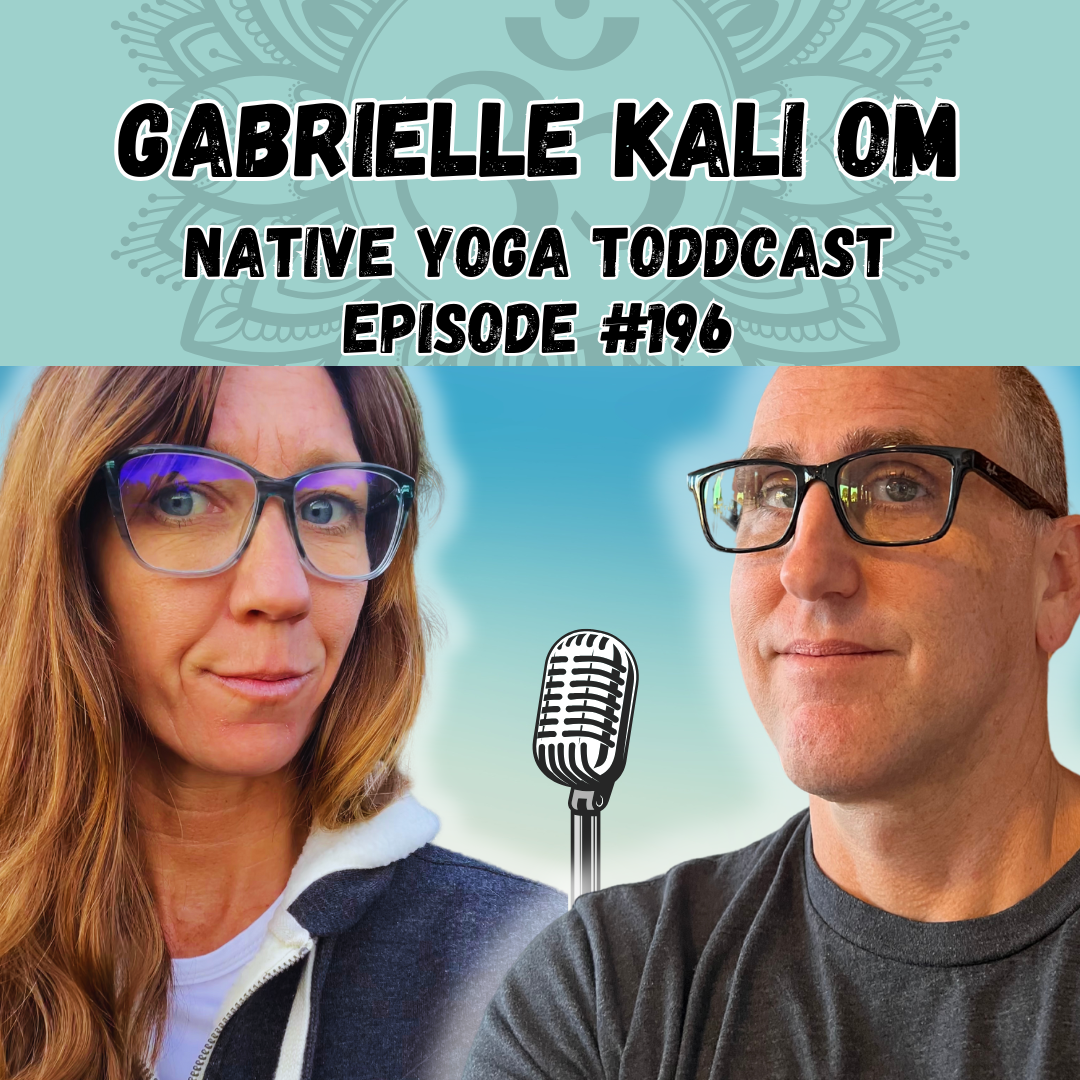
Gabrielle Kali Om – From Vision to Reality: The 10-Year Journey to a Yoga Retreat Center

Listen to Toddcast with Gabrielle for FREE Here

Gabrielle Kali Om is a dedicated yoga teacher and the proprietor of Ojas Retreat Center, a tranquil sanctuary located in Southern California. With over two decades of experience in the field of yoga, Gabrielle has traveled extensively, conducting retreats around the globe in Greece, Spain, Bali, Costa Rica, among others. She is a long-time student of Sri Dharma Mittra, honing her skills and knowledge under his tutelage for over 15 years. Gabrielle’s vision for Ojas Retreat Center is deeply rooted in creating transformative experiences for all who visit, emphasizing a seamless and nurturing environment where guests can fully immerse in their journey toward peace and self-discovery.

Visit here websites at: https://www.ojasretreatcenter.com/
Personal site: https://www.yoginikali.com/

Key Takeaways:

  • Gabrielle Kali Om built Ojas Retreat Center based on a long-held vision inspired by meditation and visualization practices.
  • The retreat center places a strong emphasis on providing a seamless guest experience, reducing distractions to facilitate deep inner work.
  • The episode underscores the significance of yoga in daily life and the ongoing evolution of personal practice.

The Vision Behind a Retreat Center: From Meditation to Reality

In the realm of wellness and spiritual growth, a retreat center stands as a sanctuary for those seeking peace and personal transformation. Gabrielle Kali Om’s journey in creating the Ojas Retreat Center exemplifies a compelling narrative of vision, intuition, and execution. Her story, rooted in a deep connection with yoga and its community, reveals how profound dreams can unfold into tangible realities.

Gabrielle narrates her journey, “It wasn’t something that I sort of invented with my own mind or my desires. It was out of… an obvious awareness, realization that comes to you,” she recalls. It began with meditative visualizations, reflecting the teachings of her guide, Sri Dharma Mittra. The clarity of her vision—a retreat center facilitating spiritual and personal enrichment—shaped a decade-long journey of practical steps and relentless determination.

The transformation of visualization into reality necessitates both persistence and creativity. A vital part of realizing her dream was the adaptability required by external circumstances, such as the COVID-19 pandemic limiting her options to continental U.S. Gabrielle elucidates, “I thought… this might not be Bali… but actually, it’s better than that.” Through relentless exploration and an openness to possibilities, Gabrielle materialized her vision in the rolling hills of Southern California, a testament to her dedication to holistic wellness and community building.

The Importance of Flow in Retreat Experience Design

One cannot underestimate the profound importance of flow in the structure and dynamics of a retreat center. Flow represents not just the physical setup but the holistic experience that nurtures guests, allowing them to immerse fully in their personal journey.

Gabrielle describes the core objective: “Flow is something that is really important in a retreat… how to create such a space that the people in attendance do not have to think about anything.” It’s about removing barriers and distractions, so guests are free to engage deeply with their yoga practice and personal introspection. The center intentionally designs every aspect—from simple logistics like towel access to the intuitive layout of spaces—to evoke tranquility and seamless experience.

The implications of this finely-tuned environment extend beyond individual satisfaction. Creating an experience that minimizes stress establishes a fertile ground for profound personal transformation, demonstrating the power of meticulous planning and empathetic design. Gabrielle reflects on the importance of clarity as a form of kindness, noting, “Being clear… is one way of showing kindness and compassion for people.”

Balancing Dreams with Realities: The Journey of Establishing Ojas Retreat Center

Creating a retreat center is a complex process that requires balancing visionary aspirations with practical realities. Gabrielle’s journey exemplifies this dynamic, highlighting the unexpected challenges and learning curves encountered along the way.

Transforming a vision into a functional retreat demanded Gabrielle’s adaptation to new roles and responsibilities. “It was a solid decade before… I… owned this retreat center,” she explains. Such endeavors call for patience and strategic thinking, especially when influenced by unforeseen factors like the pandemic that guide decisions toward deliberate and meaningful solutions.

Gabrielle’s experience underscores the value of community integration, regulatory considerations, and aligning one’s mission with local ecosystems. She shares, “…it wasn’t immediate that I found this particular place,” revealing the intricacies involved in location selection and the imperative to respect community dynamics and regulatory frameworks.

With determination and respect for local cultures and practices, Gabrielle nurtures a space that harmonizes with its environment, safeguarding the operational smoothness and longevity of her dream.

Gabrielle Kali Om’s journey from a vivid meditative vision to the establishment of the Ojas Retreat Center offers a profound reflection on ambition, spirituality, and service. Her emphasis on the ‘flow’ within retreat operations reveals how thoughtful design can cultivate spaces for genuine transformation. Meanwhile, the challenges she embraced along her path illuminate the critical balance between enduring dreams and real-world obstacles. Ultimately, Gabrielle’s narrative is a testament to the enduring power of visualization, patience, and dedication—a beacon for aspiring visionaries in the wellness community.

Thanks for listening to this episode. Check out: 👇
8IN8 Ashtanga Yoga for Beginners Course Online– Learn 8 Limb Yoga in 8 Days – Get FREE coupon code for a limited time only (Regular price $88) https://info.nativeyogacenter.com/8in8-ashtanga-yoga-for-beginners-8-limbs-in-8-days/

New Student FREE Livestream Special ~ 2 Weeks of Free Unlimited Livestream Yoga Classes at Native Yoga Center https://info.nativeyogacenter.com/livestream/

Practice with Native Yoga Online – New classes EVERY day – Use Code FIRSTMONTHFREE https://nativeyogacenter.teachable.com/p/today-s-community-class

Subscribe to Native Yoga Center and view this podcast on Youtube.

Thank you Bryce Allyn for the show tunes. Check out Bryce’s website: bryceallynband.comand sign up on his newsletter to stay in touch. Listen here to his original music from his bands Boxelder, B-Liminal and Bryce Allyn Band on Spotify.

Please email special requests and feedback to info@nativeyogacenter.com

https://info.nativeyogacenter.com/8in8-ashtanga-yoga-for-beginners-8-limbs-in-8-days/

Enjoy new Native Yoga Center classes uploaded everyday on our online learning hub. Use code FIRSTMONTHFREE at checkout. https://nativeyogacenter.teachable.com/p/today-s-community-class

Support the show

Native Yoga website: here
YouTube: here
Instagram: @nativeyoga 
Twitter: @nativeyoga 
Facebook: @nativeyogacenter 
LinkedIn: Todd McLaughlin

Traditional Thai Massage Routine Demonstrated for Full Body Relaxation

In this video, Todd McLaughlin, LMT demonstrates a one-hour traditional northern style Thai massage routine. The massage begins by warming up the client’s feet and then proceeds to work on the energy lines in the body, known as sen lines, using thumb pressure and acupressure point work. Todd explains the importance of creating a steady rhythm and sets the tone for the entire massage session. He also demonstrate various stretches and techniques for different parts of the body, including the legs, arms, back, and neck. Throughout the demonstration, Todd emphasizes the importance of communication with the client and adjusting the pressure and techniques based on their needs and comfort level.

Key Takeaways:

  • Traditional Thai massage combines thumb pressure, acupressure point work, and stretching techniques to release tension and promote relaxation.
  • The energy lines in the body, known as sen lines, are important in Thai massage and are worked on using thumb pressure and acupressure point work.
  • Creating a steady rhythm and maintaining good communication with the client are essential in providing an effective and enjoyable Thai massage experience.
  • Thai massage can help release tension, improve flexibility, and promote overall well-being.
  • The combination of Thai massage, yoga, and meditation can create a holistic and transformative experience for the client.
Thai Massage training at Palm Beach Thai Massage located in Native Yoga Center in Juno Beach, Florida.

Traditional Thai Massage: A Journey to Relaxation and Well-being

Key Takeaways:

  • Traditional Thai massage is a holistic practice that combines acupressure, stretching, and deep tissue massage to promote relaxation and balance in the body.
  • The massage routine focuses on specific energy lines in the body, known as sen lines, to release tension and improve the flow of energy.
  • Thai massage not only provides physical benefits but also promotes mental and emotional well-being.

Introduction

Traditional Thai massage is a centuries-old practice that has been passed down through generations in Thailand. It is a holistic approach to healing that combines acupressure, stretching, and deep tissue massage to promote relaxation and balance in the body. In this article, we will explore the main themes discussed in a one-hour traditional Thai massage routine, highlighting the key takeaways and the potential benefits of this ancient practice.

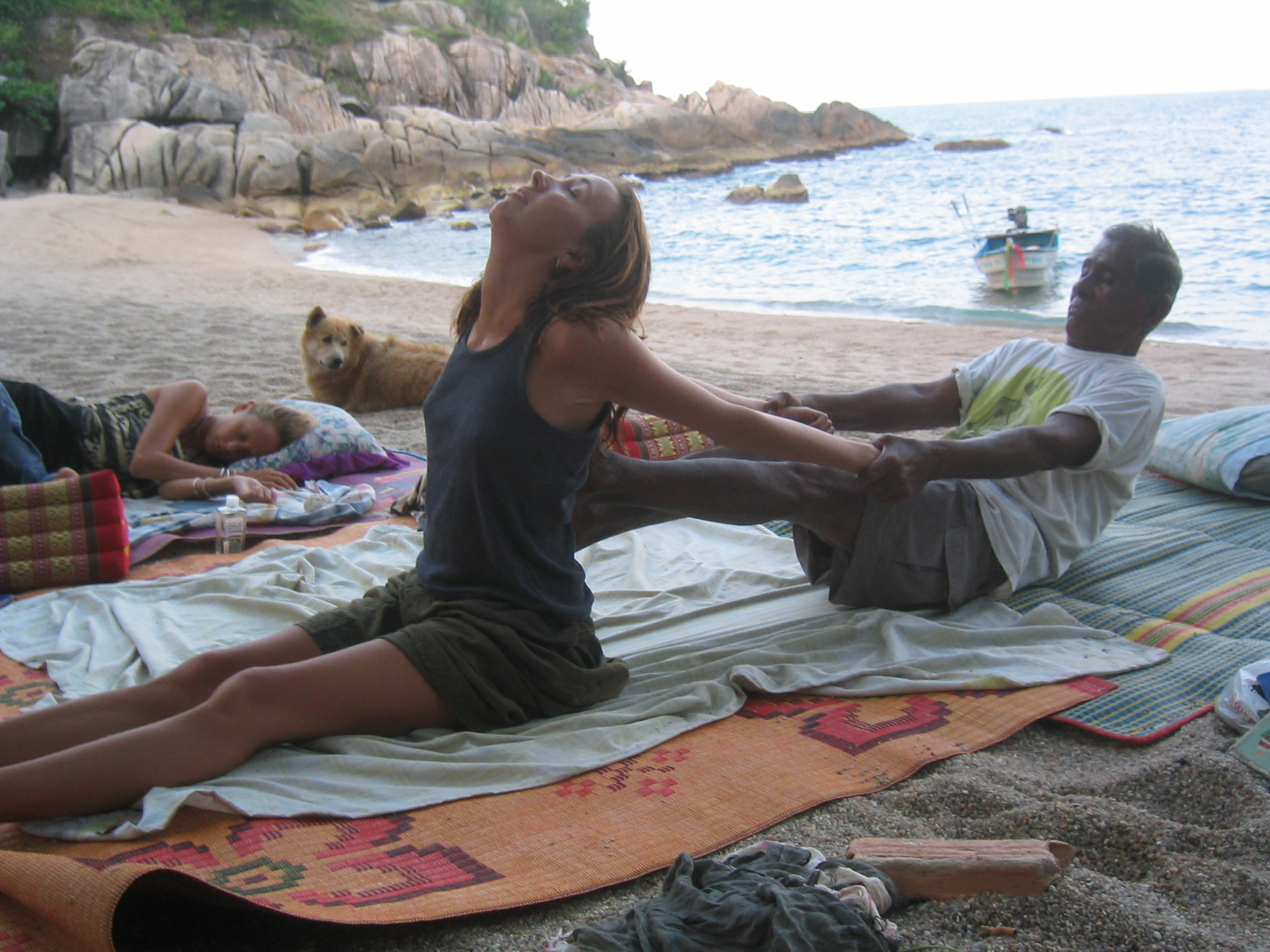
Tamara McLaughlin receiving Thai Massage on the beach in Thailand.

The Power of Thai Massage: Exploring the Key Themes

Theme 1: The Energetic Lines of the Body

One of the fundamental principles of Thai massage is the concept of sen lines, which are energetic pathways that run throughout the body. These sen lines are similar to the meridians in traditional Chinese medicine and are believed to carry life force energy, or prana, throughout the body. During a Thai massage session, the practitioner uses thumb pressure and acupressure techniques to stimulate these sen lines, promoting the flow of energy and releasing any blockages or tension.

Theme 2: The Importance of Palm Pressing and Circulation

Another key aspect of Thai massage is the use of palm pressing and circular motions to warm up the muscles and improve circulation. The practitioner begins by warming their hands and then proceeds to palm press and walk along the client’s feet, calves, and thighs. This rhythmic motion helps to relax the nervous system and prepare the body for deeper work. By applying pressure and circular movements, the practitioner stimulates blood flow and encourages the release of tension in the muscles.

Theme 3: Stretching and Flexibility

Thai massage is renowned for its unique stretching techniques, which help to improve flexibility and range of motion. The practitioner gently guides the client into various yoga-like positions, using their hands, elbows, and feet to apply pressure and stretch the muscles. These stretches not only release tension but also help to lengthen and elongate the muscles, promoting a sense of openness and freedom in the body.

Preparing to work the Sen lines on the outside leg.

The Broader Implications of Thai Massage

Thai massage offers a multitude of benefits that extend beyond the physical realm. By working on the energetic lines of the body, Thai massage helps to restore balance and harmony, promoting overall well-being. The combination of acupressure, stretching, and deep tissue massage stimulates the body’s natural healing mechanisms, supporting the immune system and reducing stress.

Furthermore, Thai massage has a profound impact on mental and emotional well-being. The deep relaxation and meditative state induced during a Thai massage session can help to alleviate anxiety, improve sleep quality, and enhance overall mood. The release of tension and the restoration of energy flow create a sense of calm and tranquility, allowing for a deeper connection between mind, body, and spirit.

The Thai Massage version of Bow Pose aka Dhanurasana.

Conclusion

Traditional Thai massage is a powerful practice that offers a holistic approach to healing and well-being. By focusing on the energetic lines of the body, promoting circulation, and incorporating stretching techniques, Thai massage provides a unique and transformative experience. The benefits of Thai massage extend beyond the physical, encompassing mental, emotional, and spiritual aspects of well-being. Whether you seek relaxation, pain relief, or a deeper connection with yourself, Thai massage offers a pathway to balance and harmony. Embrace the ancient wisdom of Thai massage and embark on a journey to relaxation and well-being.

Thanks for reading our blog.

If you would like to schedule a Thai Massage with Todd call 561-296-7996.

You can find more information about our Thai Massage studio and Thai Massage Training Courses by visiting our Thai Massage website at: https://palmbeachthaimassage.com

Check out: 👇
Free Grow Your Yoga Live Webinar – Every Thursday at 12pm EST
➡️ Click here to receive link

New Student FREE Livestream Yoga Special ~ Try 2 Weeks of Free Unlimited Livestream Yoga Classes  at Native Yoga Center. info.nativeyogacenter.com/livestream 
Sign into the classes you would like to take and you will receive an email 30 minutes prior to join on Zoom. The class is recorded and uploaded to nativeyogaonline.com  ➡️  Click Here to Join. 

Practice to a New Yoga Class every day with our nativeyogaonline.com course called Today’s Community Class with code FIRSTMONTHFREE.

Native Yoga Teacher Training 2024– In Studio and Livestream – for info delivered to your email click this link here: ➡️ https://info.nativeyogacenter.com/native-yoga-teacher-training-2023/

Subscribe to Native Yoga Center and view this video on Youtube.

Please email special requests and feedback to info@nativeyogacenter.com

Support the show

Native Yoga website: here
YouTube: here
Instagram: @nativeyoga 
Twitter: @nativeyoga 
Facebook: @nativeyogacenter 
LinkedIn: Todd McLaughlin
Leah Hester – Yoga, Inspiration and Finding Peace in Life

Leah Hester, a yoga teacher and influencer, joins the Native Yoga Toddcast to discuss her journey with yoga and how it has helped her find peace and improve her life. She shares her experiences living in different places, including Costa Rica and Guatemala, and how yoga has been a constant in her life during these transitions. Leah emphasizes the importance of self-love and self-care, and how it allows us to show up for others and spread kindness.

Listen to Podcast for Free Here

Follow Leah on her Instagram at @iamleahhester
Also on her YouTube channel @leahhester
You can contact her via email at iamleahhester@gmail.com

Key Takeaways:

  • Yoga is a whole lifestyle that goes beyond just the physical practice.
  • The practice of yoga helps us come back to ourselves and find peace within.
  • It’s important to be open-minded and willing to change our beliefs when new information comes our way.
  • Kindness and empathy can go a long way in creating a more peaceful world.

The Power of Yoga: Finding Peace and Connection in a Chaotic World

Welcome to Native Yoga Toddcast. So happy you are here. My goal with this channel is to bring inspirational speakers to the mic in the field of yoga, massage bodywork and beyond. Follow us @nativeyoga, and check us out at nativeyogacenter.com. All right, let’s begin.

Welcome to Native Yoga Toddcast. So happy that you’re here. If it’s your first time listening, welcome to the show. For those of you that are longtime listeners, thanks so much for your support. If you’d like to support the show, click here. Every little bit of support is greatly appreciated. This week, I have the pleasure of bringing Leah Hester on to the podcast. Leah joins me here in studio for a discussion about yoga and how she has applied yoga to her life to help improve it and create more peace. And to communicate effectively. Follow Leah on her Instagram, which is at @IamLeahHester. Follow her on her YouTube, which is at @LeahHester. And then also you can send her an email via Gmail, which is IamLeahhestor@gmail.com And for those of you that enjoy digital marketing at the end of the podcast, I went ahead and recorded another little additional segment, which is being played at the end of the closing show music. So if that’s something that interests you, I wanted to ask her a couple of in depth questions regarding her strategy. So you can stay all the way to the end and check it out. All right, thanks so much. Let’s go ahead and get get started. I’m so excited to have Leah Hester here with me today in studio. And Leah, thank you so much for joining me taking time out of your day. How are you feeling today?

Leah: Thank you for having me. I am grateful to be here. I’m feeling really good.

Host: What has been happening for you lately where I know you’re visiting here in Florida. Can you tell me a little bit about what where you are currently in your life in relation to what are you up to these days here in Juno?

Leah: So primarily I came here from Costa Rica, to just stop and pause in my travels and in life really just take like a deep inhale and exhale, and many more to come to redirect my goals and my priorities and really hone down on where I want to set up a home base and what direction I want to take, you know, all the yogic experience and experience teaching yoga that I have accumulated over the past few years.

Host: Where did you grow up?

Leah: I was born and raised in Chicago, Illinois, in a little suburb about 20 miles north of the city.

Host: Cool. What suburb? I don’t know Chicago really well, but I have people that come here that are from there. So I’m curious what what area or what suburb?

Leah: It’s called Highland Park.

Host: Nice. I just had somebody practicing today from Springfield, Illinois.

Leah: I believe that’s the capital.

Host: Right. Yeah. Yeah. That’s obvious. I would think Chicago. Chicago would be the capital of Illinois. Right. But it’s not Yeah, obviously. Yeah. Got it. And then how long were you living in Costa Rica?

Leah: I was just there for three months.

Host: Nice. What part?

Leah: I was in Dominical. Well, so it’s more south than the Osa Peninsula.

Host: Cool. What did you think? Did you enjoy it?

Leah: I love Costa Rica. The slow pace of life and the sweetness of the local ticas in the ticos and the vast amount of yoga and yoga community is amazing. Nice. Great time.

Host: Cool. What was your first introduction to yoga?

Leah: My first introduction to yoga actually began with philosophy. I went to college for one short year. For a short year, but I studied philosophy that year. And that kind of led me into being curious about yogic philosophy. And so I started reading into that I developed a meditation practice. And then shortly after, did my yoga teacher training.

Host: What was the text that you first started to read in relation to yoga philosophy?

Leah: Hmm, that’s a good question that goes so far back. I think the first texts that I truly read in and out was the Yoga Sutras.

Host: That’s awesome. That’s a classic book. Yeah. What were your thoughts? Do you remember when you first read it? What your first reaction to it was? Was it like something that you felt was easy to understand? Or was it something that you’re reading going…. what are we talking about here?

Leah: I immediately loved it, and resonated with it. There were a few passages, of course, a few sutures that I had to reread, sometimes more than twice like to really grasp and digest it. But ultimately reading through it for me, it was like enjoyable.

Host: Nice. When you did your yoga teacher training, was it at a studio in Chicago, or in Illinois?

Leah: After I went to college in San Diego for that one year. And then when I left school, I stayed there. So before Costa Rica up until Costa Rica, so just up until about six months ago, I was living in San Diego. That was really what feels like home to me. And yeah, that’s I did my yoga teacher training at a cool studio. They’re called Trilogy in La Jolla.

Host: Great. My wife and I used to live in San Diego as well. It’s such a fun city. Yeah. And did you live in La Jolla? Or did you commute to go to La Jolla for the training?

Leah: Yeah, I did live in La Jolla for about a year. After that, I moved to North County. By Encinitas and did my yoga teacher training when I was living in Encinitas. It’s about a 20 minute drive south but it was beautiful down the 101.

Host: Right! Like Encinitas, Leucadia. Del Mar. So we go a little bit south of Del Mar on the way to La Jolla at Torrey Pines. Did you go to Blacks Beach at all? Did you ever go.

Leah: I love Blacks Beach.

Host: Isn’t that amazing? I mean, I know some people would make fun of me cuz I’d love to go surfing there. Yet some folks would make fun that I liked to go because it is a nudist beach. I’m like, trust me. You know, like, I’m not going there for that. And that goat trail that goes down. Did you climb down that? Quite an adventure. So you do surf?

Leah: Yeah. That is one of my biggest passions.

Host: Nice. Cool. So obviously growing up in Illinois, that wasn’t where you started to surf, I’m guessing. And so then when you went to San Diego, that’s where you start picking it up?

Leah: Yep. Yep.

Host: When you did your yoga teacher training, what was the emphasis? Was it like a broad spectrum covering different styles and techniques? Or was it focused on a specific sort of technique or approach?

Leah: The training was mainly vinyasa, Hatha vinyasa, we dabbled in the breath work in prenatal yoga. Philosophy, and Ayurveda. So we got a lot of exposure, like a little nibble of a lot of different categories.

Host: Nice. What teaching opportunities have you had, how long ago was that? How many years ago? Was it that you were in San Diego to here?

Leah: Yeah, that was not this summer. But the last so I was in San Diego just five, six months ago. And, yeah, so just about over a year ago, around a year and a half ago. Was my yoga teacher training. Yeah, and it was a one month immersion so it was every day from like 8am to 5pm

Host: Nice. Very cool. That’s solid. Yeah, yeah. Are you currently teaching?

Leah: I actually just started a YouTube channel. I haven’t posted my flows yet but I have them recorded. So I’m in the editing process. It’s been really fun. So right now only teaching digitally Yeah, and really missing teaching in person.

Host: How did you kind of first start teaching digitally? Like, was it more like? So the timeframe makes me think this is all kind kind of post pandemic not? Not like born out of necessity, like everything shut, and now I can’t like teach or be in a studio. But do you find that you’ve gravitated toward virtual teaching out of just ease? I didn’t grow up with, like, you know, phones and technology and computers. So for me, it was a, it was a challenge to like, start to feel comfortable with integrating all this sort of technology and with teaching, but is that something that you feel like comes natural to you? Or was just like a piece of cake and have to think about it?

Leah: That’s a good question that there’s a lot to unravel there, I’d say there’s a certain energy of physically being with your students that I love, and I think can never truly be replaced. But the essence of it can’t be replaced virtually. However, I do believe that in the world we live in with all of the access, easy access to virtual studios and YouTube, that’s a free platform, that there’s so much abundance there, and that you can take advantage of these platforms and you know, share your teaching skills. So I found it to be pretty breezy transitioning to online. I think what is so appealing about making YouTube flows and meditations is just that it’s accessible to everyone. Yeah, I believe that Yoga should be accessible to everyone.

Click here to listen to rest of this interview.

Thanks for listening to this episode. Check out: 👇
Free Grow Your Yoga Live Webinar – Every Thursday at 12pm EST
➡️ Click here to receive link

New Student FREE Livestream Yoga Special ~ Try 2 Weeks of Free Unlimited Livestream Yoga Classes  at Native Yoga Center. info.nativeyogacenter.com/livestream Sign into the classes you would like to take and you will receive an email 30 minutes prior to join on Zoom. The class is recorded and uploaded to nativeyogaonline.com  ➡️  Click Here to Join. 

Practice to a New Yoga Class every day with our nativeyogaonline.com course called Today’s Community Class with code FIRSTMONTHFREE.

Native Yoga Teacher Training 2024– In Studio and Livestream – for info delivered to your email click this link here: ➡️ https://info.nativeyogacenter.com/native-yoga-teacher-training-2023/

Subscribe to Native Yoga Center and view this podcast on Youtube.

Thank you Bryce Allyn for the show tunes. Check out Bryce’s website: bryceallynband.comand sign up on his newsletter to stay in touch. Listen here to his original music from his bands Boxelder, B-Liminal and Bryce Allyn Band on Spotify.

Please email special requests and feedback to info@nativeyogacenter.comSupport the show

Native Yoga website: here
YouTube: here
Instagram: @nativeyoga 
Twitter: @nativeyoga 
Facebook: @nativeyogacenter 
LinkedIn: Todd McLaughlin