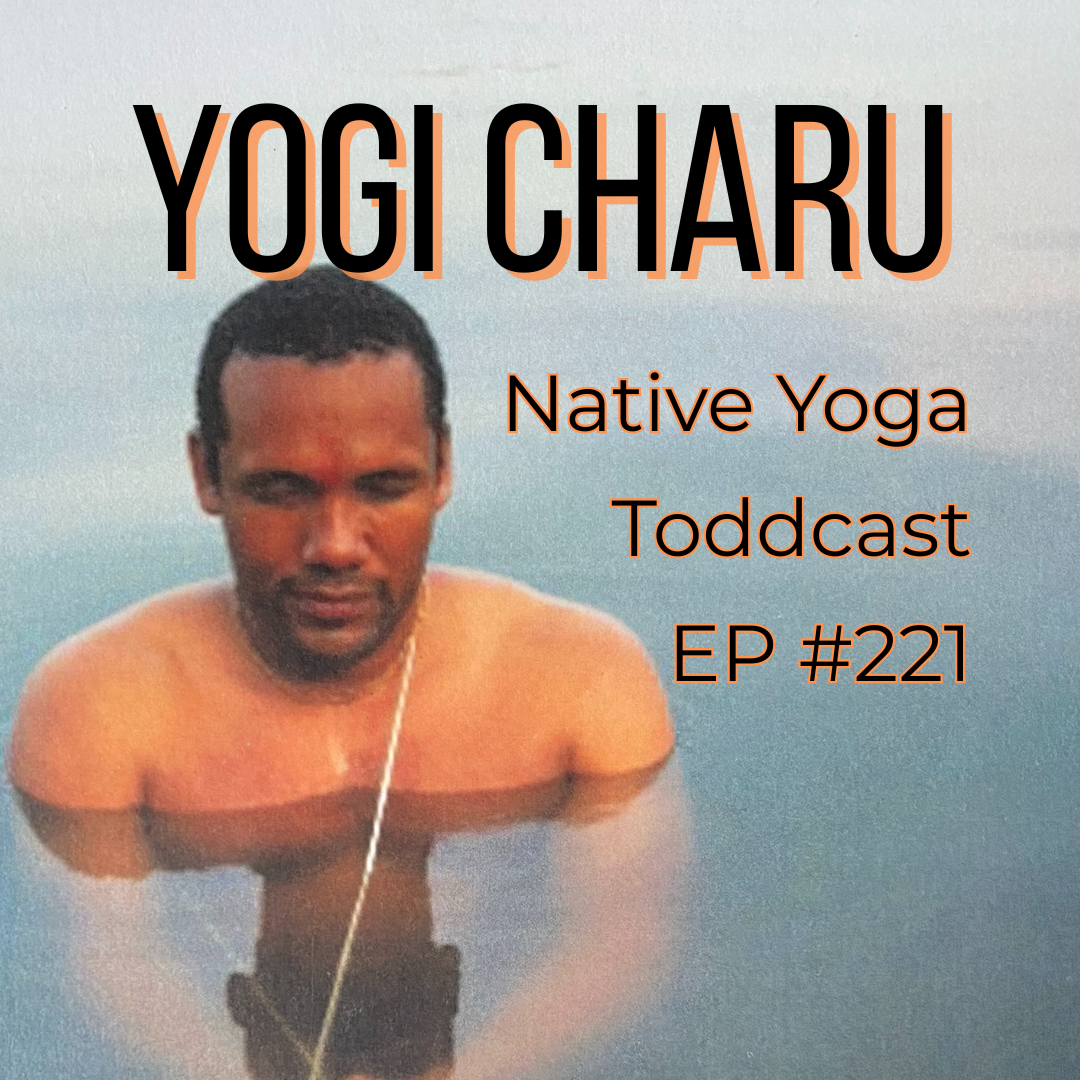
Jeppe Tengbjerg ~ Building International Bridges Through Bodywork

Listen to Toddcast with Jeppe for FREE Here

Jeppe Tengbjerg is the founder and CEO of the International Massage Association and is recognized for his pioneering role in establishing the World Championship in Massage. Born and raised in Denmark, he was inspired by his grandmother, who was a massage therapist and reflexologist. Jeppe has a strong background in professional sports, being a former professional football player and coach, and a business educator before fully dedicating himself to the world of massage therapy. His passion for massage and education is reflected in his work, including the creation of international teaching programs and organizing global massage events.

Visit Jeppe at: https://tengbjerg.dk/

and: https://worldchampionship-massage.com/

Key Takeaways:

  • The World Championship in Massage serves as a platform to inspire, educate, and connect massage therapists worldwide.
  • Thai massage is highlighted for its international acclaim, particularly after being recognized by UNESCO as a cultural heritage.
  • Importance of understanding body mechanics, or ergonomics, in providing sustainable therapy without exerting strain or causing injury to therapists.
  • The role of international teaching programs in fostering a higher standard of massage education across different regions.

Global Unification through the Art of Massage: Insights into the International Massage Association and Its Impact

Celebrating the Art of Massage on a Global Stage

In the world of wellness and therapeutic practices, the concept of massage competitions might initially seem unusual. Yet, as discussed by Jeppe Tengbjerg, the visionary behind the International Massage Association, these events serve as vital platforms for showcasing and evolving the art of massage on an international scale. The IMA’s approach intertwines education, innovation, and global community, transforming how massage therapy is perceived and practiced worldwide.

The journey began when Tengbjerg recognized a need for inspiration within the massage community. “There must be many others in the world like me who need inspiration,” he noted, referencing how practicing in isolation can lead therapists to seek new ideas and connections (0:05:32). The IMA’s competitions, workshops, and international collaborations aim to bridge these gaps by uniting therapists from diverse backgrounds to learn, share, and celebrate their craft collectively.

Innovation and Ethics in Massage Therapy

Redefining Massage Competitions: Balancing Innovation with Ethics

With massage competitions, one might question how a subjective experience can be judged objectively. Tengbjerg addresses this by emphasizing categories like techniques, ergonomics, flow, and client contact, which provide a structured evaluation framework. He elaborates, “It’s about techniques, whether they are relevant and the combination of techniques, whether they are good…the giver as well as the receiver.” (0:12:16). These criteria ensure that the evaluation process remains fair and focused on meaningful skills.

The addition of innovative techniques and categories further enhances the competition’s value. As Tengbjerg mentions, “Innovation can be important…adapting, combining different methods…it’s possible and can also make sense.” (0:15:21). The freestyle category encourages therapists to push boundaries while maintaining best practices, fostering a space where creativity meets professionalism. However, ethical considerations, such as avoiding a focus on sexuality in promotional content, are equally crucial to uphold the industry’s integrity.

Building Bridges Across Cultures

International Community and Cross-Cultural Exchange

At its core, the IMA’s work exemplifies the power of international connections in strengthening local practices. Through the lens of massage therapy, an industry often practiced in solitude, Tengbjerg has facilitated a global network that transcends cultural and geographic boundaries. He reflects, “We actually try to teach what the trend is and also teach what we have been taught or learned from all the amazing therapists.” (0:35:16).

By organizing workshops and events in various countries, the IMA inspires therapists to explore new methods and build enduring professional relationships. Tengbjerg highlights the potential impact of such exchanges, “It’s about making competition…you are promoting your clinic or promoting a massage method or an event you do.” (0:25:00). These initiatives not only enhance personal careers but also contribute to the broader discourse on wellness and bodywork globally.

Promoting Inclusivity and Continuous Learning

Ethical Teaching and Ongoing Education for Massage Therapists

For Jeppe Tengbjerg and the IMA, promoting massage therapy goes beyond competition; it’s about continual professional development. Recognizing gaps in educational structures, especially in Europe, the organization has pioneered international teacher classes to elevate instructional standards. Tengbjerg notes, “We have now educated more than 150 teachers around the world…which is nice.” (0:44:48).

These programs strive to bridge disparities in teaching quality, ensuring that massage instructors are equipped to convey their expertise effectively. Emphasizing the need for adaptability and comprehension in pedagogy, Tengbjerg clarifies, “You and I, everybody learns in different ways, and we need skills to teach this way.” (0:44:07). This commitment to spreading knowledge helps maintain high standards across diverse markets and augments the skill level within the industry.

The dialogue from the podcast underlines the transformative power of collaboration and innovation in massage therapy. By showcasing the art on an international stage, embracing both tradition and modernity, the IMA paves the way for a united and enriched global community. Such efforts are pivotal as the wellness industry continues to evolve, fostering an environment where learning is as dynamic and holistic as the therapies themselves.

Thanks for listening to this episode. Check out: 👇
8IN8 Ashtanga Yoga for Beginners Course Online– Learn 8 Limb Yoga in 8 Days – Get FREE coupon code for a limited time only (Regular price $88) https://info.nativeyogacenter.com/8in8-ashtanga-yoga-for-beginners-8-limbs-in-8-days/

Practice with Native Yoga Online – New classes EVERY day – Use Code FIRSTMONTHFREE https://nativeyogacenter.teachable.com/p/today-s-community-class

Subscribe to Native Yoga Center and view this podcast on Youtube.

Thank you Bryce Allyn for the show tunes. Check out Bryce’s website: bryceallynband.comand sign up on his newsletter to stay in touch. Listen here to his original music from his bands Boxelder, B-Liminal and Bryce Allyn Band on Spotify.

Please email special requests and feedback to info@nativeyogacenter.com

https://info.nativeyogacenter.com/8in8-ashtanga-yoga-for-beginners-8-limbs-in-8-days/

Support the show

Native Yoga website: here
YouTube: here
Instagram: @nativeyoga 
Twitter: @nativeyoga 
Facebook: @nativeyogacenter 
LinkedIn: Todd McLaughlin
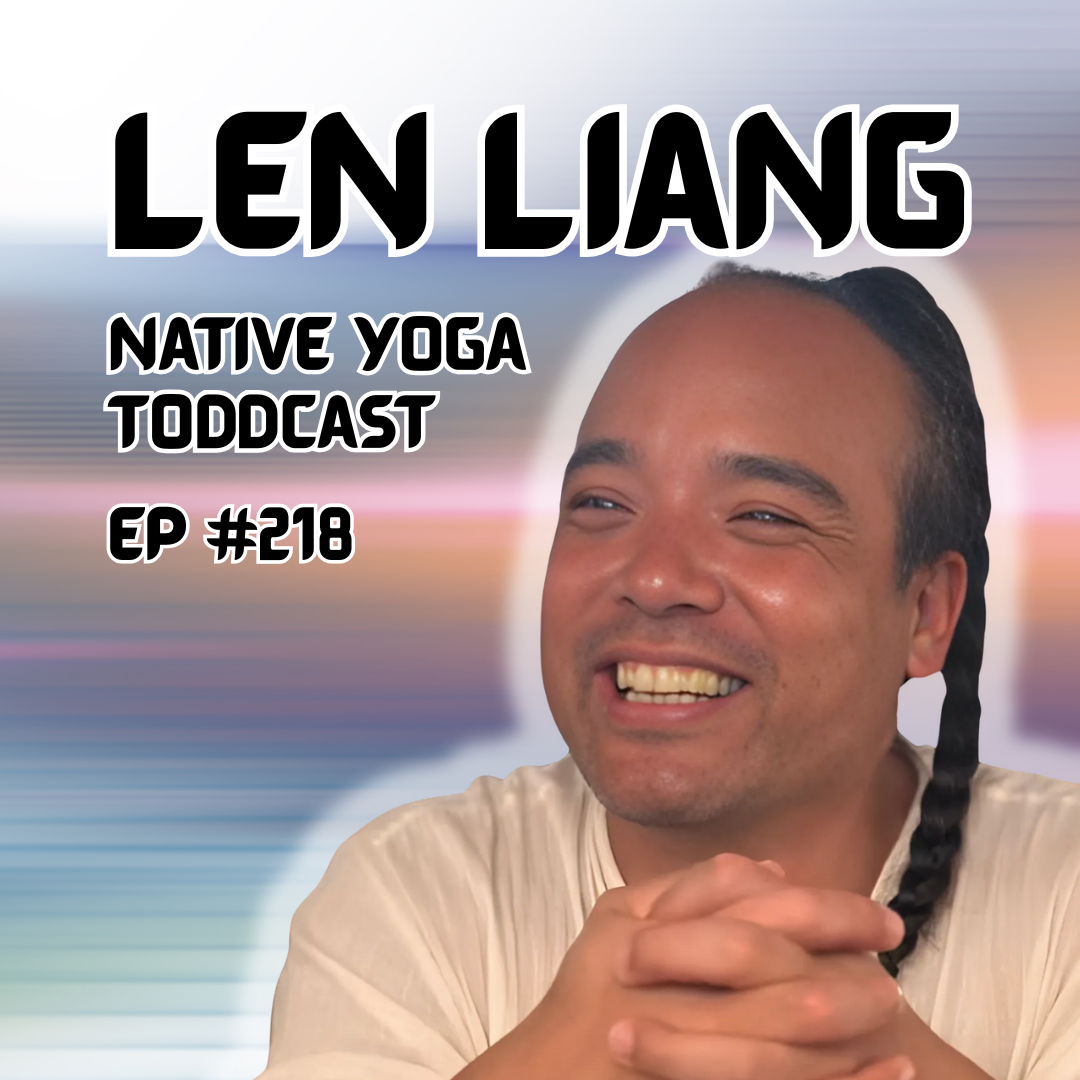
Rianna Banana ~ Secrets of Thai Massage: From Ancient Healing to Modern Practice

Listen to Toddcast with Rianna for FREE HERE

Rianna Banana is a seasoned practitioner and trainer in the realms of Thai massage, yoga, and holistic retreats. With a foundational background in hotel management, Rianna transitioned her career towards yoga and bodywork, obtaining her yoga teacher certification in Rishikesh in 2019. She has further specialized in Thai massage, having studied at ITM in Chiang Mai where she completed advanced courses and teacher training. Currently, she operates out of a retreat center in Portugal, where she leads yoga classes, offers Thai massage sessions, and co-hosts holistic retreats throughout the year.

Visit Rianna here: https://www.riannabanana.com/

Key Takeaways:

  • Rianna’s exploration of Thai massage began with an impactful first experience in Bangkok, which led her to study extensively at the ITM school in Chiang Mai.
  • She emphasizes the importance of consistency and simplicity in massage, shared with love, as witnessed during her studies at ITM.
  • Rianna’s weaves perspectives on vinyasa flow, meditation, and the mental health benefits of integrating yoga retreats into your journey of self-care and self-love.

Rediscovering Thai Massage: Unveiling the Ancient Art of Healing

  • The traditional Thai massage is deeply influenced by both Ayurveda and Chinese traditional medicine, emphasizing a holistic approach to healing.
  • ITM (International Training Massage) School in Chiang Mai provides a rich blend of traditional teachings with modern insights, offering an immersive experience.
  • Thai massage is recognized by UNESCO as an Intangible Cultural Heritage, underscoring its significance and respectful practice.

The Ancient Roots and Influence of Thai Massage

In the conversation between Rianna Banana and Todd, the profound influence of both Ayurveda from India and Chinese traditional medicine on Thai massage is evident. These complementary systems form the core of Thai traditional medicine, intertwining energy lines, known as sen, with elements from its neighboring cultures. “The knowledge comes from a combination of Chinese traditional medicine…and also the other big brother country that’s next to Thailand, India, Ayurveda,” notes Rianna.

This harmonious blend is not only about physical healing but also about aligning the body with its natural elements – earth, water, fire, and air. Todd reminisces about his first encounters with Thai massages in Bangkok and Chiang Mai, appreciating the “stretching and movements that felt like a reset”. This holistic approach is what differentiates Thai massage, offering an experience that transcends the usual spa-like indulgence, setting it apart as a therapeutic art form.

The implications of this are vast. Thai massage, as underscored in Rianna’s experience, is not merely a series of physical techniques but a pathway to balancing the body’s energies. This makes it an essential practice in maintaining overall health and wellness, appealing to those seeking a more natural and harmonious life approach.

The Evolution of Thai Massage Education at ITM

The enriching experience at the ITM School vividly highlights its innovative blend of tradition with contemporary insights. Located in Chiang Mai, ITM has gained recognition for teaching Thai massage in English, making it accessible to a global audience. Todd and Rianna’s shared experiences at ITM encapsulate the school’s dedication to preserving traditional techniques while integrating modern elements, such as anatomy understanding.

According to Rianna, ITM is in a state of constant growth and adaptation, with curriculum advancements such as splitting their training into several progressive levels. This structured approach allows practitioners to absorb the depth and breadth of Thai massage without becoming overwhelmed. “What I really learned from them is consistency and simplicity,” says Rianna, acknowledging the school’s commitment to cultivating these qualities in its students.

Training at ITM also encompasses a broader understanding of Thai massage’s role in cultural heritage, equipping students with a respect for its spiritual roots. This educational model nurtures practitioners who appreciate both the therapeutic benefits and the cultural significance of Thai massage, thus encouraging a more holistic practice that respects its origins.

UNESCO Recognition: Thai Massage as Cultural Heritage

The recognition of Thai massage as an Intangible Cultural Heritage by UNESCO signifies its cultural and historical significance. As the conversation reveals, this accolade emphasizes the sacredness and tradition inherent in the practice. “Thai massage is UNESCO Intangible World Heritage,” Rianna mentions, highlighting the global recognition of its value.

UNESCO’s recognition ensures the preservation and continuation of Thai massage as a cultural practice, promoting its authentic form globally. It acts as a safeguard against the potential dilution of its core principles by ensuring practitioners maintain traditional methods. Rianna’s experiences in ITM and her narrative convey the importance of honoring this lineage through dedicated study and practice.

The impact of this is profound, encouraging practitioners worldwide to adopt a respectful and informed approach. It influences not just how Thai massage is practiced but also how it is perceived globally, promoting an understanding that extends beyond mere physical benefits to a deeper appreciation of cultural heritage.

In reflecting on conversation insights, the enduring appeal of Thai massage lies in its foundational principles and historical depth. From its rich educational traditions at ITM to its recognition by UNESCO, Thai massage continues to capture interest worldwide. It provides an invaluable lesson in the importance of preserving cultural heritage while embracing modern developments, ensuring its practice retains authenticity and respect.

This dynamic evolution invites practitioners to immerse themselves fully, appreciating Thai massage not merely as a technique but as an embodiment of history, cultural reverence, and holistic healing, offering a transformative journey for both giver and receiver.

Thanks for listening to this episode. Check out: 👇
8IN8 Ashtanga Yoga for Beginners Course Online– Learn 8 Limb Yoga in 8 Days – Get FREE coupon code for a limited time only (Regular price $88) https://info.nativeyogacenter.com/8in8-ashtanga-yoga-for-beginners-8-limbs-in-8-days/

Practice with Native Yoga Online – New classes EVERY day – Use Code FIRSTMONTHFREE https://nativeyogacenter.teachable.com/p/today-s-community-class

Subscribe to Native Yoga Center and view this podcast on Youtube.

Thank you Bryce Allyn for the show tunes. Check out Bryce’s website: bryceallynband.comand sign up on his newsletter to stay in touch. Listen here to his original music from his bands Boxelder, B-Liminal and Bryce Allyn Band on Spotify.

Please email special requests and feedback to info@nativeyogacenter.com

https://info.nativeyogacenter.com/8in8-ashtanga-yoga-for-beginners-8-limbs-in-8-days/

Support the show

Native Yoga website: here
YouTube: here
Instagram: @nativeyoga 
Twitter: @nativeyoga 
Facebook: @nativeyogacenter 
LinkedIn: Todd McLaughlin
Bianca Oliveira ~ Home, Heart, and Practice: Living the Ashtanga Yoga Journey

Listen to Toddcast with Bianca for FREE Here

Bianca Oliveira is a seasoned Ashtanga yoga instructor originally from Brazil, now residing and teaching in Katowice, Poland. With a rich history of yoga practices extending over multiple international locations, Bianca has dedicated much of her professional life to mastering and teaching Ashtanga yoga. She is an authorized Ashtanga yoga teacher, achieving this distinction under the tutelage of Sharath Jois. Previously, Bianca lived in the United States, where she contributed to the vibrant yoga community and further honed her teaching skills. She is also a dedicated mother and integrates her family life deeply within her yoga practice and teachings.

Visit Bianca on her website https://www.ashtangayogakatowice.com/

Key Takeaways:

  • Bianca Oliveira’s journey from a novice to an authorized Ashtanga yoga teacher illuminates the transformative power of dedicated practice and global exploration.
  • The unexpected passing of Sharath Jois serves as a poignant reminder of life’s impermanence and the importance of maintaining a multifaceted approach to yoga practice that includes philosophical study.
  • Bianca’s story illustrates the importance of support networks within the yoga community, especially during times of collective grief and transition.

The Spiritual Path: Bianca Oliveira’s Yoga Journey

Bianca Oliveira’s journey into yoga began in her teenage years back in Brazil as a remedy for back pain. Encouraged by her grandmother, she attended her first yoga class, not realizing that this would lay the foundation for a lifelong spiritual quest. As Bianca recalls, “I did my first class and I was dying. It was really funny because it was very simple postures, but I felt like so many sensations.”

After a period of youthful distractions, Bianca moved to the United States and found herself yearning for balance and mental peace. Living away from her native country stirred feelings of anxiety and depression, which led her to rediscover yoga in a local studio. This practice eventually grew into a daily ritual and further advanced into a profession when she chose to delve deeper by participating in a Vinyasa training. Her story is a testament to how yoga can serve as more than just physical exercise; it can become a profound spiritual journey that equips individuals with tools for emotional and physical healing over time.

Bianca’s decision to pursue Ashtanga yoga was solidified after watching a documentary on Ashtanga Yoga New York, which captivated her interest due to its discipline and devotion. She describes her fascination, saying, “I remember I got fascinated and having like, a dance background, I was like, oh my gosh, that looks like such a beautiful choreography.” Her eventual participation in workshops with renowned teachers like Sharath Jois solidified her path as an Ashtanga practitioner and later a teacher, showcasing the enduring impact of spiritual discovery leading to a full-circle commitment.

Navigating Change and Loss in the Yoga Community

The sudden passing of Sharath Jois, one of the leading figures of modern Ashtanga yoga, brought a wave of shock and grief across the global yoga community. Bianca recounts the experience, sharing, “He was completely fine, and we were having the classes, and he decided to go to this national park for a hike. So we all went with him. And it just happened there out of the blue.”

For Bianca and her community, this unexpected loss highlighted the concept of impermanence, a fundamental aspect of yoga philosophy. In the face of grief, it showcased the power of community strength and perseverance. Bianca emphasizes that the teachings of Sharath provided a vital lesson in accepting change, stating, “Everything that we’re living is temporary. And if we get attached to this idea of permanence, we just suffer.”

The yoga shala in Mysore, a spiritual home for many Ashtanga practitioners, has transitioned into a community-driven space where certified teachers guide and support each other. This adaptability displays the resilience of the Ashtanga community, proving that the lineage and teachings can persist regardless of singular leadership.

Cultural Roots and Family Dynamics: Balancing Life’s Priorities

Bianca’s life journey is deeply intertwined with her cultural roots and family dynamics. Originating from Brazil, and moving through the United States, she eventually settled in Poland, balancing her personal and professional aspirations. Her marriage to a Polish practitioner she met in India further integrated diverse cultural elements into her life. Bianca’s story exemplifies the challenges and rewards of maintaining one’s spiritual practice alongside familial responsibilities: “My family could also be with me because we had, like, flexible schedule. So we’re all in India together as a family, which make the whole process also much easier.”

Raising a son while traveling and engaging deeply in her yoga practice showcases Bianca’s dedication to not only her spiritual growth but also her role as a mother. Despite the complexities, she expresses a deep commitment to ensuring a safe and nurturing environment for her family, even considering the implications of relocating closer to extended family in Brazil. This balancing act is a profound testament to the broader influences affecting personal and spiritual growth while tending to familial duties.

As Bianca Oliveira continues her journey, the intersection of her personal experiences, spiritual practice, and family life offers a rich tapestry of insights into living a life rooted in yoga philosophy. Her narrative provides a profound reminder of life’s impermanence, the power of community, and the ongoing journey of balancing personal aspirations with family responsibilities. Through her experiences, we learn the importance of embracing the present, remaining steadfast in practice, and cherishing the transient beauty of life as it unfolds.

Thanks for listening to this episode. Check out: 👇
8IN8 Ashtanga Yoga for Beginners Course Online– Learn 8 Limb Yoga in 8 Days – Get FREE coupon code for a limited time only (Regular price $88) https://info.nativeyogacenter.com/8in8-ashtanga-yoga-for-beginners-8-limbs-in-8-days/

Practice with Native Yoga Online – New classes EVERY day – Use Code FIRSTMONTHFREE https://nativeyogacenter.teachable.com/p/today-s-community-class

Subscribe to Native Yoga Center and view this podcast on Youtube.

Thank you Bryce Allyn for the show tunes. Check out Bryce’s website: bryceallynband.comand sign up on his newsletter to stay in touch. Listen here to his original music from his bands Boxelder, B-Liminal and Bryce Allyn Band on Spotify.

Please email special requests and feedback to info@nativeyogacenter.com

https://info.nativeyogacenter.com/8in8-ashtanga-yoga-for-beginners-8-limbs-in-8-days/

Support the show

Native Yoga website: here
YouTube: here
Instagram: @nativeyoga 
Twitter: @nativeyoga 
Facebook: @nativeyogacenter 
LinkedIn: Todd McLaughlin
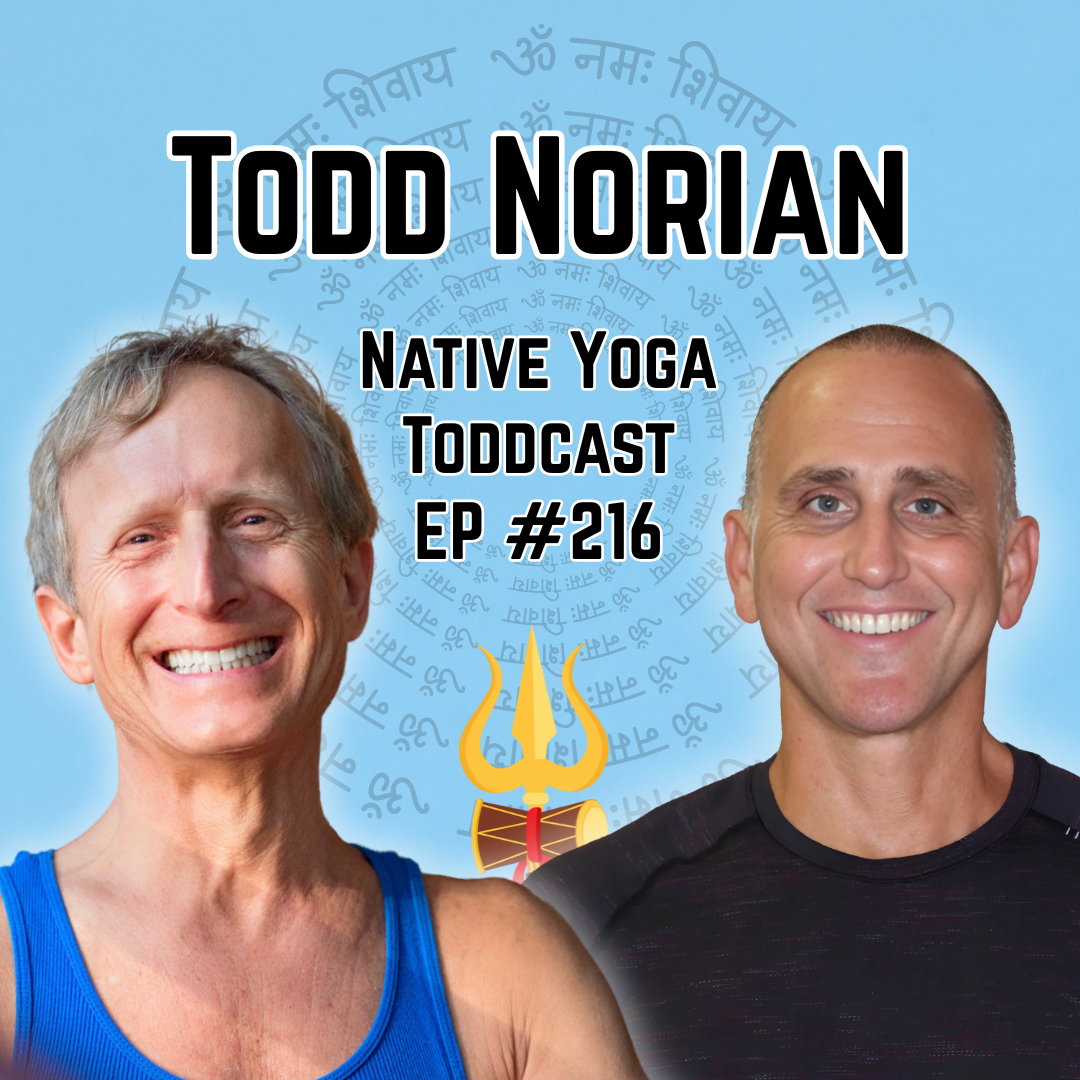
James Fox ~ Prison Yoga Project: Finding Freedom Behind Bars Through Yoga

Listen to Toddcast with James Fox for FREE here

James Fox is the founder of the Prison Yoga Project, an initiative dedicated to bringing yoga and mindfulness practices to incarcerated populations. Over the past two decades, Fox has developed a trauma-informed approach to teaching yoga, focusing on emotional healing and rehabilitation within the prison system. Under his leadership, the Prison Yoga Project has expanded globally across multiple continents. Fox has authored the book “Yoga A Path for Healing and Recovery,” which has been distributed widely to incarcerated individuals worldwide. He is also a trained facilitator in violence prevention and emotional intelligence, contributing significantly to prison reform and rehabilitation through yoga.

Visit Prison Yoga Project and make a donation today: https://www.prisonyoga.org/

Key Takeaways:

  • Trauma-Informed Approach: James Fox emphasizes the importance of using yoga as a tool for managing unresolved trauma, which is common among the incarcerated.
  • Prison System Insights: Fox provides a critical look at how the current prison system lacks effective rehabilitation programs and suggests a shift towards healing over mere punishment.
  • Global Impact: The Prison Yoga Project has grown significantly, with affiliates worldwide, demonstrating the universal applicability of yoga as a rehabilitation tool.

Unlocking Healing: The Transformative Power of Yoga in Prisons

Key Takeaways

  • Healing Through Yoga: James Fox’s work highlights how yoga provides emotional and psychological benefits for inmates, guiding them from violence and addiction to peace and self-awareness.
  • Impact of Trauma-Informed Practices: The importance of trauma-informed yoga practices cannot be overstated, offering incarcerated individuals relief from trauma and improved impulse control.
  • Challenges and Hope for Reform: Despite systemic challenges, the Prison Yoga Project offers a beacon of hope for rehabilitative reform in the criminal justice system.

Healing Through Yoga: Beyond the Bars

The journey of James Fox into the complex world of prison yoga began with a clear intention: to extend the benefits of yoga beyond the confines of traditional studios. His story, as detailed in a compelling conversation with Todd, unfolds as an inspiring tale of transformation and healing through the Prison Yoga Project. Fox reveals, “I was really clear that I didn’t want to teach in a yoga studio. I wanted to bring yoga to people who weren’t being exposed to yoga.” Making a profound impact, Fox introduced yoga to San Quentin Prison in 2003, initially considering it a physical regimen but soon discovering its emotional and psychological potency.

Fox identifies the two underlying issues prevalent in prison populations: violence and addiction. As he worked alongside incarcerated individuals, he realized yoga’s ability to help participants manage these issues not just physically, but also emotionally. “I began to lean more heavily on the emotional and the neuro and the mental benefits of the practice,” Fox explains. This shift in focus is critical, as it transcends the standard physical exertions of a yoga class to address deeper emotional needs, facilitating a healing process that diminishes aggression and fosters inner peace.

Trauma-Informed Yoga: Addressing Deep-Rooted Pain

Understanding the intricate connections between trauma and incarceration is a key theme in the work of the Prison Yoga Project. Fox’s insight into trauma-informed practices reveals the profound impact of unresolved trauma on behavior. “The vast majority of people who are incarcerated come from backgrounds of developmental trauma,” Fox notes. This understanding is pivotal in a prison setting, where trauma often manifests as violence and addiction.

Citing the foundational work of experts like Bessel van der Kolk, Fox emphasizes the healing potential of trauma-informed yoga by addressing the root causes of trauma and providing tools for emotional recovery. By integrating yoga’s meditative and physical practices, participants learn to calm their nervous systems and cultivate impulse control, enabling more considered responses to stressful situations. As Fox eloquently states, “Five mindful breaths can make the difference between a blind reaction and a considered response.”

The transformation experienced by inmates, as Fox describes, is palpable. From improved sleep to reduced aggression, the benefits are immediate and significant. The development of emotional intelligence through yoga empowers prisoners, providing them with vital coping mechanisms needed to navigate and ultimately change their behavior patterns.

Challenges and Hope for Reform: A Future Reimagined

The evolution of the Prison Yoga Project illustrates both the systemic challenges and the potential for change within the criminal justice system. As Fox candidly states, “We’re not rehabilitating people. We’re housing people and we’re punishing people.” Despite these obstacles, Fox’s relentless dedication to prison reform through yoga shines as a beacon of hope.

The widespread acceptance of the project, now spanning 19 US states and several other countries, underscores its transformative power. With a growing network of instructors and volunteers, the project fosters healing over punishment, contrasting starkly against the punitive nature of traditional incarceration. “The train has left the station,” Fox asserts, indicating a burgeoning awareness and advocacy for change. The Prison Yoga Project exemplifies a model of criminal justice reform grounded in empathy and rehabilitation, rather than mere punishment.

Yet, the journey isn’t without its hurdles, particularly in securing funding. “That’s our greatest challenge, is to continue funding the nonprofit,” Fox admits. However, the project’s success in positively influencing the lives of thousands of incarcerated individuals is undeniable. His vision of shifting the paradigm from retribution to restoration is manifesting, albeit gradually.

The Road Ahead: Bridging the Gap Between Punishment and Rehabilitation

The compelling narrative of James Fox and the Prison Yoga Project emphasizes the transformative impact of yoga within the prison system, standing as a testament to the power of second chances. By focusing on healing over punishment and offering a trauma-informed approach to yoga, Fox has paved the way for countless individuals to embark on a journey of self-discovery and rehabilitation. Through empathy, understanding, and the therapeutic potential of yoga, the Prison Yoga Project reimagines a future where rehabilitation and reform replace the tired rhetoric of retribution, forging a path toward a more compassionate and effective criminal justice system.

Thanks for listening to this episode. Check out: 👇
8IN8 Ashtanga Yoga for Beginners Course Online– Learn 8 Limb Yoga in 8 Days – Get FREE coupon code for a limited time only (Regular price $88) https://info.nativeyogacenter.com/8in8-ashtanga-yoga-for-beginners-8-limbs-in-8-days/

Practice with Native Yoga Online – New classes EVERY day – Use Code FIRSTMONTHFREE https://nativeyogacenter.teachable.com/p/today-s-community-class

Subscribe to Native Yoga Center and view this podcast on Youtube.

Thank you Bryce Allyn for the show tunes. Check out Bryce’s website: bryceallynband.comand sign up on his newsletter to stay in touch. Listen here to his original music from his bands Boxelder, B-Liminal and Bryce Allyn Band on Spotify.

Please email special requests and feedback to info@nativeyogacenter.com

https://info.nativeyogacenter.com/8in8-ashtanga-yoga-for-beginners-8-limbs-in-8-days/

Enjoy new Native Yoga Center classes uploaded everyday on our online learning hub. Use code FIRSTMONTHFREE at checkout. https://nativeyogacenter.teachable.com/p/today-s-community-class

Support the show

Native Yoga website: here
YouTube: here
Instagram: @nativeyoga 
Twitter: @nativeyoga 
Facebook: @nativeyogacenter 
LinkedIn: Todd McLaughlin

Rev. Jaganath & Margabandhu | Timeless Journeys: Tales of Yoga and Discovery

Listen to Toddcast with Margabandhu and Rev. Jaganath for FREE here

In this enlightening episode, host Todd McLaughlin is joined by Reverend Jaganath Carrera and Margabandhu Martarano, two esteemed figures in the world of yoga, both sharing a profound bond through their shared teacher, Swami Satchidananda. This episode explores their individual journeys of how they met, their teaching philosophies, and how they have built thriving communities over decades of dedicated practice. Reverend Jaganath and Margabandhu offer their wisdom, emphasizing the importance of community within yoga and how it contributes to personal growth and enlightenment.

Visit Rev. Jaganath here: https://www.yogalifecenter.org/

Visit Margabandhu on his website: https://iyinj.org/

Key Takeaways:

  • The value of friendship and community in yoga is immense, often guiding personal and collective growth.
  • Teaching philosophy inspired by Swami Satchidananda emphasizes fostering understanding and personal transformation rather than dictating behavior.
  • Maintaining a spiritual practice and community support can significantly impact personal well-being and spiritual advancement.
  • Humor and cultural understanding play significant roles in developing and sustaining long-term spiritual associations.

Cultivating Community and Tradition in Yoga: Insights from Revered Teachers

Yoga, an ancient discipline that harmonizes body, mind, and spirit, continues to evolve as it permeates cultures across the globe. In a recent conversation, seasoned yoga instructors Rev. Jaganath and Margabandhu, alongside interviewer Todd McLaughlin, delve into the intricacies of sustaining vibrant yoga communities and imparting teachings. Their dialogue reveals how friendship, tradition, and compassionate instruction are pivotal in maintaining the integrity and efficacy of yoga practices today.

The Power of Partnership in Yoga Communities

Building and sustaining a thriving yoga community require bonds that transcend geographical and ideological boundaries. Rev. Jaganath and Margabandhu exemplify this dedication through their enduring friendship of over 50 years, which has significantly shaped their teaching methods and community involvement. Margabandhu notes, “We’re like brothers and respect one another’s opinion,” highlighting the deep-seated mutual respect that cultivates a positive learning environment.

Their collaboration encourages the cross-pollination of ideas and practices, benefitting not just their own centers but also the broader yoga community. Both studios support each other’s initiatives, with students freely attending programs at either center. “We supported each other’s communities. He would give talks here. See, everybody gravitated towards Reverend Jaganath,” Margabandhu shares. This mutual support diminishes competition and emphasizes shared growth, setting an example for other yoga centers to emulate.

Blending Tradition with Contemporary Practices

Maintaining the integrity of traditional teachings while adapting to modern needs is a balancing act that both instructors navigate with finesse. Their practices are deeply rooted in the teachings of Swami Satchidananda, an influential figure who never imposed change but invited understanding. “He explained things to us…without demanding anything,” recalls Margabandhu. This approach resonates profoundly, emphasizing yoga’s adaptive nature without diluting its core principles.

Rev. Jaganath reinforces this by explaining how he bases his community-building efforts on these time-honored teachings, encouraging respect for tradition while fostering innovation. “It’s really part of one lineage…We’re following the teachings of Swami Satchidananda,” he asserts, illustrating how staying true to foundational teachings enhances the community’s depth and diversity.

Teaching with Compassion and Personalization

At the heart of effective yoga instruction is the ability to connect with students on a personal level, understanding their unique needs and experiences. Rev. Jaganath and Margabandhu adeptly tailor their teaching methods, inspired by their own guru’s compassionate approach. Rev. Jaganath’s anecdote about a challenging interaction with a fellow teacher illustrates this point well. “He taught us…to find the point of unison that you have,” he explains, underscoring the importance of empathy and understanding in teaching.

Teaching is also about facilitating peer-supported growth within the community, a sentiment captured by Rev. Jaganath: “Having a viable active sangha is really…something that alone can take you to enlightenment over time.” By instilling values of compassion and mutual respect, they not only honor their guru’s legacy but also empower students to become self-reliant in their spiritual journeys.

Transitioning from these personal narratives to a wider lens, the stories and reflections offered by Rev. Jaganath and Margabandhu are reminders of the enduring power of tradition and the human connections that enrich our spiritual and communal lives. As we engage with these narratives, we’re encouraged to revisit and reshape our understanding of yoga’s timeless relevance, guided by compassion and understanding that bind communities in shared purpose and joy.

Thanks for listening to this episode. Check out: 👇
8IN8 Ashtanga Yoga for Beginners Course Online– Learn 8 Limb Yoga in 8 Days – Get FREE coupon code for a limited time only (Regular price $88) https://info.nativeyogacenter.com/8in8-ashtanga-yoga-for-beginners-8-limbs-in-8-days/

Practice with Native Yoga Online – New classes EVERY day – Use Code FIRSTMONTHFREE https://nativeyogacenter.teachable.com/p/today-s-community-class

Subscribe to Native Yoga Center and view this podcast on Youtube.

Thank you Bryce Allyn for the show tunes. Check out Bryce’s website: bryceallynband.comand sign up on his newsletter to stay in touch. Listen here to his original music from his bands Boxelder, B-Liminal and Bryce Allyn Band on Spotify.

Please email special requests and feedback to info@nativeyogacenter.com

https://info.nativeyogacenter.com/8in8-ashtanga-yoga-for-beginners-8-limbs-in-8-days/

Support the show

Native Yoga website: here
YouTube: here
Instagram: @nativeyoga 
Twitter: @nativeyoga 
Facebook: @nativeyogacenter 
LinkedIn: Todd McLaughlin
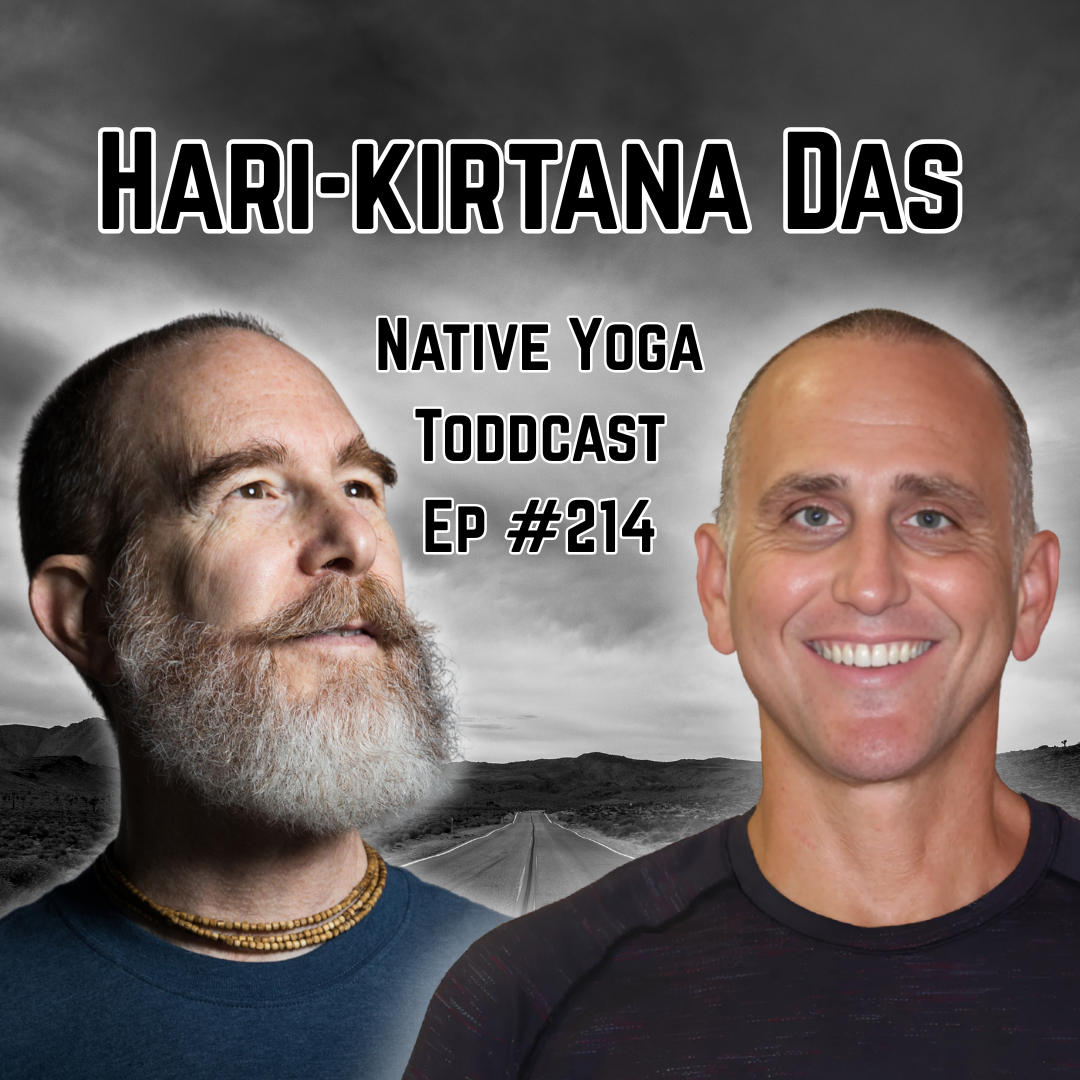
Rev. Jaganath Carrera ~ 50 Years of Yoga in Service of Swami Satchidananda

Listen to Toddcast for FREE here

Reverend Jaganath Carrera is a renowned yoga practitioner, teacher, and author with nearly 50 years of dedication to the path of yoga. He studied under the esteemed Swami Satchidananda, an iconic pioneering force in bringing yoga to the West and founder of the Integral Yoga Institute. Reverend Jaganath is recognized for his insightful translations and interpretations of the Yoga Sutras, most notably authoring “Inside the Yoga Sutras.” As an Integral Yoga minister, he has been pivotal in advancing the understanding and practice of yoga philosophy, also serving as a revered mentor and teacher to many in the field.

Visit him on his website: https://www.yogalifecenter.org/

Key Takeaways:

  • Reverend Jaganath Carrera’s introduction to yoga was sparked by Richard Hittleman’s television program, further deepened upon exposure to Swami Satchidananda’s teachings.
  • “Inside the Yoga Sutras” was created as a response to a call for modern interpretations, aiming to update and simplify the complex language of Patanjali’s Yoga Sutras.
  • The essence of yoga lies in a harmonious relationship with nature, fostering experiences and realizations that lead to enlightenment.
  • Reverend Jaganath emphasizes the power of humility and service in spiritual practice, viewing life as a continuous opportunity for learning and sharing wisdom.

The Transformative Power of Yoga: Insights from Reverend Jaganath Carrera

The exploration of yoga through the lens of Reverend Jaganath Carrera reveals profound insights into the practice of yoga and its application in modern life. With over fifty years of experience, Reverend Jagannath offers a rich tapestry of experiences and teachings that can guide both new and seasoned practitioners on their spiritual journeys. This article delves into the essence of these teachings, unraveling the wisdom that transcends time and boundaries.

The Role of Personal Experience in Understanding Yoga Philosophy

Experience as a Teacher

Reverend Jaganath Carrera’s journey into the realm of yoga is marked by personal transformation and deep introspection. His initial encounter with yoga philosophy came through Swami Satchidananda, whose teachings resonated deeply with him. “Seeing Gudev in person…it was again that how he treated people made me think like, you know, I want to,” shared Reverend Jaganath. This personal interaction underscores the importance of lived experience in truly grasping the essence of yoga.

His realization that the universe offers experiences that lead to liberation, as illustrated through the yoga sutras, further highlights the transformative power of direct engagement with the teachings. “Nature…is worthwhile and beautiful…It gives us experiences and liberation,” he notes, emphasizing a non-dualistic approach that appreciates the beauty and lessons of the material world.

Bridging Tradition and Modernity

Reverend Jaganath candidly shares how the evolution of his own understanding has been informed not only by traditional yoga texts but also by the necessity to adapt these teachings in a manner that resonates today. The publication of his book “Inside the Yoga Sutras” arose from a need to “update the language” of the sutras, making them accessible and relevant to modern practitioners.

This bridging of ancient wisdom with contemporary clarity is vital for the continued relevance of yoga in today’s fast-paced world. It addresses the challenge many face when encountering complex philosophical texts, providing a pathway to more profound understanding and practice.

Embodying an Interfaith Approach to Yoga

Inclusivity through Interfaith Ministry

The narrative of Reverend Jaganath Carrera is steeped in an interfaith dialogue that seeks to include diverse perspectives within the overarching philosophy of yoga. His role as a reverend ties into this broader vision of inclusivity. “It’s an interfaith yoga ministry,” he explains, designed to be relatable and reflective of the universal truths that transcend individual paths.

This approach plays a crucial role in breaking down barriers between different belief systems, fostering a sense of unity amidst diversity. The story of a wedding officiated by Reverend Jaganath, where the guests were initially skeptical, only to be moved by the interfaith symbols and messages, illustrates the transformative potential of this inclusive philosophy.

The Impact of Unity in Diversity

Reverend Jaganath’s experiences highlight the profound impact of acknowledging and respecting multiple spiritual paths. His anecdote about a man at a wedding proclaiming “is one truth, many paths” underscores the ripple effect that an interfaith approach can have on individuals and communities, fostering understanding and peace amid differences.

By embodying the philosophy that “truth is one, paths are many,” Reverend Jaganath illustrates how yoga can serve as a bridge between diverse spiritual traditions, enriching the practice and understanding of all who engage with it.

Navigating the Journey from Student to Teacher

The Journey of Transformation

Transitioning from student to teacher is a significant aspect of Reverend Jaganath’s journey. Highlighting the importance of relationship dynamics in learning, he shares insights on the necessity of wisdom and knowledge being passed down from person to person. “Yoga…flourishes most when it’s based on an apprentice-student relationship,” he asserts, underscoring the invaluable role of guidance and mentorship in mastering the art and science of yoga.

His reluctance to immediately assume the role of a guru despite being viewed as one by students echoes a profound humility and recognition of the sacredness of the teaching journey. The gradual acceptance of this role, buoyed by encouragement from Swami Satchidananda, reveals the organic nature of true mentorship and teaching in yoga.

Sustaining Passion and Purpose

Reverend Jagannath’s sustained passion for yoga is fueled by the impact he observes in those he guides. “If you can…have that type of connection…and I feel like that’s probably what’s keeping you going,” observes Todd, capturing the essence of motivation that drives Reverend Jaganath’s continued engagement with teaching and community leadership.

His commitment is further evidenced in his reflections on retirement, where he humorously remarks, “As long as there’s something I can do, I’ll do it.” This sentiment reflects an undying dedication to the path of yoga, ensuring that the teachings continue to inspire and transform lives.

As Reverend Jaganath Carrera illuminates through his stories and insights, the practice of yoga is indeed a journey of profound self-discovery and connectivity. His teachings emphasize the importance of personal experience, the power of interfaith dialogue, and the sacred journey from student to teacher. In these reflections, the themes of unity, adaptability, and service emerge as guiding principles, weaving together a rich tapestry of wisdom for all practitioners.

Thanks for listening to this episode. Check out: 👇
8IN8 Ashtanga Yoga for Beginners Course Online– Learn 8 Limb Yoga in 8 Days – Get FREE coupon code for a limited time only (Regular price $88) https://info.nativeyogacenter.com/8in8-ashtanga-yoga-for-beginners-8-limbs-in-8-days/

Practice with Native Yoga Online – New classes EVERY day – Use Code FIRSTMONTHFREE https://nativeyogacenter.teachable.com/p/today-s-community-class

Subscribe to Native Yoga Center and view this podcast on Youtube.

Thank you Bryce Allyn for the show tunes. Check out Bryce’s website: bryceallynband.comand sign up on his newsletter to stay in touch. Listen here to his original music from his bands Boxelder, B-Liminal and Bryce Allyn Band on Spotify.

Please email special requests and feedback to info@nativeyogacenter.com

https://info.nativeyogacenter.com/8in8-ashtanga-yoga-for-beginners-8-limbs-in-8-days/

Enjoy new Native Yoga Center classes uploaded everyday on our online learning hub. Use code FIRSTMONTHFREE at checkout. https://nativeyogacenter.teachable.com/p/today-s-community-class

Support the show

Native Yoga website: here
YouTube: here
Instagram: @nativeyoga 
Twitter: @nativeyoga 
Facebook: @nativeyogacenter 
LinkedIn: Todd McLaughlin

Margabandhu Martarano ~ Swami Satchidananda’s Disciple: Insights into a Yogi’s Lifelong Practice

Listen to Toddcast with Margabandhu for FREE here

Margabandhu Martarano is an esteemed yoga teacher with over 50 years of experience. He has been at the helm of the Integral Yoga Institute in New Jersey, where he has dedicated his life to spreading the teachings of Integral Yoga. As a direct disciple of Swami Satchidananda, Margabandhu has been influential in teaching yoga and pranayama across diverse environments, including prisons, psychiatric wards, and schools for children with autism. He is also an herbalist, a massage therapist, and has provided guidance in acupressure and reflexology. His holistic approach integrates multiple facets of Eastern wellness and healing practices.

Visit Margabandhu on his website: https://iyinj.org/

Key Takeaways:

  • Margabandhu emphasizes the powerful healing effects of pranayama, sharing personal stories of recovery and resilience.
  • His teachings are rooted in a comprehensive approach to yoga that embraces postures, breathing, meditation, and diet.
  • He highlights the importance of holistic health, having effectively taught diverse groups, including inmates and autistic children through yoga and pranayama.
  • Margabandhu shares insights into the life and philosophy of Swami Satchidananda and his influence on yoga in the West, particularly during the 1960s.

xploring the Healing Power of Pranayama

In the practice of yoga, Pranayama stands as a cornerstone for enhancing physical health and emotional stability. As shared by Margabandhu Martarano, a seasoned yoga practitioner and director of the Integral Yoga Institute in New Jersey, “Pranayama has really saved [people] on a physical level, an emotional level.” For over fifty years, Margabandhu has observed and experienced various health benefits derived from Pranayama, making it a pivotal component of his daily routine and teaching arsenal.

The specific breathing technique that Margabandhu advocates is the “Sivananda Healing Breath”, which utilizes a controlled breathing pattern consisting of a three-second inhale, a six-second retention, and a naturally paced exhale. As he recounts, this form of Pranayama helps focus energy on specific areas of the body in need of healing. He explains, “During retention… you focus on that particular body that you feel needs that extra energy or that extra prana.”

The healing potential of Pranayama extends beyond the individual, as evidenced by Margabandhu’s diverse teaching experiences. From enhancing concentration in autistic children to calming anxiety in inmates, Pranayama’s adaptability underscores its power. The benefits of controlled breathing are not only physiological but also psychological, helping individuals navigate life’s stresses and reconstruct their wellness from within.

Embracing Integral Yoga for Holistic Wellness

Integral Yoga, as taught by Swami Satchidananda and embodied by his student Margabandhu, integrates multiple aspects of yoga, going beyond asanas (yoga postures) to embrace Raja Yoga, Bhakti Yoga, meditation, and more. This comprehensive approach was Swami Satchidananda’s response to the needs of the emergent seekers of the 1960s, a time characterized by societal upheaval and a quest for meaning. Margabandhu reflects how Satchidananda’s teachings provided direction and focus: “He covered everything in one shot… Raja Yoga, Bhakti Yoga, the chanting.”

This holistic framework effectively addresses the multifaceted nature of human well-being, combining physical practice with mental discipline and spiritual growth. For practitioners like Margabandhu, the result is a balanced lifestyle. He notes, “Yoga is a lifestyle,” advocating not only for the physical but for a transformation that taps into deeper consciousness. Such an approach challenges modern depictions of yoga as merely an exercise regime, emphasizing its potential as a transformative spiritual path.

Teaching Yoga Across Boundaries

One of Margabandhu’s most impressive accomplishments is teaching yoga in unconventional settings such as prisons and psychiatric wards. His work with inmates, as he describes, involved “three years going three times a week,” demonstrating deep relaxation through yoga nidra, which helped reduce anxiety levels significantly.

This non-traditional application of yoga showcases its universal applicability and underscores an important theme: yoga is for everyone, regardless of circumstance. Margabandhu’s initiative to bring yoga to diverse populations resonates with yoga’s core principle of universality. He has successfully communicated yoga’s benefits to a wide range of people, including autistic children and people with psychiatric conditions, sharing the profound effects of practices like alternate nostril breathing which balance mind and body.

The broader implications of teaching yoga in these settings are vast, advocating for a more inclusive understanding of wellness and rehabilitation. They challenge institutional norms and introduce a compassionate, human-centered approach to health care and reform.

Margabandhu’s Enduring Commitment

Margabandhu’s remarkable journey reflects the transformative power of yoga and pranayama. However, it also highlights how these practices can reach beyond traditional studio walls into prisons, psychiatric wards, and everyday communities. His lifetime of teaching mirrors the values instilled by Swami Satchidananda, focusing on the healing power and inclusivity of yoga.

Integral Yoga, with its all-encompassing nature, redefines the potential of what yoga can offer. Margabandhu’s work exemplifies dedication to both personal practice and community service, impelled by a desire to share this profound wisdom with others. In a world where the true essence of yoga often gets diluted, his story stands as a testament to the enduring impact yoga can have on an individual level and beyond.

Thanks for listening to this episode. Check out: 👇
8IN8 Ashtanga Yoga for Beginners Course Online– Learn 8 Limb Yoga in 8 Days – Get FREE coupon code for a limited time only (Regular price $88) https://info.nativeyogacenter.com/8in8-ashtanga-yoga-for-beginners-8-limbs-in-8-days/

Practice with Native Yoga Online – New classes EVERY day – Use Code FIRSTMONTHFREE https://nativeyogacenter.teachable.com/p/today-s-community-class

Subscribe to Native Yoga Center and view this podcast on Youtube.

Thank you Bryce Allyn for the show tunes. Check out Bryce’s website: bryceallynband.comand sign up on his newsletter to stay in touch. Listen here to his original music from his bands Boxelder, B-Liminal and Bryce Allyn Band on Spotify.

Please email special requests and feedback to info@nativeyogacenter.com

https://info.nativeyogacenter.com/8in8-ashtanga-yoga-for-beginners-8-limbs-in-8-days/

Enjoy new Native Yoga Center classes uploaded everyday on our online learning hub. Use code FIRSTMONTHFREE at checkout. https://nativeyogacenter.teachable.com/p/today-s-community-class

Support the show

Native Yoga website: here
YouTube: here
Instagram: @nativeyoga 
Twitter: @nativeyoga 
Facebook: @nativeyogacenter 
LinkedIn: Todd McLaughlin

Radhika Vekaria ~ How Yoga, Music, and Spirituality Can Transform Your Life

Radhika Vekaria is an accomplished musician and vocalist specializing in sacred music influenced by ancient Vedic sciences. She recently garnered a Grammy nomination for her groundbreaking album, “Warriors of Light.” Growing up in Britain with Indian roots, Radhika’s musical journey began at a young age, inspired by the blend of Western music and traditional Indian mantras. A classically trained pianist and a passionate yoga practitioner, her work spans various languages including Sanskrit, Tamil, and Avadi. Radhika’s musical compositions aim to explore cultural diversity and spiritual depth, making her a unique voice in the world of devotional music.

Visit Radhika here: https://www.radhikavekaria.com/

Key Takeaways:

  • Cultural Fusion in Music: Radhika Vekaria’s album, “Warriors of Light,” is a rich blend of Western and traditional Indian music, featuring diverse languages and instruments like the hammered dulcimer and sarood.
  • Sacred Sound and Healing: The episode highlights the transformative power of sacred music and chanting, demonstrating how these practices can heal and nurture spiritual growth.
  • Humility and Mastery in Art: Radhika emphasizes the importance of continual learning and humility in the pursuit of mastering music and spiritual practices.

The Transformative Power of Sacred Music

From the moment Radhika Vekaria opens her mouth to sing, it’s clear she’s not just a musician — she’s a storyteller, a cultural steward, and a spiritual guide. Her album “Warriors of Light” is rooted in what she describes as a “wonderful thing, but a bit surreal.” This reflects her journey of introducing sacred music influenced by ancient Vedic sciences to a broader audience.

As Vekaria elaborates, her musical journey started at a young age, performing mantras and devotional songs before she could even speak English. Her background as an Indian growing up in Britain gave her a unique musical perspective, allowing her to blend Eastern traditions with Western influences. She says, “I was very exposed to music from a very, very young age,” which set the stage for her future endeavors.

This cultural fusion is more than a personal journey for Vekaria; it’s a larger exploration of how traditional sacred music can be contemporized to resonate with today’s audiences. With multiple languages and diverse instruments ranging from the hammered dulcimer to African percussion, Vekaria’s work invites listeners to a sonically diverse experience that is as intellectually compelling as it is spiritually enriching.

Integration of Tradition and Innovation in Music

The magic of Radhika Vekaria’s “Warriors of Light” lies in its seamless integration of tradition with modernity. Her work is a testament to the universality of music as a medium, where ancient mantras and modern instrumentation coexist in harmony. The album stands out not just for its Grammy nomination but for its creative audacity. This blend of languages — from Sanskrit to Tamil — alongside a spectrum of instruments, creates a mosaic that appeals to the complexities of the modern ear.

“Each song on the album is an entire universe of its own,” Vekaria notes, underscoring the depth and meticulousness of her work. Bringing together a team of top-tier musicians, the album took four years to complete and is described as a “global album” with contributions recorded in diverse locations like New York, LA, and even India. This meticulous process demonstrates the fusion of deep-rooted traditions with contemporary music formats, creating a unique artistic venture that transcends cultural boundaries.

The Role of Yoga and Mantra in Personal Evolution

Vekaria illustrates how her personal and musical evolution has been significantly supported by the practice of yoga and the power of mantra. With a rich history of practice, Vekaria explains how yoga, particularly Ashtanga, had a profound impact on her: “It actually healed me in many, many ways,” from the physical to the emotional. Her detailed recounting of meeting Manju Jois and undergoing further training speaks volumes about her dedication to spiritual discipline.

Yoga is strongly interwoven with her music. For Vekaria, mantra is more than a vocal practice; it’s a form of self-expression and devotion: “Part of my devotional expression and my prayer is singing, so I get to exercise that.” Her wisdom is profound: “Life is an improvisation based on patterns,” which is a recurring theme in both yoga and music. The parallel between mastering musical scales and practicing consistent yoga routines is a thought-provoking comparison that offers deeper insights into both disciplines.

Understanding the Depths of Sound and Its Ethical Use

Vekaria’s approach to music emphasizes a deep reverence for sound and its potential power, pointing out that sound is as potent as any physical tool, possibly more so. “Sound is piercing. Sound can heal you. It can also pierce you,” she states, emphasizing the importance of approaching sound with intentionality and respect. Whether it’s through traditional Vedic chanting or modern performance, the ethical use of sound is an oft-overlooked dimension worthy of contemplation.

Vekaria warns about the careless use of mantras, observing, “If you take medicine that is not meant for you, it actually becomes poison.” This calls for a mindful approach to engaging with such potent practices, whether for personal enrichment or in sharing it with others. Her wisdom encourages us all to ponder the impacts of our spoken words and sung phrases, pushing us towards a more conscientious engagement with sound.

Radhika Vekaria’s approach to her craft as explored in this interview is an illuminating journey that traverses temporal, cultural, and spiritual dimensions. Her work with “Warriors of Light” exemplifies the potency of ancient practices in our modern world, displaying the timeless nature of sound and its capacity to heal or harm, connect or divide. Through her music, Vekaria offers a compelling invitation to explore one’s personal sovereignty and resilience, potentially inspiring a listener to embark on their own transformational journey.

Thanks for listening to this episode. Check out: 👇
8IN8 Ashtanga Yoga for Beginners Course Online– Learn 8 Limb Yoga in 8 Days – Get FREE coupon code for a limited time only (Regular price $88) https://info.nativeyogacenter.com/8in8-ashtanga-yoga-for-beginners-8-limbs-in-8-days/

Practice with Native Yoga Online – New classes EVERY day – Use Code FIRSTMONTHFREE https://nativeyogacenter.teachable.com/p/today-s-community-class

Subscribe to Native Yoga Center and view this podcast on Youtube.

Thank you Bryce Allyn for the show tunes. Check out Bryce’s website: bryceallynband.comand sign up on his newsletter to stay in touch. Listen here to his original music from his bands Boxelder, B-Liminal and Bryce Allyn Band on Spotify.

Please email special requests and feedback to info@nativeyogacenter.com

https://info.nativeyogacenter.com/8in8-ashtanga-yoga-for-beginners-8-limbs-in-8-days/

Enjoy new Native Yoga Center classes uploaded everyday on our online learning hub. Use code FIRSTMONTHFREE at checkout. https://nativeyogacenter.teachable.com/p/today-s-community-class

Support the show

Native Yoga website: here
YouTube: here
Instagram: @nativeyoga 
Twitter: @nativeyoga 
Facebook: @nativeyogacenter 
LinkedIn: Todd McLaughlin

Sanna Kokkonen-White ~ Bhakti Yoga and Kirtan: A Musical Path to Spiritual Awakening

Listen to Toddcast with Sanna for FREE here

Sanna Kokkonen-White is a distinguished yoga teacher originally from Finland, now residing part-time in Bali, Indonesia. With a rich background in fitness and yoga, she encompasses various styles, bringing a unique blend of Ashtanga and Bhakti Yoga to her teachings. Sanna is an accomplished teacher who travels and instructs across Europe, particularly investing in yoga philosophy and mentoring others. Her commitment to animal welfare in Bali also highlights her compassionate nature, alongside her passion for Kirtan and spiritual growth through yoga.

Visit Sanna Here: https://www.skyogini.com/

Key Takeaways:

  • Integration of Ashtanga and Bhakti Yoga: Sanna reveals how her practice and teachings combine the discipline of Ashtanga Yoga with the devotional aspects of Bhakti Yoga.
  • Patience in Practice: Emphasizing the importance of patience, Sanna explains how this virtue has been a guiding force in her yoga journey.
  • Holistic Healing through Yoga: Sanna discusses yoga as a tool for personal transformation, functioning as a pathway to overcoming mental challenges and deepening one’s spiritual practice.
  • Community and Mentorship: Highlighting her role as a mentor, Sanna outlines how virtual and in-person interactions help her support others in their spiritual and personal journeys.

Discovering Yoga: The Bridge from Practice to Philosophy

In a world seemingly overwhelmed with fast-paced living and instant gratifications, finding deeper connections that fuel mindfulness and inner peace is a quest many modern-day seekers embark on. In her dialogue, Sanna Kokkonen-White reflects on her vibrant journey into the world of yoga, guiding readers through how yoga evolved from a physical exercise to a philosophical and spiritual lifeline. “I was like a fitness person actually before yoga came into the picture,” Sanna recalls, introducing us to the unexpected discovery of yoga led by her curiosity and transformative experiences.

Sanna, an erstwhile fitness enthusiast, embarked on her yoga journey during a time when fitness was defined by aerobics and high-impact routines. “I had a friend who found this new way to move… Ashtanga Yoga,” she shares, marking a pivotal segue in her life that nurtured mindfulness. This journey, beginning with Ashtanga, morphed over time as she embraced Bhakti Yoga’s devotional practices, harmonizing the chanting, singing, and spiritual teachings to nourish the mind and spirit. She stresses how each path of yoga offers unique insights and how her practice of random page-opening of Bhagavad Gita provides guidance in life’s battles: “I use it…rather than in a rigid way, you know.”

Harmonizing Ashtanga and Bhakti Yoga: A Tale of Two Practices

“Every road leads to Rome,” Sanna states, acknowledging the vast landscape of yoga and its numerous paths. Ashtanga and Bhakti, each representing distinct facets of yoga practice, offer individuals complementary experiences. Sanna articulates the pragmatic approach of Ashtanga: “It’s yoga that has taught me the patience,” correlating the demanding physical practice with cultivating mental patience and discipline.

Conversely, Bhakti Yoga emerges as an energetically liberating practice engaging the heart and spirit through chanting and devotion. This is made evident when she narrates her awe for Kirtan artist Vijay Krishna: “He was…living and breathing Bhakti totally.” The enchanting synergy between these two practices craft a holistic journey for seekers. They establish physical discipline through Ashtanga, which then transcends into devotional freedom with Bhakti, thereby illustrating yoga’s multidimensional essence.

Mentorship and Service: Cultivating Mindfulness and Patience

Through personal anecdotes, Sanna unfolds how her organic journey led her to become a mentor, offering teachings rooted in empathy and shared human experiences. She captures the depth of connection built in yoga communities, stating: “I feel I can help people on a deeper level.” Sanna’s mentorship transcends formal structure, manifesting in everyday engagements, highlighting the importance of service—a key aspect of yoga.

She emphasizes the practice of gratitude and external focus as pathways to healing: “If you can’t do anything else…how can I help someone else who’s suffering?” Insights from mentors like Lama Marut, who she fondly remembers, funnel through her teachings, establishing a lineage of wisdom and service. The continuous theme of patience surfaces yet again through these interactions, where Sanna shares her belief in engaging life’s challenges patiently through the disciplined practice of Ashtanga and the open-heartedness of Bhakti.

Sanna Kokkonen-White, with her nuanced experiences and teachings, paints a picture of yoga as both an immersive practice and a philosophical journey. The themes of Ashtanga and Bhakti, mentorship, and service, interwoven with patience, highlight a profound, ongoing dialogue between the self and a larger unity. Her stories, echoing with life lessons and transformative experiences, reiterate that yoga isn’t merely about physical postures or isolated practices, but a living, breathing path that molds the practitioner through tangible and intangible realms alike. As Sanna herself affirms, “Wherever I lay my hat, that’s my home,” grounding yoga in life’s myriad experiences, present in every step and breath we take.

Thanks for listening to this episode. Check out: 👇
8IN8 Ashtanga Yoga for Beginners Course Online– Learn 8 Limb Yoga in 8 Days – Get FREE coupon code for a limited time only (Regular price $88) https://info.nativeyogacenter.com/8in8-ashtanga-yoga-for-beginners-8-limbs-in-8-days/

Practice with Native Yoga Online – New classes EVERY day – Use Code FIRSTMONTHFREE https://nativeyogacenter.teachable.com/p/today-s-community-class

Subscribe to Native Yoga Center and view this podcast on Youtube.

Thank you Bryce Allyn for the show tunes. Check out Bryce’s website: bryceallynband.comand sign up on his newsletter to stay in touch. Listen here to his original music from his bands Boxelder, B-Liminal and Bryce Allyn Band on Spotify.

Please email special requests and feedback to info@nativeyogacenter.com

https://info.nativeyogacenter.com/8in8-ashtanga-yoga-for-beginners-8-limbs-in-8-days/

Enjoy new Native Yoga Center classes uploaded everyday on our online learning hub. Use code FIRSTMONTHFREE at checkout. https://nativeyogacenter.teachable.com/p/today-s-community-class

Support the show

Native Yoga website: here
YouTube: here
Instagram: @nativeyoga 
Twitter: @nativeyoga 
Facebook: @nativeyogacenter 
LinkedIn: Todd McLaughlin
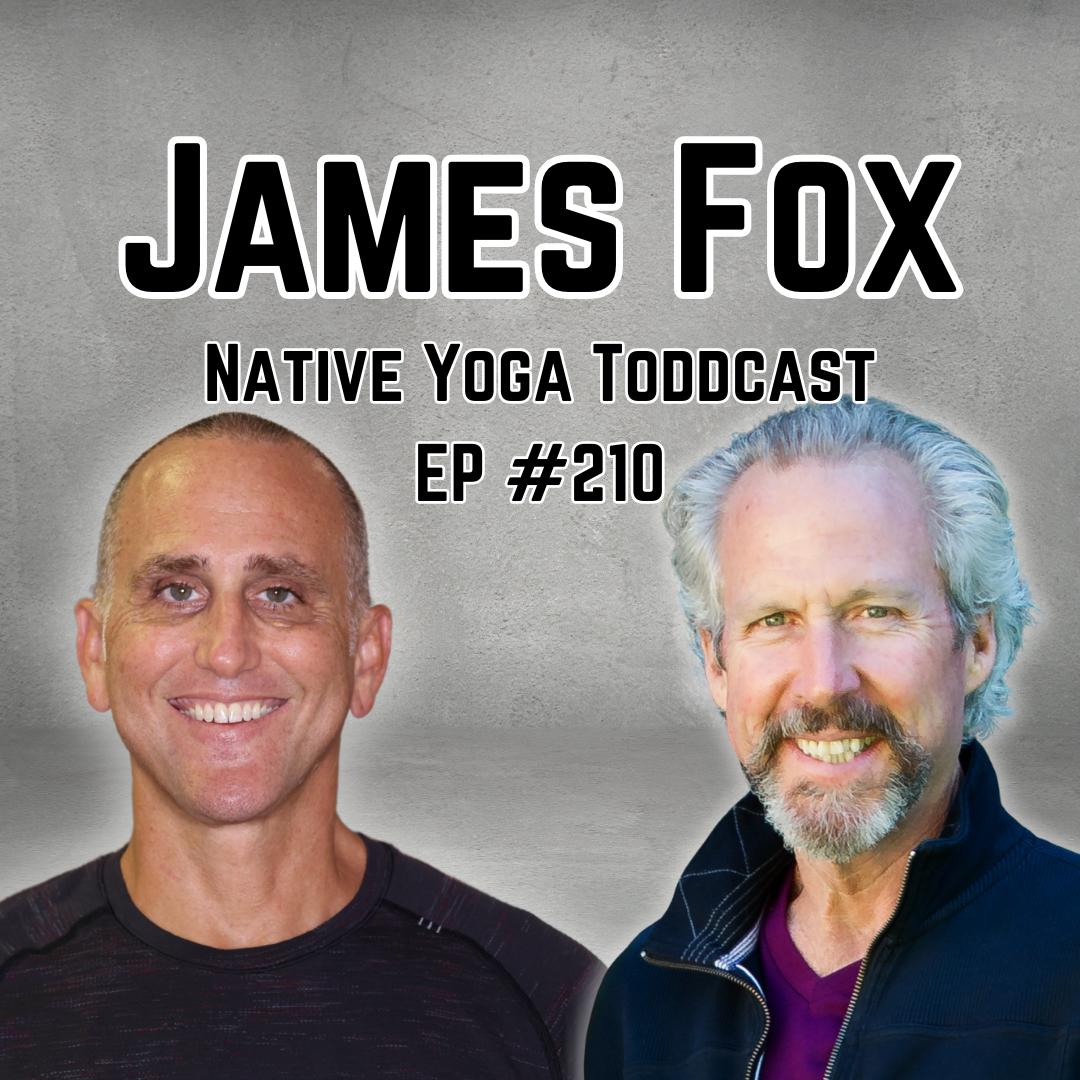
Hillary Kallenberger ~ Embracing Authenticity and Wholeness in Yoga Practice

Listen to Toddcast for FREE here

Hillary Kallenberger, a movement specialist and yoga teacher in Sarasota, Florida, began her journey with a passion for dance that led her from ballet to contemporary styles and eventually to New York City. Chronic pain from dancing drew her to yoga, where she now integrates her expertise in movement with a graduate degree in human relations and experience as a licensed counselor. Hillary runs a private practice combining yoga, Thai bodywork, and therapeutic counseling.

Visit Hillary here: https://www.currentmanifestationssrq.com/
On IG Here: https://www.instagram.com/hotyogamama75/

Key Takeaways:

  • Transition from Dance to Yoga: Hillary’s initial journey started with ballet, leading her into yoga as a means to manage and alleviate chronic body pain.
  • Holistic Approach to Healing: Combining years of experience in movement and counseling, Hillary offers a unique blend of yoga, Thai bodywork, and therapeutic practices.
  • Empowerment through Vulnerability: The episode underscores the power in acknowledging personal challenges and being open about healing journeys, fostering a relatable and inspiring dialogue on self-compassion and authenticity.

Exploring the Intersection of Yoga, Dance, and Therapy

In this insightful dialog between Todd and Hilary Kallenberger, a yoga teacher, movement specialist, and licensed therapist, we delve into the multifaceted world of healing arts. From the vibrant energy of New York’s dance scene to the serene studios of Sarasota, Florida, Hillary’s journey is a testament to the power of integrating diverse practices. As she recounts, “I was a dancer from the day I could probably be a dancer… moved to New York, danced there until I didn’t.” Her transition from dance to yoga reflects a profound shift from external performance to internal awareness.

The conversation further explores Hillary’s journey into therapy, revealing a notable intersection between physical and psychological well-being. Through her experience as a counselor, she gained insights into the limitations of traditional therapy settings, expressing frustration over the imbalance where “you have to fill out so many treatment plans to get approved.” This realization led Hillary to explore more holistic approaches, demonstrating how cross-disciplinary integration can enhance one’s therapeutic toolkit.

Hillary’s teaching philosophy embodies a blend of “alignment based and functional heart-centered practice,” drawing from her extensive expertise. Her commitment to helping others embodies a rare synthesis of wisdom, passion, and a drive to promote authentic healing experiences.

Embracing Vulnerability and Authenticity in Professional and Personal Life

An underlying theme throughout the dialogue is the pivotal role of vulnerability and authenticity in healing and professional life. Hillary candidly shares her journey from denying physical pain to embracing the decision of undergoing a hip replacement surgery. Her shift in perspective, from the pressure of perfectionism to accepting personal limitations, offers profound lessons for both her clients and herself. As she aptly puts it, “I’m allowed as a yoga teacher to say, I’m human too.”

Navigating personal challenges while maintaining professional integrity can often mirror a delicate balancing act. Hillary’s openness about her struggles with pain reiterates the importance of dismantling inherent stigmas associated with wellness professionals. Through her active acknowledgment of the misconceptions around perpetual strength and invulnerability within the field, she demonstrates how authenticity can foster deeper connections with clients.

Acknowledging the often-unacknowledged reality that wellness professionals themselves are not immune to health issues, Hillary emphasizes, “This is something that also I feel very inspired to talk about because it’s important to put that out there.” By sharing her experiences and challenges, she encourages others to recognize the strength in vulnerability, ultimately enriching the practitioner’s journey.

Teaching through Personal Experience: Lessons in Compassion and Adaptability

Understanding pain, not only on a theoretical level but also through lived experience, profoundly influences teaching methodologies. As Hillary navigates her own physical challenges, she gains renewed empathy for her students’ limitations. This is evident as she reflects, “What an appreciation for my students who are dealing with mobility constraints… offer some modifications that I wouldn’t have thought of.”

The conversation uncovers the invaluable lessons that personal experiences can offer to teaching practices. Hillary’s experience with hip pain has prompted her to explore creative modifications in her classes, fostering a more inclusive environment. Her insights reveal that sharing personal challenges can enhance not only one’s teaching style but also contribute to a culture of empathy and acceptance within the yoga community.

Through this reflective dialogue, it becomes apparent that the journey of healing is not a linear path but a cycle of learning, sharing, and growing. Hillary’s story encourages a shift in how professionals perceive their roles, urging a focus on adaptability and compassionate understanding that resonates with students and clients alike.

The Endless Pursuit of Growth and Self-Acceptance

The rich conversation between Hillary and Todd host offers a tapestry of themes—each woven with threads of personal growth, resilience, and authenticity. It underscores the journey of intertwining practices and modalities to create more comprehensive healing processes. Hillary’s ability to merge her diverse background in dance, yoga, and therapy into a singular holistic practice exemplifies the power of integrated healing.

Her journey illustrates overcoming societal and self-imposed limitations, embracing the reality of imperfection, and demonstrating that vulnerability can coexist with strength. Hillary’s approach serves as a beacon of inspiration for individuals navigating similar paths—both as wellness practitioners and as people on their healing journey.

This dialogue invites readers to reevaluate their perceptions of what it means to be a wellness professional and encourages embracing every facet of one’s humanity. As we reflect on Hillary’s insights and experiences, we are reminded of the importance of authenticity in our personal and professional lives, fostering a deeper understanding and acceptance of ourselves and others.

Thanks for listening to this episode. Check out: 👇
8IN8 Ashtanga Yoga for Beginners Course Online– Learn 8 Limb Yoga in 8 Days – Get FREE coupon code for a limited time only (Regular price $88) https://info.nativeyogacenter.com/8in8-ashtanga-yoga-for-beginners-8-limbs-in-8-days/

Practice with Native Yoga Online – New classes EVERY day – Use Code FIRSTMONTHFREE https://nativeyogacenter.teachable.com/p/today-s-community-class

Subscribe to Native Yoga Center and view this podcast on Youtube.

Thank you Bryce Allyn for the show tunes. Check out Bryce’s website: bryceallynband.comand sign up on his newsletter to stay in touch. Listen here to his original music from his bands Boxelder, B-Liminal and Bryce Allyn Band on Spotify.

Please email special requests and feedback to info@nativeyogacenter.com

https://info.nativeyogacenter.com/8in8-ashtanga-yoga-for-beginners-8-limbs-in-8-days/

Enjoy new Native Yoga Center classes uploaded everyday on our online learning hub. Use code FIRSTMONTHFREE at checkout. https://nativeyogacenter.teachable.com/p/today-s-community-class

Support the show

Native Yoga website: here
YouTube: here
Instagram: @nativeyoga 
Twitter: @nativeyoga 
Facebook: @nativeyogacenter 
LinkedIn: Todd McLaughlin