Tova Olsson ~ The Heart of Tantra Yoga: Exploring History, Philosophy, and Mythology

Listen to Toddcast with Tova for FREE here

Tova Olsson is a seasoned educator and scholar with over 20 years of experience in yoga philosophy, mythology, and religious studies. With a bachelor’s degree and master’s in religious studies, Tova is currently working on her PhD while actively teaching at a university level in Sweden. Tova is well-known for her engaging storytelling through social media under the handle @Saraswati_Studies, where she elaborates on Indian philosophy, mythology, and the history of yoga.

Embark on this enlightening journey through the intricacies of yoga philosophy with Tova Olsson. Listen to the full episode to unearth more engaging insights and stay tuned for more enriching content from the series.

Key Takeaways:

  • The Intersection of Yoga and Philosophy: Tova underscores that postural yoga and philosophy are deeply intertwined, advocating for a holistic study that integrates both physical practice and philosophical understanding.
  • The Power of Storytelling: Emphasizing storytelling’s significance, Tova uses mythology to captivate students and promote philosophical engagement, illustrating how myths are ever-present and align with real-life experiences.
  • Navigating Yoga’s History: She speaks to the complexity and diversity of yoga’s origins and philosophical developments, stressing the importance of informed study and discernment in practice and teaching.

In a world where yoga has increasingly become synonymous with posture-based practice, Tova Olsson’s dedication to exploring and sharing the deeper philosophical roots of yoga offers a refreshing perspective. During a recent conversation with Todd on his podcast, Olsson shared insights into how Instagram and online platforms have enabled her to spread knowledge about the rich history and philosophy of yoga. This conversation underscores her philosophy that yoga should not be limited to physical practice but should also include a comprehensive understanding of its philosophical context. This article dives into the key themes discussed in their enlightening conversation.

Yoga’s Evolving Identity: From Postures to Philosophy

Yoga’s journey from ancient traditions to modern studios is a testament to its adaptability and multifaceted nature. Many practitioners today focus on the physical aspects of yoga. However, as Olsson highlights, yoga is deeply rooted in rich philosophical and mythological traditions that are crucial for a holistic understanding.

Olsson explains her progression from practicing postural yoga to immersing herself in yoga philosophy. “I think for me, postural yoga was never separated from the study of philosophy because I was always so interested in those aspects of yoga,” Olsson states. Her journey included teaching French and English, and a stint working as a waitress in Paris, before diving into religious studies. Her unique background shows how varied experiences can come together to deepen one’s practice. Through her online school, Saraswati Studies, and educational platforms like Instagram, Olsson introduces these foundational concepts to a broader audience. This holistic approach not only enriches personal practice but also promotes a deeper respect for yoga’s origins.

The Power of Storytelling and Mythology in Yoga

Storytelling is more than just entertainment; it’s a profound way to understand ourselves and our world. Olsson uses storytelling as a gateway to philosophical concepts, noting, “People love storytelling… we consume storytelling through Netflix or the cinema… we love, as human storytelling.”

Utilizing myths from Indian culture, such as those of gods and goddesses, she illustrates how these stories aren’t distant relics of the past but are reflections of the human experience, always relevant and unfolding in today’s context. For instance, the goddess Dhumavati, associated with loss and disappointment, guides practitioners in embracing life’s inevitable challenges. Olsson’s insights reveal that these mythologies serve as tools for self-discovery rather than mere symbols of ancient culture. They encourage introspection, allowing us to find parallels in our own lives and inspiring us to embody the qualities reflected in these deities.

Unraveling Complex Philosophical Concepts: Samkhya and Tantra

Yoga philosophy isn’t just a framework for understanding practice; it’s a roadmap to personal and spiritual growth. Concepts like Samkhya and Tantra, while seemingly complex, hold valuable insights into the human condition and our spiritual evolution.

Olsson adeptly breaks down Sankhya philosophy, which enumerates levels of reality, or Tattvas. She explains, “According to Sankhya, we have 25 Tattvas, meaning what we can experience in human consciousness.” These concepts are foundational to understanding yoga’s ability to influence our consciousness and perception.

Contrasting Sankhya, Tantra’s non-dual approach views the divine as present within the self and the universe, emphasizing unity between consciousness and energy. Olsson articulates, “Within the tantric system, consciousness is full of creative capacity… our inner consciousness creates all the time.” This perspective enriches our understanding of interconnectedness, urging practitioners to embrace both the mystical and mundane in pursuit of self-realization. Through her teaching and storytelling, Olsson makes these philosophical systems accessible, encouraging practitioners to draw on this rich tapestry to enhance their practice.

In exploring these themes, Olsson invites a transformative approach to yoga, one that marries the physical, philosophical, and spiritual into a harmonious whole. The insights shared offer a glimpse into the profound depth of yoga’s philosophical traditions, and how they continue to influence contemporary practice. By engaging with these concepts, practitioners not only deepen their personal journey but also contribute to the respectful preservation and evolution of yoga’s rich heritage.

Thanks for listening to this episode. Check out: 👇
8IN8 Ashtanga Yoga for Beginners Course Online– Learn 8 Limb Yoga in 8 Days – Get FREE coupon code for a limited time only (Regular price $88) https://info.nativeyogacenter.com/8in8-ashtanga-yoga-for-beginners-8-limbs-in-8-days/

Practice with Native Yoga Online – New classes EVERY day – Use Code FIRSTMONTHFREE https://nativeyogacenter.teachable.com/p/today-s-community-class

Subscribe to Native Yoga Center and view this podcast on Youtube.

Thank you Bryce Allyn for the show tunes. Check out Bryce’s website: bryceallynband.comand sign up on his newsletter to stay in touch. Listen here to his original music from his bands Boxelder, B-Liminal and Bryce Allyn Band on Spotify.

Please email special requests and feedback to info@nativeyogacenter.com

https://info.nativeyogacenter.com/8in8-ashtanga-yoga-for-beginners-8-limbs-in-8-days/

Support the show

Native Yoga website: here
YouTube: here
Instagram: @nativeyoga 
Twitter: @nativeyoga 
Facebook: @nativeyogacenter 
LinkedIn: Todd McLaughlin

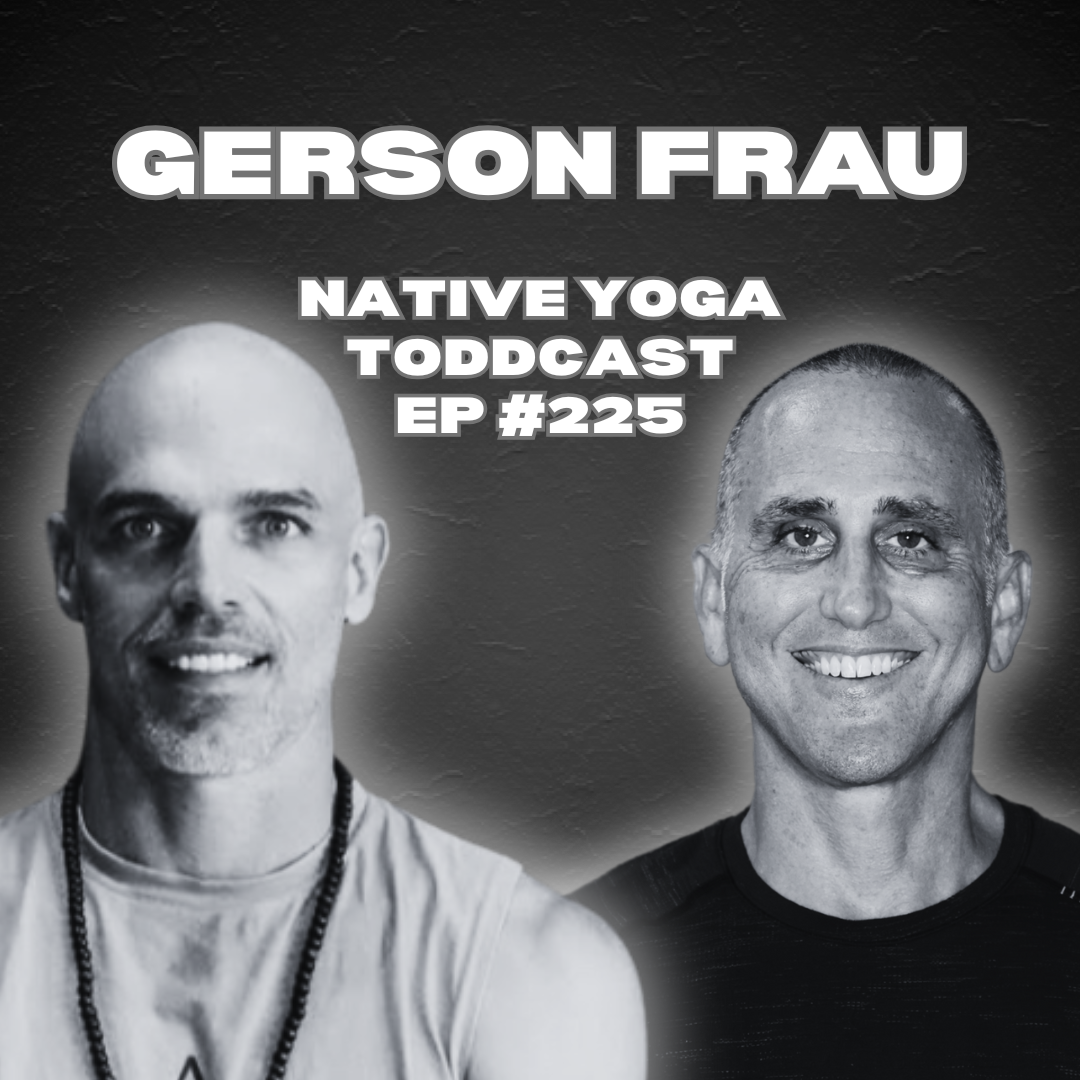
Gerson Frau ~ Yoga’s Role in Coping with Global Changes and Local Impact

Listen to Toddcast with Gerson for FREE here

Gerson Frau is a seasoned yoga instructor hailing from Brazil. With roots deeply embedded in the teachings of Dharma Yoga, Gerson has dedicated nearly two decades to the practice and instruction of this transformative philosophy. Over the years, he has made significant contributions to the yoga community by conducting workshops, retreats, and an extensive teacher training program in collaboration with his partner in Mexico City, Adriana. Gerson currently resides in Puerto Escondido, Mexico, where he balances his life as an instructor, a family man, and an active community member involved in sustainability efforts.

Visit Gerson: https://gersonfrau.com/

Key Takeaways:

  • Gerson Frau’s journey from Brazil to becoming an influential yoga instructor in Mexico is deeply intertwined with his devotion to Dharma Yoga, taught by his revered teacher, Dharma Mittra.
  • Puerto Escondido is emerging as a significant hub for yoga and surf enthusiasts, offering a unique cultural blend while dealing with the challenges of rapid development.
  • Meditation and mindfulness are powerful tools for maintaining clarity and receiving spiritual guidance, which Gerson credits to his yoga practice’s depth and authenticity.

The Power of Adaptation and Change

In a world that’s constantly in flux, the ability to adapt and embrace change is a crucial skill. Gerson Frau’s multifaceted journey from Brazil to Puerto Escondido, Mexico, exemplifies this concept beautifully. He relays how his yoga practice and teaching have evolved, reflecting his adaptability and openness to change. Gerson says, “We have been living here for the last seven years almost now,” showcasing his shift in personal and professional landscapes (0:01:12).

Gerson’s movement between countries didn’t happen overnight. Initially, he lived in New York City, deeply immersed in his yoga practice under the tutelage of Dharma Mittra. However, life circumstances prompted him to transition from the hectic city to the tranquil coastline of Puerto Escondido, illustrating a move from complexity to simplicity. He explains, “I’ve been thinking about when I go to him as a Dharma, it’s been tough to me, you know, with the construction,” acknowledging the pressures of setting roots in a new place (0:01:46).

The broader implication of this theme highlights the positive outcomes of relocating and embracing new environments, showing that adaptability can lead to fulfilling opportunities and enriched life experiences.

Community Engagement and Cultural Integration

Gerson Frau emphasizes the importance of integrating into and contributing to the local community. Having settled in Puerto Escondido, he fully embraced the local culture and made efforts to contribute positively to it. Living in a region that’s seeing an influx of foreigners, Gerson recognizes the need to be sensitive to cultural shifts and economic impacts. He articulates, “If you don’t consider that… you have to try to navigate, try to be,” showing his sensitivity to local sentiments and his desire to maintain harmony (0:22:20).

The essence of cultural integration for Gerson lies not just in being a passive observer but an active participant in the community’s development. Whether it’s by planting trees or practicing conscious construction, he affirms that making an effort to maintain ecological balance is paramount. He reflects, “If there’s somebody who needs. And you are in a position that you can help, just help,” stressing the importance of proactive community contribution (0:24:25).

This outlook serves as a reminder that as neighborhoods evolve due to global migration trends, establishing respectful and caring relationships can foster a harmonious coexistence for all.

The Role of Spiritual Practice and Mentorship

Throughout the conversation, Gerson credits much of his spiritual guidance and life direction to his practice of yoga and his mentor, Dharma Mittra. This relationship exemplifies the powerful impact of having a spiritual and professional guide. Gerson shares insightfully, “By devotion, by reverence, by obedience, all that,” elucidating how his spiritual journey is deeply intertwined with his day-to-day living (0:11:19).

Gerson reflects on how Dharma’s teachings have informed his teaching style and personal philosophy, emphasizing that his program is essentially a continuation of Dharma’s teachings. “Everything I learned, it was from him. And I’m so devoted,” he expresses, acknowledging the profound influence of his guru (0:05:47).

His experience with Dharma Mittra underscores the broader impact that spiritual mentorship can have in providing direction, fostering humility, and enhancing one’s resilience and capacity for compassion.

Reflecting on a Life of Purpose and Balance

The dialogue with Gerson Frau is rich with insights into how one’s life can be deeply enriched by embracing change, engaging with community, and following a spiritual path. As life transitions occur, he stresses the importance of maintaining balance and perspective. Gerson’s journey highlights how yoga and the guidance of a mentor have helped him navigate these shifts with grace and purpose.

He inspires us to “live in harmony, to find a way as… there’s this big shift… happening here,” highlighting the need for understanding and cooperation in a rapidly changing world (0:28:29). His commitment to fostering community connections and his reverence for spiritual mentorship illuminate a path towards living a meaningful, balanced life, amidst the complexities of modern existence.

By embodying these principles, Gerson Frau illustrates a way of life that values connection, compassion, and continual transformation, inviting us to pursue personal growth while remaining rooted in altruism and collective well-being.

Thanks for listening to this episode. Check out: 👇
8IN8 Ashtanga Yoga for Beginners Course Online– Learn 8 Limb Yoga in 8 Days – Get FREE coupon code for a limited time only (Regular price $88) https://info.nativeyogacenter.com/8in8-ashtanga-yoga-for-beginners-8-limbs-in-8-days/

Practice with Native Yoga Online – New classes EVERY day – Use Code FIRSTMONTHFREE https://nativeyogacenter.teachable.com/p/today-s-community-class

Subscribe to Native Yoga Center and view this podcast on Youtube.

Thank you Bryce Allyn for the show tunes. Check out Bryce’s website: bryceallynband.comand sign up on his newsletter to stay in touch. Listen here to his original music from his bands Boxelder, B-Liminal and Bryce Allyn Band on Spotify.

Please email special requests and feedback to info@nativeyogacenter.com

https://info.nativeyogacenter.com/8in8-ashtanga-yoga-for-beginners-8-limbs-in-8-days/

Support the show

Native Yoga website: here
YouTube: here
Instagram: @nativeyoga 
Twitter: @nativeyoga 
Facebook: @nativeyogacenter 
LinkedIn: Todd McLaughlin

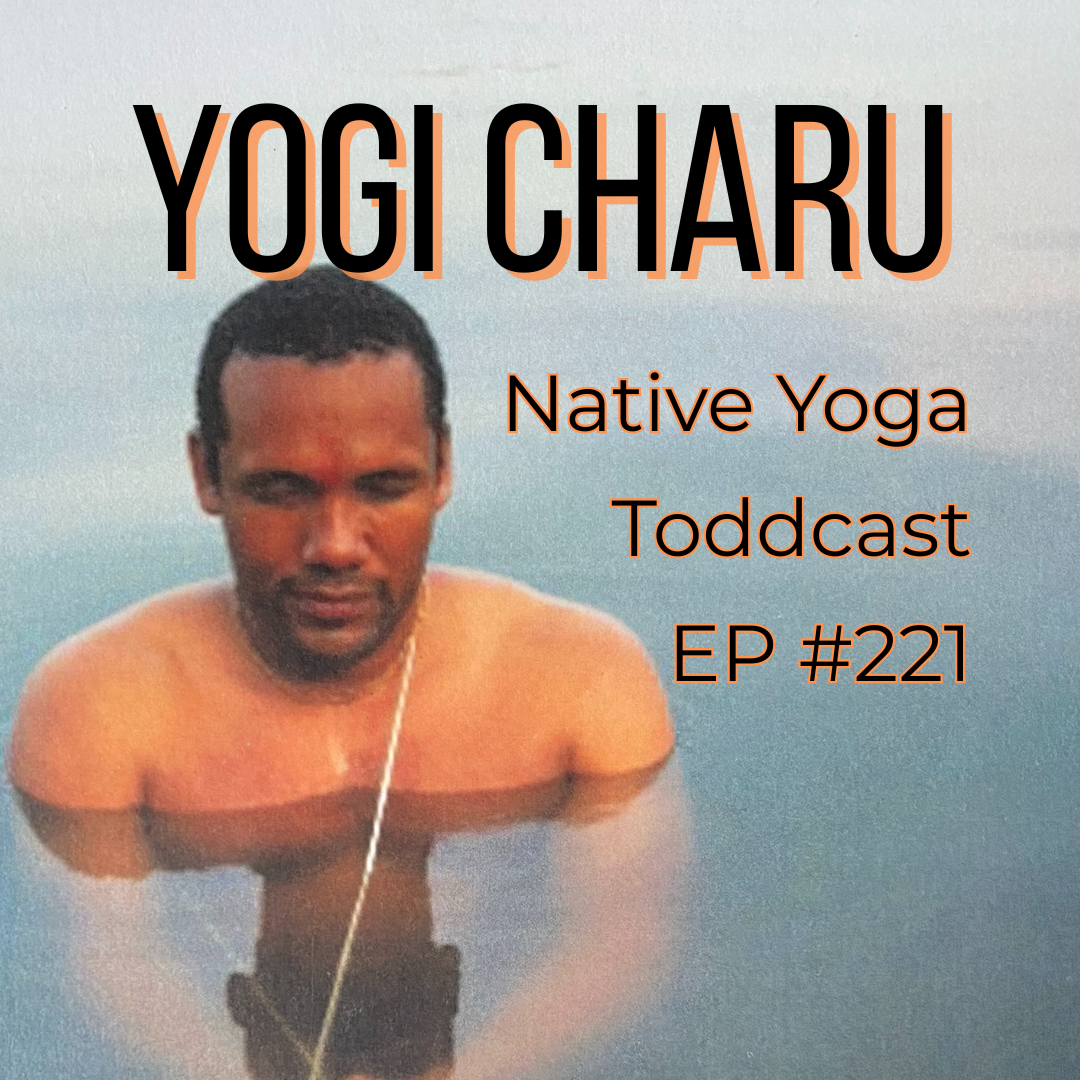
Yogi Charu ~ Meditation, Fasting, and Kriyas: The Hidden Practices of Himalayan Yogis

Listen to Toddcast with Yogi Charu for FREE here

Yogi Charu is an esteemed yoga teacher with a rich lineage tracing back to India. Originating from Belize, Charu embarked on an inspiring journey through the realms of Bhakti and Hatha Yoga, studying under esteemed gurus who cultivated his unique approach to spirituality and wellness. Today, he is known for his deeply integrative teachings that merge age-old yoga practices with modern-day mindfulness, authoring the book “A Practical Guide to Mental Hygiene,” and offering transformative year-long yoga trainings that emphasize mental and spiritual growth.

Visit Yogi Charu here: https://yogicharu.com/

Key Takeaways:

  • Life Transformation through Yoga: Yogi Charu’s transition from aspiring doctor to dedicated yogi illustrates the power of yoga to profoundly change one’s life direction and purpose.
  • Spiritual Growth through Disciplinary Practices: Charu emphasizes the importance of kriyas and sustained meditation as a means to clear mental clutter and advance spiritual growth.
  • The Significance of Guru-Student Relationships: Cultivating humility and finding a guru play pivotal roles in Charu’s spiritual development and the depth of his yoga practice.
  • Balancing Material and Spiritual Lives: Charu shares insights on navigating spiritual journeys while living within the material world, especially within the context of marriage and teaching.

The Transformative Path of Yoga: From Belize to India

The journey of Yogi Charu from the bustling streets of Belize to the serene Himalayas is an inspiring chronicle of spiritual exploration and personal growth. Born in Belize, a country deeply rooted in Christian traditions, Yogi Charu found his path unusually through the stark contrast of ethnicity and religion. This unique cultural backdrop added a layer of depth to his spiritual quest. As he narrates his story, it is both a testament to the powerful pull of yoga and a guide for those seeking to deepen their understanding and practice.

For Charu, the journey began serendipitously when a classmate at the age of 15 introduced him to the basics of meditation and breath control. These initial experiences sparked a profound interest, leading him to the sacred texts of the Bhagavad Gita and the Science of Self Realization. Yogi Charu vividly recalls this pivotal moment, stating, “I remember I was in school, and I wanted to be a doctor. But then I realized I wanted to go on this journey of self-realization and non-violence.”

His trajectory took a decisive turn when he left his academic pursuits in Belize, motivated by a deep desire to embrace the teachings of yoga fully. The narrative exists not just as a series of geographical transitions but as a significant inner journey, where Charu’s dedication to spiritual principles superseded conventional life paths. This transformation illustrates how embracing change—geographic, cultural, and spiritual—can facilitate personal enlightenment.

Embracing Minimalism: Living as a Yogi

Living the life of a yogi in the expansive landscapes of India presented Charu with the authentic teachings and practices that he fervently sought. From the sprawling urban streets of Los Angeles, where he joined an ashram, he describes his ascetic transition with vivid imagery, noting how life as a mendicant provided spiritual riches in simplicity. “I was living without shoes…there’s no hot water,” he recounts with a sense of both humility and fulfillment.

His time in India was marked by rigorous practice and study, not only in the vibrant hearts of spiritual hubs like Mayapur and Vrindavan but also in the isolated heights of the Himalayas. There, amidst the towering peaks and rushing waters of the Ganges, Yogi Charu immersed himself in severe training in asana and kriya, and the traditional living practices of silence (mauna) and fasting. “We would do enema, right? The yogic way…where we can suck the water up the rectum and flush out,” he shares, giving insight into the stringent self-discipline cultivated during this time.

This period was not without challenge, yet it honed Charu’s resilience and adaptability. It exemplifies the strength required to embrace spiritual life fully, abandoning material comfort in favor of profound simplicity and introspection, highlighting the depth of conviction essential to transformative spiritual work.

Fusion of Bhakti and Hatha Yoga: A Path to Self-Realization

Yogi Charu’s integration of bhakti and hatha yoga underlined his holistic approach to self-realization, emphasizing balance between devotion and discipline. This dual focus is reflected in his relationship with his teachers, or gurus, who played pivotal roles in his spiritual development. He underscores the necessity of these relationships by saying, “Once I realized…you need to find a guru, someone who can show you the path.”

In Mayapur, the historical cradle of kirtan and devotional singing, Yogi Charu found himself drawn to the powerful expressions of love and devotion which characterize Bhakti Yoga. “There are three main holy cities…and we ended up in Vrindavan, Orissa, Himalayas,” he reminisces, highlighting the spiritual odyssey fueled by devotion.

Simultaneously, Charu’s pursuit of Hatha Yoga in the Himalayas enriched his practice with physical discipline and mental clarity. His encounters with formidable yoga gurus in these remote locations provided not only teaching but a framework for understanding the unity of body and spirit. The practice of kriyas, long fasts, and meditation, served to cleanse and align the physical with the spiritual, offering Charu the tools to transcend ordinary consciousness.

Reflecting on Yogi Charu’s journey, the paean to perseverance and spirit resonates deeply across cultural and spiritual contexts. While rooted in ancient traditions, his experiences affirm the timeless relevance of yoga as a path to personal transformation. The teachings he absorbed in India and shared through discourse—whether about the sanctity of the human soul, living without attachment, or connecting with others through love—hold profound implications.

His narrative encourages an inspired commitment to personal growth and the pursuit of enlightenment. Each encounter and experience becomes a piece of the holistic journey—a journey that, while deeply personal, offers universal insights into the human quest for understanding and unity.

Thanks for listening to this episode. Check out: 👇
8IN8 Ashtanga Yoga for Beginners Course Online– Learn 8 Limb Yoga in 8 Days – Get FREE coupon code for a limited time only (Regular price $88) https://info.nativeyogacenter.com/8in8-ashtanga-yoga-for-beginners-8-limbs-in-8-days/

Practice with Native Yoga Online – New classes EVERY day – Use Code FIRSTMONTHFREE https://nativeyogacenter.teachable.com/p/today-s-community-class

Subscribe to Native Yoga Center and view this podcast on Youtube.

Thank you Bryce Allyn for the show tunes. Check out Bryce’s website: bryceallynband.comand sign up on his newsletter to stay in touch. Listen here to his original music from his bands Boxelder, B-Liminal and Bryce Allyn Band on Spotify.

Please email special requests and feedback to info@nativeyogacenter.com

https://info.nativeyogacenter.com/8in8-ashtanga-yoga-for-beginners-8-limbs-in-8-days/

Enjoy new Native Yoga Center classes uploaded everyday on our online learning hub. Use code FIRSTMONTHFREE at checkout. https://nativeyogacenter.teachable.com/p/today-s-community-class

Support the show

Native Yoga website: here
YouTube: here
Instagram: @nativeyoga 
Twitter: @nativeyoga 
Facebook: @nativeyogacenter 
LinkedIn: Todd McLaughlin
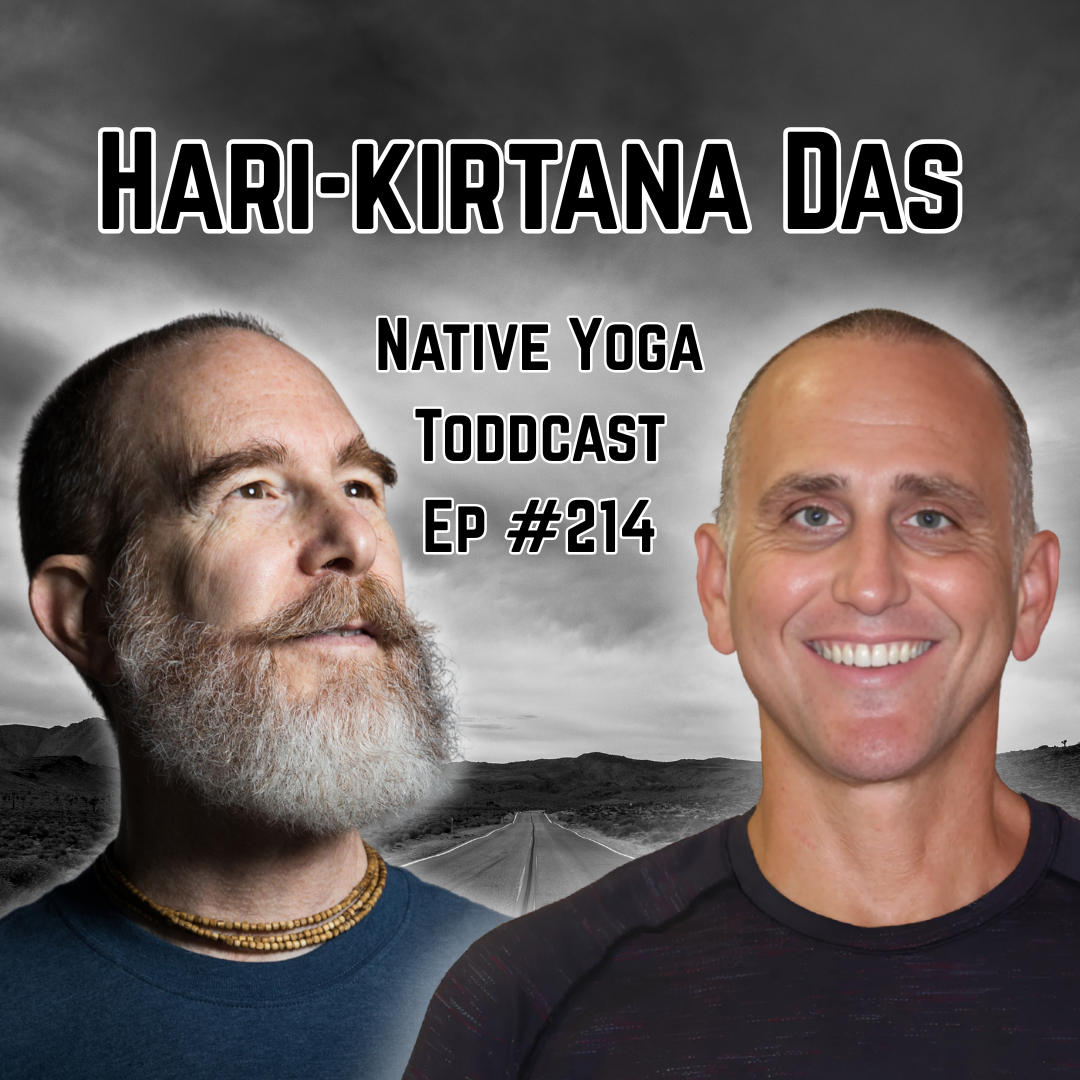
Hari-kirtana Das ~ Dharma Decoded: Discover Your True Calling Through Ancient Wisdom

Listen to Toddcast with Hari-kirtanan Das for FREE here

Hari-kirtana Das, a teacher and author, specializes in the spiritual philosophy of the Bhagavad Gita. A former monk in the Krishna Consciousness tradition, he has spent decades translating Bhakti Yoga principles into practical teachings. Author of Journey into the Bhagavad Gita, he offers workshops and courses exploring the Gita’s timeless wisdom.

Finding Your Dharma course here: https://hari-kirtana.com/finding-your-dharma/

Free download of the first chapter: https://hari-kirtana.com/books/

Key Takeaways:

  • The Initial Challenge of the Bhagavad Gita: Das recounts his early struggles in understanding the Bhagavad Gita, eventually finding clarity through guided group study and philosophical inquiry.
  • Modes of Material Nature: A significant Gita teaching, the three modes of nature—goodness, passion, and ignorance—play a crucial role in defining human behavior and consciousness.
  • Dharma Definitions: Insight into the dual nature of Dharma, distinguishing between Svadharma (individual’s duty) and Sanatana Dharma (eternal duty) and how this guides personal and spiritual pursuits.
  • Karma Yoga: Explores how actions can be offerings to a higher purpose, connecting individual spiritual practice with a broader philosophical context.

Harmony in Dharma: Aligning Individual and Universal Purpose

The Bhagavad Gita, a time-honored spiritual text, serves as a beacon for self-realization and understanding one’s true nature. In a recent discussion with Hari-kirtana Das, author of Journey into the Bhagavad Gita, the concept of ‘Dharma’ emerged as a pivotal theme. Dharma, in its multifaceted definition, illustrates the intrinsic duty or nature of beings. Das elucidates, “Dharma also means one’s essential nature, or the essential nature of a person, place, or thing.”

Dharma’s duality—comprising ‘Svadharma’ (personal duty) and ‘Sanatana Dharma’ (eternal duty)—requires harmonization. As Das reveals, “Harmonizing those two things is the art of yoga.” This alignment fosters an understanding of one’s actions within the wider tapestry of life, affirming that self-awareness is paramount to achieving genuine fulfillment. This principle stands as a guide for individuals yearning to find their unique path while grounding themselves in a deeper, universal context.

Karma Yoga: Beyond Good Deeds

Karma Yoga, a central practice within the Bhagavad Gita, emphasizes the importance of action without attachment to results. Misunderstanding it as merely performing good deeds, many fail to grasp its profound nature. Das clarifies, “Karma Yoga means that we’re acting in the world and offering the results of our actions to something higher than ourselves.”

The crux of Karma Yoga is detachment from the fruits of one’s labor, transforming every action into an offering to the divine. As Das articulates, acknowledging the interconnectedness of life can propel individuals toward liberation: “Make your practice an expression of gratitude for this gift of this body.” This approach fosters a profound connection with a higher power, nurturing spiritual growth while navigating daily life.

The Three Qualities of Material Nature: A Lens for Understanding

The Bhagavad Gita introduces the three qualities of material nature—Satva (goodness), Rajas (passion), and Tamas (ignorance). These qualities, intricately influencing human behavior, act as lenses to perceive the world and actions within it. Das states, “It’s like discovering that I was in the Matrix.”

Recognizing these qualities empowers individuals to respond adeptly to situations. As Das illustrates, understanding whether anger stems from a place of truth or falsehood allows for a tailored response, facilitating conflict resolution and personal growth. This nuanced comprehension of human interactions underscores the Bhagavad Gita’s relevance, providing timeless wisdom applicable in modern contexts.

In essence, the teachings of the Bhagavad Gita, as explored by Hari-kirtana Das, resonate with timeless wisdom. The integration of ‘Svadharma’ and ‘Sanatana Dharma’ offers a pathway to understanding one’s role in the universal order. Meanwhile, Karma Yoga’s tenets elevate everyday actions into a spiritual practice, while the three qualities of nature provide insight into human behavior. These themes collectively illuminate a holistic approach to life, fostering spiritual growth, self-discovery, and alignment with the cosmic rhythm.

Thanks for listening to this episode. Check out: 👇
8IN8 Ashtanga Yoga for Beginners Course Online– Learn 8 Limb Yoga in 8 Days – Get FREE coupon code for a limited time only (Regular price $88) https://info.nativeyogacenter.com/8in8-ashtanga-yoga-for-beginners-8-limbs-in-8-days/

Practice with Native Yoga Online – New classes EVERY day – Use Code FIRSTMONTHFREE https://nativeyogacenter.teachable.com/p/today-s-community-class

Subscribe to Native Yoga Center and view this podcast on Youtube.

Thank you Bryce Allyn for the show tunes. Check out Bryce’s website: bryceallynband.comand sign up on his newsletter to stay in touch. Listen here to his original music from his bands Boxelder, B-Liminal and Bryce Allyn Band on Spotify.

Please email special requests and feedback to info@nativeyogacenter.com

https://info.nativeyogacenter.com/8in8-ashtanga-yoga-for-beginners-8-limbs-in-8-days/

Enjoy new Native Yoga Center classes uploaded everyday on our online learning hub. Use code FIRSTMONTHFREE at checkout. https://nativeyogacenter.teachable.com/p/today-s-community-class

Support the show

Native Yoga website: here
YouTube: here
Instagram: @nativeyoga 
Twitter: @nativeyoga 
Facebook: @nativeyogacenter 
LinkedIn: Todd McLaughlin