Rev. Jaganath & Margabandhu | Timeless Journeys: Tales of Yoga and Discovery

Listen to Toddcast with Margabandhu and Rev. Jaganath for FREE here

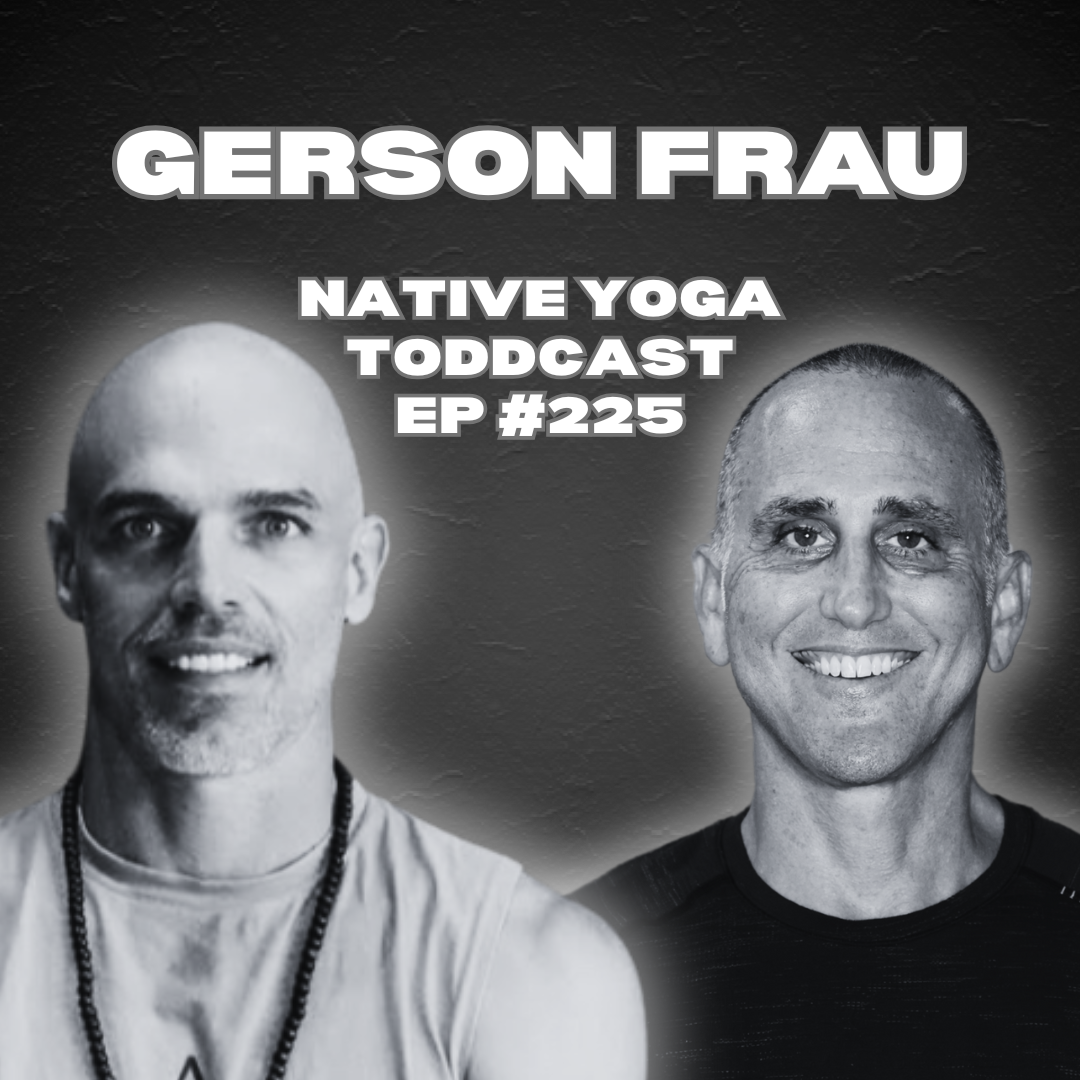
In this enlightening episode, host Todd McLaughlin is joined by Reverend Jaganath Carrera and Margabandhu Martarano, two esteemed figures in the world of yoga, both sharing a profound bond through their shared teacher, Swami Satchidananda. This episode explores their individual journeys of how they met, their teaching philosophies, and how they have built thriving communities over decades of dedicated practice. Reverend Jaganath and Margabandhu offer their wisdom, emphasizing the importance of community within yoga and how it contributes to personal growth and enlightenment.

Visit Rev. Jaganath here: https://www.yogalifecenter.org/

Visit Margabandhu on his website: https://iyinj.org/

Key Takeaways:

  • The value of friendship and community in yoga is immense, often guiding personal and collective growth.
  • Teaching philosophy inspired by Swami Satchidananda emphasizes fostering understanding and personal transformation rather than dictating behavior.
  • Maintaining a spiritual practice and community support can significantly impact personal well-being and spiritual advancement.
  • Humor and cultural understanding play significant roles in developing and sustaining long-term spiritual associations.

Cultivating Community and Tradition in Yoga: Insights from Revered Teachers

Yoga, an ancient discipline that harmonizes body, mind, and spirit, continues to evolve as it permeates cultures across the globe. In a recent conversation, seasoned yoga instructors Rev. Jaganath and Margabandhu, alongside interviewer Todd McLaughlin, delve into the intricacies of sustaining vibrant yoga communities and imparting teachings. Their dialogue reveals how friendship, tradition, and compassionate instruction are pivotal in maintaining the integrity and efficacy of yoga practices today.

The Power of Partnership in Yoga Communities

Building and sustaining a thriving yoga community require bonds that transcend geographical and ideological boundaries. Rev. Jaganath and Margabandhu exemplify this dedication through their enduring friendship of over 50 years, which has significantly shaped their teaching methods and community involvement. Margabandhu notes, “We’re like brothers and respect one another’s opinion,” highlighting the deep-seated mutual respect that cultivates a positive learning environment.

Their collaboration encourages the cross-pollination of ideas and practices, benefitting not just their own centers but also the broader yoga community. Both studios support each other’s initiatives, with students freely attending programs at either center. “We supported each other’s communities. He would give talks here. See, everybody gravitated towards Reverend Jaganath,” Margabandhu shares. This mutual support diminishes competition and emphasizes shared growth, setting an example for other yoga centers to emulate.

Blending Tradition with Contemporary Practices

Maintaining the integrity of traditional teachings while adapting to modern needs is a balancing act that both instructors navigate with finesse. Their practices are deeply rooted in the teachings of Swami Satchidananda, an influential figure who never imposed change but invited understanding. “He explained things to us…without demanding anything,” recalls Margabandhu. This approach resonates profoundly, emphasizing yoga’s adaptive nature without diluting its core principles.

Rev. Jaganath reinforces this by explaining how he bases his community-building efforts on these time-honored teachings, encouraging respect for tradition while fostering innovation. “It’s really part of one lineage…We’re following the teachings of Swami Satchidananda,” he asserts, illustrating how staying true to foundational teachings enhances the community’s depth and diversity.

Teaching with Compassion and Personalization

At the heart of effective yoga instruction is the ability to connect with students on a personal level, understanding their unique needs and experiences. Rev. Jaganath and Margabandhu adeptly tailor their teaching methods, inspired by their own guru’s compassionate approach. Rev. Jaganath’s anecdote about a challenging interaction with a fellow teacher illustrates this point well. “He taught us…to find the point of unison that you have,” he explains, underscoring the importance of empathy and understanding in teaching.

Teaching is also about facilitating peer-supported growth within the community, a sentiment captured by Rev. Jaganath: “Having a viable active sangha is really…something that alone can take you to enlightenment over time.” By instilling values of compassion and mutual respect, they not only honor their guru’s legacy but also empower students to become self-reliant in their spiritual journeys.

Transitioning from these personal narratives to a wider lens, the stories and reflections offered by Rev. Jaganath and Margabandhu are reminders of the enduring power of tradition and the human connections that enrich our spiritual and communal lives. As we engage with these narratives, we’re encouraged to revisit and reshape our understanding of yoga’s timeless relevance, guided by compassion and understanding that bind communities in shared purpose and joy.

Thanks for listening to this episode. Check out: 👇
8IN8 Ashtanga Yoga for Beginners Course Online– Learn 8 Limb Yoga in 8 Days – Get FREE coupon code for a limited time only (Regular price $88) https://info.nativeyogacenter.com/8in8-ashtanga-yoga-for-beginners-8-limbs-in-8-days/

Practice with Native Yoga Online – New classes EVERY day – Use Code FIRSTMONTHFREE https://nativeyogacenter.teachable.com/p/today-s-community-class

Subscribe to Native Yoga Center and view this podcast on Youtube.

Thank you Bryce Allyn for the show tunes. Check out Bryce’s website: bryceallynband.comand sign up on his newsletter to stay in touch. Listen here to his original music from his bands Boxelder, B-Liminal and Bryce Allyn Band on Spotify.

Please email special requests and feedback to info@nativeyogacenter.com

https://info.nativeyogacenter.com/8in8-ashtanga-yoga-for-beginners-8-limbs-in-8-days/

Support the show

Native Yoga website: here
YouTube: here
Instagram: @nativeyoga 
Twitter: @nativeyoga 
Facebook: @nativeyogacenter 
LinkedIn: Todd McLaughlin

Margabandhu Martarano ~ Swami Satchidananda’s Disciple: Insights into a Yogi’s Lifelong Practice

Listen to Toddcast with Margabandhu for FREE here

Margabandhu Martarano is an esteemed yoga teacher with over 50 years of experience. He has been at the helm of the Integral Yoga Institute in New Jersey, where he has dedicated his life to spreading the teachings of Integral Yoga. As a direct disciple of Swami Satchidananda, Margabandhu has been influential in teaching yoga and pranayama across diverse environments, including prisons, psychiatric wards, and schools for children with autism. He is also an herbalist, a massage therapist, and has provided guidance in acupressure and reflexology. His holistic approach integrates multiple facets of Eastern wellness and healing practices.

Visit Margabandhu on his website: https://iyinj.org/

Key Takeaways:

  • Margabandhu emphasizes the powerful healing effects of pranayama, sharing personal stories of recovery and resilience.
  • His teachings are rooted in a comprehensive approach to yoga that embraces postures, breathing, meditation, and diet.
  • He highlights the importance of holistic health, having effectively taught diverse groups, including inmates and autistic children through yoga and pranayama.
  • Margabandhu shares insights into the life and philosophy of Swami Satchidananda and his influence on yoga in the West, particularly during the 1960s.

xploring the Healing Power of Pranayama

In the practice of yoga, Pranayama stands as a cornerstone for enhancing physical health and emotional stability. As shared by Margabandhu Martarano, a seasoned yoga practitioner and director of the Integral Yoga Institute in New Jersey, “Pranayama has really saved [people] on a physical level, an emotional level.” For over fifty years, Margabandhu has observed and experienced various health benefits derived from Pranayama, making it a pivotal component of his daily routine and teaching arsenal.

The specific breathing technique that Margabandhu advocates is the “Sivananda Healing Breath”, which utilizes a controlled breathing pattern consisting of a three-second inhale, a six-second retention, and a naturally paced exhale. As he recounts, this form of Pranayama helps focus energy on specific areas of the body in need of healing. He explains, “During retention… you focus on that particular body that you feel needs that extra energy or that extra prana.”

The healing potential of Pranayama extends beyond the individual, as evidenced by Margabandhu’s diverse teaching experiences. From enhancing concentration in autistic children to calming anxiety in inmates, Pranayama’s adaptability underscores its power. The benefits of controlled breathing are not only physiological but also psychological, helping individuals navigate life’s stresses and reconstruct their wellness from within.

Embracing Integral Yoga for Holistic Wellness

Integral Yoga, as taught by Swami Satchidananda and embodied by his student Margabandhu, integrates multiple aspects of yoga, going beyond asanas (yoga postures) to embrace Raja Yoga, Bhakti Yoga, meditation, and more. This comprehensive approach was Swami Satchidananda’s response to the needs of the emergent seekers of the 1960s, a time characterized by societal upheaval and a quest for meaning. Margabandhu reflects how Satchidananda’s teachings provided direction and focus: “He covered everything in one shot… Raja Yoga, Bhakti Yoga, the chanting.”

This holistic framework effectively addresses the multifaceted nature of human well-being, combining physical practice with mental discipline and spiritual growth. For practitioners like Margabandhu, the result is a balanced lifestyle. He notes, “Yoga is a lifestyle,” advocating not only for the physical but for a transformation that taps into deeper consciousness. Such an approach challenges modern depictions of yoga as merely an exercise regime, emphasizing its potential as a transformative spiritual path.

Teaching Yoga Across Boundaries

One of Margabandhu’s most impressive accomplishments is teaching yoga in unconventional settings such as prisons and psychiatric wards. His work with inmates, as he describes, involved “three years going three times a week,” demonstrating deep relaxation through yoga nidra, which helped reduce anxiety levels significantly.

This non-traditional application of yoga showcases its universal applicability and underscores an important theme: yoga is for everyone, regardless of circumstance. Margabandhu’s initiative to bring yoga to diverse populations resonates with yoga’s core principle of universality. He has successfully communicated yoga’s benefits to a wide range of people, including autistic children and people with psychiatric conditions, sharing the profound effects of practices like alternate nostril breathing which balance mind and body.

The broader implications of teaching yoga in these settings are vast, advocating for a more inclusive understanding of wellness and rehabilitation. They challenge institutional norms and introduce a compassionate, human-centered approach to health care and reform.

Margabandhu’s Enduring Commitment

Margabandhu’s remarkable journey reflects the transformative power of yoga and pranayama. However, it also highlights how these practices can reach beyond traditional studio walls into prisons, psychiatric wards, and everyday communities. His lifetime of teaching mirrors the values instilled by Swami Satchidananda, focusing on the healing power and inclusivity of yoga.

Integral Yoga, with its all-encompassing nature, redefines the potential of what yoga can offer. Margabandhu’s work exemplifies dedication to both personal practice and community service, impelled by a desire to share this profound wisdom with others. In a world where the true essence of yoga often gets diluted, his story stands as a testament to the enduring impact yoga can have on an individual level and beyond.

Thanks for listening to this episode. Check out: 👇
8IN8 Ashtanga Yoga for Beginners Course Online– Learn 8 Limb Yoga in 8 Days – Get FREE coupon code for a limited time only (Regular price $88) https://info.nativeyogacenter.com/8in8-ashtanga-yoga-for-beginners-8-limbs-in-8-days/

Practice with Native Yoga Online – New classes EVERY day – Use Code FIRSTMONTHFREE https://nativeyogacenter.teachable.com/p/today-s-community-class

Subscribe to Native Yoga Center and view this podcast on Youtube.

Thank you Bryce Allyn for the show tunes. Check out Bryce’s website: bryceallynband.comand sign up on his newsletter to stay in touch. Listen here to his original music from his bands Boxelder, B-Liminal and Bryce Allyn Band on Spotify.

Please email special requests and feedback to info@nativeyogacenter.com

https://info.nativeyogacenter.com/8in8-ashtanga-yoga-for-beginners-8-limbs-in-8-days/

Enjoy new Native Yoga Center classes uploaded everyday on our online learning hub. Use code FIRSTMONTHFREE at checkout. https://nativeyogacenter.teachable.com/p/today-s-community-class

Support the show

Native Yoga website: here
YouTube: here
Instagram: @nativeyoga 
Twitter: @nativeyoga 
Facebook: @nativeyogacenter 
LinkedIn: Todd McLaughlin
Sara Ticha – Unlocking the Heart: The Transformational Power of Bhakti Yoga

Listen to Podcast with Sara for FREE here

Sara Ticha is a renowned international yoga teacher and influencer celebrated for her unique integration of mindfulness and yoga practice. Sara has a notable presence on Instagram, where she shares inspiring content focused on positivity and personal growth. With experience teaching at various yoga festivals and hosting retreats, Sara is continuously expanding her influence in the yoga community. Her journey includes transitions from dynamic asana practices to experimenting with Bhakti yoga, where she’s embraced mantra chanting and playing the harmonium to deepen her spiritual connection and teaching breadth.

Visit Sara on her website: https://saraticha.com/
Instagram: https://www.instagram.com/sarahticha/
YouTube: https://www.youtube.com/@SaraTichaYoga

Key Takeaways:

  • Sara Ticha highlights the significance of pausing and reevaluating one’s path to ensure genuine growth and fulfillment.
  • The integration of Bhakti yoga into her practice has offered Sara profound insights and emotional release, aiding her personal development.
  • The power of openness and adaptability in yoga practice allows for a deeper connection and understanding of oneself.
  • Navigating the complexities of yoga teaching, from international travel to studio commitment, requires self-awareness and adaptability.

Embracing Change Through Yoga: Insights and Reflections from a Global Journey

Key Takeaways:

  • Embracing Stillness: Discovering internal peace and growth through yoga practice despite the hustle of a nomadic lifestyle.
  • The Power of Bhakti: An exploration of Bhakti yoga’s transformative abilities, from resistance to emotional breakthroughs.
  • The Teacher Within: Finding one’s true path in yoga by tuning into inner guidance and welcoming diverse teachings.

Embracing Stillness Amidst Movement

In today’s high-paced world, finding moments of stillness has become a profound necessity for many. Sara Ticha’s journey, as shared in her conversation with Todd McLaughlin, highlights the pivotal moments where she learned to pause and reflect amidst a life of constant travel and teaching. Her experience underscores an essential theme: the power of stillness and introspection in personal growth.

Sara recounts her realization during an intense week of movement—from teaching at festivals to managing familial responsibilities. She says, “I feel like when you pause, it’s when the body and mind can really notice what happened.” This pause allowed her to reevaluate her frenetic lifestyle, sparking thoughts of finding a more grounded living situation. She reflects on moving away from bustling cities like Prague and Bali, expressing a yearning for a more settled home: “I’ve been traveling quite a lot, and now I’m craving.”

This yearning for stillness amid chaos is not unique to Sara. Many yoga practitioners admire the glamour of an international teaching lifestyle, yet fail to see its inherent challenges. Todd McLaughlin resonated with this, sharing, “Watch my friends and colleagues traveling…I wanted that too.” Together, they reveal the often-unnoticed internal tug of war between the allure of constant activity and the peace of stability. These insights remind us of the importance of evaluating our paths and creating space—physically and mentally—to breathe and grow.

The Transformative Journey Through Bhakti Yoga

Sara’s foray into Bhakti yoga marks a transformative chapter in her spiritual journey, illustrating the potent emotional release it can bring. Initially skeptical and unsure of her musical ability, Sara found unexpected solace and connection in the practice of chanting. Her candid recollection of her first encounter with Bhakti yoga during a retreat illustrates this shift: “I started chanting, and then I started crying…And I just knew I needed to buy myself that instrument.”

Bhakti yoga touched a deep chord, leading her to challenges and breakthroughs unique to her journey. She describes the harmonium as a therapeutic release, akin to “a therapy I did not know I was looking for.” As both Sara and Todd shared their initial hesitations and subsequent embrace of Bhakti, it becomes clear that sometimes, transformation occurs when we let go of preconceived notions and simply surrender to experience.

Chanting in Bhakti invites practitioners to delve into a communal experience that transcends languages and personal barriers. As Todd shared his own story, he vividly described how chanting became “a balm” for his emotional turmoil. These experiences speak volumes about the innate power of Bhakti yoga to open hearts and foster a profound sense of unity with oneself and others. Bhakti serves as an invitation to not only embrace vulnerability but to celebrate it as a pathway to deeper self-discovery.

Listening to the Teacher Within

Within the myriad teachings and philosophies in yoga, Sara’s insights shed light on the essential idea of tuning into one’s own inner voice. Encountering different traditions and teachings can often create inner conflicts, as evidenced by Sara’s time at an ISKCON ashram. Despite being surrounded by fervent devotees, she felt misaligned, continually returning to her personal mantra: “Om Namah Shivaya.” Her experience illustrates a beautiful and crucial aspect of personal growth: the recognition and acceptance of one’s unique path.

This idea is further supported by Todd’s reflections on resisting external pressure to conform within spiritual communities. Sara’s acknowledgment of this resistance and her genuine pursuit of truth reflect a maturity that’s vital in spiritual practice. “My heart connects better to something different,” she admits, exemplifying the courage required to stay authentic amidst external influences.

The concept of listening to the internal teacher aligns closely with Radhanath Swami’s teachings, as discussed in their dialogue. His journey, extensively covered in his book “The Journey Home,” emphasizes finding guidance within while exploring external teachings. Sara encapsulates this by recognizing the divine in unexpected sources, echoing the sentiment: “The teacher is not just in one person, not just in one group.” This recognition encourages practitioners to embrace the diversity of lessons life offers, highlighting the importance of remaining open to the unexpected wisdom surrounding us.

Reflecting on Continuous Growth

Sara Ticha’s dialogue with Todd McLaughlin provides a tapestry of insights into the broader themes of rest, faith, and self-discovery. The interview serves as a roadmap for anyone feeling torn between life’s demands and the inner call for peace. It emphasizes the value of silence and reflection, particularly during times of transition, encouraging us to honor these pauses as essential steps toward clarity and transformation.

Bhakti yoga emerges as a powerful tool for navigating the complexity of emotions, offering a conduit for expression and healing that transcends linguistic and cultural boundaries. Sara’s journey through self-doubt to emotional catharsis highlights the potency of Bhakti in fostering genuine connection—to oneself and to others.

Ultimately, the exploration of one’s internal compass—the “teacher within”—is paramount. It inspires individuals to craft a path that aligns authentically with their values and needs. Through Sara’s experiences, we are reminded of the importance of embracing diverse teachings and listening for guidance from both the world around us and the world within. This openness and receptivity pave the way for an enriched, spiritually fulfilling life.

As we contemplate Sara’s wisdom and story, we are beckoned to remain open, to let the heart lead, and to trust in the unfolding journey—staying true to our unique path and welcoming the unknown with courage and curiosity.

Thanks for listening to this episode. Check out: 👇
Free Grow Your Yoga Live Webinar – Every Thursday at 12pm EST
➡️ Click here to receive link

New Student FREE Livestream Yoga Special ~ Try 2 Weeks of Free Unlimited Livestream Yoga Classes  at Native Yoga Center. info.nativeyogacenter.com/livestream Sign into the classes you would like to take and you will receive an email 30 minutes prior to join on Zoom. The class is recorded and uploaded to nativeyogaonline.com  ➡️  Click Here to Join. 

Subscribe to Native Yoga Center and view this podcast on Youtube.

Thank you Bryce Allyn for the show tunes. Check out Bryce’s website: bryceallynband.comand sign up on his newsletter to stay in touch. Listen here to his original music from his bands Boxelder, B-Liminal and Bryce Allyn Band on Spotify.

Please email special requests and feedback to info@nativeyogacenter.com

Enjoy new Native Yoga Center classes uploaded everyday on our online learning hub. Use code FIRSTMONTHFREE at checkout. https://nativeyogacenter.teachable.com/p/today-s-community-class

Support the show

Native Yoga website: here
YouTube: here
Instagram: @nativeyoga 
Twitter: @nativeyoga 
Facebook: @nativeyogacenter 
LinkedIn: Todd McLaughlin

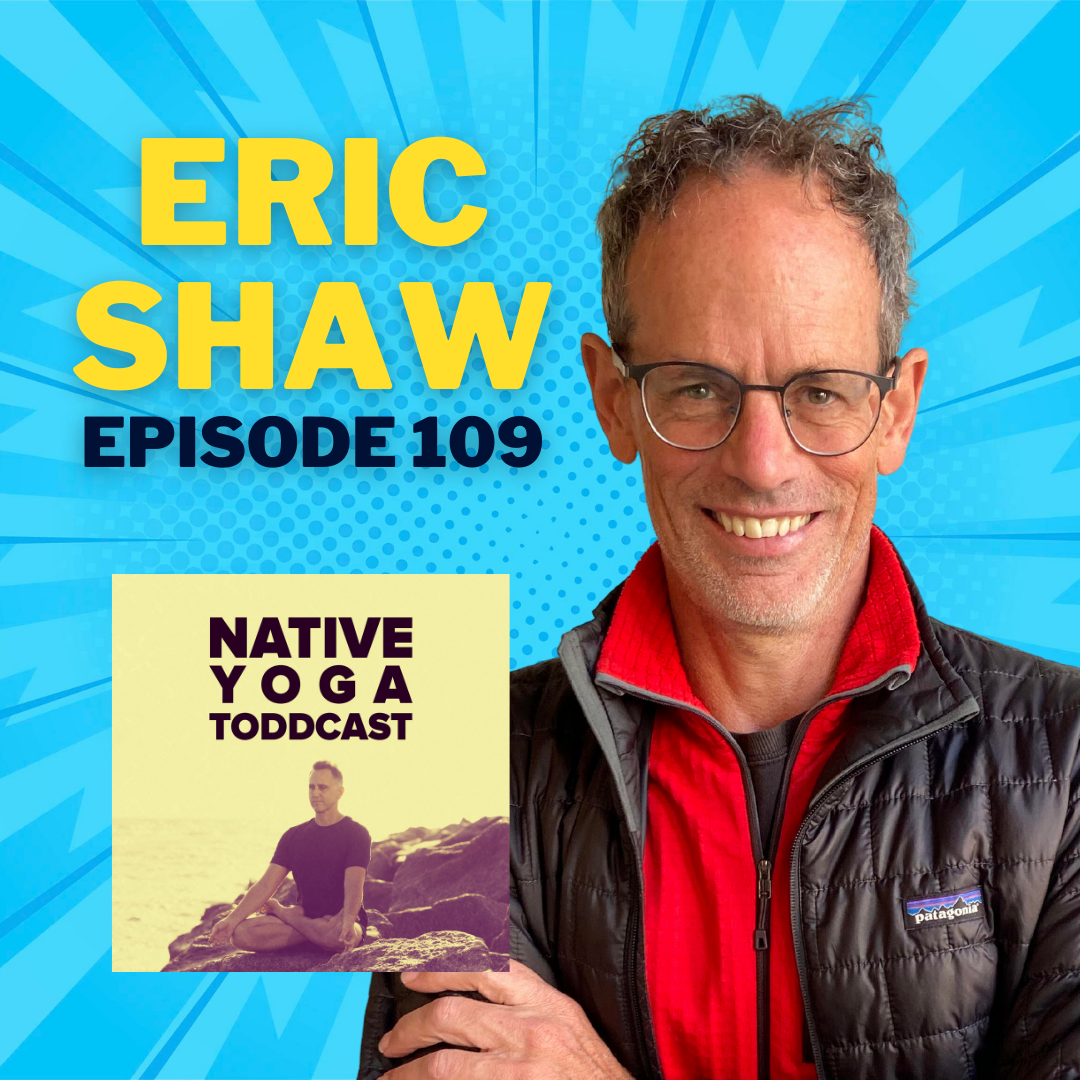
Eric Shaw – Light On Yoga History and Philosophy

Ever wonder if there is more to yoga than just the yoga postures? Join my guest Eric Shaw for a discussion around his new book called Sacred Thread: A Comprehensive Yoga Timeline: 2000 Events that Shaped Yoga History.  Eric’s teachings and passions have been influenced significantly by his teachers, in particular Shandor Remete and Rod Stryker. You can visit Eric on his website at prasanayoga.com and you can purchase a copy of Eric’s new book on Amazon here.

We discuss topics like:

  • What is the pre-common era?
  • Yoga sutras and urbanization in India.
  • Buddha gives us a new philosophy of life.
  • The difference between consumer consumerism and environmentalism in India.
  • Mapping connections through language patterns.
  • Who were the key cultural movers of the Theosophical Society?
  • The History of the Hatha Yoga Project.
  • Historical perspective of Krishnamacharya’s story.

You can listen to the full episode for free here: https://nativeyogacenter.buzzsprout.com

Thanks for reading this blog post from this YouTube video. Check out: 

Free Grow Your Yoga Live Webinar – Every Thursday at 12pm EST
➡️ Click here to receive link


Native Yoga Teacher Training – In Studio and Livestream – for info delivered to your email click this link here: https://info.nativeyogacenter.com/native-yoga-teacher-training-2023/

https://info.nativeyogacenter.com/native-yoga-teacher-training-2023/

New Student Livestream Special ~ Try 2 Weeks of Free Unlimited Livestream Yoga Classes  at Native Yoga Center. Sign into the classes you would like to take and you will receive an email 30 minutes prior to join on Zoom. The class is recorded and uploaded to nativeyogaonline.com ~ Click Here to join.

New Student FREE 30 Minute Yoga Meet & Greet ~ Are you new to Native Yoga Center and have questions that you would like us to address? Whether you are coming to In Studio, Livestream or Online Recorded Classes we offer a one time complimentary 30 minute zoom meeting to answer any questions you may have. Schedule a time that is convenient for you. Click Here

Native Yoga website: nativeyogacenter.com
Online Yoga Class Library: nativeyogaonline.com
Thai Massage info: palmbeachthaimassage.com
Native Yoga Blog: toddasanayoga.com
Instagram: @nativeyoga
YouTube channel: Native Yoga Center

Listen to the podcast here on our Podcast website: Native Yoga Toddcast

Please email special requests and feedback to info@nativeyogacenter.com

Adam Keen – On Yoga & the Quest for Meaning

I am so delighted to bring to you Adam Keen. Adam is an amazing Ashtanga Yoga teacher who is constantly seeking answers and finding the big questions. He has his own podcast called Keen on Yoga and offers instruction via his  online teaching platform. During this conversation we discuss topics like:

  • how to investigate yoga practice from the angle of self care
  • the true purpose of yoga and how to access it
  • Ashtanga Yoga in the modern world
  • the benefits of Yoga on mental health
  • and so much more

Visit Adam on his website: keenonyoga.com
Find him on Youtube here: ADAM ON YOUTUBE
Follow him on Instagram: Keen_on_Yoga
Enroll in his upcoming Yoga and Mental Health Workshop here.

You can listen to the full episode for free here.

Todd McLaughlin

I’m so happy to have Adam Keen here today. Adam, how are you?

Adam Keen

Fine, lovely to be here. Thanks for inviting me. It’s really always a pleasure to be the guest rather than the interviewee. I’ve always said to people that it is actually easier to be a guest than it is to be an interviewee. To be the interviewer is challenging. When I hear people critique my interviewing style, I always say, well, I’ll set you up with the podcast next time you have a go. Because it’s really not easy, you know, to get that balance, right. And I’ve done over 100 on the Keen on Yoga podcast. Yeah, maybe 150 interviews now, and I’m still still working at it.

Todd McLaughlin 

Oh, definitely. Well, on that note, you have your own podcast Keen On Yoga. I’m curious, who are your inspirations if you are to listen to another interviewer? Or who have you gained a lot of inspiration from other interviewing styles? 

Adam Keen

Yeah. It’s a good question. I only listened to the older ones. I mean, obviously, you know, we’ve got a shout out to Peg Mulqueen at Ashtanga Yoga Dispatch. She has been out there for several years now. I’ve gained a lot of inspiration from from Peg obviously. I have a lot of respect for Peg for doing and you know, starting what she did so early and getting it out there with all those teachers so early. So I listened to that over the years from when she started. You know, I listen to Harmony and Russell’s podcast. I find Russell hilarious. You know Russell is a very funny guy and a friend and I’ve had him on the podcast, I find him very funny. Yeah, I know, bits and bobs. I look at stuff, at different interviews on YouTube. Yeah. Is that alright?

Todd McLaughlin

That is all right. Good answer. I was just curious. Sometimes I think that if I want to learn something here, let me let me listen to some of the greats. So that is why I am curious if there’s some people that that inspire you? 

Adam Keen

Yeah. I mean, the thing is, and I don’t want to derail this to a talk about podcasts or the kind of ins and outs of being an interviewer. It is really hard thing. And you never know how hard it is until you actually do it, you know, because you want to try and get out of the way. And the difficulty is, if you’ve got something to say, like me, you end up getting too much in the way. So people I admire are able to ask the questions and somehow get out of the way enough. Because when you come in tune into someone, I know as well as anyone else, you don’t want to hear the interviewer. You want to hear the guest. Nevertheless, I tend to still speak too much in the podcast, and I always berate myself for this afterwards. I just wish I’d shut up more, you know. And so I suppose the people I respect are the people that have managed to kind of corral the interview and conduct it in such a manner that it feels they’ve guided it. Interviewers are like a great waiter, you know, seamlessly at the table. They’re never hanging at the table, and you don’t want them there. But they’re always on hand when you need them. I mean, in England  one you probably don’t know, maybe do? Do you know Jonathan Ross? 

Todd McLaughlin

I don’t. 

Adam Keen

He’s a famous interviewer. Yeah, he’s a famous English interviewer. He’s been around many years, and he’s quite good in terms of giving people space. These are on the BBC on television. 

Todd McLaughlin

Nice. Nice. 

Adam Keen

Yeah. So yeah, that’s cool. You go, oh, I appreciate that. 

Todd McLaughlin

When did you start practicing yoga?

Adam Keen

Yeah, straight into that one. When did I start practicing? It was in 1999, I think when I started I was at university. And I’ve told this story many times, but I’ll tell again, the obvious backdrop of how I started is that I was depressed. I was studying philosophy, as most students of philosophy are. Probably, I don’t know, what comes first? The chicken or the egg? You know, like, whether the propensity is there with a philosophy student to be depressed. It ends up you know, they call it a counselor, the therapy area of the university. So I was in therapy. And then the teacher said, the therapist said, well, you know, you and everyone else in philosophy here is depressed as well. So, I find that kind of funny, but I also found that kind of concerning. The people that come into philosophy, obviously, are the people that had questions about life. We’re using the vehicle of lucid thinking, you know, rational thinking, to work those big questions out, and it didn’t work out. And that was what shocked me. Because, you know, as an 18 year old, when I went to uni, you know, I thought it would work out. I really thought that you could think your way out of your problems in life, you know. And what I realized is that you couldn’t do that. And so I started with movement practice. I thought I was going to be tai chi but that conflicted with my night life at uni. That class was on a good drinking night and so I didn’t do the tai chi. And there was a yoga class that was on a different night, there was, you know, it was a free night, you know, non drinking. So I thought I’d go on to that. But there’s something in maybe I intuitively thought there’s something in the body, right? If it can’t be done through the mind, it must be something in the energy of the body, that’s throwing up these negative thought patterns that I’m suffering from. I thought that could maybe be changed, like a, you know, rewiring a, you know, electrical thing or, you know, like reconditioning a car engine or something. There’s something wrong with the engine, you know, that’s making these thoughts happen, rather than the other way around. Thinking that if you could think more clearly, you know, then then everything would be okay. So, I stumbled into yoga classes. Most people do. It was a hatha yoga class. It was slow, but it was challenging at the time, I was not really in good shaper. You know, as you’re not when you’re in that that period of time when you’re kind of late teens and early 20’s. You generally kind of suddenly fall off the bandwagon. You know when you’re a bit younger. I was into football, I was into martial arts, at that certain age, you kind of you just let it go. I think when women get involved we’re not really, not that it’s their fault, but they come on the scene and then that encourages bad behavior on your part. Then more drinking and reducing the the things you should do so. So that was my life at that time. Outside of philosophy, and I was not in good shape. And I found yoga to be incredibly challenging even in the easier class. I remember doing bow pose, Dhanurasana. And finding that was very, very painful. Same with forward folds. That also was incredibly challenging, almost unbearably painful. Yes. So I wasn’t flexible. I wasn’t flexible at all. It just kind of struck me though that after the first class yoga was something that I had to do. Just for my own mental health, it felt like it was definitely the right thing to do. In terms of the responsible thing to do. To take care of myself, you know, because at that time, I was also prescribed antidepressants, I was on them, you know, and I’m not gonna say anything about medication. There’s a whole lot of debate out there about medication. So I felt though that I didn’t want to be on it forever. I felt that it wasn’t something I wanted. Maybe I felt I could maybe do without them. But I couldn’t maybe just come off it just like that. So that was a really another really fundamental reason to get to that yoga class and try and do something for myself. Rather than just, you know, go to the therapy and get the prescription. With that method I felt rather disempowered. I felt like I was out of control. And the yoga made me think, basically, on a basic fundamental level that I was doing something that put me back in control. Taking control of the situation, you know. But then on my plan to get into Ashtanga Yoga or, or become good at it, you know, the asanas, that kind of happened. Just because I had to be dedicated for the mental health reasons to be quite honest with you. Yeah, I did it every day. From 15 minutes a day, and expanded to 30 minutes a day. And then I expanded it a bit longer. At that time in England, yoga was the generally the domain of like, a certain middle aged lady. At this time, you know, not necessarily the case now, but at the time, it was, like an older lady who made the mainstay of these classes. They basically kicked me out in the end. The attitude at the time was that yoga was not really for a young guy. I was 19 or 20 as a bit feisty, you know. I was pushing buttons with the questions I was asking. 

You can listen to the full episode for free here: https://nativeyogacenter.buzzsprout.com

Thanks for reading this blog post from this YouTube video. Check out: 
Native Yoga Teacher Training – In Studio and Livestream – for info delivered to your email click this link here: https://info.nativeyogacenter.com/native-yoga-teacher-training-2023/

https://info.nativeyogacenter.com/native-yoga-teacher-training-2023/

New Student Livestream Special ~ Try 2 Weeks of Free Unlimited Livestream Yoga Classes  at Native Yoga Center. Sign into the classes you would like to take and you will receive an email 30 minutes prior to join on Zoom. The class is recorded and uploaded to nativeyogaonline.com ~ Click Here to join.

New Student FREE 30 Minute Yoga Meet & Greet ~ Are you new to Native Yoga Center and have questions that you would like us to address? Whether you are coming to In Studio, Livestream or Online Recorded Classes we offer a one time complimentary 30 minute zoom meeting to answer any questions you may have. Schedule a time that is convenient for you. Click Here

Native Yoga website: nativeyogacenter.com
Online Yoga Class Library: nativeyogaonline.com
Thai Massage info: palmbeachthaimassage.com
Native Yoga Blog: toddasanayoga.com
Instagram: @nativeyoga
YouTube channel: Native Yoga Center

Listen to the podcast here on our Podcast website: Native Yoga Toddcast

Please email special requests and feedback to info@nativeyogacenter.com

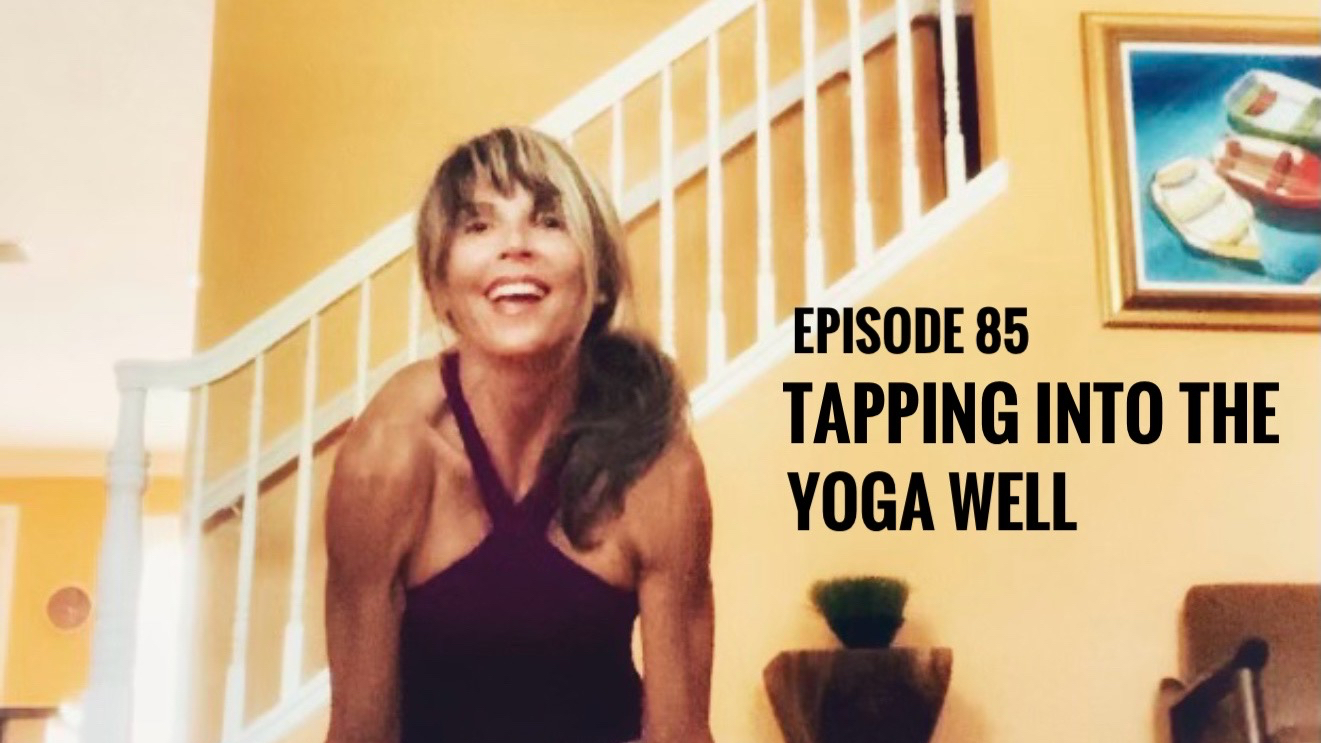
Nona Mileva – Tapping into the Yoga Well

Check out this discussion I had with Nona Mileva. Visit Nona at her website wellyoga.net. Nona is a Certified Life, Wellness and Health Coach, Yoga Teacher and Educator, based in Jupiter, FL, United States. She works with a wide range of clients, from variuos backgrounds and age, via in person,  phone or Zoom sessions. Her coaching is holistic. It entails all aspects of the client’s life – emotional, psychological, physical, spiritual , as it authentically reflects the most important human needs. She focuses on the therapeutic modalities and applications of Yoga as a practice and discipline that enhances health and wellbeing. 

You can listen to the full podcast episode for free here.

Todd McLaughlin 

I’m so happy to have Nona Mileva here visiting in Native Yoga Center. We get to do an in person podcast! Nona, How are you doing today?

Nona Mileva

I am good. Thank you so much for having me. Good to see you.

TM

Same as well, I got to meet you, Nona, because you came into Native Yoga Center very enthusiastically inquiring about yoga teacher training a few years ago. You completed our 300 hour Yoga Teacher Training which brought you into like the RYT 500. realm. And you also are involved in teaching in Stuart at a place called District 108, in Stuart, Florida. Also at the Powerhouse Gym in Stuart. You also teach therapeutic yoga in some of the local retirement communities. You have recently completed getting your PhD in health psychology. And you’re currently working toward Yoga Therapy Certification. Which you said will be completed in December 2022. So you’ve been very busy…. And that’s something that I really admire about you is you love to study. You put a lot of time and energy into reading and studying. And you’re you’ve expressed a lot of interest and enthusiasm for the history and the philosophy of yoga. And so that’s why I’m really excited to have you here today. Because I can just pick your brain a bit and see what kind of like “Top hits” have made it onto your playlist for yoga philosophy and yoga history. And so on that note, what is something that you have read about and or practiced or studied recently that’s caught your attention that you’re excited about?

NM

How I love how you you’re beginning this conversation? Thank you for the intro firstly. Yes, I have been busy. And this is just, what can I say, my mode of functioning, learning, being always curious about things and topics. So my latest educational conquests, so to speak, or interests have been since COVID. Which, as you know, was to some extent, a traumatic experience. Then from a different perspective, it opened new doors. It made us more creative, looking for opportunities to keep doing what we love doing, which for us is yoga, obviously if we are talking about it. I have begun studying and doing a yoga philosophy course, of course is online, with Professor Edwin Bryant. He’s one of the most renowned names among Hindu researchers and philosophers and translators in the field. He’s at Rutgers University in…. I think it’s New Jersey or New York. So what he started doing is to record all his lectures, and then putting them up online for free. 

TM

Wow!

NM

Absolutely amazing, isn’t it? 

TM

Yeah. 

NM

Yeah. It always amazes me when people share their knowledge with such immense generosity. So that got me into the groove of daily or twice a week. Sit down through those lectures or just doing my thing and listening to them. And pretty much it’s all the six directionals, the schools of various philosophical discourse and the man is a very knowledgeable teacher and scholar. He knows a lot about everything. His focus is bhakti. He is initiated in this tradition. 

TM

So can you explain bhakti to us?

NM

In the discourse of yoga, bhakti yoga is the yoga of devotion. It’s the kind of yoga that is being practiced as a devotional yoga. Practitioners direct their attention, their energy towards a benevolent worship of a deity. In this case, usually Krishna is the the subject of the affection. There is lots of mantra and chanting. There’s lots of dancing and singing, praising, praising the Bhagavan. So think of the Bhagavata Purana, those ancient texts. All the Krishna stories, by the way, they’re amazing, amazingly entertaining and interesting stories. If anyone really wants to learn more about them, just go read them. They’re with tremendous sense of humor also created so many years ago. Yeah, so we would sit through those, he would just open the texts, and to about 300 people there, either live or from the recorded lectures will be listening and then following the stories, he would stop you with comments. And this, this goes for every subject. Whether you want to learn about like Patanjali’s Yoga Sutras, whether you want to learn about Vedanta sutras, or Nyaya but more the stories of Krishna. So that’s what I kept doing for about a year, then he started doing live svadhyaya sessions every Friday. 

TM

I’m imagining that there might be someone listening that doesn’t know any of the Sanskrit terms. So that’s why it might just stop you every now and again and let you define some of the words. So if someone’s listening, that’s like a brand new listener slash just coming into the yoga fold. There’s a lot of Sanskrit terms that once you start to learn them, it gets easier and easier. Once you learn one, you learn another and before you know it, you can listen to these really in depth conversations about the yoga history and philosophy and know exactly what’s going on. But in the beginning, it’s really common to feel like a “fish out of water,” or have no idea what they’re talking about. So on that note, can you define what svadhyaya is to keep everyone up to speed?

NM

Yes and once you get to actually work with those terms, it becomes kind of a second nature. And you don’t think that yes, there are people who still haven’t gotten there. So apologies again. So the idea is the concept of studying. So it could be defined as a studying about the self. That’s the obtaining of self knowledge through a variety of practices. But it is it does become by itself a practice. It could be even a spiritual practice. So you get to define it as for example, spending time with the sacred texts. So you sit down and you study, you read the text from the Upanishads, or from the later Puranas, or you open Patanjali yoga sutras and this is your weekend. Yeah, this is your weekend. What are you doing? I’m doing yoga psychology, how I’m just staring at Patanjali, sutra number, whatever. Trying to figure it out to study is that concept of the bhaktis. For the wisdom, another, I’m drawing attention. I’m throwing another Sanskrit word in Sangha, which means pretty much your social group. Yeah. What is your community? Yeah, let’s hang together with like minded people. Yep. And do our thing. What is our thing? We’re reading the scriptures. Yeah. Or in my case, I’m listening to someone much more knowledgeable. And they read it. And he’s reading the scriptures. He’s commenting on them, we get to ask questions.

TM

Was that the difference? So actually, let me back up a little bit. Is that something that anyone listening can go to Edwin Bryant’s

Website. And by the way, at the end of the podcast, I will be happy to provide you with all the resources and links and the names that I’m throwing in here. So you can post it through your audience and I’ll be so happy for people actually go there and look up at this stuff because there’s so much available in the way of information out there that we just are not aware of. Yeah. So EdwinBryant.org, very cool website. It’s connected to the Rutgers University. As a matter of fact, the last study I did with him was on the Bhagavad Gita. I think it was… I forgot which ones, my memories also don’ serve me always. But starting four weeks from now, we are he’s doing a six week or an eight week course on Bhagavata Purana. He loves the back story. So that kind of yoga, devotional yoga, the yoga of love there. There’s a lot of kindness and love and compassion about this concept. I just was even listening to someone who has devoted pretty much his life and passion to that. Yeah, I think it’s amazing.

TM

It is amazing. 

NM

It obviously takes cultivating it over a long period of time. Little by little before you know it, you understand these stories a little better. It makes sense. And that’s cool. 

TM

So it sounds like the interaction process with that particular training method you enjoyed. Was that the first way you started listening to his philosophy teachings not interactive? And then that the svadhyaya ones was where you could maybe type in questions into the chat box. Is that how that was going down?

NM

Yeah. So you can do either, you can buy the pre recorded lectures, the lectures for students. We are a neutral audience, we have no access to the direct communication, we watch the recordings. But because the content is all out there, you can watch it at any time you want to watch it. The Friday sessions are live sessions, but he also records them and then post them online. So if you miss a Friday because you really want to go for that happy hour Friday, then you can watch it or listen to it the next day.

Listen to the full episode with Nona for free on our podcast site here.

Thanks for reading this blog post from this podcast episode. Check out: 👇
Native Yoga Teacher Training – In Studio and Livestream – for info delivered to your email click this link here: https://info.nativeyogacenter.com/native-yoga-teacher-training-2023/

https://info.nativeyogacenter.com/native-yoga-teacher-training-2023/

New Student Livestream Special ~ Try 2 Weeks of Free Unlimited Livestream Yoga Classes  at Native Yoga Center. Sign into the classes you would like to take and you will receive an email 30 minutes prior to join on Zoom. The class is recorded and uploaded to nativeyogaonline.com ~ Click Here to join.

New Student FREE 30 Minute Yoga Meet & Greet ~ Are you new to Native Yoga Center and have questions that you would like us to address? Whether you are coming to In Studio, Livestream or Online Recorded Classes we offer a one time complimentary 30 minute zoom meeting to answer any questions you may have. Schedule a time that is convenient for you. Click Here

Native Yoga website: nativeyogacenter.com
Online Yoga Class Library: nativeyogaonline.com
Thai Massage info: palmbeachthaimassage.com
Native Yoga Blog: toddasanayoga.com
Instagram: @nativeyoga
YouTube channel: Native Yoga Center

Listen to the podcast here on our Podcast website: Native Yoga Toddcast

Please email special requests and feedback to info@nativeyogacenter.com
Please share this episode with your friends, rate & review and join us next time.

Day 23 – No Shave Yoga Event – #yogabeardsunite – Micro = Macro

Day 23 – No Shave Yoga Event – #yogabeardsunite – Micro = Macro  
A microcosm is ‘anything that is regarded as a world in miniature.’ A macrocosm is ‘the universe considered as a whole.’ The yoga practice inherently brings our awareness to the unity of the micro and macrocosms. When we bring our attention to the tasks at hand we can sometime feel a sense of triviality in the mundane. Yoga dispels this notion and draws awareness into the essence of each moment. The tiniest particle movement is reflected by the grand trajectory of the planets and stars. There is purpose in small acts that that can lead toward a greater change.
No Shave Yoga Event is a group of yoga teachers who have banded together to help spread the word, grow hairy, raise money and inspire health through the practice of yoga. Our fundraising team is called Yoga Beards Unite and we aim to raise at least $1500 by the end of November. Please help us achieve our goal by donating to our team page at https://www.no-shave.org/team/yogabeardsunite. When you post on social media please tag us to show your support and share our/your story to help us in our endeavor. Together we can make a difference! @adampolhemusyoga @brianmilleryoga @davidmiliotis @gregnardi @juankgalan @nativeyoga @willduprey

Greg Nardi returns to Native Yoga Center

  
Everyone at Native Yoga Center is excited for the return of Greg Nardi this Friday and Saturday, September 25th and 26th, 2015. 

Here is Greg’s bio from his website http://www.ashtangayogaworldwide.com 

Greg Nardi, founder of Ashtanga Yoga Worldwide, has spent years of dedicated practice under the guidance of Sri. K. Pattabhi Jois in Mysore, India. In 2003, he was given authorization to teach from Pattabhi Jois, and in 2009, he completed a level 2 authorization course from Sharath Jois. He is currently learning the advanced series under Sharath’s guidance at the KPJAYI.

Greg perpetually studies and practices Yoga, Eastern Philosophy and Sanskrit mantra chanting. He participates in Georg Feuerstein’s Traditional Yoga Studies course and has studied with Vyaas Houston of the American Sanskrit Institute.

Greg founded Ashtanga Yoga Worldwide, a resource which strives to explore the traditions that give rise to modern Yoga methods, to maintiain the Ashtanga Yoga system as taught by Pattabhi Jois and Sharath Jois, and to make these traditions and methods intelligible to the Western practitioner.

We have been lucky enough to have Greg teach here at Native several times over the years. Included is a link to the workshop schedule that he is offering this weekend.

http://www.nativeyogacenter.com/ap-greg-nardi–save-date-september-25th-26th-2015-1430421410.php