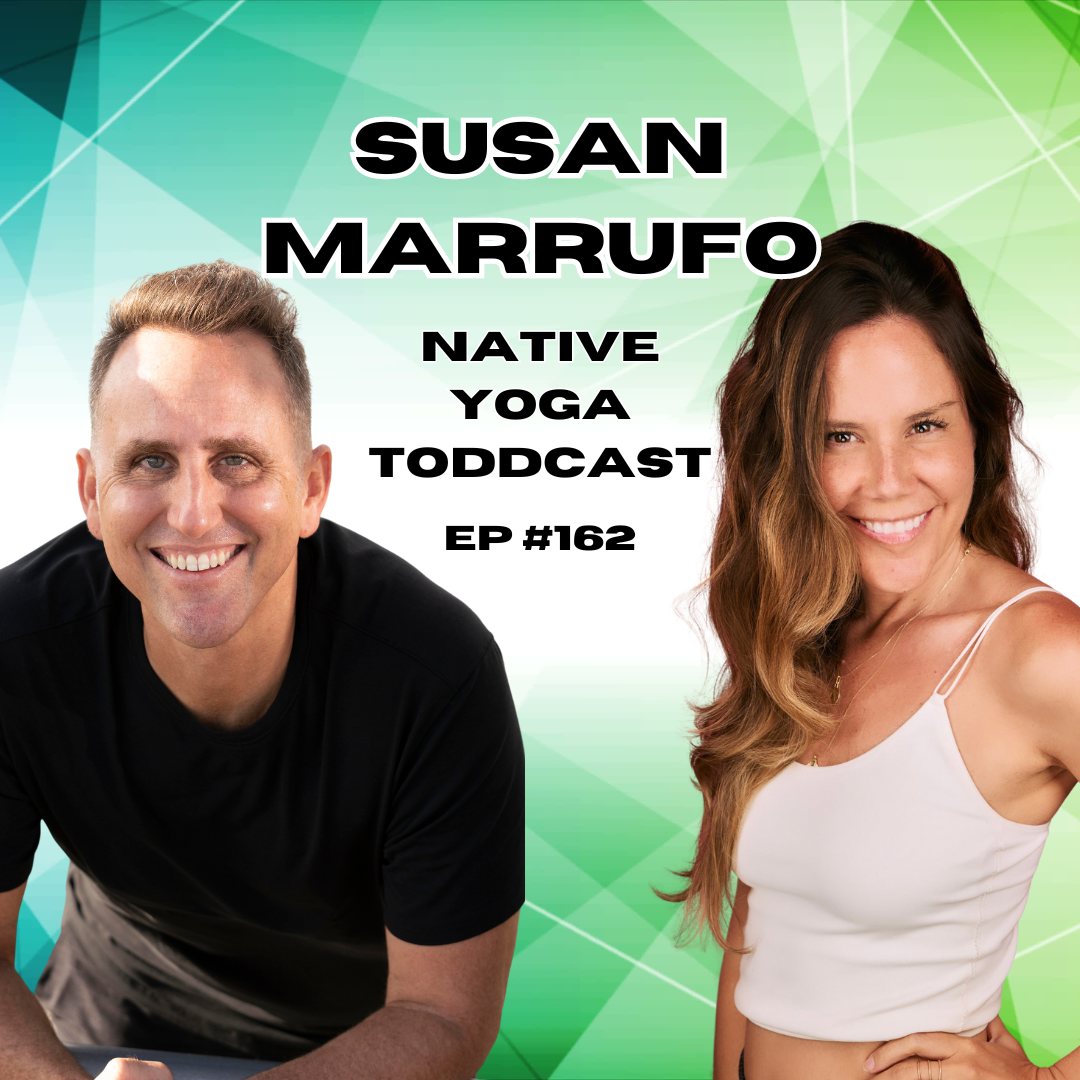
Susan Marrufo – Exploring the Intersection of Yoga and Sacred Sexuality

Listen to podcast with Susan for FREE here

In this episode of the Native Yoga Toddcast, host Todd McLaughlin interviews Susan Marrufo on the topics of yoga, sacred sexuality, and death. 
Susan shares her personal journey and how she discovered the connection between these three subjects. She explains that yoga, for her, is a system for self-realization and direct knowledge of the truth of being. 
Susan delves into the practice of self-inquiry and the importance of questioning our beliefs and identities to uncover our true nature.

Visit Susan on her website: https://www.samarasacenter.com/

Key Takeaways:

  • Yoga is a system for self-realization and direct knowledge of the truth of being.
  • Self-inquiry is a powerful practice that involves questioning our beliefs and identities to uncover our true nature.
  • Sacred sexuality is about exploring intimacy and healing in the context of relationships, using sexual energy consciously to deepen connection and experience communion with the divine.
  • Tantra encompasses both classical teachings and Neo Tantra practices, with classical Tantra focusing on a small percentage of sexual practices.
  • Integrating these experiences into everyday life and relationships is essential for personal growth and spiritual development.

Exploring the Depths of Yoga: A Path to Self-Realization When we hear the word “yoga,” we often think of physical postures and exercise. However, yoga is much more than that. Susan Marrufo, a yoga teacher and practitioner, views yoga as a system for self-realization and direct knowledge of the truth. She practices Jnana yoga, the yoga of direct knowledge, which involves the direct experience of one’s true nature. This practice involves asking the question, “Who am I?” and listening to the silence for the answer.

For Susan, yoga is a journey of self-inquiry and introspection. It is about questioning our beliefs, letting go of attachments, and discovering the truth of our being. Through her own practice and teaching, she guides others to find their own answers and connect with their true selves.

Sacred Sexuality: Exploring Intimacy and Energy Sacred sexuality is an integral part of Susan’s journey and the curriculum she teaches in her Yoga, Sex, and Death course. It is about exploring intimacy and working with one’s own energy to create a deeper connection with oneself and others. Sacred sexuality is not solely focused on physical pleasure or procreation but involves conscious merging and dissolving into love.

In sacred sexuality, the energy of the second chakra rises up to the heart, creating a merging and dissolution of the self. This can be a transformative and blissful experience, but it can also be scary for many people. The fear of losing oneself and the vulnerability that comes with intimacy can create unconscious patterns and defense mechanisms that hinder true connection.

Through conscious practices and energy work, individuals can expand their energetic container and learn to hold space for intimacy and vulnerability. This involves exploring and healing any trauma or blockages in the body, allowing for a deeper connection with oneself and others.

Death: A Portal to Transformation Death is often seen as the end of life, but in the context of yoga and self-realization, it is a portal to transformation and a reminder of the impermanence of existence. Just as yoga and sacred sexuality involve merging and dissolving, death is the ultimate dissolution of the self.

In the Yoga, Sex, and Death course, Susan explores the connection between death and yoga. She emphasizes that death is not something to be feared but embraced as an opportunity for growth and transformation. By facing the reality of death, individuals can let go of attachments and illusions, leading to a deeper understanding of the true nature of existence.

Conclusion: Embracing the Depths of Yoga, Sacred Sexuality, and Death Yoga, sacred sexuality, and death are interconnected aspects of the human experience. They serve as portals to self-realization, intimacy, and transformation. Through yoga, individuals can embark on a journey of self-inquiry and direct knowledge, exploring the depths of their being. Sacred sexuality offers a conscious practice of intimacy and energy work, allowing for a deeper connection with oneself and others. Death, often seen as the end, is an opportunity for growth and a reminder of the impermanence of life.

By embracing these aspects and delving into their depths, individuals can cultivate a deeper understanding of themselves and their connection to the divine. It is through this exploration that true transformation and self-realization can be achieved.

So, let us embark on this journey together, embracing the depths of yoga, sacred sexuality, and death, and discovering the profound wisdom and liberation they offer.

Thanks for listening to this episode. Check out: 👇
Free Grow Your Yoga Live Webinar – Every Thursday at 12pm EST
➡️ Click here to receive link

New Student FREE Livestream Yoga Special ~ Try 2 Weeks of Free Unlimited Livestream Yoga Classes  at Native Yoga Center. info.nativeyogacenter.com/livestream Sign into the classes you would like to take and you will receive an email 30 minutes prior to join on Zoom. The class is recorded and uploaded to nativeyogaonline.com  ➡️  Click Here to Join. 

Practice to a New Yoga Class every day with our nativeyogaonline.com course called Today’s Community Class with code FIRSTMONTHFREE.

Subscribe to Native Yoga Center and view this podcast on Youtube.

Thank you Bryce Allyn for the show tunes. Check out Bryce’s website: bryceallynband.comand sign up on his newsletter to stay in touch. Listen here to his original music from his bands Boxelder, B-Liminal and Bryce Allyn Band on Spotify.

Please email special requests and feedback to info@nativeyogacenter.com

Support the show

Native Yoga website: here
YouTube: here
Instagram: @nativeyoga 
Twitter: @nativeyoga 
Facebook: @nativeyogacenter 
LinkedIn: Todd McLaughlin
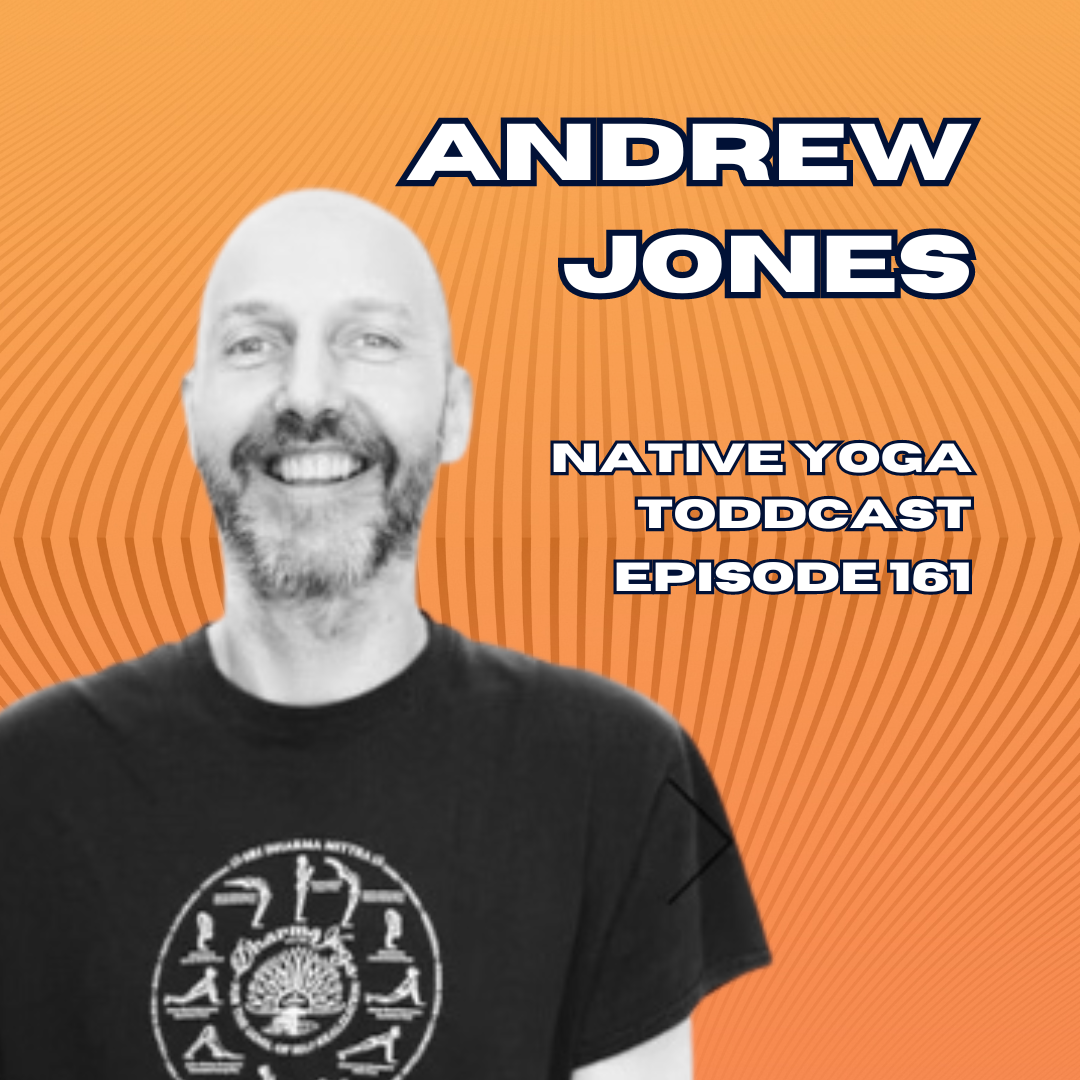
Andrew Jones – Being Love: Embracing Compassion and Gratitude in Everyday Life

Listen to Toddcast with Andrew for FREE Here

Andrew Jones is a yoga teacher and practitioner who plays a vital role in Dharma Mittra’s yoga teacher training. He met his wife, Pam Jones, at Dharma Yoga Center in New York City. Andrew has been practicing yoga for many years and has transitioned from working in advertising to dedicating his life to yoga. He has worked at Dharma Yoga Center, help running the studio and teaching classes, and has been involved in teacher trainings for over 15 years. Andrew is also involved with an organization called Study Yoga, which offers online yoga programs and journeys for individuals looking to integrate yoga into their lives.

Visit Andrew on the Dharma Yoga Center website: https://www.dharmayogacenter.com/
Also at Yoga Study: https://studyyoga.com/our-guides/

Key Takeaways:

  • Andrew Jones found peace and a sense of calm through practicing yoga at Dharma Yoga Center, which led him to become a teacher and eventually work at the studio.
  • He plays a vital role in Dharma Mittra’s yoga teacher training and has been involved in teacher trainings for over 15 years.
  • Andrew emphasizes the importance of finding balance between business and yoga, as well as the need to prioritize personal practice and self-care.
  • He discusses the power of community in yoga practice and the benefits of creating a supportive and inclusive environment for students.

Introduction

Welcome to the Native Yoga Toddcast, where inspirational speakers in the field of yoga, massage bodywork, and beyond come together to share their wisdom and insights. In this episode, Todd McLaughlin interviews Andrew Jones, a yoga teacher and practitioner who plays a vital role in Dharma Mittra’s yoga teacher training. Andrew shares his journey of finding peace through yoga and the importance of finding balance between business and yoga. He also discusses his involvement with Study Yoga, an organization that offers online yoga programs to help individuals integrate yoga into their lives. Throughout the conversation, Andrew emphasizes the power of love and connection in transforming ourselves and the world around us.

Finding Peace through Yoga

Andrew shares his personal journey of discovering yoga later in life and how it transformed his life. He explains that he initially turned to yoga as a way to find inner peace and calm amidst the stress and chaos of his advertising career in New York City. Through his practice at Dharma Yoga Center and studying with Sri Dharma Mittra, Andrew found a deep sense of peace and connection. He emphasizes the importance of finding a teacher or mentor who resonates with you and guides you on your yoga journey.

Andrew also highlights the role of yoga in his own healing process, both physically and emotionally. He shares how yoga helped him navigate through anxiety and trauma, and how it continues to be a source of strength and support in his life. Andrew encourages individuals to explore different aspects of yoga, such as breathing exercises and meditation, to find what resonates with them and brings them peace.

Balancing Business and Yoga

As someone with a background in advertising and marketing, Andrew discusses the challenges of finding a balance between business and yoga. He shares his experience of working at Dharma Yoga Center and running the studio, as well as his involvement with Study Yoga. Andrew acknowledges the importance of integrating his marketing skills to support the growth of yoga centers and programs, but also recognizes the need to prioritize his own practice and well-being.

Andrew reflects on the pressure that yoga teachers often face to meet certain expectations and achieve certain numbers. He emphasizes the importance of staying true to oneself and not losing sight of the essence of yoga in the pursuit of business success. Andrew encourages teachers to find a balance between teaching and personal practice, and to prioritize their own well-being in order to better serve their students.

Study Yoga: Integrating Yoga into Daily Life

Andrew discusses his involvement with Study Yoga, an organization that offers online yoga programs designed to help individuals integrate yoga into their daily lives. He explains that Study Yoga provides personalized journeys for people based on their specific needs and goals. These journeys include a combination of poses, breathing exercises, meditation, and knowledge about yoga philosophy and diet.

Andrew highlights the accessibility and community aspect of Study Yoga, as participants have the flexibility to do the programs at their own pace and receive feedback and support from teachers. He emphasizes the importance of making yoga accessible to everyone, regardless of their background or level of experience. Andrew believes that by making yoga more accessible and sustainable, more people can experience the transformative power of the practice.

Conclusion

In conclusion, Andrew Jones shares his journey of finding peace and balance through yoga and emphasizes the importance of love and connection in our lives. He encourages individuals to explore different aspects of yoga and find what resonates with them, while also finding a balance between business and personal practice. Andrew’s involvement with Study Yoga highlights the importance of making yoga accessible and integrating it into our daily lives. Ultimately, Andrew’s message is one of love and connection, reminding us that by cultivating these qualities within ourselves, we can create a more harmonious world.

Thanks for listening to this episode. Check out: 👇
Practice with Andrew & Pam Jones at Native Yoga Center every Wednesday at 4:30pm

Free Grow Your Yoga Live Webinar – Every Thursday at 12pm EST
➡️ Click here to receive link

New Student FREE Livestream Yoga Special ~ Try 2 Weeks of Free Unlimited Livestream Yoga Classes  at Native Yoga Center. info.nativeyogacenter.com/livestream Sign into the classes you would like to take and you will receive an email 30 minutes prior to join on Zoom. The class is recorded and uploaded to nativeyogaonline.com  ➡️  Click Here to Join. 

Practice to a New Yoga Class every day with our nativeyogaonline.com course called Today’s Community Class with code FIRSTMONTHFREE.

Subscribe to Native Yoga Center and view this podcast on Youtube.

Thank you Bryce Allyn for the show tunes. Check out Bryce’s website: bryceallynband.comand sign up on his newsletter to stay in touch. Listen here to his original music from his bands Boxelder, B-Liminal and Bryce Allyn Band on Spotify.

Please email special requests and feedback to info@nativeyogacenter.com

Susi Amendola ~ The Heart-Mind Connection: How Yoga Can Improve Mental and Emotional Well-being

Listen to podcast with Susi for FREE here

Susi Amendola is a seasoned stress management specialist with over 30 years of experience, serving as a yoga therapist and passionate advocate for holistic wellness. Her extensive background includes the authorship of “The Centered Heart: Evidence-based Mind-Body Practices to Stress Less and Improve Cardiac Health,” where she merges the worlds of conventional health wisdom and yoga’s healing methodologies. 

Visit Susi on her website here: https://yourcenteredheart.com/joinnow
As a listener of this podcast use code TODDCAST and receive $100 off of the 30 days to Stress Less Challenge. 
Purchase a copy of Susi’s new book here: https://yourcenteredheart.com/

Key Takeaways:

  • The impact of traditional yoga practices on reversing heart disease and improving overall wellness.
  • The critical role of the relaxation response in managing stress and achieving restful sleep.
  • Insights into the complex interplay between our thoughts, emotions, physical health, and the environment.
  • Techniques such as visualization and meditation which empower individuals to tap into their inherent healing capabilities.

Unlocking the Power of the Heart: Proven Mind-Body Practices for Stress Management and Cardiac Health

In an insightful and deeply reflective conversation, Susi Amendola, a seasoned stress management specialist and yoga therapist with over 30 years of experience, shares her wisdom on the profound connection between mind-body practices, stress management, and cardiac health. Drawing upon her work and recent authorship, Amendola illuminates the often underappreciated power of yoga, meditation, and the centered heart in fostering healing and preventing disease.

Key Takeaways:

  • Evidence-based Yoga: There is significant research indicating the impact of yoga on reducing stress and improving heart health.
  • Personalized Practices: Yoga therapy adapts to individual needs, recognizing that not all practices suit every person, especially in managing stress and chronic conditions.
  • Power of Imagery: Through guided imagination, individuals can directly influence their health, demonstrating the profound connection between mind and healing.

The Centrality of Evidence-Based Yoga in Health

The modern embrace of yoga for its health benefits has been significantly bolstered by evidence-based research. As Susi Amendola points out, early in her career, scientific support for yoga’s effects on health was scant, particularly in Western contexts. Today, however, there is an abundance of research demonstrating its efficacy.

“It was such a joy to write this book, to actually find evidence-based information to support what we’ve been doing.”

The Omnipresence of Stress and the Yogic Antidote

An undeniable reality of modern life is the ubiquity of stress, linked to worsening health outcomes, including heart disease. Yoga emerges as a powerful antidote, providing tools to navigate life’s pressures while bolstering the body’s resilience. The evidence is clear: regular yoga practice can lower blood pressure, reduce heart rate, and calm the nervous system, contributing to overall heart health.

Not Just for the Heart: The Whole-Body Benefits

A further revelation from Amendola’s experience is the comprehensive nature of yoga’s benefits. While initially applied in a cardiac health program, the practices yielded improvements across the spectrum of health, touching on issues like diabetes, depression, and beyond.

“A lot of other conditions would improve when people were trying to reverse their heart disease.”

Individual Needs and the Tailoring of Therapeutic Yoga

At heart, yoga therapy is about customization to the individual. The recognition that not every practice serves each person equally is a cornerstone of Amendola’s approach to yoga therapy, particularly when managing stress or chronic illnesses.

The Importance of Adapting Yoga to the Individual

For instance, considering breathing practices for an individual with asthma might necessitate a different approach than for another without such a condition. The yoga therapist adapts, finding alternatives to avoid exacerbating stress, illustrating the nuanced understanding required in this field.

“For someone who has breathing issues, it’s probably better for them… not to focus so much right away on their breathing.”

Empowering the Self-Healers

A significant part of this approach is encouraging self-discovery and empowerment. By tapping into one’s intuition and internal wisdom, individuals may unlock their own paths to healing. Yoga, under Amendola’s philosophy, serves as a guide, not a prescription.

“I think this was a big thing to do at this point in my life to think, ‘Yeah, I think I’ll just write a book and then start traveling and doing more.’ Like it’s a whole nother profession.”

The Power of Imagery in Healing Practices

A theme that surfaced repeatedly in the conversation is the role of imagery in healing. Amendola underlines the potential of guided imagery to directly impact physical health, offering anecdotal evidence of its potency from her work in the heart health program.

Healing Through Visualizing Wellness

Participants engaging in visualizing practices experienced real physiological changes, such as the reopening of blocked arteries. This level of influence marks a divine interplay between the body’s tangible reality and the mind’s creative ability to envisage health.

“…the mind is amazing… It can do so many things in the realm of imagery that it may not be able to do otherwise.”

Imagery for Stress Reduction and Emotional Health

Beyond physical healing, Amendola suggests using imagery for navigating everyday stressors such as anxiety over flying or addressing interpersonal tensions, showcasing its vast applicability.

Seamless Integration: Combining Yoga with Modern Medicine

Amendola’s diverse experience in merging yoga therapy with traditional medicine provides a blueprint for integrating holistic and modern approaches. This creates a pathway for healing that is inclusive, evidence-based, and profoundly compassionate. The centered heart—that core of our being where emotions and health converge—is strengthened through this integrative practice, offering a hopeful vision for the future of healthcare.

“If we can make these small changes, it has a big impact in the world and with the people around us as well.”

As we reconsider our relationship with health, stress, and chronic disease, Amendola’s insights serve as a beacon, guiding us toward a future where the wisdom of ancient practices and the precision of modern medicine harmonize, centered on the powerful and radiant heart. Through her work, we are reminded of the vast potential within us to manage stress, heal our bodies, and ultimately tap into the profound depth of our own centered hearts.

Thanks for listening to this episode. Check out: 👇
Free Grow Your Yoga Live Webinar – Every Thursday at 12pm EST
➡️ Click here to receive link

New Student FREE Livestream Yoga Special ~ Try 2 Weeks of Free Unlimited Livestream Yoga Classes  at Native Yoga Center. info.nativeyogacenter.com/livestream Sign into the classes you would like to take and you will receive an email 30 minutes prior to join on Zoom. The class is recorded and uploaded to nativeyogaonline.com  ➡️  Click Here to Join. 

Practice to a New Yoga Class every day with our nativeyogaonline.com course called Today’s Community Class with code FIRSTMONTHFREE.

Native Yoga Teacher Training 2024– In Studio and Livestream – for info delivered to your email click this link here: ➡️ https://info.nativeyogacenter.com/native-yoga-teacher-training-2023/

Subscribe to Native Yoga Center and view this podcast on Youtube.

Thank you Bryce Allyn for the show tunes. Check out Bryce’s website: bryceallynband.comand sign up on his newsletter to stay in touch. Listen here to his original music from his bands Boxelder, B-Liminal and Bryce Allyn Band on Spotify.

Please email special requests and feedback to info@nativeyogacenter.com

Support the show

Native Yoga website: here
YouTube: here
Instagram: @nativeyoga 
Twitter: @nativeyoga 
Facebook: @nativeyogacenter 
LinkedIn: Todd McLaughlin

Rich Ahlers – Men’s Health Crisis: The Need for Mind-Body Connection and Self-Care

Listen to Podcast with Rich for FREE here

Rich Ahlers is a multifaceted professional with over 20 years of experience in healthcare, particularly in the realms of acute care, cardiovascular neurology, and rare and genetic diseases. Rich is deeply involved with the WiseMen Project, a retreat-focused initiative aimed at optimizing men’s health through alternative and holistic methods. 

Visit the Wisemen Project website here: https://wisemen.health/
Visit Rich’s landing page here: https://vitalhabits.ck.page/bf0b5247b6

Key Takeaways:

  • Understanding neuroplasticity and neurogenesis is key to personal transformation, and both can be influenced positively through appropriate nutrition, movement, and mindfulness practices.
  • Movement, especially through activities like yoga and qigong, serves as a powerful tool for priming the brain and fostering favorable changes in mind and body.
  • Men’s health faces significant challenges in society due to cultural stigmas and resistance to seeking help, but change is attainable through individual awareness and community support.

Unlocking the Power of Mind and Body: A Deep Dive into Men’s Health and Transformation

Men’s health is a topic riddled with societal expectations and misconceptions, leading to a silent crisis. Within this nuanced space, we uncover the interplay of mind and body, the role of movement and habit formation, and the unseen epidemic facing men’s mental health. Through a profound dialogue with Rich Ahlers, co-founder of the WiseMen Project, we gain insightful perspectives on rewriting life scripts and harnessing the innate power of self-healing.

Key Takeaways:

  • Men possess the inherent capability to rewrite their health and life narratives through simple, yet profound practices.
  • Adopting regular movement, like walking, primes mental clarity and neurogenesis, influencing positive life changes.
  • Men’s mental health is a silent epidemic, but hope glimmers through community support and personal accountability.

The Integral Nature of Movement in Mental Clarity and Health

Movement is not only foundational for physical health, but it stands as a cornerstone in achieving mental clarity and well-being. For men navigating the complexities of life’s stressors, the act of walking serves as both therapy and a gateway to creative insights. Rich Ahlers outlines this practice as critical, explaining, “Go out for a 30-minute walk… Allow the thoughts to come up… after about 10-15 minutes, you will get mental clarity.”

This straightforward ritual showcases how exercise impacts neurogenesis, which in turn, opens avenues for personal growth and health improvement. The critical interdependence between thought and physicality is a theme reverberating through the conversation, resonating with its broader implications in developing resilience, combating mental health struggles, and fostering an environment conducive to change.

Rewriting the Life Script: From Childhood Grooves to Adult Revival

Our formative years shape the bedrock of our perception and response to the world. Ahlers brings to light a profound realization, “By the age of seven, we have already developed our interaction and belief systems around our place on earth.” Unearthing the origins of our deep-seated beliefs, he reminds us that our brain remains an ever-malleable muscle capable of rewiring and healing.

Diving into the implications of neuroplasticity, Ahlers encourages a proactive stance in reshaping our identities, challenging the learned helplessness that may stem from childhood experiences. His candid reflections on overcoming the label of being ‘stupid’, and later proving his prowess through academic excellence, is testament to the transformative power within everyone. The path to changing ingrained neural pathways is demonstrated to be achievable, inspiring and, above all, imperative for personal evolution.

Confronting the Silent Epidemic: Men’s Mental Health in Crisis

In a world where male stoicism often stifles vulnerability, men’s mental health emerges as a silent yet pervasive crisis. “Men are four times more likely to commit suicide,” Ahlers states, painting a stark picture of the challenges men face. This societal paradigm of masculine toughness acts as a straightjacket, impeding men’s pursuit of help and healing.

In response, initiatives like the WiseMen Project illuminate hope for societal healing by cultivating communities and a culture of open dialogue. Addressing men’s mental health is not simply about offering temporary solutions—it’s about dismantling and rebuilding the societal codes that drive men towards isolation. By advocating for shared understanding, Ahlers and his peers spearhead a movement that can redefine masculinity and foster genuine mental health breakthroughs for men.

The conversation between Todd and Rich Ahlers offers more than a snapshot of men’s health—it unfurls a map for self-led renaissance. Our takeaways are clear: the body’s movement can stimulate profound mental shifts, childhood narratives can be reshaped for growth, and the collective culture around men’s mental health is ripe for revolution. Through such enlightenment, the potential for transformation in personal and societal wellness is boundless, beckoning a future of health reclaimed and lives rejuvenated.

Thanks for listening to this episode. Check out: 👇
Free Grow Your Yoga Live Webinar – Every Thursday at 12pm EST
➡️ Click here to receive link

New Student FREE Livestream Yoga Special ~ Try 2 Weeks of Free Unlimited Livestream Yoga Classes  at Native Yoga Center. info.nativeyogacenter.com/livestream Sign into the classes you would like to take and you will receive an email 30 minutes prior to join on Zoom. The class is recorded and uploaded to nativeyogaonline.com  ➡️  Click Here to Join. 

Practice to a New Yoga Class every day with our nativeyogaonline.com course called Today’s Community Class with code FIRSTMONTHFREE.

Native Yoga Teacher Training 2024– In Studio and Livestream – for info delivered to your email click this link here: ➡️ https://info.nativeyogacenter.com/native-yoga-teacher-training-2023/

Subscribe to Native Yoga Center and view this podcast on Youtube.

Thank you Bryce Allyn for the show tunes. Check out Bryce’s website: bryceallynband.comand sign up on his newsletter to stay in touch. Listen here to his original music from his bands Boxelder, B-Liminal and Bryce Allyn Band on Spotify.

Please email special requests and feedback to info@nativeyogacenter.com

Support the show

Native Yoga website: here
YouTube: here
Instagram: @nativeyoga 
Twitter: @nativeyoga 
Facebook: @nativeyogacenter 
LinkedIn: Todd McLaughlin

Benjamin Sears – Finding Freedom in Discipline: Balancing Structure and Autonomy in Yoga Practice

Listen to podcast with Benjamin for FREE here

In this enlightening episode, Benjamin Sears delves deep into his personal journey with yoga, sharing the transformative influence it has had on both his physical health and mental clarity. The conversation uncovers Benjamin’s diverse experiences with yoga styles, from Kundalini and Bikram to Dharma Mittra and Forrest yoga, and his quest for balance and freedom in his practice.

Visit Benjamin on his website: https://benjaminsears.life/
Follow him on IG: https://www.instagram.com/benjamin.sears/
Subscribe on YouTube: https://www.youtube.com/benjaminsears

Key Takeaways:

  • Benjamin Sears found solace and healing in yoga, transitioning from debilitating back pain to deep self-awareness.
  • He discusses the importance of nuance and context in backbending, focusing on distributing movement evenly throughout the spine.
  • Benjamin emphasizes discipline in practice while acknowledging the diversity in yoga styles and its adaptability to individual needs.
  • The episode introduces the concept of “minimum effective dose” in practice, urging practitioners to consider sustainability and personal growth.

Embracing the Evolution of Yoga Practice: Insights with Benjamin Sears

The ancient practice of yoga is not static; it evolves with time, embracing modern movement science and varied personal narratives. In a stirring podcast conversation, Benjamin Sears, a respected yoga and movement educator, unlocks the essence of sustaining a yoga practice that transcends traditional boundaries and embraces change. His journey from invigorating hot yoga to eclectic global workshops highlights an intimate relationship with movement, meditation, and connecting communities through yoga.

Key Takeaways:

  • Adapting Yoga to Individual Needs: Harnessing nuanced techniques and understanding personal limitations fosters sustainable practices that resonate with each individual’s unique physical makeup.
  • Meditation as a Bedrock of Practice: Benjamin Sears underscores the potency of simple mindfulness practices amidst the abundance of meditative techniques available to practitioners today.
  • Balancing Freedom and Discipline Online: The digital age has brought yoga into homes worldwide, offering unprecedented connectivity while reminding us of the importance of disciplined, intentional practice.

Tailoring Yoga for Sustainable Practice

The intricacy of the human body demands a yoga practice that is neither one-size-fits-all nor fixed. Sears’s own struggle with spondylolisthesis illuminates the necessity for modification and personalization within one’s practice.

“…backbending is great, man. I love to backbend. It feels amazing. Do I backbend now the same way that I did when I thought that I would be enlightened if I could just get my toes to touch my head. Like, no way.”

Adapting yoga postures to accommodate and respect individual spinal health is a continuous theme in Sears’s teachings. He recommends spinal wave motions and an emphasis on mobility—segmented movement—over merely chasing the global expression of poses. His approach to backbending incorporates intentional engagement of the backside of the body and shrewd shoulder mechanics, influenced by each practitioner’s unique structure.

His perspective resonates with broader implications for yoga educators and students alike; it calls for mindful inspection of how one’s body interacts with each posture and to approach practice with a focus on “minimum effective dose”—the least one must do to maintain desired levels of physical capacity and well-being.


Meditation: The Subtlety Of Simply Sitting

In contradistinction to the physical rigor, Sears places considerable emphasis on the subtler facets of yoga—the meditative practices. The practice of Trataka, staring at a candle flame for prolonged periods, serves as a prime example of yogic techniques that enhance focus and stillness.

“…the ultimate option is to sit quietly and feel things, right. Because it’s like…some things are quite sad.”

Sears advocates for the power of simply sitting in meditation, a no-frills approach that has seen him shift away from technique-heavy practices to more mindful and minimalistic actions of being present with one’s own thoughts and sensations. This simplicity stands as a counterbalance to the increasing complexity of yoga modalities, stressing the value of grounding oneself in the fundamentals of mindfulness.


Digital Integration: A World-Wide Yoga Community

The digital transformation has undeniably altered the landscape of practicing and teaching yoga. Sears, after dabbling in face-to-face engagements worldwide, has now embraced the digital realm with his online school that nurtures a global yoga community.

“…it’s really more at the angle right now where…I just want to have a community and we practice together.”

He discusses the interplay of freedom and discipline, highlighting the digital space as a powerful avenue for connection and learning yet cautioning against its potential to engulf users in counterproductive ways. The online school he has founded widens the spectrum of connecting with yoga, allowing for flexibility in practice without losing the essence of community and shared growth.

His current approach acts as a testimonial to the necessity for guided, deep-rooted practices that are accessible through various mediums—be it in-person retreats or an online membership—with a continual emphasis on connecting across borders and creating a unified yet diverse collective of yogis.


Reflecting on the themes Sears brings forth, it becomes clear that yoga and meditation are more than just physical endeavors; they encapsulate an understanding and acceptance of one’s evolving self amidst life’s constancy and uncertainty. Whether it’s adapting backbends to prevent injury, simplifying meditation to foster presence, or using the internet to bring yoga into homes while practicing discipline, Sears’s narrative enriches the conversation about yoga in today’s era. The lesson here is clear: cherish the tools that bring self-awareness and community connection, but always wield them with a mindful touch.

Thanks for listening to this episode. Check out: 👇
Free Grow Your Yoga Live Webinar – Every Thursday at 12pm EST
➡️ Click here to receive link

New Student FREE Livestream Yoga Special ~ Try 2 Weeks of Free Unlimited Livestream Yoga Classes  at Native Yoga Center. info.nativeyogacenter.com/livestream Sign into the classes you would like to take and you will receive an email 30 minutes prior to join on Zoom. The class is recorded and uploaded to nativeyogaonline.com  ➡️  Click Here to Join. 

Practice to a New Yoga Class every day with our nativeyogaonline.com course called Today’s Community Class with code FIRSTMONTHFREE.

Native Yoga Teacher Training 2024– In Studio and Livestream – for info delivered to your email click this link here: ➡️ https://info.nativeyogacenter.com/native-yoga-teacher-training-2023/

Subscribe to Native Yoga Center and view this podcast on Youtube.

Thank you Bryce Allyn for the show tunes. Check out Bryce’s website: bryceallynband.comand sign up on his newsletter to stay in touch. Listen here to his original music from his bands Boxelder, B-Liminal and Bryce Allyn Band on Spotify.

Please email special requests and feedback to info@nativeyogacenter.comSupport the show

Native Yoga website: here
YouTube: here
Instagram: @nativeyoga 
Twitter: @nativeyoga 
Facebook: @nativeyogacenter 
LinkedIn: Todd McLaughlin

Gil Hedley – Unveiling the Nerve Tree: A Journey into the Intricacies of the Human Body

Listen to podcast with Gil Hedley for FREE here

Gil Hedley is a dedicated anatomy professional and teacher who has dedicated his life to studying the human body through cadaver dissection. He is known for his integral approach to anatomy, focusing on the interconnectedness of the body and the importance of understanding the whole person. Gil  has been teaching anatomy workshops and dissection courses for over 25 years. He is passionate about helping people develop a deep understanding and connection with their own bodies.

Visit Gil on his website: https://www.gilhedley.com/

Key Takeaways:

  • Gil Hedley’s integral approach to anatomy focuses on the interconnectedness of the body and the importance of understanding the whole person.
  • The nervous system is a complex and interconnected network that extends throughout the entire body, and it is essential for self-regulation and overall well-being.
  • By developing a deep connection with the body and understanding its intricate structures, individuals can take control of their own nervous system and cultivate a sense of empowerment.
  • Gil’s Nerve Tour aims to educate and inspire individuals in the yoga, massage, and bodywork communities to deepen their understanding of the nervous system and its role in overall health and well-being.

Navigating the Intricacies of Anatomy: Insights from Master Teacher Gil Hedley

Embarking on an intellectual voyage through the intricate landscapes of human anatomy, the enthusiasm and expertise of master teacher Gil Hedley, Ph.D., illuminate the path. With the emergence of his latest endeavor, “The Nerve Tour,” the fusion of anatomical precision and philosophical inquiry is brought to life, providing a transformational experience for learners of all backgrounds.

Key Takeaways:

  • The nervous system is an organ – an idea that redefines traditional views and underscores the interconnectedness of body tissues.
  • Engaging teaching methods and the importance of excitement in learning can empower and inspire both the teacher and the learner.
  • The dynamic between philosophical ethics and hands-on anatomical experience cultivates a holistic understanding of human nature and embodiment.

The Nerve Tree: A Living, Breathing Organ

When Gil Hedley speaks about the nervous system, he employs the formidable term “nerve tree,” infusing a palpable sense of life into what is often perceived as an abstract concept. This imagery is not only poetic but also scientifically resonant; Hedley’s work dismantles the notion of the nervous system as a mechanical schematic. Instead, he presents it as a complex, interwoven organ integrated seamlessly into the body’s fabric.

“The nervous system is a mental abstract convention… what we actually have is the human body, an embryo, differentiated into all kinds of textures and structures that remain one,” Hedley explains. His description invites listeners to envision nerves not merely as isolated pathways but as elements of a greater organism, akin to branches intertwined with leaves and flowers. This perspective shifts our understanding from compartmentalized parts to a more holistic view of the human form, a view that recognizes the inextricable link between structure and function.

The implications of this approach are vast, suggesting that any endeavor to heal, improve, or understand the human body must address it as a cohesive unit rather than a collection of separate systems. Hedley’s painstaking dissections and visual documentation of the “nerve tree” elevate the discourse around bodily connectivity, offering a road map for professionals seeking to enhance their therapeutic practices.

The Art of Embodied Teaching

Gil Hedley’s commitment to an engaging and vibrant pedagogical experience is evident in his approach. A far cry from the staid lectures that characterize many academic settings, Hedley’s style is steeped in the freedom of thought and expression that he experienced firsthand during his formative years as an educator. “When I saw the way Tom [Myers] taught, and Ron was also hysterical and engaging… I could do this. And then a rolfer also was a huge influence on me,” shares Hedley.

Through storytelling, humor, and movement, Hedley creates a learning environment synonymous with growth and community. This methodology not only imparts knowledge but also fosters an atmosphere where learners can connect deeply with the material and, consequently, with themselves. The educational journey becomes a shared adventure, engaging the cognitive and the intuitive, and ultimately facilitating a transformation that resonates beyond the confines of the traditional classroom.

The Fusion of Anatomy and Philosophy

Perhaps what sets Hedley apart most prominently is his proficiency in marrying anatomical expertise with philosophical reflection. With a Ph.D. in Theological Ethics, Hedley is not content to relay anatomical facts alone; he endeavors to explore and share the profound ethical considerations that come with a deeply embodied awareness of the human form.

“Our lives depend on it… how are we spending it, and we can spend it in a way that enhances our experience,” he asserts, questioning the quality with which we live each day. Hedley’s philosophical inquiry prompts a recognition that understanding the body in its entirety can fundamentally alter our way of being in the world. The acknowledgement of this connection equips anyone involved in bodywork with a more profound sense of purpose – it elucidates the ethic behind the anatomy.


Summing up the wisdom gleaned from Gil Hedley’s perspective offers a fresh lens through which we can view the landscape of human anatomy. The nervous system, an intricate nerve tree, beckons us to appreciate our wholeness rather than succumb to fragmentary views. In teaching, leading with excitement and communal growth facilitates deeper learning and personal transformation. Moreover, marrying the precision of anatomy with the breadth of philosophy bestows us with a richer, more meaningful approach to understanding ourselves and our embodied existence. These insights not only illuminate the path for those in the bodywork and healing professions but also invigorate the journey for all explorers of inner space, affirming that an intimate connection with our anatomy is a profound act of self-awareness and autonomy.

Thanks for listening to this episode. Check out: 👇
Free Grow Your Yoga Live Webinar – Every Thursday at 12pm EST
➡️ Click here to receive link

New Student FREE Livestream Yoga Special ~ Try 2 Weeks of Free Unlimited Livestream Yoga Classes  at Native Yoga Center. info.nativeyogacenter.com/livestream 
Sign into the classes you would like to take and you will receive an email 30 minutes prior to join on Zoom. The class is recorded and uploaded to nativeyogaonline.com  ➡️  Click Here to Join. 

Practice to a New Yoga Class every day with our nativeyogaonline.com course called Today’s Community Class with code FIRSTMONTHFREE.

Native Yoga Teacher Training 2024– In Studio and Livestream – for info delivered to your email click this link here: ➡️ https://info.nativeyogacenter.com/native-yoga-teacher-training-2023/

Subscribe to Native Yoga Center and view this podcast on Youtube.

Thank you Bryce Allyn for the show tunes. Check out Bryce’s website: bryceallynband.comand sign up on his newsletter to stay in touch. Listen here to his original music from his bands Boxelder, B-Liminal and Bryce Allyn Band on Spotify.

Please email special requests and feedback to info@nativeyogaenter.com

Support the show

Native Yoga website: here
YouTube: here
Instagram: @nativeyoga 
Twitter: @nativeyoga 
Facebook: @nativeyogacenter 
LinkedIn: Todd McLaughlin
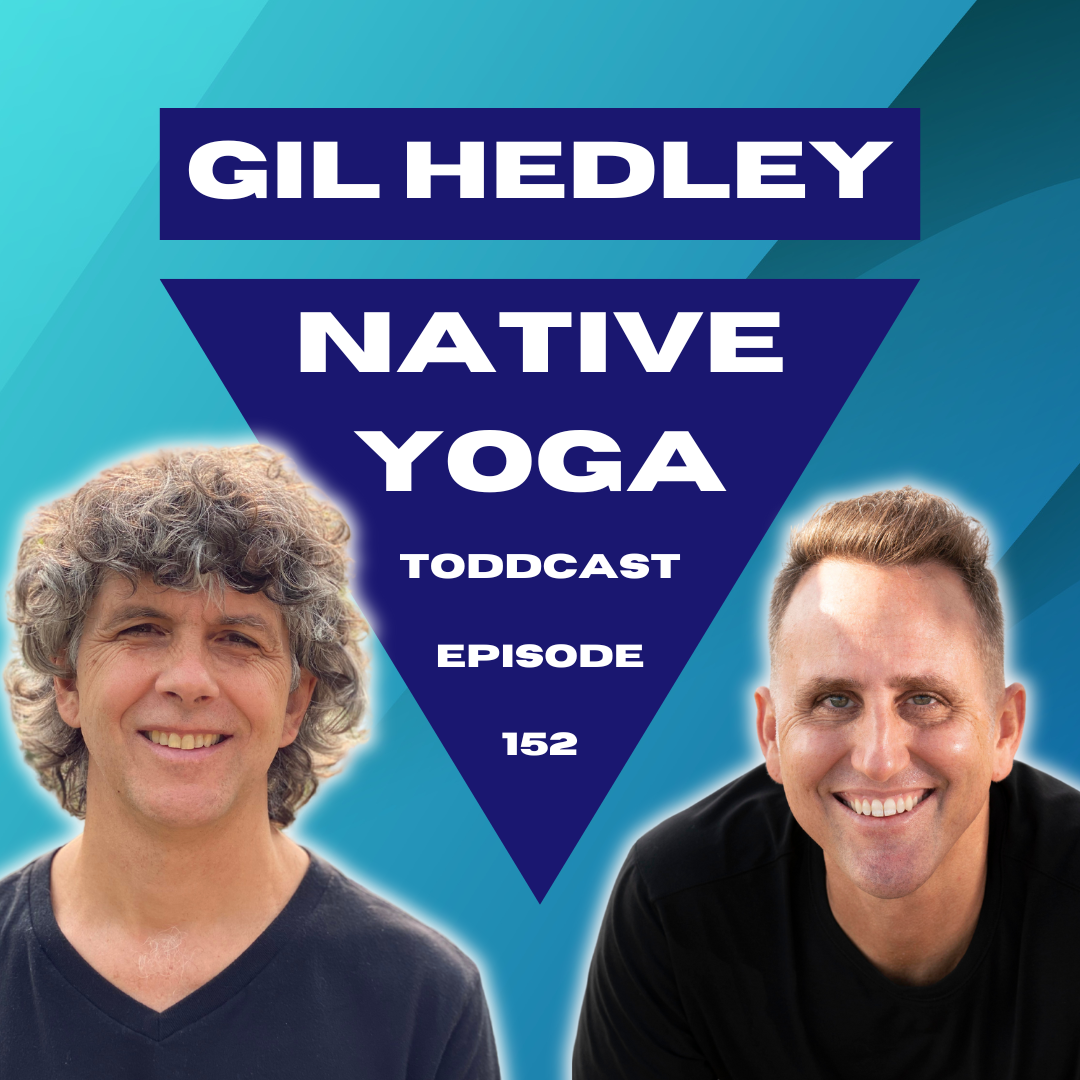
Rebecca Reagan – The Power of Presence: How Mindfulness Can Transform Your Life

Rebecca Reagan, founder of Bunnyhawk, shares her journey into meditation and mindfulness. She discusses her early experiences with meditation and how it became a natural instinct for her. Rebecca also talks about her formal training in mindfulness meditation and transcendental meditation. She highlights the importance of daily practice and the benefits of meditation in navigating challenging life events. Rebecca also touches on her passion for tea and her involvement in regenerative agriculture and environmental activism.

Visit her on her site for life coaching and meditation teaching:  https://bunnyhawk.life/
Visit her bio site: https://rayonthebae.com/
Co-founder, new foundation in Ecuador helping farmers & forests https://amazonhealing.love/ 
Co-founder, recently nominated for a grammy: https://www.thebirdsongproject.com/ Guided meditations here: https://insighttimer.com/bunnyhawk
The Ecology Center: https://theecologycenter.org/ 

Key Takeaways:

  • Meditation is a natural instinct that can be cultivated through formal training and daily practice.
  • Mindfulness meditation helps cultivate awareness in the present moment and brings a sense of calm and non-judgment.
  • Transcendental meditation uses a mantra to anchor the mind and create a deeper sense of peace.
  • Meditation can be a valuable tool in navigating challenging life events and finding inner peace.
  • Tea and meditation are complementary practices that promote mindfulness and connection with nature.
  • Beyond organic farming practices, such as permaculture, prioritize biodiversity and healthy soil.
  • The yin and yang of nature, where predators and prey coexist, reflect the interconnectedness of all beings.

Exploring the Intersection of Meditation, Permaculture, and Sustainable Living

Note: This article is based on a conversation with Rebecca Reagan, founder of Bunnyhawk and an executive producer, creative consultant, integrated life coach, and meditation teacher. The article delves into the main themes discussed in the conversation, highlighting the significance of meditation, permaculture, and sustainable living. All quotes are verbatim from the transcript.

Introduction

In a world filled with chaos and uncertainty, many individuals are seeking ways to find inner peace and create a more sustainable future. This quest has led to the exploration of practices such as meditation and permaculture, which offer unique perspectives on personal well-being and environmental stewardship. In a recent conversation with Rebecca Reagan, we delved into the intersection of these practices and their potential impact on our lives and the planet.

The Power of Meditation

Rebecca Reagan, a certified meditation teacher, shared her personal journey with meditation and its profound impact on her life. She described how meditation has always been a natural instinct for her, even from a young age. Through formal training and certification, she has deepened her practice and now shares her knowledge with others.

“Meditation is a way of bringing our awareness into the present moment with the breath. It is a secular tradition rooted in Buddhism, but it can be practiced by anyone, regardless of their religious or spiritual beliefs,” Rebecca explained.

She emphasized the importance of daily meditation practice in cultivating inner peace and finding balance in a fast-paced, hyper-connected world. Rebecca believes that meditation helps us navigate life’s challenges with more compassion and understanding.

“When we can create space for daily practice and cultivate our own inner peace, we can bring more joy and connection to our lives and the world around us,” she said.

Permaculture and Sustainable Living

Rebecca also shared her passion for permaculture, a holistic approach to agriculture and land management that aims to create sustainable and regenerative systems. She highlighted the work of organizations like the Ecology Center, which demonstrates permaculture principles and promotes sustainable living practices.

“Permaculture is about working in harmony with nature and creating healthy ecosystems. It emphasizes biodiversity, healthy soil, and regenerative practices,” Rebecca explained.

She emphasized the importance of understanding the interconnectedness of all living beings and the need to cultivate a more harmonious relationship with the Earth. Rebecca believes that permaculture offers a practical and achievable solution for feeding communities while minimizing the negative impact on the environment.

The Intersection of Meditation and Permaculture

Rebecca drew parallels between meditation and permaculture, highlighting their shared focus on mindfulness, presence, and balance. She explained how both practices encourage us to observe and understand the natural world, fostering a deeper connection with ourselves and the environment.

“Just as permaculture requires us to observe and work in harmony with nature, meditation invites us to observe and cultivate inner peace. Both practices teach us to be present and embrace the interconnectedness of all things,” Rebecca said.

She emphasized the importance of finding balance in our lives and aligning our actions with our values. By integrating meditation and permaculture principles, we can create a more sustainable and harmonious existence.

Implications and Future Outlook

The implications of combining meditation and permaculture are far-reaching. By cultivating inner peace and mindfulness, individuals can develop a deeper sense of empathy and compassion for the natural world. This, in turn, can inspire them to take action and make conscious choices that promote sustainability and environmental stewardship.

Rebecca believes that as more people embrace meditation and permaculture, a shift in consciousness will occur. This shift will lead to a greater understanding of our interconnectedness and a collective commitment to creating a more sustainable future.

“By integrating meditation and permaculture into our lives, we can become agents of positive change. We can contribute to the well-being of the planet and foster a more harmonious relationship with nature,” Rebecca said.

As we move forward, it is essential to continue exploring the intersection of meditation, permaculture, and sustainable living. By incorporating these practices into our daily lives, we can create a ripple effect of positive change that extends beyond ourselves and into the world.

Conclusion

The conversation with Rebecca Reagan shed light on the transformative power of meditation and permaculture. By cultivating inner peace and mindfulness, individuals can develop a deeper connection with themselves and the natural world. Through the principles of permaculture, we can create sustainable and regenerative systems that promote biodiversity and environmental stewardship.

As we navigate the challenges of the modern world, it is crucial to embrace practices that foster balance, compassion, and sustainability. By integrating meditation and permaculture into our lives, we can contribute to a more harmonious existence and create a brighter future for ourselves and future generations.

In the words of Rebecca Reagan, “We are here to love and learn to love. By embracing meditation and permaculture, we can cultivate inner peace and create a more sustainable and compassionate world.”

Note: This article is based on a conversation with Rebecca Reagan, founder of Bunnyhawk and an executive producer, creative consultant, integrated life coach, and meditation teacher. The article delves into the main themes discussed in the conversation, highlighting the significance of meditation, permaculture, and sustainable living. All quotes are verbatim from the transcript.

Thanks for listening to this episode. Check out: 👇
Free Grow Your Yoga Live Webinar – Every Thursday at 12pm EST
➡️ Click here to receive link

New Student FREE Livestream Yoga Special ~ Try 2 Weeks of Free Unlimited Livestream Yoga Classes  at Native Yoga Center. info.nativeyogacenter.com/livestream Sign into the classes you would like to take and you will receive an email 30 minutes prior to join on Zoom. The class is recorded and uploaded to nativeyogaonline.com  ➡️  Click Here to Join. 

Practice to a New Yoga Class every day with our nativeyogaonline.com course called Today’s Community Class with code FIRSTMONTHFREE.

Native Yoga Teacher Training 2024– In Studio and Livestream – for info delivered to your email click this link here: ➡️ https://info.nativeyogacenter.com/native-yoga-teacher-training-2023/

Subscribe to Native Yoga Center and view this podcast on Youtube.

Thank you Bryce Allyn for the show tunes. Check out Bryce’s website: bryceallynband.comand sign up on his newsletter to stay in touch. Listen here to his original music from his bands Boxelder, B-Liminal and Bryce Allyn Band on Spotify.

Please email special requests and feedback to info@nativeyogacenter.comSupport the show

Native Yoga website: here
YouTube: here
Instagram: @nativeyoga 
Twitter: @nativeyoga 
Facebook: @nativeyogacenter 
LinkedIn: Todd McLaughlin
Pranidhi Varshney – Cultivating Community and Challenging Hierarchies in Yoga Practice

Pranidhi Varshney, owner of Yoga Shala West, discusses her journey in the world of yoga and the importance of cultivating community. She shares her experience of running a yoga studio during the pandemic and the challenges she faced. Pranidhi also emphasizes the need for inclusivity in the Ashtanga yoga community and the importance of leading with love in all aspects of life.

Key Takeaways:

  • Cultivating community is a vital aspect of running a yoga studio.
  • The financial aspect of running a studio can be challenging, but having an open fee structure can make the space more inclusive.
  • It is important to let go of attachment to specific postures or benchmarks and focus on the internal experience of the practice.
  • Leading with love and embracing diversity can create a more inclusive and supportive yoga community.

Visit Pranidhi on her website: http://yogashalawest.com/
Follow her on FB: https://www.facebook.com/yogashalawest/
Subscribe to her on YouTube: https://www.youtube.com/user/PranidhiV
Follow on IG: https://www.instagram.com/yogashalawest/

Title: Leading with Love: Cultivating Community and Inclusivity in Yoga

Introduction

In the world of yoga, creating a sense of community and inclusivity is essential. As a yoga teacher and studio owner, my goal has always been to foster an environment that welcomes individuals from all walks of life and provides a space for them to practice and grow. In this thought leadership article, we will explore the importance of leading with love and how it can contribute to the development of a supportive and inclusive yoga community. Drawing from a recent conversation with Pranidhi Varshney, a renowned yoga teacher and community cultivator, we will delve into the practical aspects of creating an inclusive space, the challenges faced, and the potential impact of such an approach.

Theme 1: The Power of Community

One of the primary roles of a yoga teacher and studio owner is to cultivate a sense of community. This involves creating an environment where individuals feel welcomed, supported, and connected. Pranidhi Varshney, in her interview, emphasized the significance of community building and how it has become her life’s mission. She believes that the pandemic has highlighted the importance of human connection and the need for spaces where people can come together and support one another. By fostering a sense of community, yoga studios can create a safe and nurturing space for individuals to explore their practice and develop meaningful relationships.

Pranidhi’s approach to community building involves actively engaging with her students and seeking their input and feedback. She believes in the power of collaboration and making decisions collectively. During the pandemic, she reached out to her core group of students to discuss the future of the studio and sought their input on important decisions. This collaborative approach not only made her students feel valued and heard but also created a sense of ownership and investment in the community. By involving the community in decision-making processes, yoga studios can create a sense of belonging and foster a supportive and inclusive environment.

Theme 2: Financial Inclusivity

Financial inclusivity is another crucial aspect of creating an inclusive yoga community. Pranidhi shared her experience of implementing a unique fee structure at her studio, which allows students to contribute based on their financial capacity. Instead of having a fixed price, she offers a suggested range and allows students to choose their monthly contribution. This approach ensures that yoga is accessible to individuals from all socio-economic backgrounds and eliminates financial barriers that may prevent people from practicing. By adopting a flexible fee structure, yoga studios can create a more inclusive space and attract a diverse range of students.

Theme 3: Redefining Success and Progress

In the traditional Ashtanga yoga system, there is often an emphasis on achieving specific aesthetic benchmarks and progressing through the series. However, Pranidhi challenges this approach and advocates for a more individualized and inclusive perspective on success and progress. She believes that the focus should be on the internal experience of the practice, rather than external appearances. By shifting the focus to breath, body awareness, and overall well-being, yoga practitioners can cultivate a more sustainable and inclusive practice. This approach allows individuals to honor their unique bodies and abilities, and encourages modifications and variations that support their individual needs.

Theme 4: Embracing Diversity and Challenging Assumptions

Diversity is a key aspect of creating an inclusive yoga community. Pranidhi highlights the importance of embracing diversity not only in terms of race and ethnicity but also in terms of life experiences and perspectives. By opening up the practice space to individuals from different backgrounds and socio-economic statuses, yoga studios can foster a rich and diverse community. This diversity brings a range of perspectives and experiences, enriching the practice and creating opportunities for growth and learning. Pranidhi also challenges the assumption that yoga studios should adhere to a specific ideology or political stance. She believes that creating a space where individuals with different viewpoints can come together and practice yoga is essential for building understanding and connection.

Conclusion

Leading with love and cultivating community and inclusivity in yoga is a continuous journey. It requires a commitment to authenticity, openness, and a willingness to challenge assumptions and norms. By creating a space that is welcoming, supportive, and inclusive, yoga studios can provide individuals with the opportunity to explore their practice, connect with others, and grow both personally and spiritually. As yoga teachers and community leaders, it is our responsibility to lead with love, foster a sense of belonging, and create an environment where all individuals feel seen, heard, and valued. Through this approach, we can contribute to the development of a more inclusive and compassionate world, one yoga practice at a time.

Thanks for listening to this episode. Check out: 👇
Free Grow Your Yoga Live Webinar – Every Thursday at 12pm EST
➡️ Click here to receive link

New Student FREE Livestream Yoga Special ~ Try 2 Weeks of Free Unlimited Livestream Yoga Classes  at Native Yoga Center. info.nativeyogacenter.com/livestream Sign into the classes you would like to take and you will receive an email 30 minutes prior to join on Zoom. The class is recorded and uploaded to nativeyogaonline.com  ➡️  Click Here to Join. 

Practice to a New Yoga Class every day with our nativeyogaonline.com course called Today’s Community Class with code FIRSTMONTHFREE.

Native Yoga Teacher Training 2024– In Studio and Livestream – for info delivered to your email click this link here: ➡️ https://info.nativeyogacenter.com/native-yoga-teacher-training-2023/

Subscribe to Native Yoga Center and view this podcast on Youtube.

Thank you Bryce Allyn for the show tunes. Check out Bryce’s website: bryceallynband.comand sign up on his newsletter to stay in touch. Listen here to his original music from his bands Boxelder, B-Liminal and Bryce Allyn Band on Spotify.

Please email special requests and feedback to info@nativeyogacSupport the show

Native Yoga website: here
YouTube: here
Instagram: @nativeyoga 
Twitter: @nativeyoga 
Facebook: @nativeyogacenter 
LinkedIn: Todd McLaughlin 

20-Minute Vin and Yin Yoga Practice for Beginners

Todd McLaughlin is a yoga instructor and the owner of Native Yoga Center in Juno Beach, Florida. He has extensive experience in teaching vinyasa and yin yoga, and he specializes in tailoring his classes for beginners. Todd is passionate about helping his students release tension, open up their bodies, and find balance through yoga.

In this episode of “Grow Your Yoga,” Todd McLaughlin leads a 20-minute vinyasa and yin yoga practice for beginners. He starts with a vinyasa flow to generate heat and then transitions into yin yoga poses for deep stretching and relaxation. Todd emphasizes the importance of breath coordination and mindfulness throughout the practice. He provides modifications for those with knee discomfort and offers tips for addressing piriformis syndrome. The episode concludes with a guided shavasana, or corpse pose, for ultimate relaxation.

Key Takeaways:

  • Vinyasa yoga generates heat and focuses on breath movement coordination.
  • Yin yoga involves long holds of easy poses to release tension and open up connective tissue.
  • Props can be used to modify poses and alleviate discomfort, such as placing blocks under the hips in pigeon pose.
  • Dorsiflexing the ankle can help stabilize the knee during external rotation poses.
  • Practicing yoga regularly can help with piriformis syndrome and hip flexibility.

The Power of Vin &Yin Yoga: A Journey to Deep Stretch and Relaxation

By Todd McLaughlin, Native Yoga Center

Welcome to the world of Vin & Yin Yoga, a practice that allows you to release tension, open up connective tissue, and find deep relaxation. In this article, we will explore the transformative power of Vin & Yin Yoga and its benefits for beginners and experienced practitioners alike. Through a combination of vinyasa flow and long-held poses, Vin & Yin Yoga offers a unique opportunity to cultivate mindfulness, flexibility, and inner peace. Join me on this journey as we delve into the main themes of Vin & Yin Yoga and discover its potential impact on our physical and mental well-being.

The Yin and Yang of Yoga

Vin & Yin Yoga is a practice that complements the more dynamic and active styles of yoga, such as Vinyasa. While Vinyasa focuses on breath and movement coordination to generate heat and build strength, Yin Yoga takes a different approach. It involves long holds of easy poses, where we are grounded, seated, or lying down, allowing us to release and open up connective tissue and muscle tension. As I like to say, Vinyasa is the yang, and Yin is the yin.

The Power of Breath and Movement

In the Vinyasa portion of our practice, we warm up the body and generate heat through coordinated breath and movement. By joining our feet together at the top of the mat and working through a sun salutation sequence, we activate the entire body and prepare ourselves for the deeper stretches to come. The breath becomes our guide, helping us to synchronize our movements and find a sense of flow and rhythm.

Finding Stillness in Yin

Once we have warmed up the body, we transition into the Yin portion of our practice. This is where the magic happens. Through long holds of poses, we allow ourselves to sink deeper into relaxation and stretch. One of the key poses in Yin Yoga is the pigeon pose, which targets the hips and helps to release tension in the piriformis muscle. By holding this pose for an extended period, we give the body a chance to release and let go.

Addressing Piriformis Syndrome

One of the common issues that people face is piriformis syndrome, which can cause pain and discomfort in the hips and buttocks. The good news is that Yin Yoga can help alleviate these symptoms. By stretching and releasing the piriformis muscle through poses like pigeon and thread the needle, we can provide relief and improve mobility in the hips. It’s important to listen to your body and modify the poses if needed, using props like blocks or blankets for support.

The Power of Props

Props are an essential tool in Yin Yoga, as they allow us to find comfort and support in the poses. For example, if you experience knee pain in the pigeon pose, you can use blocks to elevate your hips and reduce the pressure on your knees. Similarly, in the reclining bound angle pose, props can be used to support the hips and make the pose more accessible. Props are not a sign of weakness; they are a way to honor and respect your body’s needs.

The Art of Letting Go

In Yin Yoga, we embrace the art of letting go. We surrender to gravity and allow the weight of our bodies to do the work for us. By holding poses for an extended period, we create space for the muscles and connective tissues to release and relax. It’s a practice of patience and acceptance, as we learn to be present with whatever sensations arise in our bodies. Through deep breathing and mindfulness, we cultivate a sense of inner peace and stillness.

The Benefits of Vin & Yin Yoga

The benefits of Vin & Yin Yoga extend beyond the physical realm. By practicing Vin & Yin Yoga regularly, we can experience a range of positive effects on our mental and emotional well-being. Vin & Yin Yoga helps to calm the nervous system, reduce stress and anxiety, and improve sleep quality. It also cultivates mindfulness and self-awareness, allowing us to connect with our inner selves on a deeper level. Through the practice of Vin & Yin Yoga, we can find balance and harmony in our lives.

The Future of Vin & Yin Yoga

As more people discover the transformative power of Vin & Yin Yoga, its popularity continues to grow. With its focus on relaxation, deep stretching, and mindfulness, Vin & Yin Yoga offers a much-needed counterbalance to our fast-paced and stressful lives. As the world becomes more aware of the importance of self-care and holistic well-being, Vin & Yin Yoga is poised to become an integral part of people’s wellness routines. Whether you are a beginner or an experienced practitioner, Vin & Yin Yoga has something to offer everyone.

In conclusion, Vin & Yin Yoga is a practice that allows us to find stillness, release tension, and cultivate inner peace. Through a combination of breath, movement, and long-held poses, we can tap into the transformative power of Yin Yoga and experience its profound benefits. By embracing the art of letting go and practicing mindfulness, we can find balance and harmony in our bodies and minds. So, roll out your mat, take a deep breath, and embark on a journey of deep stretch and relaxation with Yin Yoga. Namaste.

Check out: 👇
Free Grow Your Yoga Live Webinar – Every Thursday at 12pm EST
➡️ Click here to receive link

New Student FREE Livestream Yoga Special ~ Try 2 Weeks of Free Unlimited Livestream Yoga Classes  at Native Yoga Center. info.nativeyogacenter.com/livestream Sign into the classes you would like to take and you will receive an email 30 minutes prior to join on Zoom. The class is recorded and uploaded to nativeyogaonline.com  ➡️  Click Here to Join. 

Practice to a New Yoga Class every day with our nativeyogaonline.com course called Today’s Community Class with code FIRSTMONTHFREE.

Native Yoga Teacher Training 2024– In Studio and Livestream – for info delivered to your email click this link here: ➡️ https://info.nativeyogacenter.com/native-yoga-teacher-training-2023/

Subscribe to Native Yoga Center and view this video on Youtube.

Please email special requests and feedback to info@nativeyogacenter.com

Support the show

Native Yoga website: here
YouTube: here
Instagram: @nativeyoga 
Twitter: @nativeyoga 
Facebook: @nativeyogacenter 
LinkedIn: Todd McLaughlin

Mariane Pinto ~ In the Mystic Flow

Mariane Pinto, a yoga teacher and Thai massage therapist, discusses her journey in the world of yoga and massage therapy. She shares how she discovered her passion for yoga and Thai massage, and how she incorporates both practices into her teaching and retreats. Mariane emphasizes the importance of finding a connection with your teachers and clients, and the power of non-psychedelic modalities in healing. Mariane’s upcoming retreats in Puerto Escondido, Mexico and Brazil are highlighted as transformative experiences for participants.

Visit Mariane on her website: https://www.themysticflow.com/
Follow Mariane on IG: @mari.in.the.flow https://www.instagram.com/mari.in.the.flow/
and on @the.mystic.flow https://www.instagram.com/the.mystic.flow/

Key Takeaways:

  • Mariane found her passion for yoga and Thai massage after going through a divorce and immersing herself in yoga practice.
  • She emphasizes the importance of finding a connection with your teachers and the yoga community.
  • Mariane offers unique experiences in her retreats, including surfing, sound healing, and breathwork.
  • She believes in the power of non-psychedelic modalities, such as meditation and yoga, to enhance the psychedelic experience.
  • Mariane encourages yoga teachers and massage therapists to find their niche and share their craft every day.

Native Yoga Toddcast: A Journey of Healing and Transformation

Welcome to Native Yoga Toddcast. In this episode, Todd McLaughlin sits down with Mariane Pinto, a yoga teacher, Thai massage therapist, and retreat leader. They discuss Mariane’s journey of self-discovery, her passion for yoga and Thai massage, and her upcoming retreats in Mexico and Guatemala. Join us as we delve into the world of healing and transformation.

Introduction: Embracing Your Dharma

In this episode of Native Yoga Toddcast, Todd McLaughlin welcomes Mariane Pinto, a yoga teacher, Thai massage therapist, and retreat leader. Mariane shares her excitement about fulfilling her dharma and finding her true calling in life. She reflects on her journey from practicing yoga as a means of healing after a divorce to becoming a traveling yoga teacher and Thai massage therapist. Mariane’s passion for yoga and Thai massage shines through as she discusses her upcoming retreats and the transformative power of these practices.

Exploring Yoga and Thai Massage

When asked about her journey into yoga and Thai massage, Mariane explains that yoga came first. She discovered yoga in her mid-20s during a difficult time in her life and found solace and healing through the practice. She eventually became a yoga teacher, studying under her mentor Kelly Doorly and specializing in Prana Vinyasa, a style developed by Shiva Rea. Mariane’s love for yoga led her to explore Thai massage as a way to deepen her understanding of the body and enhance her teaching skills. She embarked on a Thai massage course in Costa Rica and fell in love with the practice. Mariane describes Thai massage as a gentle and intuitive approach that combines stretching, breathwork, and relaxation. She emphasizes the importance of communication and listening to the receiver’s needs during a session.

The Power of Retreats and Sound Healing

Mariane’s passion for yoga and Thai massage extends beyond the studio. She leads retreats around the world, offering participants a transformative experience in beautiful locations. Mariane believes that retreats provide an opportunity for deep healing and self-discovery. She incorporates various modalities into her retreats, including sound healing, yoga nidra, and breathwork. Mariane explains that these practices help participants connect with their bodies, release tension, and find inner peace. She also emphasizes the importance of non-psychedelic modalities, such as meditation and yoga, in conjunction with psychedelic experiences. Mariane believes that these practices can help individuals access higher states of consciousness and facilitate personal growth.

The Challenges and Rewards of Teaching

As a yoga teacher and Thai massage therapist, Mariane faces various challenges and rewards. She acknowledges that marketing and promoting her services can be daunting, but she encourages aspiring teachers to find their niche and connect with their ideal clients. Mariane emphasizes the importance of authenticity and genuine connection in building a client base. She advises teachers to share their craft consistently, whether through social media, word of mouth, or collaborations with like-minded individuals. Mariane also highlights the importance of self-belief and resilience in the face of challenges. She encourages teachers to trust the process and have faith in their abilities.

The Future of Healing and Transformation

In conclusion, Mariane reflects on the future of healing and transformation. She believes that we all have the power to walk each other home, supporting and inspiring one another on our individual journeys. Mariane encourages individuals to show up for their own healing and embrace new experiences. She emphasizes the importance of being true to oneself and finding alignment with one’s purpose. Mariane’s retreats and teachings serve as a testament to the transformative power of yoga and Thai massage. As she continues to expand her offerings and explore new destinations, Mariane remains committed to creating meaningful experiences for her clients and helping them discover their own paths of healing and transformation.

In this thought leadership article, we have explored Mariane Pinto’s journey of healing and transformation through yoga and Thai massage. Mariane’s passion for these practices shines through as she shares her experiences and insights. We have delved into the power of retreats, sound healing, and non-psychedelic modalities in facilitating personal growth. Mariane’s advice on marketing and teaching provides valuable guidance for aspiring yoga teachers and Thai massage therapists. As we look to the future, Mariane’s commitment to authenticity and connection serves as an inspiration for all those seeking their own paths of healing and transformation.

Thanks for listening to this episode. Check out: 👇
Free Grow Your Yoga Live Webinar – Every Thursday at 12pm EST
➡️ Click here to receive link

New Student FREE Livestream Yoga Special ~ Try 2 Weeks of Free Unlimited Livestream Yoga Classes  at Native Yoga Center. info.nativeyogacenter.com/livestream Sign into the classes you would like to take and you will receive an email 30 minutes prior to join on Zoom. The class is recorded and uploaded to nativeyogaonline.com  ➡️  Click Here to Join. 

Practice to a New Yoga Class every day with our nativeyogaonline.com course called Today’s Community Class with code FIRSTMONTHFREE.

Native Yoga Teacher Training 2024– In Studio and Livestream – for info delivered to your email click this link here: ➡️ https://info.nativeyogacenter.com/native-yoga-teacher-training-2023/

Subscribe to Native Yoga Center and view this podcast on Youtube.

Thank you Bryce Allyn for the show tunes. Check out Bryce’s website: bryceallynband.comand sign up on his newsletter to stay in touch. Listen here to his original music from his bands Boxelder, B-Liminal and Bryce Allyn Band on Spotify.

Please email special requests and feedback to info@nativeyogacenter.com

Support the show

Native Yoga website: here
YouTube: here
Instagram: @nativeyoga 
Twitter: @nativeyoga 
Facebook: @nativeyogacenter 
LinkedIn: Todd McLaughlin