Originally from Montreal, Quebec, and currently living in Vero Beach, Florida. Veronique studied theatre at Russell Sage College and discovered yoga as a way to calm her mind and feel good. With over 500 hours of training as a RYT (Registered Yoga Teacher with Yoga Alliance), she is inspired off the mat to create unique and creative yoga classes. Classes are tailored based on the setting, students, and inspirational themes. Her goal is to empower and inspire her students to shine their light. She offers precise alignment cues, as well as modifications for students who are healing an injury or expressing beginner to advanced levels of practice. When guiding, she uses descriptive words and tune in to when to be silent, so that each student can simply breathe.
Welcome to Native Yoga Toddcast. I’m so excited to introduce to you Veronique Ory. She has a website yogawithveronique.com. She has an Instagram @VeronicaOry. All of those links are in the description below. She has a brand new book Shine On and Off the Mat, which we speak about during this podcast. Also, she has a virtual program called Coming Home. And she’s offering a yoga retreat in June down in Costa Rica. That sounds amazing. So I really enjoyed speaking with Veronique. She’s so nice. I loved it. I can’t wait for you to hear it. Let’s begin.
I’m so happy to have Veronique Ory here today. How are you?
Veronique Ory
I’m so well. How are you, Todd?
Todd McLaughlin
I’m doing really well. Thank you so much for joining me today on our podcast. I really appreciate it.
Veronique Ory
Thank you for having me.
Todd McLaughlin
I can hear some birds in the background. I can see you and I can see your house behind you…. but what are you looking at?
Veronique Ory
Yes, I’m facing this beautiful preserve. There’s a giant oak tree right in front of me that is protecting me with a beautiful orchid that’s in bloom attached to the side of it. And there’s amazing Cardinals and mockingbirds and all the Florida wildlife that emerges from the trees from time to time. Squirrels and bunnies and sometimes bobcats and armadillos.
Todd McLaughlin
Yes. That’s cool. And I noticed your dog came up to you since we’ve been chatting. Is that your dog?
Veronique Ory
Yes, my Yogi pet Bowery. He likes to sit with me when I am in baddha konasana, butterfly pose. He thinks that is the perfect place to sit on my meditation cushion with me.
Todd McLaughlin
That’s great. You would have to pay someone to assist you like that normally, but it sounds like you have a full time personal assistant.
Veronique Ory
Yeah, yeah, we have a fine exchange going on.
Todd McLaughlin
Nice. I was really excited to see that you’re located in Vero Beach, Florida. We’re not far away from each other. There’s so much building and development going on around here that the wildlife is getting pushed out. To hear beautiful bird sounds like that I’d maybe think you are in Costa Rica or down in the Amazon or something. To hear that you’re right here in Florida and there’s so many birds in the background reminds me of how much natural beauty there is here in Florida. You’re originally from Canada, is that correct?
Veronique Ory
Yes, Montreal in Quebec.
Todd McLaughlin
How did you make your way to Florida?
Veronique Ory
Oh, my so many different cities along the way. I was
In a theatre company called Athena theatre and was very much immersed in the arts, which then led me to New York City for nine years. When I was in the world of immersion and a vibrant and energetic feeling that was so alive with all the different languages and feeling so just lit up by culture and all that there is to explore I also was confronted with a lot of anxiety. And as I found yoga and was getting older and really was craving the house with the yard and a bit of sunshine boost. I’ve landed in Florida four years ago, just really wanting that upgrade and quality of life. I really feel that Vero Beach is just so peaceful. It’s such a quaint little beach town and I really love it here.
Todd McLaughlin
I love Vero! My son and I will go up there and go surfing. The waves are often a little bit better up there. Depending upon which angle the swell it can vary greatly in relation to here in Palm Beach County. I love taking a road trip to Vero. It always feels a little bit more like Old Florida to me when I go there.
Veronique Ory
Hmm, cool. Yeah, it’s, it’s a little tucked away. And it’s a little bit far from the major airports. So it isn’t so congested, like the major cities on the east coast of Florida in particular, I’ve noticed though people have started to fly down. The snowbirds are definitely here in full effect. This year I’ve been definitely feeling the difference for sure.
Todd McLaughlin
Big time. I mean, the weather here right now is so amazing. Like lately, the skies have been like crystal clear blue. And it’s like in the high 70s. It’s been absolutely amazing. So I agree the traffic is just so much more intense right now because of it.
Veronique Ory
Yeah. Yeah, there’s definitely a trend of wanting to embrace more sunshine. It definitely affects the way that you just stand and breathe and walk around. Yeah, I was marveling yesterday walking Bowery, like, there isn’t a single cloud in the sky. Am I living in a reality?
Todd McLaughlin
Was the weather absolutely amazing yesterday or what? I was like, Oh my gosh, I had that kind of moment, like, so nice. I agree. I agree. When did yoga come into the picture?
Veronique Ory
2012 is when it really landed. I had sort of nibbles over the years and I really came into it in 2012. At the sort of wake of Hurricane Sandy in New York City where all the subways closed down and we were just holed up in our apartment just waiting for the sign that it was safe to move around. And the yoga studio called the Yoga Room in Astoria and Queens opened up and my roommate Matt at the time said, “Do you want to go to this class?” And it was just sort of like this off handed…. Do you want to do this? And he probably could have said anything. And I would have been like, Yeah, let’s go. And it was one of those everything in life coming together kind of moments. That class rocked me to my core, it was so beautifully done. And one of those moments, you know, for anyone who’s landed into this sphere, it’s like you show up and you’re like, how did this teacher know exactly what I needed to hear at this precise moment, and I just signed up for a 30 day unlimited pass on the spot. And I just thought I want to feel like this all of my days. And I’ve been really into that rhythm ever since.
Todd McLaughlin
That’s cool. What type of practice was it?
Veronique Ory
It was a Vinyasa style class for the first 60 minutes and then the ending 30 minutes was restorative. And so we were just snuggled up with bolsters and blankets and just steeping in all of the movement that we moved through.
Todd McLaughlin
Very cool. Did you have like an emotional experience? Sometimes a lot of people will talk about the first time they go into Savasana after their first yoga class….. that they’ll have like a coming home experience and or feel their senses in a way that they’ve never felt? Can you explain a little bit more what you remember of that first practice?
Veronique Ory
Absolutely, I felt so much during that time because I was operating at such a high functioning, stress building rhythm. And I very much attribute myself lovingly as Type A, OCD and high achieving. I wanted to do all of the things and check off all of the tasks. And I think because I had been operating at that pace for so long, it wasn’t until I slowed down that I was able to objectively see how very much that this lifestyle isn’t healthy or sustainable in the long term at all. And I realized how much of those emotions I was storing in my body. And so much of what I’d call happiness, or my level of contentment was like so much in relationship to validation outside of myself, being in the entertainment industry. If I would receive praise in one moment I would be feeling jubilation. Then someone could give me shade and I would be wrecked. This could happen in like a 15 minute window where like I’m so ecstatic one moment, and then like bawling on the floor, in my kitchen like a puddle the next moment. And I think, you know, depending on any industry one is in, there could be that tendency you know. Like you’re seeking a raise, or you’re seeking a kind word from your boss, or whatever it is. And it’s like, when we’re constantly reaching for something outside of ourselves, we are really giving our light and our magic away. And also just like, playing with that area of where our own control habits reside. It’s really, really toxic, ultimately, in terms of finding that sense of peacefulness, and remembering what it is to actually be in this deep contentment. That is devoid of the exterior, which is, you know, so much easier said than done. But, you know, it was some of the things that started to kind of plant the seed in those regards of moving through these emotions. Unlocking so much stress and anxiety and also like, really noticing where the triggers show up. The triggers are like very at the surface when you’re living in an urban environment in particular, because you’re just like, wrestled, and sort of jostled, and with so much different energy all of the time that if you’re an empath, or you know, in tune with other people’s emotions even a little bit, you know, as human beings, we’re sponges, we tend to like pick up on the energy that we surround ourselves with. And so to be in that frequency for an extended period of time, the yoga practice was just like, so soothing. And it was just this amazing breath of fresh air. I could feel a resonant connection to the breath. I don’t know that I was breathing with any kind of awareness until then. And the breath part was actually also one of the main components that really awakened a lot of my personal yoga practice as well.
New Student Livestream Special ~ Try 2 Weeks of Free Unlimited Livestream Yoga Classes at Native Yoga Center. Sign into the classes you would like to take and you will receive an email 30 minutes prior to join on Zoom. The class is recorded and uploaded to nativeyogaonline.com ~ Click Here to join.
New Student FREE 30 Minute Yoga Meet & Greet ~ Are you new to Native Yoga Center and have questions that you would like us to address? Whether you are coming to In Studio, Livestream or Online Recorded Classes we offer a one time complimentary 30 minute zoom meeting to answer any questions you may have. Schedule a time that is convenient for you. Click Here
I am pleased to present to you…….. YULADY SALUTI! It is with great pleasure I can bring to you yoga and running celebrity Yulady Saluti. Yulady is an inspiration and motivation to thousands of yoga practitioners and running enthusiasts. She is an Ostomate and Breast Cancer Survivor who has beaten the odds many times. During this podcast she shares her passion and enthusiasm for motivating the masses.
During this podcast she shares:
what got her started in yoga
the catalyst that got her started on her journey of healing and recovery
how she became addicted to drugs and found sobriety
getting past the fear of honestly telling her story
Welcome to Native Yoga Toddcast. I am so excited for today because it marks an anniversary. Today is episode number 100. Yes! I had the goal of getting here. And I’ve made it. I can’t believe it, and I remember after my first episode, which when I go back and listen to now I’m like, “Oh…. I’ve learned a little bit since then.” I remember thinking when I saw other podcasters that have 100 episodes and thinking, “oh my gosh,” I just gotta get started with one here. And then two, and then little by little, interview by interview, person by person here we are. It’s just been such an incredible experience for me. Every time I get a chance to interview somebody around the world who has passion for yoga and has learned something from their experience with yoga I get so inspired. I enjoy hearing their passion for bodywork and their ability to teach and to share. The stories that I’ve heard over these last 100 episodes, about overcoming challenge and the willpower that exists in us as human beings is phenomenal. The ability to jump hurdles and or to get knocked down and to come back up again and, just be here for each other and to listen and to foster open communication. For me, this is just an honor, a privilege, and I love it so much. Because of you and all of your feedback and all of your encouragement and support, we’re all here together still trucking along.
On that note, as a special guest for episode number 100. I am pleased to announce that today’s guest is you Yulady Saluti. There’s so much I could try to say to introduce you to you Yulady, but she’s going to tell you everything that you need to know. She’s incredible! She’s inspirational! And I love her passion and her honesty. So without hesitating. Let’s go ahead and begin…..
I’m so excited to have this opportunity to bring you Yulady Saluti to the podcast today. Yulady, how are you doing?
Yulady Saluti
I’m great. How are you? Nice to meet you.
Todd McLaughlin
I know, I’m so excited, because we tried to get this to happen for a little while now. So now that the moment is here, I’m just thankful. Thank you very much.
Yulady Saluti
No, thank you for being so understanding, of course, of course.
Todd McLaughlin
So I have a lot of questions for you. I’ve been following you on Instagram. And I find that you have a very inspirational message. And I guess to get started, the first thing I noticed on your Instagram, the very first thing you have written is Noli Stan, and so obviously that you’re your baby?
Yulady Saluti
Yes, that’s my granddaughter.
Todd McLaughlin
That’s your granddaughter! Okay. All right.
Yulady Saluti
So a little background on me. My husband and I have been together 20 years and we are a blended family. So when I met him, I had a daughter from a previous relationship. And he had three kids from a previous relationship. And then we have two together. So we’re like six altogether. And we’re a big family. So my my oldest, I call them all my kids. I hate this term stepchildren because I grew up with a stepdad myself and he hated when I called him stepdad. He said that and you know, eventually I was like, Yeah, I get it. I get it. So I call all of them my kids. So my older son Jerry got married during the pandemic to a lovely girl and they had a baby on last September. So I decided that I was going to turn my Instagram account into a Noli fanpage.
Yeah. She’s the best.
Todd McLaughlin
Can you share what it’s like to be a grandparent?
Yulady Saluti
Oh my god it is so amazing! I was just saying to my husband, because I was babysitting, how incredible this feeling is to be able to be with her. I babysat her for a few hours, all by myself. I just had her here it’s like, this cannot get any better than this. This also goes for people that have their own children. Like picture that feeling when you have your own baby and then magnified by like, 100. That’s the greatest feeling. And you just like I can’t believe I’m lucky enough to be part of like this. This baby is mine, like not mine. But like it’s it’s my baby. Because my grandkid is a different type of love than a child love. It’s like bigger. I don’t know if that makes it any justice. Does that give your question any justice?
Todd McLaughlin
Yeah, that’s a great explanation. It’s funny. I have a friend who was a grandpa and he used to always say, it’s double happiness. Double happiness because I’m so happy when they show up. And then when their parents come to pick them up on I’m even happier.
Yulady Saluti
You get you get to do all the hanging out and then I get to drive home and sleep all night.
Todd McLaughlin
Right, you get a full night’s sleep, and then have the joy the next day. Oh, that’s amazing. Yulady. That’s cool. Yeah, yeah, awesome. Well, you know, I mean, where do I even begin? How about can you talk about what got you started on the journey of yoga practice? I know you have a lot of talents. And I definitely want to go down the track of what you’re really passionate about right now as a runner. But I want to kind of start with what was your intro into yoga and how did your healing journey begin?
Yulady Saluti
Well, yoga is my, I guess, was my my number one passion. My first passion and probably will always be my number one passion. My husband and I would get out of work and our first thing was to get to our favorite yoga class, and it was this wonderful reward at the end of the day. And so, two weeks into it, I mean, no, two months into it, I got sick. I noticed that like, I just couldn’t handle any physical activity and not the heat, and the physical part of it. There was nothing like it and I was in and out of hospitals, and in a lot of pain. I mean, like maybe like 10 out of 10 pain in nobody could figure out what was going on. And I had to I have had a surgery. Two years prior to that and then another one a year later for these masses that they found in my colorectal area. So very high up into the rectum, like right where the colon the rectum meet. I didn’t have great health insurance. So I didn’t question anything. I said, Okay, let’s get a biopsy in. I went to get the biopsy. And that night, I got really I got really sick. And it got really, really infected. And I ended up with more pain and another surgery to fix it. And then another surgery and then that gave me like a year of relief. And that’s in that year is when I met my husband we met shortly after that we moved in together and then he and then that’s how I found yoga. So my yoga life took a pause for many years because I was sick for many years after that. And then I went to have children what happened in this part of my medical journey was I needed a colostomy bag, which is for those who don’t know what a colostomy bags is, they essentially pull your intestine out of your body and sew it to the outside of your stomach and you poop out of there. They cut the intestine out and they put it out so you don’t no longer poop out of your rectum you know your your don’t use that area anymore, you poop into a bag that you change all the time. Like a couple times a day if you need to. Yes. And I was very young I was in my early 20s, I was very uncomfortable. Having that, like, I didn’t want to share it with anybody and I kept it all very to myself. Many people that knew me, wouldn’t ever know that. I wouldn’t ever mention it. And I so that kept me from ever going back even when I started to feel better. Ever going back to a yoga class.
Todd McLaughlin
Do you feel like because of the fact that it would be noticeable through your outfit that that is why you didn’t want anyone to see you?
Yulady Saluti
Yeah. And also another thing, which I’m very comfortable with now, and it actually took me many years to get where I am was, when you have this, when you pass gas, you have no control over it, you know, because there’s no muscles holding. So it just comes in it makes the noise in same thing with poop it comes whenever you want to. So that always made me so uncomfortable. So to me that was like, “Oh my God.” Now it happens all the time and I’m with clients. And I’m like, “Oh, I’m sorry.” And it just we just laugh, you know? Yeah, yeah. So it took me a long time to get comfortable with it.
New Student Livestream Special ~ Try 2 Weeks of Free Unlimited Livestream Yoga Classes at Native Yoga Center. Sign into the classes you would like to take and you will receive an email 30 minutes prior to join on Zoom. The class is recorded and uploaded to nativeyogaonline.com ~ Click Here to join.
New Student FREE 30 Minute Yoga Meet & Greet ~ Are you new to Native Yoga Center and have questions that you would like us to address? Whether you are coming to In Studio, Livestream or Online Recorded Classes we offer a one time complimentary 30 minute zoom meeting to answer any questions you may have. Schedule a time that is convenient for you. Click Here
Join my special guest, Michael Shea PhD, for a discussion titled Embodiment of the Senses Through Yoga & Meditation. During this conversation we discussed Michael’s new book titled, The Biodynamics of the Immune System: Balancing the Energies the of the Body with the Cosmos. You can preorder his new book on Amazon by clicking here.
Wow! I’m really excited to have Dr. Michael Shea again here in person at Native Yoga Center for today’s episode of Native Yoga Toddcast, which is titled Embodiment of the Senses Through Yoga and Meditation. Michael, how are you doing today?
Dr. Michael Shea
Well, it’s been a busy day because I spent the morning at the car dealership and looking at their giant aquarium waiting for the tires to be rotated and for an oil change to happen. So an entire morning at a car dealership gave me a really good opportunity to meditate on an aquarium.
Todd McLaughlin
Nice. Do you have any profound realizations in the process of staring at the fish?
Dr. Michael Shea
Always the profound realization is how wonderful space is, you know, when I get caught up and you know, not wanting to be where I’m at, at a car dealership, because I got better things to do, of just releasing my attention out into space. But in this case, it was the biggest aquarium I’ve ever seen. And just releasing my attention to the aquarium and then looking out into space as well.
Todd McLaughlin
That’s cool. You know, we have two really big announcements to share today. Number one, I’m so excited to have a copy of your brand new book called the Biodynamics of the Immune System: Balancing the Energies of the Body with the Cosmos. Whoa, that’s a lot.
Dr. Michael Shea
Yeah, he’s a big, thick steak if you’re a meat eater, but it’s also a big soy burger if you’re a vegetarian.
Todd McLaughlin
And so I’m really excited to have the chance to ask you some questions about your most recent publication. Also, you and I have created a course and today on the launch of this podcast are launching our course together called All Levels Yoga & Meditation Course. And so you know, I had a lot of fun filming this with you. And I’m excited to release it today. And it’s available on our platform nativeyogaonline.com. The link for that is in the description below for anyone listening would like to check it out. Michael, from us filming that course do you have any takeaways from the experience? What are you excited to share with people that are interested in taking that course.
Dr. Michael Shea
I think meditation in general, and yoga, is constantly evolving in our culture. And when you study yoga and meditation, because I’ve been studying it now for 45 years, something like that, is just realizing like it’s so highly nuanced. And the next teacher says, Well, have you tried this? And the next teacher well why don’t you try this to refine your practice? So there’s never really an end game. That’s the one thing I learned. But there’s a continual opening, you know, as long as you have that willingness to be open to a teacher and to a new class. And as I said, you know, earlier when we were just talking, before we started, I just like to stay with what I know versus what is trending and what’s current. I have to tell you just a short story. I’ve been studying all year with with a Lama from Tibetan medical background. But he was in Sikkim, and then in Bhutan in the summer, and he was broadcasting from there. And he was at a very high level. It’s called advisory on a tantric Buddhist conference in the capital city of Bhutan, in which all the heavy hitter Lamas from Tibet and that area of the world you know, we’re coming together for this conference, and the one thing he said is that because it was going on our planet these days, the veil of secrecy of all of these different meditation practices need to be lifted, and the secrecy needs to be taken away because we are in such an important time on this planet right now with the intensity of the polarization and duality. So, you know, one of the things I share in my book is, not necessarily sharing secrets, but sharing the techniques that can help. But I understand why some of that knowledge, some of the mystical knowledge, or the meditation knowledge, or yogic knowledge, in general, is secret. It’s just because teachers want to have you go through a progression. Because of your aptitude. Some students can’t go to the end game right away. They can’t, you know, go right out into space, you know, and stay grounded at the same time. So, at any rate, it’s exciting because I feel liberated in wanting to share more and more and that book is one vehicle of sharing more, in terms of what was formerly considered to be secret knowledge. And again, that veil has been lifted. I’ve never been good at holding secrets anyway, even my mother knew that.
Todd McLaughlin
There is a term in a book that you had given me a while back ago called the phenomenon of basic space. Can you explain that?
Dr. Michael Shea
Well, my teacher who was originally the Dalai Lama wanted all of his students to do Buddha scholarships. So I spent 10 years doing very intense Buddhist scholarship. And now I’ve even lost track of the question, explaining basic space and phenomenon. Yeah, see, I went into basic space just now.
Todd McLaughlin
I’ll pull you back in if you drift too far over there.
Dr. Michael Shea
I’ll thank you.
Todd McLaughlin
I’ll reel you in.
Dr. Michael Shea
Right, right. So it was because I want my answer to link to, you know, this discussion of, of yoga and meditation. And so as a scholar of Tibetan Buddhist literature, there’s really the two highest level people that you know, those are the writers you go for, in the Kyagu and the Nyingma, tradition, or sometimes it’s known as the Xhosa tradition. It is from the book The Precious Treasury of The Basic Space of Phenomena by Longchenpa. It’s also called Yoga. But he’s considered to be like the most incredible Lama that could give words to the ineffability of the infinite nature of our mind, and so forth, and all those things that we hear about and that we’re trying to achieve. And that’s one of his books. So that was recommended to me and I gave you a copy. And it basically explains the view of Tibetan Buddhism, before you get to meditation, it’s helpful to understand the view. And I think that’s also an important thing to understand about Buddhist meditation, you don’t just jump on a cushion and sit in cross legged position, and so forth. But it’s an understanding that there’s a view here, and the view is basically that all phenomena is infinitely equal. And we hear that as no self, you know, that we don’t have a solid self, and so forth, and that we’re all interconnected. And it’s described as being empty and other metaphors, you know, that are used, but he explains it the best. He explains it the best of how you rest into the element of space. And I’m talking about the element of space from Indo Tibetan point of view, you know, space, wind, fire, water, earth, and so forth. So how you rest your mind. That’s the sea, this is yoga and meditation, how do you rest your mind and body into the element of space where it all began?
Todd McLaughlin
So when you were talking about being at the Toyota dealership today, and staring at the fish tank, and being able to let your mind go into space, is there a way to explain a technique that allows one to achieve that release into space?
Dr. Michael Shea
Yeah, the basic technique is, well, again, you know, it’s relatively simple. And it’s one of these things it’s been secret for a while. It’s called looking into the wisdom of the universe, or looking into the center of the universe or looking into the center of space. All these are metaphors for the same thing, the infinite nature of the totality of life, and the universe. In general, so, but the technique is actually quite simple. And you know, you’re a yogi. And as a practicing yogi, I’m kind of a want to be yogi. I call myself a bogey, you know, kind of indulgent yogi. But the posture is always the first thing, you know, you said, You’ve got to embody your senses. And that means not labeling what you’re seeing, not labeling what you’re hearing, not labeling what you’re feeling, you come into a posture that allows you to sit still, and just be with your senses. Because you have to notice if you’re labeling a lot, oh, this is that, that is that, this is that. Labeling takes us into the head and out of our body and out of the experience of meditation and yoga.
New Student Livestream Special ~ Try 2 Weeks of Free Unlimited Livestream Yoga Classes at Native Yoga Center. Sign into the classes you would like to take and you will receive an email 30 minutes prior to join on Zoom. The class is recorded and uploaded to nativeyogaonline.com ~ Click Here to join.
New Student FREE 30 Minute Yoga Meet & Greet ~ Are you new to Native Yoga Center and have questions that you would like us to address? Whether you are coming to In Studio, Livestream or Online Recorded Classes we offer a one time complimentary 30 minute zoom meeting to answer any questions you may have. Schedule a time that is convenient for you. Click Here
I am so delighted to bring to you Adam Keen. Adam is an amazing Ashtanga Yoga teacher who is constantly seeking answers and finding the big questions. He has his own podcast called Keen on Yoga and offers instruction via his online teaching platform. During this conversation we discuss topics like:
how to investigate yoga practice from the angle of self care
the true purpose of yoga and how to access it
Ashtanga Yoga in the modern world
the benefits of Yoga on mental health
and so much more
Visit Adam on his website: keenonyoga.com Find him on Youtube here: ADAM ON YOUTUBE Follow him on Instagram: Keen_on_Yoga Enroll in his upcoming Yoga and Mental Health Workshop here.
I’m so happy to have Adam Keen here today. Adam, how are you?
Adam Keen
Fine, lovely to be here. Thanks for inviting me. It’s really always a pleasure to be the guest rather than the interviewee. I’ve always said to people that it is actually easier to be a guest than it is to be an interviewee. To be the interviewer is challenging. When I hear people critique my interviewing style, I always say, well, I’ll set you up with the podcast next time you have a go. Because it’s really not easy, you know, to get that balance, right. And I’ve done over 100 on the Keen on Yoga podcast. Yeah, maybe 150 interviews now, and I’m still still working at it.
Todd McLaughlin
Oh, definitely. Well, on that note, you have your own podcast Keen On Yoga. I’m curious, who are your inspirations if you are to listen to another interviewer? Or who have you gained a lot of inspiration from other interviewing styles?
Adam Keen
Yeah. It’s a good question. I only listened to the older ones. I mean, obviously, you know, we’ve got a shout out to Peg Mulqueen at Ashtanga Yoga Dispatch. She has been out there for several years now. I’ve gained a lot of inspiration from from Peg obviously. I have a lot of respect for Peg for doing and you know, starting what she did so early and getting it out there with all those teachers so early. So I listened to that over the years from when she started. You know, I listen to Harmony and Russell’s podcast. I find Russell hilarious. You know Russell is a very funny guy and a friend and I’ve had him on the podcast, I find him very funny. Yeah, I know, bits and bobs. I look at stuff, at different interviews on YouTube. Yeah. Is that alright?
Todd McLaughlin
That is all right. Good answer. I was just curious. Sometimes I think that if I want to learn something here, let me let me listen to some of the greats. So that is why I am curious if there’s some people that that inspire you?
Adam Keen
Yeah. I mean, the thing is, and I don’t want to derail this to a talk about podcasts or the kind of ins and outs of being an interviewer. It is really hard thing. And you never know how hard it is until you actually do it, you know, because you want to try and get out of the way. And the difficulty is, if you’ve got something to say, like me, you end up getting too much in the way. So people I admire are able to ask the questions and somehow get out of the way enough. Because when you come in tune into someone, I know as well as anyone else, you don’t want to hear the interviewer. You want to hear the guest. Nevertheless, I tend to still speak too much in the podcast, and I always berate myself for this afterwards. I just wish I’d shut up more, you know. And so I suppose the people I respect are the people that have managed to kind of corral the interview and conduct it in such a manner that it feels they’ve guided it. Interviewers are like a great waiter, you know, seamlessly at the table. They’re never hanging at the table, and you don’t want them there. But they’re always on hand when you need them. I mean, in England one you probably don’t know, maybe do? Do you know Jonathan Ross?
Todd McLaughlin
I don’t.
Adam Keen
He’s a famous interviewer. Yeah, he’s a famous English interviewer. He’s been around many years, and he’s quite good in terms of giving people space. These are on the BBC on television.
Todd McLaughlin
Nice. Nice.
Adam Keen
Yeah. So yeah, that’s cool. You go, oh, I appreciate that.
Todd McLaughlin
When did you start practicing yoga?
Adam Keen
Yeah, straight into that one. When did I start practicing? It was in 1999, I think when I started I was at university. And I’ve told this story many times, but I’ll tell again, the obvious backdrop of how I started is that I was depressed. I was studying philosophy, as most students of philosophy are. Probably, I don’t know, what comes first? The chicken or the egg? You know, like, whether the propensity is there with a philosophy student to be depressed. It ends up you know, they call it a counselor, the therapy area of the university. So I was in therapy. And then the teacher said, the therapist said, well, you know, you and everyone else in philosophy here is depressed as well. So, I find that kind of funny, but I also found that kind of concerning. The people that come into philosophy, obviously, are the people that had questions about life. We’re using the vehicle of lucid thinking, you know, rational thinking, to work those big questions out, and it didn’t work out. And that was what shocked me. Because, you know, as an 18 year old, when I went to uni, you know, I thought it would work out. I really thought that you could think your way out of your problems in life, you know. And what I realized is that you couldn’t do that. And so I started with movement practice. I thought I was going to be tai chi but that conflicted with my night life at uni. That class was on a good drinking night and so I didn’t do the tai chi. And there was a yoga class that was on a different night, there was, you know, it was a free night, you know, non drinking. So I thought I’d go on to that. But there’s something in maybe I intuitively thought there’s something in the body, right? If it can’t be done through the mind, it must be something in the energy of the body, that’s throwing up these negative thought patterns that I’m suffering from. I thought that could maybe be changed, like a, you know, rewiring a, you know, electrical thing or, you know, like reconditioning a car engine or something. There’s something wrong with the engine, you know, that’s making these thoughts happen, rather than the other way around. Thinking that if you could think more clearly, you know, then then everything would be okay. So, I stumbled into yoga classes. Most people do. It was a hatha yoga class. It was slow, but it was challenging at the time, I was not really in good shaper. You know, as you’re not when you’re in that that period of time when you’re kind of late teens and early 20’s. You generally kind of suddenly fall off the bandwagon. You know when you’re a bit younger. I was into football, I was into martial arts, at that certain age, you kind of you just let it go. I think when women get involved we’re not really, not that it’s their fault, but they come on the scene and then that encourages bad behavior on your part. Then more drinking and reducing the the things you should do so. So that was my life at that time. Outside of philosophy, and I was not in good shape. And I found yoga to be incredibly challenging even in the easier class. I remember doing bow pose, Dhanurasana. And finding that was very, very painful. Same with forward folds. That also was incredibly challenging, almost unbearably painful. Yes. So I wasn’t flexible. I wasn’t flexible at all. It just kind of struck me though that after the first class yoga was something that I had to do. Just for my own mental health, it felt like it was definitely the right thing to do. In terms of the responsible thing to do. To take care of myself, you know, because at that time, I was also prescribed antidepressants, I was on them, you know, and I’m not gonna say anything about medication. There’s a whole lot of debate out there about medication. So I felt though that I didn’t want to be on it forever. I felt that it wasn’t something I wanted. Maybe I felt I could maybe do without them. But I couldn’t maybe just come off it just like that. So that was a really another really fundamental reason to get to that yoga class and try and do something for myself. Rather than just, you know, go to the therapy and get the prescription. With that method I felt rather disempowered. I felt like I was out of control. And the yoga made me think, basically, on a basic fundamental level that I was doing something that put me back in control. Taking control of the situation, you know. But then on my plan to get into Ashtanga Yoga or, or become good at it, you know, the asanas, that kind of happened. Just because I had to be dedicated for the mental health reasons to be quite honest with you. Yeah, I did it every day. From 15 minutes a day, and expanded to 30 minutes a day. And then I expanded it a bit longer. At that time in England, yoga was the generally the domain of like, a certain middle aged lady. At this time, you know, not necessarily the case now, but at the time, it was, like an older lady who made the mainstay of these classes. They basically kicked me out in the end. The attitude at the time was that yoga was not really for a young guy. I was 19 or 20 as a bit feisty, you know. I was pushing buttons with the questions I was asking.
New Student Livestream Special ~ Try 2 Weeks of Free Unlimited Livestream Yoga Classes at Native Yoga Center. Sign into the classes you would like to take and you will receive an email 30 minutes prior to join on Zoom. The class is recorded and uploaded to nativeyogaonline.com ~ Click Here to join.
New Student FREE 30 Minute Yoga Meet & Greet ~ Are you new to Native Yoga Center and have questions that you would like us to address? Whether you are coming to In Studio, Livestream or Online Recorded Classes we offer a one time complimentary 30 minute zoom meeting to answer any questions you may have. Schedule a time that is convenient for you. Click Here
I am proud to present to you this episode called Helping Yoga Teachers become successful Yoga Professionals with Barbara Courtille. Barbara has been practicing Yoga for 25 years. It is her longest and greatest love. Barbara said, “Making Yoga my professional career is the best thing I have done.” If you know that this is the life you want to create for yourself, she can help you to make it happen. Check out this episode to hear tips that Barbara shares to help yogis level up.
Welcome to Native Yoga Toddcast, I’m so happy to have you here. Today, I have the chance to bring Barbara Courtille onto the show. Barbara is located in Sydney, Australia. She was kind enough to coordinate her schedule so the times could work where we could be on the other side of the world and join up here for a conversation. Please check her out at Barbaracourtile.com. Also on our Instagram page, @Barbara_courtille_yoga. And on that note, why wait any longer? Let’s get to it.
I’m so excited to have Barbara Courtille here today with me, Barbara, how are things going for you?
Barbara Courtille
Great, I’m really happy to be talking to you on the other side of the world, Todd, thanks for having me.
Todd McLaughlin
I know, I love the fact that we can communicate like this through a platform like zoom, and the spoken word of the podcast and that it’s really an easy way to actually go about communicating. I love it. It’s kind of amazing, isn’t it?
Barbara Courtille
Yeah. And I’m a big fan of podcasts. I listen to yours amongst many others, as my learning and keeping motivated and just finding out what people are thinking all around the world and connecting to other yoga teachers who are you know, my favorite people, basically?
Todd McLaughlin
I hear you! Can you give me a little bit of your background and relation to how you first fell in love with yoga?
Barbara Courtille
Yeah, I started back in the 80s. In the late 80s. When I was you know, in my early 20. I had a boyfriend who was a yogi. And I was more of an artsy kid. You know, I was into art. I always wanted to be an artist. And I did that for many years. But his thing was yoga and meditation. He traveled to India and he used to do Iyengar yoga and headstands and kriyas and all sorts of weird stuff to me back then. Yeah. And he’s the one who took me to my first yoga class, which was an Iyengar class. And that was not actually a great experience. Because my first class I was expected to do handstands and all sorts of things that my body was not happy to do. So I can remember the teacher who was an older woman, well, older, probably younger than me now, but at the time, she seemed to kind of shame me. You know, in the Iyengar way that they do. She would just say “get up, you can do this.” So it wasn’t a great experience, that first yoga class. So it’s kind of a miracle that I’m still doing yoga all these years later. And it’s basically my whole life.
Todd McLaughlin
That’s amazing. Was that in Sydney? You’re living in Sydney currently? Where did you grow up?
Barbara Courtille
My early years, I grew up in Paris till I was 10. And then I came to Sydney. So I’ve lived in Sydney, most of my life.
Todd McLaughlin
Nice. Was that first class in Sydney?
Was that first practice session that you had with your boyfriend and Iyengar teacher in Australia, or was that somewhere else?
Barbara Courtille
No, totally in Sydney. Yes.
Todd McLaughlin
Gotcha. And then from there, if you were not enamored, and you walked away from that sounds like maybe you saying, “What in the world was that?” What then was your next step? Or how long was it before you had another yoga practice experience?
Barbara Courtille
I think after that I did some meditation. And that didn’t gel with me as well. It was very strict Buddhist meditation. So I didn’t have a great start to yoga, but for some reason, I think I ended up in some what were then called Hatha classes. Back then you used to do them like in church halls or at you know, the community center or whatever it was available. It wasn’t like the fancy yoga studios like your studio. There was none of that stuff back then. And it was very much in people’s lounge rooms and all that. So I think I probably found some much more mellow, lovely kind of teachers that weren’t gonna ask me to do anything nasty like turn upside down. It took me many years before I could do a proper handstand with all the proper, you know, structure that you need for that.
Yeah.
Todd McLaughlin
Do you have a teacher that you can say that you credit your learning to or from? Or have you just learned from a whole bunch of different teachers along the way?
Barbara Courtille
I’ve learned from a whole bunch of teachers along the way. Yeah, I’ve never been a lineage kind of teacher either. I’ve explored different lineages. I think it’s just in my nature to try different things and find my own way.
So I’ve done a lot of Hatha Yoga, then I went back to the Iyengar yoga, believe it or not. Then I was into Jivamukti Yoga for a long time. And then I was more into vinyasa. Then I was into Yin. I was also doing sound healing. So I’ve done all this stuff, restorative yoga, and I just keep going and changing and learning as much as I can and incorporating what what resonates with me.
Todd McLaughlin
Wonderful. What does a practice session look like for you today?
Barbara Courtille
So this morning, I did some yoga in bed.
Todd McLaughlin
Nice.
Barbara Courtille
And then I got up and did a bit of asana practice, very simple. Plugging into the body noticing where our whole tension, which for me is generally in the upper body, so I do a lot of work on the upper body, opening the chest, opening the heart, I work a lot on the chakra system and the energy body. So I do some meditation to tune in some chanting to feel where the energy is flowing, where it might be stagnant, where it might be overflowing. And it’s from that observation that then direct my practice. So it will look different every day. But there are some things that tend to always be there, like the throat chakra is a bit of a weakness for me. I just had a little bit of manuka honey and did a bit of throat exercises before talking to you because it’s always a little bit weak. That part for me, yeah, the upper body, a lot of upper body, I’m quite strong in my lower body. I’m quite grounded, as by nature spend a lot of time in nature. I like to meditate in nature every day, if I can. If the weather’s good, so I’m lucky I live near some nature, Bush, we call it here in Australia. And so I’ll go and find a rock and I’ll do a bit of meditation. And that’s, that’s really my most nurturing practice meditation.
Todd McLaughlin
That’s cool. I noticed that you have a couple pictures or pictures of you practicing on a rock is that the rock that you’re talking about?
Barbara Courtille
That rock is called Swamis rock. It’s not where I live, but it’s where I go on retreat. So two or three or four times a year, if I’m lucky, I’ll go to the ashram which is not far from where I live. Maybe an hour away in nature. And that’s a particular rock where a swami here in Australia has been practicing for many, many years. So it’s got a lot of great energy.
Todd McLaughlin
Nice. Do I noticed that you are a yoga coach and mentor, when did that role come into play for you?
Barbara Courtille
I think it probably came into play fully when COVID came along. And when a lot of teachers suddenly had to become or realize that they were business owners, and that they had to find their own community, their own tribe and take charge of their own business or their own passion. Yeah, without relying on studios, or whatever they were relying on before that time. So that’s when a lot of yoga teachers, as you know, you know, kind of had a little bit of a pivot into becoming more business minded because they had to. Yes. So there was a lot of demand when COVID came along, when everyone was having, you know,
Todd McLaughlin
Yeah, that was pretty intense. Very intense. Wasn’t it? Amazing that now we can like talk like it’s past tense?
Barbara Courtille
Yeah, no, it’s great.
It’s really great to find wisdom. We survived on a lot of different levels.
Todd McLaughlin
I agree.
Barbara Courtille
I actually think yoga teachers did exceptionally well if we can put them all in a group because obviously, we’re all different within that group. And as a tribe, I think they, from what I’ve observed, did really well in terms of like pivoting and changing, keeping their spirits up and keeping the spirits of all the people around them up? You know, it was It wasn’t an easy task. So congratulations to all the yoga teachers out there.
New Student Livestream Special ~ Try 2 Weeks of Free Unlimited Livestream Yoga Classes at Native Yoga Center. Sign into the classes you would like to take and you will receive an email 30 minutes prior to join on Zoom. The class is recorded and uploaded to nativeyogaonline.com ~ Click Here to join.
New Student FREE 30 Minute Yoga Meet & Greet ~ Are you new to Native Yoga Center and have questions that you would like us to address? Whether you are coming to In Studio, Livestream or Online Recorded Classes we offer a one time complimentary 30 minute zoom meeting to answer any questions you may have. Schedule a time that is convenient for you. Click Here
Bibi Lorenzetti is an inspiration to the Ashtanga Yoga community! During this podcast I had the pleasure of speaking with Bibi about her experience with mother hood and how her yoga practice is evolving because of it. Bibi is honest and real about the challenges and the joy that comes with parenting. I hope you enjoy this conversation as much as I did.
Hello, I’m so happy you are here today. I have the pleasure of bringing Bibi Lorenzetti to the podcast. And Bibi is an Ashtanga Yoga teacher. She’s also a doula. And she has a website called bibilorenzetti.com. She also has her yoga studio website, which is https://www.newburghyogashala.com. And I’m going to put her Instagram link in the description as well check her out, I found her via Instagram, because I was super inspired by her post. And this conversation is so fun. She’s got a lot of great insights. The focus during this conversation is centered around motherhood and what it’s like to practice Ashtanga Yoga. Also to have a yoga practice before getting pregnant, having a child and after having a child. She offers a lot of great insight. So I’m so excited that I had this opportunity. And I’m also really happy that you are here. Alright, let’s begin.
Todd McLaughlin
I’m so excited to have the chance to talk with Bibi Lorenzetti. Bibi, thank you so much for joining me today. How are you doing?
Bibi Lorenzetti
I’m good. Thank you, Todd, for having me on the podcast. I’m happy to speak with you.
Todd McLaughlin
Oh, well, thank you so much. I know you have a busy life. So to carve out some time to do something like this, I realize is a very generous offer. So thank you. And can you help me since it’s my first time getting a chance to meet you and speak with you? Can you tell me where your first yoga class was?
Bibi Lorenzetti
My first yoga class. Yeah. I want to say Yoga to the People in New York City.
Todd McLaughlin
Cool. I’ve heard about that. I’ve never been but I’ve heard it was like a donation based yoga classes?
Bibi Lorenzetti
Yes. That recently had a whole scandal around it. But yes, that’s the core of it. Is that? Yes.
Todd McLaughlin
I didn’t know about the whole scandal part. But maybe maybe we’ll slide past that. Because there’s scandal everywhere. And I think the world is a better place if we stay on a positive track. Yeah. But I’m so curious. You’ve totally piqued my interest. Was it like a financial scandal or like a sex scandal?
Bibi Lorenzetti
Little both.
Todd McLaughlin
Okay. All right. That’s all we need to know. But I heard that they were like, really busy classes. It was a real happening.
Bibi Lorenzetti
Yeah. Yeah. It was the same way. It started in St. Mark’s and I actually did my first teacher training there in 2008. And then, they just it spread like wildfire. They had…. I don’t even know how many in the city in Manhattan and Brooklyn, and then Queens. Then just across the country.
Todd McLaughlin
Wow.
Bibi Lorenzetti
Yeah. It was donation based. Only cash in a box. And there were celebrities in there. It was like a mix of everybody. But yeah, so that’s where I started.
Todd McLaughlin
That’s cool. Do you remember what year that was?
Bibi Lorenzetti
Probably 2005.
Todd McLaughlin
Cool. And what was the feeling you had on your first class?
Bibi Lorenzetti
Well, it was a very distinct feeling of coming home. I still remember where I was in the room. I was on the right side next to this brick wall that had a belly bar on it where we would hang the mats after practice. And it was like the second row back. And the teacher was very young, Actually the teacher had this really nice kind of like dance music/melancholic, non vocal music. And I just remember being just like, taken into another dimension and really feeling myself in my body. Even though there was the music even though there were a million people in the class, even though the yoga there wasn’t yoga like Ashtanga Yoga. It definitely did the thing of bringing me home inside myself. After that day, I think I went like three or four times a day.
Todd McLaughlin
Wow.
Bibi Lorenzetti
Yeah. Because I was a waitress in the evening in a study theater. So anytime I had free, I was there because you know, it was donation based, so you could pay $1 and do yoga.
Todd McLaughlin
That’s cool. Yeah, so it was that feeling of coming home. Home to myself, not like in the studio just like inside myself.
Todd McLaughlin
I understand what you mean. Did you say you were studying theater? Had you had any other connection to any sort of mind body practices like dance? Were you an athlete as a child? What was your history with movement art?
Bibi Lorenzetti
Yes, I was a gymnast. For many years, I stopped when I was fourteen, I think no, maybe 12. Because I was doing a tick tock on the high beam and one of my hands slipped, and I hit my head. And my vertebras in my cervical spine went out. And I had really intense headaches anytime I went upside down after that. So I had a physical therapist telling me that I should stop inverting. And so that was it. When I really picked it up, it was yoga. Many years, you know, I waS 20 years old.
Todd McLaughlin
Nice. Had you been able to rehab the injury so that when you went into yoga, did the memory of this injury return?
Did that cause you to be cautious when you approached yoga practice?
Bibi Lorenzetti
I wish I could say yes to that, because I didn’t. Then it kicked me in the butt years later, when I was in Mysore and I learned the second series headstands. I think like the third year that I was doing them, something went out and I was in my car. My neck just went out and I couldn’t move. It was like this feeling of being paralyzed. Because when your neck, you know, when you have like a subluxation of your cervical spine, it’s fairly intense. So I was in a lot of pain that trip. And then I always managed to kind of work around it with chiropractic work. But now that I’ve had a child, I think the very long labor and having a peanut ball during my epidural time, really didn’t do a favor to my hip alignment. And so my neck has just been constantly going out of place ever since I’ve had my child.
Todd McLaughlin
I understand, not from the having a kid part obviously, but but from learning and practicing the headstands. Doing the second series and having major neck problems and going to a chiropractor and the chiropractor asking me well, what are you doing? Are you doing any sort of head standing and I was like, Oh my gosh, if I tell her what I’m actually doing, she’s going to think I’m insane. And then she said, you know, look, just stay off of that for a while. And I remember that was like an earth shattering moment for me because I thought, you know, but how is this going to look and what does this mean? And but lo and behold, I stopped doing them and my neck got better. So I’m with you.
Bibi Lorenzetti
Yes. Good point. Good point. It’s real. Oh my gosh, it’s still real.
Todd McLaughlin
I had come up against it a couple times today already. How about you?
Bibi Lorenzetti
Yeah, I can’t say I don’t come up with it every day.
I hear you. Yeah.
Todd McLaughlin
Can you help me fill in the picture of the transition from your first class? Yoga for the People to Mysore? I don’t know what year that was. Do you remember what year that was?
Bibi Lorenzetti
Yeah, that’s 2011.
Todd McLaughlin
What was the progression and/or transition from that first experience to going to Mysore?
Bibi Lorenzetti
So after Yoga to the People I left the United States for a little while. And then I came back. And I did the yoga teacher training at Yoga to the People. And then I started working there. And then I had an unfortunate situation with the owner, and I walked away. I didn’t react to his request the way he wanted me to. So I was the next day kicked out of the studio in a very not yogic or even human way. And I was very kind of shattered, because that was like my life. I was teaching there, you know, I was managing the studios, I was teaching maybe like three or four classes a day. It was just my whole life. And so I started looking for a place to go practice.
New Student Livestream Special ~ Try 2 Weeks of Free Unlimited Livestream Yoga Classes at Native Yoga Center. Sign into the classes you would like to take and you will receive an email 30 minutes prior to join on Zoom. The class is recorded and uploaded to nativeyogaonline.com ~ Click Here to join.
New Student FREE 30 Minute Yoga Meet & Greet ~ Are you new to Native Yoga Center and have questions that you would like us to address? Whether you are coming to In Studio, Livestream or Online Recorded Classes we offer a one time complimentary 30 minute zoom meeting to answer any questions you may have. Schedule a time that is convenient for you. Click Here
It is with great pleasure I can bring to you Judith Hanson Lasater, PhD, PT. Judith has taught yoga around the world since 1971. Judith offers numerous live events, digital courses, and has published ten books. Including Yoga Myths, and her most recent book, Teaching Yoga with Intention.
Judith Hanson Lasater is an American yoga teacher and writer in the San Francisco Bay Area, recognized as one of the leading teachers in the country. She helped to found The California Yoga Teachers Association, the Iyengar Yoga Institute in San Francisco, and Yoga Journal magazine.
During this conversation I have the chance to ask Judith questions about her new book, Teaching Yoga with Intention andthe importance of cultivating non violent communication as a yoga teacher.
Welcome to Native Yoga Toddcast. My name is Todd McLaughlin. I’m so happy you’re here. If you’re a first time listener, welcome. And for those of you that have been with me all along, your support means the world to me. I’m so pleased! I feel that my next guest here does not need an introduction. She is a famous yoga teacher, and I have utmost respect for her. Her name is Judith Hanson Lasater, and you can find her at www.judith.yoga.
Judith Hanson Lasater is a PhD. She’s a Physical Therapist. She’s taught yoga around the world since 1971. She offers numerous live events, digital courses, she’s published 10 books. And today the focus of our conversation is speaking about her most recent book called Teaching Yoga with Intention. So I want to express a huge thank you to Judith because she was so kind and accepting my invitation to be here on this podcast. And without any further ado, let’s get started.
Todd McLaughlin
I am so thrilled to have Dr. Judith Hanson Lasater here today. Judith is a PhD and Physical Therapist and a yoga teacher since 1971. Judith, how are you?
Judith Hanson Lasater
I’m doing well. Thank you very much. I hope the same for you.
Todd McLaughlin
I am really excited about this. I actually couldn’t sleep last night because I was so excited for this.
Judith Hanson Lasater
Oh, tell my children that! Or can you tell my grandchildren that? That they could be equally as excited when I call and talk to them.
Todd McLaughlin
Yeah, you can you can tell them that. I hope they’ll listen to you and appreciate that. Well, this is a great opportunity! I got a chance to read your most recent book called Teaching Yoga with Intention, The Essential Guide to Skillful Hands on Assist and Verbal Communication. I’m really excited to get a chance to talk to you about this today. Before we even go down that track though, I’m curious if you can just tell me a little bit about how and what you’re doing these days? Like what does your yoga practice and teaching like these days?
Judith Hanson Lasater
Well, one of the exciting things is beginning to teach live again. Traditionally yoga courses were taught one on one. And it was BKS Iyengar in the modern era who really began, initiated and created this whole idea of classes. But it’s still live, you can still feel the room. When you teach, you can still make eye contact with each person, if that’s appropriate. And so what I’m finding is this huge thirst, to be in community. To be in Sangha. To be with other people and just their presence. Practicing with you in the room is a nonverbal but very powerful support. And we all need that right now. So that’s what I’m liking. And that’s what’s alive for me. I’m very excited about this new book, because I wrote it during the pandemic. It flowed out of me. And that’s always a good sign for a writer.
Todd McLaughlin
I hear you! I think it’s an amazing book. I enjoyed reading it immensely. I found so many great points. I feel like you really honed in on some of the things that when I think, “how would I explain this to somebody?” And I have a loss of words. You did a great job of really laying out the foundation for healthy communication with us both verbally and if we use the power of touch in our in our teaching. So I think you did an amazing job.
Judith Hanson Lasater
Thank you. But before we go into the book, I really would like to follow, I’m all excited, of course to talk to you about, I’d like to follow my tradition of when I speak from the mat, or from the cushion, or in this place from my office chair, that I speak about what I think is, for us, all of us are listening, a really important part of our lives, which is our practice, I’d like to start with a moment of silence,
Todd McLaughlin
That’d be great.
Judith Hanson Lasater
So I’m going to ring my bell. And what I suggest you do is to sit and sit in front of your sitting bones, which brings your pelvis forward and then brings the pelvis under the spine to be like a pot to support this curvy, winding, fine, normal curve. So the brain in the head can float on the top of it. And that physical alignment will resonate through us energetically as well. And then my suggestion is that during that moment, if you find it interesting, useful and or pleasant, just imagine the very center of your brain geographically from the sides of your head from the top and the bottom and the front of the back, the deep center of the gray and just like a wave moving away from the shore, you stay rooted in that not ringing the bells and about a minute I’ll ring them again.
Todd McLaughlin
Wonderful.
Judith Hanson Lasater
All right, fire away with your questions.
Todd McLaughlin
First of all, I love the visual of wave pulling away from shore. That’s, that’s a really beautiful visual that works with that sensation of trying to put your attention right in the center of the brain. Is that something that has came to you? When a while practicing meditation? What made you think of that?
Judith Hanson Lasater
That’s a good question. It just popped into my consciousness one day, and I actually find that I can do that. With my eyes open. And I do it in conversation. I’ll be doing it a lot through our talk. It’s just a very, it takes you away from thinking. Did you notice that? Yeah. Because I have this word I’ve made up. You know, we all know the word mindfulness. But I really liked the word, body fullness. And when we can have, whenever we have the space that we can become aware of sensation, like the weight of our body on the chair, the floor. The sensations of the breath, is when we can cultivate our attention to be aware of the sensation of the moment. We step out of thought, because it’s we stepped from that space into into the present, into the present moment because sensation only occurs in the present moment. You can remember that yesterday you stubbed your toe and it hurt, but you can’t recreate that sensation in the present. So sensation lives in the moment. And when we put our awareness on the body, bodily sensation, we must then not be dancing with thought.
So here’s another technique that arose in me. And it was this idea of the tongue. So let’s try this for a second. Go back to the center of your brain.
And release your tongue from its roots, and let it lie flat in the mouth. Now, when I do that, that deepens the silence for me. Did you find that?
Todd McLaughlin
Yeah, to bring the attention to it or to even just put it right into the mouth, but then try to actually get my tongue to relax? That’s a good one.
Judith Hanson Lasater
No, no, don’t try.
Todd McLaughlin
Don’t try?
Judith Hanson Lasater
Invite. Invite. So here’s what I’ve reasoned out about that is the tongue is not just an organ of digestion, a muscle. It’s also an organ of speech. And so it’s neurologically connected to the speech centers. So we have parts of our brain that are very connected with speech and writing. And thinking because we think in words, have you ever seen a little kid? Or maybe you did this yourself? I remember doing it. When I was learning to write. Sometimes my tongue would be outside my mouth or writing the letter? Yeah, yeah. Because it’s the tongue, you have motor skills. Yeah, babies, infants have to learn how to swallow. They have to learn to swallow. Meaning that with the tongue, and how they nurse and all of that. So I think that when we relax the tongue, and there is some evidence to this, we affect the neural pathways to the brain. And so when I combined, for me, the center of the brain, release the top. Let the heart, expand to its truth. Then descend to the pelvis and feel the pulse of life of being in the pelvis. Thank you, we are then radically present in the being of the body, which lives in the moment. Did you find anything of that in this moment?
Todd McLaughlin
I did! Two things I love right off the bat is the language you used around, don’t try….. instead invite. That’s amazing. That’s a big shift. And then I started thinking, Well, we really don’t have anything to talk about now. Because you got to the heart of it all already.
Judith Hanson Lasater
All will be well.
Todd McLaughlin
You got to the heart of the matter right off the bat.
Judith Hanson Lasater
Can I tell you a story about that?
Todd McLaughlin
Yes, please.
Judith Hanson Lasater
So my second time that I went to Russia, I think I went the first time in ’89. When the wall was coming down, and then again in ’91. And the first time I went, there were just a couple of, two or three Americans there. But then there were a larger group that went and we were in a big cafeteria in one of the big hotels, where we were all staying and then a group of Russian yoga teachers came walking towards us. They came in, you know, and I because I’d been there before. Got up, everyone was like, what did we do what we do? And so I got up and walked towards them. And pretty soon other people started coming and we started introducing ourselves and I remember distinctly talking to a woman and I was doing this southern girl, chatty, chatty. Your city is beautiful, I got it that you know, whatever. And she reached over and she grabbed me by the upper arm. And she leaned into me and she said, No, let us talk a real thing. I love that. That’s what you, that’s what you and I are about I think right now.
Todd McLaughlin
Yeah. Let’s get right to the to the heart of it. That’s amazing. Judith. Well, in your book, you mentioned the importance of language. And you mapped it into like three different stages. Can you please define and explain the three levels or stages of learning about language and the teaching of yoga?
Judith Hanson Lasater
Would you prompt me on that, please?
Todd McLaughlin
I will. Because the first one is how you talked about how first as a yoga teacher, we transfer info “about the pose.” Like the first level of conversation is kind of like, okay, Triangle Pose. And let me just convey some words to help you get from point A to point B.
Judith Hanson Lasater
Yeah, it’s just information. Yeah, it’s like, it’s technique, which is very important, because technique affects energy and organs and state of mind, the nervous system, and we’re very complex. In fact, you know, years ago, people used to say, body, and mind and body were completely separate. That was the western view. And then it started hyphenating, that term. MInd-body. Interesting. You know, and then there was a period, you’d see it written as one word, I see it a lot. Now mindbody is one word. So I’ve made up a word, which is mody. Mody. Because the body and the mind on are so one.
Todd McLaughlin
Yeah, that’s a great word.
Judith Hanson Lasater
Mody. So yeah, I mean, we should get it, we should get it in the dictionary, another word I made up, it’s not just multi-tasking, it is hyper-tasking. So you know, if there, so I want uni-tasking to be in the dictionary. And we, this spiritual practice asked the question, “Can we do one thing at a time?” And usually, the answer is no way Jose. So, yes, the first part of communication is, of course nonverbal. But if we get past that, we’re giving them information. Because if someone comes in and says, teach me how to do yoga, and we just say, do Triangle Pose, we need to tell them turn the left foot in the right foot out, stretch the arm, etc. But that’s not our most important job. So number two?
Todd McLaughlin
The beginning of the personalization of instructions.
Judith Hanson Lasater
Yeah, so a leader in yoga is someone who leads the class. I’ve even seen people turn their back and just do their practice, and people follow them. Which surprises me, so you’re leading. But then teaching begins When you can say to this person, please put your feet wider apart into this next person, would you bring them closer together, when there’s an individuation, of how we can support each pupil expressing the beauty of their Trikonasana in this moment. In ways that keep them safe, and open their heart and mind the same time and bring them into their body into their own self. So that’s a deeper, that’s a real teacher. The teacher sees both the difference and the absolute unity among all people, and to help them help the students. What’s the third one?
Todd McLaughlin
I think you’re correct! You answered that really well, thank you. That when the teacher is able to communicate in such a way that their words evoke, or conjure the pose from the student, or how the student can discover the pose already exists within them. And I love how you wrote as an ancient archetype. That’s so cool. Like the thought of…..
Judith Hanson Lasater
A pyramid. Which is a three dimensional triangle. Yeah, so that presupposes the understanding that we could never teach anybody anything. We can only create an environment in which people choose to learn.
So the question is, how are we going to create that environment with our language? So I make intentional choices. I don’t say good or bad, right or wrong. Oh, I might say to a student, I really liked the way your knee is in that pose, or I’m concerned about placement of your knee, would you try this and see what you think how it feels to you. So because if I come, you know, stomping in the class, and say, do this, do this, do this. And then I learned something and I wanted to change my mind, I’ve painted myself in a corner. So what I want to teach in that part of the of the pose is twofold. The second stage, is like I want to teach them technique in a way that underscores trusting that they trust themselves. First, I want to use my words in a class, to create an environment in which people are trusting themselves and at the same time they’re willing to try something new. And I’m not there to impose the pose to fit them in a cookie cutter. So I like to say to my students, I don’t want to teach you rules, I want to teach you principles. Because that’s a bigger, bigger idea. There are anatomical principles about how the pelvis can move over the femoral heads, in Trikonasana that will relieve the lower back and create a sense of ease and dynamism at the same time. You know that in Patanjali’s yoga sutra, chapter two verse 46, Sthira Sukham Asanam. It’s a definition of Asana. So abiding in ease is asana. So an Asana is that which we can be in which we can be still, and at ease. And it’s really ironic, we think of as movements that are difficult.
Todd McLaughlin
Good point!
Judith Hanson Lasater
How can I create an environment in which people find their Trikonasana? And often it’s not airy fairy? I mean, there are boundaries, there are alignment principle. You could be, you know, hyperextending your knee or whatever, that guidance. But the asana, Todd, the asana isn’t the yoga. It’s the residue, that the asana leaves in the nervous system that is the yoga. Because Yoga is not just, you know, to paint with a broad brush, Asana, Pranayama, meditation. Those point to the potential of presence, which is the state of yoga. So we confuse them. People say I am going to do yoga, like, what? When are we all going to say I’m going to go in my own? Right? And bring that into the world. And bring that. That state of presence. Compassion.
Todd McLaughlin
Great point, Judith. Was there a point in your transformation through your yoga journey where maybe you were practicing a yoga pose and thinking about that yoga sutra, where it’s mentioning that the asana should be stable and comfortable. And thinking, “how in the world could this be comfortable?” I’m in this really like, uncomfortable position right now. And has that informed your teaching and evolution of your practice over the years?
Judith Hanson Lasater
Yes, but it wasn’t a thought. It was an experience, which I’m happy to share with you. So I was taking a class from another teacher. And I was doing what it at that time, for me was my favorite pose, which was Paschimottanasana, which is just sitting on the floor, leg straight and bending forward. Which I think is the hardest forward bend because there’s nowhere to hide. Like, if you’ve bend one knee, if you’ve bend one day like Janusirsana, you can cheat all over the place. But you cannot cheat in Paschimottanasana. It’s you and your hamstrings baby that it is no getting away from it. And it’s also true I think in Urdhva Dhanurasana, and it’s the most difficult backbend. Because when you’re doing one side, Raja Kapotasana, or you’re doing one side of another posture, there is a way to work off to the one side of something in there. Alright, so that was my favorite pose. And I was I like to say I had my hamstrings surgically removed at birth. I just felt like for a long time, and I’m, you know, just sort of naturally a little loose. And so it’s just flat down, you know, forehead on the shins. I mean, I felt a little bit of stretch. But not much, you know, I was pretty comfortable there. And my mind was spinning like what are we going to how long are we gonna be here? What’s happening with that other person doing what I’m going to have for lunch after class, you know, the normal, useless brain chatter. And then there was experience and I want to treat this story with humility, gratitude, and wonder. And I had the sense that something just kind of flew out of me. And I still felt the stretch but I wasn’t doing anything. And I just stayed there. It wasn’t like I even stayed. It was like, there was no deep reason to move. There was no discomfort, there was no agitation. I just stayed there. And finally the teacher said, come up, and I didn’t come up. Because I didn’t know what that meant. Literally, it was so bizarre. He said, come up, and I’m like, what does that mean? Because he was, it would be as if I were saying to you stop jumping up and down. Yeah. And you know what? I’m not jumping. Yeah. So he said, stop doing the pose. And I’m like, what is he talking about? And then this little ego stuck it’s head out behind the tree and my consciousness and said, Wow, that was cool. I started, you know, then it shifted again. But I thought to myself afterwards, well, I’d finally practiced one pose. It was my first pose, you know, it was years into my practice, but…. So, does that answer your question does?
Todd McLaughlin
Yes. Perfectly. Since I’ve read your book, I’ve been extra thoughtful about my speech and my touch, in a good way. In a really good way. Like, maybe I was just on autopilot for a little bit. I kind of forgot how important it is. And you made mention, in your book, this is quoting you “we speak to manipulate the world around us” end quote. Can you explain that? It makes sense to me. It makes sense to me, but love it. I thought it was actually kind of profound when I heard that. We speak to manipulate the world around us. I might think, “I’m not trying to manipulate the world.” I’m just getting through the world here. So I love that sentence.
Judith Hanson Lasater
Okay. So first, let’s look at the word manipulate, because that has a negative connotation. But if we’re truthful, Todd, you are manipulating the world around you all day long. You go for a run, you’re manipulating your consciousness, right? Go for a run, you smoke a funny cigarette, you smoke a real cigarette. Not that you do these things. You have coffee, you want your caffeine which manipulates your nervous system. You do your Pranayama or your yoga. You stand on your head, all this manipulate your nervous system. You go to sleep and that manipulates your nervous system. We’re always seeking homeostasis. In fact, you are choosing, you know, when you eat, you feel different. You manipulate your nervous system. That’s what human beings do. And there are two kinds of manipulation. There’s the unconscious one and the conscious one. And so to me, that’s what yoga is about is paying attention to how doing Savasana. Savasana manipulates your nervous. Does it not?
Todd McLaughlin
It does.
Judith Hanson Lasater
Okay, so that’s a conscious manipulation. So the question is not, should I not manipulate, it’s am I doing it consciously, to live my highest values. And that’s what yoga makes us aware of. And this speech that I’ve that I’ve studied this technique of nonviolent communication has radically changed my relationship, in my interaction with my children as they were growing up, and in intimate relationships and in teaching.
And the best way we can do that. Well, let me let me let me back up a second.
Every time I go to teach, whether it’s online or in person. The first thing I do is have the one minute. And during that one minute I connect with myself. This is the first rule of teaching. When I sit there in front of you today or in class. The first thing I do is I ask myself this question. What is alive in me right now? Am I anxious? Am I happy? Am I sleepy? Am I irritated by the discussion I just had with someone? It doesn’t really matter what is arising in me but when I get connected with that. Oh right now I’m tired or right now I’m excited. Right now I’m worried about one of my children. It was always one of the three was at the top of the worry list, you know, over the years. Whatever, whatever is arising in me when I notice it. That when I bring it into the light. It connects me with the present moment. And I go, Ah, yes, I’m feeling excited. Ah, I don’t judge it. I don’t try to make it different. I don’t try to fix it. I just notice it. Because, and name it to myself. Right now I’m sad. Because my uncle died. I’m just sad right now. Okay. That’s what’s alive in me, then I’m firmly present. Radically present I call it because we’re very rarely there. So the next thing I want to do is I want to be able to see you. And I can’t see you and or connect with you if I’m not connected with myself. So when I see you, and it’s really tricky, because I’ve taught for 51 years. I have students who’ve been with me for 45 years.
Todd McLaughlin
Wow, that is amazing!
Judith Hanson Lasater
You know everything about them. You know them before they met their husband, before they got married, when they got divorced, and they had these kids, and they had this surgery, then this. And so it blurs in a way, your objectivity. So when I go to teach somewhere where I don’t know, most of the people, I sometimes feel that my best teaching. Because I don’t see my friend. I see a human being, you know what I’m saying? You may know what I am saying. So that. Yeah, so the second part of this is I want to see the person standing in front of me. They may have been there for many weeks, or never again, but can I be present with that person in this moment?
New Student Livestream Special ~ Try 2 Weeks of Free Unlimited Livestream Yoga Classes at Native Yoga Center. Sign into the classes you would like to take and you will receive an email 30 minutes prior to join on Zoom. The class is recorded and uploaded to nativeyogaonline.com ~ Click Here to join.
New Student FREE 30 Minute Yoga Meet & Greet ~ Are you new to Native Yoga Center and have questions that you would like us to address? Whether you are coming to In Studio, Livestream or Online Recorded Classes we offer a one time complimentary 30 minute zoom meeting to answer any questions you may have. Schedule a time that is convenient for you. Click Here
Ross is a 20+ year veteran of Ashtanga Yoga, and is an authorized teacher who learned directly under the teachings of Saraswati Jois in Mysore, India. When he is not traveling internationally for workshops, he welcomes the opportunity to help all levels of dedicated yoga practitioners. He makes annual trips to India to continue his studies and has assisted Saraswati on multiple occasions. Ross seeks to preserve the traditional Ashtanga method by maintaining a daily practice, and has extensive knowledge in the areas of pranayama, philosophy (yoga sutras), and certainly asana.
Today I bring to you a special guest, Ross Stambaugh. His website is http://www.ashtangahub.com. You gotta go check him out on Instagram. He does a great job on his IG page. It’s at @Ashtanga.Yoga.Ross. I also want to give a shout out to Waleah Norton at Red Earth Yoga Center in Oklahoma, check her out as well at http://www.redearthyogacenter.com. She introduced me to Ross and both of them had a chance to practice in India together and she got me so pumped to speak with him. And she said you gotta bring this guy on your podcast. He’s great! I had a really nice conversation with him. I hope that you enjoy this. So on that note. Let me go ahead and push play for you here.
I’m so excited to have the opportunity to speak today with Ross Stambaugh. Ross, how are you doing?
Ross Stambaugh
Fantastic. Thanks for asking.
TM
I’m so happy that you’re here. I received rave reviews from our mutual friend Waleah who owns Red Earth Yoga Center in Oklahoma. She mentioned that you have visited her there. Is that true? You went and taught some yoga workshops there?
RS
Actually, I taught my first official Ashtanga Yoga workshop with there. I met her in Mysore, India. And it’s kind of a funny story. She posted a picture of her standing in front of her apartment, and I knew exactly where it was. So I knocked on her door. And she answers, “Who is it?” And I said, Hey, you know, my name is Ross. We’ve talked to each other on, you know, I think at the time was on Facebook. She kind of looks out and she didn’t want to open the door. So she’s like, how do you know who I am? And then I said, Well, I put things together and I figured I would just come by and say hello. Yes. So but eventually, over the course of the next two months, we became fast friends. And she invited me to her studio and we we did a lot of yoga.
TM
That’s awesome. I know she’s a really great person. So I appreciate the introduction. Thank you Waleah.
Ross, I noticed that your website is ashtangahub.com. So anyone listening I’ll put the links in the description below. So it’s gonna be really easy to find Ross and also you’re on Instagram. Your handle is @Ashtanga.yoga.Ross, which will also be down below. And I love your Instagram posts. Since I’ve gotten a chance to follow you. You do a great job with your posts. It seems like you’re having fun doing it, which is an art form in and of itself. And then in the process of going to your website and learning about you. You are an ashtanga yoga practitioner and teacher and you’ve studied in Mysore with Saraswati Jois, is that correct?
RS
That’s right. That’s right. Yeah, um, about I think 2014 I took my first trip to Mysore and I’m a school teacher. So I had the summers off, and that’s when Saraswati Jois the daughter of Pattabhi Jois teachers out of her shala. I went there a couple of times for a couple of years. Several years actually, and just fell in love with the city. Fell in love with the temples. Fell in love with philosophy and of course, of course yoga.
TM
Righ! Mysore is an amazing city. What are some of the favorite things to do when there? Apart from the yoga?
RS
Yeah, I think, I think everyone, if they want to have a quintessential Indian experience, you have to get on a scooter. And you have to get lost in the city. And you have to try to navigate your way around the cows and the people in the temples and just get immersed in a culture that’s so very different from our Western eyes and ears and senses and everything.
TM
Nice. I agree. I did. No, actually, I did not rent a motorbike in India. I was a little timid of that. I’ve rented motorbikes in Thailand and in Indonesia. But when I was in India, I really just stuck with the rickshaw. And so that’s a bold move to get on a motorbike there. I applaud that courage.
RS
Oh, thanks. Yeah.
TM
Have you ever had any close encounters there?
Waleah and I had a few. Yeah, she jumped on the bike. And, of course, she was holding her camera up, and I was waving and a bus I came like within a whisker of each other. Oh, yeah I did. My last trip. I was with my mom. And it was the last day and I was running her around Mysore. And I slipped on some gravel, and I busted up my elbow. Long story short, I’m in the emergency room in there, and in front of us. I don’t know what happened. Or there’s a group of people there waiting. And like India, you know, money talks sometimes. And and I’m like, wow, I have a I have a flight to catch in like three hours. They won’t let me on the airplane. Because I needed to get some stitches. And so in my pocket, I had all my rupees left. So I had, I don’t know, maybe $20 and rupees. And I take it on my pocket. And I kind of wave it to the, to the nurse up there. And with that they they waved me in and I got the stitches. And I think I think it was maybe $40 or $60 US dollars in the end. Right and then out the door and I got on my flight.
TM
Yeah, amazing. That journey from Bangalore to Mysore is incredible. What city were you flying out of?
RS
I was flying out of Bangalore. So it’s a four hour drive from Mysore to Bangalore. So we have to jump in a taxi and then get that taxi to the airport.
TM
That’s an amazing trip, isn’t it? I remember the first time my wife and I went to Mysore in 2004. And when we got to Bangalore and walked out the doors and there was it seemed like at least 100 people all wanting to help us out. And that was our first like overwhelming, like, oh my gosh, what are we doing unique experience. That is amazing.
RS
You’re right. That’s what makes it so fun to go there.
TM
I’m really curious, how did how did it evolve that you were able to invite your mom and your mom being willing to say yes to go to India? How did that happen?
RS
Well, I would spend time there. So like I said I was school teaching and I had a few months off. And my mom just recently retired. And she’s always been, you know, a very quiet mom. But she’s always had a little adventure side to her. And she said, “Well, you know, can I come and see what you do you?” You talked about yoga, you practice yoga, you’re always talking, you know, you’re always doing yoga. Can I come and see what you do? And I said, Yeah, sure. So she jumped on an airplane and she hung out with me for almost three weeks. It was a great experience.
TM
That’s so cool. What a great opportunity. Yeah, that’s amazing. When was last time you were in India, have you been there since 2019 or 2020?
RS
No, my last trip was 2018 at the end of the summer. And then of course COVID started to build. So I’ve missed out the last two seasons. Yeah, three seasons almost. And so but I’m hoping to return this coming July.
TM
Cool. Yeah. Nice. And I noticed that you said you’re a school teacher but you you teach art to the school kids.
RS
Yeah. I’m a middle school art teacher. I’ve been doing that for 22 years. Because this is 23rd.
TM
Wow, that’s really cool. Have you been an artist your whole life? Is that something that you were involved in when you were in middle school age and then progressed to wanting to go to school for it and now teach?
RS
Yeah, it was sort of the only thing I could get out of school with, I would, you know, I would take all the classes and in Junior High and in high school, and of course, college, I was a fine arts major for two years. I focused on like, traditional painting. I didn’t really have the aptitude for it, you know, I was okay. But I wasn’t. I was in a group of people that were better than okay. You know, they were they were really driven. And I noticed right away, I simply didn’t have that level of talent. But both my parents were teachers, and my sister’s a teacher, and all my cousins are teachers. So it just felt like, a thing to do. I enjoyed traveling, and I recognize that a teacher’s schedule would allow me to do that. So yeah, I’ve been a teacher. And I’ve been really enjoying it.
TM
That’s cool. You know, on that note, I have a daughter who’s in fourth grade. And as I was studying up and getting ready for this opportunity to speak with you, I heard her in the background. She had a substitute teacher, and she said, “All he did was look at his phone all day, he didn’t teach us anything.” And I gotta crack up. When I was in school, we didn’t have cell phones back in the old days, and, and I just thought, I just kind of cracked me up to think about a substitute, just like staring at his or her phone for the whole session. “All right, kids, just do what you want.” I’m guessing, though, that you take a really proactive role in the education process, can you share a story or two about what it’s like being a teacher and working with middle school aged kids?
RS
Ah, well, you have to be proactive, or else they’ll just eat you alive. They you know, I have such a spectrum of abilities and such a spectrum of maturity. And you have to be able to figure out how to engage each and every one. And, you know, sometimes there’s success, and often times, there’s trial and error, and we certainly fall in to the error of things. So I think that’s a great kind of segue into yoga, you know, recognizing when the external circumstances are not in your control, and you have to rely on a little bit of faith, and rely on a little bit of skill and a little bit of, of the unknown to get through the day. And hopefully, you have something left to give to children. To give to people that are not oftentimes willing to accept the struggle of learning.
TM
Right?
RS
Whenever we grow, especially in yoga, whenever we grow, we have to be okay with the struggle, which is certainly hard. Hard to do. Yes.
New Student Livestream Special ~ Try 2 Weeks of Free Unlimited Livestream Yoga Classes at Native Yoga Center. Sign into the classes you would like to take and you will receive an email 30 minutes prior to join on Zoom. The class is recorded and uploaded to nativeyogaonline.com ~ Click Here to join.
New Student FREE 30 Minute Yoga Meet & Greet ~ Are you new to Native Yoga Center and have questions that you would like us to address? Whether you are coming to In Studio, Livestream or Online Recorded Classes we offer a one time complimentary 30 minute zoom meeting to answer any questions you may have. Schedule a time that is convenient for you. Click Here
Please email special requests and feedback to info@nativeyogacenter.com Please share this episode with your friends, rate & review and join us next time.
Join in listening to this wonderful conversation I had with Michael Harris.
Michael has been telling “sit on the edge of your seat stories” ever since his first show and tell in grade school – some stories will make you laugh – others are quite tragic that could bring any listener to tears. He shares in his #1 book, Falling Down Getting UP, how starting in 1987, yoga helped heal him from several near fatal predicaments.
Today, Michael is a popular yoga teacher with three certifications from Erich Schiffman, Integral Yoga and Bikram Yoga. In addition, he is an author, lifelong entrepreneur and co-founder of Endless Stages – a company dedicated to help motivated yogis, healers and entrepreneurs get their personal voice, message and story out to the world.
We’ll just so the listeners are aware you you gave me the best surprise ever because we had scheduled to do this podcast quite a while ago. I know we worked really hard at finding a date that we could both organize to make this work. Just prior to me hitting the record button, Michael, you reminded me that you and I had met in California, at Bikram Yoga Teacher Training. You were one of the teachers that were helping teach some of the classes at the training. I didn’t even know that was you when we were scheduling this appointment. So now the fact that I’m getting a chance to speak with you I am so exited. I remember you very clearly. I loved your classes! I felt like you were a grounding force in a really wild world. You know? I’m just now getting a chance to pick your brain and find out where you are at with Bikram yoga, and what you’re doing now. So on that note, can you just start telling me and filling me in on your journey? And I guess I’ll be a little more specific. Let’s go way, way back. Can you tell me the first time you start practicing yoga? What was the first yoga class you ever got a chance to take?
Michael Harris
Absolutely. You know, the first time that I took a yoga class was 1988. Yes. Or excuse me,1987. I had vascular surgery in November of 1986. I had blocked arteries. The doctors at the time suggested that they may need to amputate my leg. I was pretty blunt to them and saying that that wasn’t gonna happen. I ended up at a place called Pritikin Longevity Center, which is in Santa Monica, but no longer there. By the ocean right down on the boardwalk pretty close to the Santa Monica Pier. When I first got there, I was walking on a cane I could walk literally about 10 feet. Cane in one hand, my other hand on the wall. Well, I could barely walk. To make a long story much shorter. The doctors that I was seeing in Portland for my vascular disease suggested that when it hurt that I should not move my body. And not to walk. The doctor at the Pritikin Center said when it hurts, keep walking. In hindsight, it was a huge spiritual wake up call to me. It was one of a number of times that I can identify over the years. But that particular one, he says get up and walk and walk through the pain. He says I just want you to go out there on the boardwalk and start walking. Initially, I was pretty scared to. I was in serious pain and was nervous because the movement seem to make me feel more pain. Yet he said, “Yes, it’s gonna hurt.” And he says, “Just keep doing what you can do.” Well, here I am. You know, 1987 that was actually March of 1987. There was a lot of women on rollerblades. And here I am. I’m a sick man. And I don’t want to be a sick man. I want to feel strong and healthy. And I had already had a lot of self esteem issues and everything else that I’ve struggled with. And so I wanted to walk tall. So within two weeks, I went from walking 10 feet to two miles, unassisted without my cane without a wall.
TM
Wow.
MH
And the sheer process of moving my body. Of walking, going one foot in front of the next, helped to build new blood vessels in my leg and collateral blood vessels.
TM
Wow.
MH
So as those new vessels were being built, in addition to that, the popliteal arteries where the primary blockages were began to heal as well. So not only was I getting the collaterals, I was also getting the popliteal artery to begin to heal. So answering your question about the first yoga class, the first yoga class was at the Pritikin Longevity Center. Now, granted, it wasn’t a very vigorous class. It was mostly for people in rehabilitation of some sort. It was really known more for weight loss. Although I wasn’t heavy, I’ve never really been heavy in my life. So losing weight wasn’t my challenge, they actually wanted me to gain weight. But there’s also a plant based facility at Pritikin Longevity Center. So they said I can eat as much food as I want. So I was walking, I started doing some yoga classes in the basement, and I was eating all the plant based food I could possibly eat.
TM
Nice.
MH
Yeah, it was good.
TM
Well, that’s incredible! That’s a really great story in terms of endurance and overcoming, like you said, that fear of working into the pain. Having that question like, “what do you mean…..walk more?” That whole transformation process of pushing through that. I’m curious, from taking yoga in the Pritikin environment there. What was your next step in relation to seeking other types of yoga? What was the evolution? How did it evolve from here?
MH
Yep. Well, I was living in Portland at the time, so I was just down there for the Pritikin Center. And when I went back to Portland, I started going to a yoga class at the gym. Because I was doing the gym, I was doing the treadmill. When I first started doing the treadmill, actually, was at Pritikin Center. I was going point three miles an hour. As slow as the treadmill would move. That’s how slow I was going. And I was struggling. But I did more at the gym. And I was also walking in a park near my house as much as I could, but they had a yoga class there. And I would not call it a gym yoga, you know, however you want to perceive that to be, but it was a wonderful class. And at the end, they did candle gazing and I really liked it. When they would have me do downward dog. I would fall out of it. I couldn’t do much. But it led me to another general hatha yoga class. Diane Wilson was quite important for years. And I started taking her class. And I’m kind of jumping here ahead a little bit. I started doing Ashtanga Yoga. I saw a flyer for Yoga for Skiers. And I hadn’t skied for years because my condition and I want to get back to skiing. Somebody named Beryl Bender Birch was in Portland teaching and I thought, well, I’m gonna go to this thing and see if I can start skiing again. Well, I had what some people would call perhaps a kundalini experience and feeling the sensations in my body. Like tears flowing and just like opening up. Through this process and diving into Ashtanga I did a lot of stuff with David Swenson and a guy named Clifford. A lot of people don’t know who he was. He was one of the really early people. Nancy Gilgoff. I got a lot of time with her over in Maui.
TM
Isn’t her place amazing? When you gotta look for the tomato sign when you’re driving up country on Maui? Everyone tells you like look for the tomato farm sign and then pull it you’ll find the house of Zen right? Is it called House of yoga and Zen or house of Zen? What a great little setup. That little wooden barn kind of yoga studio structure on that farm. Wow, studying with Nancy is like a real treat. That’s amazing. That’s cool, Michael. I love David Swenson. I’ve never had a chance to practice with Beryl Bender Birch, but she’s a bit of a legend in the Ashtanga vinyasa world as well.
MH
Yeah. And a little bit more in synchronicity with Nancy. I don’t like staying in motels or hotels. So I was looking for a place to stay in apartment, a house something to rent. I rented this place. And you know, this guy named Gary and I called him and I said, Oh, do you know that Nancy? He says, oh, yeah, and that was about it. Didn’t say much. Well, when I got there, and it was rented apartment in his basement, do you know who Gary Kraftsow is?
TM
Oh yeah, he’s one of the famous teachers of Viniyoga.
MH
One of his primary teachers was really close to Desikachar. I had no idea when I rented this place who it was. So here I am staying at Gary Kraftsow’s house. Also studying with Nancy. Wow. It was just like, you know, I mean, totally immersed.
TM
That’s right. When I lived on Maui for a year, and I remember seeing that he had a center in the upcountry area when I started looking into yoga. I never went but I remember his place was associated with a bodywork studio that always looked so interesting to me. That’s really cool. I can imagine that. Yeah, you’re staying with Gary, you’re getting your butt kicked with Nancy and in a good way. So at this point, I’m thinking you’ve made a pretty radical transformation from holding on to the wall walking 10 steps, if you’re hanging out with these yoga legends? Were you “back to normal” at this point? Where are you at at this phase?
New Student Livestream Special ~ Try 2 Weeks of Free Unlimited Livestream Yoga Classes at Native Yoga Center. Sign into the classes you would like to take and you will receive an email 30 minutes prior to join on Zoom. The class is recorded and uploaded to nativeyogaonline.com ~ Click Here to join.
New Student FREE 30 Minute Yoga Meet & Greet ~ Are you new to Native Yoga Center and have questions that you would like us to address? Whether you are coming to In Studio, Livestream or Online Recorded Classes we offer a one time complimentary 30 minute zoom meeting to answer any questions you may have. Schedule a time that is convenient for you. Click Here
Please email special requests and feedback to info@nativeyogacenter.com Please share this episode with your friends, rate & review and join us next time.
Welcome to Native yoga podcast. So happy you are here. My goal with this channel is to bring inspirational speakers to the mic in the field of yoga, massage bodywork and beyond. Follow us at @Nativeyoga and check us out at Nativeyogacenter.com. All right, let’s begin. Hello, hello, welcome to native yoga podcast. For those of you that are regular listeners, welcome back for those of you that it’s your first time. I’m so happy that you’re here. I am very pleased to introduce to you Romi Toussaint I looked online, I wanted to go out of my comfort zone, I wanted to find someone who looked inspirational in the field of yoga, I saw a great article on Romi reached out to her and she agreed that she would like to be a guest. And the conversation was amazing. And I’m so happy that you’re here to listen to it. I’m going to put the links in the show notes below. But please check out Romi romyoga.com. So it is spelled romyoga.com. You’ll find her on Instagram with the handle @romyoga. And you’ll also find her on Facebook @romyoga, so everything’s nice and coordinated here. If you want to shoot her an email and send her some love and appreciation after the discussion? I’ll even try to include that in the show notes. It’s romyoga@gmail.com Hopefully she doesn’t mind. Hopefully she won’t get like blasted with a ton of emails. But actually, if you guys write back and say positive stuff, we’d love to get blasted by some information from you guys. All right, um, I think that’s about it. Let me just go ahead and get started here. All right, here we go. I am so pleased to have Romy Toussaint here today. Romy, how are you doing?
Romy Toussaint
I am very well. Thank you.
Todd McLaughlin
I am so excited to have a chance to talk with you. I found you via a really well written article about how dynamic you are and how much inspiration you’ve brought to your yoga community in New Jersey. Can you tell me a little bit about how you first found yoga? Where and how did you get started?
Romy Toussaint
Oh, I love this. I got started because I’ve always been a workout sort of gym rat person. And I was working out in the gym. It was back in 1992. Oh, yeah. I hate to say that because a lot of people are like when was that I wasn’t even born. I was working out and the trainer said, hey Romy, have you ever done yoga? And I was like, No, I haven’t. And so he gave me a Brian Kest Yoga videotape. Yes. And I went home, I took it, I went home, I watched it. And then I proceeded to do the whole practice. And that was when I first I fell in love. And I remember waking up the next day, feeling like places in my body that were like I had never felt before. And I call out sick because I was like I can’t move. And then I played the video again. And I like I did it again. And I remember the very first time I did that yoga video, feeling this connection with myself in a way that I never felt before. Not just physically. But this thing that I could not name it was like, I don’t know, it was this connection to this part of myself that was not nameable and that I didn’t really recognize. But I know it was that moment where I felt like wow, I want more of this. And I need more of it. So ever since that time I purchased the other two videos of his and did them for like every other day and became a student of yoga. At that time.
That’s so cool to hear. And I’m guessing because ’92 We’re talking VHS. Yes. Yeah. I know I’ve saved some of my VHS yoga tapes gonna like these things are just classic. We got to hang on to them. And so your first experience was via the medium of well, I won’t say it was analog, time but through video, which is really cool to think because I know a lot of people their first experience is going to a studio into a class, but you got the you had the motivation to do it at home to a video. That’s really cool.
Yes, it absolutely was. And I think Brian Kest is a super engaging teacher who has a way of really challenging you physically, which worked for me, as well as inserting philosophy into things, you know, that I didn’t even understand into the practice. And so I think that’s, that’s what really caught my attention. Like, you know, he was saying things that he where you are, because you’re already there, you know, like, what is that? It’s really making me curious. And from that moment on, I became a student of yoga and living in Central Jersey, the closest place that I know, when I looked up yoga teachers, it was Barren Baptist was in Philadelphia around that time. Yeah. So I would go to his weekend, you know, intensives and classes and things like that. And then there was a local yoga studio nearby that was an Iyengar yoga studio. So I would do every weekend workshop that they had there and really became a student of Iyengar yoga, and Barron Baptist and other teachers too. And just study every moment I had.
That’s amazing what was going on in your life around that time. Were you a student? Were you. Did you have a family at that point? How busy were you? Or were you able to just like really dive into yoga?
Romy Toussaint
Yeah, I was. I was super busy. I was a mom. I had two children at the time. And I was also a professional. I worked full time. I think I might have been coaching. Yeah, I think I was coaching one or two of my son’s soccer teams. So I was super busy. And I also played volleyball because I was a collegiate volleyball player. And I would play volleyball whenever I could. So at that time, I was super busy. And I but I was just really in love with this new thing that was yoga. And it just felt like it was my time. Yeah, to do something for myself. And so it was easy to carve time to get away. And that felt really valuable.
Todd McLaughlin
That’s really cool. Can you explain what the vibe was? Like? Because I mean, ’92 was going back 30 years? What was the yoga scene like? And I know, you said there wasn’t a lot of options to practice. What was the vibe, like going into that Iyengar studio back then? Where people really excited about yoga? What was the overall vibe then?
Romy Toussaint
I would say it was, it was very exciting. I mean, I remember my one specific teacher, Joe Carter, who was just, you know, would just be so friendly. And I said, when I think about I Iyengar, I think really regimented, you know, like alignment, you know, and we would have guest teachers who are senior Iyengar teachers who would come through, and focus on all of that, but there was something about Joe Carter that was just so friendly and full of life. And that just brought a different vibe to her yoga studio that was Iyengar, just super friendly. And just like, you know, Romy, you’re really strong, but you don’t have to, like use your force in Downward Dog. See, here’s how you can relax into this, you know, really, you can’t keep focusing on that force on that strength all the time. You know, bringing that balance. So I feel like I was surrounded with really wise teachers at that time, and so, and even when I would travel to like the yoga conferences back then, like the Yoga Journal conferences early on, I would seek variety, you know, like Sadie Nardini. You know, I can’t even think of those names back then. Eric Schiffman. You know,
Todd McLaughlin
I’ve never had a chance to practice with him by everyone I’ve met that’s practice with him always says really nice things about him.
Romy Toussaint
Yes, yes. So being able to take workshops with people like that and just get a variety. I think there was a woman named Mary Lafferty who I remember taking a handstand workshop with and she was like, Well, I did my first head handstand when I was like, 50 something back then I was like, what? And then she says, you know, and then I could hold it for like one minute when I was like 53 I was like what!?! there’s a lot of hope you know, and yes, a lot of growth.
Todd McLaughlin
That’s really cool. How long did you practice and or what was the evolution to the point of you getting excited about yoga and then having a moment where you thought maybe I want to actually teach yoga?
Romy Toussaint
Yeah, so from ’92 to about 1998. For about six years. I was really a student of yoga. I should say that I I used to teach fitness classes. Like I was an aerobics instructor, so I just love all of those things. So I think I was a natural teacher. I grew up in high school and in college, I was a swimming instructor during the summers. And I remember like jumping in the water to teach the water aerobics class when one of the aerobics teachers didn’t show up. So I feel like I’ve, I’ve always been in teaching. So for me teaching was easeful. It was just another modality, which I found very profound that I’d noticed, long before I started taking a yoga class that I was inserting yoga philosophy, even in my cardio classes, even in my spin classes. I would take people on journey. That, to me was very meditative. You know, even though I was seeking a kick, butt, you know, climbing yoga class, spin class. So I feel like I started adding it into those things. And then it was around, I would say, around 2000, 2002, when I started just to really shift to letting go of all of my other classes, and just teaching yoga. Really going deeper into teaching yoga only, and not all the cardio classes. Yeah. And it was sort of a shift. So after I had my second batch of boys that like I say, I, my two older, after had my two younger sons, I stayed, I became a stay at home mom. And did not go to work formally. And just so just taught more classes in my spare time to pay for my gym membership. And just really started switching to teaching yoga. And so then I started looking for teacher training, and just did more study with, again, Baron Baptiste, Don Domenico. Also at the Iyengar studio. Also did some study with Ralph Gates. Yeah, I just knocked me over with his philosophy. Like, just like, Whoa!?!
Todd McLaughlin
Is his book called “Meditation from the Mat?”
Romy Toussaint
“Meditations on the Mat.” Yeah. So I got to study with him in person in Philadelphia when he would come in because he used to work closely with Baron Baptist. And so I spent some time with him at Kripalu. And I just love his way of teaching life lessons on the mat. And he’s just so, he’s just such a beautiful voice and a beautiful way of flowing and really making you work so hard yet really come back to the yamas and niyamas. Moderation to, you know, truth to love. And so yeah, so I started, that’s when I really started teaching fully more yoga and just started to deepen my practice. And then at some point, I think it was around 2007 when my husband and I built, we had a chance to build our own house, and we built it with a basement that was just wide open. So with the idea of doing a yoga studio, in the basement,
Todd McLaughlin
You decked it out with……. so this is in Jersey something and obviously like a nice heating system?
Romy Toussaint
Yeah, first of all, it’s just a basement!!! But we made it, we made it like a pretty high ceiling. You know, it was like 10 foot ceilings and the sliding glass door so it had a lot of light. And we we stained the cement floor, painted the walls, my friend who are artists, painted, you know, the walls, beautiful color, and just like did a really nice view on the wall. And we put in, my husband installed like a gas heater. And I started teaching yoga classes. It really started with my personal training clients kind of like small group. And then I noticed it was those people who were coming into my public classes, like where I was teaching in the gym. And so one day there, you know, the bell kind of rang in my head. Like, if I have just three or four people come to my private classes I make just as much as teaching a really big class in a gym or in a studio. So that just really grew from there. I started keeping just like two classes at home. And then it went to like four. And I really had a vibrant yoga studio for about five years in my home. I even did kid yoga because I studied kids yoga as well. Nice. I studied with Yoga Ed, Yoga Ed, where you know, that curriculum for schools. So I started teaching that as well. So I would do yoga camp and during the summer yoga for tweens, and had some guest teachers come so the studio was really great. It was like coming down into the womb, you know, was this place where we held space.
Todd McLaughlin
That sounds amazing to be able to have it at your house. I’ve always thought that would be such a interesting dynamic. Was there ever an issue where the neighbors were like, how come so many cars are parking at Romy’s house or? Or was everybody you know pretty cool with that?
Romy Toussaint
Yeah, you know, I was really fortunate. We lived in the cul-de-sac and there were only two other houses there. So that space was open. My neighbors were very, very wonderful. After a while I knew that I couldn’t continue to keep the yoga studio there because, you know, it wasn’t like it wasn’t sort of an under the table, not permitted thing. We had big classes. And it just I just felt continually nervous about it. I think we’re also at the place where we could no longer afford to keep that house because, you know, we live in Lawrenceville, taxes are super high. My husband’s a mortgage banker, and you know, the mortgage era was not as great. So it was just not financially feasible for us to keep that house. And so. So then I was I had the opportunity to join a local chiropractor who had been my doctor, who had this dream of having sort of a Wellness Center where yoga was included with the physical therapy, with massage with chiropractic and acupuncture. Perfect. So I was invited to join the practice, where I ran the studio, where I brought in my studio, my clients, and about a year later, another yoga studio joined us. So we really formed Complete Health Yoga, where I currently still teach.
Todd McLaughlin
Nice, you’re still there? Yeah, so I still teach there. Although I teach only two to three classes a week, coming down to two now. I’ve really evolved into doing more than just teaching yoga. But that is my home studio. That’s really cool. It sounds as if you’ve moved locations over the years, but have been able to maintain like, a solid base, even though there were little transitions.
Romy Toussaint
Yeah, so the transition went from my home yoga studio. After a while I stopped teaching outside of the studio, outside of my home, I just only taught at home. But I went to yoga retreats, and other you know, guest teachings at other places. And then when I joined Complete Health Yoga, my yoga studio became part of that. And that’s where I did all of my offerings. And we had a very vibrant community. And we still do until you know, COVID sort of changed things or now we’re more virtual, anything. But that’s my you know, that’s my yoga community. And it was an incredible support from the doctors who really wanted to make the yoga part of the whole practice.
Todd McLaughlin
That’s cool. You were working closely with the like local physicians?
Romy Toussaint
Just the chiropractor. But yes, it’s the owners of Complete Health of Lawrenceville. We just really wanted to offer a space where where people came from physical therapy, and chiropractic, you know, people who may have been injured to really shift to having yoga as their daily physical practice.
Todd McLaughlin
Yes. Mostly, I find that sometimes I come across chiropractors that are really pro yoga. And sometimes I come across some that are saying no, you know, be careful of yoga and maybe going as far as don’t do yoga. Have you ever found that? IT sounds like the people you work with are very pro yoga and seeing that they that both chiropractic and yoga are very similar and can have equal benefit?
Romy Toussaint
No, I feel like our doctors are definitely very pro yoga, which is why they wanted to have the studio there and work, you know, diligently to although it was difficult, and it still is challenging, to really go get people to, you know, move towards that effect. This is your daily physical therapy, once you heal here, you know, keep doing yoga and get stronger and balanced. And it brings in that mind body component. So yeah, they’re definitely very pro yoga.
Todd McLaughlin
I’m curious, because when I was having a little bit of a neck injury, I went to my chiropractor here and she said, What are you doing? What are you doing in your practice? And at that point, I was doing a lot of head standing. And she was said she was like, you know, maybe maybe you shouldn’t do that for two months. And at the time, I was like, How can I do my yoga without doing headstands and once I laid off the headstands my neck started feeling better and miraculously, I’m curious where where are you nowadays with, with teaching students headstands and or are you doing head standing these days?
Romy Toussaint
Yeah, so that’s a really good question. And I think it really brings us back to the first Yama which is non violent. And so I teach. I have been teaching handstands even though most people can’t do handstands but even not me. Just you know, Handstand against the wall or downward dog handstand. Yeah. So I I will say if headstand is in your practice, you know make sure that you’re not feeling that kind of pressure. Even shoulder stand I think is another one of those contra indicated postures that I don’t really do because I feel when it when I come out of Shoulderstand I feel like really weird pressure down my spine. And if I do do it, I do it with blankets, really focused on me Iyengar alignment. Yeah. There’s freedom in my neck when I do that. So typically in my classes I will not really teach shoulder scan or headstand. I definitely do handstands will do a lot to keep the wrists strong because then you’re off your neck and there’s a lot of less a lot less pressure on your neck.
Todd McLaughlin
So that sounds awesome that you had all that Iyengar training because that seems to make sense later on. If we start feeling injury it seems like I yoga really kind of laid down a couple of great groundwork tools for learning how to modify I’m yeah, I’m curious. I when I first started doing yoga, I was involved in a style where it was looked down upon to go to other styles of yoga and what I am impressed with his that sounds like you really just kind of went for learning “across the board.” Like you went to Iyengar, you were able to practice in the Baptist style which I know, Baron has a background in Iyengar and Ashtanga and hot yoga. And did you when you were really gung ho and enthusiastic and going to all these different learning opportunities, did you find that people were very encouraging of you to take that wideangle approach? Or did you come up against that more like hardened, Like, “you should only be with me” and “don’t go anywhere else.” Did you bump into that much?
Romy Toussaint
I did not. I really did not. I? Again, my teacher, Joe Carter was you know very much Iyengar based. So I studied a lot with her but I did not I was naturally curious. I actually studied Kundalini yoga was different Kundalini teachers, I studied Anusara you know, because so it to me, it was just curious to see, to understand the differences between them all and what did I like, I love Kundalini yoga! I bring it into I teach 6am yoga classes. And that’s like my rise and shine Kundalini, we can and we do these Kriyas I think it’s, for me being a vata type that’s just like, naturally like, yeah, that brings my energy way up. So I really enjoy that as well. And as I’m aging, I’m focusing on restorative yoga. And yoga nidra. And so I love the variety and I love inserting different styles. I think I’m a little bit a ADD because I get really bored. And I don’t think I’ve ever taught the same yoga twice, like, unless I was doing Ashtanga. So I, I teach a different class all the time. And I may have a style that is very inclusive, I will start with Kriya’s my latest teacher I’ve been studying within last eight or nine years is Janet stone is out of San Francisco. And it’s really devotional yoga. And this is where I get introduced to chanting and mantra and just true philosophy. And that really rocked my boat when I had to like, chant out loud and lead chanting and classes. And for me, it was, you know, growing up Catholic, it was like, we don’t chant to deities, you know. And to just reconcile, that was a huge learning curve for me to just be okay with that. And knowing that, you know, truth doesn’t get erased. And for me, all of those studies have deepened my relationship with God, and allowed me to just be open to taking the good out of everything, and seeing the sacred in all beings. So I love inserting different styles and I absolutely love chanting. What I love the most is helping people to take a little bit of this amazing philosophy this great guideposts, this GPS that comes with the Yamas and Niyamas and infuse it into their daily life.
Todd McLaughlin
That’s awesome. Romy, is there an opportunity via virtual for those of us listening that we want to join you? Are you teaching virtually right now?
Romy Toussaint
I do. I’m teaching virtually all my classes are virtual right now. And I teach on Mondays and Wednesdays at 8:30am. Eastern Time, cool. And I’ve been teaching 6am as well. Although I’m moving. I’m traveling a lot in the next few months. So my classes are so like, on and off, but I do teach virtually. I also have a Vimeo channel under my name Romyoga, that that has a ton of classes that I’ve recorded that are there. Cool. So I have a YouTube channel as well, Romyoga where I have classes that people can find me.
Todd McLaughlin
nice. I’ll have all of those links in the show notes below. So if anyone wants to click on that, they can check it out. That’s cool. Romi. I appreciate that. And I noticed some that you have led retreats I’m sure things have changed a little bit in the last year or two but where are some places that you’ve taken people on retreat?
Romy Toussaint
I love retreats. I think it’s such a great way for people to really arrive and settle in and unwind and unplug and reconnect to themselves. And so I’ve led national and international retreats. This past weekend I was just in Blairstown, New Jersey on the Appalachian Trail!
Todd McLaughlin
Nice! I want to want to hike the Appalachian not the whole I mean, I would love to do the whole thing by No, it’s a huge endeavor but can you section of it? I’ve when I was in Tennessee, I just walk I got to the trail. But um, what’s what’s the trail like where you are?
Romy Toussaint
So I’m in I went right on the Delaware Water Gap. So it’s just right on the edge of Pennsylvania, New Jersey and beautiful. It’s also super Rocky, it’s like Rocky!!!!
Todd McLaughlin
I heard there is tough section up there, like like, so like real thick, heavy hiking boots, makes your ankles are okay. And that type of thing. Yeah.
Romy Toussaint
Bottom support, you know, so nice. All day long, you’re stepping on rocks. And so you’re like, the bottoms of your feet are crazy. But the views, you know, once you’re up there, just amazing view in the section that we were. So you just hike up about a quarter mile or a little bit more in Europe, you just have endless views. And I love taking people out into nature because they really get to reconnect and and strengthen the elements in their bodies. So when we do like a yoga and hiking retreat, it’s just like the perfect combination. Yeah. So I do that I do lots of national retreat. I also do. I’ve been internationally as held retreats in Guatemala, and Mexico and Costa Rica and Peru. And I’m going to Peru in March 2022. Nice. So I’ll have a nine day retreat in Peru. That was an amazing place. I went there in 2018. And to see all the sacred sites in Peru, it’s magical.
Todd McLaughlin
I’ve never been here. It’s absolutely incredible. Everyone that I’ve ever talked to that’s gone, always tells me you got to do it. You gotta go, you gotta go. That’s amazing. That’s so cool. How did you? I have two questions here and this direction. How did you handle COVID In that respect, cuz it sounds like, you know, a very people person. Like to be around people and lead retreats. We’re, now we have a little bit of opportunity to look back and see like, wow, the last year and a half, you know, I can see how I reacted to that initially and how I feel now, how did you go through all that? Was it easy for you? Did you struggle?
Romy Toussaint
Well, thank you goodness, was Peru was happening when I was? I was in March. Right? Right. in March when everything was closing? Yeah. 2019. Right. We were in, I was leading a retreat in Costa Rica. So I was literally there trying to get home when our flights were delayed. I was like, I should just stay for a couple of weeks out, let me write it out. Been there like you’ve come home now or forever, you know, you can stay there for a while. So we came home and spent the next couple of weeks just really transitioning. I think even when I was in Peru, I was on the phone with other teachers trying to figure out how to transition to virtual. Well, I think our we’ve closed the studio for like a week. And then we transition to virtual. And it was, it was amazing. I think our numbers actually went up in the beginning. Because people were like looking for ways to stay in connection. And because we couldn’t, we didn’t take we could even get out of our houses. And so we transitioned pretty quickly and figured out all the zoom, trained all the teachers, especially those who really weren’t good with electronics, including myself, including myself, yes. So you know, so we figured that out. And what I remember was trying to find a way to keep people connected even to the zoom. So I would open up the Zoom Room early and have people talk to each other just like I would do in our, you know, yoga class maybe even have prompts like, what’s your body sensation and feeling and thoughts, you know, so that people really had a chance to be vulnerable, and really seen the classes with, you know, creating our own, you know, our own power, our own sense of resilience and our own connection with ourselves. And so I feel like it was an opportunity to really grow and insert more yoga philosophy that was so helpful in people staying sane and grounded. And strong and connected. Yeah. And so, yeah, so we continue to do mostly virtual classes, because a lot of the people in our studio, I think are older and are careful about coming back in person. We also because we were part of the physical therapy and chiropractic and they needed to spread their patients out so they kind of took over our yoga room. So now we sort of like share that space. We don’t have as much open times as we would like. But it but we’re working and people are ready quite yet to be fully back in person.
Todd McLaughlin
Yeah, it’s taking some time, isn’t it?
Romy Toussaint
Yeah, takingsome time. So those who want to come, they come and those others are happy to just log in from home because it’s so convenient. Yeah.
Todd McLaughlin
No, it’s amazing. I know, that’s one thing I’m thankful for is the virtual element access something I always thought I would like to do, but it just seemed like more work than it would be feasible. And now that it’s in place, I’m so happy to be able to keep it going. It feels like why not just keep that going forever? Yeah,
Romy Toussaint
absolutely. I think there were a lot of advantages. There were people who were all over the world. I remember, you know, practicing with my old clients who could never practice with me because they were out of the country, or they were on the West Coast. And now, they hop in in practice. So there are some advantages to that. I feel like people are kind of zoomed out now. Or not, yeah, there are not as full.
Todd McLaughlin
Instead of like, you’re zoning out? It’s like, I’m zoomed out. zoomed out, you’re like, yeah, we’ve noticed a big, well I’m in Florida, but we’ve noticed a big transition lately, which has been kind of nice people coming back in.
Romy Toussaint
Yeah, so I think maybe the winter might change it where people might, you know, where they’ve been outside more, maybe in the winter, they’ll come back more to resume classes. But I think that, that is definitely slowing down. Another thing I did during COVID Is I taught, I have a year long immersion that I teach where I focus on the 10 habits of Ayurveda, which was so timely during COVID, because it was habits to help you have the best health and to really understand, you know why it’s important to have an earlier and lighter dinner to go to bed early, start your day like to include a bed, breath, body practice, how to really focus on a plant based diet, not being a vegetarian or vegan, but a plant based diet. So I teach people these 10 Habits through a year long immersion, where we have a group of sangha, you know, where you have a community, it’s a dynamic group. And so that was one of the things I did throughout the entire year. And it was great, because, again, people were from all over the place, but they had a community super supportive community of like minded people who kept them accountable, you know, so they could, you know, they slept better, and they lost weight, they had more energy. And that is one thing that I continue to do. And that I invite people to, to check out because you get these habits. And by the end of the year of your year long immersion, you’ve really automated those habits. And you’ve gone through the holidays, to the birthdays to all the things where you fall off the bandwagon and come back. And so I love teaching that because it’s lifelong tool people. And when they shift, they also shift their families. You know, and everybody feels better and get in is healthier.
Todd McLaughlin
Yeah, good point. Romy. That’s amazing. That’s so cool that you’re able to keep that going. It sounds like we give a lot of people some motivation, because I know a lot of people struggled during during all of that. I’m curious, I’m curious how you are handling the challenge of say leading a group to an international or national, national or international destination, we were scheduled to host a retreat in Thailand in 2020. And so that obviously got canceled. And I don’t want to name the retreat center because I really want those guys to thrive and excel. And we obviously kept postponing it. And recently I received information that like now the checklist for getting over there is like you got to travel from an approved country, then you have to apply for like a Thailand QR code. And then you have to provide a negative test within 72 hours of arrival, you have to have an insurance policy that for $50,000 I’ll cover you in case you get sick there. And then you have to like make sure you have payment confirmation for the hotel where you’re staying, which will cover the cost of the test. When you arrive at the place you have to show a certificate of vaccination. undergo entry screening when you get to the airport and then take the COVID test when you arrive at the retreat center so that you landed and now you’re ready to go. Does that seem daunting to you? Or does that just seem like so what like let’s just move forward and just take on these challenges and just deal with it everybody? Let’s keep going.
Romy Toussaint
Well, it you know, it is absolutely daunting and and it’s so wonderful when you get there. I was just at a retreat. Girlfriend getaway in St. Maarten. Last month in early October I was in St. Maarten it was the same thing I had to and you could only apply like a few days before it was like four days before I had to apply to this website from the St Maarten government to upload my vaccination card my negative COVID test and pay this fee which was like insurance and case I get COVID there so that they could take care of me, it was only $15. But I had to go through all of that. And then once I got there, the retreat that I was part of, they tested us again. And then before we left 72 hours before we left, we needed to get a negative COVID test to, you know, for the US for coming back. So there are all of those procedures there. And it can be really daunting and just a lot of work. And I think it’s just, it was one, it was the most amazing week that I had in my life. I was yeah, I felt safe with the people who were there because we all went to the all the same screening. So I know that I work with people who were negative, who were, who were vaccinated, and I felt safe, the retreat center that I’m working with in Peru, they’re very cooperative, I know that I know that the protocols that they have, they’re all in place to keep us really safe. They work with me, and I work with them to really make those procedures clear. And we write him out. And I tell people as soon as they start, so that they understand it. And I just, you know, just write it down and walk them through it, because I think it’s just worth it. It’s just worth it to even even the local retreat that I had here. You know, it was just, you know, here are protocols, and we’re going to be outside most of the time. And if you don’t feel secure just don’t come. Yeah, but yeah, yeah.
Todd McLaughlin
That’s cool. I mean, I appreciate your optimism, because I feel like it’s just gonna be critical for us to rebound, and just do what we have to do. But let’s keep having fun and enjoying life.
Romy Toussaint
Exactly. I mean, we can’t live in isolation forever. And even when we’re in isolation, some of us still get COVID. So, exactly. So this is where I think it comes back to, again, the habits that I teach people, the only thing that we have control over is our own immunity, and how we can create a culture of health in our own body. So if we have habits so that we can thrive, and stay strong and grounded, then we know we’re doing something so that when we when we face those things, we’re going to be okay, hopefully, right, we’re showing up in our very best self. So if we have habits where we get great sleep, and we’re nourishing our body with natural things, you know, with resilient plants that we can forage, then we are creating a culture of health in our bodies that take that vitamin D and take your zinc, you no to all of those things. And then wear your mask and show up.
Todd McLaughlin
Yep. Awesome, Ronnie. I agree. I agree. I agree. I noticed that I can already tell that you’d be good at this. But I saw that you do speaking and corporate training? Can you tell me a little bit how you went in that direction? And what is it like to….. do you get jitters before you stand up in front of a group and motivate in a corporate setting? Or you just naturally just kind of flow in that direction? How is that evolved for you?
Romy Toussaint
Oh, no, I definitely get the jitters. I have to use all of my practices I have to breathe. I stand in five pointed star and I open my arms and I lift my heart and I breathe and I I tell myself, you are amazing. You’re amazing. You’re good enough. Even maybe you are good enough. Because I think one of the common is, if you knew me, you would know that there’s a story that runs through my head all the time. That is I don’t know enough, you’re not good enough. Oh my god, you can’t do this. And it runs through all the time. And I just breathe. And I tell that that personality, that persona of mine, thank you very much. Thank you. Thank you for loving me, but I am good enough, you know, thank you for that reminder, so that I can go and prepare more. So when I get that feeling I prepare more. And I remind myself that I’m good enough and and I also remember that there’s something that I want to share with the world. I want to share with people ways so that they can manage their energy and access their vitality so they can do their work in the world. And if I can make a difference in one person’s life, then I’m doing that. So if I mess up, then did I tell you know I like okay, how do I shift? How do I do better? What can I learn from that? Yeah, but I definitely get scared. So I prepare and and I breathe. I think I was just gonna say I think I think it’s a gift to once I get there I get energized by people. I really get energized by by my purpose. Like I want to share these four things with you and they’re going to make a difference in your life. And so yeah, here’s why I show up.
Todd McLaughlin
How did the first situation where you did a public speaking engagement like that come about? Did someone come to your yoga class and go oh my gosh Romy you’re so positive I love your vibe. Will you please come to my corporate you know my business and give a speech? Or was it that you took a training in it and then, like sought an opportunity? What was your first like endeavor in that direction?
Romy Toussaint
I’m trying to remember what by My very first endeavor was. I think it might have been, I think it was someone who took my spin class and my yoga class. And she and I would always give tips and things for you know you to do at home and things like that. And she was holding a care, she was having a caregivers retreat. And I often talk about, you know, you’re the caregiver, you need to take care of yourself, because Would you come and speak. And so I came and spoke, and I think that was the beginning of it. I spoke at a caregivers retreat, I think there were like, maybe 100 women there who are caregivers. And and I think it was from that moment on that I started, you know, asking for more opportunities and getting invited, you know, word of mouth. And now I try to really kind of put myself out there. And one of the things that I talk on is conscious leadership. So how do we how do we show up fully present and mindful, and, you know, in our vulnerability, and still show up, like teach, again, another year long immersion in that area, and I, the people who have taken my courses have invited me to speak at their schools, at their corporations. So it’s been building in that way. And I would love to, you know, find an agent and find more opportunities to get in front of people. Because for two reasons, because you get, you just reach more people, you reach more people with your message. And then as an entrepreneur, it’s an opportunity to make sort of more money with something that is like a one time or shorter period, where you just get better income. And it’s just really hard being a business person and entrepreneur in the yoga world. You know, we make 40 bucks a class, if you’re lucky. If that’s just really hard. And at some point, I’d love to not keep working. I’m almost I’m 59 years old, I’ll 59 This year, at some point after retire, I don’t think I’ll ever retire. But I just can’t keep working at this pace. And so yeah, abundance, right. It is important that we pay mortgages.
Todd McLaughlin
Yes. And have children.
Romy Toussaint
Yeah. And have children. Yeah, yeah. Exactly.
Todd McLaughlin
So can you explain you said the conscious Leadership Immersion? So I’m curious how to do something that runs over a year and you said that it creates like a sangha, or a group where you can stay motivated? Are you are you meeting physically in spaces? And then having a virtual space, like on a Facebook page, where people are then checking in and communicating or and? Or how does like, well, how does the structure have you managed to structure that?
Romy Toussaint
Yeah. So the first conscious Leadership Immersion I did was in person where we met four times during the year, so every quarter, and we would come together for like, a weekend. And in in between, we would have virtual, so I’ve been using zoom way before, you know, for a long time, yeah. So we would meet via zoom and things like that. So that’s the same thing that happens with my virtual group, we meet mostly by via zoom, and we try to get together, you know, first in person, retreat every once in a while, but most of the curriculum is delivered, you know, via zoom, you know, we go into breakout rooms, we do a lot of vulnerable shares. And then we have accountability partners. So it’s definitely possible for someone who can’t make it here physically, to participate as well. So it’s both options. But again, you get to, you know, get some tools, get some new ways of thinking, and then you get you go back into your real life, and you practice it, right. Yeah. And you live with it. And then you come back, you’re like, you know what, that didn’t work, or that really worked. Or, you know, I think one of the most influential things is like, you creating a language of creating sort of a common way of seeing the world and speaking with your family. It’s wonderful to go to yoga teacher training and do something or to go training and learn it and then you come back and nobody else understands it. But when you come home, and you start to insert that, like, speaking from inarguable truth, speaking from body sensations, feeling and thought, and so you’re having dinner, you’re like, No, I’m just noticing, you know, a little tightness in my chest, and my feeling is sadness. And my thought is, you know, I’m really sad that So and so is not here with us right now. Yeah, that’s it. That’s a genuine way of speaking where people like, oh, what does that come from? You know, so you can use that to really express your feelings. We could use that with your boss, like, I’m noticing, you know, anger right now. And my thought is, you know, I got passed over four times for that promotion that you promised me. These are my inarguable feelings, right? Not my blaming. I’m just saying, This is what happened. A way of showing up really present is what I teach people and how to take 100% responsibility for the circumstances in their life, to let go of being victims, villains or heroes in to show up present, and be able to have honest conversations and be in integrity with their agreement. And I think that changes the world.
Todd McLaughlin
That’s amazing. Romy I also saw that you have something called a body Thrive immersion. Can you help me understand what what that means?
Romy Toussaint
So that’s that’s the one where I teach the 10 habits of Ayurveda. So that’s so that’s those are the two sort of long term things that I do. And again, I do them long term because it’s easy to do something for a couple of months, and then you, you fall off the bandwagon. But when you practice it over and over again for over a year, it really becomes part of you. And you master it
Todd McLaughlin
I hear you. I know you guys are we’re all going into winter, but I know the northeast, it’s a little bit more real than it is here in Florida. But what what kind of activities do you engage in in the winter? To like, stay? I mean, I get the sense that you like to be active and you’re you’re moving? Do you, does that change with the season for you?
Romy Toussaint
No, you know, and so I’m I’m Haitian, you know, so I was born, I was born in Haiti, and I’m like an island girl, I love 80 degrees, 90 degrees. So when winter comes around, I’m like, Oh, my God, It’s probably my least favorite season, because I’m like “the winters COMING!” I wouldn’t even enjoy fall. But now I just really embrace the outdoors, no matter what. I go for a walk, you know, no matter what’s happening. So I just get the right clothes in the winter and I get outside. I bought cross country skis a couple, you know, a season ago to just learn to just get out there and enjoy the sunshine. Hiking is one of my favorite things to do. So just walking in the woods and our nature trails here because we have so many of them. And I really tell people when you’re out in the element, you have you you are naturally healing your body building your immunity, you have just a lot less anxiety. So I teach people to get out and I leed, I walk the talk and love getting outside. So I go out even in dark, I go for a walk around the block before bed. And so I just enjoy the elements. The colors right now, as you can see them are amazing. It’s just beautiful here right now!
Todd McLaughlin
is I had the opportunity last week to fly up to Michigan and then drive from Michigan back down to Florida and all the leaves were still on the trees. And it had that like bright red yellows, oranges. It was the green of the evergreens. It was so beautiful. And we don’t have that here in Florida. And I was haven’t seen that in a while. And I was blown away by the beauty of that.
Romy Toussaint
Yes, yeah. Yeah, I love getting outside. And I love climbing mountains. So I take people on hikes and you know, help them to climb a mountain, a lot of people are really afraid to hike, or they haven’t done it. One of the things that I I do, I work with an organization locally here that’s called the Uutdoor Equity Alliance. And I worked with some of the other open space organizations. And I take people out into monthly hikes, weekly hikes. And I also work a lot with taking people of color out into the woods into nature, because a lot of people of color, don’t really have the opportunity to get out into nature, or even if they want to they’re don’t live close enough or have transportation, or don’t feel welcome or invited in the outdoors. And so I committed to doing that. And I do a lot of events where we do just for like I do a lot of women of color retreats, where we just really focus on bringing them together out in nature with our own group so that we can be at ease without any microaggressions without having to be in sort of that place where we feel other. And so that’s one of my missions in life and absolutely love it. It’s just one of my most rewarding things that I do. And I’m fortunate to be with other organizations that are committed to bringing more equity in the outdoors.
Todd McLaughlin
That’s so cool. Romy, I feel like my next question you you almost already answered it. But when you’re feeling like you need a little boost of motivation, it sounds like nature gives that too. But what sources outside of nature even do you seek to get inspired?
Romy Toussaint
Outside of nature, well, nature is so big outside of nature. You know, it’s really tough.
Todd McLaughlin
Maybe there’s nothing but nature. I mean, maybe yes.
Romy Toussaint
But I would say time with time with my family. Yeah. I really, really value family time which we we do most of it in nature and time with girlfriends like me and my girlfriends. So like, I have a you know, a couple batches where it’s just, we have these times and I belong to a book club. So that I am reading other than yoga books and manuals. So that’s just really precious time, valuable time where I connect with, with my girlfriends and with my family. And outside and my my spouse of 33 years we are, you know, we go for a daily walk. And John is one of my dearest friends and biggest supporter. But I just really appreciate time with my family and friends. And most of that we do it out in nature.
Todd McLaughlin
That’s awesome Romy. Again, I feel like you give me such a good sense of this, but I just jot down a few questions I want to ask you, I’ll go here, even though I feel like we’ve already had but how much a part of your athleticism plays into who you are today? Cuz you mentioned you know, you’re very active. And then, you know, maybe somebody who isn’t active and is feeling a bit beat down and or having a hard time in life to feel that the physical part, the athletic part, or the whether it’s yoga or like you said hiking is is absolutely critical?
Romy Toussaint
Yeah, I think we’re made to move. Yeah, I feel like we’re built to move we’re made to move. And for me, you know, I know you know about the doshas and the constitution, I’m definitely a Vata, Pitta, for vata types of movement is feels really good for me. And I think we, we also, I feel more creative, when I’m moving, I feel more in flow with life. And I’m learning that I need to sit still, I need to sit and watch the sunrise and do less. And so I tend to be the one that over, you know, over schedules. And I have a lot on my list of to do’s, because I can do it. I’m a type three in the Enneagram. And I’m an I’m an achiever. And so what was that you
Todd McLaughlin
just said, I’m a type three and
Romy Toussaint
type three, in the Enneagram, the Enneagram, as a personality? Didn’t know that, right? All right, yeah. Enneagram, there’s nine personality types. And I’m a three two, which is an achiever and a helper, like I tend to be, I have the ability, the capacity to do a lot. And I know that I, I tend to overdo it. And so as a as I’m getting older and wiser, and really focusing on philosophy and balance, I know that I have to carve out more time where I don’t do anything where I sit in silence where I just read a book or, you know, just be just time to be. And I’m learning that as well. So instead of hiking a mountain, maybe just walk.
Todd McLaughlin
I hear ya. Finding that balance. Right. It’s it’s an interesting, what about in regards to say, how do you find a balance between eating like a healthy diet and splurging every now and again, with an unhealthy one? Do you let yourself ever be like, go down the path of where like, I know, I shouldn’t have this, but I’m gonna do it anyway? Or are you like really strict about like focusing on just like eating really good? Or do you feel like you have a balance there? What are your thoughts there and/or advice?
Romy Toussaint
Yeah, so being a yoga certified yoga health coach, I try to walk the talk. And so I have always called myself a flexitarian, where for the most part, I eat a plant based diet, I try, I work to be very healthy. And just like I tell my clients aim for a B, aim for a B, or a B minus, that way, you won’t, you will never fail. So if it’s 80% of the time, 80% of the time you eat healthy, you you know, you’re you’re exercising, you do this, and then you go out and you you splurge and you know, I was talking to someone the other day, who said it, oh, this is my cheat day. And I don’t like that word. Because I think it’s like, that doesn’t feel right. For me. I like to say this is what I’m, I’m going to have this I’m allowing myself to, I’m having this I’m going to have a glass of wine, you know, at this party, I will have, you know what’s offered to me. And if my mom makes me my Haitian and rice and beans, and then the legumes and that I’m going to have it, but I’m not having it every day. For the most part. I eat healthy. I work out mostly every day. Because I’m committed to understanding how I feel when I eat a certain way. How do I feel when I drink a lot of wine? Well, it makes me sweat. It makes I don’t get the buzz that I want. I just sort of like wake up in a sweat in the middle of the night. I don’t go I go by the feelings. So I try to do the things that make me really feel great. When I eat early enlighted dinner and I eat healthy food. I feel great. When I stuffed myself with something I feel like this lump in my belly and I wake up in the middle of that I’d have to take a Tums. I don’t like feeling that way. So. So there are certain things that I will have like my dark chocolate or I will eat you know what’s put in front of me from a guest at your house for dinner. I’m not going to say I don’t need this. I don’t need that unless I’m allergic to it. But I will taste it out. I will be yeah like I will feel You know, gracious that you cook for me. But that’s not what I’m going to eat every day.
Todd McLaughlin
I hear Yeah, that’s cool.
Romy Toussaint
I totally believe in moderation.
Todd McLaughlin
That’s cool. I like to aim for the B. That’s awesome versus I gotta be in A plus dieter.
Romy Toussaint
If you fall off. And then you go and you binge, I think a lot of these Yogi’s are binge eaters and hide behind this and that, you know, I’m a vegan for life. I’m a vegan for life. It’s like, well, you know, for most of the time, I’m going to eat plant based. And I love gnawing on a chicken bone, you know, everyone’s to know, while it feels really good. I’m gonna make it as organic and grass fed as possible. But, yeah, I think balance and moderation is the key.
Todd McLaughlin
Yes, that’s awesome. Romy. I have? I have a tough question for you. I wrote this question down. And I thought, like, how would I answer this question? And I don’t even know if I can answer this question. But do you? Are you okay? If I ask it? You’re like, oh, now I’m nervous. Um, what? What would be the first thing you would address if you were president?
Romy Toussaint
Oh, wow. That’s a tough. Yeah, that’s tough. That is kind of impossible.
Todd McLaughlin
Yeah, how could you I know, but if there was something…….
Romy Toussaint
I think Health Care, I think, I think everyone deserves. So as, as an entrepreneur. In my self employed, my husband also is self employed, trying to figure out how to pay for health insurance. We thank God, we’re healthy. And we pay very expensive health insurance for if we get hospitalized, you know, for disaster, but I’m self paid for everything. You know, I went to have my knee check out the other day, it was like, you know, $250 for eight minute visit, and I paid for the X rays before that. And and, yeah, so I think that’s just bad. And, yeah, and making sure that, you know, everyone gets an opportunity to vote and to participate in, in participation, get an opportunity to share their voice. Yeah. And so I mean, there’s so many. And of course, I guess the third thing I would say, is our environment. You know, yeah, just take, you know, this global warming that we feel doesn’t exist. But yeah, I mean, I’ve traveled around the country. I’ve seen lakes that are now, you know, that have sunk down to nothing, that there’s a fire. There’s, they’re underwater. And I think that’s super urgent. And no, it’s not too late for us to address that. And it is a reality for us to just start to make big changes.
Todd McLaughlin
Great answers. Romy. Thank you. And then I just have one more question for you. The other day, when I got a chance to just have a quick phone call with you. You mentioned that you’re going to be competing in volleyball. Can you tell me about that?
Romy Toussaint
Yes, I got a chance to play in the New Jersey Senior Olympics volleyball tournament, and I’m going to play in the National Senior Olympics. Volleyball Tournament in Florida, in Fort Lauderdale. I think in May. And I love, I’m a competitive person. And I just love you know, I played in college and I love the the connection as I’m getting older to see that I can still move that I can still feel alive in that way. And connect with the women on my team and just yeah, I’m excited to do that. That is why I was having my knees checked out to make sure that I was okay.
Todd McLaughlin
Not Not an easy sport on the body. Right? I mean, maybe no sports easy as we keep going. But no,
Romy Toussaint
no, sport is easy. But that one is super high impact. And when I played in the, in the Olympics in that couple months back, I was still sore, because I hadn’t played in a long time. And I just jumped in and my body felt like a 25 year old playing but it was a 58 year old.
Todd McLaughlin
You’re like jump, Wait, why is my body not jumping? 🙂
Romy Toussaint
Why is my body down there? It felt really good, but I was slower. So now I’m going to practice moderation and keep practicing every week so that I don’t do that. But I wanted to make sure that I didn’t have any instability in my knees.
Todd McLaughlin
Well, that’s cool. Well, I don’t have to fill me in on when those dates are and I don’t know if they have spectators. But I’d love to get a chance to meet you. And maybe I could come down and watch you play.
Romy Toussaint
I would love that. It’s cool.
Todd McLaughlin
Well, thank you, Romy. I’m so excited that thank you so much for taking time to chat with me today. I really appreciate it.
Romy Toussaint
Yeah, you know I have one more thing I wanted to touch on that just came up to me was my experience being a woman of color of no black yoga teacher in the yoga world which I feel in our countries is very, very white. And so that’s been an experience as well. I remember traveling to yoga conferences and like seeing the one other black person there and seeing maybe a few more and just kind of like, lock eye locking with them and like saying, Hey, we’re here, which, again, I mentioned before I do a lot with bringing people of color into yoga or into the outdoors. And I think that that’s some place where, you know, I would love to see more inclusion, more opportunities. And so yeah, I think that’s just one interesting aspect of the, one of the few that’s been in this field for a long time,
Todd McLaughlin
I’m really glad you brought that up. That’s a goal of mine to be as inclusive as possible. And maybe when you come to Florida, you could offer a workshop here, when you’re when you’re visiting. I would love that. Absolutely. So amazing. I appreciate you bringing that Romy, thank you, I know I, I feel like we’re gonna be we are so much better off if we all come together and, and have a great time celebrating everyone’s culture and diversity and being as inclusive as possible. So I think you’re right, I had a friend, I have a friend who also is from Haiti. And the other day, I was talking with him and I, he actually asked me the question, he said, How come black people don’t practice yoga? And I didn’t have a good answer for him. And I think that’s something that is important as yoga studios, I am talking and listening and, and I really think that’s something that we can all benefit from, if it’s, you know, available for everybody. And, and, and made to feel welcome. So I’m glad you brought that up. And that’s something I really hope and want to work toward to improve and, and get better at and or just just have evolved to something where we’re all enjoying it, and getting involved in it, and feeling positive from it and supportive for each other.
Romy Toussaint
Well, yeah, and we all have to put that intention out there. And it’s not just people of color. It’s also people who are heavier people in heavier bodied people who have disabilities, and men and men. Yeah, as well. And so I think it’s opening that door to just be super inclusive. And we have to make that effort and find, I don’t know, get creative in how we make that happen. So whether it’s having separate classes, whether it’s having, just like in the outdoors, making people feel really welcome, and not just like going to that one black person in the class, or that one person can say, Can I help you? Here’s a block here. Is it like, can you be alone? Yeah. But yeah, finding, finding finding ways. Like not being not not being not being overbearing when they come. Yeah. Right. And getting more more people more teachers trained. And I think there are some natural, some reason where I think a lot of people of color are religious into like, well, this is against my religion, you really talk about what is yoga, what is the philosophy and how it can benefit you physically and mentally and spiritually without having to feel threatened by all of that. So we have to get real, we have to get creative. And we have to set the intention to be more inclusive and open.
Todd McLaughlin
Yeah, that’s a really good, that’s a great point Rami I, in having a conversation, the last podcast I was able to do. I spoke with kids yoga, teacher trainer, or someone who’s involved in teaching children. And so I had brought up the question regarding, you know, if you teach kids in school, and if there’s a religious conflict that, you know, how do we go about doing that, and she made a really great point that never thought she said, like, even just saying, like, bring your hands into prayer position at the center of the chest or something like that, just by even implying that you’re going into prayer that may be using the terminology, like bring your hands together, at the center of your chest can completely change the intention and or the way it might be received. Do you have any insights regarding that, along this line of different ways that maybe would be less offensive? Or do you know what I mean? Like, is there have you? Yeah, yeah.
Romy Toussaint
Well, absolutely. I think you have to really think through who your audience is, and what their thoughts is, and how can you how can you find a way to deliver the feeling the, the essence while making it accessible, you know, so, so it’s wording and it’s, it’s keeping it simple, and it’s also explaining what it means to be. This is what this means from me. Sharing our personal stories, you know, like I share my stories about being raised Catholic and feeling very conflicted with this. And here’s what I found. Here’s how I settled it. And here’s, here’s what I you know how it’s helped me. So I think sharing our vulnerable stories and getting creative and asking other people what they’ve done, I think we have to do our homework. And, and maybe skipping some of those parts. You know, where we don’t have to say Namaste day, we could just say, I thank you community, you know, for showing up, I thank you for coming to this class. And taking away some of the things that make people feel nervous or suspicious, or confused, and then explaining what does this mean to me. I remember the I was wanting to teach yoga as part of one of my but my Bible study classes and people are like that Romy. She can’t she can’t teach Bible study. Or she can host I was trying to host the Bible study in my home. She can host about Bible study, she does that yoga thing. So I had a conversation with my pastor, and he, you know, he did some study, you know, he researched it. And I think his daughter was doing yoga in California. And she talked to him about it. And, and he came to a couple of my classes, and he says, You know, I get this, I understand all of these things that are great. What I what I would warn you is to is to just use your own words, to speak it in your own words, and not like the words that are in the, in the book or in the class or whatever, so that people understand what you mean.
Todd McLaughlin
Yeah. Yeah, that’s good insight. Yeah. I like the fact that you brought up like doing the research and the fact that your pastor spoke with his daughter and took your class. Like, that’s a beautiful thing, right to be willing to step outside of potentially the comfort zone, and just, hey, what do I think if I go and experience this? That’s pretty amazing. Right? Not, we don’t always do that.
Romy Toussaint
Right? Right. That’s really about giving people the experience that they can know for themselves. How good you feel after the stretching, okay, well, let’s just stretch, we don’t have to chant we don’t have to do all those things just come and stretch because it starts with the body. And then it goes in.
Todd McLaughlin
You know, you made mention that you’d like to do chanting, and I gathered, obviously, because you’re involved with or you really love Kundalini Yoga, when you do involve chanting Sanskrit chanting and or that type of mantra work? Do you specify that at the outset? So people are knowing what they’re going to get involved in? When they come in? Do you not do that? Because you want to see if they’re interested in have them show up, but then start to explain what you’re doing at the beginning. What is your protocol for helping to smooth out those edges?
Romy Toussaint
Yeah, I think for me, I, I started introducing chancing with a lot of people that I knew, you know, like, when I had a following, and my class is in. So I would introduce it in small ways. I think one of the things that I do is I explain what it means, here is the translation to this mantra, or even Om, it’s like, can’t with me, if you like what om means. And you don’t have to change. You could just be here, but know that even if you just listen, you get the vibe you get. You get the benefit, you get the whatever it is, right. And so I think first you need to translate so that people understand what they’re hearing so that they, they’ll be interested because it’s like weird if you’re just listening to something you don’t understand. So I think first translating and explain why I feel like it’s important now and what it means to me, here’s the story of this chant, and what it means and principle, see the benefits if you do this. And so making it relatable, you know, you can relate to abundance, right, so Lakshmi is about abundance. And so it represents this part of us that is already there and is already abundant, or this divine abundance that’s available that if we call to it, it comes to us. So something that’s already here. And so I think making it relatable and simple and also giving people options like you don’t have to chant it’s all just chant. Yeah, sometimes i’ll just chant in savasana.
Todd McLaughlin
That’s great. I appreciate that explanation. You know, I I grew up Catholic as well and so I grew up with Amen. And someone made a correlation to that really ohm is the you know, India version or of Amen, which and that in them what’s interesting, even the sound vibration is pretty similar, right? There’s like that, Ahhh it’s kind of close. So I feel like that connection personally like if I say ohm, I feel like if I was inclined toward only saying amen that I feel like I can make that bridge build that bridge where I see the similarity. And so I don’t feel like that’s a conflict. But it sounds like sometimes you come across situations where people do feel that there’s a conflict there. How do you? How do you what? What kind of advice? Could you give someone that is feeling that conflict to maybe move past that or through it? Or maybe it’s not even our job to do that? Maybe we just say, awesome. I love what you do. And that’s great. And I’ll do what I do. And like you said, you give them the option. But do you ever try to coach people in the direction of seeing the universality of these sounds? Yeah, I think people have to be open. And so and I also think we have to choose how we show up in the world. And we can’t be there. We can’t be everybody, like, we’re gonna attract who we attract. And I think if we’re honest, and genuine, and really make it a point of educating and not make it mandatory, like you can be here, you don’t have to do this. And if they’re, if they’re uncomfortable, then they can, you know, they have the choice to not show up. Exactly. And so we can’t be everything for everyone. And I think that we are going to attract a certain type of people, kind of people who are going to want to be with us for a particular reason. And so if if it brings their energy down to be in my class, and you know, 1000s of teachers kind of let go of that. It’s like, if I’ve made an effort to be in integrity to be genuine to explain what it is. And if it doesn’t line with their with them, then it doesn’t. Yes, then that’s okay. And some people come in and they go in and they come back. Yeah, good point. Yeah, Romy I love the fact that you kind of brought up another topic, and I was about ready to help us close. And so I’m curious, is there another idea thing, something that’s on your mind, something that you want to speak about?
Romy Toussaint
I feel like we’ve covered it. You for what you do, and reaching out and speaking, it’s so wonderful, to speak about what we do. I really appreciate and so that it’s a privilege. And you’ve just asked really good questions. And I just feel like it’s a privilege to talk to you. And they’re what I love. And yeah, if this reaches one person, I’m just so happy. Thank you.
Todd McLaughlin
I know, you know, I’m trying to break out of my comfort zone and just reach out to people that I’ve never met before. And you were so open and willing. And so it’s a really amazing experience. And I feel, I just feel really honored to have a chance to speak with you. So I appreciate it. I know you’re super busy. And thank you so much for taking time and everybody who’s listening, we love feedback. So if you want to send Romy a message or if you want to send me a message, you’ll see all the links down below. And hopefully we can connect in real time Romy in the future, and if you’re ever in town with I’d love to have you here to the studio. So I look forward to having more conversations down the road.
Romy Toussaint
I love that I know, I just thought of one more thing. Oh, please, good. No. But in speaking with you, even though I’m sharing my life in my story, I think what you do as a as someone who asked questions, and as a podcaster even as I’m speaking with you and figuring things out, I’m getting an insight, I’m getting an insight on my path and how it shaped me. And I’m also thinking about ideas for the future. So I think what you do is super helpful, and I just want to appreciate you for helping me to see me like you helped me to see me as I’m speaking I’ve seen me. So I really appreciate that.
Todd McLaughlin
Awesome. Romy Thank you.
Romy Toussaint
Thank you so much. Be well.
Todd McLaughlin
All right. Take care. Bye bye. All right. I hope you enjoyed that conversation. Romy is amazing. I really can’t wait to meet her in person and I really enjoyed her enthusiasm and optimism and I hope you feel the same. Remember you can visit her at Romyoga.com. And if you guys would like to practice some live stream yoga, she has some offerings on her website. You can also you’ll see the link in the show the show notes below if you want to do live stream with us we offer two weeks free and you can join in we have Ashtanga classes, vinyasa classes, gentle yoga, yin yoga, there’s a lot on offer. Kids yoga teacher training is coming up as well on live stream and/or in studio. If you live local, we’d love to see you come on in. Alright you guys thanks so much. Until next time. Native yoga Toddcast is produced by myself. The theme you Music is dreamed up by Bryce Allen. If you liked this show, let me know. If there’s room for improvement. I want to hear that too. We are curious to know what you think and what you want more of, what I can improve. And if you have ideas for future guests or topics, please send us your thoughts to info@Nativeyogacenter.com. You can find us at nativeyogacenter.com. And hey, if you did like this episode, share it with your friends, rate it and review and join us next time

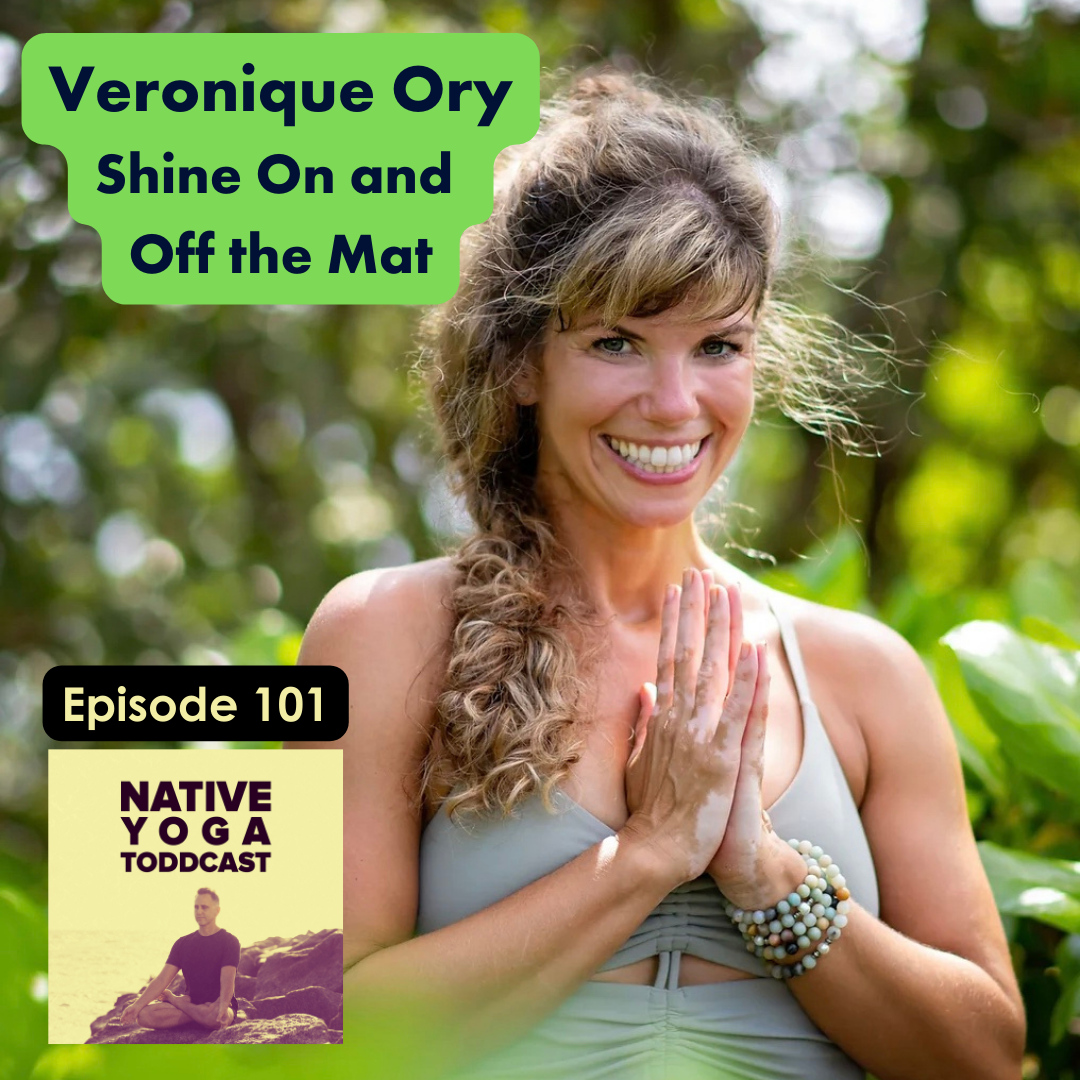

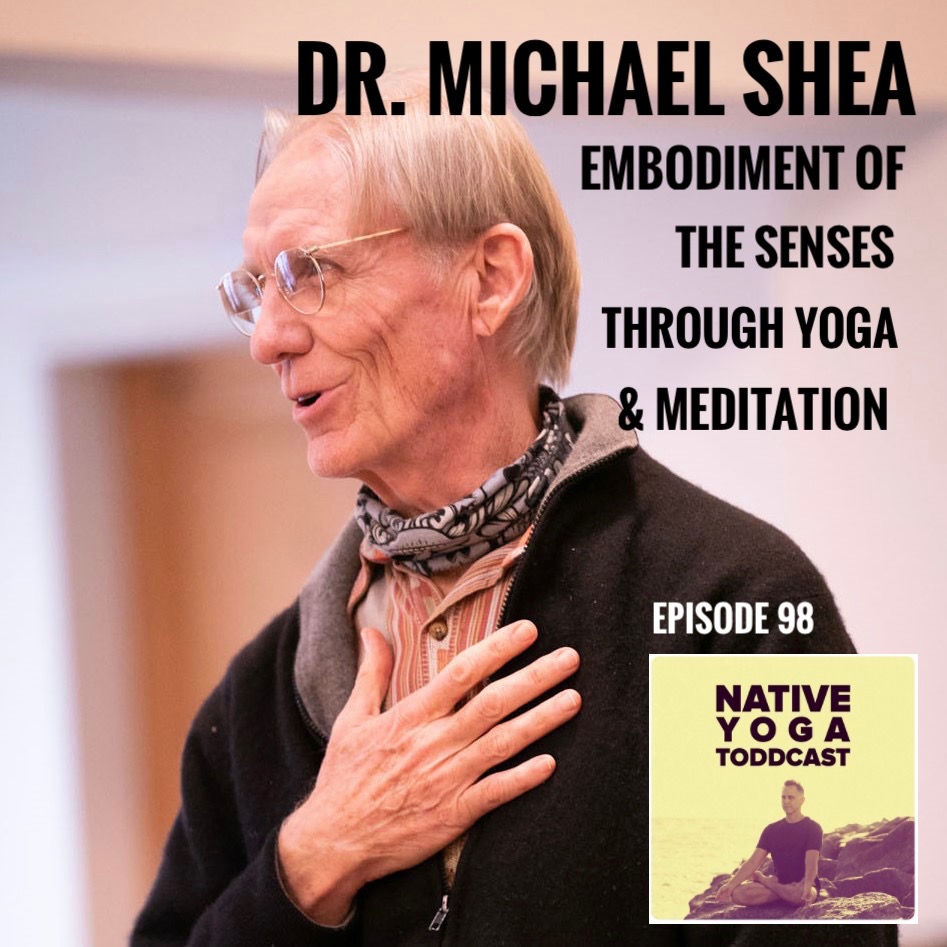


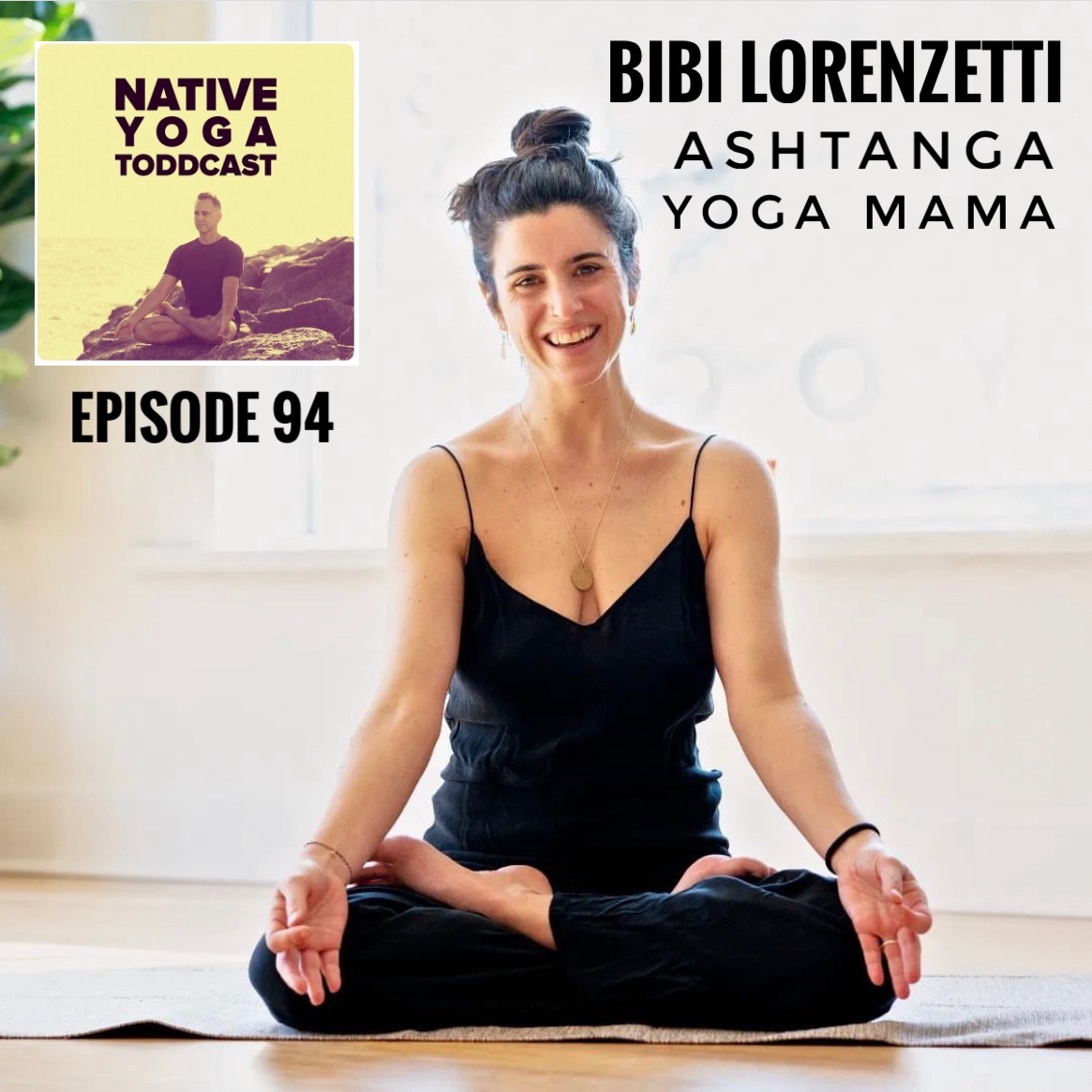
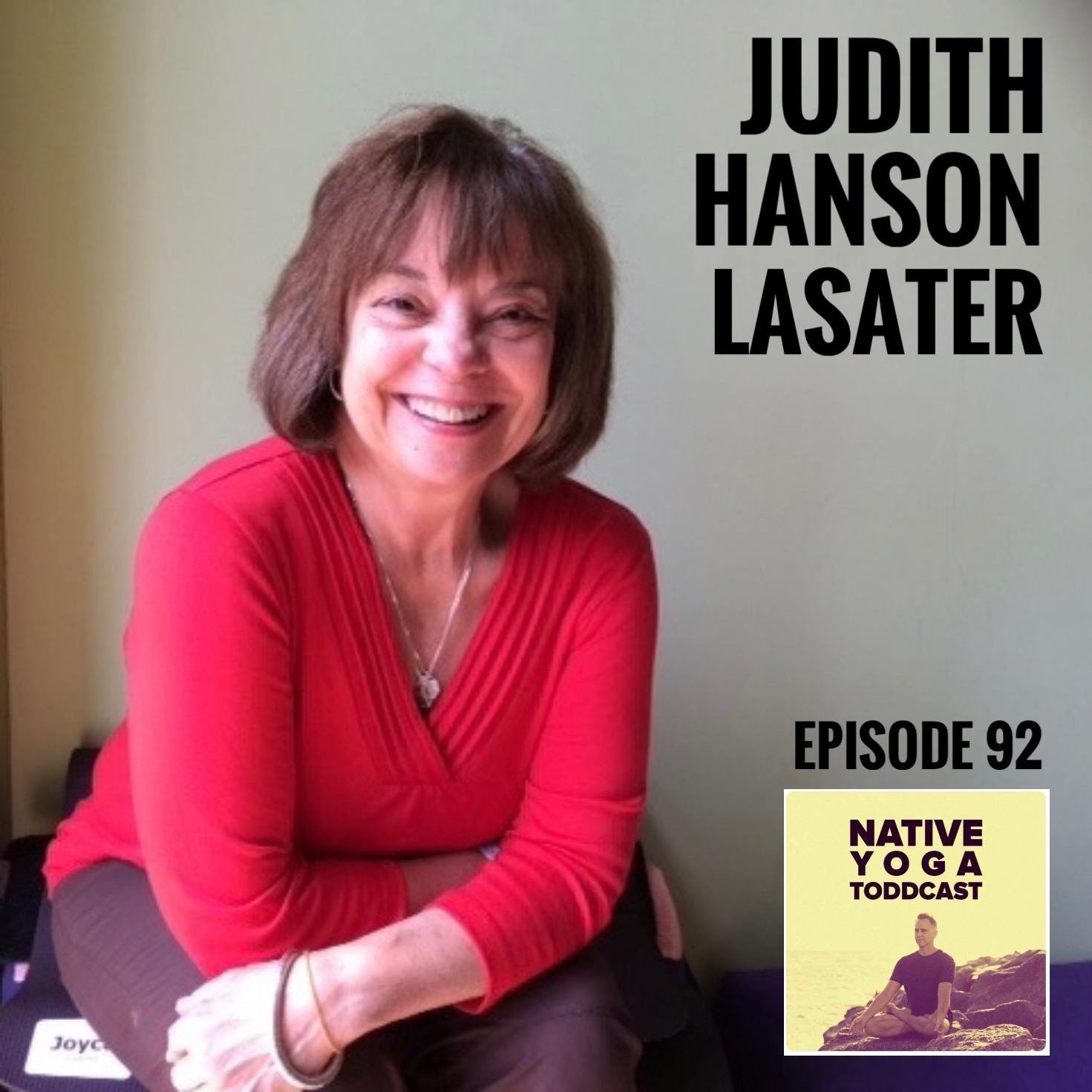


 Native Yoga Blog